
Reviewed · WORKSHOPS
Hiroshima:Private lacquer workshop experience tour(gift included)
Lacquer turns everyday things into something you feel. This small-group Hiroshima lacquer workshop is led by master artist Naoya Takayama, with a hands-on lacquer painting session plus a take-home gift. You’re not just watching craft work, you’re learning where the technique comes from and why it matters now.
I love the focus on Hiroshima Buddhist altar lacquer roots, then connecting that heritage to tableware we actually use every day. I also love the way the workshop explains the artist’s roiro (wax color) approach, so the craft feels both traditional and still alive.
One consideration is the format and time: it’s about 2 hours and the session is premium priced at $287.41 per person. If you want a long, slow, spend-all-day art experience, you may feel slightly rushed.
Key things I’d mark on your Hiroshima map
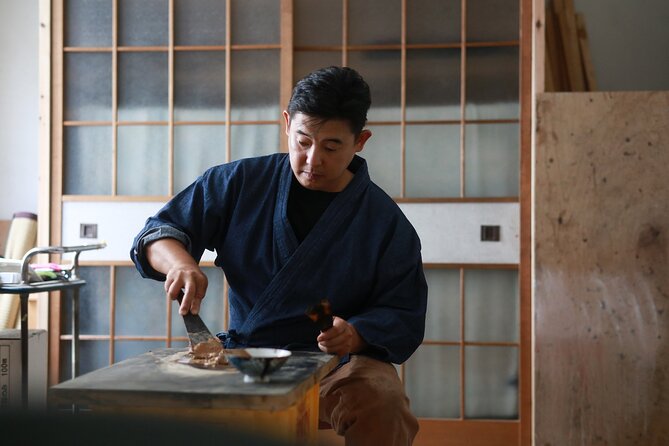
- Master-led lacquer craft with Hiroshima artist Naoya Takayama at the center of the day
- Buddhist altar origins and the specific techniques tied to Hiroshima lacquer traditions
- Roiro (wax color) technique explained as part of the artist’s signature style
- Hands-on lacquer painting so you do more than take photos
- Gift included made by the instructor, so the experience ends with something tangible
- Small group limit (max 6) which keeps the workshop personal
Entering Hiroshima lacquer: why Buddhist altar craft matters
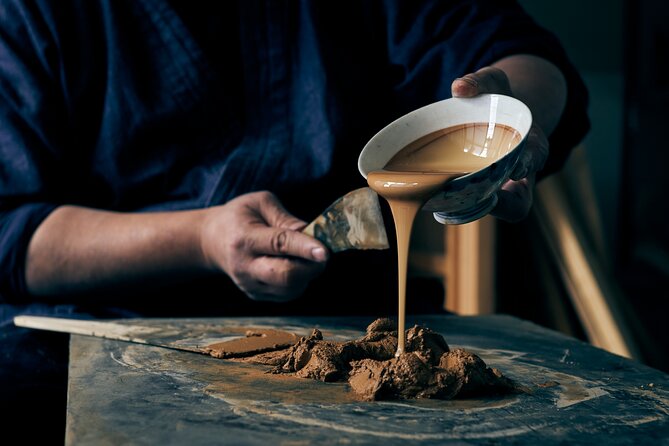
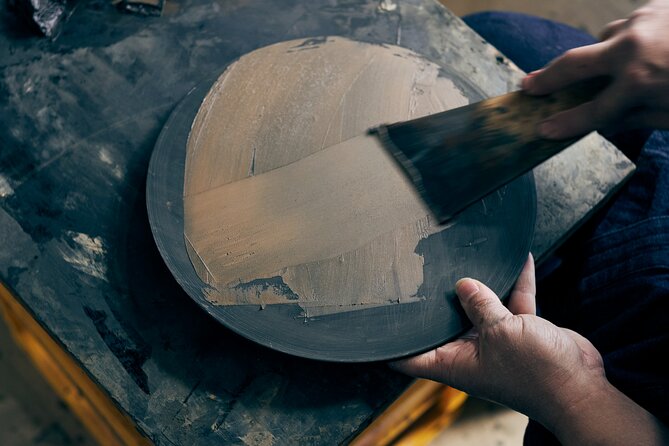
In Hiroshima, lacquer isn’t only a pretty finish. It’s a technique shaped by use and ritual, and the workshop makes that connection clear from the start. You’ll learn about the origins and methods behind the traditional craft linked to Hiroshima Buddhist altars, not just generic “lacquer art.”
That matters because you start to see the logic of the process. Lacquer work is built in layers, and each step exists for a reason. When you understand the origin story, the technique stops feeling mysterious and starts feeling like applied knowledge. Even if you’re not a craft person, you’ll likely find yourself paying attention to the details the way a cook watches heat.
You also get a real-world view of the current situation. The workshop includes the state of decline in traditional crafts, along with ideas for how artists and teachers try to sustain the techniques and the thinking behind them. That piece can make your finished item feel heavier, in the best way.
A few more Hiroshima days worth comparing
- Peaceful Hiroshima & Miyajima UNESCO 1 Day Bus Tour
★ 5.0 · 5,309 reviews - Hiroshima: Hiroshima and Miyajima UNESCO Sites 1-Day Tour
★ 4.9 · 2,330 reviews - Hiroshima / Miyajima Full-day Private Tour with Government Licensed Guide
★ 5.0 · 1,298 reviews
Meeting Naoya Takayama and his family lineage of skill
The instructor is Naoya Takayama, presented as an artist who learned traditional techniques of Kyoto lacquer painting and then refined his own lacquering through original methods. The workshop also connects him to Kiyoshi Takayama, founder of the company, framing the practice as both skill and spirit, not a one-off hobby.
What I like about this kind of teaching is that it’s not random. You’re learning from someone who has a clear artistic lineage and an approach to tradition. The workshop even mentions major recognition: Naoya Takayama’s works were selected as a gift at the G7 Summit. That doesn’t mean you’re at a stuffy museum. It means you’re learning craft that has been treated as important beyond Japan.
If you care about authenticity, this lineage angle is a strong signal. It also helps you understand why the workshop is structured the way it is. You’re getting technique, then context, then hands-on practice, then a take-home reward.
Understanding the roiro (wax color) technique before you paint
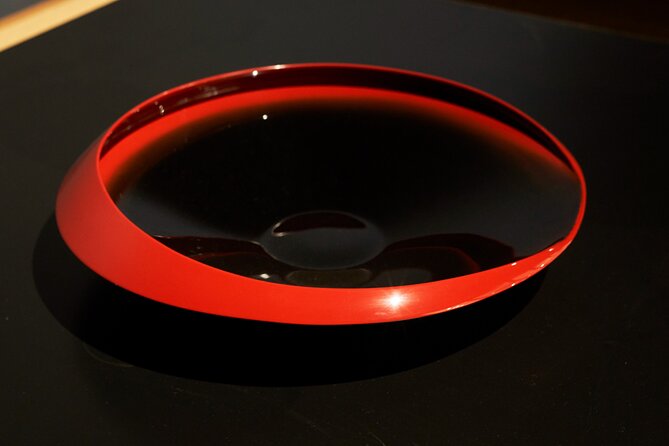
A big highlight here is the introduction of the award-winning Hiroshima lacquer technique tied to Naoya Takayama’s work, especially the roiro (wax color) method. The workshop frames roiro as part of what makes his pieces original, not just decorative.
Why this matters for you: wax-color techniques often change how light interacts with lacquer surfaces. In plain terms, it can affect the look and feel of depth. So when you later try your own lacquer painting, you can connect what you’re doing to why the artist does it. You’re not blindly copying steps. You’re learning the logic behind a specific style.
This is also where the workshop feels like a conversation between past and present. You’re seeing a traditional craft tradition, then watching how one artist explored new ways to pass it on. That balance is the main reason this experience can appeal even if you’re not chasing “art school” activities.
Your 2-hour lacquer painting session: what you do and what you learn
The core action of the workshop is the lacquer painting experience. Expect a structured session where you learn the origins and techniques first, then shift into the making process with instruction.
Because the workshop is about 2 hours, the pacing is efficient. You’ll likely cover the key concepts and enough hands-on practice to leave with a real sense of how lacquer work is done. You should plan to pay attention early, because lacquer steps often build on the last step.
What makes this hands-on part feel worthwhile is the earlier context. When you’ve just learned about the Buddhist altar craft techniques, your painting choices start to feel like part of a system. And when the instructor discusses traditional craft decline and how it can be sustained, you’re also reminded this isn’t only about personal art. It’s about keeping technique alive.
The session size helps here too. With a maximum of 6 travelers, it’s easier to ask questions and get guidance while you work. If you’ve ever felt lost in larger group classes, you’ll likely appreciate the smaller setting.
Same corner of Japan, a different kind of day:
- Hiroshima Historical Walking Tour – Why A-Bomb was Dropped
★ 4.8 · 893 reviews - Hiroshima Peace (Heiwa) Walking Tour at World Heritage Sites
★ 5.0 · 872 reviews - Hiroshima in a Nutshell: Morning Bike Adventure
★ 5.0 · 524 reviews - Hiroshima City 4hr Private Walking Tour with Licensed Guide
★ 5.0 · 437 reviews
The gift included: why it’s more than a souvenir
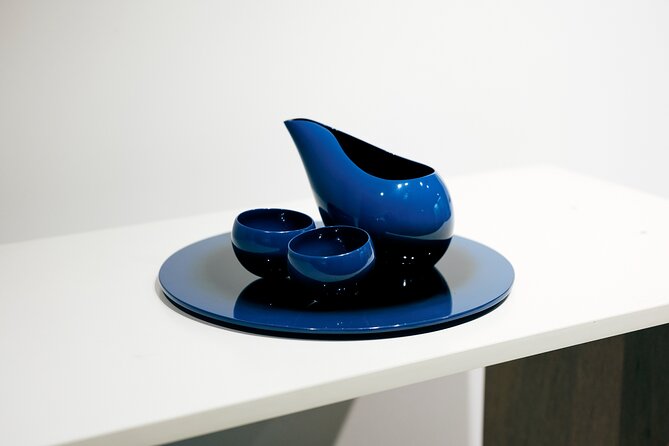
This tour includes a gift of works made by the instructor. That’s a big deal in a workshop format, because it means you leave with something created specifically by the teacher, not a generic shop item.
For value, think about what you’re paying for. You’re paying for instruction from a master craft artist, studio time, materials, and the opportunity to learn technique tied to a living tradition. A gift that’s tied to the instructor seals the deal. It’s not just “come and watch.” You’re leaving with a direct connection to the artist’s work.
Also, the workshop emphasizes natural materials for lacquerware used in everyday life. Even without getting a lecture on every ingredient, that signals you’re working inside a craft philosophy. Your take-home item (or items) should feel more intentional than a typical tourist purchase.
Studio setting, meeting point, and how easy it is to reach
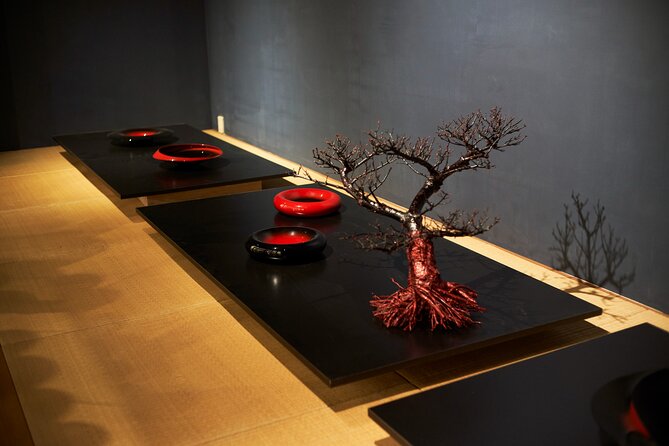
The meeting point is 2-17 Horikawachō, Naka Ward, Hiroshima, 730-0033, Japan, and the activity ends back at the meeting point. The good news for planning is that it’s listed as near public transportation, so you’re not stuck with a complicated taxi route.
You also get a mobile ticket, which makes the day simpler. No printing, no hunting for paper. Just make sure your phone battery is healthy.
Group size is capped at 6 travelers, which changes the feel. You’re not squeezed into a crowded room. It’s more like a guided craft session where you can actually pay attention, ask questions, and watch the instructor’s process closely.
Timing-wise, plan for an approximately 2-hour experience. That’s short enough to fit between Hiroshima sightseeing blocks. It’s also long enough to matter, which is exactly what you want from a workshop.
Price and value: is $287.41 per person fair for this?
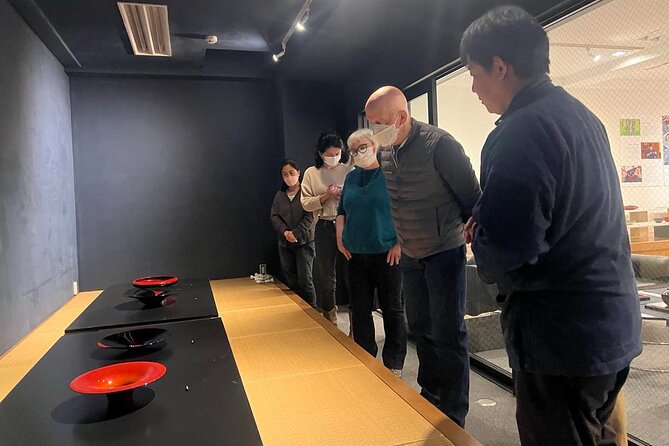
At $287.41 per person for about 2 hours, the price looks high if you’re comparing it to typical “make a craft” activities. But it’s easier to see the value when you break down what’s included.
You’re paying for:
- Instruction from Naoya Takayama, a recognized artist connected to Kyoto lacquer technique and known for roiro (wax color)
- A focused workshop centered on Hiroshima Buddhist altar origins
- Hands-on lacquer painting time
- A studio experience that keeps the group small (max 6)
- A take-home gift made by the instructor
That’s not just a class. It’s a high-skill craft mentorship session with a real output and a gift. In other words, you’re buying access to expertise plus tangible results.
The best kind of buyer for this price is someone who wants more than a one-time souvenir. If you care about craft lineage, process, and learning something you can explain later, the cost starts to feel logical.
If you’re hoping for a bargain, this might not be your best fit. But if you want a credible, master-led cultural experience in Hiroshima, this is priced like it.
Who will love it most, and who should think twice
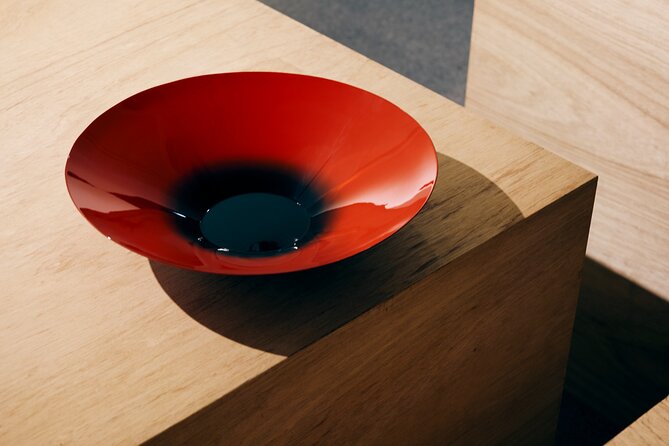
This is ideal if you:
- Enjoy traditional crafts and want the real technique story, not only the visual result
- Like small-group instruction where you can ask questions
- Want an art experience that ends with a gift included
- Are interested in how heritage gets sustained, especially when crafts are facing decline
You might think twice if:
- You want a long, slow workshop with lots of repeated practice
- You’re mainly interested in shopping for lacquer goods, not learning and painting
- You dislike paying premium prices for short-duration experiences, even when a master instructor and gift are included
Small details that improve your experience
A lacquer workshop rewards patience and attention. Even if you’re not artistic by nature, try to treat it like a lesson in process.
To get the most out of it:
- Go in with the mindset that you’re learning technique, not chasing perfection
- Ask questions when something feels unclear, especially during the transition from origins to hands-on painting
- Keep your phone for photos, but watch the instructor’s steps closely, since the craft is about subtle process details
Also, you can expect welcoming studio staff. One past comment highlighted a guide named Michi for being kind and professional. That fits the overall tone you want in a craft workshop, where the atmosphere should support careful work.
Should you book this Hiroshima lacquer workshop?
If you want a genuine Hiroshima craft experience with a master artist, I think this is worth your time. The combination of Buddhist altar origins, technique explanation (including roiro), hands-on lacquer painting, and an instructor-made gift is a strong package for the money.
Book it if you’re the type who likes to understand what you’re making, why it exists, and how it connects to the larger story of traditional craft in Japan. Skip it only if you’re budget-focused or you need a longer workshop for deeper repetition.
FAQ
FAQ
How long is the Hiroshima private lacquer workshop experience?
The experience lasts about 2 hours.
Who is the instructor for the lacquer workshop?
The workshop is taught by Naoya Takayama.
What does the tour cover besides lacquer painting?
You’ll learn the origins and techniques of the traditional craft linked to Hiroshima Buddhist altars, hear about the current state of decline in traditional crafts, and learn about Naoya Takayama’s roiro (wax color) technique.
Is there a gift included?
Yes. You receive a gift of works made by the instructor.
How many people are in the group?
The maximum group size is 6 travelers.
Where do I meet for the workshop?
The meeting point is 2-17 Horikawachō, Naka Ward, Hiroshima, 730-0033, Japan. The tour ends back at the meeting point.
Is it easy to get to the meeting point?
The activity is listed as being near public transportation.
Do I need a printed ticket?
No. You use a mobile ticket.
Can most travelers participate?
The tour says most travelers can participate.
What is the cancellation policy?
Free cancellation is available up to 24 hours in advance for a full refund. If you cancel less than 24 hours before the start time, the amount paid is not refunded.
Fresh options around Hiroshima
- Sunset Walking Tour at Peace Park, Hiroshima★ 5.0 · 13 reviews
- Kimono and Calligraphy Experience in Miyajima★ 5.0 · 16 reviews
- Hiroshima Peace Memorial Park: A Guided Tour★ 4.9 · 16 reviews
- History of Hiroshima: Small Group Night Walking Tour★ 4.8 · 17 reviews
- Okunoshima Rabbit Island Cycling Tour with Local Guide★ 4.5 · 17 reviews
- Shore Excursion from Hiroshima Port : Private Tour in Hiroshima★ 5.0 · 17 reviews
- Mitaki Peace Tour Beyond Central Hiroshima★ 5.0 · 18 reviews
- Hiroshima and Miyajima Full Day Private Tour★ 4.5 · 19 reviews
Workshops, compared.
Sushi Making Tokyo Roll and Authentic Japanese Sushi Class
Read our review →
Roll and Authentic Sushi Making Class in Asakusa
Read our review →
Ramen Cooking Class at Ramen Factory in Kyoto
Read our review →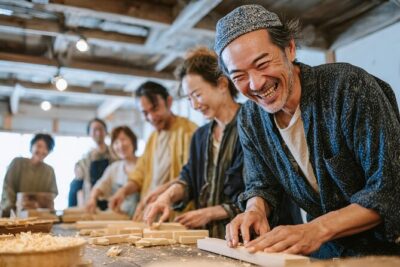

Sushi Making Class in a Happi Coat near a Famous Spot
Read our review →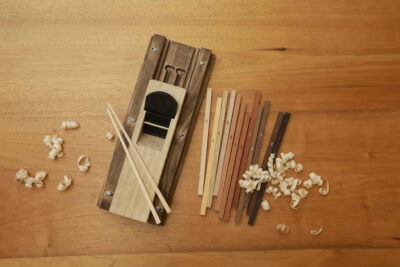
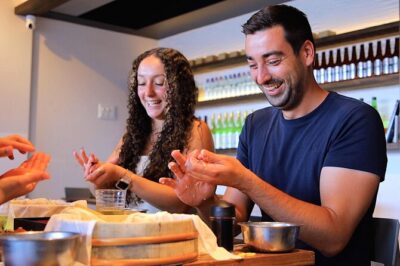
Sushi Making Osaka Roll and Authentic Japanese Sushi Class
Read our review →Browse the lists this tour appears in