
Reviewed · WORKSHOPS
Kyoto: 45-Minute Tea Ceremony Lesson Experience
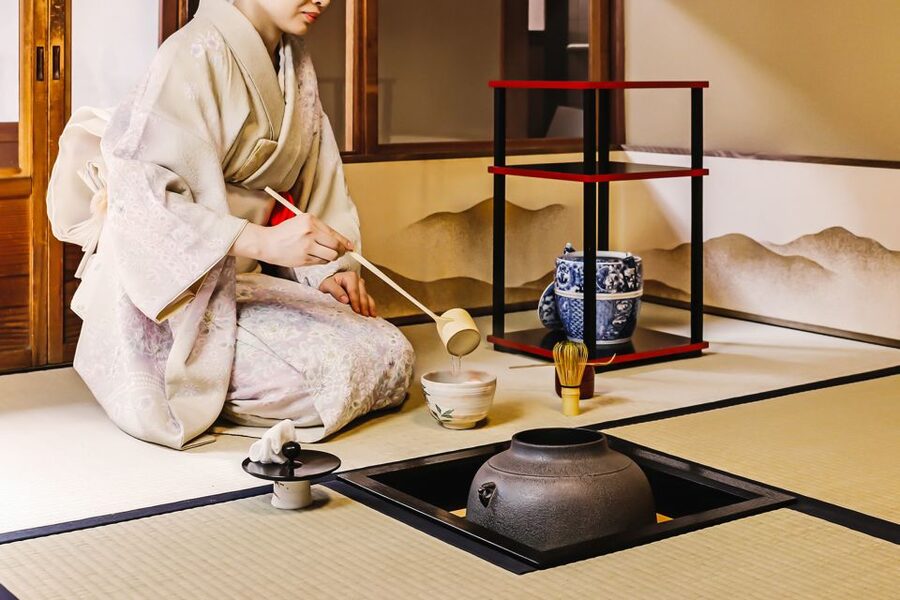
Tea ceremony in Kyoto should slow you down, not speed you up. This 45-minute lesson at Tea Ceremony Koto is a genuine start to thin tea etiquette, with you seated on tatami, making matcha step by step, and hearing why each motion matters. It is also timed so you can still enjoy nearby sights like Kinkakuji after.
I love that you learn from a licensed tea master from Urasenke, the biggest school in Japan. You watch the ceremonial preparation first, then you make your own tea using the rules, not a watered-down script. I also like the hands-on feel, because you get two matcha flavors plus traditional sweets, and the host explains how technique changes taste.
One thing to consider: the experience moves at a careful pace, and a few people felt the in and out timing could feel a bit rushed. Also, you sit on the floor unless you ask for chairs ahead of time, so plan for that if your knees are grumpy.
Quick hits
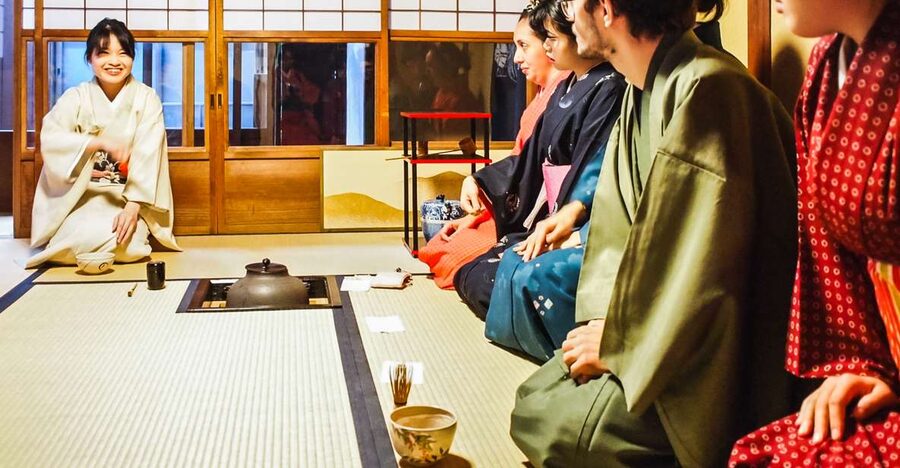
- Urasenke tea master instruction for a more formal, rule-based thin tea experience
- Hands-on matcha whisking with explanations tied to flavor and etiquette
- Two flavors of green tea plus traditional Japanese sweets
- Kimono photo add-on available, with extra early arrival time
- Candlelight sessions for that old Kyoto quiet, after sunset
- No video recording, which helps the room stay respectful and calm
Kyoto tea ceremony at a real pace, not a performance
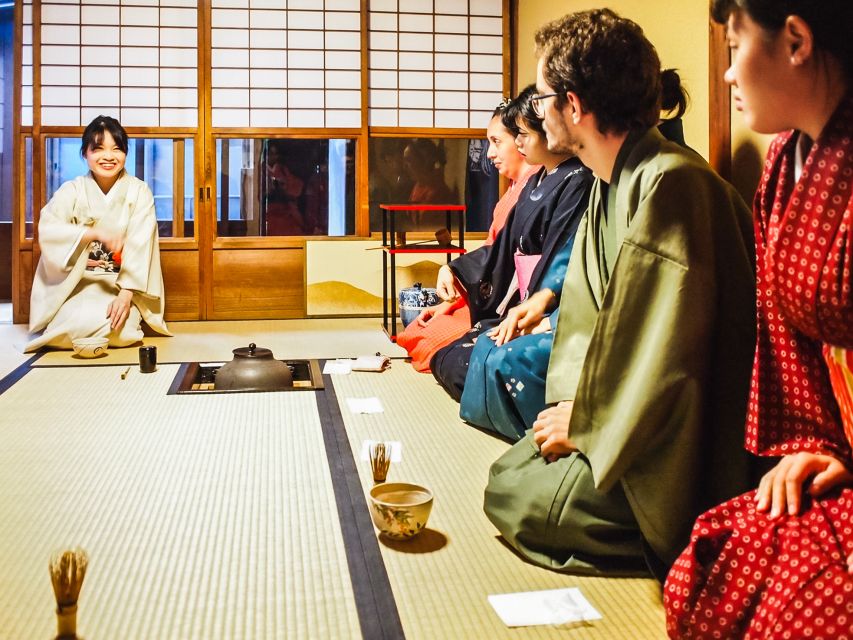
A lot of Kyoto activities tell you about tea ceremony. This one teaches you to do it, which is a big difference in how it lands. The core idea is that you follow the same basic rules beginners follow in Japan. Tea Ceremony Koto has focused on this approach since 2015, so you should expect etiquette and proper handling of utensils, not just a quick photo moment.
The lesson is built around the thin tea ceremony format. That matters because thin tea has a specific rhythm: how you prepare matcha, how you present and receive, how you handle the bowl, and how you respond as a guest. If you only know tea from restaurants, this gives you the structure behind the calm.
You get the benefits fast: your brain stops treating matcha like a generic drink and starts treating it like a craft. And because you taste, you can connect technique to bitterness, sweetness, and aroma.
More Tea Ceremonies in Kyoto
- Kyoto: Tea Ceremony in a Traditional Tea House in Kiyomizu
★ 4.9 · 3,519 reviews - Kyoto: Tea Ceremony Ju-An at Jotokuji Temple
★ 4.9 · 3,207 reviews - Kyoto: Table-Style Tea Ceremony at a Kyo-Machiya
★ 4.9 · 1,211 reviews
Finding the meeting point near Kinkakuji (and planning for taxis)
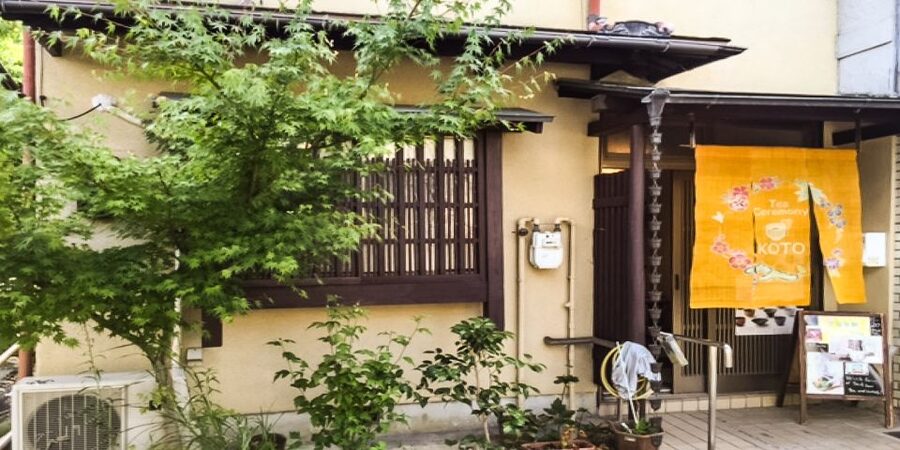
The meeting point is easy once you know the landmarks. You enter from the sliding door with the orange curtain at the building. It is about a one-minute walk from the Kinkakuji-Michi city bus stop and close to the gate area of Kinkakuji-temple. If you are biking, look for bicycle parking by the area near the location.
If you are building a day around Kinkakuji, this is a good spot because you are not hopping across town. You can also pair it with a walk in that neighborhood without needing a full transit reroute.
One practical note that affects your planning: calling a taxi right after the ceremony can be hard because taxis do not answer phone calls immediately. There is a big taxi stand in front of the activity location, and it usually opens around 5:30 PM. If your session ends before that, you may want to line up your next transport option in advance.
Entering on tatami: how the lesson begins
You start by placing yourself on the tatami, the traditional woven floor mat. The host meets you there and walks you through what is about to happen. The key is that you are not just watching from the side. You are learning what a host does, and then you learn what a guest does.
The host is an English-speaking, licensed tea master from Urasenke. That combination is ideal for most visitors: you get proper terminology without being left to guess. You also get a calm room rhythm, because the ceremony is more about respect and attention than volume.
If sitting on the floor is difficult for you, tell the supplier. They can provide chairs. This matters because tea etiquette still works even if you sit differently. The goal is participation, not pain.
Before you go, you will do best by checking the Do’s and Dont’s page and the short videos about what not to do during the tea ceremony. That prep reduces the chances of awkward moments. It also helps you notice the small etiquette cues the host uses.
Watch first, then make it: ceremonial matcha step by step
The ceremony starts with the host doing the ceremonial preparation of matcha, powdered green tea. You watch the whole process first, including the way matcha is handled and whisked. This is where a lot of the value lives. Tea ceremony is very precise, and the host connects each rule to purpose.
Then it is your turn. You learn how to make the tea according to the ceremony rules, not just how to mix matcha. The host talks through the history and the spiritual role of tea ceremony while you work. Even if you are not religious, the idea of mindfulness, hospitality, and quiet focus is easy to feel when you are doing the actions yourself.
You will also hear about the effects each tea-making method has on flavor. That is a big deal because matcha can taste wildly different depending on grind, ratio, and how it is whisked. This lesson helps you understand what your bowl should feel like, and what to expect from the taste.
The experience is designed for small-group learning and includes a private option if you want the room to feel extra quiet and personal.
Same corner of Japan, a different kind of day:
- PERFECT KYOTO 1-Day Bus Tour
★ 5.0 · 13,518 reviews - Kyoto: Fushimi Inari, Kinkakuji, Bamboo Grove 1 Day Bus Tour
★ 4.8 · 4,316 reviews - Kyoto Geisha Walking Tour: Gion District & Hidden Gems
★ 4.7 · 3,273 reviews - Kyoto: Gion Magical Night Walking Tour with Geisha Trivia
★ 4.9 · 2,393 reviews
Two matcha flavors, sweets, and the etiquette behind tasting
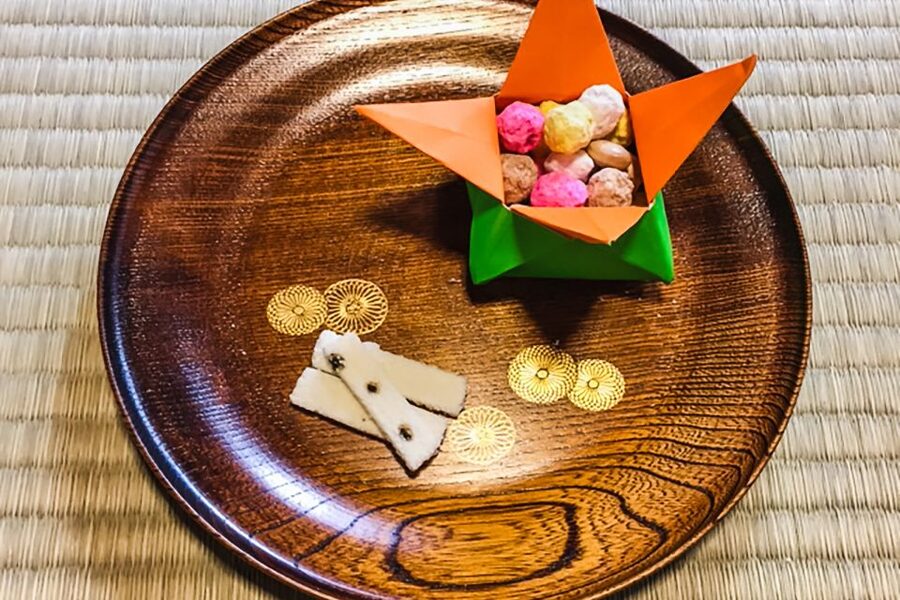
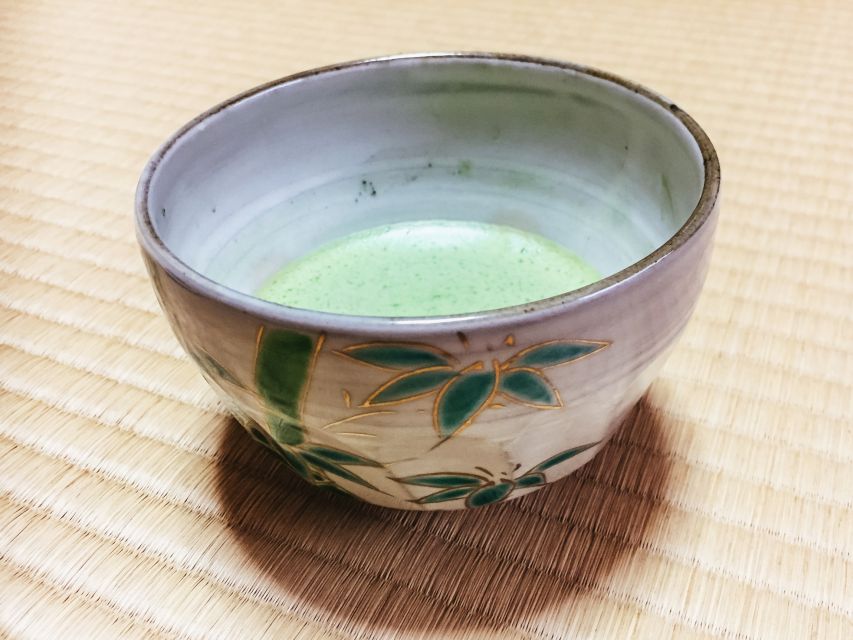
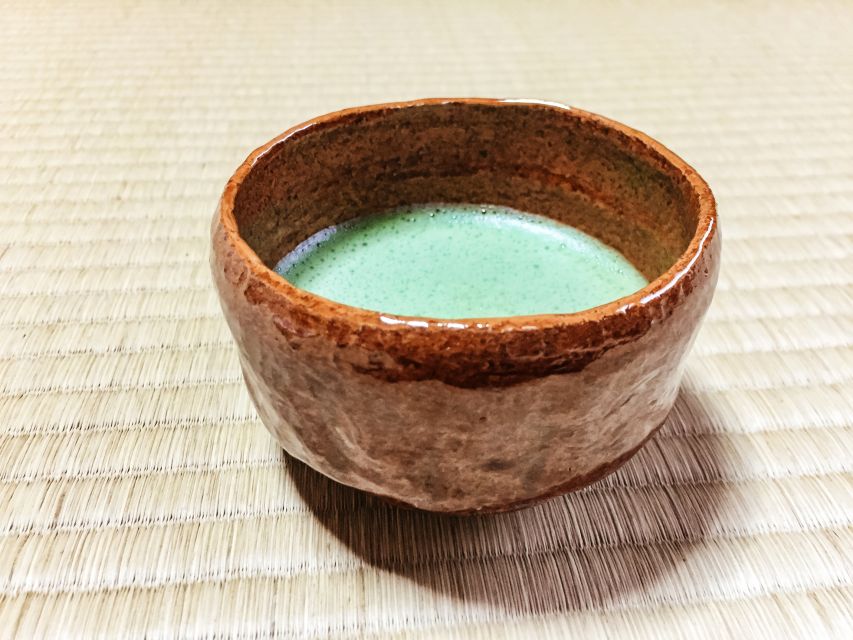
You are not drinking one generic matcha and calling it a day. The lesson includes two flavors of Japanese green tea, and that gives you a built-in comparison. When you taste the first one, your senses start calibrating. Then the second tasting helps you connect what you did with what you taste.
Traditional Japanese sweets come after. Think of them as part of the pacing. They also help balance matcha bitterness and make the ceremony feel complete, not like a single-note beverage lesson.
Etiquette is part of this tasting moment. You learn proper manners for tea drinking and what to do during the ceremony flow. A few people highlighted how the teacher explained the precision of movements and why each gesture exists. That kind of explanation turns matcha from something you sip into something you respect.
If you are sensitive to matcha bitterness, do not panic. Multiple people said they usually do not love bitterness but enjoyed the flavors served here, suggesting the matcha quality is strong and the tasting approach helps.
Kimono add-on for photos, and how early you must arrive
If you want the kimono experience, you can add it during booking. The kimono itself is not included in the base price, so treat it like an optional upgrade. Still, it is a popular way to make the moment feel more Kyoto.
Here is the timing rule that matters: if you reserve the kimono add-on, you need to arrive 20 minutes early. Do not treat this as optional. It is hard to add a kimono setup at the last minute once you already arrived.
Once the ceremony has ended, you get time for photos. You can also see examples of kimonos and beautiful woven textiles made in the Nishijin district of Kyoto. Nishijin is known for high-quality weaving, and having those visuals in front of you helps you connect the textile craft to the wider aesthetic of tea culture.
One more practical note: there is no dress code for the basic ceremony. If you wear casual clothes, you are fine. The kimono add-on simply adds extra styling and photo time.
Candlelight sessions for old Kyoto quiet after sunset
If you pick the candlelight option, the lesson shifts in mood. You experience the tea ceremony by traditional candlelight, recreating a peaceful evening atmosphere in Kyoto after sunset.
This is not just a lighting trick. Candlelight changes how you feel your surroundings, and it supports the ceremony’s core tone: calm attention. If you are doing Kyoto in summer or you want a slower evening plan, candlelight tea ceremony can feel like the perfect button on a busy day.
Photos are part of the experience in the candlelight setting, and the room stays respectful. Just remember: video recording is not allowed, so plan for photos only.
Price and value for $22 in Kyoto
At $22 per person for a 45-minute lesson, this is priced like a budget-friendly cultural class, not a luxury show. The value comes from what is included: two flavors of green tea and traditional sweets, plus instruction from a licensed tea master.
You are also paying for structure. A simplified, tourist-friendly tea ceremony can feel like a short demo where you get little instruction. Here, the lesson is described as the full version of the thin tea ceremony rather than a simplified foreigner version. That is a meaningful difference because you learn rules, not just a performance.
Add-ons are optional. The kimono rental and photo experience cost extra, but you control that choice. If you want the kimono for the photos and the added atmosphere, it can be a worthwhile memory upgrade. If you would rather save money, you can still get the core ceremony and tastings at the base price.
For many first-time visitors, this kind of tea lesson is a high return on low time. You get cultural depth without losing half your day to travel logistics.
What might feel slightly imperfect, and how to avoid it
No experience is flawless, and a few patterns show up. Some people felt the overall flow could feel rushed in and out. That is not unusual for a 45-minute format. If you want extra slow time, consider booking a private ceremony option. Private sessions typically help you control pacing better, and you tend to get more personal attention.
Another consideration is the teacher’s tone. A couple of comments mention moments that felt abrupt or different from expected warmth. In most cases, the main takeaway is that the ceremony is taken seriously. That seriousness is part of why it feels authentic. If you are very sensitive to teaching style, you might feel it, but the core instruction still lands well for most people.
Finally, no video recording. This is actually a plus for the atmosphere, but it is a dealbreaker if you rely on video for memories. Plan to take photos instead.
Who this tea ceremony suits best, and who should think twice
This is a strong match if you want a real cultural lesson in Kyoto. You will enjoy it if you care about etiquette, are curious about how matcha technique affects flavor, and like experiences that encourage quiet focus.
It is also good for pairs and families who want a calm shared activity. The private option makes it easier to ask questions without feeling time pressure from a larger group.
You might think twice if you:
- Cannot sit on the floor and do not want to use chairs
- Need video for your travel documentation
- Prefer fast, social, high-energy activities over quiet etiquette practice
If you fall into the first group, tell the supplier about floor difficulty. That one step can change your whole experience.
Should you book Tea Ceremony Koto in Kyoto?
Yes, if you want a structured, rule-based tea ceremony near Kinkakuji and you like hands-on learning. The $22 price is fair for what you get: a licensed Urasenke tea master, your own matcha making, two tea flavors, and sweets.
Book it especially if you can handle a calm room and you plan to do a little prep by reviewing the Do’s and Dont’s and those short videos. That prep helps you feel confident, not lost.
If you want the extra atmosphere, add kimono only if you can arrive early and you are excited about photos and Nishijin textile viewing. If you want an evening mood, pick the candlelight session.
FAQ
How long is the Kyoto tea ceremony lesson?
The experience lasts 45 minutes.
What is included in the price?
You get two flavors of Japanese green tea and traditional Japanese sweets.
Is a kimono included?
No. A kimono can be selected as an add-on during booking.
If I book the kimono add-on, when should I arrive?
You need to arrive 20 minutes early for the kimono add-on.
Can I record video during the tea ceremony?
No. Video recording is not allowed.
Where is the meeting point?
Enter from the sliding door with the orange curtain at the building. It is about a one-minute walk from the Kinkakuji-Michi city bus stop and near the gate of Kinkakuji-temple.
Are there public and private options?
Yes. You can choose a public ceremony (small group), a private ceremony (just you and your group), or a candlelight ceremony.
Do I need to wear special clothing?
There is no dress code for the activity.
What if I have trouble sitting on the floor?
If you might have difficulty sitting on the floor, inform the supplier. Chairs can be provided.
Fresh options around Kyoto
- Kyoto Gion Photoshoot – Private Session | Pro Photographer★ 5.0 · 12 reviews
- Kyoto Aquarium Admission Ticket★ 4.7 · 12 reviews
- Gyoza Cooking Class in Kyoto: Traditional Japanese Dumplings★ 5.0 · 12 reviews
- Kyoto: Guided Food Tour with 12 Dishes & 3 Drinks★ 5.0 · 12 reviews
- Kyoto: Avoid the Crowds at the Hidden Gems of Arashiyama★ 4.9 · 13 reviews
- Kyoto Early Bird English Tour: Gion & Higashiyama(Private opt)★ 5.0 · 13 reviews
- Otsu-e Folk Art Workshop & Local Culture Walk Near Kyoto★ 5.0 · 13 reviews
- Kyoto, Osaka, Nara Full Day tour by Car English speaking Driver★ 3.5 · 13 reviews
Workshops, compared.
Sushi Making Tokyo Roll and Authentic Japanese Sushi Class
Read our review →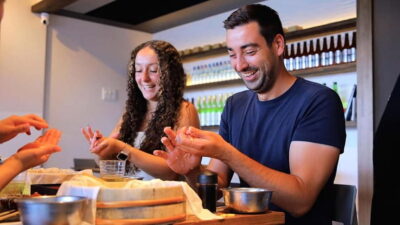
Roll and Authentic Sushi Making Class in Asakusa
Read our review →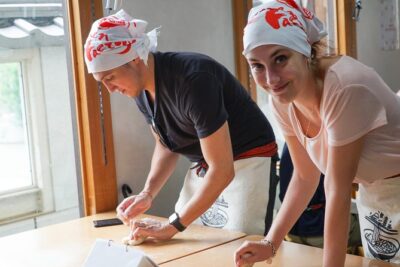
Ramen Cooking Class at Ramen Factory in Kyoto
Read our review →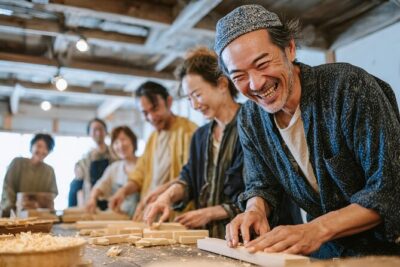
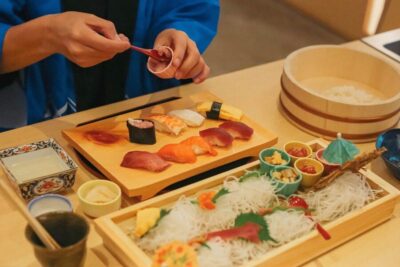
Sushi Making Class in a Happi Coat near a Famous Spot
Read our review →
Sushi Making Osaka Roll and Authentic Japanese Sushi Class
Read our review →
Tokyo Sushi Making Class in Tsukiji with Professional Chef
Read our review →Browse the lists this tour appears in