
Reviewed · WORKSHOPS
Tokyo Shinjuku Chopsticks Making Class
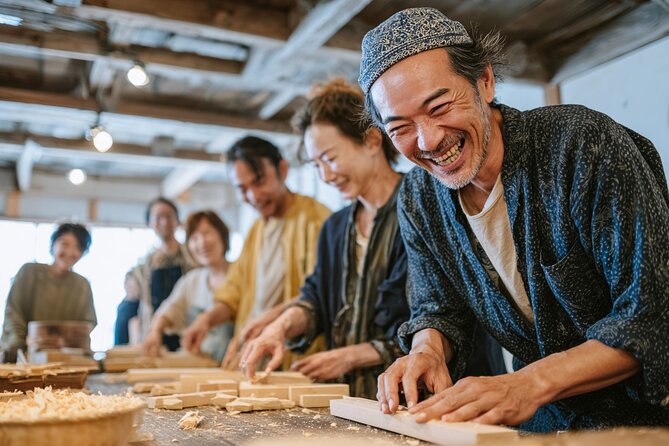
One tiny hand plane, big satisfaction. In Shinjuku, you use a traditional kanna to shape raw wood into your own pair of chopsticks, and I love how beginner-friendly the process feels with staff walking you through each step. The only drawback to plan for is that peak times can get crowded, so the pace can feel a little tight if you want extra help.
What makes this workshop appealing is the payoff. You start with plain wooden sticks and end with something you can actually use, plus an optional personal touch if you want to engrave your chopsticks. You’ll also appreciate the efficient setup, with lots of station support, and the fact that it runs for about one hour with a mobile ticket.
Key Highlights Worth Your Time
- Traditional kanna hand-planing, not just a craft demo
- Wood choice matters, you pick from different Japanese woods with different feel and character
- Patient, helpful instruction from English-speaking staff like Masa, Tom, Yuki, Ken, Sayaka, Nana, Mauro, Yin, Katana, and Mimi
- Organized workstation flow, designed for groups, with helpers ready when you get stuck
- Personalization options like name engraving (extra cost)
Tokyo Shinjuku Chopsticks in One Hour, What You Actually Make
This is the kind of activity that gives you a real souvenir, not a photo and a t-shirt. In about an hour, you’ll turn rough wooden chopsticks blanks into something smooth, shaped, and ready for the table. The focus stays on hands-on work: you’re shaping, smoothing, and finishing, not watching someone else do all the labor.
The format is also easy to slot into a Tokyo day. You’re meeting at Nishishinjuku and finishing back at the same spot, so you do not end up bouncing across the city hunting for your next stop. And since the group cap is 32 people, the class generally feels structured rather than chaotic.
I also like that the experience is beginner-friendly without being fake. You can show up with zero woodworking skills, and the instruction is geared to first-timers. The tools can take some muscle, though, especially if you choose a tougher wood, so it’s not effortless. If you want a super-relaxing activity, aim for a lighter wood option and go when the room is not at its busiest.
A few more Tokyo days worth comparing
- Mt Fuji and Hakone 1-Day Bus Tour Return by Bullet Train
★ 5.0 · 26,383 reviews - 1-Day Tokyo Bus Tour
★ 5.0 · 14,250 reviews - Tokyo: TOKYO SKYTREE® Admission ticket
★ 4.5 · 11,192 reviews
The Kanna Method, Turning Raw Wood Into Smooth Chopsticks
The star of the show is the traditional kanna, a Japanese hand plane. You start with raw sticks, then you learn how to use the plane to shave the wood down into a chopstick shape. This is the part that feels most “Japan,” because you’re doing a real technique with a real tool, not just coloring or assembling.
A good chunk of your time is spent on shaping the surface so it’s comfortable to hold. You’ll also get guidance on how to smooth things out and get the surface even. In plain terms, you are training your hands to control the tool. Once you get the hang of it, the work starts to feel oddly satisfying.
One detail I appreciate is that staff don’t just toss you the tools and walk away. Names that come up in the guidance include Masa, Tom, and Yuki, and multiple helpers are described as patient and supportive when people mess up their first attempt. If your first chopstick looks imperfect, that’s normal. The class rhythm is built around fixing and improving while you’re still in the session.
Choosing Wood Like a Craft Nerd (Color, Scent, and Feel)
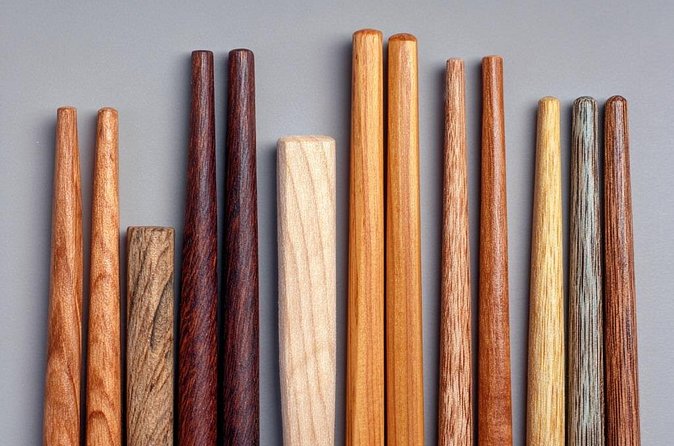
Wood choice is more than aesthetics. You get to pick from different types of Japanese wood, and each one has its own texture and character. Even when the final product is a simple pair of chopsticks, the feel in your hand changes based on what you choose.
The overview says two types of wood are included for free, while premium woods cost extra for a small upgrade. That means you can keep the experience close to the base price if you stick with the included options. If you want the best-looking grains or a specific feel, it’s worth upgrading, but you should know it will raise the total.
Here’s the practical way to decide: if you care most about doing the technique and going home with a memorable souvenir, choose one of the free woods. If you’re a wood texture fan or you want the nicest-looking pair, consider spending more on premium wood, but don’t let the upgrade pressure get to you. A couple of people felt the room got busy enough that they felt pushed toward upgrades, so if you’re budget-minded, decide your wood choice early and stick to it.
Staff Help and English Instruction, From Patient Teachers to Quick Fixes
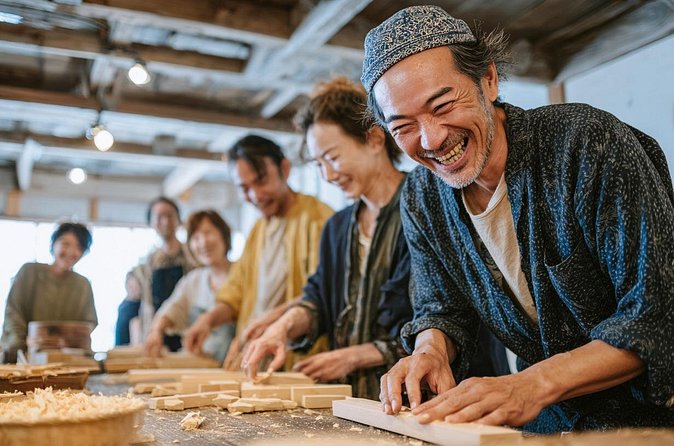
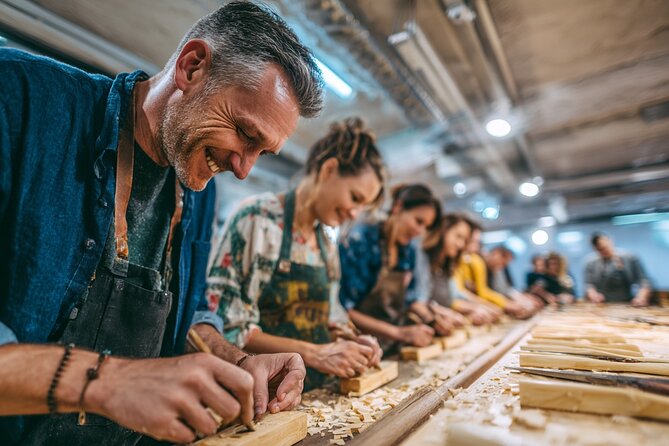
This is one of the strongest reasons to book. The workshop runs with multiple tables and a bunch of stations, and there are helpers circulating to answer questions and rescue you before you get frustrated.
In the guidance I saw reflected through the experience, staff members like Tom and Yuki are described as explaining everything well in English. Masa is called out for being patient when someone struggled at first. Ken and Sayaka are mentioned for being attentive, and Nana and Mauro for giving clear help from start to finish.
Even if you’re not confident with tools, you’re not left to guess. You’ll be taught how to shave, sand, and oil, and you should expect staff to check your progress. That “check in” matters because chopsticks require even shaping. If one side is thicker or uneven, it affects how the chopsticks feel when you use them.
Also, the atmosphere matters. People mention a nice work room, organized setup, and enough staff support that you can keep going even when you hit a snag. If you’re traveling with kids or older relatives, this kind of support is a big deal.
Same corner of Japan, a different kind of day:
- Tokyo: teamLab Planets TOKYO Digital Art Museum Entry Ticket
★ 4.6 · 9,779 reviews - Mt Fuji & Hakone Cruise, Drum Show Bullet Train 1 Day from Tokyo
★ 4.0 · 7,413 reviews - Tokyo: Sumo Show Experience with Chicken Hot Pot and a Photo
★ 4.8 · 6,678 reviews - Tokyo: Shinjuku Food Tour (13 Dishes at 4 Local Eateries)
★ 5.0 · 6,603 reviews
Timing in Shinjuku, When to Go and How to Avoid Feeling Rushed
Location in Shinjuku is convenient, but the area can be busy. The class itself can get packed, and that’s where your timing choice matters.
One practical tip: try to avoid the middle of the day if you can. When the room is full, instruction can become more “go, go, go,” and you may feel rushed. Some people said they felt the experience was hectic and tight on time at peak moments. That doesn’t mean the workshop is bad, just that instructor attention gets divided across more stations.
So what should you do? Aim for a time slot where you’re not in a hurry afterward. If you hate crowds or you want plenty of help, schedule earlier or later when the class flow is lighter. And bring patience with you. Even when you’re having fun, this is hands-on woodworking, and your first attempt takes practice.
Another practical note: you’re using a hand plane. That requires physical effort, not just dexterity. If you have wrist issues or low grip strength, choose an easier wood and take your time. The helpers can guide you, but the work does require some muscle.
Price, Upsells, and What You Get for $20
At $20 per person, the base price is for the core experience: learning the technique, shaping chopsticks with the kanna, and finishing the set you make. You’ll also get a mobile ticket and a structured session of about one hour.
But the real value question is how much you end up spending after that $20. The overview says two wood types are included and premium woods cost extra. Some people also mentioned an extra fee for engraving, with a specific example of 2,000 yen to engrave the chopsticks. Premium wood and engraving can turn this into a pricier souvenir than you planned.
Here’s my balanced take. For many people, the workshop feels worth it because you’re leaving with functional handmade chopsticks and a memory tied to your own labor. If you upgrade to premium wood and add engraving, you’re paying for customization and comfort with the final product.
If you want the best value, decide what matters most:
- If you want the craft and the souvenir, stick with included woods and skip the engraving.
- If you want a more personal gift or a keepsake with your name, consider engraving, but treat it as an add-on you budget for.
- If you love the look and feel of wood grain, premium wood can be worth it, but pick your upgrade calmly.
One more point: a couple of people felt the tools could be blunter than ideal, which can make shaping harder than it needs to be. That’s not something you can control, but it’s a consideration if you’re sensitive to tool quality. The good news is that staff support can help you move through the process.
What You Take Home, From Finished Chopsticks to Wood Shavings
You go home with your completed chopsticks, and that’s the main point. You’ll have a pair that you shaped yourself, finished in a way designed for real use.
There are also fun “extra” details. One person mentioned keeping the shavings, which is a neat souvenir from the work itself. That might not be the main deliverable, but it captures why this workshop is satisfying. You’re not just buying an object, you made it in front of your own eyes.
You also finish with personalization options if you choose to add engraving. That engraving is an extra cost, but it turns your chopsticks into something you’ll remember beyond the usual tourist souvenir shelf.
Practical reminder: since you handle raw materials and finishing products during the class, your chopsticks likely need a bit of time to fully set or finish depending on the oils used in the workshop. The session is short, so give yourself a day or so if you’re planning to pack them right away for a flight.
Who This Workshop Fits Best, Families, Couples, and Gift Givers
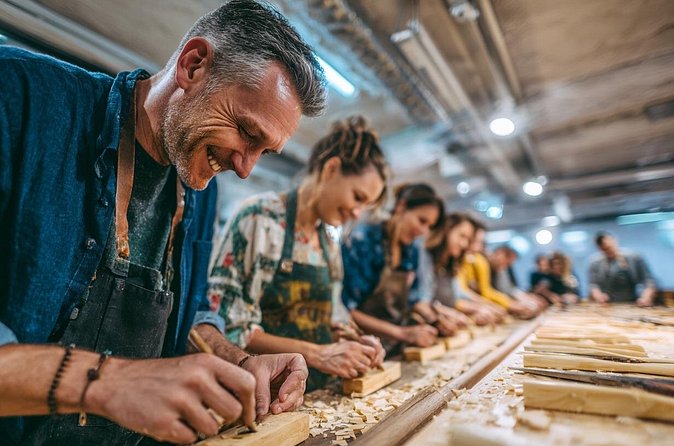
This class works for a wide range of travelers because it’s hands-on, structured, and supported. It’s also a good family choice. People mention it as family fun, and they describe the experience as interactive and doable for ages that range from younger kids up to adults.
For families, the workshop is a nice way to slow down in Tokyo and do something together. You’re not competing for museum attention, and everyone can take a turn shaping and sanding. Just know it can be physical. If your group includes someone who tires easily, choose a wood that’s easier to work.
For couples, it’s a memorable date that doesn’t require fancy reservations or heavy planning. You’re both making the same kind of item, but your results will look different because of your wood choices and how your hands guide the tool.
For gift givers, handmade chopsticks are a strong option because they’re practical. A jar of snacks or a random keychain will get ignored. A pair of chopsticks that you made in Shinjuku is easier to keep and actually use.
If you’re the type of traveler who likes crafts, tool work, and learning something with your hands, this fits you well. If you only want passive sightseeing, skip it. This is work, even if it’s fun work.
Should You Book? My Decision Guide
Book this if you want a hands-on Tokyo souvenir you’ll actually use. The core value is clear: you learn the kanna technique, you shape your own chopsticks, and you leave with a functional result in about an hour. The support from English-speaking staff, including people like Masa, Tom, Yuki, Ken, Sayaka, Nana, Mauro, Yin, Katana, and Mimi, is a real strength.
Don’t overbook yourself right after. When the workshop runs full, the session can feel hectic. If you’re the kind of person who likes extra time to think or redo steps, pick a quieter time slot.
And do your budgeting math. The $20 base is the start, not the whole story. If you want premium wood and engraving, plan for extra cost up front so it feels like a choice, not a surprise.
FAQ
How long is the Tokyo Shinjuku chopsticks making class?
The class is about 1 hour.
How much does it cost?
It costs $20.00 per person.
Where do I meet for the class?
The meeting point is 7-chōme-4-5 Nishishinjuku, Shinjuku City, Tokyo 160-0023, Japan.
Is the activity easy for beginners?
Yes. The experience is described as beginner-friendly with guided instruction and no prior skills needed.
What should I bring?
The provided information does not list specific items. You will receive confirmation at booking, and the class provides the tools needed for making chopsticks.
Do I get any ticket information ahead of time?
Yes. The tour includes a mobile ticket, and you receive confirmation at the time of booking.
Is the group size limited?
Yes. The maximum number of travelers is 32.
Is free cancellation available?
Yes. You can cancel up to 24 hours in advance for a full refund.
Are service animals allowed?
Yes, service animals are allowed.
Fresh options around Tokyo
- Tokyo: Nikko Kegon Falls Lake Chuzenji Toshogu Temple & More★ 4.9 · 12 reviews
- Tokyo: Samurai History Walking Tour★ 5.0 · 12 reviews
- Harajuku: Kawaii Fashion and Pop-Culture Tour★ 4.7 · 12 reviews
- Tokyo: Mt. Fuji & Lake Kawaguchi Instagram Full Day Trip★ 4.1 · 12 reviews
- Shibuya Tokyo: Modern Kintsugi Workshop in Shibuya★ 5.0 · 12 reviews
- Tokyo: GTR Guided Daikoku Experience at Night★ 5.0 · 12 reviews
- Tokyo: Daikoku JDM Car Culture Tour★ 4.6 · 12 reviews
- Mt Fuji Private Day Trip from Tokyo with English speaking driver★ 5.0 · 13 reviews
Workshops, compared.
Sushi Making Tokyo Roll and Authentic Japanese Sushi Class
Read our review →
Roll and Authentic Sushi Making Class in Asakusa
Read our review →
Ramen Cooking Class at Ramen Factory in Kyoto
Read our review →
Sushi Making Class in a Happi Coat near a Famous Spot
Read our review →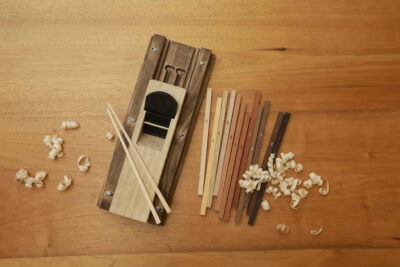
Sushi Making Osaka Roll and Authentic Japanese Sushi Class
Read our review →
Tokyo Sushi Making Class in Tsukiji with Professional Chef
Read our review →Browse the lists this tour appears in