
Reviewed · WORKSHOPS
Shibuya Tokyo: Modern Kintsugi Workshop in Shibuya
Fix broken dishes with golden seams. This modern kintsugi workshop at mon cadeau is a calm, hands-on way to learn the wabi sabi idea that repair can be beautiful. I like that it is a small class (max 6), so you actually get guidance while you work, not just watch. The one real catch: you cannot join if you arrive more than 15 minutes after your reserved start time.
The studio sits up the hill from Shibuya Crossing, so you can start in a quieter world without giving up easy location. You get matcha tea and seasonal sweets right away, plus an English-speaking instructor and all materials provided, so you can travel light. One more thing I love is that you leave with a restored crockery piece in a special gift box, so the class turns into a souvenir you made with your hands.
Classes run for 2 hours, with a demo first and then each step under close supervision. Hosts like Michiko and Yuki set the tone, and their mix of warmth and precision shows up in how smoothly the workshop flows. You can also expect a modern approach using contemporary materials, which makes the process more accessible and safer than the more traditional versions.
Key highlights at mon cadeau in Shibuya
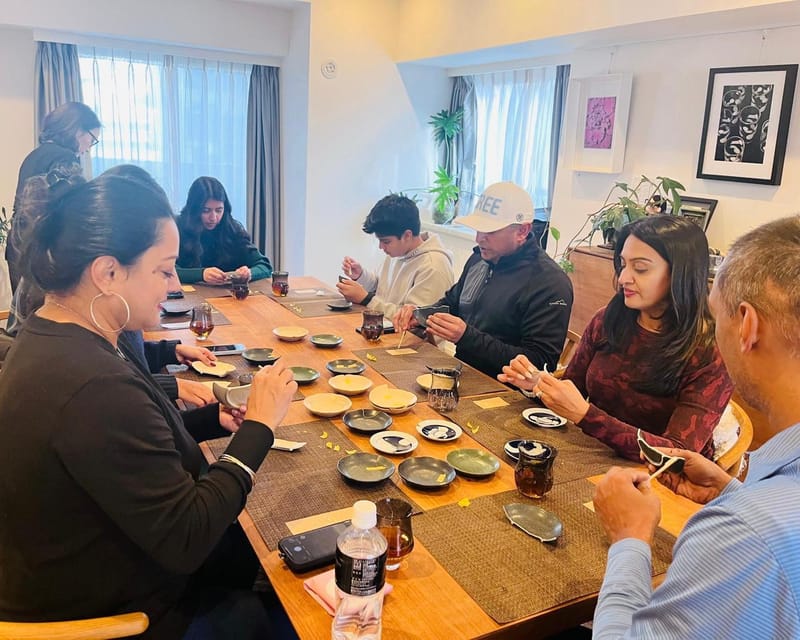
- Up to 6 people, so you get real attention as you repair
- Matcha and seasonal sweets to set a calm, Japanese rhythm
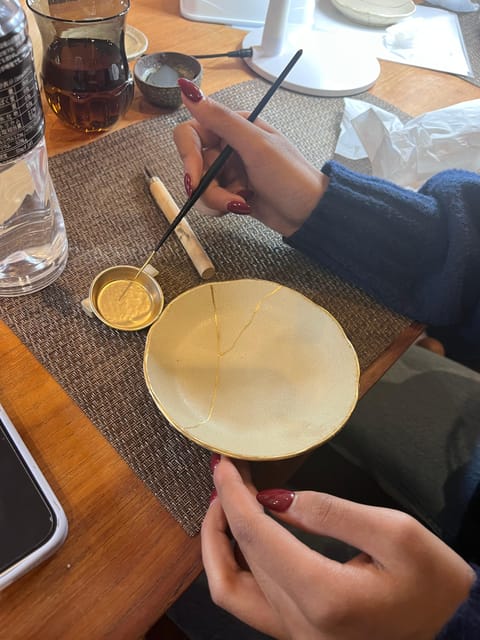
- Demo then hands-on, with guided steps for reassembly and restoration
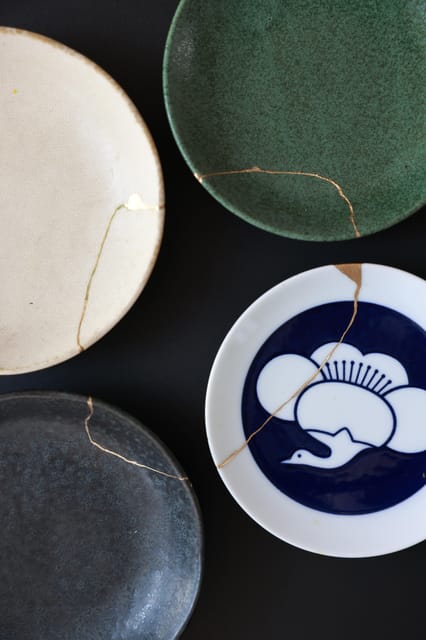
- Choose your own crockery from the studio collection to fix
- Take home the finished piece in a special gift box
- English instruction in a studio near Shibuya Crossing
Why modern kintsugi in Shibuya fits Tokyo timing
Two hours is a sweet spot in Tokyo. Long enough to learn the steps and finish a meaningful keepsake, short enough that it does not hijack your whole day.
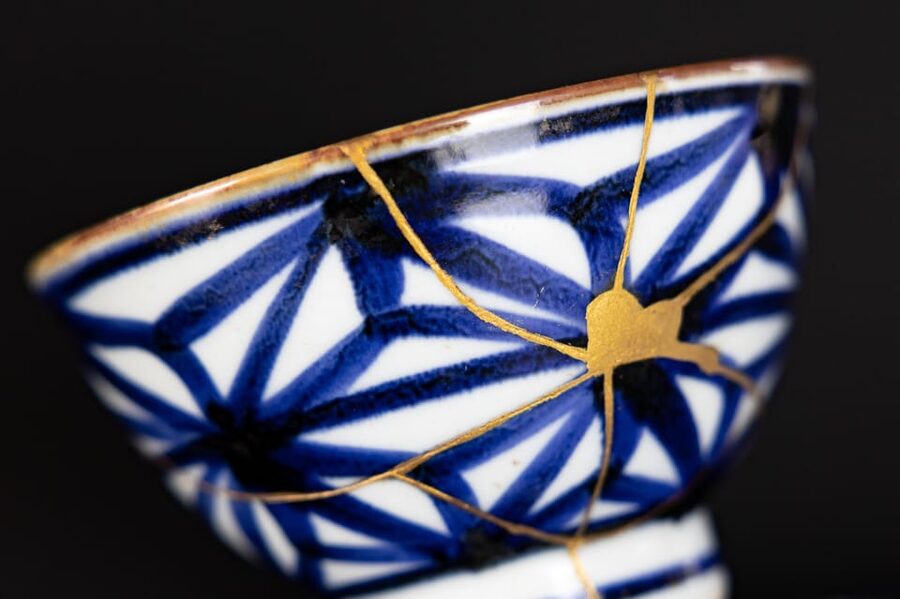
This is not kintsugi as a museum lesson. It is kintsugi as a practical craft, tied to the wabi sabi philosophy of honoring what is damaged instead of hiding it. I like that the workshop explains what you are doing and why, so it does not feel like you are just following instructions.
The price is $141 per person for a 2-hour class, and the value is mostly in what you get included. You are not just paying for instruction, you get the crockery piece to repair, the materials, the tools, and the food experience (matcha and seasonal sweets). For a souvenir, that is often better than buying a decorative plate that looks nice but does not have a story attached.
Also, the location helps. Being up the hill from Shibuya Crossing means you can pair it with other nearby plans, while still finding a studio that feels removed from the noise of the crossing.
A few more Tokyo days worth comparing
- Mt Fuji and Hakone 1-Day Bus Tour Return by Bullet Train
★ 5.0 · 26,383 reviews - 1-Day Tokyo Bus Tour
★ 5.0 · 14,250 reviews - Tokyo: TOKYO SKYTREE® Admission ticket
★ 4.5 · 11,192 reviews
Finding the studio up the hill from Shibuya Crossing
Your meeting point is outside mon cadeau, next door to the Central Hospital Annex building at the top of Bunkamura-dori on Shoto 2-Chome Crossing. You meet about 5 minutes before your lesson starts.
After booking, directions are sent to you by email. That matters because this area can be confusing on maps. One helpful tip: Google Maps may route you into a side alley, while the entrance is on the main street. Look for the tiled façade and a large brown double door with a narrow glass panel.
Timing is important. If you arrive more than 15 minutes past your reserved start time, you will not be able to join the class. If you are coming from Shibuya Crossing, give yourself extra buffer time, especially if you hit rain or slow crowds.
Matcha, seasonal sweets, and the wabi sabi mindset
The workshop starts with matcha tea and seasonal Japanese sweets. It is not a random add-on. It sets the pace for the lesson, and it helps you slow down before you start handling something fragile.
You are also given an explanation sheet. That supports the thinking part of the craft, so you can follow along without needing to memorize everything in the moment. In a workshop like this, that small piece of paper can make the difference between feeling rushed and feeling confident.
Think of this as the mental warm-up. Kintsugi is tactile work, but it is also about attention. You want to be calm, focused, and ready to take your time with each step.
Choosing your crockery to repair (and why that matters)
Once you settle in, you select a crockery piece from the studio collection. This is a big deal because it changes the whole feel of the class.
If you pick something you genuinely like, the finished result becomes a more personal souvenir. You also get to see how the technique adapts to different shapes and break patterns, since not every piece repairs the same way.
Everything you need is provided. You do not need to bring tools or materials. You also do not need to bring the crockery, since the workshop supplies the piece you will repair.
This included approach lowers the stress. You can just show up in comfortable clothes and let the studio handle the prep.
Same corner of Japan, a different kind of day:
- Tokyo: teamLab Planets TOKYO Digital Art Museum Entry Ticket
★ 4.6 · 9,779 reviews - Mt Fuji & Hakone Cruise, Drum Show Bullet Train 1 Day from Tokyo
★ 4.0 · 7,413 reviews - Tokyo: Sumo Show Experience with Chicken Hot Pot and a Photo
★ 4.8 · 6,678 reviews - Tokyo: Shinjuku Food Tour (13 Dishes at 4 Local Eateries)
★ 5.0 · 6,603 reviews
The repair process: demonstration first, then hands-on work
The class follows a clear workflow. The instructor demonstrates each stage of reassembly, repair, and restoration before you do the steps yourself. That structure is what makes the workshop approachable.
I like that you do not get thrown into complicated steps without context. You see the process once, you understand what the step is doing, then you try it with supervision.
The workshop uses a modern version of kintsugi with contemporary materials. That matters because it makes the process more accessible, faster, and safer than the more traditional materials and methods. You still learn the craft mindset, but you are not stuck fighting with the hardest version of the technique.
Tools are set out carefully, and the guidance is hands-on in a low-pressure way. Based on what people have experienced in class, the teaching style is precise but friendly. You are supported like someone learning surgery basics, not like someone being watched from across the room.
One practical point: video recording is not allowed. That keeps the focus on the work and the studio atmosphere. If you like photos, you will likely want to rely on your memory and any materials the studio provides.
Finishing and taking home your restored piece
At the end of the workshop, you take home your restored crockery in a special gift box. This is one of the best parts for me, because it turns the class into a complete outcome, not just a lesson.
The goal is that you finish with a piece that looks beautifully restored, with the repaired areas made part of the design. That is the heart of kintsugi. It reframes damage as something that belongs to the object’s story.
A few people also reported buying a kit to keep repairing at home. That is not spelled out as a formal inclusion, so treat it as a possible extra you might be able to pick up if available during your visit.
If you are thinking about bringing this into your Tokyo schedule, plan for safe handling on the way back to your hotel. Even if the process is guided and modern, you still want to treat your finished crockery like a fragile souvenir.
Who should book this Shibuya kintsugi workshop
This workshop is a strong match if you like hands-on crafts, want a Tokyo souvenir with meaning, or you simply enjoy learning how art links to philosophy.
Because the class is limited to 6 participants, it is ideal if you want personal help while you work. It also works well if you are not confident with crafts, since the instructor demonstrates first and then supervises your steps.
You get English instruction, so language should not be a barrier. People have also brought kids to the experience. The only hard age note given is that it is not suitable for children under 5, so older kids may be fine depending on their comfort with careful, precise work.
This also suits a date or small group plan. You get a calm studio atmosphere up the hill from Shibuya, with a shared activity that creates something you can talk about later.
Price and value of $141 for a 2-hour class
Let’s talk money in a practical way. $141 for 2 hours is not the cheapest “thing to do” in Tokyo. But it is not priced like a casual craft stop either.
You are paying for:
- a small group class (max 6)
- an English-speaking instructor
- step-by-step demonstration
- all materials, tools, and the crockery piece to repair
- matcha tea and seasonal sweets
- an explanation sheet
- a finished restored piece packed in a gift box
That bundle is why the price can make sense. If you compare it to buying a high-quality souvenir, the difference is that you get the story and the skill practice built in.
Also, the modern materials angle helps with value. People have noted the technique is done in contemporary materials rather than traditional ones, which can mean less friction, quicker workflow, and a more beginner-friendly process.
In short, I see this as paying for guided creation, not just a result. And the result is something you can actually take home and use to remember your time in Tokyo.
Should you book the mon cadeau kintsugi workshop in Shibuya?
I would book it if you want a calm, meaningful activity near Shibuya that ends with a finished item you made. The matcha opening, the cozy studio pace, and the fact that you learn through doing make it a strong choice for craft fans and for anyone who wants a deeper Tokyo souvenir than a typical shop purchase.
It might not be the right pick if you are the type who hates strict timing. Since you cannot join if you are more than 15 minutes late, you need a plan that accounts for transit and weather.
My final advice: if Shibuya is on your itinerary anyway, build in extra buffer time and treat this like the highlight craft experience of the day. You will leave with a restored piece, a new perspective on wabi sabi, and a technique you will want to keep exploring.
FAQ
How long is the mon cadeau kintsugi workshop?
The workshop lasts 2 hours.
Is the workshop taught in English?
Yes. The instructor teaches in English.
Do I need to bring anything to the class?
No. You do not need to bring anything, because the studio provides all materials, tools, and the crockery piece to repair.
Where do I meet for the workshop?
You meet outside the mon cadeau studio next door to the Central Hospital Annex building at the top of Bunkamura-dori on Shoto 2-Chome Crossing, about 5 minutes before the lesson starts.
Is video recording allowed?
No. Video recording is not allowed.
How many people are in the small group?
The class is a small group limited to 6 participants.
Fresh options around Tokyo
- Tokyo: Mt. Fuji & Lake Kawaguchi Instagram Full Day Trip★ 4.1 · 12 reviews
- Tokyo: GTR Guided Daikoku Experience at Night★ 5.0 · 12 reviews
- Tokyo: Daikoku JDM Car Culture Tour★ 4.6 · 12 reviews
- Mt Fuji Private Day Trip from Tokyo with English speaking driver★ 5.0 · 13 reviews
- Licensed Guide Tokyo Meguro Cherry Blossom Walking Tour★ 4.5 · 13 reviews
- Tokyo Shinjuku Bar Hopping –Wagyu , Ramen & 7 Dishes★ 5.0 · 13 reviews
- Tokyo: Full-Day Japanese Garden Private Guided Tour★ 4.6 · 13 reviews
- Tokyo Shinbashi Night Tour: Local Guide & Drinks at Snack Bars★ 5.0 · 13 reviews
Workshops, compared.
Sushi Making Tokyo Roll and Authentic Japanese Sushi Class
Read our review →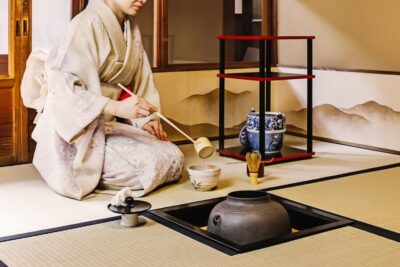
Roll and Authentic Sushi Making Class in Asakusa
Read our review →
Ramen Cooking Class at Ramen Factory in Kyoto
Read our review →
Sushi Making Class in a Happi Coat near a Famous Spot
Read our review →
Sushi Making Osaka Roll and Authentic Japanese Sushi Class
Read our review →Browse the lists this tour appears in