
Reviewed · WORKSHOPS
Chopstick Making Workshop in Ginza
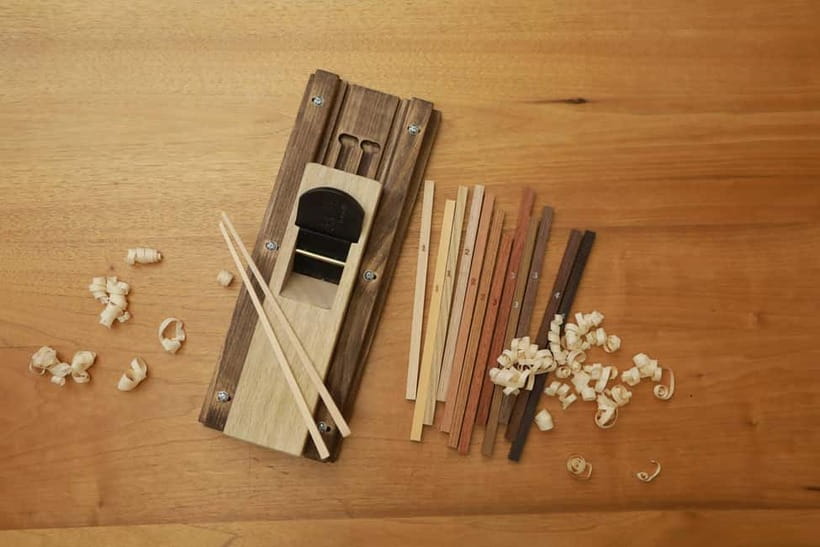
A woodshop souvenir in the middle of Ginza. This chopstick-making workshop lets you choose your wood and finish a pair yourself, step by step, all in about an hour. I love that you get real tools and real hand work, not just watching, and I love the option to engrave your name for a keepsake you will actually use. The only real drawback is that planing takes some strength, so if you have limited hand or upper-body stamina, you may want to pick a softer wood and take your time.
The setting is compact and organized, and English-speaking staff are there to guide you through each stage. People leave with chopsticks they can take home the same day, polished with oil, and ready for your next meal. If you’re hoping for a super passive, sit-and-smile activity, this is more hands-on craft than photo stop.
Key takeaways
- Choose from 24 wood types (with 5 included, and higher-grade options available for extra cost)
- Two chopstick lengths to match your preference
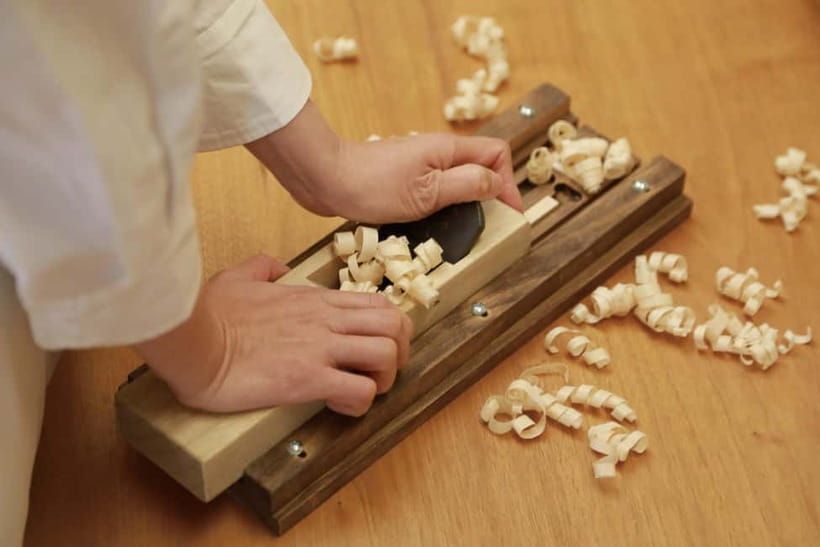
- Hands-on planing and sanding using a plane and sandpaper, right at the workshop
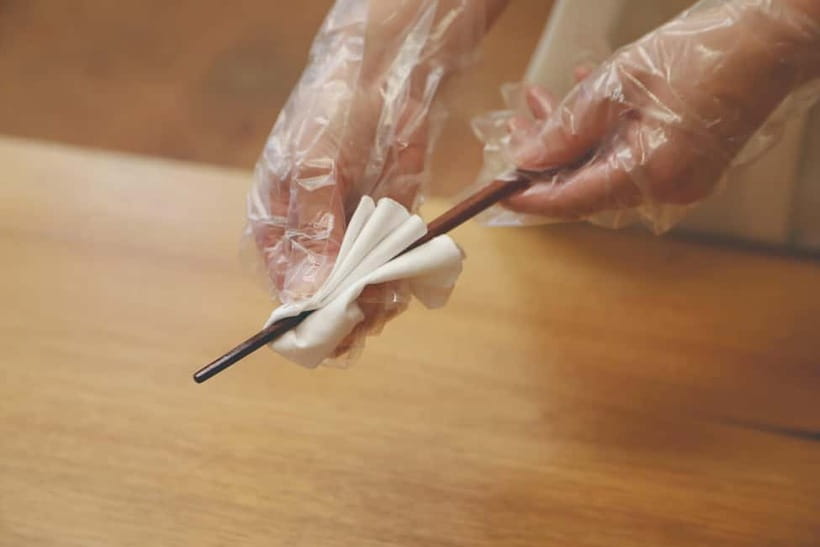
- Oil finish applied during class for a smooth, polished feel
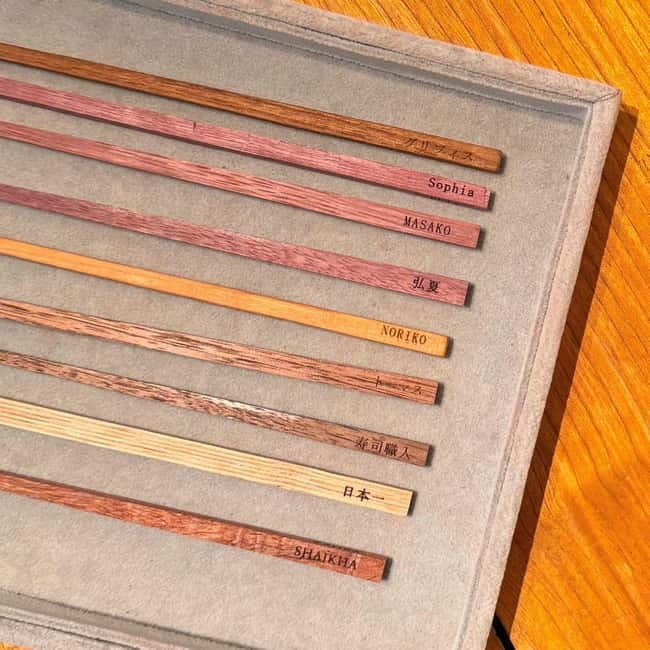
- Optional laser engraving for names or a favorite phrase in Japanese or your native language
- English support and staff guidance throughout, with a workshop pace that stays manageable
Why Ginza Is a Great Place for Wood Craft
Ginza is one of those Tokyo neighborhoods where you can find almost everything in walking distance, and this workshop fits that style. The meeting point is at 2-9-13 Ginza, Chuo-ku, Tokyo, so it is easy to slot into a shopping morning or an afternoon you would otherwise spend ducking in and out of stores.
What I like most about putting a woodworking activity in Ginza is that it breaks the usual rhythm. Instead of another meal reservation or another museum, you get to make something you can use at home. And since it is only one hour, it does not eat your day the way longer craft classes can.
One practical note: the workshop can feel busy at peak times. Reviews describe a lively flow where multiple participants are working at different stages, so you will want to be ready to focus during your turn with the tools.
A few more Tokyo days worth comparing
- Mt Fuji and Hakone 1-Day Bus Tour Return by Bullet Train
★ 5.0 · 26,383 reviews - 1-Day Tokyo Bus Tour
★ 5.0 · 14,250 reviews - Tokyo: TOKYO SKYTREE® Admission ticket
★ 4.5 · 11,192 reviews
Your First Decision, Pick Wood from 24 Options
The experience starts with a choice that matters. You select from 24 types of wood and two different lengths, then begin shaping your pair. The workshop is run by a woodworking company and focuses heavily on materials and finish, so the wood you choose directly affects the look and feel of the final chopsticks.
Cost is tied to the wood selection. Five wood types are free of charge, and the remaining 19 are higher grade options that may come with an additional charge. Reviews also warn that the majority of options cost extra, so it helps to decide early whether you want the included woods or plan to upgrade.
A useful detail from the experience itself: some woods are simply harder to work. One review notes that olive was tougher, which makes sense for anyone who has handled different grains or densities before. If you want the smoothest learning curve, I would start with an included wood. If you want the “wow” factor of a special grain, upgrade, but go in expecting more effort.
The Workshop Flow: From Plane to Sandpaper to Oil
This is not a lecture with a quick souvenir at the end. The one-hour session follows a clear workflow that builds skill as you go.
1) Start with setup and alignment
You place your selected chopsticks on the stand and begin shaping with the tools provided. This is also where staff help you get the angle and pressure right, especially if you are new to hand tools.
2) Planing with a plane
You shave the wood down using a plane. This is the stage people often remember because it takes real strength. One review specifically calls out that you need effort, and it can feel like a workout for your core and arms. If you are physically active, you will probably enjoy the challenge. If you are not, consider pacing yourself and asking for guidance early rather than muscling through.
3) Sanding for smooth tips and corners
Next comes the part that makes the chopsticks feel good in your hands. You sand the tips and corners, smoothing edges so they feel comfortable and refined instead of “tool-made.”
4) Oil finishing
Finally, you apply oil for a polished look and feel. Reviews describe the satisfaction of seeing the final transformation from raw wood to something ready to use every day.
The big practical advantage here is timing. You work through the steps in class, and you can take the finished chopsticks home the same day, which is rare for crafts that require multi-day drying or curing.
Upgrades That Matter: Better Wood and Laser Engraving
You can keep this simple, or you can personalize it.
Same corner of Japan, a different kind of day:
- Tokyo: teamLab Planets TOKYO Digital Art Museum Entry Ticket
★ 4.6 · 9,779 reviews - Mt Fuji & Hakone Cruise, Drum Show Bullet Train 1 Day from Tokyo
★ 4.0 · 7,413 reviews - Tokyo: Sumo Show Experience with Chicken Hot Pot and a Photo
★ 4.8 · 6,678 reviews - Tokyo: Shinjuku Food Tour (13 Dishes at 4 Local Eateries)
★ 5.0 · 6,603 reviews
Choosing higher-grade wood
Upgrading wood is where you can control the “signature” of your chopsticks. Since 19 of the 24 woods come with additional charges, you will likely decide based on budget and curiosity: do you want a standard but beautiful pair, or do you want a more distinctive grain?
One review mentions a learner who started on a softer wood and felt the difference right away. Another notes they upgraded to tougher wood options and were happy with the end result, even when it took extra work. My take: upgrade only if you are comfortable staying patient during planing and sanding. The craftsmanship is the point.
Engraving your name or phrase
The optional engraving is the most emotional upgrade. For an additional 1,100 yen you can have your name engraved (and in some cases, a favorite phrase). Reviews also mention that staff can help with character selection, including Japanese wording.
The engraving uses a high-performance laser that applies gentle stress to the wood, and that matters because it helps keep the chopsticks looking clean instead of rough or scorched. If you are buying chopsticks as a souvenir for family, this is the feature that turns “nice memory” into “usable keepsake.”
If you are traveling as a pair or a family unit, do the math: one review references ¥2,200 upcharge total when engraving a pair. Even with the extra cost, people described it as worth it because the chopsticks become personal.
English-Speaking Staff and the Support Style That Helps
Staff guidance is a big reason this workshop scores so well. The experience includes English-speaking staff, and the instructor can speak English and Japanese, so you should not feel stuck during the planing or sanding stages.
What you want from instructors in a hands-on class is simple: quick fixes when something is off. Reviews highlight that helpers were patient, engaged, and able to translate instructions into something you could immediately apply. Several reviews also point out that staff were available throughout the session, even when the room was busy.
There is also a human element that I think you will appreciate: the tone is calm and encouraging. Even when tools require effort, the teaching approach does not feel rushed. That matters because if you start feeling frustrated early, the class can turn into a stress test instead of a satisfying craft.
One small practical tip from reviews: if you have long hair, consider a hair tie. Planing and leaning over the work stand means you will want your hair out of your face.
Time Management in One Hour, Where You Should Expect Friction
The workshop is 1 hour, which is both perfect and unforgiving. Perfect because it is short enough to fit on a travel day. Unforgiving because you will not have time to fully recover if you get behind.
Here is what typically creates friction:
- Planing takes strength and technique, not just effort
- Some wood types feel tougher, such as denser or harder options
- Sanding demands attention for smooth edges, especially around corners and tips
- In a busy room, you may need to wait briefly for the next helper checkpoint
A good sign is that reviews describe people not feeling rushed, and also note that you can sometimes get extra time if the session pacing allows. Still, I would treat the hour as real workshop time, not a casual hangout.
If you want an easier go, start with an included wood and keep your goal focused: even if your chopsticks are not factory-perfect, you are making something you can use. That sense of achievement is a big part of the point.
Where the Value Comes From for $25 (and What to Budget For)
At $25 per person, the base price is a fair deal for a hands-on craft in central Tokyo. You are paying for:
- a structured workshop session (about 1 hour)
- tools and materials
- English-speaking staff support
- the guide fee included in the experience fee
But the real value conversation is about what you choose afterward.
What is included
You can make your own chopsticks, choose your wood from the included set, apply finishing oil, and take the finished pair home the same day. That is a complete souvenir, not a take-home kit.
What costs extra
- Higher-grade woods beyond the included 5 free wood types
- Laser engraving at 1,100 yen extra for your name or phrase
If you come in expecting only one flat price, you may be surprised by options. One review even flags that people did not fully understand the price differences before starting. To avoid that, decide on day one whether you want upgrades, and if yes, how many.
Who Should Book This Chopstick Workshop in Ginza
This works best for people who enjoy making things with their hands.
You’ll likely love it if:
- you want a useful souvenir (not something you keep in a drawer)
- you like step-by-step activities with clear progress
- you enjoy learning how materials behave, like how different wood is harder or softer
- you want a class in central Tokyo that does not swallow your day
You might reconsider if:
- you have limited upper-body strength, since planing takes effort
- you are expecting a totally passive experience
Age-wise, the experience lists that it is not suitable for children under 3, and it is also not for people over 70. One review mentions families with a wide age range enjoying it, but you should follow the stated suitability limits.
Getting to 2-9-13 Ginza and Starting on Time
The meeting point is 2-9-13 Ginza, Chuo-ku, Tokyo. In Ginza, that is about as central as it gets, so plan on arriving a bit early to handle any small wayfinding hiccups. One review notes they arrived at the wrong address at first, so having a saved map pin helps.
If you are also doing shopping nearby, I suggest treating the workshop like an appointment, not an optional stop. You want to be relaxed when you start with the plane and sandpaper, because confidence matters during the first shaping step.
Should You Book Chopstick Making in Ginza?
Book it if you want a short, genuinely hands-on craft class in one of Tokyo’s most convenient neighborhoods. The value is strong because you leave with finished chopsticks you can use immediately, and the class structure makes it realistic for first-timers. The wood choice and optional laser engraving are the two levers that let you control both the visual result and the personal meaning.
If you do not want physical effort, or you are worried about tool pressure and sanding time, consider choosing an easier wood and skipping upgrades. Either way, this is the kind of experience where you will remember the process every time you pick up your chopsticks at home.
FAQ
How long is the chopstick making workshop in Ginza?
The workshop lasts about 1 hour.
Where does the workshop meet in Ginza?
The meeting point is at 2-9-13 Ginza, Chuo-ku, Tokyo.
How much does it cost?
The price is listed as $25 per person.
Can I choose different wood types and chopstick lengths?
Yes. You choose from 24 types of wood and two chopstick lengths.
Are all wood types included in the price?
No. The information says 5 wood types are free of charge, while the other 19 are higher-grade woods that incur an additional charge.
Can I take the finished chopsticks home the same day?
Yes. You can take the finished chopsticks home on the day.
Is name or phrase engraving available?
Yes. Engraving is available as an option for an additional 1,100 yen, and you can engrave your name or a favorite phrase.
What languages are offered during the workshop?
English and Japanese are available, and English-speaking staff assist you.
Is it wheelchair accessible?
Yes, the activity is listed as wheelchair accessible.
Can I cancel and get a refund?
Yes. You can cancel up to 24 hours in advance for a full refund.
Fresh options around Tokyo
- Tokyo: Nikko Kegon Falls Lake Chuzenji Toshogu Temple & More★ 4.9 · 12 reviews
- Tokyo: Samurai History Walking Tour★ 5.0 · 12 reviews
- Harajuku: Kawaii Fashion and Pop-Culture Tour★ 4.7 · 12 reviews
- Tokyo: Mt. Fuji & Lake Kawaguchi Instagram Full Day Trip★ 4.1 · 12 reviews
- Shibuya Tokyo: Modern Kintsugi Workshop in Shibuya★ 5.0 · 12 reviews
- Tokyo: GTR Guided Daikoku Experience at Night★ 5.0 · 12 reviews
- Tokyo: Daikoku JDM Car Culture Tour★ 4.6 · 12 reviews
- Mt Fuji Private Day Trip from Tokyo with English speaking driver★ 5.0 · 13 reviews
Workshops, compared.
Sushi Making Tokyo Roll and Authentic Japanese Sushi Class
Read our review →
Roll and Authentic Sushi Making Class in Asakusa
Read our review →
Ramen Cooking Class at Ramen Factory in Kyoto
Read our review →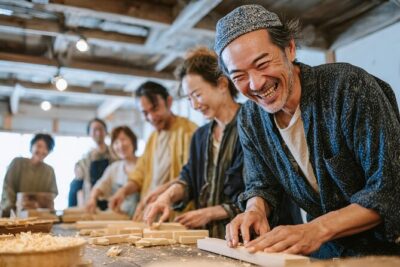
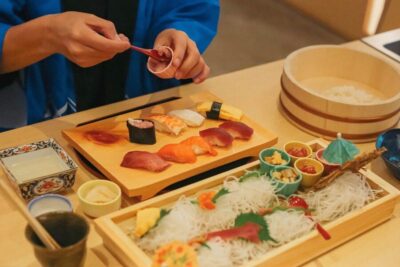
Sushi Making Class in a Happi Coat near a Famous Spot
Read our review →
Sushi Making Osaka Roll and Authentic Japanese Sushi Class
Read our review →
Tokyo Sushi Making Class in Tsukiji with Professional Chef
Read our review →Browse the lists this tour appears in