
Reviewed · WORKSHOPS
Tokyo: Roll and Authentic Sushi Making Class in Asakusa
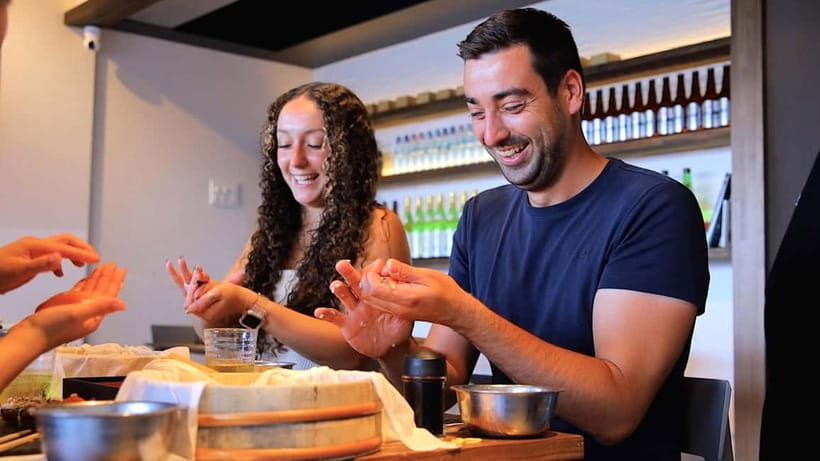
Roll sushi in old Tokyo streets. In Asakusa, near Sensoji and Tokyo Skytree, this class turns sushi basics into a hands-on experience, with instructors like Hitomi and Tomona keeping things light and clear. I like two things most: the interactive sushi history quiz (not a lecture) and the chance to make two sushi styles you can actually eat right away.
One possible drawback is time. You get 100 minutes, so you will be taught and guided at a steady pace, which means there is not much slack for ultra-slow practice or extra rounds.
Key highlights worth your attention
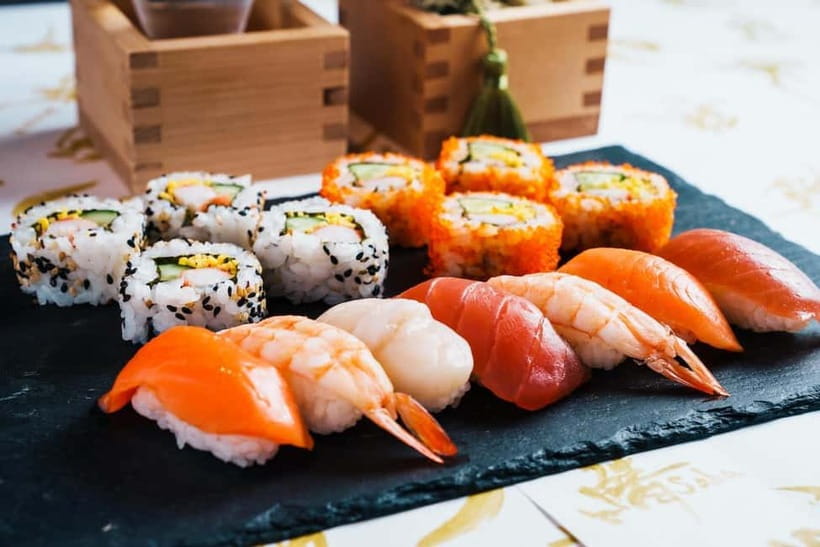
- Maki plus nigiri, not just one style: You learn roll technique and authentic Japanese nigiri-style shaping.
- A sushi-history quiz that stays fun: You remember the why behind the what, without getting bored.
- English speaking instruction throughout: Clear steps, patient help, and lots of encouragement.
- Historic Asakusa location: Close to Sensoji, with easy access from Asakusa Station.
- Fresh ingredients and satisfying portions: Multiple people point out quality and how much sushi you get to eat.
- Dietary options when requested early: Vegan, gluten-free, halal, plus allergy notes are handled in advance.
Asakusa Makes Sushi Making Feel Like Tokyo, Not a Demo
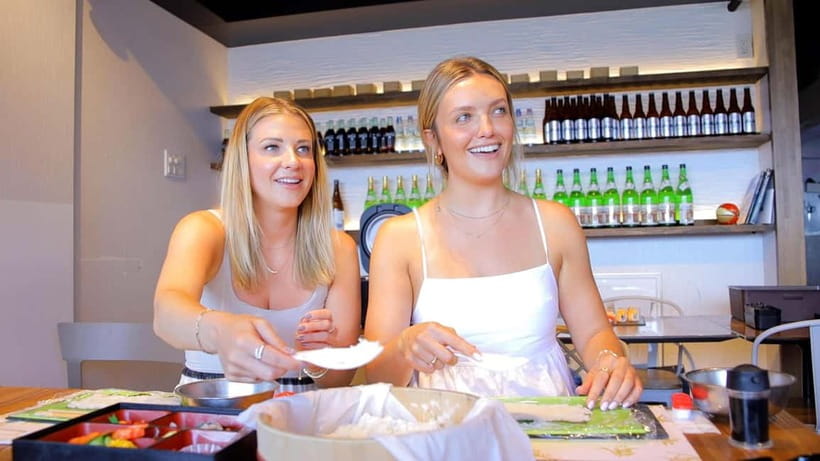
Asakusa is one of those parts of Tokyo where food lessons actually make sense. You are in a traditional neighborhood, and the vibe is practical, walkable, and old-meets-new. The meeting point is only about a 3 minute walk from Asakusa Station, so you are not spending your energy figuring out transit.
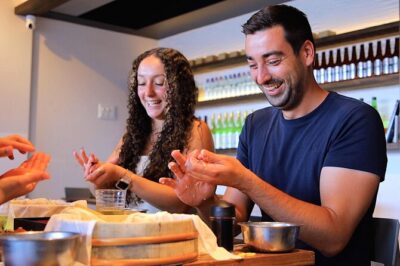
Also, this class is set up for people who want a real Tokyo moment, not a performance. You learn, you shape, you roll, and then you eat what you made. That last part matters, because sushi is one of those foods where tasting your own work turns the lesson into memory.
I also appreciate that the staff stays English-friendly. That cuts through the common Tokyo-class problem: you either understand the steps or you are guessing. Here, the teaching is designed so you can follow the process without needing Japanese cooking vocabulary.
More Sushi Making Classes in Tokyo
- Sushi Making Tokyo Roll and Authentic Japanese Sushi Class
★ 5.0 · 3,971 reviews - Make Sushi and Create Unforgettable Memories in Tokyo
★ 5.0 · 1,413 reviews - Tokyo: Sushi Making Class in a Happi Coat near a Famous Spot
★ 4.9 · 1,377 reviews
What You Make: Roll Sushi Plus Authentic Nigiri Style
This is not a one-sushi-type workshop. You make two kinds: a roll-style sushi and an authentic Japanese style of sushi (the class focuses on nigiri, based on what participants describe).
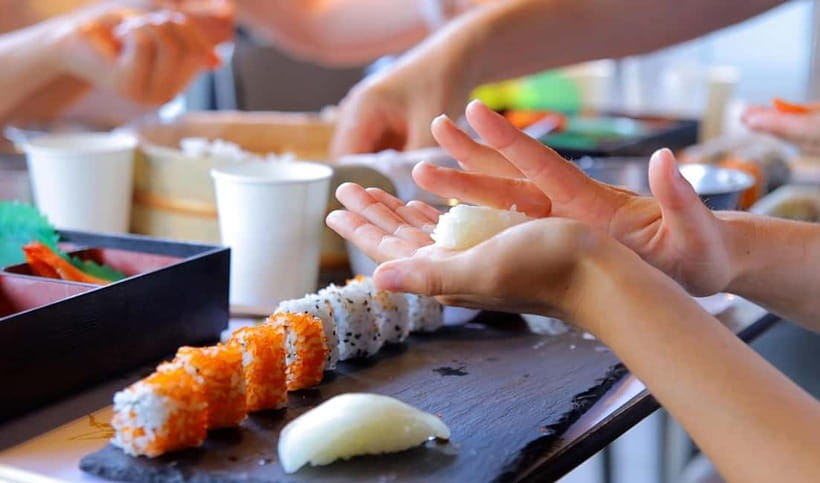
Roll sushi teaches you the mechanics: spreading rice evenly, adding fillings in the right amount, rolling tight, then cutting clean. It is simple on paper and surprisingly tricky in practice, mainly because rice needs an even layer and your hands need the right touch.
Nigiri style teaches a different skill: shaping rice so it holds together, then topping it in a way that feels balanced. People consistently mention that the class explains both the process and the ingredients, so you understand what you are doing instead of copying a shape only.
And yes, you get to eat everything you produce. That means even if your first roll looks a bit uneven, your plate is still delicious, and your effort turns into lunch.
The Flow of the 100 Minutes: Learn, Make, Eat
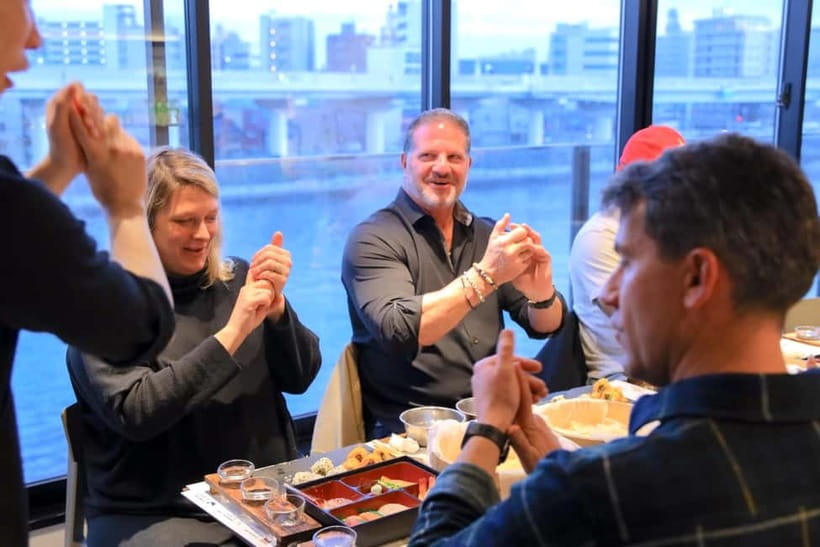
The lesson runs 100 minutes, and it is structured to keep you moving. You start with sushi basics, then there is an interactive quiz on sushi history. After that, you go hands-on with your sushi-making stations.
The quiz is one of the smarter parts of this class. It gives you context without killing your appetite. You start to see how sushi developed, why certain ingredients are used, and how ideas changed over time.
Then comes the main event: you build your roll, you shape your nigiri style sushi, and you get feedback while you work. Most people say the instructions are easy to follow, with guides stepping in when your rice is sticking too much or when your rolling pressure needs adjustment.
Finally, you eat. That is not an afterthought. This class is designed so the meal is the payoff, not just a wrap-up.
How the Sushi History Quiz Actually Helps
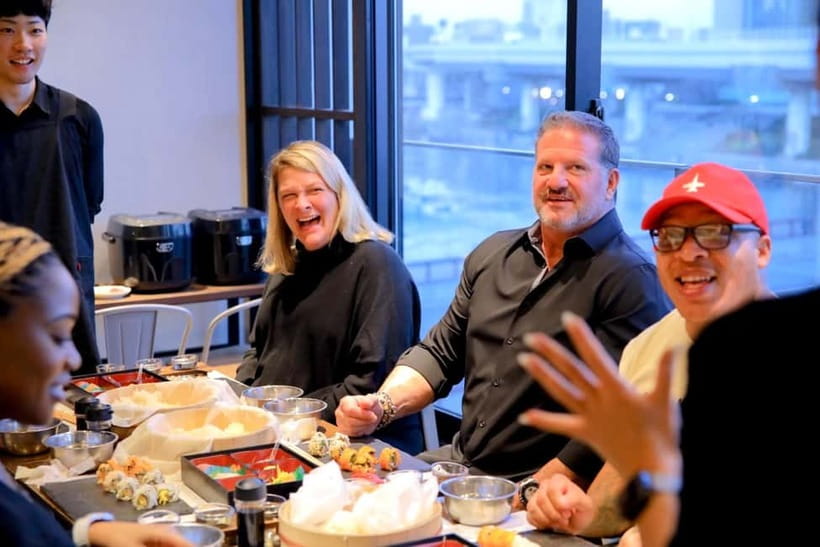
A lot of cooking classes try to teach history as a speech. This one uses a quiz format, and that changes everything. You remember facts because you are answering questions, not sitting through a timeline.
What you get out of it is practical. Once you know the basics, sushi stops being mysterious. You start recognizing patterns: why certain textures matter, why rice matters, and why sushi is treated like a carefully made bite rather than finger food.
People also mention that the quiz and explanations are lighthearted. That matters if you are traveling with kids, teens, or anyone who gets bored with formal instruction. You are still learning, but you are laughing along the way.
If you are the type who loves food but wants to understand the story, this section is a strong fit. It sets you up to enjoy your meal more, not just eat.
Same corner of Japan, a different kind of day:
- Mt Fuji and Hakone 1-Day Bus Tour Return by Bullet Train
★ 5.0 · 26,383 reviews - 1-Day Tokyo Bus Tour
★ 5.0 · 14,250 reviews - Tokyo: TOKYO SKYTREE® Admission ticket
★ 4.5 · 11,192 reviews - Tokyo: teamLab Planets TOKYO Digital Art Museum Entry Ticket
★ 4.6 · 9,779 reviews
The Teaching Style: Patient, Funny, and Very Hands-On
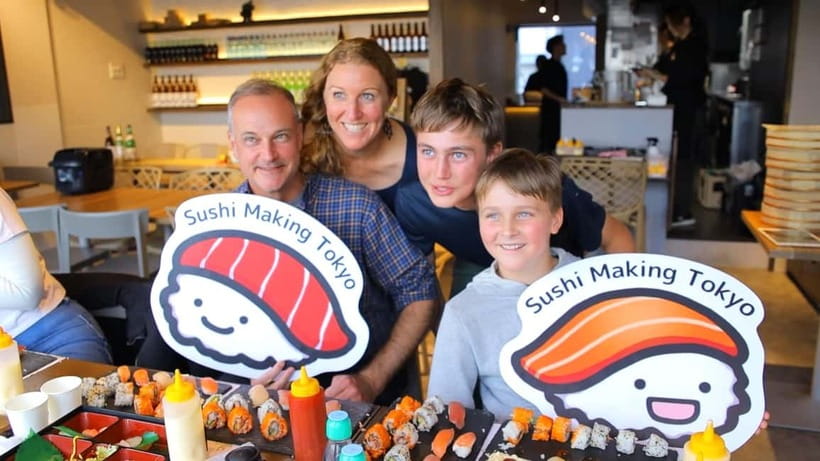
The most repeated theme is how the instructors and helpers run the room. People mention entertaining staff, lots of patience, and step-by-step guidance that keeps you from feeling lost.
Some names that show up again and again in descriptions include Hitomi, Tomona, Hide (as a helper), and instructors such as Ken, Kazu, Kaori, and Jun. The exact person teaching can vary by session, but the teaching style seems consistent: clear directions, friendly corrections, and an atmosphere that keeps you comfortable while you handle sticky rice.
One detail I like: the pace feels supportive. Even when people are making mistakes (and sushi-making is mistake-prone), staff helps you fix it instead of rushing you along.
If you want a class where you get individual attention, this is also worth considering. Some sessions are described as feeling almost like a private lesson, especially at quieter times.
Ingredients and Portion Reality Check
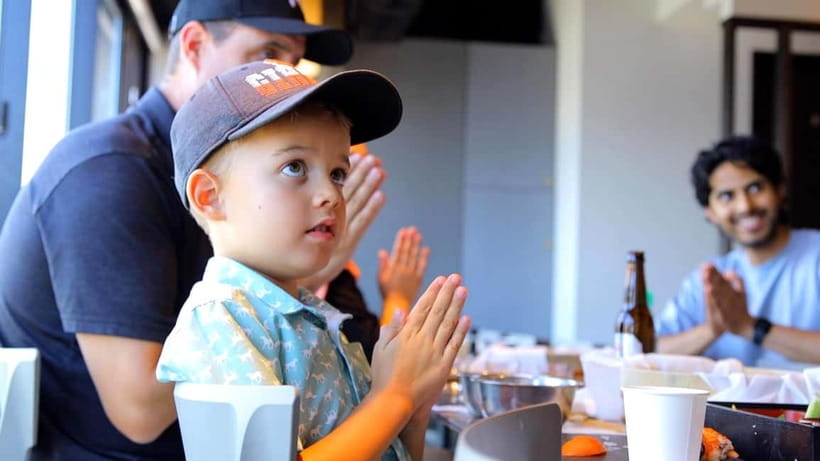
Here is what you can safely expect based on participant feedback: ingredients are described as fresh and good quality. That is important because sushi lives or dies on the taste of the components.
The class also offers dietary flexibility when you request it during reservation. Options listed include vegan, vegetarian, gluten-free, and halal. Allergy notes say meat, nuts, fruits, and dairy are not used, but they also specify that you cannot customize ingredients beyond the menu categories.
Portions are generally described as plentiful. Many people say you eat a good amount of sushi, enough to feel satisfied. Still, one practical caution comes up: a few people felt the session runs fast and would like a bit more time or more rice. In other words, if you are very hungry or you want extra practice, plan to arrive ready and treat the session as a focused workshop, not a long, slow craft.
Dietary Options: Vegan, Gluten-Free, Halal, and Allergy Rules
If your food needs are part of the planning, read this section carefully before you book.
The menu changes available include:
- Vegan and vegetarian
- Gluten-free
- Halal
- Allergy handling based on the stated ingredient constraints
The key detail is timing. If you need a menu change, you are told to contact about it when you make the reservation. You also get a clear warning that they cannot respond on the day, and they do not accept ingredient specifications.
So the smart move is simple: decide your category (vegan, halal, gluten-free, etc.) when you book, and stick to the available menu options. If you have a complex allergy beyond what is covered, you might need to think about whether this class is the right match, since the wording limits customization.
Price and Value: $58 for a Full Sushi Moment
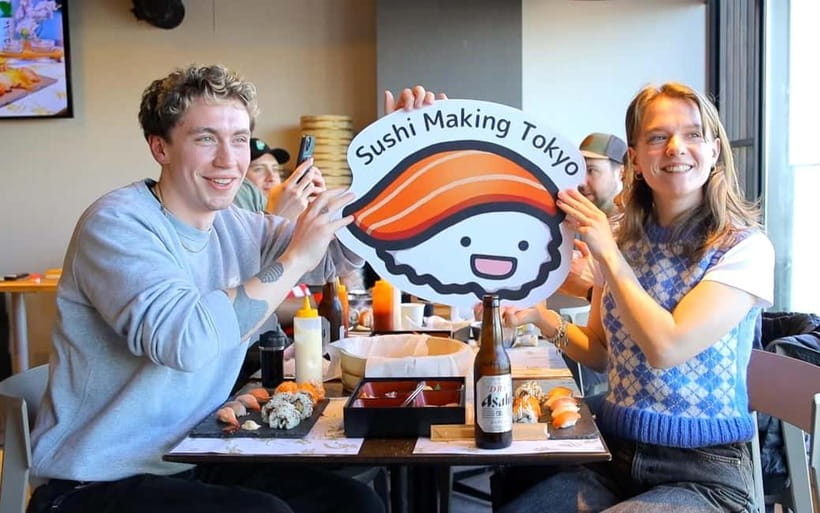
At $58 per person, you are paying for more than a tasting. You are paying for instruction, ingredients, and a guided meal you create yourself. That is why the value works for many budgets.
Consider what you would do instead:
- Buy sushi in Asakusa and eat it, but you would still not learn the mechanics of rolling or shaping.
- Take a more expensive class that includes extra items, but you might sacrifice convenience or English support.
Here, you get a focused time window, hands-on teaching, and food included. The lack of hotel pickup and drop-off is normal for city classes, and it is easy to work around since the meeting point is a short walk from Asakusa Station.
So think of this as a structured lunch experience plus a skill you can repeat at home. If you like food with a story and you want to leave Japan with a real technique, the price makes sense.
Who This Class Fits Best (And Who Might Want Another Style)
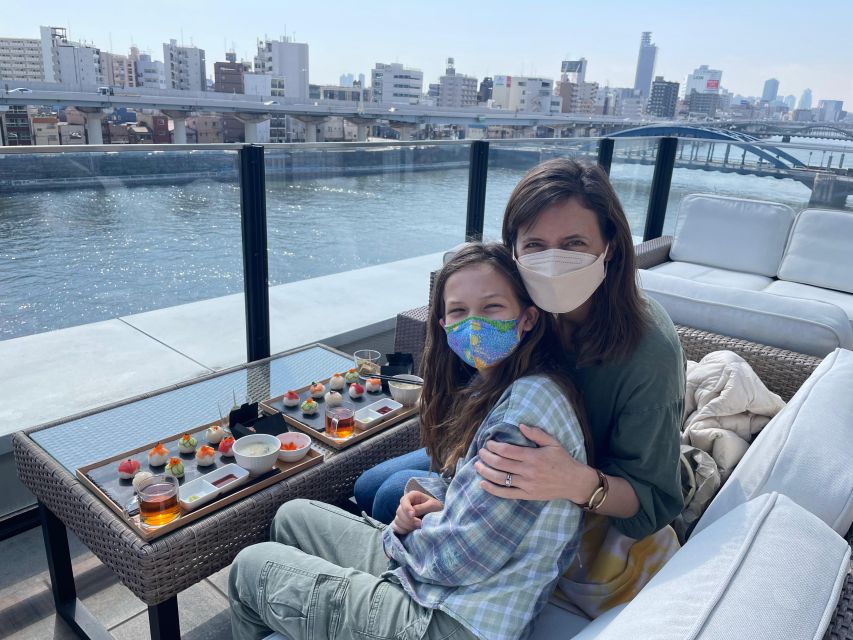
This is a great match if you:
- Want an easy first sushi-making experience
- Like food history but do not want a dry lecture
- Travel with kids or teens and want something interactive
- Are solo or on a couple trip and want a friendly, guided group activity
- Are staying near Asakusa Station or Sensoji and want a nearby plan
It may be less ideal if you:
- Want a slow, deeply technical craft session that takes longer than 100 minutes
- Are extremely picky about specific ingredient substitutions beyond what the menu categories allow
- Expect hotel pickup and a very passive experience
But if you show up ready to learn and laugh at your first attempt, you will leave with both sushi and confidence.
Practical Tips Before You Go
A few simple things will make your session smoother.
First, plan your timing around the short walk from Asakusa Station. If you arrive late, you will feel it because the class moves along steadily.
Second, expect to get rice on your hands. This is normal sushi-making. Wear comfortable clothes and be ready to wash up afterward.
Third, if you have dietary needs, handle them at reservation time. The class notes that same-day changes are not supported, and ingredient specifications are not accepted.
Finally, come hungry. Many people describe enjoying a good amount of sushi, but this is still a 100-minute workshop. If you are the type who snacks lightly, you might want a small meal beforehand so you can focus on technique during the class.
Should You Book Sushi Making Tokyo in Asakusa?
Yes, if you want a high-skill payoff without needing previous experience. The biggest wins are the interactive history quiz, the chance to make roll sushi plus nigiri style, and the English speaking team that stays patient while you figure it out.
Book it if you are in Asakusa for Sensoji and want a plan that feels like Tokyo culture, not just another ticket. It is also a strong choice for families and for solo travelers who want an activity where the staff keeps things friendly and organized.
Skip it only if you are looking for a long, slow, ultra-traditional omakase-style lesson, or if you need very specific ingredient swaps beyond the listed menu categories.
FAQ
How much does the sushi making class cost?
The class costs $58 per person.
How long is the experience?
It lasts 100 minutes.
What sushi will I make during the class?
You will make two types of sushi: roll sushi and authentic Japanese sushi (nigiri style is part of the instruction).
Do I need any sushi-making experience beforehand?
No experience is needed. The staff guides you in English.
Where do I meet the class?
The meeting point is about 3 minutes from Asakusa Station.
Is the class taught in English?
Yes. The instructor and staff provide instruction in English.
Is hotel pickup or drop-off included?
No. Hotel pickup and drop-off are not included.
What dietary options are available?
The class lists vegan, vegetarian, gluten-free, and halal options. For allergies, it states meat, nuts, fruits, and dairy are not used, but they ask you to request menu changes when you reserve.
Can I cancel and get a full refund?
Yes. You can cancel up to 24 hours in advance for a full refund.
Is the experience wheelchair accessible?
Yes, it is wheelchair accessible.
Fresh options around Tokyo
- Tokyo: Samurai History Walking Tour★ 5.0 · 12 reviews
- Tokyo: Nikko Kegon Falls Lake Chuzenji Toshogu Temple & More★ 4.9 · 12 reviews
- Harajuku: Kawaii Fashion and Pop-Culture Tour★ 4.7 · 12 reviews
- Tokyo: Mt. Fuji & Lake Kawaguchi Instagram Full Day Trip★ 4.1 · 12 reviews
- Shibuya Tokyo: Modern Kintsugi Workshop in Shibuya★ 5.0 · 12 reviews
- Tokyo: GTR Guided Daikoku Experience at Night★ 5.0 · 12 reviews
- Tokyo: Daikoku JDM Car Culture Tour★ 4.6 · 12 reviews
- Mt Fuji Private Day Trip from Tokyo with English speaking driver★ 5.0 · 13 reviews
Workshops, compared.
Sushi Making Tokyo Roll and Authentic Japanese Sushi Class
Read our review →
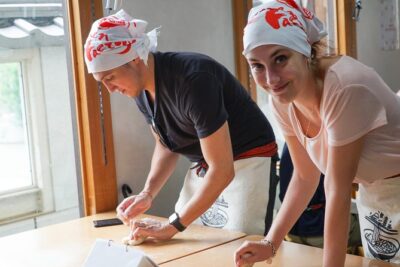
Ramen Cooking Class at Ramen Factory in Kyoto
Read our review →
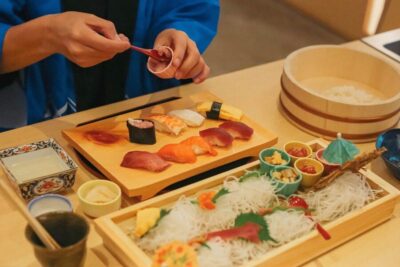
Sushi Making Class in a Happi Coat near a Famous Spot
Read our review →
Sushi Making Osaka Roll and Authentic Japanese Sushi Class
Read our review →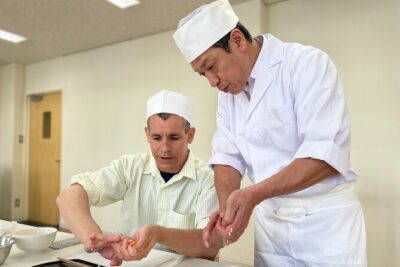
Tokyo Sushi Making Class in Tsukiji with Professional Chef
Read our review →Browse the lists this tour appears in