
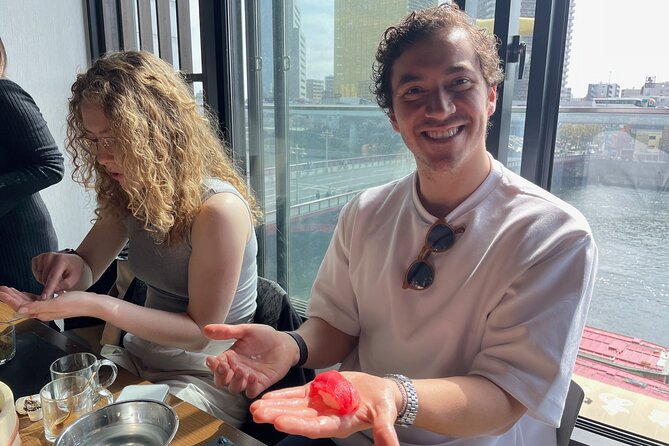
Reviewed · WORKSHOPS
Sushi Making Tokyo Roll and Authentic Japanese Sushi Class
Sushi lessons in Tokyo beat reading guides. This one is set just steps from Senso-ji Temple in Asakusa, and it teaches you hands-on sushi basics you can actually repeat at home. I like the fact that you get personal, step-by-step attention from an English-speaking instructor, not just a demo. A potential drawback to keep in mind is that this is aimed at beginners and visitors, so it is friendly and tourist-friendly rather than ultra-traditional for locals.
I also love the payoff: you make sushi, then you eat it. The class format is built for fun and photos, and the group meal is described as enough for a full lunch, with plenty of ingredients on hand. In real terms, it means you are not just learning technique, you are tasting the result right away, guided by instructors like Moe, Ken, Jun, Kazu, and Arisa, who show the process clearly and keep the pace steady.
One other consideration is location. Asakusa has lots of small streets and side alleys, and a couple of people noted the meeting spot can be a bit tricky to find, so plan to arrive early and avoid rushing. If you want a deep, knife-and-fish-only, serious apprenticeship vibe, you might feel the class is more structured and approachable than you expected.
Key things I’d plan around before you go
- Asakusa meeting point near Senso-ji, so you can combine it with temple sightseeing
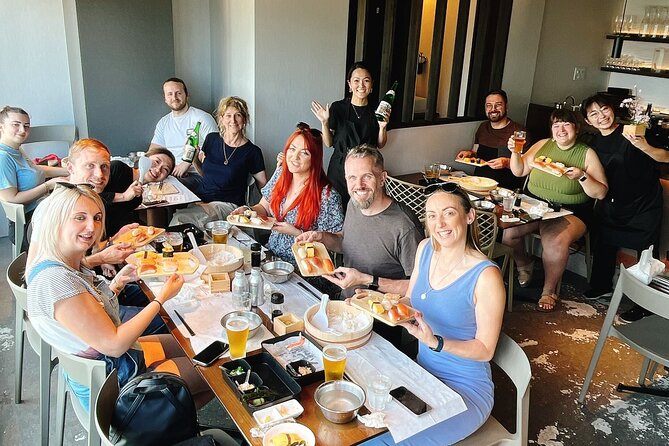
- Small group size (maximum 30), which helps you get real guidance while you roll
- Beginner-friendly instruction with clear English, plus visuals and table-side teaching
- You make and eat sushi, with ingredients included for a full lunch
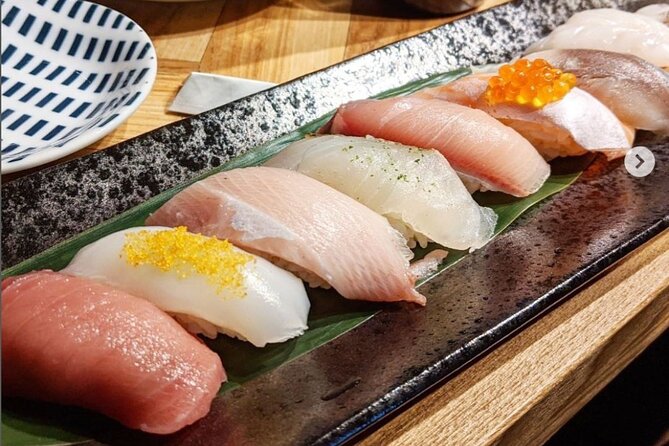
- Maki rolls and nigiri are both on the menu for your hands-on practice
- Arrive a little early since the exact spot can be hard to spot at first
Asakusa, Senso-ji, and the easiest way to start your Tokyo day
The biggest reason I like this class location is simple: you can pair it with real Asakusa sightseeing without adding a ton of transit time. Your meeting point is at 2-chōme-17-9 Kaminarimon in Taito City, and the class runs right around the traditional temple area.
That matters because sushi making is hands-on and slightly messy in the best way. You do not want to spend the hour beforehand navigating Tokyo rail stations, then show up stressed. Being near Senso-ji makes the start feel like part of your day, not a separate chore.
One practical tip from past experiences: the place can be a little tricky to find. I recommend showing up 10 to 15 minutes before class so you can locate the entrance calmly, get settled, and start on time.
More Sushi Making Classes in Tokyo
- Tokyo: Roll and Authentic Sushi Making Class in Asakusa
★ 4.9 · 1,957 reviews - Make Sushi and Create Unforgettable Memories in Tokyo
★ 5.0 · 1,413 reviews - Tokyo: Sushi Making Class in a Happi Coat near a Famous Spot
★ 4.9 · 1,377 reviews
Inside the class: English support and small-group pace
This is designed for international visitors. You get an English-speaking instructor, plus the teaching team models techniques right at your station. Many reviews point to clear explanations and patient help, which is exactly what you want when you are learning things that are hard to guess from a recipe.
The class also has a small-group feel, with a maximum of 30 people. That is not a huge crowd, so you are more likely to get quick help when your rice is too sticky, your roll feels uneven, or your fingers panic for half a second. People even mention that instruction includes visuals like a video or PowerPoint, which helps you connect what you see with what you do.
Instructors come through in a personal way. I saw names like Moe, Ken, Jun, Kazu, Ellie, and Arisa come up repeatedly, with feedback that the teachers share history and facts without turning it into a lecture. If you like learning while doing, this format fits.
What you’ll make: maki rolls and nigiri step by step
The core of the experience is making sushi you can be proud of: sushi rolls (maki) and authentic nigiri. The class is described as relaxed and beginner-friendly, and the teaching follows a step-by-step flow so you are not just watching someone else work.
You will learn professional tips and tricks for getting sushi right at home. That is important because sushi is not just an assembly task. Even if you love sushi, it can feel intimidating at home until you understand the key moves, like how to handle the rice so it sticks correctly, how to spread it without tearing things up, and how to roll tight enough to hold together.
Nigiri is the other big win. Reviews mention that they teach the process clearly and guide you through making nigiri, not only rolling. That gives you a broader skill set than a single-roll workshop.
Finally, the class includes ingredients of the cooking class and meal. Several comments call out quality, including fish and rice, and that quality matters because you will learn better with ingredients that behave well.
The sushi culture lessons that make the meal make sense
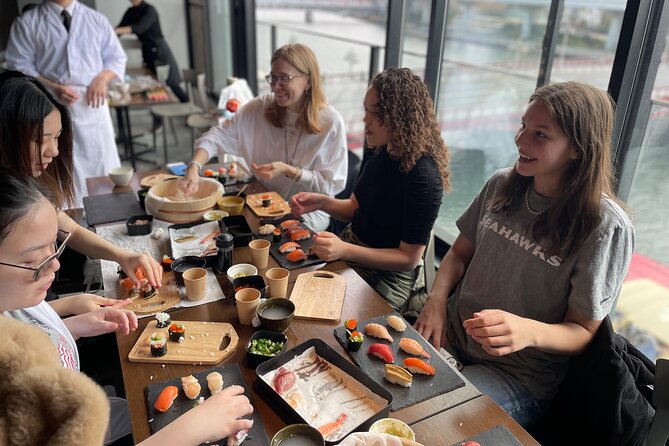
This class is not only technique. You also get culinary culture context from a foodie guide, and that can be more useful than it sounds.
Why? Sushi has small rules that explain why restaurants taste the way they do. When you learn why rice is prepared a certain way, or how different styles are meant to be eaten, you stop treating sushi as random toppings and start thinking like a cook.
I also like that instructors share history and facts in a way that feels integrated. People repeatedly mention a quick history opener before the hands-on part, plus more context during instruction. Some even noted the roll sushi history and how the instructor framed sushi’s role in Tokyo.
If you want a class that helps you order sushi better afterward, or talk about it intelligently (without sounding like you memorized a script), this cultural storytelling is doing real work.
Same corner of Japan, a different kind of day:
- Mt Fuji and Hakone 1-Day Bus Tour Return by Bullet Train
★ 5.0 · 26,383 reviews - 1-Day Tokyo Bus Tour
★ 5.0 · 14,250 reviews - Tokyo: TOKYO SKYTREE® Admission ticket
★ 4.5 · 11,192 reviews - Tokyo: teamLab Planets TOKYO Digital Art Museum Entry Ticket
★ 4.6 · 9,779 reviews
Lunch right after class: what you get and how to enjoy it
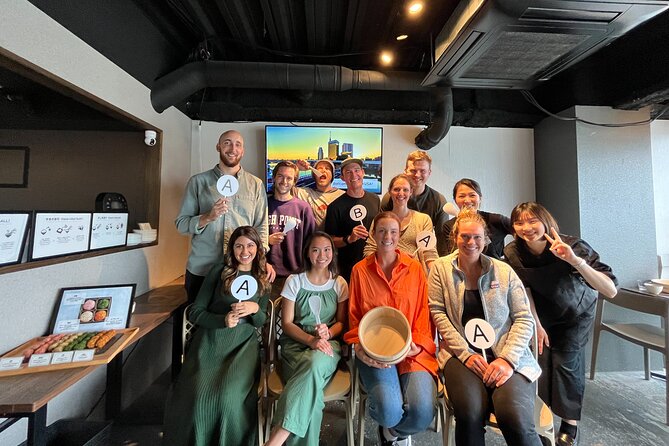
Here is the part that keeps this from being a typical “learn and leave” experience: you sit down and eat the sushi you made. The tour description is clear that you enjoy your own sushi and rolls afterward, and the reviews back that up with comments like being stuffed after the class.
Ingredients are included, and multiple reviews say there were plenty of items for a full lunch. In practical terms, that means you should plan this as a meal stop, not a snack. Come hungry, and you will have the satisfaction of comparing your first try to your later practice.
Take photos while things are still fresh, but do not make it your only goal. The best approach is to try one piece, then adjust your chopstick and bite rhythm for the rest. The class format encourages that, because you are eating right when your hands still remember what you just did.
One extra detail: in at least one review, someone added a sake flight pairing. That tells me there may be add-on options depending on the session, but it is not something I would count on unless it is offered on your day.
Price and logistics: is $59.69 good value in Tokyo?
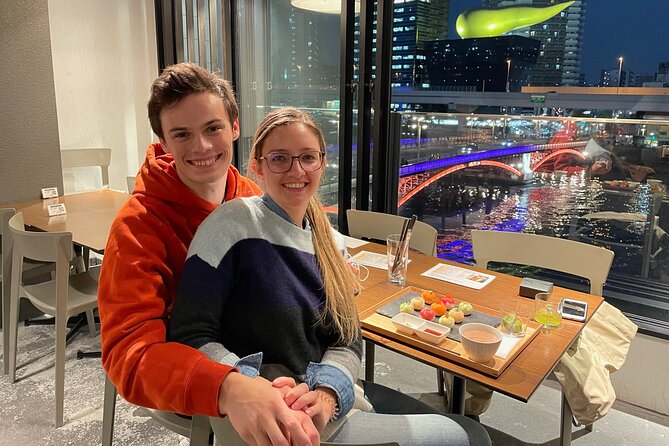
$59.69 per person is not pocket change in Tokyo, but for what you get, it can be good value. You are paying for an English-speaking instructor, hands-on guidance, ingredients for both making and eating, plus the structured teaching that helps beginners succeed.
You also save on logistics. There is no hotel pickup or drop-off, so you are responsible for getting yourself to the meeting point, but you also avoid long transit time and waiting around. For a one hour 40 minute class, that efficiency matters.
The max group size of 30 also helps justify the price. In a larger class, you might not get enough correction when your roll loosens or your nigiri shape is off. Here, the teaching is set up to keep you moving and help you fix issues.
My honest take: if you like sushi and want a skill you can repeat, the price feels reasonable. If you already know how to make sushi, or you only care about tasting, you might prefer a meal-focused option instead.
Who this suits best, and what to expect if you’re more advanced
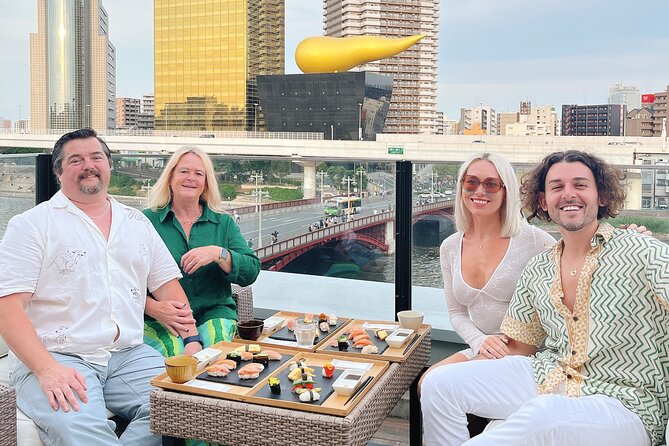
This class is a standout for families and couples. Reviews mention bringing kids, with ages ranging up through teens, and the instructors adjust pace well. That beginner-friendly, structured teaching style helps everyone participate without turning the class into a stressful food lab.
It is also a solid “first Tokyo cooking experience.” No cooking experience is required, and the class is built around learning the fundamentals without needing special equipment at home.
That said, there are two limits to keep in mind. First, the class is time-boxed to about 1 hour 40 minutes, so you will learn core moves but not hours of repeated practice. Second, a few comments hint that it is not built for people seeking a strictly local, no-nonsense apprenticeship. It is more tourist-friendly, and that is a feature for many visitors, but not what every sushi nerd wants.
If you are a serious home sushi maker looking for deep fermentation science and industry-only techniques, you may find the workshop too simplified. If you want clear steps, friendly teaching, and real results you can eat, you will probably feel like you got your money’s worth.
Should you book this sushi class in Asakusa?
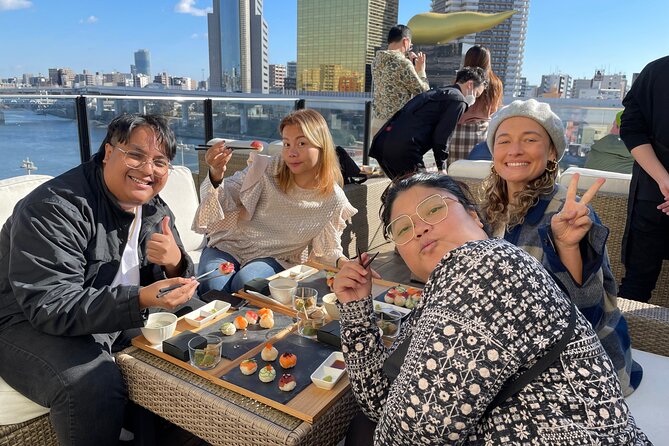
Book it if you want a fun Tokyo activity that gives you something to do, something to learn, and something to eat. The combination of maki rolls and nigiri, plus English guidance and a small-group feel, makes it a smart way to turn sushi from a restaurant-only experience into a skill.
I would also book it if you are already planning to visit Senso-ji. This class sits in that exact neighborhood sweet spot, so it fits naturally into a day you would be enjoying anyway.
Skip it only if you are mainly chasing a quiet, ultra-authentic local training atmosphere, or if you want a long multi-session practice arc. Otherwise, for most visitors, this is the kind of class that leaves you with stories, photos, and dinner you helped create.
FAQ
How long is the sushi making class?
The experience lasts about 1 hour 40 minutes.
What does the class cost?
The price is $59.69 per person.
Where does the class meet?
The start location is 2-chōme-17-9 Kaminarimon, Taito City, Tokyo 111-0034, Japan.
Is hotel pickup included?
No, hotel pickup and drop-off are not included.
Do I need any cooking experience?
No cooking experience is required. The class is described as relaxed and beginner-friendly.
What language is the instruction in?
You get an English-speaking instructor.
How many people are in the group?
The activity has a maximum of 30 travelers.
What’s included in the ticket price?
Included are the English speaking instructor and the ingredients of the cooking class and meal.
Will I eat the sushi I make?
Yes. You enjoy the sushi and rolls you make afterward.
What if I need to cancel?
You can cancel for a full refund up to 24 hours before the experience’s start time. If you cancel less than 24 hours before, the amount paid is not refunded.
Fresh options around Tokyo
- Tokyo: Nikko Kegon Falls Lake Chuzenji Toshogu Temple & More★ 4.9 · 12 reviews
- Tokyo: Samurai History Walking Tour★ 5.0 · 12 reviews
- Harajuku: Kawaii Fashion and Pop-Culture Tour★ 4.7 · 12 reviews
- Tokyo: Mt. Fuji & Lake Kawaguchi Instagram Full Day Trip★ 4.1 · 12 reviews
- Shibuya Tokyo: Modern Kintsugi Workshop in Shibuya★ 5.0 · 12 reviews
- Tokyo: GTR Guided Daikoku Experience at Night★ 5.0 · 12 reviews
- Tokyo: Daikoku JDM Car Culture Tour★ 4.6 · 12 reviews
- Mt Fuji Private Day Trip from Tokyo with English speaking driver★ 5.0 · 13 reviews
Workshops, compared.
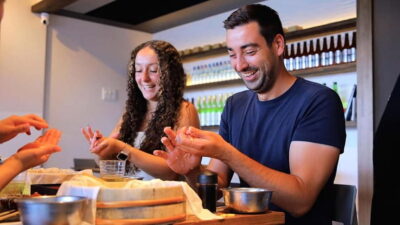
Roll and Authentic Sushi Making Class in Asakusa
Read our review →
Ramen Cooking Class at Ramen Factory in Kyoto
Read our review →
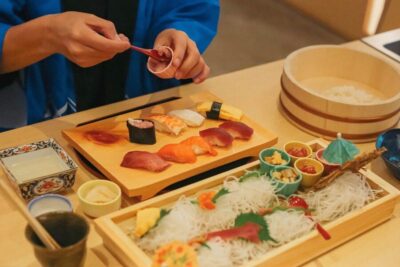
Sushi Making Class in a Happi Coat near a Famous Spot
Read our review →
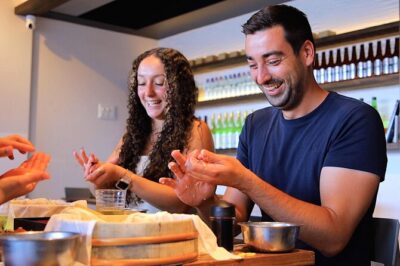
Sushi Making Osaka Roll and Authentic Japanese Sushi Class
Read our review →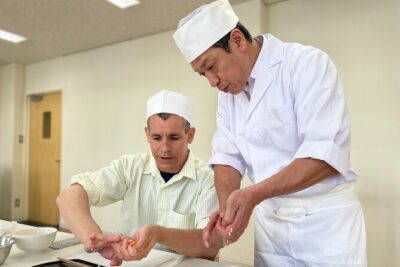
Tokyo Sushi Making Class in Tsukiji with Professional Chef
Read our review →Browse the lists this tour appears in