
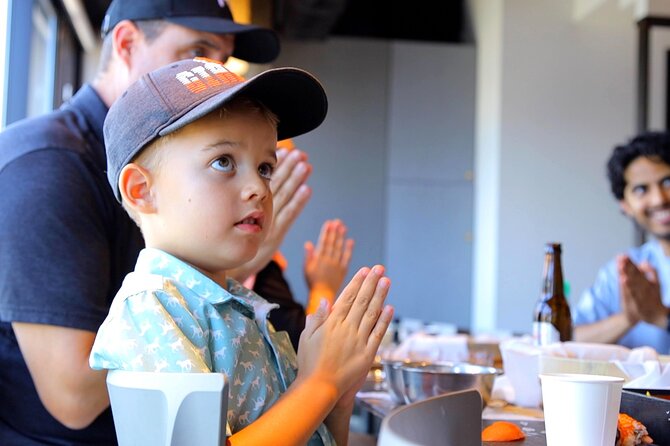
Reviewed · SUSHI MAKING CLASSES IN TOKYO
Make Sushi and Create Unforgettable Memories in Tokyo
Sushi lessons in Asakusa, minus the guesswork. In Asakusa, you shape nigiri and roll maki in a hands-on class just steps from Sensoji Temple, guided in English for about 1 hour 40 minutes.
I love the step-by-step coaching for both nigiri and hand rolls, plus the sushi history trivia that makes the food feel less mysterious. And yes, you eat what you make, so the class turns into a proper meal, not just a demo.
One thing to plan for: there is no hotel pickup, so you will want to navigate to the Kaminarimon meeting point on your own.
Key highlights at a glance
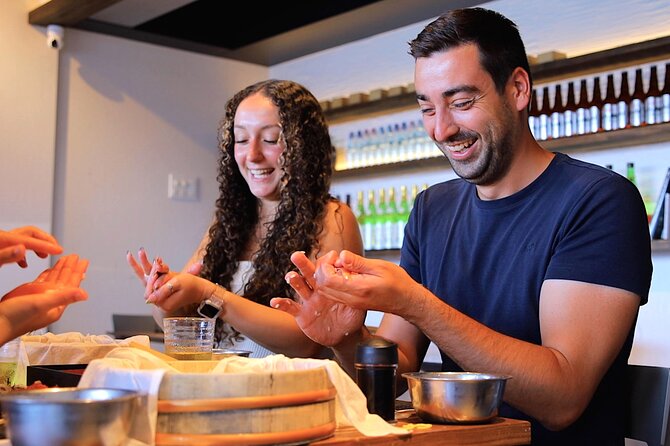
- Asakusa location by Sensoji Temple means it fits neatly into a classic Tokyo day
- English-speaking instructors guide you through nigiri and maki at a beginner-friendly pace
- You eat your own sushi, so you leave satisfied in a real, practical way
- Sushi history and trivia show up alongside technique, not as an afterthought
- Small help inside a bigger class (max 30) with instructors keeping an eye on your plates
Asakusa by Sensoji Temple, built for an easy Tokyo day
This sushi-making class lands in Asakusa, the old-school pocket of Tokyo where you can pair street snacks and temple sights with something hands-on. The meeting point is at 2-chōme-17-9 Kaminarimon, Taito City, Tokyo 111-0034, and the class ends back there, so you avoid that annoying feeling of being dropped somewhere far from your walking route.
What makes this area especially practical is how naturally it connects with the rest of a Tokyo itinerary. If you are already planning a Sensoji Temple stop, this becomes the kind of activity that does not fight your schedule. You can do temple sights earlier, then slow down for a cooking class later when the day gets loud.
A small logistics note: since there is no hotel pickup, you’ll want to start from somewhere you can reach by public transportation without stress.
More Sushi Making Classes in Tokyo
- Sushi Making Tokyo Roll and Authentic Japanese Sushi Class
★ 5.0 · 3,971 reviews - Tokyo: Roll and Authentic Sushi Making Class in Asakusa
★ 4.9 · 1,957 reviews - Tokyo: Sushi Making Class in a Happi Coat near a Famous Spot
★ 4.9 · 1,377 reviews
The class flow: history, technique, then eating your results
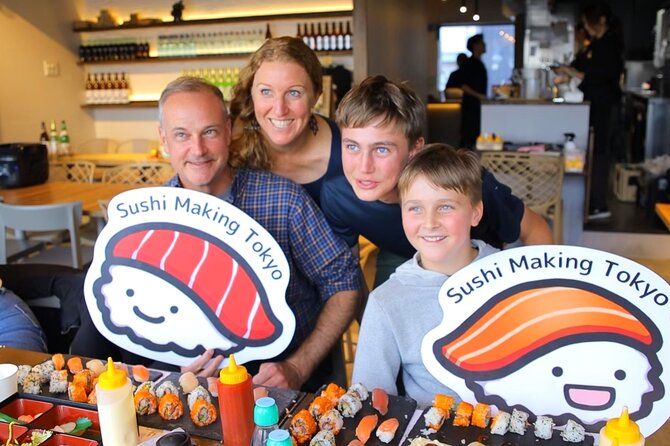
The format is relaxed and hands-on, and it is designed for people with zero experience. The instructor team uses English and moves you through making sushi in a way that feels doable, not intimidating.
Here is the typical rhythm you should expect:
- A welcoming start where you learn what sushi pieces you will make and how the class will run
- Technique time, including shaping and rolling steps (for both nigiri and roll sushi)
- Short cultural notes and sushi trivia mixed into the lesson so the food has context
- A finish where you eat the sushi you made and take photos of your creations
Many classes build in pre-set ingredients and utensils so you spend your time learning and assembling, not waiting around. You also get to see how the instructors think, which matters because sushi is about small, repeatable actions.
One nice detail from past classes: instructors often explain the steps so clearly that even kids can follow along. In one family story, a 10-year-old loved the process, and the lesson led into a filling lunch.
Nigiri shaping that feels learnable, not luck-based
Nigiri has a reputation for being hard, and that is exactly why it is a smart part of this class. You do not just get raw instructions. You get a breakdown of what to do and how to do it, so your fingers stop feeling like the problem.
The best part is the combination of:
- Technique guidance for shaping
- A reason for each step through sushi history and trivia
In multiple sessions, people specifically called out that the class makes nigiri easier than expected. One parent noted that nigiri turned out harder than they thought, but the instructors broke it down so the result was edible and satisfying. That is the goal: you do not need perfection, you need confidence.
If you are nervous about seafood or handling, you will still get value from learning how sushi rice and toppings are treated. Even when the class focuses on rolling and shaping, it quietly teaches fundamentals you can reuse later at home.
Maki and hand rolls, including cute styles you will want to photograph
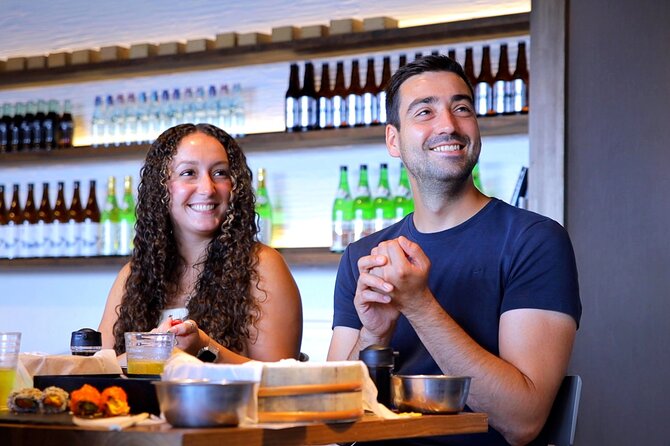
Roll sushi is where the class becomes fun fast. You learn how to make rolls, and you also learn enough technique to understand what makes a roll look tidy and eat well.
Past participants talked about making items like:
- Maki rolls (including inside-out styles)
- Hand rolls
- Temari-style sushi, the cute, bite-sized shapes
Temari sushi in particular shows how playful Japanese sushi can be. In one note, someone said they learned temari sushi and loved the results, calling it both educational and visually satisfying.
And yes, you get photo time. The sushi does not just taste good, it often looks good enough that you will want a few pictures before you eat everything.
Same corner of Japan, a different kind of day:
- Mt Fuji and Hakone 1-Day Bus Tour Return by Bullet Train
★ 5.0 · 26,383 reviews - 1-Day Tokyo Bus Tour
★ 5.0 · 14,250 reviews - Tokyo: TOKYO SKYTREE® Admission ticket
★ 4.5 · 11,192 reviews - Tokyo: teamLab Planets TOKYO Digital Art Museum Entry Ticket
★ 4.6 · 9,779 reviews
What you actually eat (and why the meal feels like part of the experience)
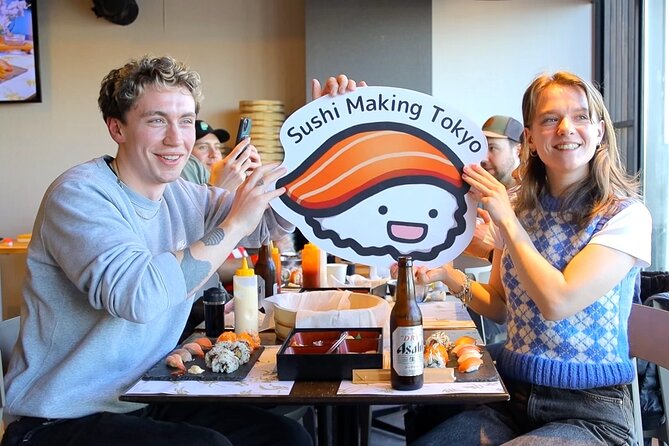
You will eat the sushi you make. That matters more than people think. In many cooking experiences, you cook, then eat something else. Here, you leave with a plate that came from your hands.
Portions seem generous. One participant described getting about an 8-piece maki roll plus 8 pieces of nigiri per person. Even when portions vary slightly by class, the consistent theme is that the meal is filling and genuinely satisfying because you built it yourself.
Quality is part of the experience, too. Multiple people mentioned that ingredients were fresh, and the instructors used good-quality components. The point is not luxury branding. It is that the sushi you make is worth eating, not just an activity you survive.
If you want drinks, there can be options during the class, and one person noted that sake had an extra charge. So if alcohol matters to your plan, ask at check-in or when the class starts.
Instructor energy, English clarity, and names worth remembering
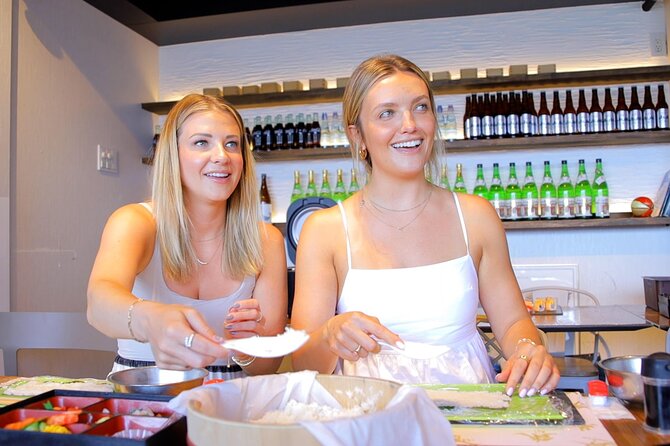
The class is guided by English-speaking instructors, and you can feel it in how people describe the teaching. The lesson does not rely on expensive gadgets. It relies on good pacing and clear instructions.
A few instructor names that have shown up in class stories include Rino, Yuto, Ken, Sato, Momo, Yui, Emi, Ayu, Kento, Matti, Madoka, Yusuke, Yuhi, and Mikoki. You will not always know who you will get ahead of time, but the consistent point is that the team uses friendly, helpful communication.
One practical tip from a previous participant: if you want extra clarity, it can help to ask the instructor to slow down a touch. That is a normal thing to request during an English class, and it can make a big difference when you are learning by doing.
The class is also capped at a maximum of 30 people, and several people mentioned it breaks into smaller sub-groups. That is important because sushi technique needs correction, not just watching.
Price and value: $79.59 for a skill, not just a snack
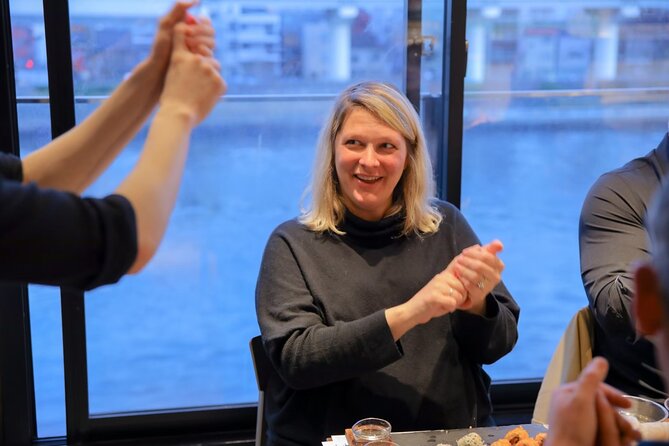
At $79.59 per person, this is not the cheapest thing you can do in Tokyo. But it is priced like a real small-group cooking class with a meal attached.
Here is the value logic I see:
- You get an English-speaking instructor
- The class includes ingredients and the meal you eat
- You learn skills you can repeat at home, like making nigiri and rolling maki
- You also get the storytelling component through sushi trivia and cultural notes
When I compare that to paying for a sushi tasting alone, this feels like the better deal if you enjoy activities more than just eating. And if you like taking something home with you mentally, this is one of those experiences where the payoff happens after the class too, when you remember what you were taught.
Also, because it lasts about 1 hour 40 minutes, it does not swallow half a day. It fits between temple visits and dinner without wrecking your schedule.
Dietary needs and fish comfort, without making you feel awkward
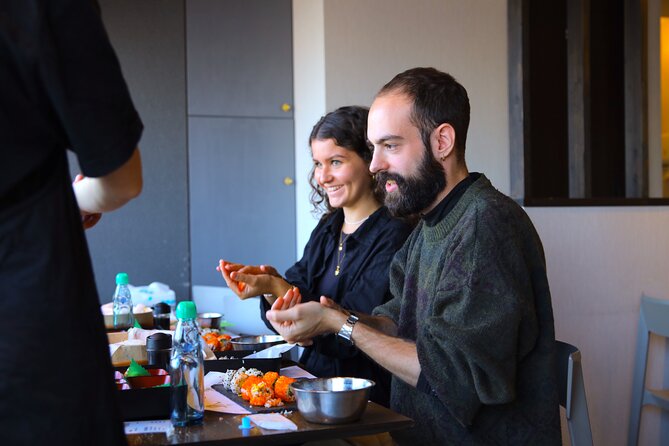
Sushi can be tricky if you have food restrictions or if you simply prefer to avoid raw fish. The good news is that people report options and accommodations.
In class stories, instructors handled:
- Shellfish allergy substitutions
- Gluten-free needs
- Options that avoid raw fish so everyone can enjoy what they make
That does not mean you should assume every restriction will be solved automatically. But it does mean the instructors are familiar with making adjustments so you can participate. If your needs are specific, send details ahead of time when booking, or raise it at the start of the class so they can guide you.
This is also a reason the class works well for families. Parents described it as kid-friendly, including teens, because the instructions are clear and the sushi options can match different comfort levels.
Who should book this sushi class in Tokyo
This is a strong pick if you want:
- A hands-on activity in Asakusa
- Something beginner-friendly that still feels authentic
- A meal you can take credit for
- A way to meet Tokyo through food culture, not just landmarks
It is especially appealing for:
- Solo travelers who want an interactive experience where you get direct help
- Families with kids or teens who will follow steps better than you expect
- Food lovers who want technique, not just a plate on a counter
If you hate food mess, you might feel a bit of mess anyway. Rolling and shaping means fingers get involved. But the class structure and pre-set supplies help keep that controlled.
And if you want a luxury, quiet experience with no group setting, this is probably not for you. It is a lively class, often with up to 30 people split into smaller groups.
Should you book Sushi Making Tokyo in Asakusa?
If you are torn, I’d lean toward booking. This class mixes real technique, sushi history trivia, and the best kind of payoff, you eat what you make. The English instruction and beginner approach make it one of the more accessible ways to learn sushi in Tokyo, and the Asakusa location makes it easy to plug into a day around Sensoji Temple.
Skip it only if you know you cannot get to the meeting point on your own, or if hands-on rolling and shaping is not your thing. If you can handle those two points, you will likely leave with full stomachs and a skill you can use long after you fly home.
FAQ
How long is the sushi making class?
The class runs for about 1 hour 40 minutes.
What does the class cost?
It costs $79.59 per person.
Where do I meet for the experience?
The meeting point is 2-chōme-17-9 Kaminarimon, Taito City, Tokyo 111-0034, Japan.
What is included in the price?
You get an English-speaking instructor, plus the ingredients for the cooking class and the meal.
Is hotel pickup included?
No, hotel pickup and drop-off are not included.
Do I need any sushi-making experience?
No experience is needed. The instructors guide you step by step.
Will the class be in English?
Yes, the instructor speaks English.
How many people are in the group?
The maximum group size is 30 travelers.
Can I bring a service animal?
Yes, service animals are allowed.
Is cancellation free, and how late can I cancel?
Free cancellation is available up to 24 hours in advance for a full refund. Changes within 24 hours of the start time are not accepted.
Fresh options around Tokyo
- Tokyo: Nikko Kegon Falls Lake Chuzenji Toshogu Temple & More★ 4.9 · 12 reviews
- Tokyo: Samurai History Walking Tour★ 5.0 · 12 reviews
- Harajuku: Kawaii Fashion and Pop-Culture Tour★ 4.7 · 12 reviews
- Tokyo: Mt. Fuji & Lake Kawaguchi Instagram Full Day Trip★ 4.1 · 12 reviews
- Shibuya Tokyo: Modern Kintsugi Workshop in Shibuya★ 5.0 · 12 reviews
- Tokyo: GTR Guided Daikoku Experience at Night★ 5.0 · 12 reviews
- Tokyo: Daikoku JDM Car Culture Tour★ 4.6 · 12 reviews
- Mt Fuji Private Day Trip from Tokyo with English speaking driver★ 5.0 · 13 reviews
Sushi Making Classes in Tokyo, compared.
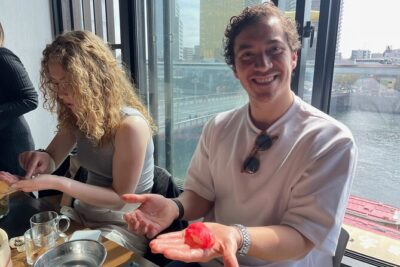
Sushi Making Tokyo Roll and Authentic Japanese Sushi Class
Read our review →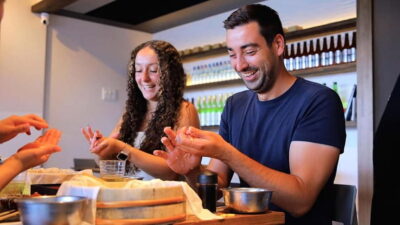
Roll and Authentic Sushi Making Class in Asakusa
Read our review →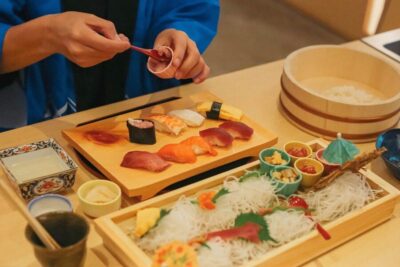
Sushi Making Class in a Happi Coat near a Famous Spot
Read our review →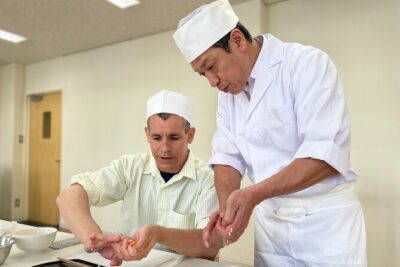
Tokyo Sushi Making Class in Tsukiji with Professional Chef
Read our review →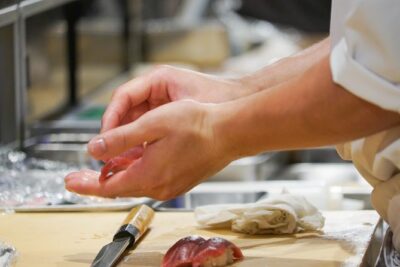
Tokyo Night Foodie Tour in Shinjuku – Seasonal Sushi, Wagyu Beef
Read our review →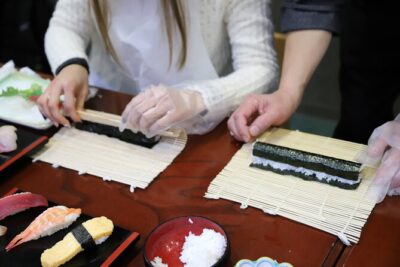
Tsukiji Fish Market Guided Tour and Sushi Making with Pro Chef
Read our review →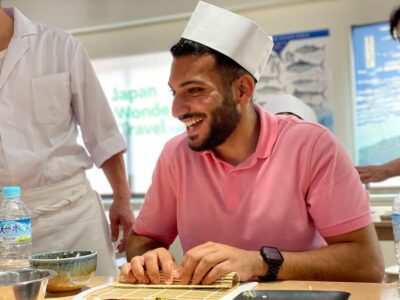
Tsukiji Fish Market Sushi Making Class with Pro Chef
Read our review →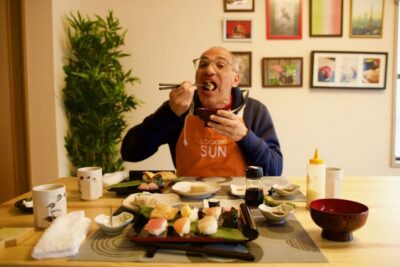
Browse the lists this tour appears in