
Reviewed · WORKSHOPS
Tokyo: Sushi Making Class
Sushi gets simpler when you press the rice. In this Tokyo afternoon class, I love the way it turns a famous dish into doable steps, with sushi rice at the center and a small group vibe that feels friendly, not rushed. You spend about three hours making multiple styles, then you sit down and eat what you made.
What I like most is the English-friendly instruction and the support that helps beginners keep going. In past classes, instructors like Mika, Yuki, Miki and Yuko are known for patient, step-by-step coaching that explains ingredients clearly while you actually make the food.
One drawback to plan for is logistics. There is no hotel pickup, and the meeting point is in a residential neighborhood, so you will want to use the provided directions and confirm the exact door and floor.
Key highlights you will care about
- Sushi rice technique first, so your rolls and nigiri actually taste right
- Multiple sushi styles you make yourself, including nigiri, inari, hosomaki, and California roll
- Tamagoyaki hands-on, the fluffy Japanese omelet that adds variety and skill
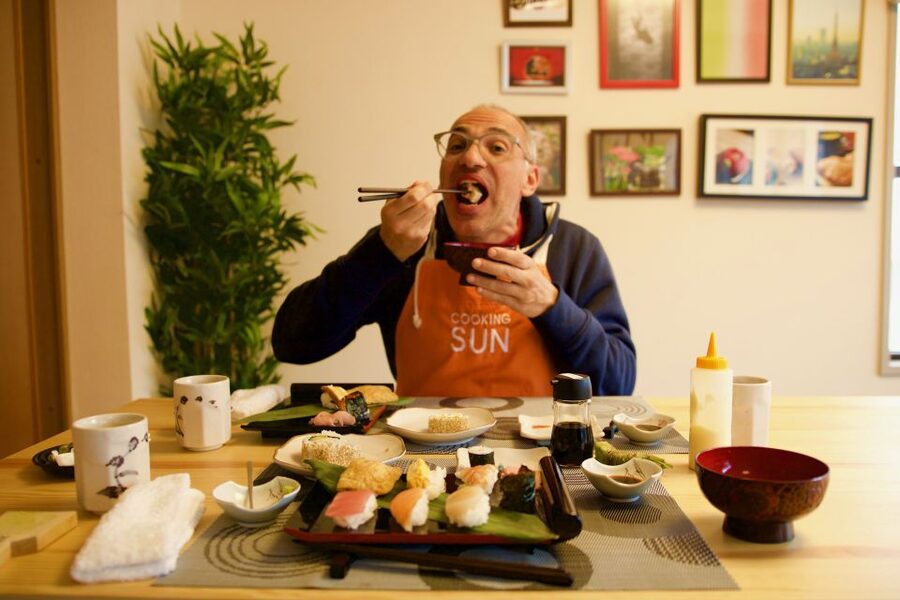
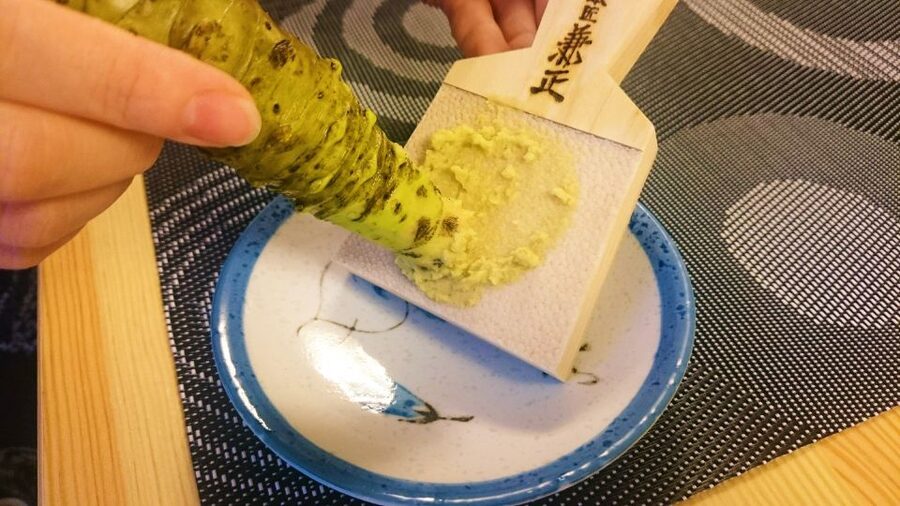
- You eat a full plate after cooking, with miso soup, fresh wasabi, and pickled ginger
- Small group, up to 9 people, which means real help when your hands get stuck on the rolling mat
A 3-hour Tokyo lesson that teaches sushi rice, not just sushi
This class is built around fundamentals. You start with how Japanese cooking flavors things, then you work directly with ingredients, especially the rice. If you have ever tasted sushi that was great but also a little disappointing, the fix is usually rice seasoning, temperature, and texture. That is what this experience focuses on, so you leave with practical skills you can repeat later.
The time commitment is also right for most itineraries. At three hours, it is long enough to do several steps and still short enough to fit into a normal day in Tokyo. I also like that you get to make more than one style, so it does not turn into one long “watch me” moment.
The atmosphere is described as friendly and informal, and that matters. Sushi can feel intimidating, especially the shaping. But here, you are encouraged to do it, mistakes and all, with instructors giving support as you go.
More Sushi Making Classes in Tokyo
- Sushi Making Tokyo Roll and Authentic Japanese Sushi Class
★ 5.0 · 3,971 reviews - Tokyo: Roll and Authentic Sushi Making Class in Asakusa
★ 4.9 · 1,957 reviews - Make Sushi and Create Unforgettable Memories in Tokyo
★ 5.0 · 1,413 reviews
Finding the studio in a quiet residential corner of Shinjuku
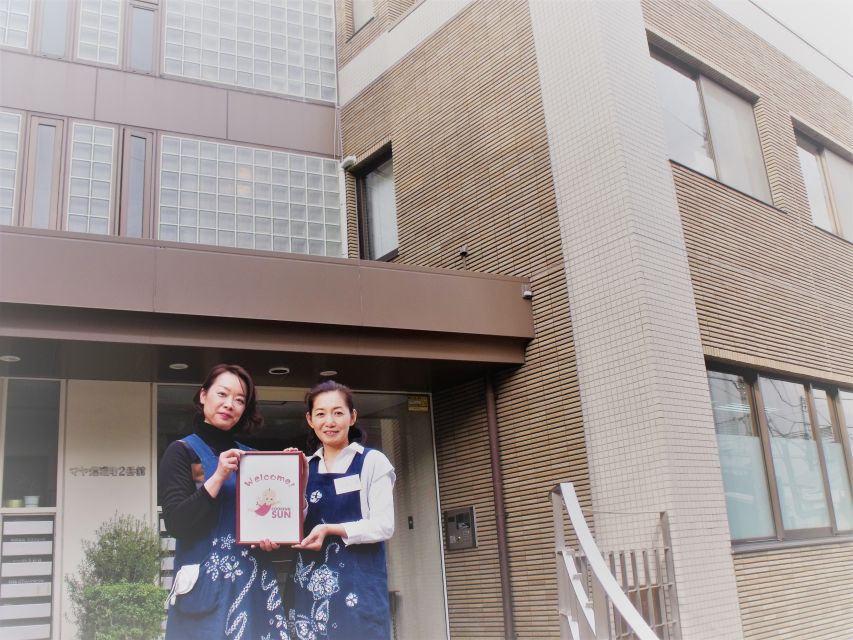
Your first challenge is not the cooking, it is the address. The studio sits in a residential area, and meeting directions matter. It is on the 2nd floor of a beige residential building. At the entrance, there are two doors, and you use the right-side door to reach the studio.
If you need to contact them, press 314 on the intercom. For navigation, you can use Google Maps and search for Cooking Sun Tokyo (Shinanomachi 18-39, Shinjuku-ku, Tokyo). If you do not have Wi-Fi, it is smart to check the detailed directions before you leave, so you are not scrambling in a neighborhood street with spotty connection.
Also note what is not provided. There is no hotel pickup and transportation, so plan your own way in. This can be a small hassle if you are staying far from Shinjuku, but it is also part of the value. You are joining a local studio setup, not a bus-and-bag tourist circuit.
What you actually cook: nigiri, inari, hosomaki, and California roll
This class is not one trick. You work through several dish types, and each one teaches a different technique.
You will make:
- Nigiri (hand-pressed sushi)
- Inari (sweet tofu pouch sushi)
- Thin roll (hosomaki)
- California roll
On top of the sushi styles, you also tackle tamagoyaki, the Japanese rolled egg. That is a great inclusion because it breaks up the rice-and-rolling focus and teaches another texture and shaping skill.
From there, you do sushi prep and assembling. You prepare sushi rice and toppings, which can include items like shrimp. You roll, shape, and finish each piece as you learn the steps.
A key detail to understand before you go: the class uses pre-sliced fish. You are not offered instruction on how to cut raw fish. If you are hoping to learn knife skills for raw seafood, this is not that class. But if your goal is learning how sushi is built correctly, you still get the most important part, the rice, and the assembly.
Step-by-step cooking flow, and why it helps beginners
The class flow starts with ingredients and Japanese cooking foundations. You get an intro to essential flavors, including dashi (soup stock) and traditional seasonings. You even make miso soup during the process. This matters because sushi is not only rice and fish, it is balance. Knowing how dashi and seasoning taste helps you understand why certain sauces and condiments show up alongside sushi.
Then you move into hands-on technique with tamagoyaki. Rolled omelet seems like a simple side dish until you try it. The class uses step-by-step guidance so you can focus on one move at a time instead of panicking halfway through.
After that comes sushi prep. You get your rice ready, and you prepare toppings for rolling and shaping. Then the main hands-on block begins. You watch demonstrations, then you create your own sushi pieces.
One thing I like about this teaching style is the rhythm. Several past participants highlight clear pacing, with support available if something goes off track. You are not left to figure things out with a mat and hope. The kitchen setting also supports this, since utensils, ingredients, and equipment are provided.
You will finish by eating what you made, sitting down with miso soup and the classic sides: wasabi and pickled ginger served on the side. That is a practical reward. You do not have to imagine how your sushi should taste, you taste it immediately.
Same corner of Japan, a different kind of day:
- Mt Fuji and Hakone 1-Day Bus Tour Return by Bullet Train
★ 5.0 · 26,383 reviews - 1-Day Tokyo Bus Tour
★ 5.0 · 14,250 reviews - Tokyo: TOKYO SKYTREE® Admission ticket
★ 4.5 · 11,192 reviews - Tokyo: teamLab Planets TOKYO Digital Art Museum Entry Ticket
★ 4.6 · 9,779 reviews
The sushi rice techniques that make or break your final plate
If you remember nothing else, remember this: sushi is rice science dressed in a tasty outfit.
In this class, you learn techniques for making tasty sushi rice. That includes how to prepare the rice for rolling and how to season it correctly. Sushi rice is not just cooked rice plus random seasoning. Getting the right texture matters because it affects everything that follows, from how nigiri holds together to how rolls stay neat.
You also learn how ingredients and seasonings work together in Japanese cooking. Even if you never make sushi again, understanding the logic behind dashi and miso seasoning helps you cook other Japanese-style meals too.
A detail worth noting is the guidance around process. Some participants mention that instructions are simplified into clear steps, which is exactly what you want when you are new to rolling. The rice has to be handled properly, and that is where beginners usually get frustrated. The class approach reduces that frustration by teaching the steps in the order your hands need them.
Once you make rice and use it in nigiri and rolls, you end up with a tangible result. You see how the rice behaves in real shaping, not in theory. That is how you build confidence.
Rolling, shaping, and cleaning up like a real kitchen
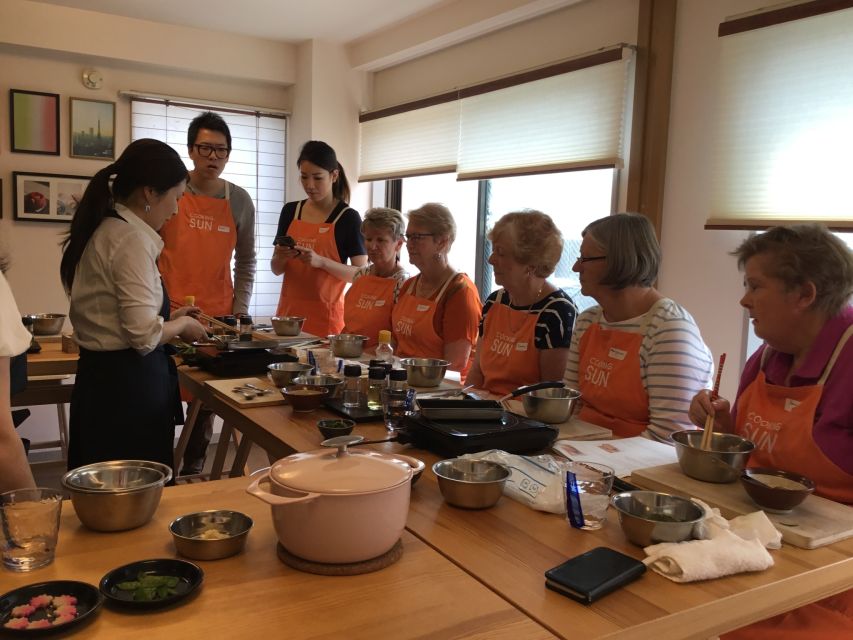
The class takes place in a real cooking studio kitchen, with the right utensils and ingredients set out. You also get an apron and a towel rental included, which sounds small, but it makes you feel like this is a working kitchen session, not a demo.
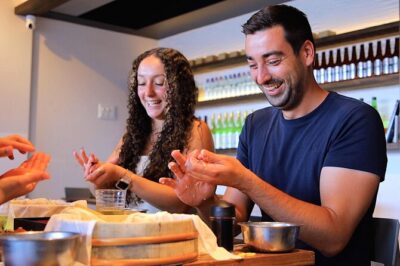
Hands-on time is a big part of the experience. You do watch and learn, but you also get into the process yourself. That includes rolling and shaping multiple items, which gives you repeated practice instead of a single attempt.
You will likely notice the attention to cleanliness and timing. One past participant noted pauses and hand-washing breaks, which is the kind of practical kitchen detail that makes you feel safe and comfortable while cooking.
Group size also influences how smooth this goes. The class is limited to 9 participants, which is big enough to feel social but small enough for instructors to keep an eye on your rice, your hands, and your pace. Several reviews praise the ratio of demonstration to hands-on work, and that is where the learning happens.
If you are cooking with kids, you should also feel good about this format. A number of families mention that instructors are patient and helpful, which is exactly what you need when attention spans are short and you have sticky rice on everything.
What you eat at the end, and what to take home
The best part of a cooking class is the part where you do not just cook, you actually eat. Here, you sit down with the miso soup you made, plus your handmade sushi. Fresh wasabi and pickled ginger are served on the side.
This matters for value. At three hours, many classes end with a snack or a tiny bite. Here, you leave with a full plate of food that reflects the effort you put in. That is why the reviews consistently talk about leaving with more sushi than they expected.
You also get recipe cards to take home. That turns the experience into something you can repeat. Sushi rice is the biggest ticket item for future cooking, and recipe cards make it easier to remember what you did, especially if you cooked for a group and then got swept into post-class Tokyo exploring.
Since ingredients and utensils are included, you are not paying extra for the basics. You do pay for an instructor-guided learning session, your meal, and a structured, small-group format.
Price and value: $67 for a small-group sushi skill session
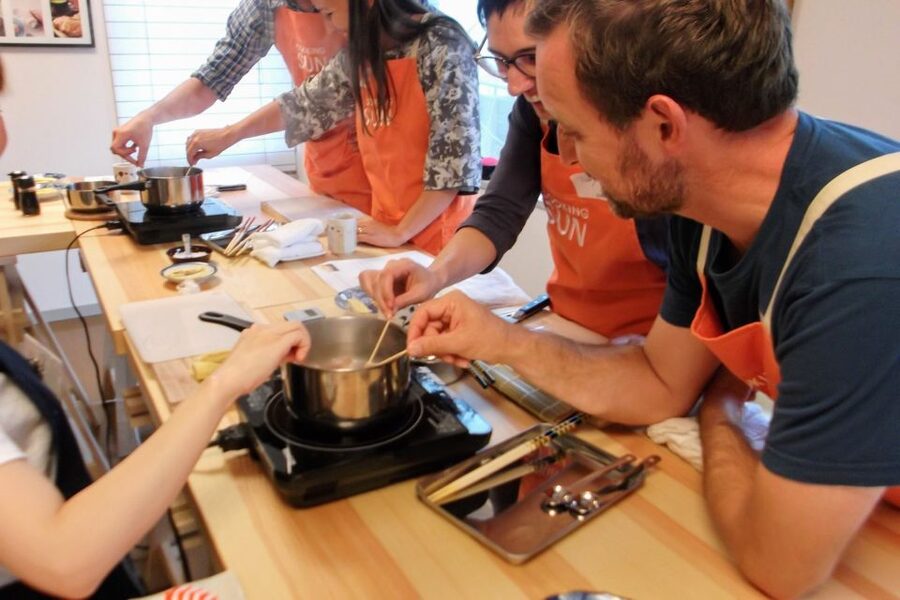
At $67 per person for three hours, this price sits in the sensible middle of cooking classes. You are not just paying for food. You are paying for instruction that takes you from rice and seasoning to multiple sushi styles you can assemble yourself.
What makes it better value than many shorter classes is the time. Ninety minutes is nice, but sushi shaping needs repeat attempts. The three-hour duration gives you enough room to get coached, make your pieces, and then eat.
Small-group size also justifies the cost. With a cap of 9 people, the instructor-to-student attention is higher than in big tour groups. If you have ever felt lost in a class where everyone is doing their own thing, you know why this matters.
If you are comparing to the cost of sushi in Tokyo restaurants, this class becomes easier to justify. You are learning for the price of a meal, then eating what you made. That is a strong deal for skill-building.
Who this Tokyo sushi class is best for
This is a great fit if you want a hands-on activity that still feels culturally grounded. You learn Japanese cooking fundamentals like dashi and miso soup, not just how to assemble a roll.
You should also like it if:
- You are a beginner and want no prior experience required
- You want English instruction and clear steps
- You like small-group experiences that feel personal
- You want a family-friendly activity that instructors can adjust for
It is less ideal if your main goal is raw fish knife skills. The class uses pre-sliced fish and does not include cutting raw fish instruction.
Should you book Cooking Sun Tokyo Sushi Making?
I would book it if you want a practical Tokyo experience that results in both skills and a real meal. The class is structured for beginners, the group is small, and the best learning focus is sushi rice, the part most people never truly master at home. You also leave with recipe cards, so this does not vanish the next day.
Skip it only if you specifically want to learn how to cut raw fish. Otherwise, this is one of the rare cooking activities that feels like a real workshop, not a short show, and you get to take your work to the table.
If your schedule allows, book the afternoon slot that matches your energy. Then show up hungry, bring good curiosity, and expect to go home knowing how to build sushi from the rice up.
FAQ
How long is the Tokyo sushi making class?
The class lasts 3 hours.
Is the class taught in English, and how big is the group?
Yes, instruction is in English. The group is small, limited to 9 participants.
What sushi items will I learn to make?
You learn to make nigiri (hand-pressed sushi), inari (sweet tofu pouch sushi), thin roll (hosomaki), and California roll. You also make Japanese rolled egg (tamagoyaki).
Does the class teach me how to cut raw fish?
No. The class uses pre-sliced fish, and it does not include instruction on how to cut raw fish.
What is included in the price?
The price includes recipes, all ingredients and utensils, and towel and apron rental.
Where is the meeting point, and how do I find it?
The studio is on the 2nd floor of a beige residential building in a residential area. Use the right-side door at the entrance. If needed, press 314 on the intercom. With Wi-Fi, search for Cooking Sun Tokyo on Google Maps.
Can the class accommodate dietary restrictions?
Yes. The studio can substitute ingredients to accommodate food allergies, gluten-free diets, religious dietary restrictions, vegetarian preferences, and more. Inform them of any dietary requirements when booking.
Fresh options around Tokyo
- Tokyo: Nikko Kegon Falls Lake Chuzenji Toshogu Temple & More★ 4.9 · 12 reviews
- Tokyo: Samurai History Walking Tour★ 5.0 · 12 reviews
- Harajuku: Kawaii Fashion and Pop-Culture Tour★ 4.7 · 12 reviews
- Tokyo: Mt. Fuji & Lake Kawaguchi Instagram Full Day Trip★ 4.1 · 12 reviews
- Shibuya Tokyo: Modern Kintsugi Workshop in Shibuya★ 5.0 · 12 reviews
- Tokyo: GTR Guided Daikoku Experience at Night★ 5.0 · 12 reviews
- Tokyo: Daikoku JDM Car Culture Tour★ 4.6 · 12 reviews
- Mt Fuji Private Day Trip from Tokyo with English speaking driver★ 5.0 · 13 reviews
Workshops, compared.
Sushi Making Tokyo Roll and Authentic Japanese Sushi Class
Read our review →
Roll and Authentic Sushi Making Class in Asakusa
Read our review →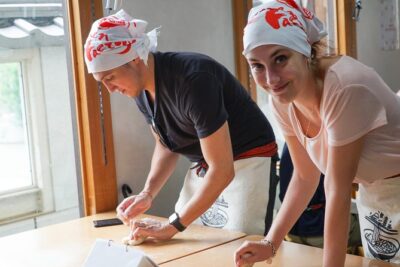
Ramen Cooking Class at Ramen Factory in Kyoto
Read our review →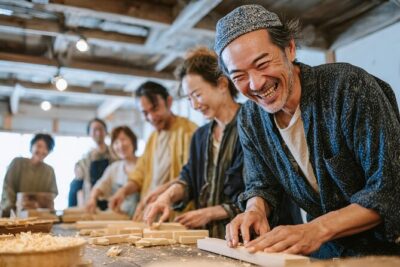
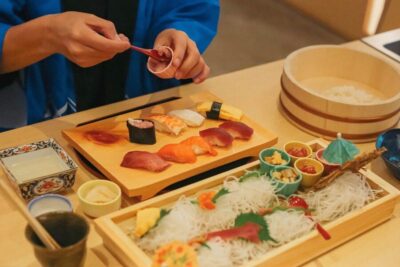
Sushi Making Class in a Happi Coat near a Famous Spot
Read our review →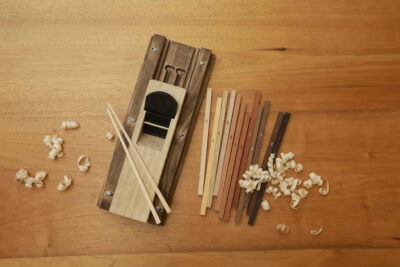
Sushi Making Osaka Roll and Authentic Japanese Sushi Class
Read our review →Browse the lists this tour appears in