
Reviewed · SNOW MONKEY TOURS
From Tokyo: Snow Monkey 1 Day Tour with Beef Sukiyaki Lunch
Snow monkeys in winter are a real bucket list moment. This day trip pairs beef sukiyaki with an up-close visit to Jigokudani Monkey Park, where you can watch the famous macaques settle into thermal water in a snow-capped valley. I also like that an English-speaking guide keeps the timing smooth, so you spend your energy on the park instead of figuring out logistics.
The main drawback is that the day is demanding in winter: the bus ride is long, and the walk from the parking area to Jigokudani Yaen-koen is more than 30 minutes each way on icy, slippery ground. If you are sensitive to cold or uneven footing, plan carefully (or consider another day-trip style).
Key things that make this tour worth your time
- Beef sukiyaki lunch stops you from arriving hungry and helps fuel the winter walking.
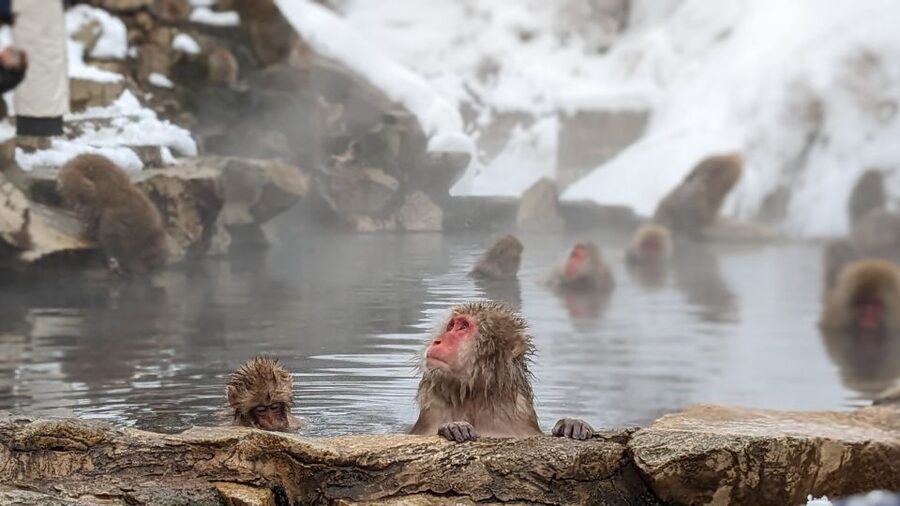
- Jigokudani Monkey Park gives you real photo opportunities at the hot springs, with monkeys close by.
- Jigokudani Valley scenery is spectacular when snow is on the ground and the air is crisp.
- English-speaking guide plus a coach schedule means fewer decision points for you.
- Seasonal Kamakura snow huts (Jan 23 to Mar 1, 2026) add a magical, illuminated detour.
- Clear monkey rules (no touching, feeding, or staring) keep the experience safe and respectful.
Price and value: what $151 buys you (and what it does not)
At $151 per person, this is not a cheap impulse buy, but it is also not priced like a luxury private outing. You are paying for three things that are hard to replicate on your own: dependable coach transportation from Tokyo, an organized visit to a specific park in Nagano, and a guided experience in English.
The value gets stronger if you are traveling in winter and you do not want to gamble on timing, language, and weather. A day-trip like this also saves mental energy. You show up at the meeting point, get a warm meal, and someone handles the flow of the day.
What it does not guarantee is monkey visibility. Sightings are never promised because the animals are wild, and conditions can change. Still, the structure gives you a real shot at seeing the macaques the way the park is famous for, including the thermal-water viewing.
More snow monkey tours:
- 1-Day Snow Monkeys, Zenko-ji Temple & Sake in Nagano
★ 5.0 · 1,020 reviews - Nagano: Snow Monkeys, Zenkoji Temple & Sake Day Trip
★ 4.9 · 833 reviews - Tokyo: Snow Monkey & Nagano Customiseable Private Day Tour
★ 4.8 · 138 reviews
Starting from Shinjuku: the meeting point that matters
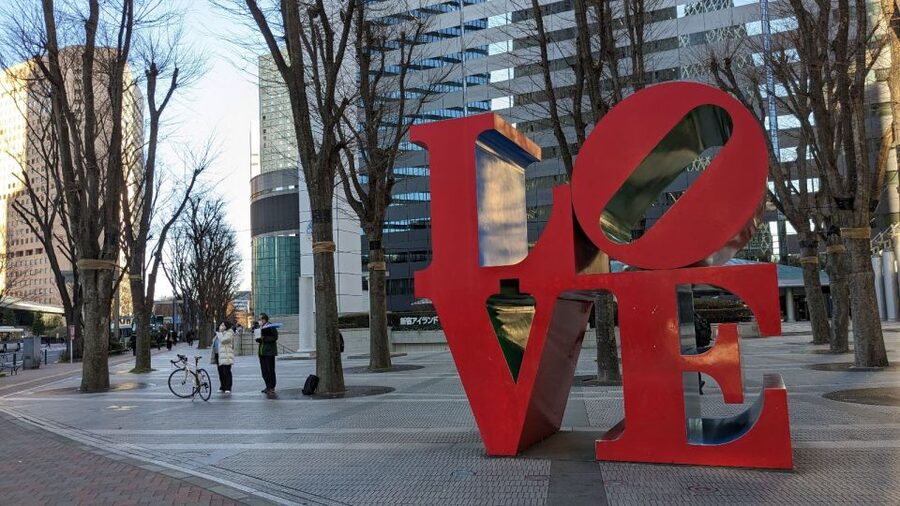
Your day begins in central Tokyo at Nishi Shinjuku, outside the Shinjuku i-Land building, at the Nishi Shinjuku Love sculpture. This is one of those details that can trip people up, especially if you are new to the area. Give yourself extra time to arrive early and orient yourself before the coach departs.
From there, the trip is a true long-distance day, with the bus journey lasting up to about three and a half hours each way, plus rest stops. Expect two to three stops at service areas en route, which helps you reset before the walking begins.
The bus ride north: how to make 3.5 hours feel reasonable
The coach portion is the tradeoff for the convenience. You will spend a chunk of time sitting, likely watching snow scenery go by, with a couple of breaks built in.
To make it feel less like punishment, come prepared for cold bus conditions. Even if the bus is warm, you may still step outside during rest stops and at the start and end of the day. A hat, gloves, and a layer you can remove and re-add quickly will keep you comfortable.
One practical note: the tour rules emphasize that you should follow the advised departure time, because latecomers can miss parts of the day. This is a day where punctuality protects your schedule, especially since the monkey visit time depends on getting there and staying on track.
Lunch at Shinshu Fruitsland: why sukiyaki is a smart move
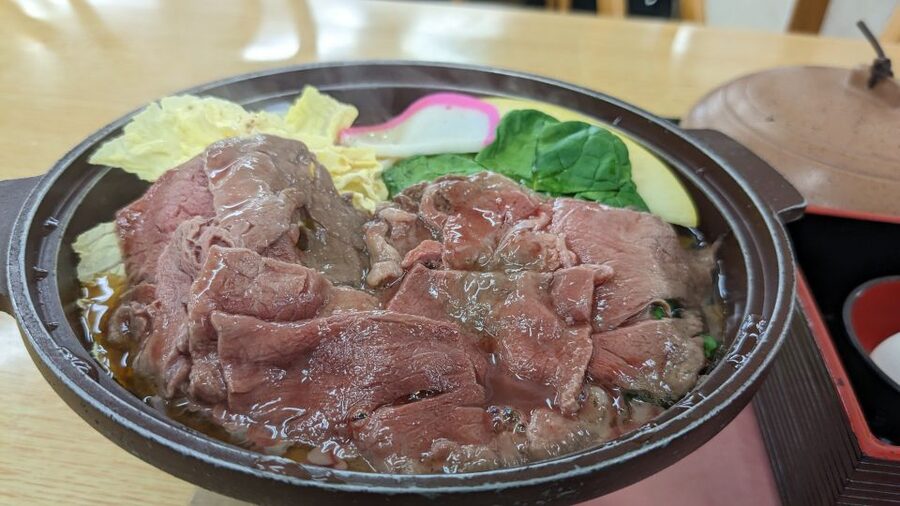
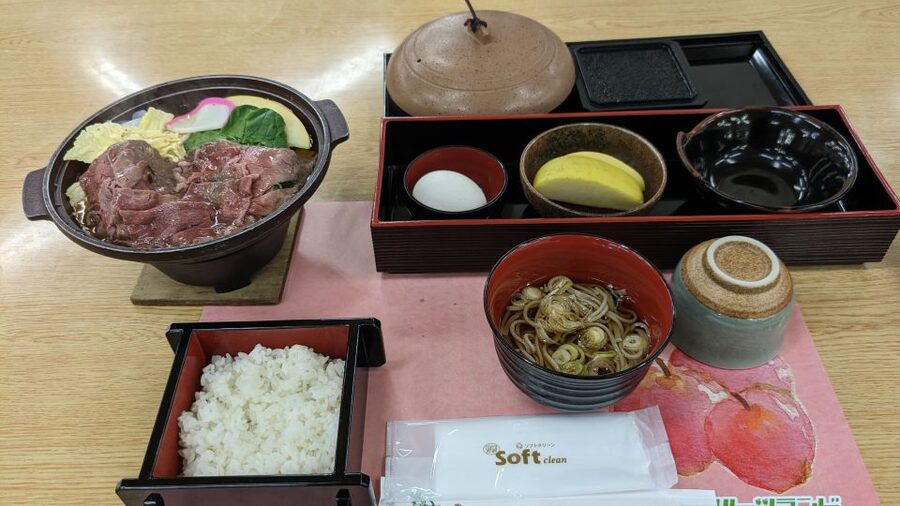
The day gives you a warm, filling meal before the park. You stop for lunch for about an hour at Shinshu Fruitsland, with beef sukiyaki as the standard dish.
I like this timing because sukiyaki is the right kind of comfort food for cold weather. You are about to walk on icy paths, and a hot meal helps you keep energy and body heat up. It also means you are not hunting for food after arriving in the mountains.
Diet swaps are possible. If you prefer pork or a vegetarian or vegan alternative, you can request it when you reserve. The key limit is that fish and chicken are not available, so plan your choice around that.
A few more Nagano days worth comparing
- Matsumoto Castle Tour & Samurai Experience
★ 4.9 · 128 reviews - 1-Day Tour from Nagano and Matsumoto Kamikochi & Matsumoto Castle
★ 5.0 · 105 reviews - 1-Day Snow Monkeys & Snow Fun in Shiga Kogen Tour
★ 5.0 · 94 reviews - Wild Japanese Flying Squirrel Watching Tour in Nagano
★ 5.0 · 79 reviews
Jigokudani Monkey Park: what the hot springs experience really feels like
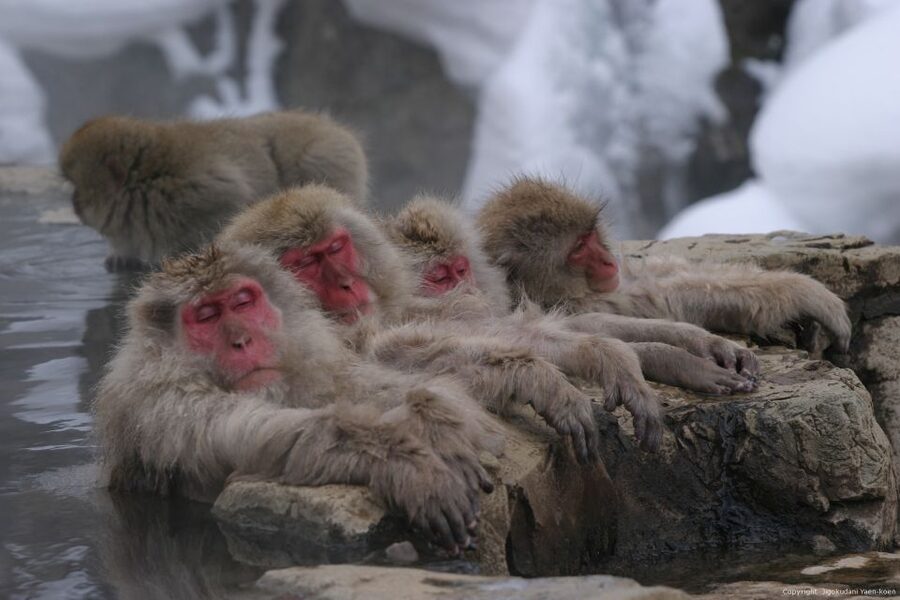
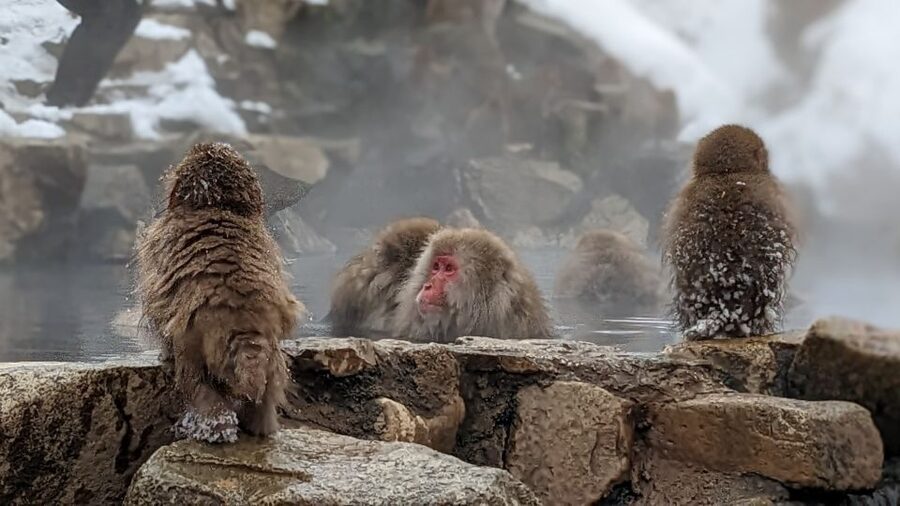
Jigokudani Monkey Park sits in the famous Jigokudani Valley, known for dramatic mountain views when snow is on the ground. Once you reach the area, you will walk from the parking location to the viewing zone, and it takes more than 30 minutes. On snowy days, you should expect slippery ground and uneven footing.
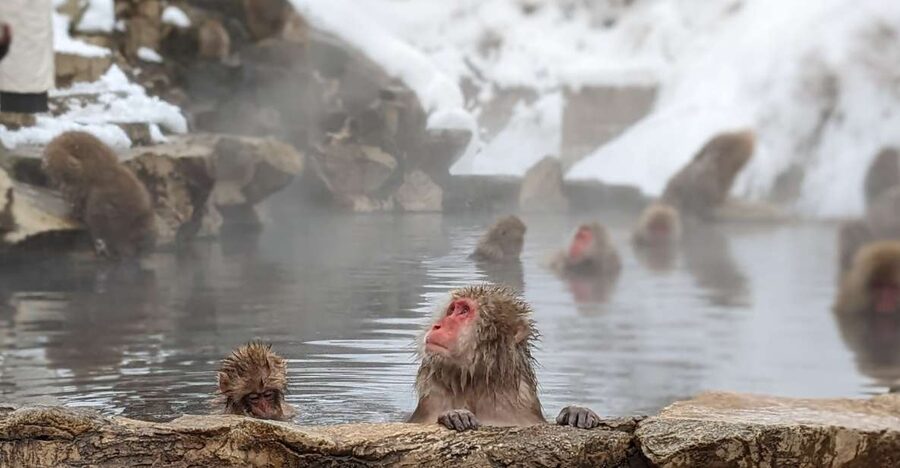
The big draw is the hot-spring scene. This is where snow monkeys (Japanese macaques) are known to soak in thermal water, often in groups. That said, visibility can change. The animals do not spend most of their time in the water, so sometimes you will see them perched, moving, or pausing rather than fully submerged.
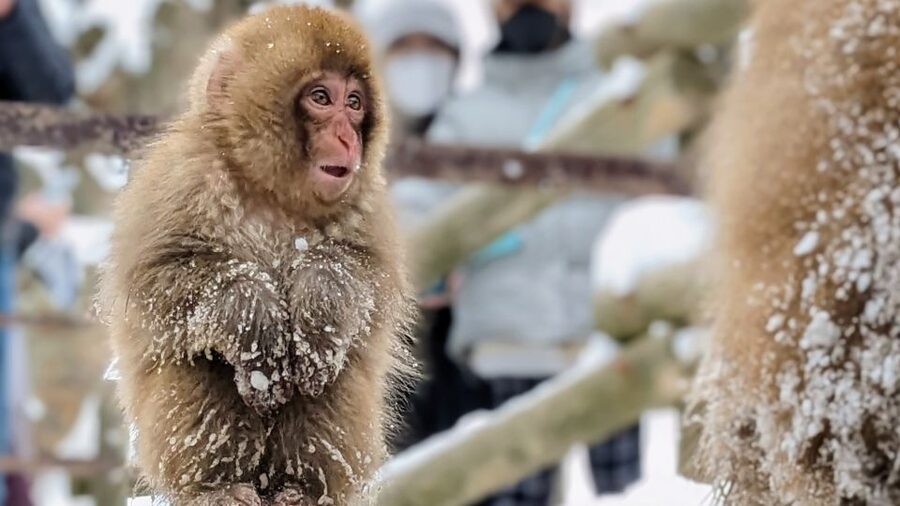
Photo time is one reason people love this stop. The monkeys are used to human presence and tend to come closer than you might expect at a wild site. Still, the rules are strict for a reason: do not touch, do not feed, and do not stare directly at them. Avoid direct eye contact too, since monkeys can be territorial.
The winter walk: your biggest make-or-break factor
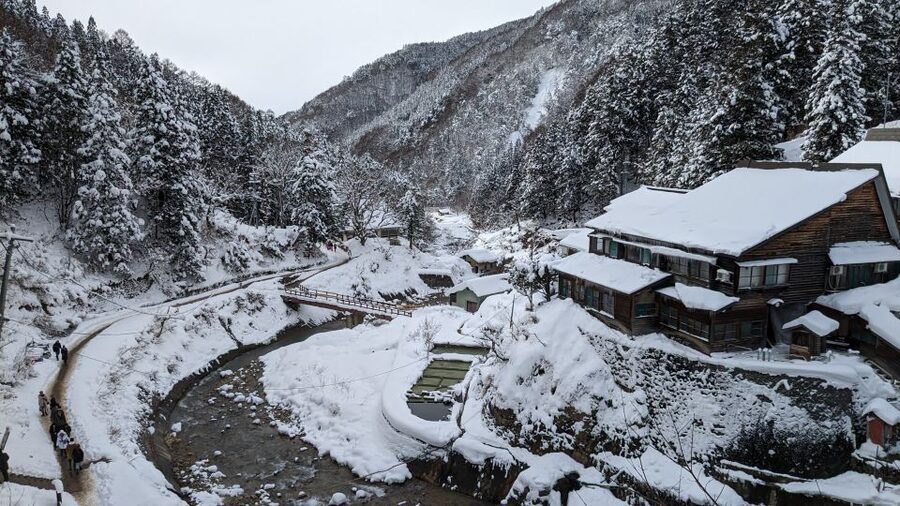
Your experience at the park depends heavily on footing. The walk to Jigokudani Yaen-koen can be more than 30 minutes, and many visitors find the trek more intense than they expected in icy conditions.
Wear non-slip shoes. Snow boots are recommended, and anti-slip traction really matters. If you did not bring crampons, the tour notes that crampons are optional and sold onboard the bus. Consider grabbing them if the route looks packed with ice.
Also, dress like you are going outside in real winter, not just for a light walk. Warm layers, waterproof or water-resistant outer pants, and warm gloves make a difference. You will likely spend time outside waiting for the monkeys to settle in the springs and for good viewing moments.
Timing at the park: enough time to see the monkeys well
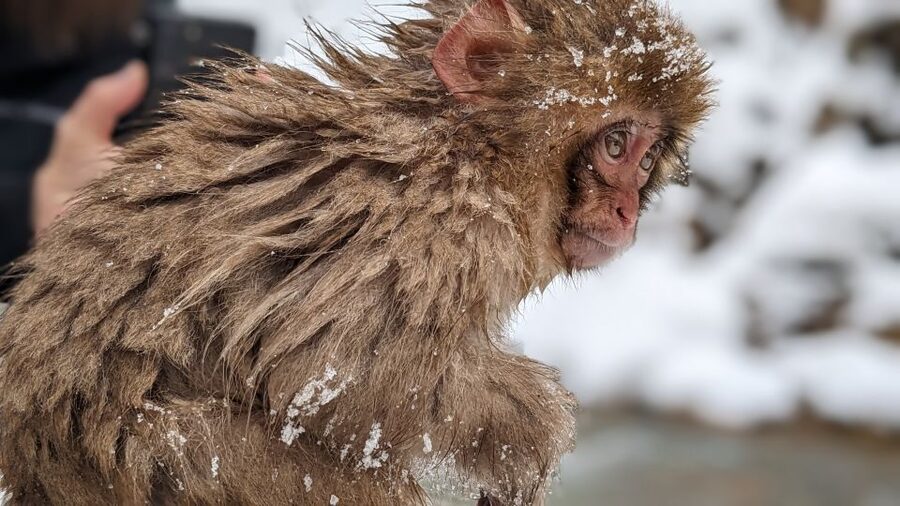
At the park, you have about two hours. That is usually plenty to get your bearings, find a good viewing spot, and watch how the macaques move between the springs and the surrounding area.
This is also where having a guide helps. Guides tend to share what to watch for and when to focus, because the action can shift quickly. In many recent groups, guides have been praised for humor and clear instructions, with names like Ichiro, Mai, Kubo, Ken, Maki, and Thomas showing up as memorable leaders. You will likely get English guidance that helps you stay calm and on schedule, even when the weather and footing are tricky.
If you are short on stamina, this is still manageable if you pace yourself and let the group keep a steady rhythm. But if you need long pauses or you struggle on icy paths, you may want to rethink this day-trip.
Seasonal bonus: Kamakura no sato snow huts (Jan 23 to Mar 1, 2026)
If your dates fall between Jan 23 and Mar 1, 2026, the tour adds a visit to the Kamakura snow huts. These are illuminated snow dome structures, and they create a fairy tale-like winter photo stop.
The bonus matters for two reasons. First, it breaks up the intensity of the mountain day with something more relaxed and atmospheric. Second, it gives you more variety than just snow, trees, and hot springs.
If you are traveling outside that window, you should not expect this extra detour. In winter, conditions also affect how much you see in the hot springs, so the added huts can act like an insurance policy for your camera roll.
Who this tour suits best (and who should skip it)
This works best for international tourists who want an organized, English-guided trip without planning transfers on their own. It also fits solo travelers and small groups since the tone is efficient and the group schedule keeps everyone moving.
You should consider skipping it if you are pregnant or if you use a wheelchair. The tour involves a moderate amount of walking, plus a significant winter footing challenge from parking to the viewing zone.
If you love wildlife photography, this is a strong pick. Just remember: it is not a theme park. The monkeys are wild, so there is no absolute guarantee. Your odds are better if you dress for the cold, show up early, and accept that the best moments can happen when you stop trying to force them.
Logistics that affect your comfort: buses, seatbelts, and cold weather
Japanese law requires you to wear a seatbelt on the bus, so that is not optional. It is a small rule, but it reflects how seriously safety is taken on the road, especially in winter conditions.
Bus comfort can vary. Some people note the bus can feel small, and a few mention seats that are not fully reclining. Bring something to make sitting easier: a neck pillow or a warm scarf can help more than you think.
Also, build in patience for road conditions. The tour notes that scheduled times and content can change depending on the roads. In winter, that is normal, so do not plan a tightly timed connection right after your return to Tokyo.
The bottom line: book it or skip it?
Book this tour if you want a straightforward Tokyo-based route to one of Japan’s most famous winter wildlife experiences, and you are willing to dress for icy walking. The mix of sukiyaki lunch, an English guide, and the chance to see snow monkeys in the thermal springs makes this a good value for a day-trip that would be harder to manage on your own.
Skip it if you have mobility limits in cold, icy conditions, or if you need a low-walking day. The day is long, and the walk to the viewing area is a real factor.
If you are on the fence, my advice is simple: prioritize footwear and warmth. With the right winter gear, this becomes a smooth, memorable day. Without it, the cold walk can steal the joy from what you came for.
FAQ
What does the tour include?
It includes pickup and drop-off at the Nishi Shinjuku meeting point, coach transportation, Jigokudani Monkey Park entry fee, and lunch. Kamakura no sato entry is included from Jan 23 to Mar 1, 2026. The tour also includes an English-speaking guide.
Where is the meeting point in Tokyo?
Meet your guide at the Nishi Shinjuku Love sculpture outside the Shinjuku i-Land building.
How long is the tour?
The tour is listed as 1 day. The bus ride can take up to 3.5 hours each way, and you spend about 2 hours at Jigokudani Monkey Park.
What is the lunch, and can I request something else?
Lunch is beef sukiyaki. You can request pork or a vegetarian or vegan alternative when you reserve. Fish and chicken are not available.
Is seeing the monkeys guaranteed?
No. Sightings are not guaranteed since the monkeys are wild animals and conditions can affect what you see.
How much walking is involved?
There is a moderate amount of walking. It takes more than 30 minutes to walk from the parking area to Jigokudani Yaen-koen, plus additional time at the site.
What should I wear in winter?
Bring warm clothing and comfortable, non-slip shoes. Snow boots are recommended, and crampons are optional and sold onboard the bus if needed.
Are touching, feeding, or direct staring at the monkeys allowed?
No. Touching, staring directly at them, and feeding them are prohibited to protect the monkeys and keep the experience safe.
Does the tour have an English guide?
Yes. The tour is guided in English, with additional language support stated as Japanese.
Is the tour suitable for everyone?
No. It is not suitable for pregnant women or wheelchair users.
Fresh options around Nagano
- Nagano All Must-Sees 4hr Private Tour with Licensed Guide★ 5.0 · 13 reviews
- Half-Day Zenkoji Tour with Tea Experience★ 5.0 · 14 reviews
- Nagano Snowshoe Hiking Tour★ 5.0 · 14 reviews
- eTour de Matsumoto – Electric Bike Tour★ 5.0 · 16 reviews
- Nagano: Tateyama-Kurobe Guided Walking Tour★ 5.0 · 16 reviews
- Wild Bird Sanctuary Forest Guided Tour in Nagano★ 5.0 · 17 reviews
- Nagano Sake Tasting Walking Tour★ 5.0 · 17 reviews
- Snow Monkey Park & Miso Production Day Tour from Nagano★ 5.0 · 18 reviews
Snow Monkey Tours, compared.
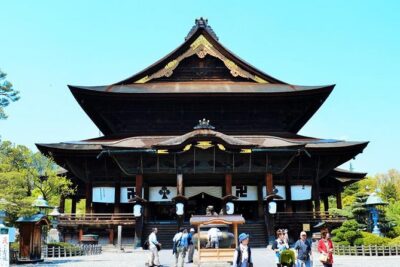
1-Day Snow Monkeys, Zenko-ji Temple & Sake in Nagano
Read our review →
Nagano: Snow Monkeys, Zenkoji Temple & Sake Day Trip
Read our review →
Private Tour Snow Monkey Park & Zenko-ji Temple
Read our review →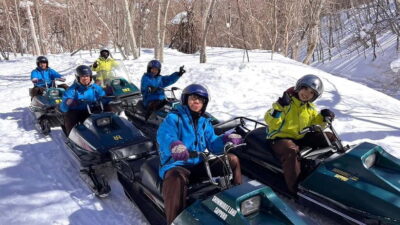
Hokkaido Seasonal: Lake Toya & Noboribetsu Jigokudani Valley
Read our review →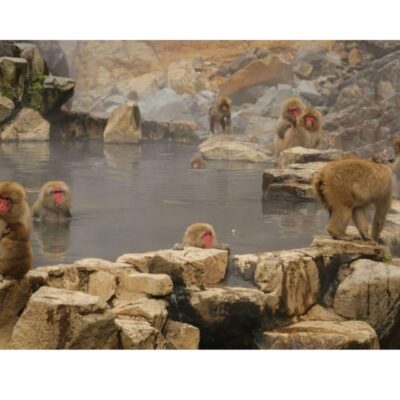
Snow Monkey & Nagano Customiseable Private Day Tour
Read our review →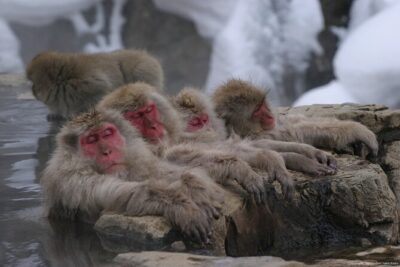
Nagano Snow Monkey 1 Day Tour with Beef Sukiyaki Lunch from Tokyo
Read our review →
1-Day Snow Monkeys & Snow Fun in Shiga Kogen Tour
Read our review →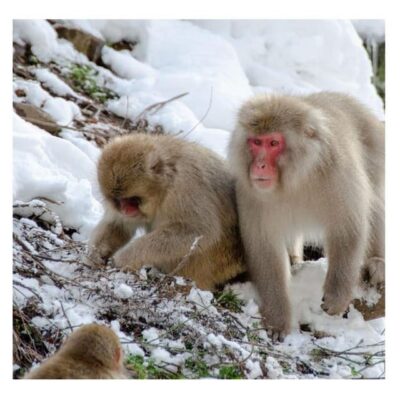
Nagano Tokyo: Snow Monkey Private Day Tour Hotel Pick & Drop
Read our review →Browse the lists this tour appears in