
Reviewed · HIKING & TREKKING
Nagano Snowshoe Hiking Tour
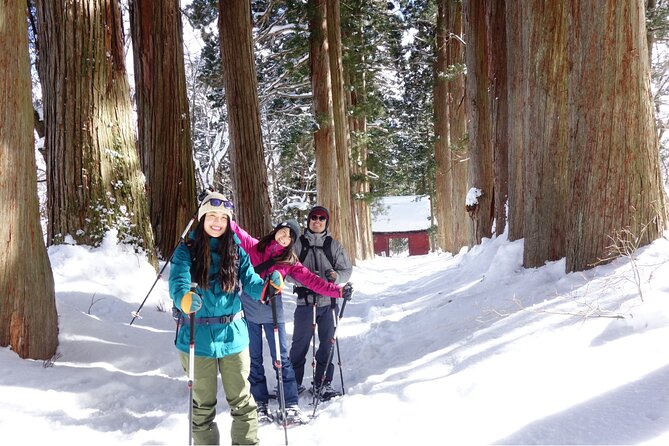
Walking on snow, but with a warm plan. I love the 400-year-old cedar-lined path and the chance to step onto a frozen lake at Lake Kagami. The pace is relaxed, but you still need moderate fitness for snowy footing, and winter boots cost extra if you do not have your own.
This is one of those Nagano winter days that feels both outdoorsy and thoughtfully planned. The guide I’ve seen highlighted most often is Kouhei Nishida, and the common thread is a calm, friendly vibe plus practical talk about what you’re seeing as you walk.
You also get real gear support, not just instructions. Newer MSR snowshoes and poles are included, and the group stays small (up to 8), which matters a lot when everyone is learning where to place their steps on snow.
Key things that make this Nagano snowshoe hike worth it
- 400-year-old cedar trees under a thick winter layer, right along the Togakushi Shrine approach
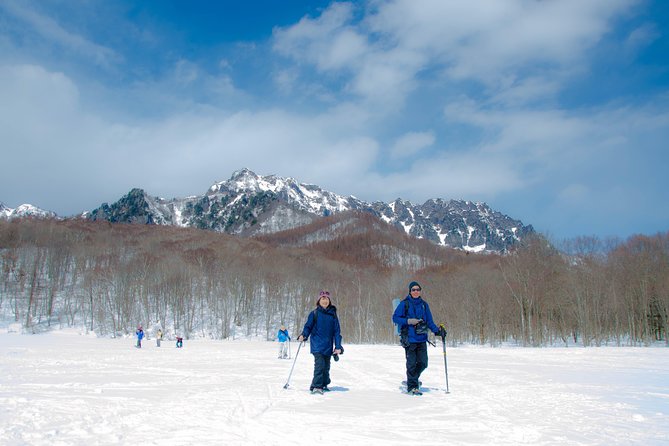
- Lake Kagami on a winter day, with that rare feeling of being out on ice
- Latest MSR snowshoes and poles included, so you travel lighter
- Coffee and a snow-table break, a simple touch that makes the day feel special
- Small group size (max 8), so you keep your rhythm instead of getting lost in a crowd
Snowshoeing Togakushi, where the forest gets silent
If you picture Togakushi in winter, you’re probably imagining deep snow and quiet trails, and that’s exactly the mood this hike leans into. You’ll move through a heavy-snow area in the Myoko-Togakushi Renzan National Park region, specifically through forest that supports that winter look and feel, with thick coverage that turns a normal walk into something more cinematic.
I especially like the pairing here: cedar trees first, then the frozen lake. That combo is what keeps the day from being one long “same view” walk. Each segment has its own personality, and you get more variety in what your eyes and legs are doing.
There’s also a cultural layer to the winter setting. Togakushi is tied to mountain worship traditions that have been practiced for a very long time, and the winter approach through the cedars gives that spiritual atmosphere a physical shape.
A few more Nagano days worth comparing
- Fushimi Inari Hidden Hiking Tour (Private Option Available)
★ 5.0 · 1,750 reviews - Kyoto: 3-Hour Fushimi Inari Shrine Hidden Hiking Tour
★ 4.9 · 270 reviews - Hiroshima Local guided Hiking Tour&Open-air Tea Ceremony
★ 5.0 · 213 reviews
Price and what you actually pay for (about $97.98)
At about $97.98 per person for roughly 5 hours, the value mostly comes down to what you do not have to arrange yourself. Snowshoeing can get expensive fast once you start adding rentals, guides, and insurance.
Here, the big items are included:
- Snowshoe and pole rental (latest MSR gear)
- An insurance fee
That’s the practical part. The rest is about what you’re willing to spend to avoid hassle. If you’re traveling light, rentals included can be the difference between enjoying winter right away and spending half a day solving gear problems.
Two costs to be aware of up front:
- Winter boots are not included. If you need to rent them, it’s an additional 1000 JPY, and the available sizes are limited.
- Lunch is not included. You will want a plan for food after the hike, or you can snack as advised by your guide during the walk.
Where you meet, and why the start matters on snowy days
The tour starts and ends back at the meeting point near public transportation: Kurohime Station, Kashiwabara, Shinano, Kamiminochi District, Nagano 389-1305, Japan.
Pickup is offered, and that’s a real win in winter. When roads are icy and you’re wearing layers, being able to avoid last-mile scrambling makes the day feel easier from the first ten minutes.
Also, this matters: the hike is about moderate physical fitness. You do not need to be a mountain athlete, but you do need to be comfortable moving on snow with traction needs. A clean start, with you properly equipped, helps you keep confidence throughout.
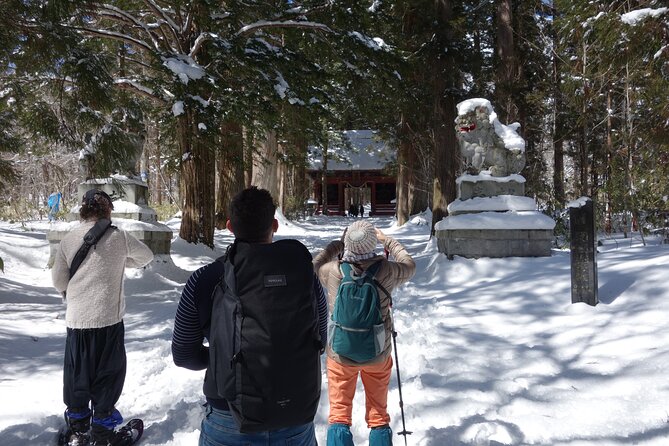
Stop 1, Togakushi Shrine Okusha: cedar trees that feel built for winter
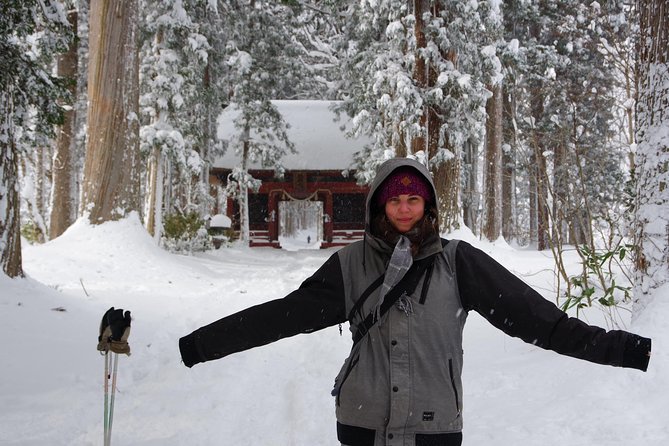
Your day’s first major target is Togakushi Shrine Okusha. In winter, the approach becomes the main event. You’ll walk along long rows of over 400-year-old cedar trees that are covered in snow, creating that thick, soft look where the world seems muffled.
What makes this stop special is how it changes your sense of direction. In many places, you rely on landmarks. Here, snow layers blur the usual cues, so the guide’s navigation and pacing become important. The result is a steady walk that feels meditative, not chaotic.
One practical note: on some snowy days, safety can change the plan. In the experience I’ve seen shared, the Okusha shrine visit could be skipped due to avalanche risk. If that happens, the guide should redirect you safely, but it’s smart to mentally accept that the day’s priority is keeping things safe in changing conditions.
Same corner of Japan, a different kind of day:
- 1-Day Snow Monkeys, Zenko-ji Temple & Sake in Nagano
★ 5.0 · 1,020 reviews - Nagano: Snow Monkeys, Zenkoji Temple & Sake Day Trip
★ 4.9 · 833 reviews - From Tokyo: Snow Monkey 1 Day Tour with Beef Sukiyaki Lunch
★ 4.6 · 295 reviews - Tokyo: Snow Monkey & Nagano Customiseable Private Day Tour
★ 4.8 · 138 reviews
Stop 2, Lake Kagami: the frozen lake moment
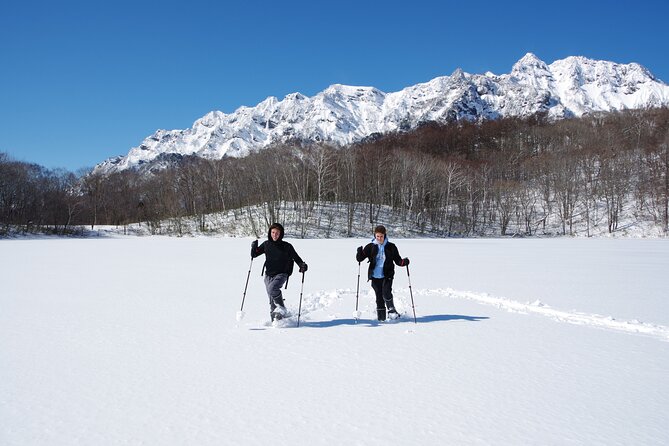
Then comes Lake Kagami, and this is often the highlight for a simple reason: it’s one of the few places where snowshoeing turns into ice-walking.
When you step onto a frozen lake, your brain has to re-map what “ground” means. That shift is exciting, and it’s also why you want the right poles and snowshoe fit. The tour includes snowshoe and pole rentals, and that support matters most here, where footing awareness becomes extra important.
Even the quiet feels different. You’re not just in a forest, you’re in a winter space with open lines of sight. If the weather cooperates, Lake Kagami is where you’ll likely stop to look, breathe, and take in that stillness.
A small drawback: the lake part can feel slower or more deliberate depending on snow texture and weather. That’s not a problem, just be prepared for the walk to be more “careful” than “speedy.”
Stop 3, Myoko-Togakushi Renzan National Park: beech forest, footprints, and big-tree moments
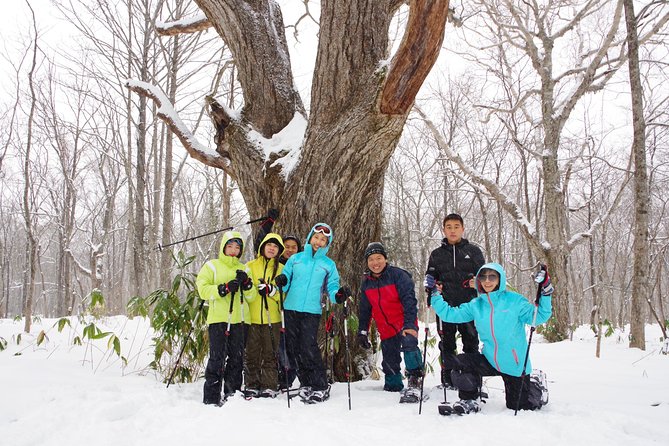
The rest of your time unfolds in and around Myoko-Togakushi Renzan National Park, in an area known for deep snowfall. Expect forest scenes that feel distinctly winter-shaped, including beech forest characteristics described for this tour.
This is also where the “look closer” element can kick in. You may spot animal footprints in the snow. It’s one of those small details that makes the day feel alive, because it turns what could be a simple walk into a reading-a-scene experience.
Another cool winter-only possibility: you might reach a giant tree that is only reachable during snowy season. That’s the kind of thing you can’t reliably recreate in other seasons, because snow changes what is passable.
Gear you do not have to hunt for: MSR snowshoes and poles
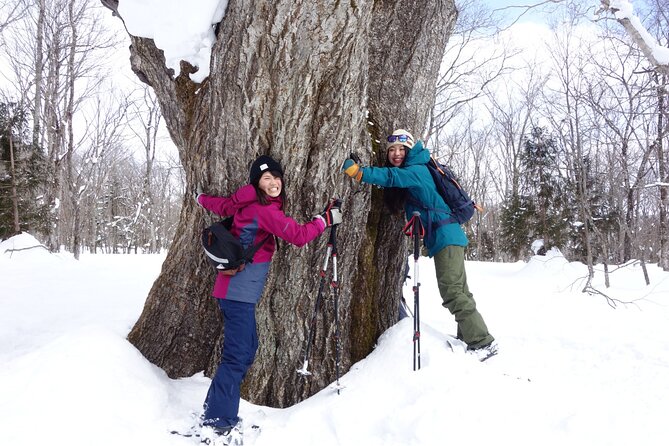
A big part of the value here is that you get the equipment. The tour includes the latest MSR snowshoes and pole rentals, which means you’re not stuck renting from a random shop at the last minute or dealing with ill-fitting gear.
I like that the poles are included too. Poles help with stability on uneven snow, and they also make your uphill effort feel more controlled. When you’re moving for five hours, small comfort advantages add up.
If you don’t already own winter boots, plan ahead. Boots can be rented for an additional 1000 JPY, but sizes are limited. I’d rather you arrive with boots you trust than gamble on availability.
The coffee break that actually makes sense
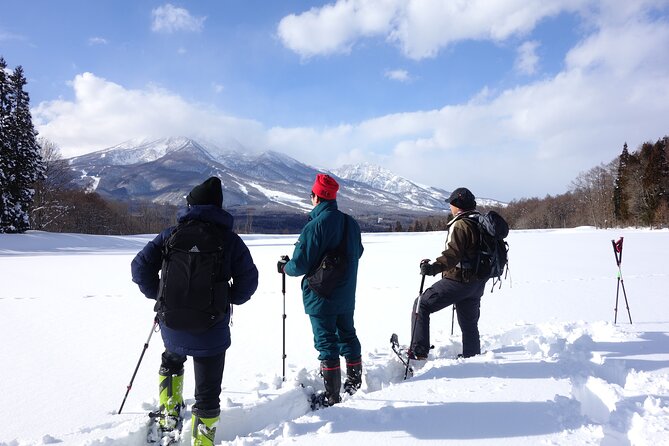
One of the most memorable elements is the way the day breaks for a pause. The guide will create a table with snow and offer coffee, turning a simple rest stop into a ritual.
You may also find hot drinks and snacks added during the walk. This is not just hospitality theater. In cold weather, warmth and calories help you keep good energy and reduce that “cold legs” slowdown.
This kind of break is worth paying attention to because it changes how you experience winter. If you get cold early, the day can feel long. If you get warm at the right moment, you keep enjoying the forest and the lake without rushing.
How the 5 hours tends to feel in real life
Even though the total is about 5 hours, the day’s structure is not just marching. You’re splitting time between distinct locations, and the guide is building in moments that slow things down: cedar-tree walking, a lake section that feels different, then more forest time for viewing details.
The group size helps. With a maximum of 8 travelers, you’re less likely to feel like you’re constantly catching up or waiting. That matters on snowshoes, where your stride needs a few minutes to settle.
The experience also tends to run best at a relaxed pace. It’s not advertised as an extreme workout, and the moderate fitness requirement matches that reality.
Weather and safety: the part you should respect
This is winter in a heavy-snow region. The tour is weather dependent. On days with poor conditions, you may be offered a different date or a full refund. That’s the practical side of staying flexible.
There’s also the safety side. In at least one case that’s been shared, the Okusha shrine could be skipped because of avalanche risk. That’s not something to be scared of, it’s something to be glad the guide is watching for. In mountains like this, conditions can change fast.
My advice: dress for winter, keep your hands and feet comfortable, and treat route changes as normal, not as a disappointment.
Who should book this Nagano snowshoe tour
This is a strong match if you want:
- A winter activity that feels scenic and calm, not just physical effort
- A guide-led walk focused on the setting, including animal footprints and seasonal access like the giant tree
- Gear included, especially if you do not want to deal with snowshoe rentals on your own
You might want to skip or choose a different style of tour if:
- You hate uneven footing or you are not comfortable walking on snow for several hours
- You need lunch included, because lunch is not provided
- You expect full access no matter what. The plan can change when conditions require it.
If you’re in Nagano and want a winter experience that feels genuinely different from city sightseeing, this one makes a lot of sense.
Should you book this Nagano snowshoe hike?
Yes, if you’re aiming for a snow experience that is more than a quick photo stop. The combination of 400-year-old cedar trees, Lake Kagami on ice, and included MSR snowshoes and poles gives you real value for a half-day day.
I would book it especially if you want a small-group feel and you like winter details, like animal tracks and seasonal access to things you cannot reach other times of year. Just plan for winter boots (or rent them early if needed), bring layers that work, and be mentally ready for a safety-driven route tweak.
FAQ
How long is the Nagano Snowshoe Hiking Tour?
It runs for about 5 hours.
What gear is included in the tour price?
Snowshoe and pole rentals are included, and the tour includes an insurance fee.
Are winter boots included?
Winter boots are not included. If you need to rent them, it costs an additional 1000 JPY, and available sizes are limited.
Is lunch included?
No. Lunch is not included.
Where does the tour start and end?
The tour starts at Kurohime Station (Kashiwabara, Shinano, Kamiminochi District, Nagano 389-1305, Japan) and ends back at the same meeting point.
How many people are in the group?
The tour has a maximum group size of 8 travelers.
Does the tour always visit Togakushi Shrine Okusha?
The tour lists Togakushi Shrine Okusha as a stop, but safety conditions can affect what you are able to visit. Avalanche risk has been cited as a reason the shrine visit might not happen.
What happens if weather is bad or you need to cancel?
You can cancel for a full refund if you cancel at least 24 hours before the start time. If the tour is canceled due to poor weather, you’ll be offered a different date or a full refund.
Fresh options around Nagano
- Nagano All Must-Sees 4hr Private Tour with Licensed Guide★ 5.0 · 13 reviews
- Half-Day Zenkoji Tour with Tea Experience★ 5.0 · 14 reviews
- eTour de Matsumoto – Electric Bike Tour★ 5.0 · 16 reviews
- Nagano: Tateyama-Kurobe Guided Walking Tour★ 5.0 · 16 reviews
- Wild Bird Sanctuary Forest Guided Tour in Nagano★ 5.0 · 17 reviews
- Nagano Sake Tasting Walking Tour★ 5.0 · 17 reviews
- Snow Monkey Park & Miso Production Day Tour from Nagano★ 5.0 · 18 reviews
- 1-Day Togakushi Tour: Soba making, Ninja Town, and Hidden Shrines★ 5.0 · 18 reviews
Hiking & Trekking, compared.
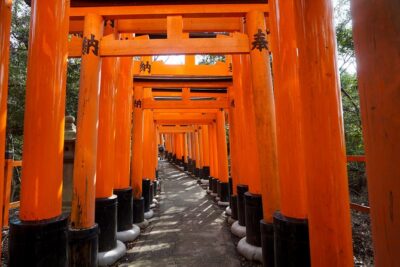
Fushimi Inari Hidden Hiking Tour (Private Option Available)
Read our review →
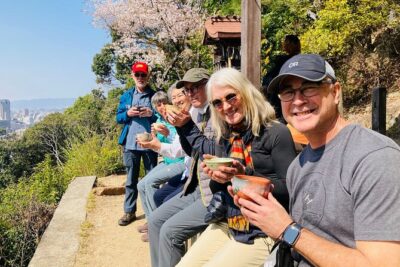
Hiroshima Local guided Hiking Tour&Open-air Tea Ceremony
Read our review →
Hiking the Historic Nakasendo Trail [1 Day Tour from Nagoya]
Read our review →
Kyoto Hiking Tour: The Nature and Legends of Kurama and Kibune
Read our review →
Full Day Hiking Tour at Mt.Takao including Hot Spring
Read our review →
Browse the lists this tour appears in