
Reviewed · WORKSHOPS
Otsu-e Folk Art Workshop & Local Culture Walk Near Kyoto
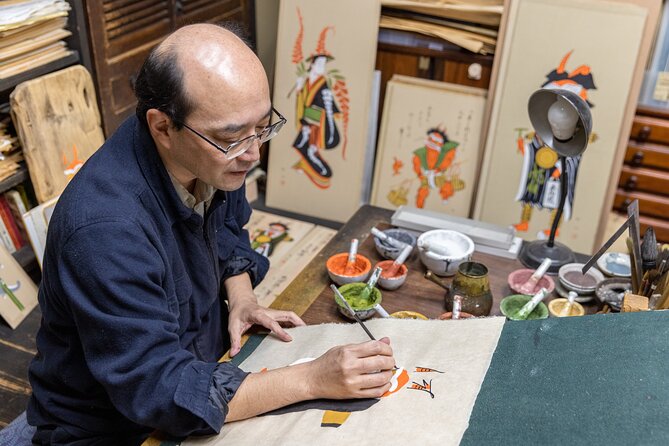
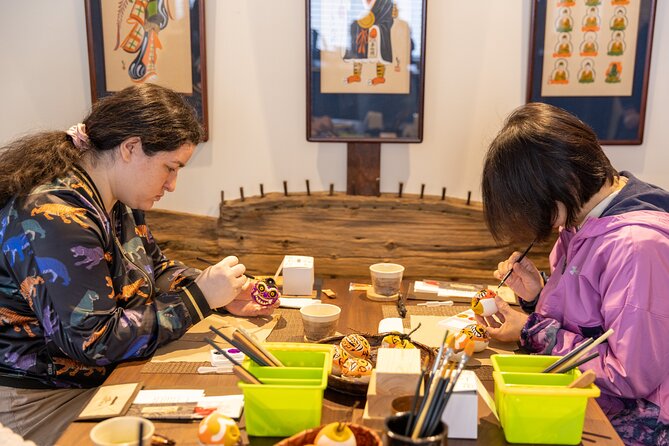
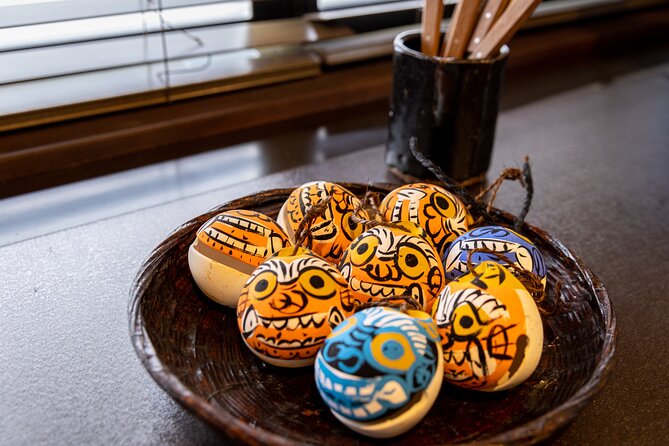
Otsu-e turns snack walks into art lessons. You spend time with Misato Takahashi, an Otsu native carrying on Otsu-e traditions connected to the Takahashi Shozan family, and you leave with a painting you made yourself, like a Lucky Oni Bell or Three Wise Monkeys.
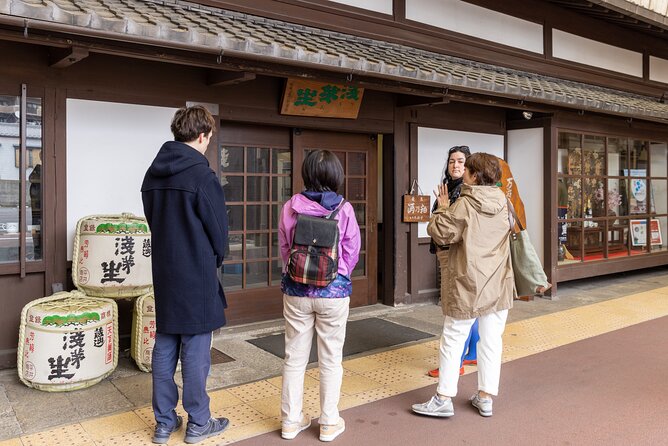
I like the way the route mixes hands-on craft with everyday Otsu details. You glide through shop arcades, taste local sweets and snacks before the workshop, and get context at places like the preserved merchant house Otsu Hyakuchokan, plus an actual float display tied to the Otsu Festival.
One practical catch: you’ll need to plan around the day length and food budget, because lunch and Kyoto-Otsu train fare are not included.
Key highlights at a glance
- Paint your own Lucky Oni Bell or Three Wise Monkeys during the workshop at Ichie Wado
- Taste snacks on purpose, including sweets you pick up early, then welcome tea and snacks later
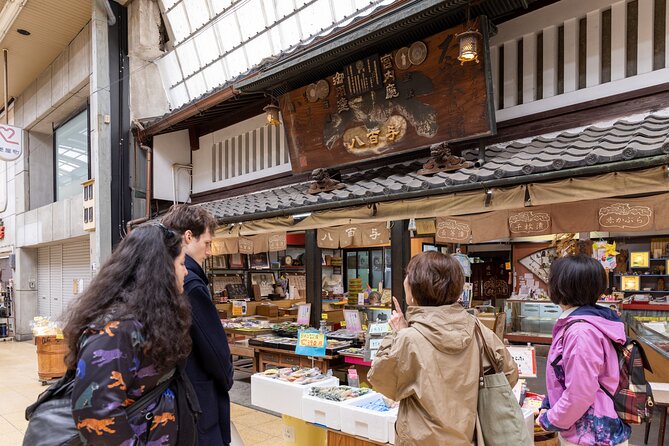
- See Otsu through its lanes and arcades, with stops at long-running stores and preserved buildings
- Learn craft and food in the same flow, from pickles to folk-art painting tradition
- Get festival context, with an exhibition pavilion showing a real pulled float
Why Otsu-e feels personal so close to Kyoto
Otsu is the quick train hop from Kyoto, about a 10-minute ride from Kyoto Station. That makes this feel more like a real local morning than a full-day escape. You get to trade big-city crowds for small streets, narrow storefronts, and the kind of daily routine that still supports old trades.
What makes the art portion more than a one-hour demo is the lineage behind it. The guide, Misato Takahashi, is tied directly to the Otsu-e tradition through family connections going back to Takahashi Shozan. In plain terms, this is not a generic craft workshop. It’s a living practice with roots in Otsu, with the style tracing back roughly 400 years.
And because the tour is private for your group, the pace stays calmer. You can ask questions without feeling rushed. In other words, the day is designed to help you understand what you’re painting, not just copy a pattern.
More Walking Tours in Kyoto
- Kyoto Geisha Walking Tour: Gion District & Hidden Gems
★ 4.7 · 3,273 reviews - Kyoto: Gion Magical Night Walking Tour with Geisha Trivia
★ 4.9 · 2,393 reviews - Kyoto: Gion Geisha District Walking Tour – Stories of Geisha
★ 4.7 · 2,187 reviews
Price and what you actually get for $104.51
At $104.51 per person for about 3 hours 30 minutes, this isn’t the cheapest thing you’ll do near Kyoto. But the value is in what gets bundled in.
Here’s what your price covers:
- An English-speaking professional guide with a strong focus on local culture
- The Otsu-e painting workshop (Lucky Oni Bell or Three Wise Monkeys)
- Admission fees to places like Otsu Hyakuchokan and the Otsu Festival float exhibition pavilion (or alternatives)
- Welcome tea and sweets plus local snack stops during the walk
- Otsu-e souvenirs
- Local taxes
What is not included:
- Train fare (Kyoto to Otsu is listed as about JPY200 adult by JR, unless your pass covers it)
- Lunch
So the tradeoff is clear. If you were going to pay admission plus a workshop somewhere else, this becomes easier to justify. You’re also getting the cultural context built into the walking route, not just a sit-down class.
One more small value angle: this experience offers group discounts. If you’re traveling with a small cluster of friends or family, you may be able to stretch your budget further.
How the 3h30 route flows, and why pacing matters
This is a small group experience that keeps moving, but not at a sprint. The route starts around Otsu Station for the opening of the culture walk, then works through shopping streets and preserved areas before returning to the painting venue at Ichie Wado.
You should expect a moderate walking day. It’s not described as grueling, but you will be on your feet for long enough that comfortable shoes matter, especially in shopping arcades where you might do short bursts of walking and turning.
The best part of the pacing is the way the day builds toward the workshop. You pick up sweets early, then later you get welcome tea and sweets at Ichie Wado, and then you paint. It keeps the day from feeling like two separate activities stuck together.
If you hate rushed tours, this is a good fit.
Otsu Station to Kekaiji Temple ginkgo trees: Lake Biwa comes first
The day starts at Otsu Station, at the North ticket gate. From there, you walk to the ginkgo trees of Kekaiji Temple in Kyomachi 3-chome.
This stop is short, but it’s a smart one. Those ginkgo trees used to serve as a landmark for boats on Lake Biwa. That turns a simple photo stop into a small lesson about how locals navigated the water long before GPS.
Practical tip: if you’re the kind of person who likes to understand what you’re looking at, this is where you start getting the tour’s rhythm. It’s the kind of context that makes later stops, like the festival float display and merchant-house visit, feel connected rather than random.
Same corner of Japan, a different kind of day:
- PERFECT KYOTO 1-Day Bus Tour
★ 5.0 · 13,518 reviews - Kyoto: Fushimi Inari, Kinkakuji, Bamboo Grove 1 Day Bus Tour
★ 4.8 · 4,316 reviews - Kyoto: Tea Ceremony in a Traditional Tea House in Kiyomizu
★ 4.9 · 3,519 reviews - Kyoto: Tea Ceremony Ju-An at Jotokuji Temple
★ 4.9 · 3,207 reviews
Mochihyo on the Old Tokaido Road: snacks with a purpose
Next you go to Mochihyo, a Japanese sweets shop facing the Old Tokaido Road. You pick up sweets that you enjoy before the painting session later.
This is a clever design choice. It sets up a sensory warm-up without turning the day into a food tour with no direction. Also, it makes your workshop feel like part of local life, where tea, sweets, and craft often share the same moment.
If you care about the food part, this is where you’ll notice the tour is not skimpy. One of the standout comments you’ll hear people make about this experience is that the sweets and snacks are genuinely good, including mochi.
Nakamachi Street and Senmaruya: how dried foods shape Japanese meals
You then stop at Senmaruya, a long-standing dried food store on Nakamachi Street.
This stop works best if you like learning through real pantry items. Dried goods are a quiet backbone of Japanese cooking, and this is the kind of place where you can picture how locals stock ingredients for regular meals.
You also pick up a retro snack here. That matters because you’re not just browsing. The tour keeps nudging you to try things at the moments that connect them to what comes next.
A small consideration: if you have a sensitive stomach or you’re not into trying new packaged snacks, go slow and taste lightly. The day includes several small food moments, not one big meal.
Maruya-cho arcade culture: sake history and a festival float you can see
When the tour enters Maruya-cho shopping arcade, it starts feeling like old Otsu commerce rather than a museum day.
One stop is Hirai Shoten, a sake brewery with 365 years of history. Even if you’re not drinking, the presence of a place like this is information. It’s a sign that traditional products and local businesses are still part of daily life.
Then you reach the Otsu Festival Hikiyama Exhibition Pavilion, where you can see a float actually pulled during the Otsu Festival. This is the kind of detail that makes festivals click. Instead of abstract cultural talk, you’re looking at the object itself.
What I like about these stops is that they give the craft day a backdrop. Folk art doesn’t exist in a vacuum. It lives in towns where people keep turning traditions into something you can touch, use, and see.
Otsu Hyakuchokan: the preserved merchant house tour
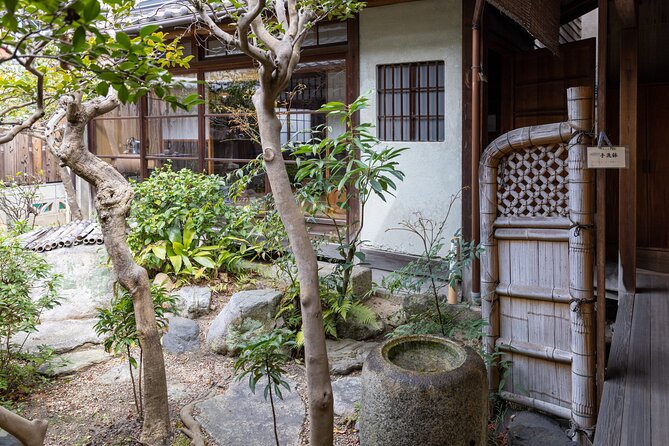
Inside the Maruya-cho area, you visit Otsu Hyakuchokan. This is described as an old typical Otsu machiya merchant house, well preserved, and your guide gives you a house tour.
For me, a preserved merchant house is one of the best ways to understand why local art and local food traditions survive. It’s the physical reminder that Otsu was built on commerce and craftsmanship, with homes and shops sharing space.
This stop also helps you shift gears mentally. By the time you’re back in the workshop space, you’ve already seen the town’s historical style from multiple angles: boats and temple landmarks, street-level commerce, and a festival float.
Admission is included here, so you avoid the small headache of tracking tickets later.
Pickles at Yaoyo, then Miidera sando at Otsu-e no Mise
The route turns to food again at Yaoyo, a long-established pickle shop in Hishiya-cho shopping arcade. You learn one aspect of Japanese dietary, then pick a seasonal pickle for a later treat.
This stop is more meaningful than it sounds. Pickles are a daily survival skill in many Japanese households. They balance meals, add crunch, and make seasonal ingredients last longer. And since you’re picking something seasonal, it connects your tasting to the town’s rhythm right now.
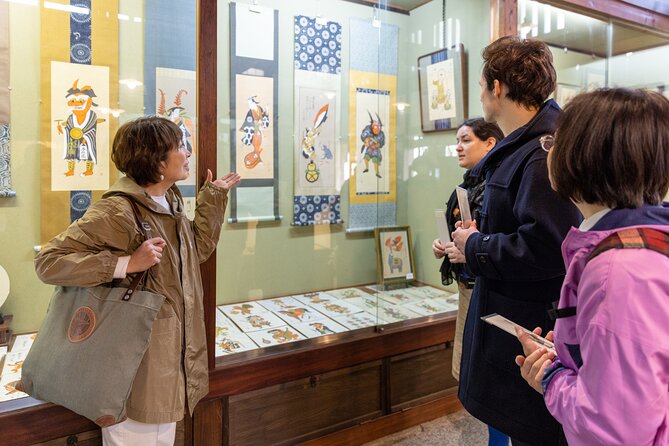
The last part before the workshop is Otsu Enomise, also listed as Otsu-e no Mise, on Miidera sando. It’s both a store and a workshop connected to the Takahashi line, including succession by the 5th Takahashi Shozan.
You’re basically walking from everyday tradition into dedicated folk-art practice. That transition feels natural because the stops keep repeating the same theme: local culture is not something you only watch, it’s something you buy, eat, and make.
Inside Ichie Wado: the Otsu-e history presentation and your painting
The tour finishes back at Ichie Wado Seminar House, in front of Nagara Jinja Shrine. This is where the workshop is held.
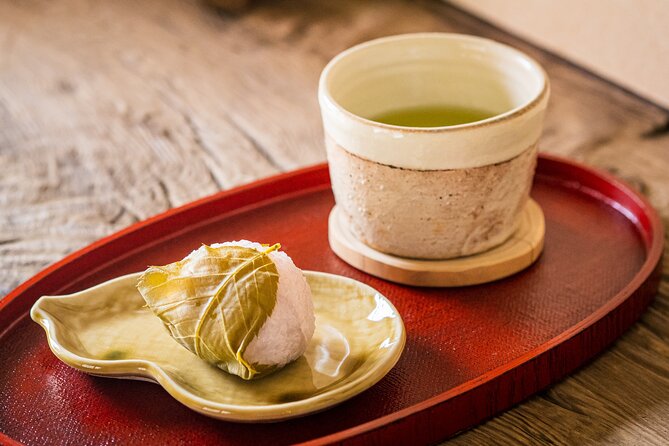
Before the painting starts, you watch a presentation on Otsu-e history and features. Then you enjoy welcome tea and sweets. After that, you paint your own piece, either:
- The Lucky Oni Bell, or
- Three Wise Monkeys
You also get original Otsu-e souvenirs included. In other words, you are not leaving empty-handed, even if you’re not a confident artist.
What makes this part work for most people is that the workshop comes after the street walk. You can look back at the shops and landmarks you saw earlier and connect them to what you’re making now. A lot of craft days skip this connection, so the art floats away from the place. Here, it sticks.
One more practical angle: because this is a private group experience, you’re more likely to get clearer, slower guidance while you paint. If you’re traveling with kids or someone who gets anxious in hands-on classes, this setup usually feels less stressful than a big studio group.
What to bring, and what to expect day-of
From the details given, here are the practical things you should plan:
- Wear comfortable shoes for a half-day walking route through stations and shopping areas
- Expect a few short tastings, not one formal meal, since lunch is not included
- If you’re using a JR Pass, note that the Kyoto-Otsu rail fare is listed as covered by valid passes
- Plan for a workshop at Ichie Wado at the end of the route, where tea and sweets are part of the experience
Also, because this sells well (it’s commonly booked more than three months in advance), I recommend booking early if your dates are fixed. Popular craft experiences near Kyoto can disappear fast.
Who this tour is perfect for
This experience is ideal if you want an art day that doesn’t feel staged. You’ll like it if:
- You care about folk art and want to know what you’re painting, not just how to hold a brush
- You enjoy small local shops, snacks, and learning through everyday objects
- You want an easy, short trip from Kyoto that still feels like you’re in the real rhythm of another town
It’s also a good match for travelers who prefer smaller, slower pacing. The tour is designed to keep things calm, and the guide can tailor the route to your interests based on what people have experienced in past runs.
Should you book Otsu-e Folk Art Workshop and Local Culture Walk near Kyoto?
If you’re torn between a fast sightseeing day and a hands-on cultural experience, I’d lean toward this one. The value is strong because you get a real Otsu-e workshop plus admissions, snacks, and a guided walk that explains why these places matter.
The main reason to skip is simple: if you need a guaranteed lunch break, or if you really dislike food tastings during a walking tour, this might feel like too many small bites and not enough time for a sit-down meal.
If you want a memorable souvenir that you made yourself, plus a sensible introduction to Otsu’s street life, this is a smart book.
FAQ
How long is the Otsu-e Folk Art Workshop and Local Culture Walk?
It’s approximately 3 hours 30 minutes.
What is included in the workshop portion?
You’ll do an Otsu-e painting workshop, choosing either the Lucky Oni Bell or Three Wise Monkeys. The price also includes welcome tea and sweets, and original Otsu-e souvenirs.
Is the tour guide English-speaking?
Yes. The tour includes an English-speaking professional guide.
Are train fares from Kyoto included?
No. Train fares are not included, but the Kyoto-Otsu JR fare is listed as JPY200 per adult, and it would be covered if you have a valid JR Pass.
Is lunch included?
No. Lunch is not included.
Where does the tour start and end?
The tour starts and ends at Ichie Wado Seminar House, 4-17 Kozekichō, Otsu, Shiga 520-0035.
Can I cancel for a full refund?
Yes. You can cancel for free up to 24 hours before the experience starts for a full refund. If you cancel less than 24 hours before, the amount paid is not refunded.
Fresh options around Kyoto
- Kyoto: Guided Food Tour with 12 Dishes & 3 Drinks★ 5.0 · 12 reviews
- Kyoto: Avoid the Crowds at the Hidden Gems of Arashiyama★ 4.9 · 13 reviews
- Kyoto Early Bird English Tour: Gion & Higashiyama(Private opt)★ 5.0 · 13 reviews
- Kyoto, Osaka, Nara Full Day tour by Car English speaking Driver★ 3.5 · 13 reviews
- 2 Hour Night Walking Tour Throughout Gion with snack★ 4.0 · 13 reviews
- Private eBike Tour Exploring Fushimi with Torii Red Gate Ride★ 5.0 · 13 reviews
- Private Art Sushi Roll Class in Kyoto★ 5.0 · 13 reviews
- Kyoto 1 Day Suntory Yamazaki Distillery Tour and Asahi Art Museum★ 5.0 · 13 reviews
Workshops, compared.
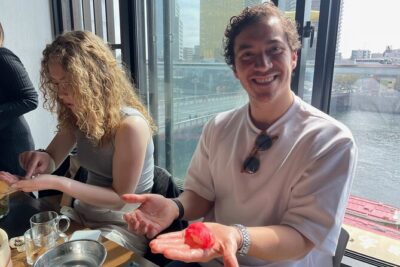
Sushi Making Tokyo Roll and Authentic Japanese Sushi Class
Read our review →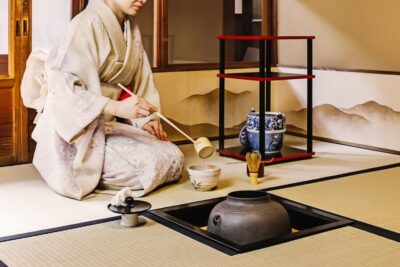
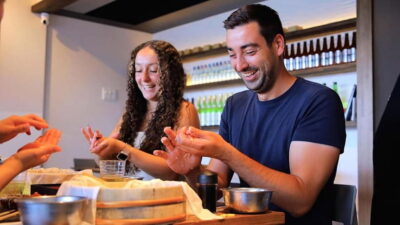
Roll and Authentic Sushi Making Class in Asakusa
Read our review →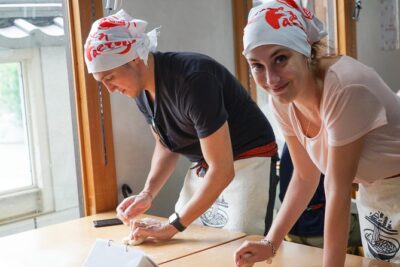
Ramen Cooking Class at Ramen Factory in Kyoto
Read our review →
Sushi Making Class in a Happi Coat near a Famous Spot
Read our review →
Sushi Making Osaka Roll and Authentic Japanese Sushi Class
Read our review →Browse the lists this tour appears in