
Reviewed · WALKING TOURS
Kyoto Geisha Walking Tour: Gion District & Hidden Gems
Kyoto’s Gion can feel like a movie set. This Kyoto Geisha Walking Tour gives you the setting, then adds context: the streets, the sights, and the stories behind geiko and maiko life in Gion (Gion District and geiko and maiko are the real focus).
I especially like the way the walk blends famous landmarks with quieter corners, and the fact that the guide keeps it practical, with plenty of chances to ask questions and take photos. One thing to keep in mind is that you are given opportunities to spot geiko and maiko, not a guaranteed sighting every single time.
Key points at a glance
- Meet the story of Gion, not just its photos
- Geiko and maiko chances on real appointment routes
- Stops that include Hokan Ji Pagoda, Kennin ji, and Chion in
- Machiya townhouses and teahouse culture explained in plain language
- A guide who ends with a ready made list of places to eat and go
Start at Hotel Alza Kyoto, then walk into real Gion
The meeting point is on a side street next to Hotel Alza Kyoto. Look for the red parasol umbrellas with marble seats underneath, and you should be set.
From the start, I like that the tour wastes no time. You are heading straight into the part of Kyoto that people associate with geiko culture, so you feel the place click from the first few minutes.
More Walking Tours in Kyoto
- Kyoto: Gion Magical Night Walking Tour with Geisha Trivia
★ 4.9 · 2,393 reviews - Kyoto: Gion Geisha District Walking Tour – Stories of Geisha
★ 4.7 · 2,187 reviews - Night Walk in Gion: Kyoto’s Geisha District
★ 4.5 · 2,003 reviews
Two hours in Gion, with geiko and maiko chances that feel respectful
This is a two hour live walking tour with an English speaking guide. The goal is simple: you stroll through Gion and learn why it looks the way it does, while keeping your eyes open for geiko and maiko heading to appointments.
A key detail that helps set expectations: the tour gives you a chance to spot them. It is not framed as a staged performance, so sometimes you see them, sometimes you do not, depending on schedules and the time you take the walk.
In reviews, guides are repeatedly praised for keeping a good pace and staying interactive. Many bookings mention Michael by name, but other guides also come up, including Yuri, Anton, and Ikuro, with the same theme: clear stories, friendly energy, and plenty of questions answered.
How the tour route works, famous corners plus quieter streets
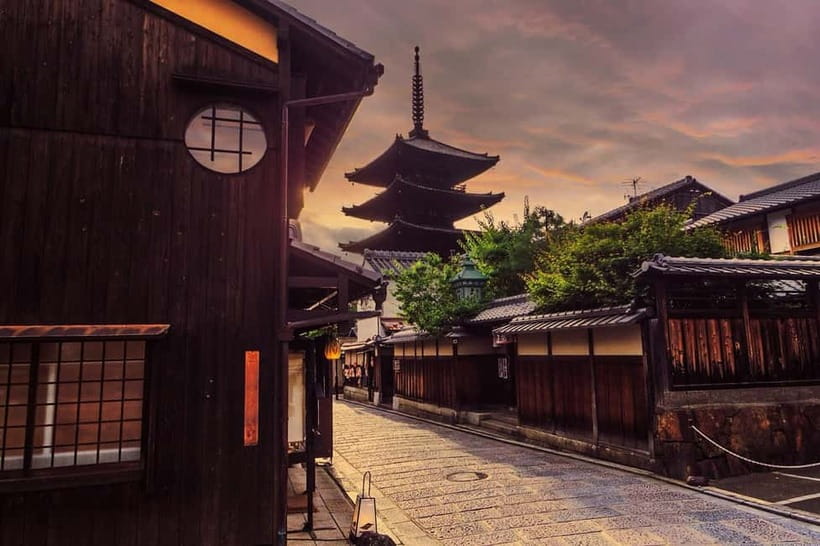
What makes this walk more than a highlights loop is the mix of well known stops and less expected local angles. You will pass cobblestones and teahouse lined streets, but you also head to places that many people skip because they are not on the first page of every Kyoto checklist.
You are also getting “why this place matters” as you go. The guide talks about the district itself, the origins of geisha culture in Kyoto, and how the tradition fits into modern society today.
If you like history but get bored when it turns into a lecture, this format tends to work well. You get short, story driven context tied to what is in front of you, then you keep walking.
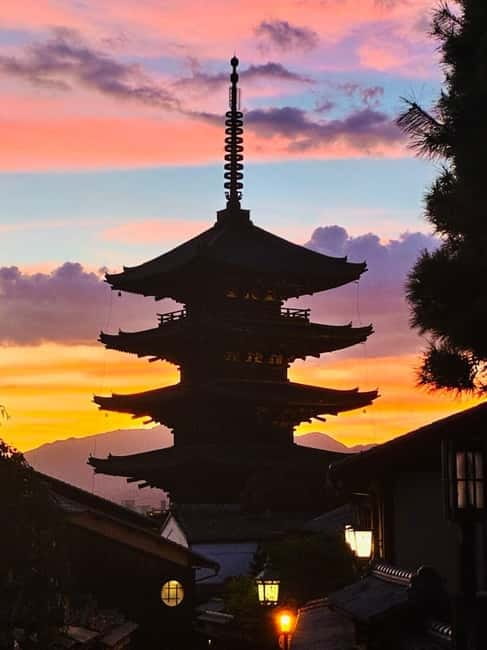
Hokan Ji Pagoda stop: a single landmark that explains Kyoto’s layers
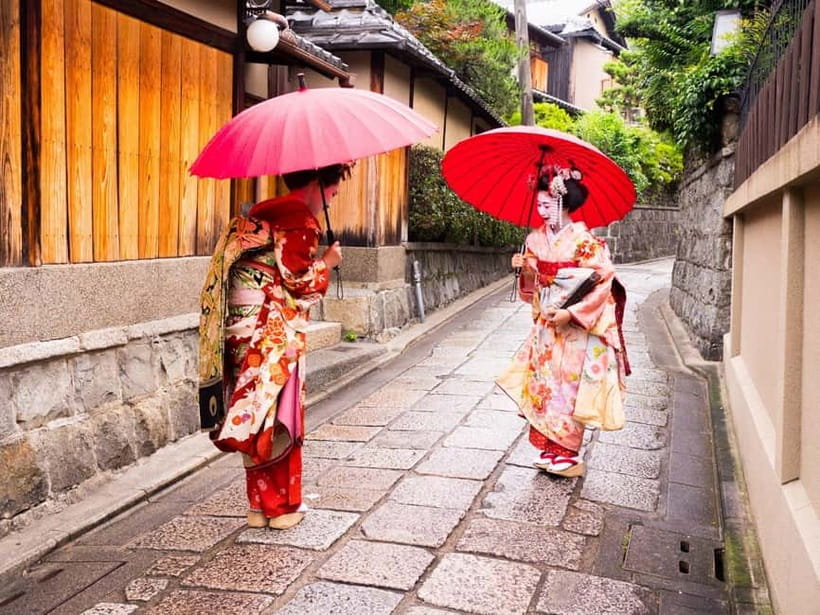
One of the named cultural stops is Hokan Ji Pagoda. It is the kind of Kyoto sight that looks striking from a few steps away, but the guide helps you see it as more than a photo subject.
Why it matters on this tour: a pagoda is not just scenery. It is a visual shortcut into how Kyoto carries religious and cultural influence through architecture and space.
In practice, this is also a good moment to slow down. If you have been moving fast through city streets, a landmark stop gives you time to orient yourself and reset your eyes before the next temple section.
More geisha experiences in Kyoto:
- Best of Kyoto: Gion, Geisha, Pagodas & Cobblestones
★ 4.9 · 2,058 reviews - Kyoto Night Foodie Tour in Gion (9+ dishes + 6 Sake tastings)
★ 5.0 · 1,762 reviews - Kyoto Gion Geisha District Walking Tour – The Stories of Geisha
★ 5.0 · 1,441 reviews - Kyoto Gion: 2-Hour Geisha Culture & History Walking Tour
★ 5.0 · 1,186 reviews
Kennin ji Temple: calm time when the street noise fades
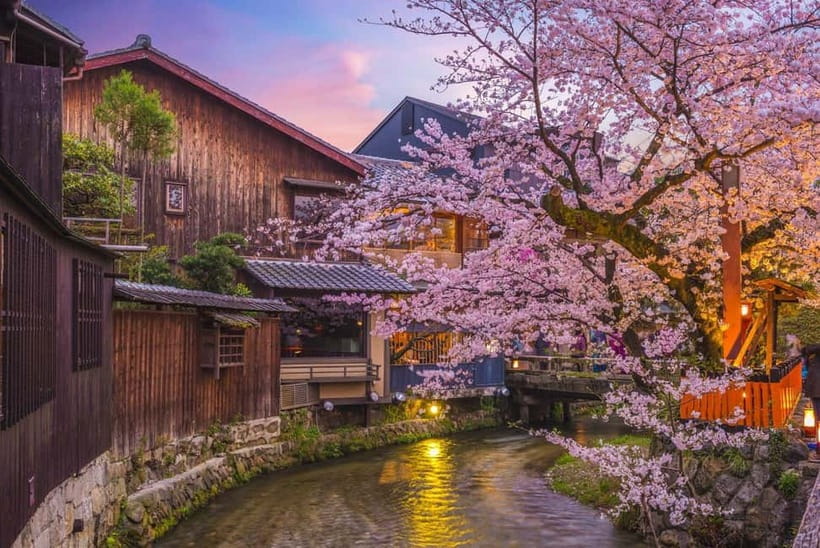
You also visit Kennin ji Temple, described in the tour info as the oldest Zen temple in Kyoto. Even if you do not memorize the dates, you feel the change the moment you step into a more serene environment.
This is the contrast stop. Gion can feel performative, even when you try to be a respectful observer. Kennin ji helps you anchor the day in the spiritual side of Kyoto, where tradition is not just something you pass by.
You also get the practical gift of pacing here. The walk never has to feel like sprinting from one postcard to the next, because temples naturally create that “pause and look” rhythm.
Chion in Temple: the national treasures angle that makes it worth the detour
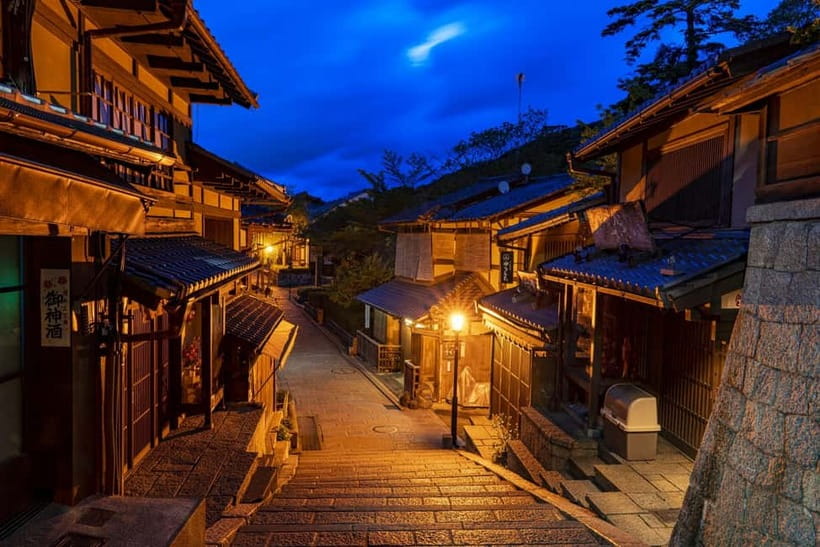
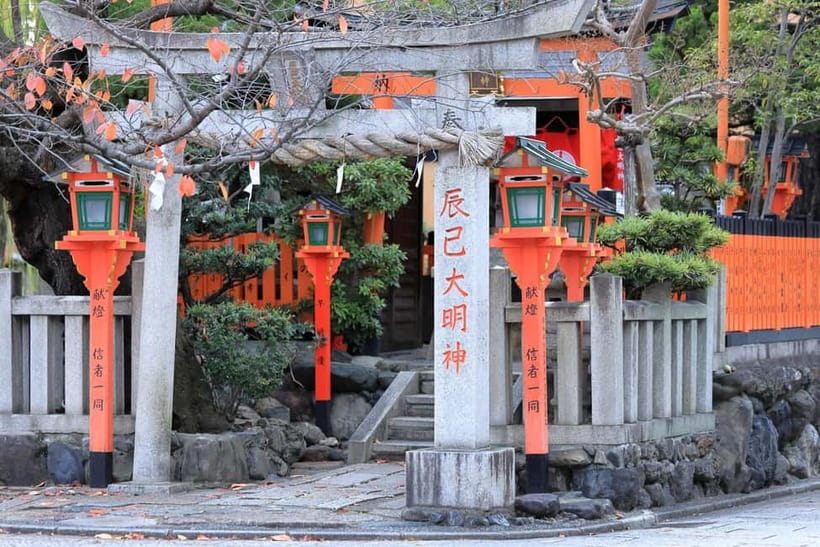
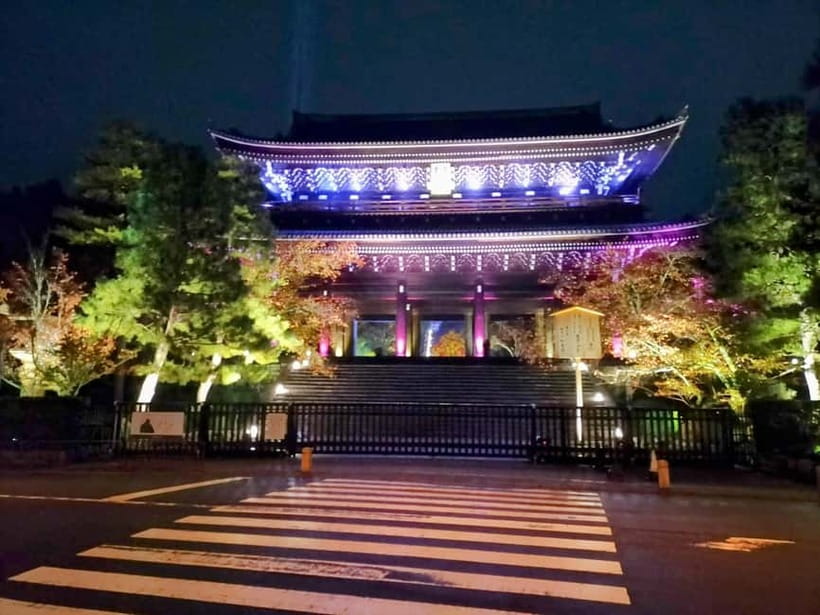
Another temple highlight is Chion in Temple, called out as an often overlooked stop. The tour info specifically notes that the temple grounds include three designated national treasures.
That detail is what turns this from a quick stop into a story stop. National treasures are Kyoto level reasons to pay attention, and the guide’s job is to help you understand what you are looking at and why it is protected.
If you like architecture, layout, and the logic of sacred spaces, this is the kind of stop you will feel in your bones. You get to slow down, look carefully, and then connect the place back to Kyoto’s broader cultural identity.
Machiya townhouses and teahouses: what you are seeing under the beauty
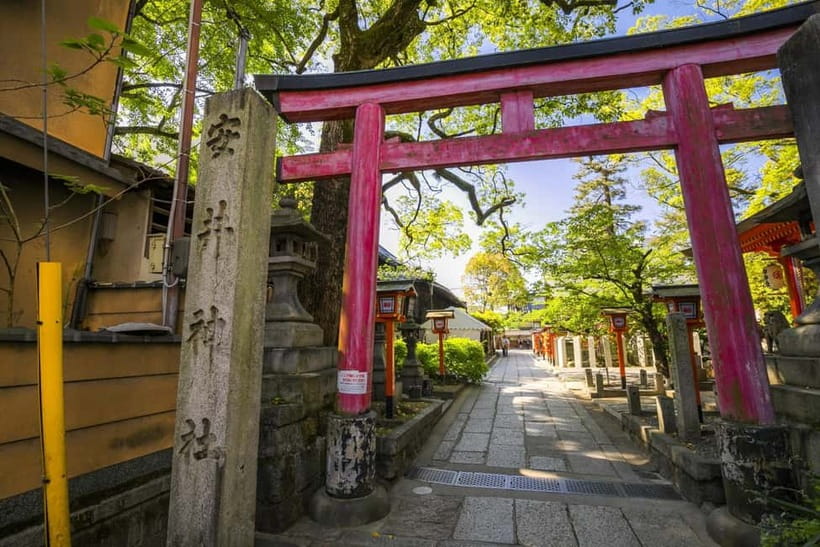
The tour also walks through the fabric of Gion: machiya townhouses and teahouses. The tour info points out that you will learn about beautifully preserved machiya townhouses and charming teahouses where geiko and maiko make exclusive private performances for wealthy clientele.
Here is the practical value for your trip. Instead of treating these buildings as a backdrop, you start to understand what kind of social world they supported. You learn how the neighborhood’s design, privacy, and elegance shaped the way entertainment and patronage worked.
This is also where Gion’s “mysterious” reputation becomes less vague. You start to see the cultural logic behind the rules, the routes, and the atmosphere.
Lantern lit Gion at dusk: why timing changes everything
As evening falls, Gion shifts. The tour info calls out lantern lit streets, and that is exactly when the district can look its most magical.
If your schedule allows it, I would aim for a later slot so you get at least some of the night mood. One review specifically suggested that a 3:00 timing may not be ideal due to sunlight, which is a simple reminder that winter and shoulder seasons change the feel of your photos and your comfort level.
Also, do not plan to rush out immediately at the end. A few reviews suggest leaving time afterward because Gion is full of food and shopping choices that pair nicely with what you learn on the walk.
Off the beaten path photo moments, with etiquette built in
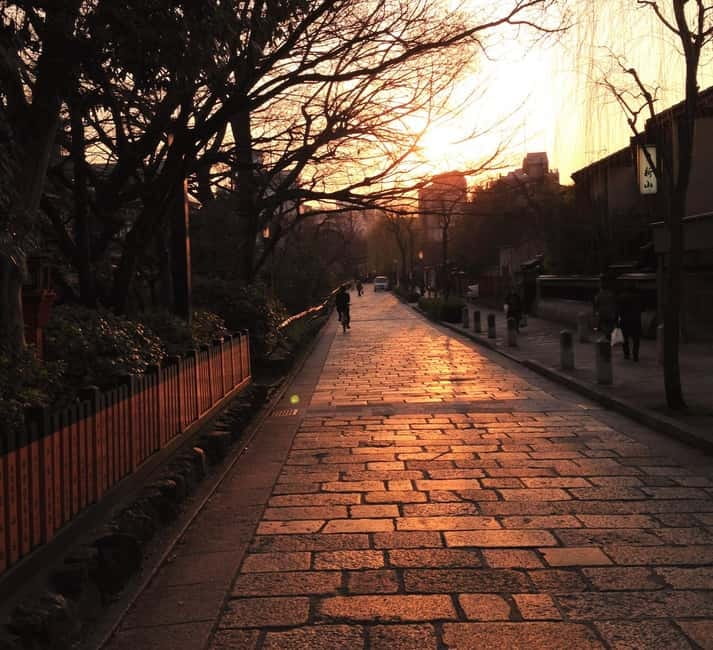
The tour includes photo stops at less busy locations along the route. That is important because some of the best looking street corners in Gion are also the most crowded.
The guide also helps you find spots where photos look natural instead of forced. In reviews, people mention getting direction to the best places for pictures, which usually means: slightly reposition, respect barriers and private entrances, and keep your voice down.
One more note: the tour description says the experience includes 100 percent guaranteed photos as a memento. Even if your main goal is learning, you can treat that as a helpful “you will leave with something” promise.
The guide is the product, and the reviews show why
With a walking tour like this, your biggest variable is the human factor. In the supplied review set, Michael is repeatedly praised for being friendly, fun, and very engaging, and for explaining history and traditions in an easy to follow way.
Other named guides, like Anton, Yuri, and Ikuro, get similar praise for being personable and respectful, and for answering lots of questions. That matters, because geiko and maiko culture can feel confusing at first, and you want someone who can translate without turning it into a script.
I also like that the guide builds conversation into the walk. You are not stuck passively listening the whole time, and multiple reviews mention the tour feeling interactive.
Use the restaurant and shop recommendations the smart way
Near the end, the guide shares a full list of recommendations for your rest of Kyoto. The tour info calls out restaurants, bars, and shops, plus plenty of ideas for places to visit.
I think this is where the value becomes real. You are not just consuming information, you are collecting a plan for what comes after the tour.
A couple of reviews give direct advice that I agree with: do the tour before eating so you can apply what you learn, then go straight to dinner with better context. And, if you are the planning type, leave some time after the walk so you can actually act on those suggestions instead of sprinting to your next stop.
Price and time value at about $25 for two hours
At $25 per person for two hours, this is one of the more affordable ways to get a guided “read” of Gion. You are paying for the route design, the live guide, and the interpretive context for major sights like Kennin ji and Chion in.
The practical upside is that you get a lot of decision making done for you in one block of time. You leave knowing what to notice, which saves mental energy for the rest of your Kyoto days.
The tradeoff is also straightforward: it is still a short walk. You will cover a lot, but you will not have hours to wander independently at every site. If you want deep time in just one temple, you might pair this with longer standalone temple visits later.
Who this tour suits best, and who might want to rethink it
This tour is a strong fit if you want:
- A culture focused introduction to Gion
- A chance to spot geiko and maiko on the move
- Temples and pagoda stops that come with context
- A guided plan plus practical recommendations for food and shopping
The tour info also flags a limitation. It is not suitable for people with mobility impairments and wheelchair users. Since it is a walking tour in old streets and temple areas, you should assume lots of walking and uneven surfaces.
If you are traveling with kids, some reviews say the guide was good with children, which is a nice sign that the tone can work for families. Still, keep expectations realistic about spotting geiko and maiko, because you are observing real people going to appointments.
Should you book this Kyoto Geisha Walking Tour?
If you want an easy first step into Gion that mixes real sights with real explanations, I think you should book it. The structure makes sense for orientation, and the guide component is the main reason it earns strong ratings.
I would especially book this if you like street level travel, enjoy temple visits, and want your Kyoto time to start with clarity, not confusion. And if you are the type who likes to use a guide’s restaurant list immediately, this tour gives you that payoff.
Skip it only if mobility is an issue for you, or if you are looking for a guaranteed, repeatable geiko and maiko sighting like a ticketed show. This is about chances, context, and respectful viewing in the district where the tradition lives.
FAQ
How long is the Kyoto Geisha Walking Tour?
The tour lasts 2 hours.
Is the tour guide available in English?
Yes, the tour offers a live guide in English.
What are the main things you can see during the walk?
You walk through the Gion district, learn about geisha culture, and have the chance to spot geiko and maiko. The tour also includes stops such as Hokan Ji Pagoda, Kennin ji Temple, and Chion in Temple.
Where is the meeting point?
You meet on a side street next to Hotel Alza Kyoto. Look for the red parasol umbrellas with marble seats underneath.
How much does it cost?
The price is $25 per person.
Is the tour wheelchair accessible or suitable for mobility impairments?
No. The tour is not suitable for people with mobility impairments, and it is not for wheelchair users.
Can I get a full refund if I cancel?
Yes. Free cancellation is available up to 24 hours in advance for a full refund.
Fresh options around Kyoto
- Kyoto Aquarium Admission Ticket★ 4.7 · 12 reviews
- Kyoto Gion Photoshoot – Private Session | Pro Photographer★ 5.0 · 12 reviews
- Gyoza Cooking Class in Kyoto: Traditional Japanese Dumplings★ 5.0 · 12 reviews
- Kyoto: Guided Food Tour with 12 Dishes & 3 Drinks★ 5.0 · 12 reviews
- Kyoto: Avoid the Crowds at the Hidden Gems of Arashiyama★ 4.9 · 13 reviews
- Kyoto Early Bird English Tour: Gion & Higashiyama(Private opt)★ 5.0 · 13 reviews
- Otsu-e Folk Art Workshop & Local Culture Walk Near Kyoto★ 5.0 · 13 reviews
- Kyoto, Osaka, Nara Full Day tour by Car English speaking Driver★ 3.5 · 13 reviews
Walking Tours, compared.
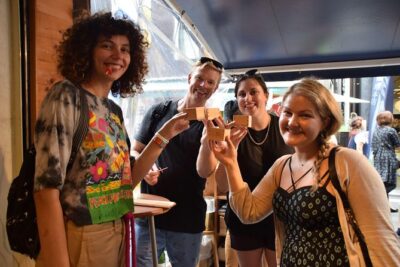
Tokyo Tsukiji Fish Market Food and Culture Walking Tour
Read our review →
Gion Magical Night Walking Tour with Geisha Trivia
Read our review →
Imperial Palace and Shogun Historical Walking Tour
Read our review →
Gion Geisha District Walking Tour – Stories of Geisha
Read our review →
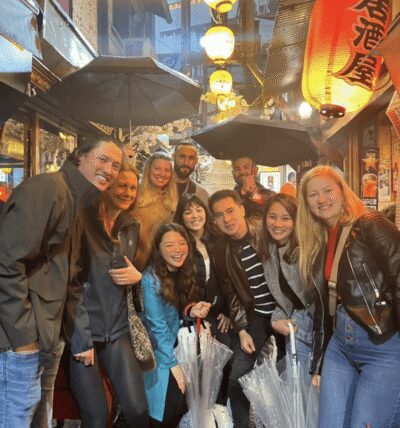
Shinjuku Local Bar and Izakaya Guided Walking Tour
Read our review →
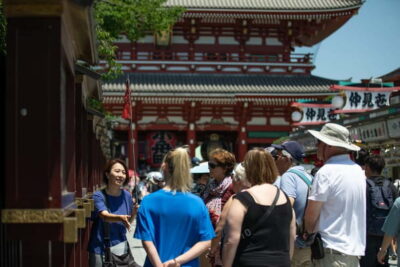
Asakusa Walking Tour with Sensoji Temple Visit
Read our review →Browse the lists this tour appears in