

Reviewed · GEISHA & GION TOURS
Best of Kyoto: Gion, Geisha, Pagodas & Cobblestones
Kyoto slows down at night in Gion. This 2-hour guided walk threads together lantern-lit streets and classic sights in Higashiyama, with practical culture notes on the world of geisha and maiko.
I love how the route moves in the exact order that makes sense at night, from Yasaka Shrine down to Ninenzaka’s cobblestones, then into Gion for the quieter, moodier lanes. I also love the way the guide connects the scenery to everyday customs, using real storytelling from guides like Karim and Kevin, and keeping it respectful if you’re hoping to catch a glimpse of women in full costume near the end.
The main drawback is simple: night walking brings colder air and darker stretches, so wear grippy shoes and be ready for uneven pavement and dim light in side lanes.
Key points to know before you go
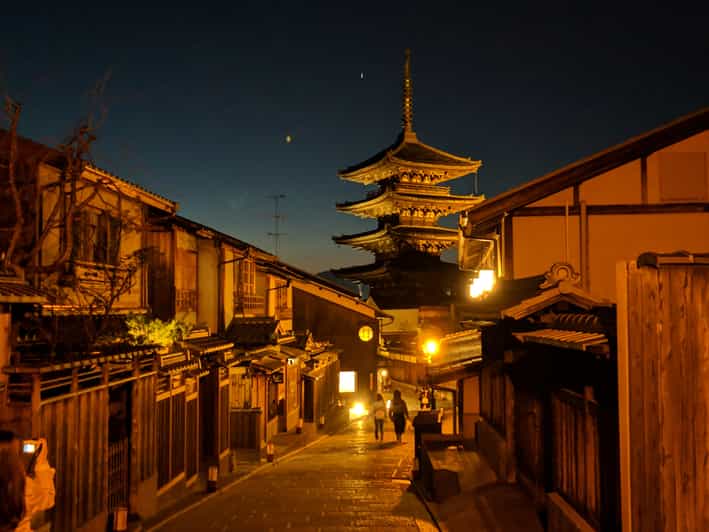
- Gion at night feels calmer, with lanterns making the wooden streets look almost cinematic.
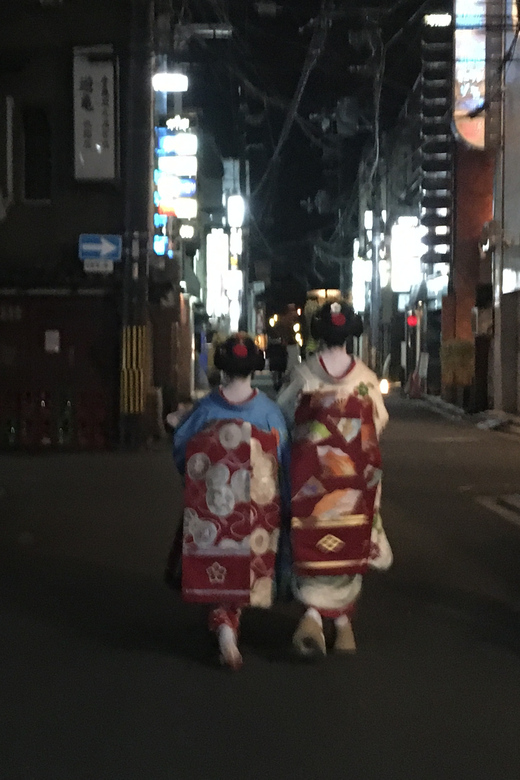
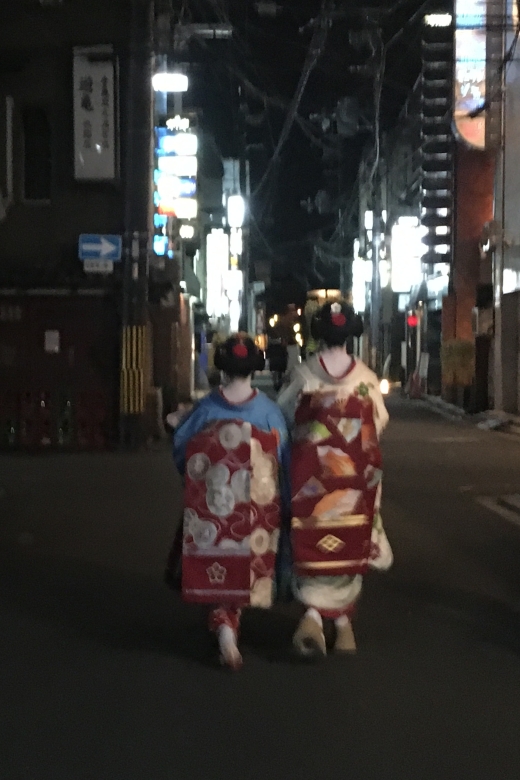
- Geisha and maiko culture context is handled with care, not hype, and you may spot fully costumed women near the end.
- Yasaka Shrine + Ninenzaka give you a strong Shinto-to-street sequence, plus those iconic cobblestone lanes.
- Hōkan-ji Temple is a focused photo stop, including a beautifully lit pagoda moment.
- Small-group or private options help keep the pace relaxed, with time for questions.
- Food and drink tips are included at the end, so you’re not left guessing where to go next.
First night in Kyoto: why Gion is the best starting point
If it’s your first day in Kyoto, I like tours like this because they help you sort the city fast. You get the look and feel of Higashiyama without spending your evening jumping between far-apart neighborhoods.
This one is also smart because it’s timed for the quieter part of the day. Gion’s narrow lanes can feel packed in daylight, but at night the same streets take on a slower rhythm, lantern glow included. That makes it easier to notice details like wooden facades, street lamps, and the texture of stone underfoot.
Finally, the tour gives you a cultural lens. You’re not just moving from sight to sight, you’re learning what geisha and apprentice maiko-san training and etiquette are about, so what you see later in the walk makes more sense.
More geisha experiences in Kyoto:
- Kyoto Geisha Walking Tour: Gion District & Hidden Gems
★ 4.7 · 3,273 reviews - Kyoto: Gion Magical Night Walking Tour with Geisha Trivia
★ 4.9 · 2,393 reviews - Kyoto: Gion Geisha District Walking Tour – Stories of Geisha
★ 4.7 · 2,187 reviews
Picking your meeting point without stress
You have two starting location options, and the meeting point can vary depending on what you book. The options listed are Tsuruha Drug Yasaka Shrine Store, FamilyMart, or Kyoto Gion.
Here’s the practical part: if you’re running late or can’t locate your guide, there’s no refund. So I recommend you plan a little buffer before start time and save the guide’s phone number once it’s shared with you.
If you do have trouble finding the group, call your guide at least ten minutes before the tour begins. WhatsApp is recommended, and that small step can prevent a lot of stress when streets look similar and it’s dark.
Stop 1: Yasaka Shrine at night (20 minutes)
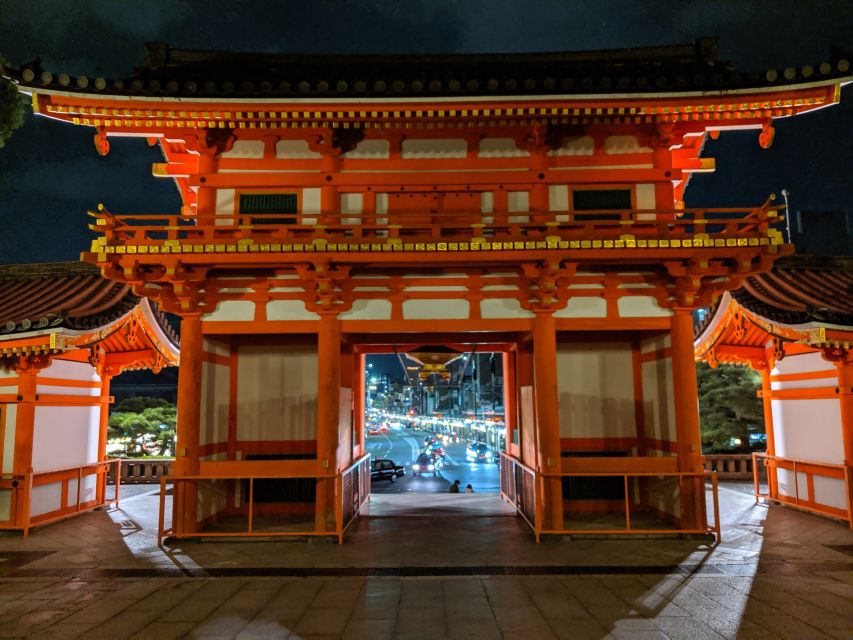
Yasaka Shrine is where the atmosphere clicks into place. At night, Shinto spaces feel calmer and more intimate, and the guide helps you understand what you’re seeing so it doesn’t feel like random scenery.
You’re there for about 20 minutes, so this isn’t a rushed pass. It’s long enough to orient yourself, notice lighting, and learn a few key points about the shrine setting before you head toward the street lanes that define the Higashiyama vibe.
One nice bonus is that a shrine stop early in the walk anchors the evening. Kyoto can feel like a mash-up of temples, shopping streets, and photo stops, but starting with a Shinto site gives you a cultural baseline.
Ninenzaka cobblestones and the lantern lane feel (20 minutes)
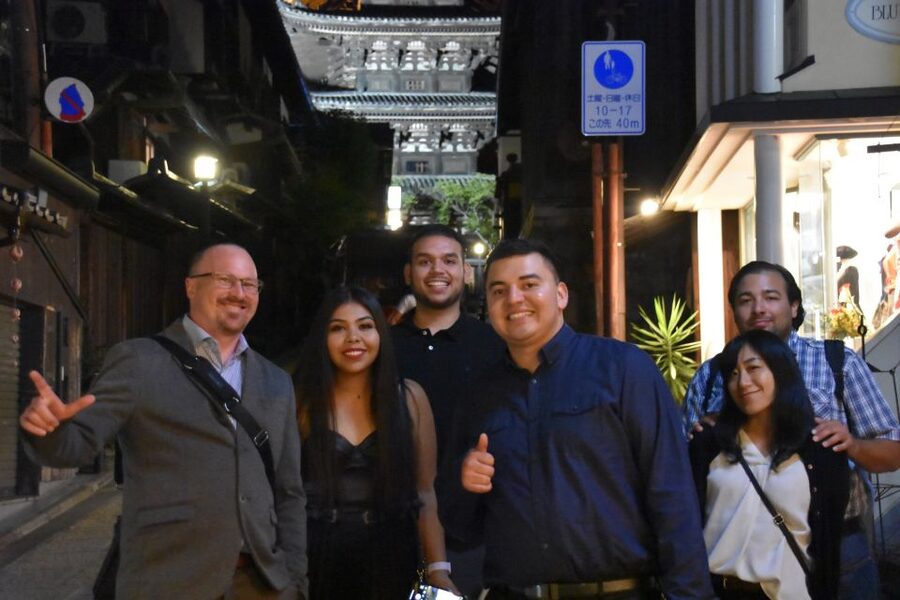
Next up is Ninenzaka, and this is where the “cobblestones” in the tour title start to feel real. The streets here are narrow and stepped, which makes them perfect for night lighting and the sense of walking through a preserved old Kyoto street scene.
You’ll get about 20 minutes on this stop with guided context. I like this timing because you’re fresh enough to enjoy the details, but you’re also already warmed up from the first shrine atmosphere.
A consideration: stepped cobblestones mean your feet matter. Bring shoes you can trust on uneven surfaces, and take it slow on the slopes. The guide will keep the group moving, but physics still wins.
A few more Kyoto days worth comparing
- PERFECT KYOTO 1-Day Bus Tour
★ 5.0 · 13,518 reviews - Kyoto: Fushimi Inari, Kinkakuji, Bamboo Grove 1 Day Bus Tour
★ 4.8 · 4,316 reviews - Kyoto: Tea Ceremony in a Traditional Tea House in Kiyomizu
★ 4.9 · 3,519 reviews - Kyoto: Tea Ceremony Ju-An at Jotokuji Temple
★ 4.9 · 3,207 reviews
Hōkan-ji Temple and the lit pagoda photo moment (20 minutes)
The Hōkan-ji Temple stop is a photo stop, roughly 20 minutes. This is one of those parts of Kyoto where lighting does half the work for you, especially when a pagoda is beautifully lit.
I like that the tour doesn’t pretend everyone needs the same kind of attention here. A photo stop means you can look around, take pictures at your own pace, and still keep the overall flow tight.
One tip for making this moment pay off: decide your photo plan quickly. Look once for the overall composition, then again for any close details the guide points out. You’ll get a better result and spend less time trailing at the back.
Yasui Kompira-Gu Shrine visit (15 minutes)
After the big visual moment of the pagoda area, the tour shifts back into a more grounded shrine visit at Yasui Kompira-Gu Shrine. It’s about 15 minutes, which keeps you from feeling like you’re constantly entering and exiting.
This stop matters because it adds variety within the “traditional Kyoto” theme. You’re not only chasing famous landmarks, you’re seeing how shrine life continues as part of daily space and atmosphere.
If you like religion and ritual details, this is the stretch where your guide’s explanations can make the surroundings click. Even if you’re not a deep ritual person, a short visit like this helps you read the signs and structures without guessing.
Gion at night: entertainment district storytelling and costume glimpses (45 minutes)
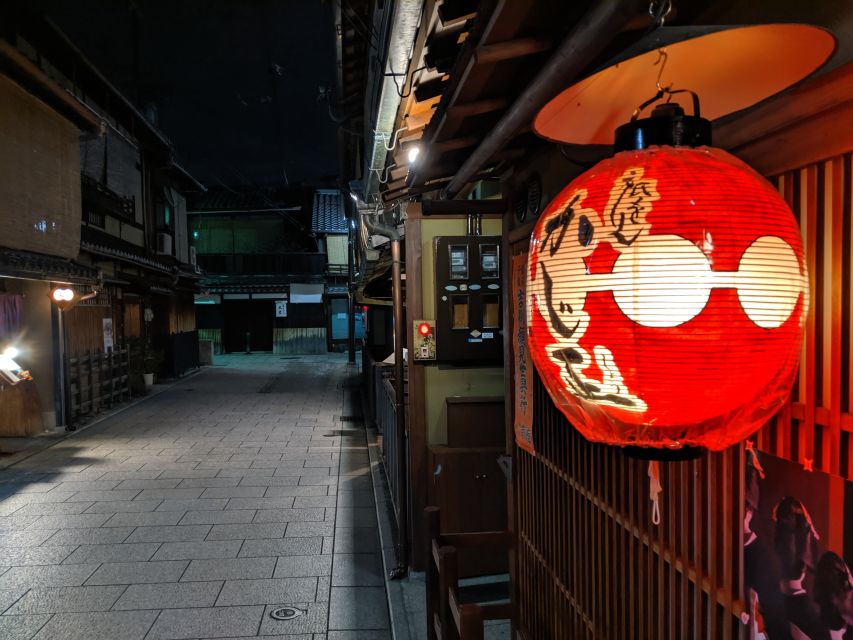
This is the heart of the tour: Gion, guided for about 45 minutes. Gion isn’t just pretty at night, it’s functional, with residential streets, cultural history, and a layout that makes the district feel like a maze if you don’t know what to look for.
Your guide talks about customs tied to the geisha and apprentice maiko-san world. The tone matters here, and the guides leading this walk are repeatedly praised for being respectful and thoughtful, not sensational. That balance is key, because this is not a theme park.
You may catch a glimpse of women in full costume toward the end of the tour. I recommend you keep your expectations realistic. Even if you don’t see anyone, the cultural context still makes the district feel more alive.
Also, the night timing is doing real work. There’s mention of the streets being quieter later at night, and that affects your experience. You can actually look at the details, rather than just moving through a crowd.
Guide style: what you’ll feel in the pace and Q&A
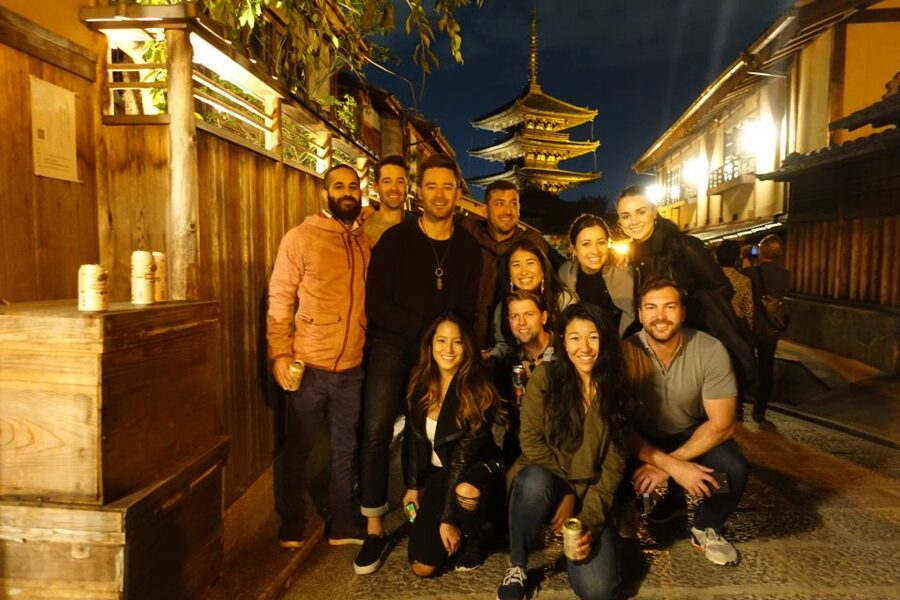
The biggest variable in any walking tour is the guide, and the names showing up again and again here are Karim, Kevin, Jannel (sometimes spelled Janelle or Janiel), Ben, Diana, Salomé, and Amir. Across that mix, a clear pattern shows up: guides keep a relaxed pace and make room for questions.
I like that approach because it helps you learn without getting overwhelmed. Some guides also use tablet visuals or slides to support the story, which can be handy when you’re trying to picture how traditions connect to streets you’re walking right now.
If you’re the type who asks what something means before taking a photo, this tour fits you. Your guide can also point out photography spots during the walk, and there’s an emphasis on not accidentally disrespecting people.
What it’s like under cold night air
A night walk is a trade. You get fewer crowds and better lighting, but you also get cold and dim corners.
There’s a specific caution to keep in mind: darker spots can appear during the walk. That’s not a reason to skip, it’s a reason to plan your comfort and safety. Wear warm layers, bring gloves if you run cold, and use a phone light only when needed so you’re not blasting light at others.
If you’re prone to slipping on wet stone, assume Kyoto streets can be slick depending on weather. Keep your feet under you, and enjoy the walk without rushing.
Ending strong: drink and bite recommendations
At the end, your guide shares tips for where to grab a drink or a bite to eat. Food and drinks aren’t included in the tour price, but the benefit is that you’ll likely leave with a short list of places that fit your area and your mood.
I’d treat this part like a mini consultation. Ask what’s close to your exact route after the tour, and what’s good for the kind of evening you want, casual, local, or quiet. This is especially valuable on a first Kyoto night when everything looks promising and you don’t want to waste time searching.
Price and value: what $24 buys you
At about $24 per person for a 2-hour walk, the value comes from three things: the nighttime timing, the guided cultural framing, and the fact that you’re covering multiple Kyoto “best-of” zones in one evening.
You’re not paying for a bus ride or a ticketed attraction. You’re paying for a guide who can explain the why behind the streets, and for the plan that strings together shrine, cobblestones, a temple pagoda photo moment, and Gion storytelling without turning the evening into a sprint.
If you’re going solo, small-group or private options can also be a smart choice because you get more interaction time. If you’re traveling with friends, the shared walkthrough plus the guide’s recommendations can make the evening feel more coordinated.
Who should book this tour
This is a great fit if you want:
- A first-night snapshot of Kyoto’s Gion and Higashiyama feel
- A night walk where lantern lighting actually changes how you see the city
- Cultural context around geisha and maiko traditions, explained in a respectful way
- The chance to catch a glimpse of fully costumed women, without making that the only goal
It’s less ideal if you want a long museum-style experience or if you need guaranteed sightings of geisha or maiko. The tour is set up for learning and atmosphere, and those costume glimpses are possible rather than promised.
Should you book this Gion night walk?
I’d book it if your main goal is to see Gion and Higashiyama when the streets calm down, and to leave with a clearer understanding of what you just walked through. For a first day in Kyoto, it’s one of the easiest ways to get your bearings fast, because you combine landmarks, street texture, and cultural meaning.
Skip it or swap time slots if you’re not comfortable with night walking, cold weather, and uneven stone. And if food matters to you, plan a meal after, since food and drinks are not included.
If you’re ready for a lantern-lit walk with thoughtful guidance and a respectful look at tradition, this tour is a solid value for a short evening.
FAQ
How long is the tour?
The tour lasts 2 hours.
What’s included in the price?
You get a guided walk of the Gion and Higashiyama districts with a live tour guide.
Are food and drinks included?
No, food and drinks are not included. The guide can share recommendations for where to eat or drink after.
What languages are the guides available in?
The tour guide is available in English and French.
Where do I meet the tour?
The meeting point may vary depending on the option booked. The listed options include Tsuruha Drug Yasaka Shrine Store, FamilyMart, and Kyoto Gion.
Can I cancel for a refund?
Yes. Free cancellation is available up to 24 hours in advance for a full refund.
Fresh options around Kyoto
- Kyoto Aquarium Admission Ticket★ 4.7 · 12 reviews
- Kyoto Gion Photoshoot – Private Session | Pro Photographer★ 5.0 · 12 reviews
- Gyoza Cooking Class in Kyoto: Traditional Japanese Dumplings★ 5.0 · 12 reviews
- Kyoto: Guided Food Tour with 12 Dishes & 3 Drinks★ 5.0 · 12 reviews
- Kyoto: Avoid the Crowds at the Hidden Gems of Arashiyama★ 4.9 · 13 reviews
- Kyoto Early Bird English Tour: Gion & Higashiyama(Private opt)★ 5.0 · 13 reviews
- Otsu-e Folk Art Workshop & Local Culture Walk Near Kyoto★ 5.0 · 13 reviews
- Kyoto, Osaka, Nara Full Day tour by Car English speaking Driver★ 3.5 · 13 reviews
Geisha & Gion Tours, compared.
Kyoto Geisha Walking Tour: Gion District & Hidden Gems
Read our review →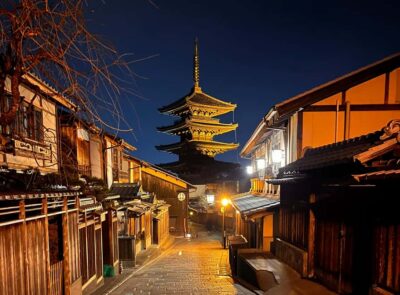
Gion Magical Night Walking Tour with Geisha Trivia
Read our review →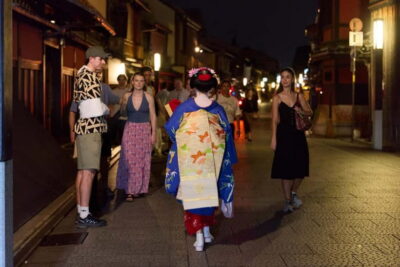
Gion Geisha District Walking Tour – Stories of Geisha
Read our review →
Kyoto Night Foodie Tour in Gion (9+ dishes + 6 Sake tastings)
Read our review →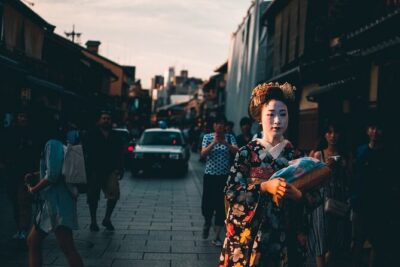
Kyoto Gion Geisha District Walking Tour – The Stories of Geisha
Read our review →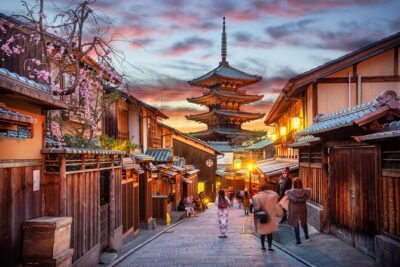
Kyoto Gion: 2-Hour Geisha Culture & History Walking Tour
Read our review →
Chopsticks Making Workshop in Gion with Engraving Option
Read our review →Browse the lists this tour appears in