
Reviewed · WORKSHOPS
Kyoto : Chopsticks Making Workshop in Gion with Engraving Option
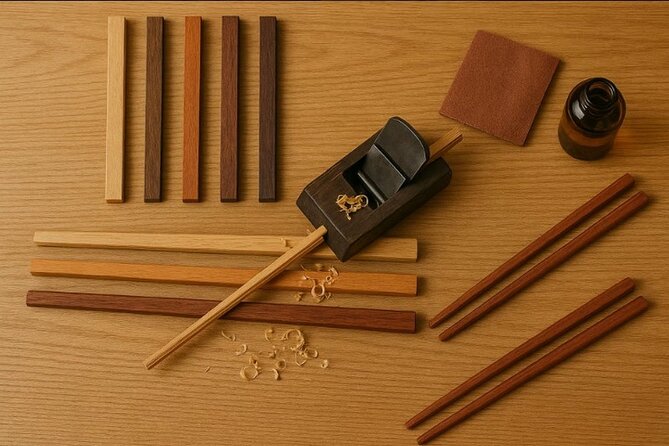
If you like hands-on souvenirs, this one is different. You start with a plain wooden blank and shape it into Kyoto chopsticks using a traditional hand plane, with an option to add personal engraving. It is calm, beginner-friendly, and real craft work, not just watching someone else do it.
I love how the workshop walks you through each step clearly, from rough shaping to a smooth finish. I also like that you can choose Japanese woods for different color and grain looks, with premium options available if you want to splurge a bit. One thing to keep in mind: wood choices can be limited by what is on hand that day, so if you are picky about a specific type, be flexible.
You will be done in about an hour, and the whole experience starts and ends at the same Gion workshop address near Yasaka Koji South, so you can fit it into a walking day without much stress.
Key highlights before you go
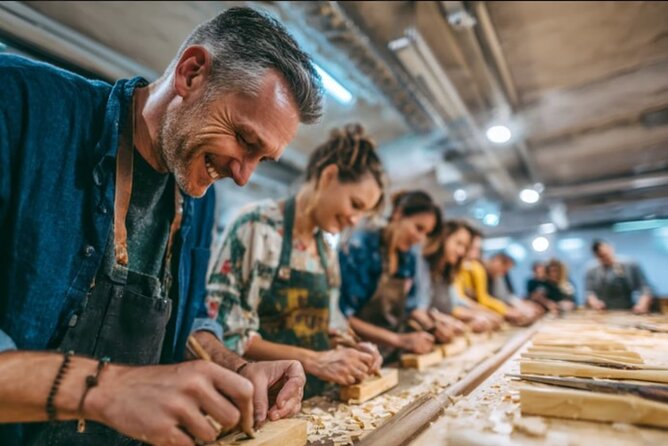
- Real tool time with a Japanese hand plane (kanna) instead of imitation chopsticks
- Pick your wood based on color, grain, and even aroma
- Beginner-friendly pace with step-by-step guidance for first-timers
- Smoothing, oiling, and comfort so your chopsticks look good and feel good
- Optional engraving in Japanese or your native language for a one-of-a-kind souvenir
Where This Chopstick Workshop Fits in Gion
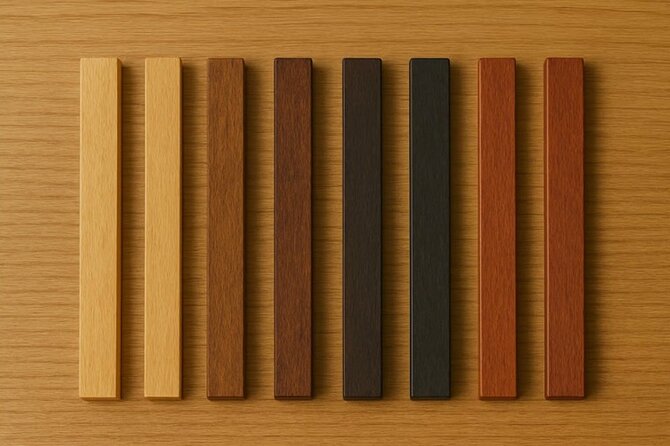
This workshop is in Gion, Kyoto’s famous east-side district where you can slow down and take in old-streets energy. The meeting point is at the Zen Chopsticks Making Workshop, Yasaka Koji South (machi-71-13 Tamamizu, Higashiyama Ward). Since it is near public transportation, it is an easy add-on when you are already planning time around Higashiyama.
What I like about this setting is that your craft project feels grounded in the area it represents. You are making something you will actually use, then you walk right back into the neighborhood vibe. Also, because the session runs about an hour and ends back at the same point, you do not need a complicated schedule.
The workshop keeps groups fairly sized. The maximum group size is 32 travelers, which is big enough that you will hear other people working, but small enough that staff can still help when you hit a question.
More geisha experiences in Kyoto:
- Kyoto Geisha Walking Tour: Gion District & Hidden Gems
★ 4.7 · 3,273 reviews - Kyoto: Gion Magical Night Walking Tour with Geisha Trivia
★ 4.9 · 2,393 reviews - Kyoto: Gion Geisha District Walking Tour – Stories of Geisha
★ 4.7 · 2,187 reviews
Your One-Hour Plan: From Raw Wood to Finished Chopsticks
Think of the experience as a neat sequence of small wins. Even if you have never touched woodworking tools, the instructor style is designed to get you through it step by step.
Here is the flow you should expect:
Step 1: Choose your wood blank
You start by selecting from a curated set of Japanese woods. Each type has its own natural color, grain pattern, and aroma. Two wood types are included at no extra cost, and premium woods are available as an upgrade if you want something more special.
This is not a throwaway part. If you care about how the final chopsticks will look on your dining table, choosing your wood is where you make the biggest visual decision early.
Step 2: Rough shaping with a traditional hand plane
Once you have your wood selection, you place the blank on the stand and begin shaping using a traditional kanna, a Japanese hand plane. The goal is to carve the chopsticks into their basic form while following the instructor’s guidance.
The best way to approach this part is with patience and small corrections. Hand-plane work is about consistency, not speed. You will likely spend most of your time learning how to hold the tool, how to apply steady pressure, and how to read the wood surface as it changes.
A few more Kyoto days worth comparing
- PERFECT KYOTO 1-Day Bus Tour
★ 5.0 · 13,518 reviews - Kyoto: Fushimi Inari, Kinkakuji, Bamboo Grove 1 Day Bus Tour
★ 4.8 · 4,316 reviews - Kyoto: Tea Ceremony in a Traditional Tea House in Kiyomizu
★ 4.9 · 3,519 reviews - Kyoto: Tea Ceremony Ju-An at Jotokuji Temple
★ 4.9 · 3,207 reviews
Step 3: Smooth and refine with sanding
After carving, you smooth the surface and edges using sandpaper. This is where the chopsticks start feeling nicer in the hand. Sharp edges vanish, and you get that comfortable, rounded feel you want for daily use.
If you tend to rush, this is where you catch yourself. Your hands will notice immediately if the surface is not even.
Step 4: Protect with natural oil
Next comes a coat of natural oil. This step protects the wood and brings out the finish you were building toward. It gives the chopsticks a soft, polished look rather than a dry, unfinished feel.
Oil also helps the grain pop. Even if you chose your wood for its color, the oil can shift how that color reads under different lighting.
Step 5: Optional engraving to personalize your pair
Finally, you can add engraving. You can have your name engraved in Japanese or your native language, so the chopsticks become more than a souvenir. It feels like a craft you own, not just a product you bought.
The engraving process is also described as neat, which matters because it is the part you will probably photograph. If you want your engraving to look clean, take your time with what characters you choose.
Choosing Japanese Wood: More Than Just Color
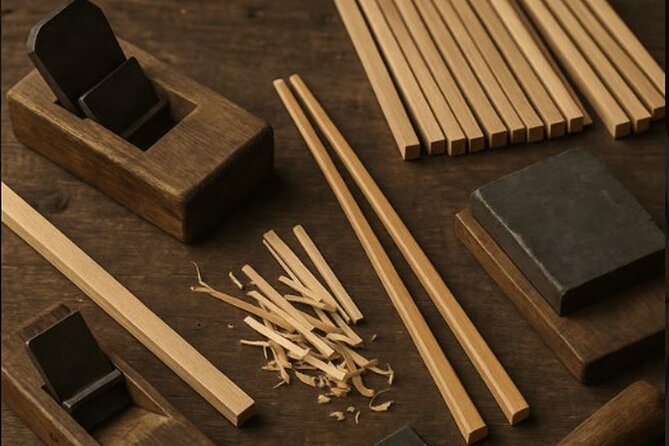
The workshop lets you pick from multiple Japanese woods, and the differences are not just aesthetic. Your selection can change how your chopsticks feel, look, and even smell during the process.
Here is what you should watch for when you choose:
- Natural color and grain: Some woods will look lighter and others darker once finished.
- Aroma: Japanese woods can have a noticeable scent while you work and before you apply oil.
- Included vs. premium: Two wood types are included at no extra cost, and premium types are available as an upgrade.
One practical consideration: the workshop offers a curated selection, but availability can vary. If the price matters, you may find it easiest to decide based on included options first. If you have your heart set on a particular wood name, it is smart to be flexible when you arrive.
The Kanna Hand Plane Experience (And Why It Feels So Satisfying)
The highlight here is not the final product. It is the carving time with the traditional hand plane. This tool turns shaping into something tactile. You feel the grain, see the surface change, and learn a rhythm you cannot get from power tools.
Even for beginners, the workshop is set up to keep you moving forward. The instruction is described as patient and clear, especially for first-timers. You are guided from rough shaping to a smooth finish, and there is always English-speaking staff available to assist.
When I think about why this works as a travel activity, it is because you are not trying to master woodworking. You are learning a small, guided craft skill. The result feels earned, and the process is naturally calming. It also helps you slow down, which is rare in travel.
A tip for getting the most out of it: focus on small adjustments. If you find a section not coming out evenly, pause and ask for help rather than pushing harder. The instructor’s guidance is designed for people at your level.
Sanding, Oil, and That Real Souvenir Finish
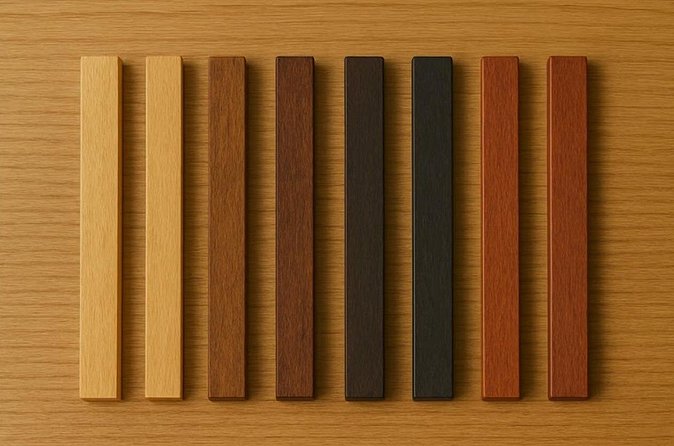
After carving, the sanding and oiling phase is where your chopsticks stop looking handmade in a basic way and start looking genuinely finished.
Sanding is your comfort stage. Your hands will appreciate edges that feel smooth and safe for eating. If you want your chopsticks to look as good in use as they do in photos, pay attention to both the surface and the edge work during sanding.
Then the natural oil coat does two things at once:
- It protects the wood.
- It makes the grain and color look deeper and more refined.
This is one of those steps that feels small while you are doing it, but it is why the final product looks like something you would want to keep in your kitchen drawer.
Optional Name Engraving: Make It Yours
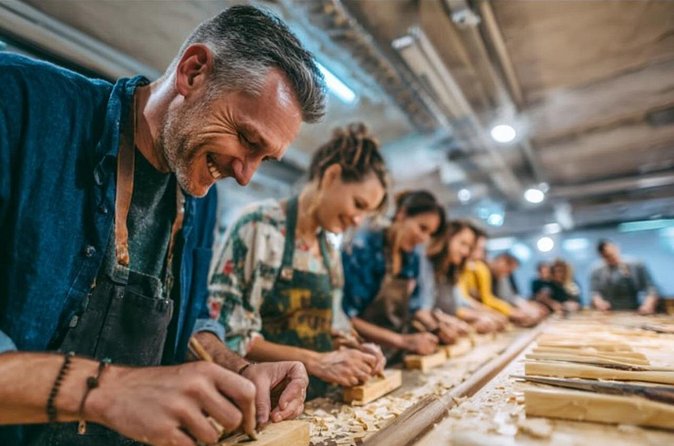
Engraving is the personality upgrade. You can add your name in Japanese or your native language, which is a fun way to turn a craft class into a memory tied to you.
It also helps if you are buying chopsticks as a gift. A plain pair is nice, a personal pair feels special.
If you are going for engraving, be ready to think about what exact text you want. Once you engrave, you cannot just swap it out. This is a good moment to double-check character choices and spelling, especially if you are using your native language.
Also, if you like crafts, you might notice the shop offers other engraving-related options (one review mentions a gold engraving tour). You can ask what is available when you are there, but treat it as extra, not part of the base experience.
Price and Value: Is $15.25 a Good Deal?
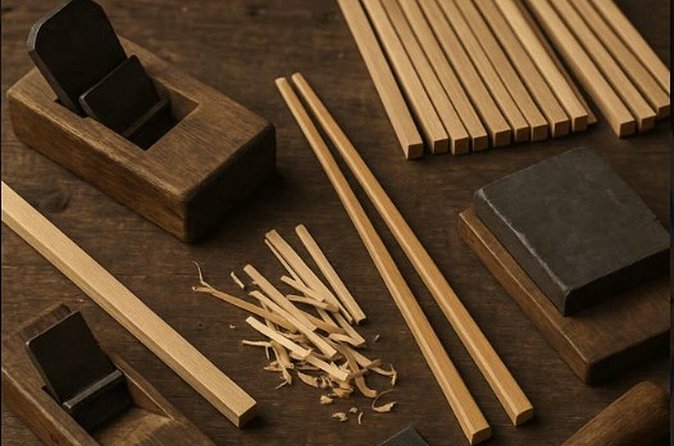
At $15.25 per person for about an hour, this workshop is priced like an accessible cultural craft activity. It is not a souvenir shop markup where you just buy a finished item. You are making the item with guided instruction and using traditional-style tools.
Here is where the value comes from:
- You get labor and coaching included: Someone teaches you carving, smoothing, and finishing.
- You bring home a finished, useable item: Not just a sample.
- You get choice in materials: Two woods are included, and premium upgrades are available if you want to spend more.
- Optional engraving is a big perceived value boost: Personalization turns it from generic to meaningful.
If you have only one short craft-style stop in your Kyoto day, this is a strong choice because the session is tight and outcome-driven. If you want a more dramatic, multi-activity day, you might pair it with other Higashiyama walks, but the chopsticks themselves carry enough satisfaction on their own.
Practical Tips for a Smooth Workshop Day
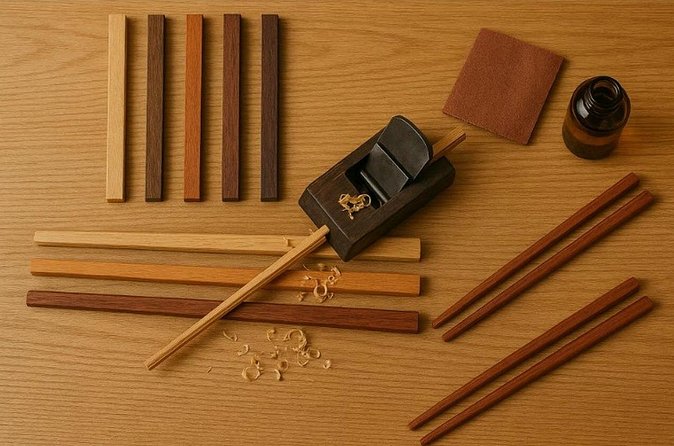
This is a short workshop, so small things help:
- Bring your attention: the activity is hands-on, and it is easier when you listen and watch before you start cutting or plane-work.
- Decide your wood approach: if you want to stay within the included options, pick the wood you love most for color and grain right away.
- Plan your timing: since it is about an hour and ends back where you started, you can fit it between neighborhood walks.
- Expect staff support: the team is described as friendly and English-speaking, so questions are not a problem.
Also, you get a mobile ticket, and confirmation is received at booking. That helps you avoid printing or last-minute confusion.
Who This Experience Is Best For
This is one of those activities that works for a lot of different travel styles.
It is great if you:
- Want a hands-on Kyoto cultural experience without needing prior skills
- Like practical souvenirs you will actually use
- Travel with kids or family, since the instruction is designed to be patient and beginner-friendly
- Enjoy crafts that translate into calm, focused time rather than rushing sightseeing
It is also a good fit if you are traveling solo and want something structured that still feels personal. You will end with a pair of chopsticks that includes your wood choice and possible engraving, so the souvenir is uniquely yours.
Should You Book This Chopsticks Workshop in Gion?
If you want a meaningful Kyoto keepsake and you like doing things with your hands, I think this is a very safe bet. The combination of guided kanna carving, sanding, natural oil finishing, and an optional personal engraving makes it feel like more than a quick tourist activity.
I would consider skipping or adjusting expectations only if you are very particular about a specific wood type and hate the idea of availability changing. Also, if you strongly prefer private, slow, one-on-one instruction, the workshop’s group format might feel a bit set.
Otherwise, for $15.25 and about an hour in Gion, you get a real craft skill lesson and a finished pair of chopsticks you can genuinely use at home. That is the kind of value that lingers long after the photo session.
FAQ
How long does the Kyoto chopsticks making workshop last?
It runs for about 1 hour.
How much does the experience cost?
The price is $15.25 per person.
Do I need woodworking experience to participate?
No. The workshop is designed to be beginner-friendly, and instruction is provided step by step.
Can I choose different types of wood?
Yes. You can select from a curated selection of Japanese woods. Two wood types are included, and premium woods are available as optional upgrades.
Is engraving available?
Yes. You can have your name engraved in Japanese or in your native language as an optional add-on.
Where is the meeting point?
The start location is ZEN Chopsticks Making Workshop, Yasaka Koji South, machi-71-13 Tamamizu, Higashiyama Ward, Kyoto, 605-0851, Japan, and the activity ends back at the meeting point.
Fresh options around Kyoto
- Kyoto Gion Photoshoot – Private Session | Pro Photographer★ 5.0 · 12 reviews
- Kyoto Aquarium Admission Ticket★ 4.7 · 12 reviews
- Gyoza Cooking Class in Kyoto: Traditional Japanese Dumplings★ 5.0 · 12 reviews
- Kyoto: Guided Food Tour with 12 Dishes & 3 Drinks★ 5.0 · 12 reviews
- Kyoto: Avoid the Crowds at the Hidden Gems of Arashiyama★ 4.9 · 13 reviews
- Kyoto Early Bird English Tour: Gion & Higashiyama(Private opt)★ 5.0 · 13 reviews
- Otsu-e Folk Art Workshop & Local Culture Walk Near Kyoto★ 5.0 · 13 reviews
- Kyoto, Osaka, Nara Full Day tour by Car English speaking Driver★ 3.5 · 13 reviews
Workshops, compared.
Sushi Making Tokyo Roll and Authentic Japanese Sushi Class
Read our review →
Roll and Authentic Sushi Making Class in Asakusa
Read our review →
Ramen Cooking Class at Ramen Factory in Kyoto
Read our review →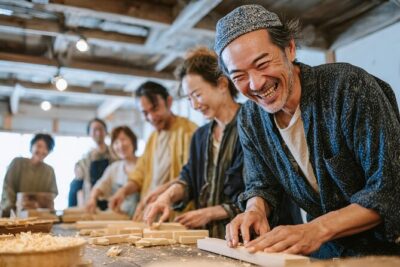
Sushi Making Class in a Happi Coat near a Famous Spot
Read our review →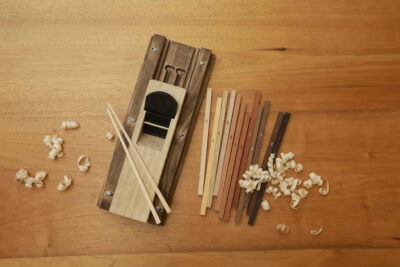
Sushi Making Osaka Roll and Authentic Japanese Sushi Class
Read our review →Browse the lists this tour appears in