
Reviewed · MIYAJIMA TOURS
Kimono and Calligraphy Experience in Miyajima
Put on kimono, then write with a brush.
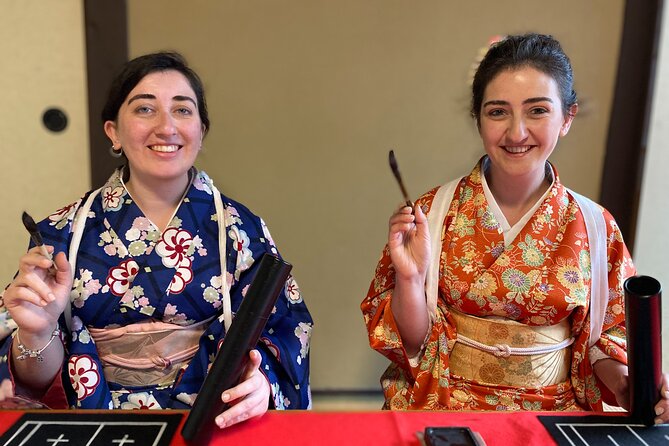
This short 1-hour experience in Miyajima pairs dressing up with Japanese calligraphy, in a temple setting away from the busiest tourist stops. You’ll learn how to hold the brush, practice basic strokes, then choose a Kanji to write your own way.
I like two things a lot. First, the small group size (max 6) means the instructors can slow down and actually help with your strokes and your kimono fit. Second, you don’t just watch, you produce real keepsakes: your calligraphy, plus a personalized rice scoop for good luck.
One consideration: the meeting spot is at a temple on Miyajima, and the walk or road approach can feel a bit more effort than the shopping streets. If you’re already tired from ferry and shrine time, give yourself a cushion.
Quick hits before you go
- Kimono at a temple away from crowds: Dressing happens at Tokuzoji, not in a busy rental strip.
- More than 100 kimono choices: Pick your style and get help with the obi and needed pieces.
- Learn brush basics, then Kanji: You start simple, then choose a Kanji character to practice.
- Your name gets written in Hiragana and Katakana: You’ll make samples you can take home.
- Stamp, sign, and take your work away: The lesson ends with finished calligraphy and a container for transport.
- Photo support included: Your guide takes pictures during the lesson, plus a garden photo moment.
Why This Miyajima Kimono and Calligraphy Feels Different Than the Usual Rentals
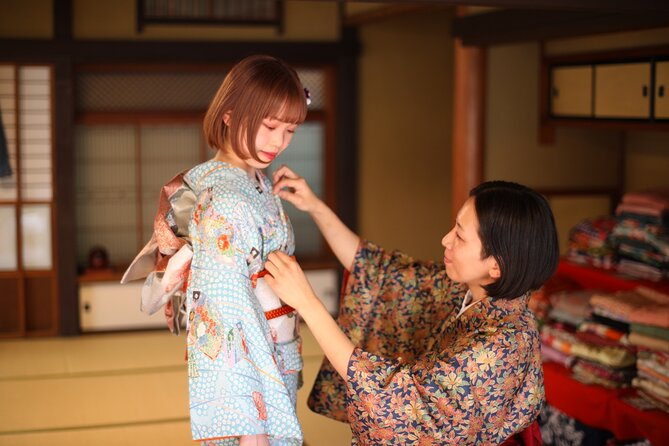
Most kimono experiences live right next to the main tourist lanes. This one takes a different approach. You dress in a temple setting, Tokuzoji (徳寿寺), and that changes the mood fast. The experience feels calmer, more like a cultural moment than a quick photo stop.
The biggest win for me is how the day flows for real people. You can fit it on a morning or afternoon session while you’re already in Miyajima. In fact, the timing pairs nicely with the island rhythm. If you’re planning around tide changes near Itsukushima Shrine, a calligraphy lesson gives your schedule a human pace instead of waiting around.
Then there’s the creative side. Instead of just renting clothes and moving on, you learn the basics of brush control. You’ll practice strokes first, then go after Kanji with instructor guidance. I also like that your output is personal. You choose the Kanji character, you write your name in Japanese syllabaries (Hiragana and Katakana), and you bring it home.
More kimono experiences in Hiroshima:
- Kimono and Tea Ceremony in Miyajima
★ 5.0 · 73 reviews - An Amazing set of Cultural experience: Kimono, Tea Ceremony and Calligraphy
★ 5.0 · 69 reviews - Cultural Activities :Kimono, tea ceremony, Calligraphy and Amulet
★ 5.0 · 44 reviews
Meeting at Tokuzoji and Getting Dressed in Kimono (More Than 100 Choices)
You meet at Tokuzoji, 徳寿寺(曹洞宗 金光山 徳寿寺), at 741-1 Miyajimachō, Hatsukaichi, Hiroshima. The activity ends back at the same meeting point, so you’re not left figuring out how to get home after.
Dressing time is part of the experience, and it’s not a one-style-fits-all situation. You choose your kimono from a collection of more than 100 options. The staff helps you wear it correctly, including the obi belt and other needed items. That matters because a kimono can look simple from the outside, but the fit and wrapping affect comfort and how you move while writing.
You should also expect the kimono to shape your whole posture. Even if you’ve only worn traditional clothing once, the way the sleeves and belt sit can make you slower and more deliberate. That’s a good thing for calligraphy. Your arms and wrist movements matter, and a guided lesson works better when you’re not constantly fidgeting.
A practical note from the way people describe the experience: getting there can involve more walking than you expect. Google and Apple Maps can sometimes route you along a mountain-side road, which may mean extra effort. Bring decent walking shoes and plan a small buffer, especially if you’re doing this right after a ferry arrival.
The Calligraphy Lesson: Brush Basics, Kanji Choice, and Writing Your Name
The calligraphy part starts with the fundamentals. You begin with how to hold the brush, then you practice basic lines first. That step is easy to underestimate. When you start with simple strokes, the brush stops feeling like a mystery tool and becomes something you can control.
Next comes Kanji. You’ll have different sample characters to choose from, and you pick the one you like best. That choice makes the lesson feel personal fast. It also means you’re practicing something you’re emotionally connected to, not just copying a character chosen by the instructor.
Then you move to your name in Japanese. The lesson includes writing your name in both Hiragana and Katakana. So if you have trouble with one system, you still have another one to work with. You also learn how your Roman letters convert into Japanese writing style, which is handy for understanding signage and menus around Japan.
The tempo stays friendly. People consistently mention instructors as kind, attentive, and patient. That’s not a small detail. Calligraphy is one of those crafts where timing and correction matter, and a small group helps you get that feedback without feeling rushed.
The Good-Luck Rice Scoop and Your Finished Artwork, Plus Stamps
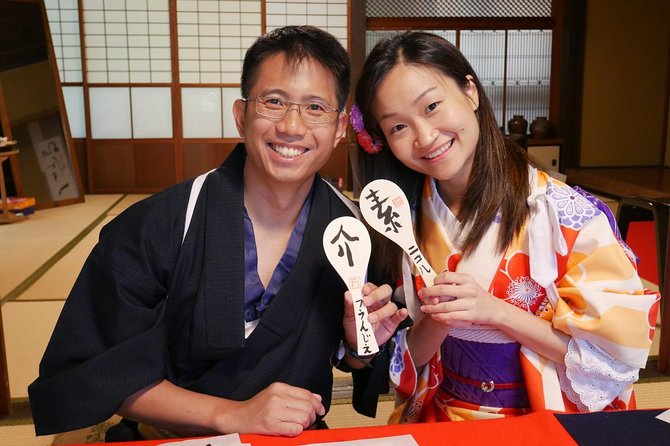
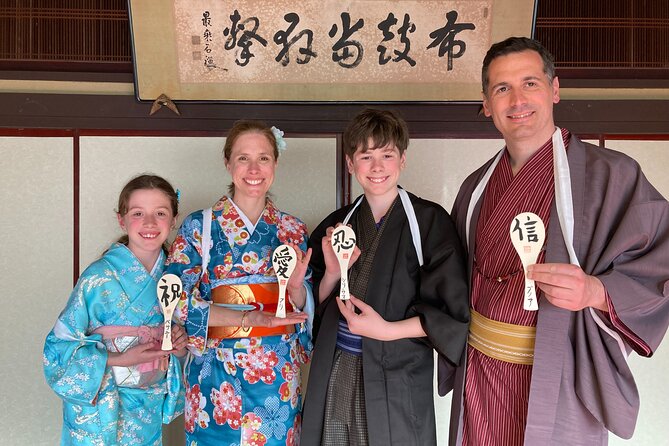
The lesson isn’t just about practice pages. You’ll create a finished keepsake. A big highlight is the personalized rice scoop for good luck. Instead of leaving with only photos, you can take home something functional and meaningful.
You practice your chosen Kanji and then write it on the wooden scoop. After that, the finishing steps matter too. You sign your art work with Japanese, and you stamp it. Even if you don’t know what the stamp means in depth, it creates that final, completed feeling, like you finished a real artifact and not a quick workshop.
You also get a container to take your artwork home safely. That’s the kind of practical detail that saves stress later, especially if you’re switching hotels or doing more island sightseeing the same day.
One more reason people love this part: it turns into a memory you can display. Your rice scoop and calligraphy are small enough to fit your life back home, but they still look like something made by hand. I’d treat it like your souvenir, not your receipt.
More Miyajima tours:
- Peaceful Hiroshima & Miyajima UNESCO 1 Day Bus Tour
★ 5.0 · 5,309 reviews - Hiroshima: Hiroshima and Miyajima UNESCO Sites 1-Day Tour
★ 4.9 · 2,330 reviews - Hiroshima / Miyajima Full-day Private Tour with Government Licensed Guide
★ 5.0 · 1,298 reviews - From Hiroshima: Hiroshima & Miyajima 1 Day Tour with Lunch
★ 4.7 · 395 reviews
Photos, Garden Moments, and Turning 1 Hour Into Real Memories
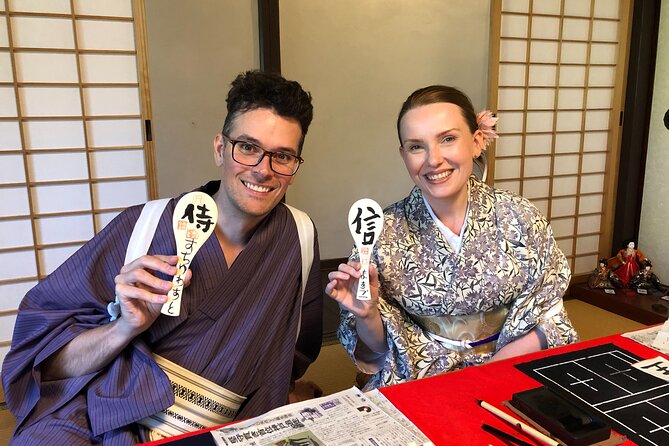
Yes, it’s a short lesson, about 1 hour. But you’ll still get a lot in that window because the workflow is tight: dress, learn, write, finish, and photograph.
During your lesson, your guide takes pictures as you work. People describe a photo shoot angle even before the writing begins, which makes sense. Kimono look best when you’re settled and posed, not while you’re rushing to start the brush practice.
You can also take photos in a Japanese garden. That’s a nice contrast to the paper-and-brush focus. It gives you something visual to balance the craft. And since you’re in a temple environment, the setting feels more grounded than a generic studio backdrop.
After the experience, there’s a picture handoff system based on a questionnaire. The idea is simple: you answer questions, and then they share the pictures with you. So plan on giving that bit of attention at the end, instead of trying to sprint back to your next ferry.
If you’re doing this while waiting for high or low tide near Itsukushima Shrine, the pace can feel perfect. You’re not stuck staring at waves, you’re making something small and personal with your hands while the island does its slow timing.
Price and Logistics: Is $84.92 Worth It?
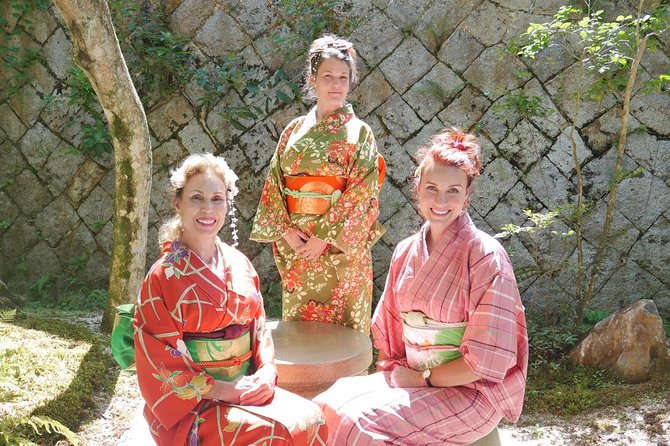
At $84.92 per person, this is not a budget-only activity. But the value comes from what’s included, and what you leave with.
Here’s what you’re paying for, in practical terms:
- Kimono dressing is included (including obi and help choosing from 100+ options).
- A calligraphy lesson with guided brush basics and Kanji practice.
- A keepsake: the personalized rice scoop for good luck, plus your finished calligraphy.
- Photos taken during the lesson and a garden photo spot.
- A small group size up to 6, which typically means more hands-on correction.
If all you wanted was a quick outfit photo, you’d likely find cheaper. If you want a real craft moment with take-home output, the price starts to make sense fast.
Timing also helps. You can pick a morning or afternoon session. That flexibility makes it easier to build a day on Miyajima without breaking your schedule. And since it uses a mobile ticket, you don’t need to deal with complicated paper. Confirmation arrives at booking, and the place is near public transportation, which is helpful on an island where time can get squeezed.
Who Should Book This, and Who Might Skip It
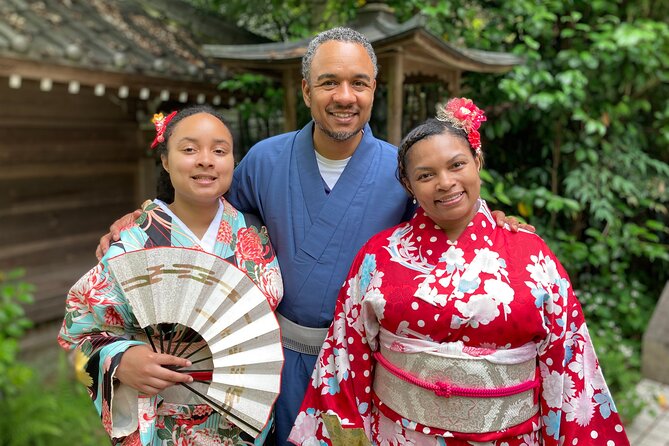
This experience fits best if you enjoy crafts, want a cultural activity beyond shrine photos, and like the idea of a take-home memory.
I’d especially recommend it for:
- Couples and families who want a shared creative moment.
- Solo travelers who like small groups and direct instruction.
- People who want something to do while waiting for Miyajima’s shrine timing.
- Anyone who wants a kimono experience that doesn’t feel like a factory line.
A small-group calligraphy class also tends to work well across skill levels. Most travelers can participate, and the minimum age is 6. Still, if you know you’re uncomfortable with dressing in traditional clothing or you have mobility concerns, consider that the lesson is hands-on and includes wearing kimono.
One more practical fit note: since it happens at a temple and involves walking to the meeting spot, it’s best when you’re not trying to cram everything back-to-back with no buffer.
FAQ
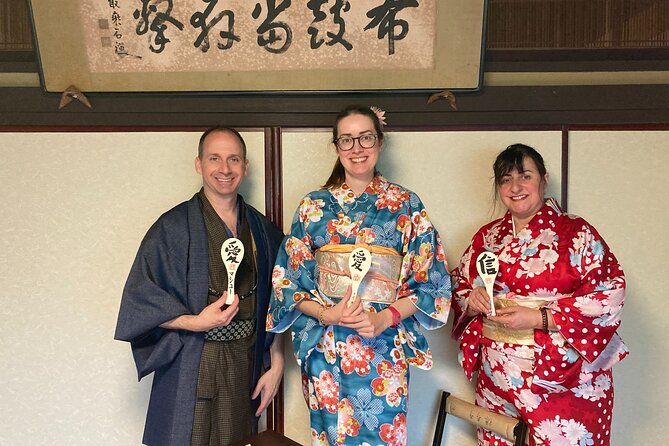
FAQ
What is included in the Miyajima kimono and calligraphy experience?
You’ll get help dressing in a kimono (including choosing from more than 100 options and wearing the obi and needed items) and then take part in a calligraphy lesson. You also take home your personalized rice scoop for good luck and your completed calligraphy artwork.
How long does the experience take?
The experience is about 1 hour.
How many people are in the group?
The activity has a maximum of 6 travelers.
Do I get to choose what I write?
Yes. You can choose a Kanji character from the samples provided, and you also practice writing your name in Japanese in Hiragana and Katakana.
Will I get my photos from the lesson?
Your guide takes pictures during the lesson. Afterward, they share the photos based on a questionnaire you answer.
What is the meeting point?
You start at 徳寿寺(曹洞宗 金光山 徳寿寺), 741-1 Miyajimachō, Hatsukaichi, Hiroshima 739-0513, Japan, and the experience ends back at the same point.
Is a mobile ticket used?
Yes, this experience uses a mobile ticket.
What happens if the weather is bad?
The experience requires good weather. If it’s canceled due to poor weather, you’ll be offered a different date or a full refund.
Is the activity suitable for children?
The minimum age is 6, and most travelers can participate.
Should You Book This in Miyajima?
If you want one thing in Miyajima that feels personal, practical, and not just photo-based, I’d book this. You get kimono dressing, a guided calligraphy lesson with brush basics, and a take-home souvenir in the form of a personalized rice scoop. The small group size is a big deal because it makes the instruction feel patient and focused.
I’d pass or at least think twice if you dislike wearing kimono or you’re trying to run a super tight schedule with zero walking buffer. The meeting point is at a temple, so you’ll want comfortable shoes and a little extra time.
Overall, it’s a strong choice when you’re aiming for a quieter, more hands-on Miyajima moment, not just another stop in the busiest areas.
Fresh options around Hiroshima
- Hiroshima Peace Memorial Park: A Guided Tour★ 4.9 · 16 reviews
- History of Hiroshima: Small Group Night Walking Tour★ 4.8 · 17 reviews
- Okunoshima Rabbit Island Cycling Tour with Local Guide★ 4.5 · 17 reviews
- Shore Excursion from Hiroshima Port : Private Tour in Hiroshima★ 5.0 · 17 reviews
- Mitaki Peace Tour Beyond Central Hiroshima★ 5.0 · 18 reviews
- Hiroshima and Miyajima Full Day Private Tour★ 4.5 · 19 reviews
- 4 Hour Miyajima PRIVATE Tour★ 5.0 · 19 reviews
- Hiroshima Private Walking Tour with a Local★ 4.5 · 19 reviews
Miyajima Tours, compared.
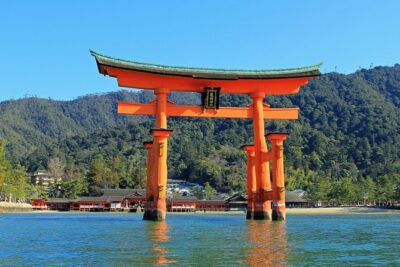
Peaceful Hiroshima & Miyajima UNESCO 1 Day Bus Tour
Read our review →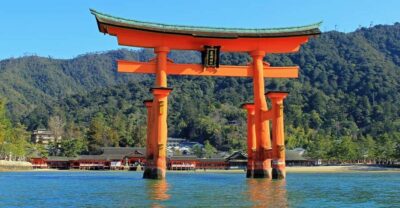
Hiroshima and Miyajima UNESCO Sites 1-Day Tour
Read our review →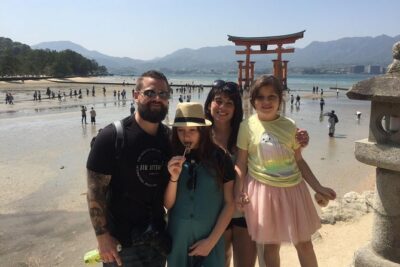
Hiroshima / Miyajima Full-day Private Tour with Government Licensed Guide
Read our review →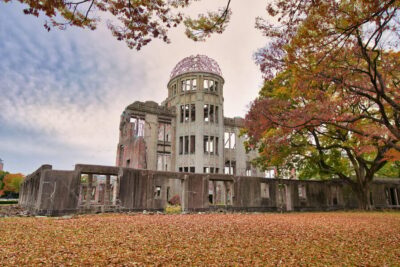
Osaka/Kyoto: Hiroshima Miyajima Bus Tour & Shinkansen Ticket
Read our review →
Hiroshima and Miyajima Day Trip with Itsukushima Shrine & Ferry
Read our review →
Full Day Hiroshima and Miyajima Bus Tour from Hiroshima
Read our review →
Miyajima Peace Memorial Icons of Peace and Beauty
Read our review →Browse the lists this tour appears in