
Reviewed · MIYAJIMA TOURS
Hiroshima: Miyajima Peace Memorial Icons of Peace and Beauty
Peace has a sound here. Then the sea shrine shows up. This 8-hour trip connects Hiroshima’s Peace Memorial icons with Miyajima’s Itsukushima Shrine, reached by public transport and a scenic ferry. It’s a day that moves from weighty reflection to calm island beauty.
I love how the day is paced so you can actually absorb each place, not just rush past it. Seeing the Atomic Bomb Dome and the Peace Memorial Museum in sequence makes the story click fast. I also like that you’re not left to figure out trains and tickets on your own, especially with guides like Ken keeping the flow tight and efficient.
One drawback to plan around: expect a good amount of walking, and some stretches can feel like a lot if you have mobility limits or stamina concerns. Comfortable shoes matter more than you think.
Key things you should know before you go
- Ken’s organization helps you keep time while still having space to look, read, and reflect
- Peace Memorial Park to Museum is set up in a way that builds context without feeling chaotic
- Ferry + shrine timing makes the Miyajima side feel like a real change of pace, not a repeat
- Itsukushima Shrine can look different with the tide (the floating effect is tied to high tide)
- You get free time on Miyajima for tea houses and crafts, not just photo stops
- Lunch is not included, but the tour includes time to find something convenient on the island
Hiroshima first, then Miyajima, for the full emotional arc
This tour works because it follows a logical rhythm. You start in Hiroshima with the sights that carry the city’s memory, then you head to Miyajima where Japan shows a different face: sacred architecture, island air, and small shops. That contrast is not an accident. It helps your brain hold both parts of the day at the same time, without one flattening the other.
The best part is that you are guided through meaning, not just location. You see the Atomic Bomb Dome, then you move to the cenotaph area and the museum where the details make more sense. Later, the shrine becomes more than a postcard. It turns into a symbol you can understand with new context, after the morning’s seriousness.
More Miyajima tours:
- Peaceful Hiroshima & Miyajima UNESCO 1 Day Bus Tour
★ 5.0 · 5,309 reviews - Hiroshima: Hiroshima and Miyajima UNESCO Sites 1-Day Tour
★ 4.9 · 2,330 reviews - Hiroshima / Miyajima Full-day Private Tour with Government Licensed Guide
★ 5.0 · 1,298 reviews
Start at the 7-Eleven, then glide into Hiroshima Peace Memorial Park
You meet at the 7-Eleven Hiroshima Motoyasubashi East Store, right outside the Peace Memorial Park. That meeting setup is practical because you’re not fighting transfers before the day even starts. Once you gather, you head into the park for a guided introduction and time on the grounds.
The Hiroshima Peace Memorial Park is not a quick walk-through. It’s a designed space for remembrance: greenery and water, with monuments that ask you to slow down. The tour route focuses on the big, meaningful markers, so you know what you’re looking at instead of guessing.
Plan to give yourself a little mental space here. People often come expecting tears, but the better goal is attention. Even if you do not feel overwhelmed, the park nudges you to look closely at names, structures, and symbolism.
Atomic Bomb Dome timing, and why that sequence matters
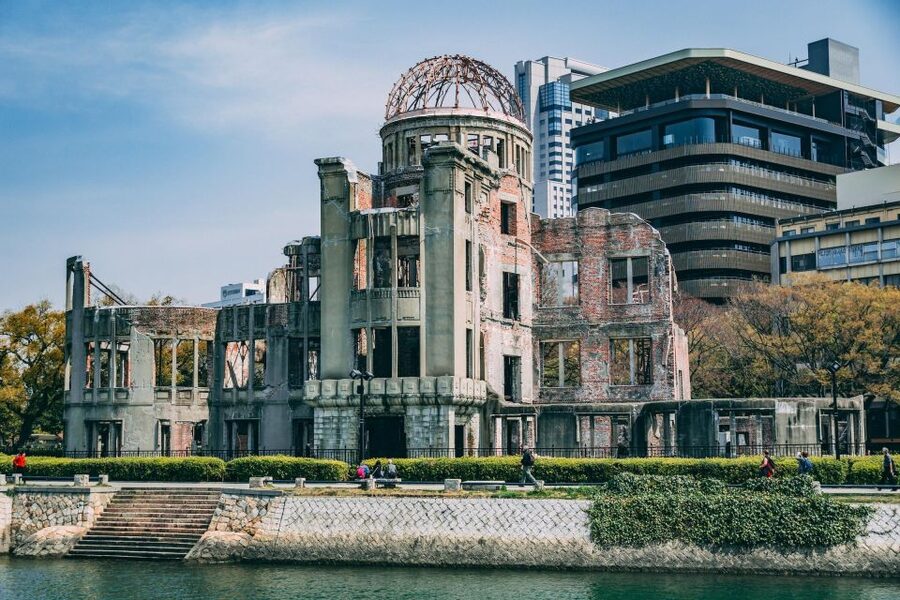
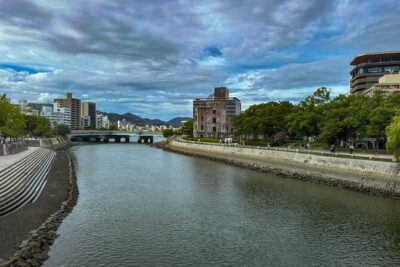
After a guided stop in the park, the tour moves you to the Atomic Bomb Dome. This is the one site everyone knows, because it’s the visible shape of an invisible event. It being a UNESCO World Heritage site matters, but what you really feel is how it remains, even after everything around it changed.
What makes this stop valuable is the order. You first hear the context in the park area, then you see the Dome, then you go into the museum. Your brain builds the timeline step by step instead of piling facts on top of a single building.
From a logistics standpoint, a guided plan also helps with how crowded it can get. In recent days, guides like Ken have been praised for keeping the day organized and avoiding unnecessary waiting.
Hiroshima Peace Memorial Museum: the part you will think about later
The museum is where the morning stops being general and becomes specific. You get about an hour here with guided direction, so you are not staring at exhibits wondering what matters most.
I like that the tour treats the museum as a serious moment, not a rushed checkmark. The museum is where you get the background you need to understand what the memorial sites represent, including the atomic bombings of Hiroshima and Nagasaki. Even if you already read about the subject before arriving, seeing it in this physical, curated setting usually changes how you hold it.
One consideration: if you prefer to read every placard slowly, an hour can feel quick. A few people noted they wished there was more time inside. Still, the guided approach helps you focus on the most important sections without you having to make all the decisions in your head.
A few more Hiroshima days worth comparing
- Hiroshima Historical Walking Tour – Why A-Bomb was Dropped
★ 4.8 · 893 reviews - Hiroshima Peace (Heiwa) Walking Tour at World Heritage Sites
★ 5.0 · 872 reviews - Hiroshima in a Nutshell: Morning Bike Adventure
★ 5.0 · 524 reviews - Hiroshima City 4hr Private Walking Tour with Licensed Guide
★ 5.0 · 437 reviews
Cenotaph, paper cranes, and the Flame of Peace
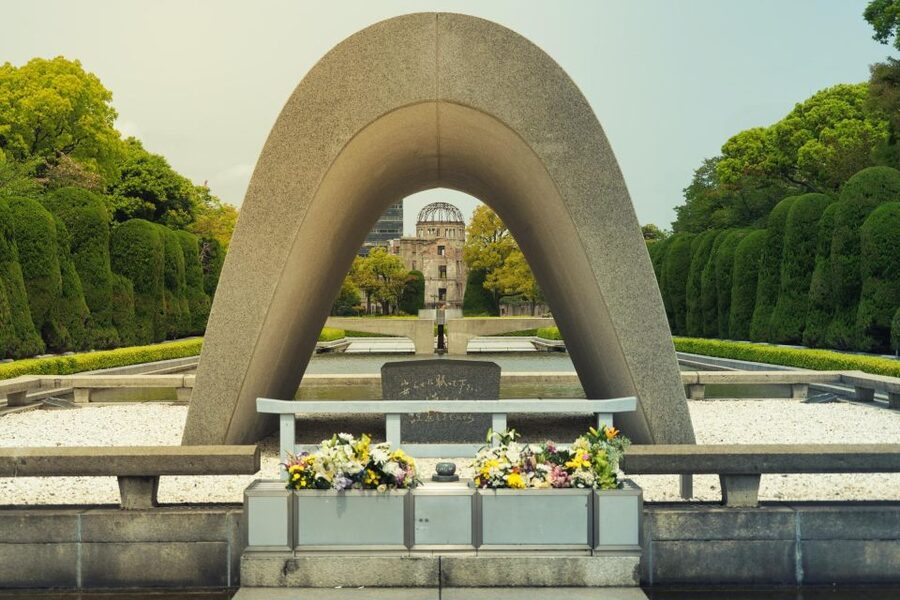
In the park area, the tour highlights the Cenotaph for A-bomb Victims and the surrounding symbolism like the paper cranes. You also see the Flame of Peace.
These details can feel small compared with the Dome, but that’s why I like them. The cranes and the flame are not history trivia. They are the human side of the memorial: the idea of ongoing effort and a wish for a world without nuclear weapons. You leave the park with something more than images. You leave with a message.
Moving through Hiroshima with a guide like Ken
A strong guide can turn a good day into a smooth one. In the feedback, Ken stands out again and again for planning, timing, and clear explanations. People describe his English as strong, and they mention that he answers questions before they pile up.
I also like the human touch. Several comments mention conversations that go beyond monuments, including culture and life in Japan. That matters because Hiroshima can feel heavy if the day is only facts. A guide who balances respect with warmth helps the experience land gently, even while staying serious.
If you want the tour to feel easy, pick the language you’re most comfortable with. The tour runs in English and Spanish, with a live guide.
Ferry ride to Miyajima: a real shift in pace

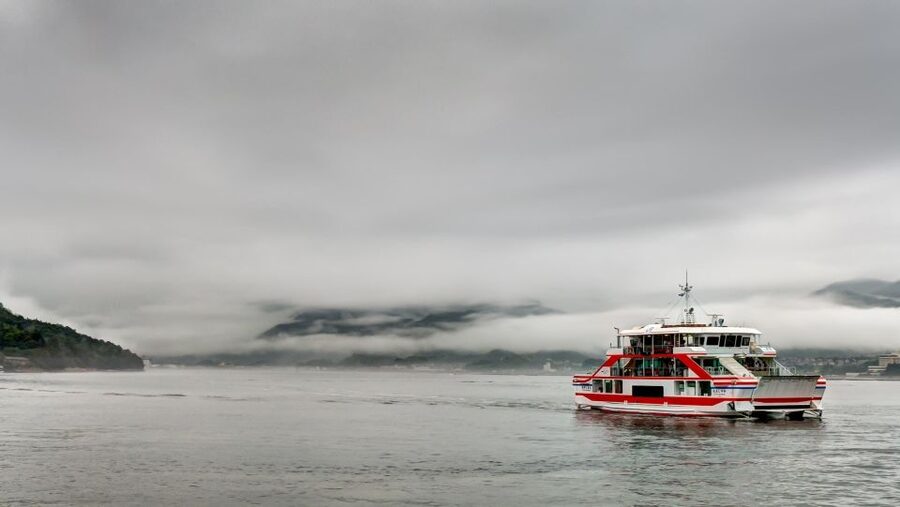
After the Hiroshima portion, you get a ferry segment. The tour also includes public transportation fares, so you’re not buying tickets midstream while tired. The ferry itself acts like a reset button. You transition from memorial spaces into a world of sea views and island streets.
This is one of those details that makes the tour feel complete. Without the ferry, the day can feel like only sightseeing. With it, you get a sense of travel, not just movement.
Miyajima island: tea houses, crafts, and the best kind of free time
Once you arrive on Miyajima, you start with guided exploration and then you get lunch time and additional walking plus an hour of free time.
Miyajima is especially good for casual wandering. Expect tea houses and handicrafts, plus small shops with souvenirs that are more local than generic. Even if you only pop into a couple of places, you’ll feel the island vibe.
During your free time, you can sample momiji manju, the maple-leaf-shaped cake often sold with sweet or savory fillings. It’s a simple snack, but it also gives you something edible to do while you browse.
If you care about food options, ask your guide what to look for. One review mentioned the guide handled a vegan lunch option, which shows this team thinks about practical needs even though lunch isn’t included in the price.
Itsukushima Shrine: floating-at-high-tide drama, plus real quiet
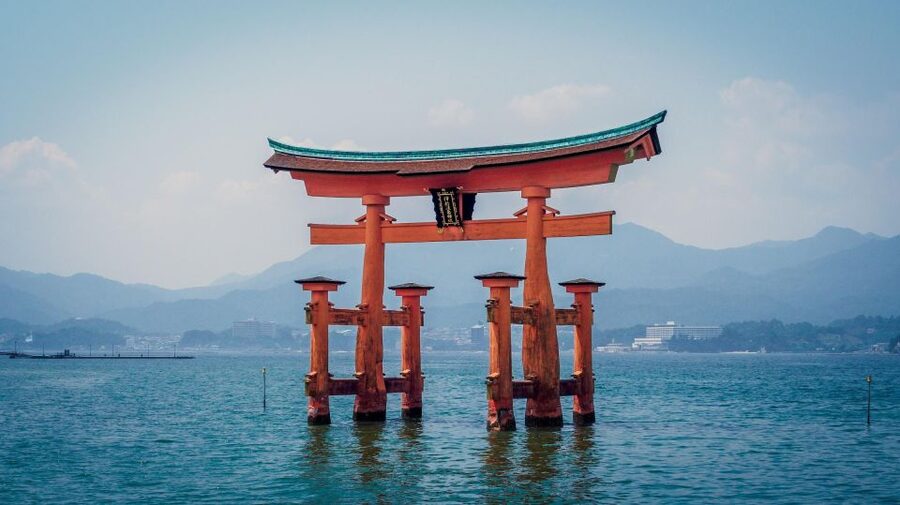
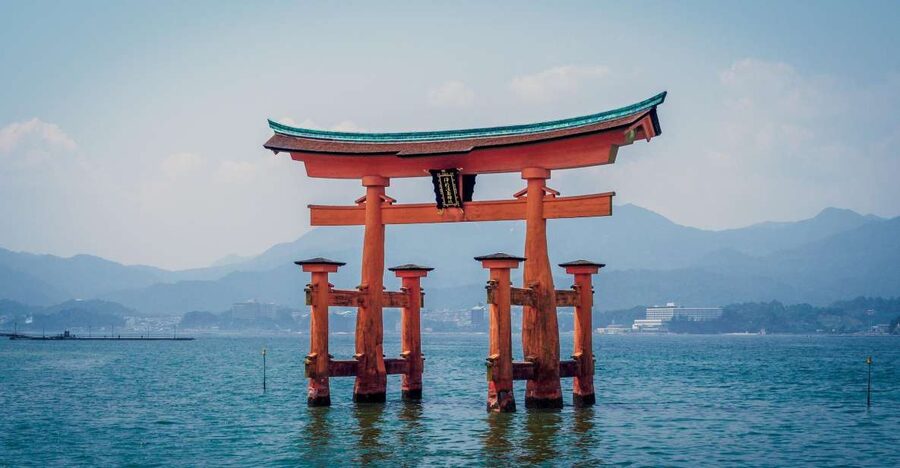
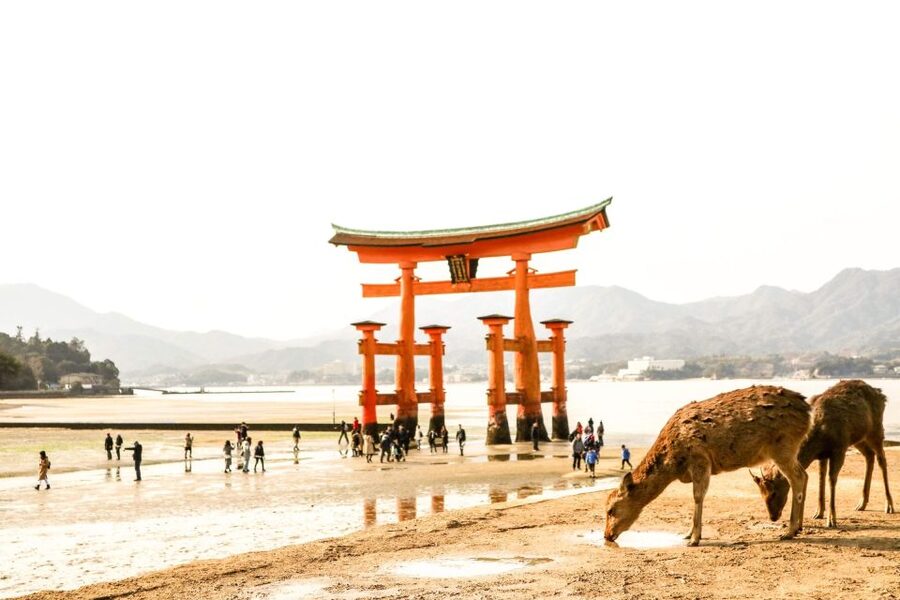
The Itsukushima Shrine is the star attraction on Miyajima. It sits at the edge of the Seto Inland Sea, and at high tide the shrine can appear to float. That effect is part of what makes this place memorable. It’s also why timing matters on the day.
The tour includes about 45 minutes for this guided shrine visit. That’s enough time to understand what you’re seeing, then step back and just watch the water and architecture relationship.
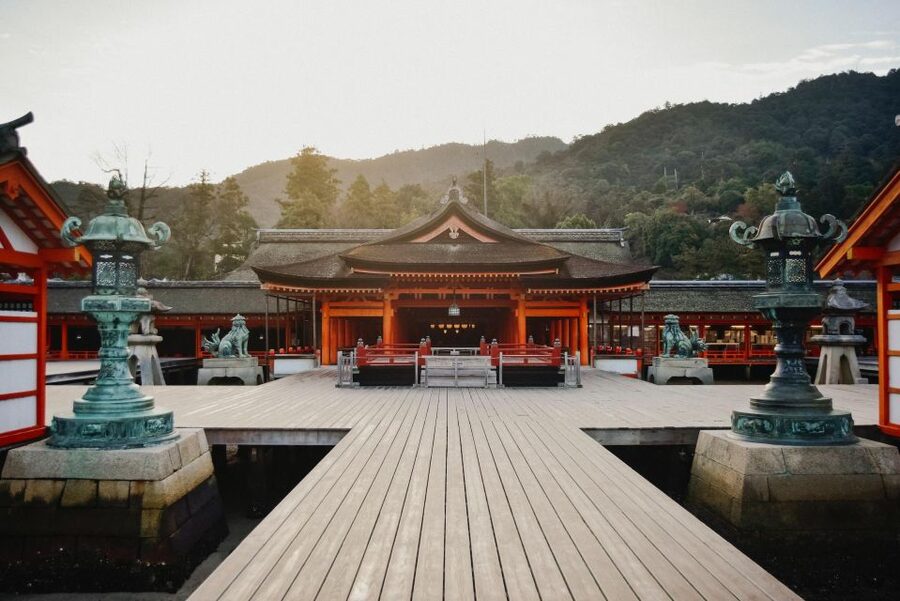
You’ll notice the shrine details: precision work, devotion in the design, and traditional spaces like tatami interiors inside buildings such as Tenshinkaku. If you like Japanese aesthetics, this is where it clicks.
Senjokaku Pavilion: spiritual scale beyond the postcard
Next you go to Senjokaku Pavilion, also known as the Pavilion of Heavenly Spirits. The tour gives around 45 minutes here, which is helpful because this stop feels different from a compact shrine photo spot. It’s more about scale and atmosphere.
This is a good place to slow down and look for patterns, materials, and how people move through the site. With your morning already focused on peace symbolism, the spiritual tone here lands in a different way than if you visited Miyajima alone and only chased views.
Lunch on Miyajima: plan for 45 minutes
Lunch is scheduled for about 45 minutes. The price you pay includes the guide, transport, and entrance fees, but lunch itself is not included. That means you’ll choose your own meal.
If you have dietary needs, this is the moment to ask your guide for recommendations before you split off. People in the feedback noted the guide provided restaurant help and even managed different dietary requests, which is not something you can count on with every tour.
Getting back to Hiroshima Station
After Miyajima, you take the ferry back to central Hiroshima. Then the tour finishes at Hiroshima Station. This is convenient because it gives you an easy handoff for onward travel, and you don’t end the day stuck figuring out the last leg.
Also, staying with the group for the return is a stress reducer. When you’re tired from a reflective morning and a full afternoon walk, having someone manage the route keeps the day from turning into a scramble.
Price and value: why $163 can make sense here
At $163 per person, this tour costs more than a do-it-yourself day, but it’s not random pricing. You’re paying for a guide, public transport fares (tram and ferry), and entrance fees for the Peace Memorial Park and Itsukushima Shrine.
For Hiroshima in particular, the guide value is big. You’re visiting emotionally intense places, and it helps to know what you’re looking at and why each marker exists. Also, a good guide speeds up practical things, like lines and ticket handling, so you spend less time waiting and more time absorbing.
For Miyajima, the value is the combo of logistics plus meaning. The shrine and pavilion are beautiful, but the guided interpretation keeps you from just collecting photos. If you want both, this price starts to feel fair.
If you’re traveling solo, there is a note to know: the tour aims not to charge a solo supplement unless a minimum group size isn’t met. If that happens, you may be offered an alternate date, a 16,000 yen solo supplement, or a full refund. That flexibility matters for planning.
Who this tour is perfect for
This is a strong fit if you want:
- A focused Hiroshima visit without guessing your way through memorial sites
- A meaningful museum stop with guidance, not a self-guided scramble
- Miyajima plus the ferry experience, with time to actually browse
- A small group feel (private or small groups are available), which helps questions and pacing
It’s also a good choice if you like clear organization. Many comments highlight how guides kept everything on time and made the day feel manageable.
Should you book this tour?
If you’re the type who wants your day to feel guided but not rushed, I think you should book it. Hiroshima sites benefit from explanation, and Miyajima is more fun when you understand what you’re seeing beyond the obvious views.
Skip it only if you know you cannot handle long walking days. This route includes plenty of ground to cover across both locations. If mobility is a concern, wear the most supportive shoes you own and consider building in extra rest time elsewhere in your trip.
Overall, this is one of those Japan days where the logistics help you focus on what matters. The result is a visit that feels both respectful and beautiful, with a guide who keeps the day smooth and the meaning clear.
FAQ
Where do we meet, and where does the tour end?
You meet at the 7-Eleven Hiroshima Motoyasubashi East Store, directly outside the Peace Memorial Park. The tour finishes at Hiroshima Station.
What is included in the price?
The tour includes a guide, public transportation fares (tram and ferry), entrance fees to the Peace Memorial Park and Itsukushima Shrine, plus free time for personal exploration.
Is lunch included?
No. Lunch is not included, but the itinerary includes a lunch time slot on Miyajima.
How long is the tour, and what’s the overall schedule?
The duration is 8 hours. The day covers Hiroshima Peace Memorial Park, the Atomic Bomb Dome, the Peace Memorial Museum, transport to Miyajima by ferry, visits around Itsukushima Shrine and Senjokaku Pavilion, plus time for lunch and free exploration.
What languages are available for the guide?
The live tour guide is available in English and Spanish.
What should I bring?
Comfortable shoes are recommended, since you will do a fair amount of walking during both the Hiroshima and Miyajima parts of the day.
Fresh options around Hiroshima
- The Peace Memorial and Beyond: A Half-Day around Hiroshima★ 4.9 · 12 reviews
- Hiroshima Saijo Sake Tasting Tour with visit to 3 Breweries★ 5.0 · 12 reviews
- Private Hiroshima Calligraphy: Create Your Own Kanji Art Souvenir★ 5.0 · 12 reviews
- Hiroshima:Private lacquer workshop experience tour(gift included)★ 5.0 · 13 reviews
- Sunset Walking Tour at Peace Park, Hiroshima★ 5.0 · 13 reviews
- Kimono and Calligraphy Experience in Miyajima★ 5.0 · 16 reviews
- Hiroshima Peace Memorial Park: A Guided Tour★ 4.9 · 16 reviews
- History of Hiroshima: Small Group Night Walking Tour★ 4.8 · 17 reviews
Miyajima Tours, compared.
Peaceful Hiroshima & Miyajima UNESCO 1 Day Bus Tour
Read our review →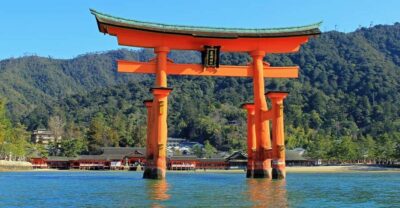
Hiroshima and Miyajima UNESCO Sites 1-Day Tour
Read our review →
Hiroshima / Miyajima Full-day Private Tour with Government Licensed Guide
Read our review →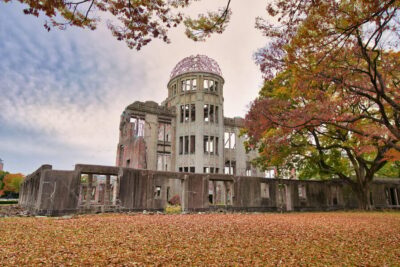
Osaka/Kyoto: Hiroshima Miyajima Bus Tour & Shinkansen Ticket
Read our review →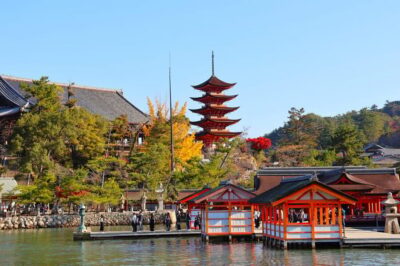
Hiroshima and Miyajima Day Trip with Itsukushima Shrine & Ferry
Read our review →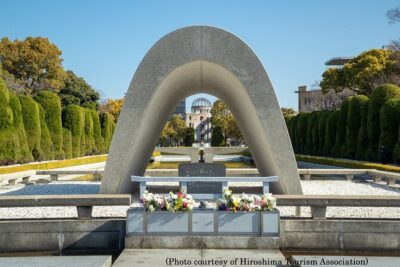
Full Day Hiroshima and Miyajima Bus Tour from Hiroshima
Read our review →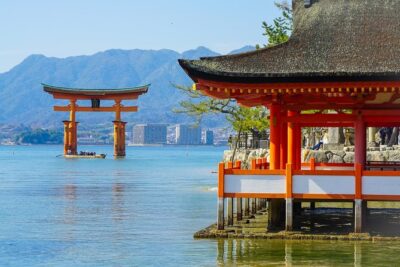
Miyajima Half-day Trip Historical Walking Tour
Read our review →Browse the lists this tour appears in