
Sake tasting, quick and surprisingly smart. In Saijo, one of Japan’s top sake regions, this small-group walk lets you hear the story of each brewery and sample what they do best, all within about 90 minutes, right near Saijo Station. I love how the guide keeps the explanations practical, and I love that you get 5 different tastings across three breweries instead of just one “starter pour.”
One catch: this is a tasting-only experience. You will not be able to observe the brewing process or see the brewery in action, so plan your expectations accordingly.
Key Points You Should Know Before You Go
- A tight 90-minute route through Saijo’s brewery zone, covering three breweries on foot.
- 5 different sake tastings across daiginjo, junmai, and a plum wine style option.
- An English guide who explains what changes between styles, without drowning you in jargon.
- A Kamotsuru video stop that gives you a simple way to understand sake making before you taste.
- Winter-friendly warm pours during the season at Fukubijin (when offered).
- Small group size with a maximum of 10 people, so questions stay easy to ask.
Saijo Sake Culture, Condensed to 90 Minutes
Saijo is one of Japan’s three major sake-producing regions, and the beer-and-sake vibe here is built into the layout. Seven breweries sit within walking distance of Saijo Station, so you can sample without taking a bus and without spending your whole day moving between places. This tour taps three of those seven breweries and does it fast, which matters because you want time to taste, learn, and still enjoy the rest of Hiroshima area.
The big win is that you taste your way through the differences. You are not just drinking whatever gets poured. You hear how each brewery approaches brewing, then you sample styles that fit their identity, including more premium categories like daiginjo-type. That means you come away with at least a mental map of what you actually like, whether you lean fruity and polished or prefer something fuller and steadier.
I also like that the pace fits real life. Each stop is short, you move on, and you keep the focus on what you came for, sake samples plus clear explanations. At 1 hour 30 minutes total, it is easy to fit into a day with other Hiroshima plans.
There is one practical note you should respect: it is designed as a tasting tour, not a behind-the-scenes brewery visit. If your must-see list includes tanks, steaming, and the full production line, you will need a different type of experience.
More Food Tours in Hiroshima
- Hiroshima Izakaya Food and Drink Night Tour
★ 5.0 · 297 reviews - Hiroshima: Food and Culture Guided Walking Tour with Dinner
★ 4.9 · 212 reviews - Hiroshima Saijo Sake Tasting Tour with visit to 7 Breweries
★ 5.0 · 104 reviews
Getting Started at Saijo Station and Keeping the Day Smooth
You start at Saijo Station area, meeting at the Tourist Information Center right outside the ticketing gates. The scheduled start time is 10:30 am, and the tour returns to the meeting point at the end. The operator also notes that the order of breweries can change based on how many groups are on the day, so don’t treat the schedule like a rigid script.
The tour runs with an English guide, and the group size caps at 10 people. That small number is meaningful. In a bigger group, tasting can feel like a conveyor belt. Here, you can usually ask quick questions, and the guide can steer attention toward what to notice during each pour.
You will also be drinking within the rules. Japan’s legal drinking age is 20, and participants under 20, including infants, are not allowed to join. Even if you choose not to drink alcohol, the tour price remains the same, so think of it as an educational tasting route plus samples.
Another helpful detail: you get a mobile ticket. That usually means less fuss at check-in, especially if you are already juggling transit times and a suitcase full of day plans.
Stop 1: Kamotsuru Sake Brewery and the Ginjo-First Taste
Kamotsuru is the pioneer in ginjo sake brewing, and that focus shows up early in the tour. At this stop, you get a short video, about 10 minutes, that introduces sake making and ties into the tasting you will do afterward. This is a smart move. You taste better when you know what each brewery is trying to highlight.
During the tasting session at Kamotsuru, you try a daiginjo-type sake called Daiginjo Gold Kamotsuru. Even if you are new to sake, daiginjo-type generally points you toward a lighter, more refined profile compared to some more basic styles. The guide’s job here is to help you connect the sensory experience to what the brewery is doing and why it matters.
What I like about this stop is that it builds confidence. You get structure before the first serious tasting, which helps you keep track of what you like rather than just reacting in the moment. If you tend to forget what you tasted five minutes ago, the sequence and explanations make it easier to remember.
Possible drawback: Kamotsuru’s portion includes video time, so if you are allergic to anything that feels like a classroom, you might wish it ran strictly tastings only. Still, the video is short, and it sets you up for the later stops.
Stop 2: Fukubijin, Junmai Shu, and Warm Sake in Winter
Next is Fukubijin Sake Breweries, a name you can recognize in the Saijo world. Fukubijin was called the Saijo Brewing School and helped produce many outstanding master brewers. That kind of background matters because it hints at why the guide can talk about technique and standards here, not just branding.
The tasting focus is Fukubijin Junmai-Shu. Junmai tends to mean a more straightforward, grounded style compared to the most heavily refined categories, so it is a useful anchor point. If your palate is still figuring itself out, tasting a junmai style can help you figure out what you want next. Do you want cleaner and lighter? Or do you want fuller and more rice-forward?
There is also a seasonal twist. During winter season, you may be able to try warm sake at this stop. Warm sake can make certain styles feel softer and more aromatic, and it changes the way flavors hit your nose and tongue. If you are visiting in colder months, this is one of the few chances on the tour to experience temperature as part of the learning.
One consideration: the tour runs on weekdays sometimes, and it can be harder to find places that pour on demand. This route is structured for you to sample multiple breweries during the time they are offering tastings, which is valuable if you do not have a flexible schedule.
More sake tastings in Hiroshima:
- Hiroshima: Saijo Sake Tasting at 7 Breweries Guided Tour
★ 4.8 · 29 reviews - Kyoto Night Foodie Tour in Gion (9+ dishes + 6 Sake tastings)
★ 5.0 · 1,762 reviews - 1-Day Snow Monkeys, Zenko-ji Temple & Sake in Nagano
★ 5.0 · 1,020 reviews - 3-Hour Kyoto Insider Sake Brewery Tour with Tastings & Pairings
★ 5.0 · 917 reviews
Stop 3: Hakubotan, Founded in 1675, Plus Plum Wine Soaked in Daiginjo-shu
Hakubotan is one of the oldest sake breweries in Hiroshima Prefecture, founded in 1675. That early start gives the tasting a different flavor, because you get a sense of tradition. It also helps the guide explain why certain styles and ingredients became local favorites and stayed that way.
The tasting here includes a sake called Hiroshima Gensyu. That name is your cue to expect a specific local identity rather than just a generic category. Alongside that, you try plum wine soaked in daiginjo-shu, which is the kind of tasting many people end up remembering longest because it is a different texture and aroma universe than standard sake.
Plum wine offers fruitiness, acidity, and a sweeter finish in a way that can make it easier to enjoy even if you are not normally a sake person. For many first-time visitors, that plum element is the gateway to understanding why people love variety in Japanese drinking culture.
What you might appreciate here is how the tasting lineup covers breadth. By the end, you have likely tasted polished styles, a junmai anchor, and a plum-soaked option. That range makes it easier to leave with a clear personal preference, not just a general impression of sake.
What You Learn from the Guide During Tastings
This tour is built around a simple idea: taste first, then connect it to what you heard. The English guide explains the history of each brewery and the sake they make, and you sample brewery recommendations as you go. You end up with a quick, structured overview of sake making and how premium styles get their reputation.
From the way the tour is arranged, you can learn a practical set of ideas, even if you have never studied sake before:
- Style categories matter, not just brand names. You taste differences between daiginjo-type and junmai.
- Technique shows up in the cup, because the guide links brewing approach to the final aroma and finish.
- Temperature changes perception, since winter warm sake may appear at Fukubijin.
- Local identity is real, especially with a stop focused on Hiroshima-specific sake like Hiroshima Gensyu.
- Fruit pairings have a place, since plum wine soaked in daiginjo-shu gives you contrast.
I like that the explanations aim to be concise but still in-depth enough to be useful. The guide does not just talk at you. The tasting gives you a reason to listen, and the tasting is not random either. Each brewery stop supports a category or signature ingredient so you learn by experience.
If you are a “read the menu after you order” person, you are going to love this format. The tour does the confusing part for you, and then lets you taste your answers.
Price and Value: What You Pay for at $35.93
At $35.93 per person, this is not a freebie, but it also does not pretend to be a full-day brewery tour. For the price, you get an English guide and 5 different types of sake tasting across three breweries in about 90 minutes.
Here is where the value clicks:
- Three breweries is the sweet spot for a short format. It is enough variety to matter, without turning your day into a marathon.
- 5 tastings give you real comparison, not one token sample per stop.
- The guide’s explanations help you understand what you are tasting, so it is not just drinking for drinking’s sake.
- Weekday compatibility is part of the advantage. Some breweries may not offer tastings on weekdays, so having a route that includes active tasting stops saves you from schedule disappointment.
The one cost-side consideration is that some stops list admission as not included. Your tasting experience is still the core, but if a room requires an extra ticket for entry to a specific area, you may need to cover that on site. The tour fee itself is clear about what is included, so treat it as a guided tasting package, with potential small extras depending on the brewery room setup that day.
If you are choosing between this tour and wandering Saijo on your own, I would lean toward the guided option. You get the language support, the category explanations, and the tasting selection rhythm, which is what makes this more than just a self-guided bar crawl.
Who This Tour Fits Best
This tour is perfect for you if you want a fast, friendly introduction to sake in a place where sake is serious business. It also fits well if you like structured sightseeing, where each stop has a purpose and you can tell the difference between what you sampled.
You will probably enjoy it if:
- You are a first-timer who wants help understanding daiginjo, junmai, and related categories.
- You enjoy guided walking tours and do not mind short stops.
- You like variety, especially if plum wine is on your list of tastes to try.
- You want a small group setting, max 10 people, where questions are possible.
You might reconsider if:
- You are coming mainly to watch brewing. This is not that type of tour.
- You need long downtime between tastings. The schedule moves you along.
Also, if you want Spanish language support, Spanish-speaking guides can be arranged if you ask in advance. That is a big plus if you do not want to rely on your own Japanese skills.
Quick Reality Checks Before You Commit
Let’s remove any surprises. This is a tasting tour, not a brewing process visit. You will not observe brewing equipment or steps inside the breweries.
You also need to plan around the alcohol rule. The legal drinking age is 20, and the tour does not allow participants under 20, including infants. And even if you decide not to drink, the tour fee stays the same, since the value is really the guided tastings and explanations.
Timing matters too. You should aim to arrive on time, because being more than 15 minutes late of the tour start time is treated as a cancellation with no refund.
Finally, the order of the brewery stops can change depending on the number of groups. That is normal for this kind of operation, and it does not affect the core idea: three brewery tastings, guided by an English speaker, with 5 different samples.
Should You Book This Hiroshima Saijo Sake Tasting Tour?
My take: book it if you want an efficient, guided way to understand sake while tasting multiple styles in one morning. The combination of three breweries in walking distance, a structured English explanation, and 5 distinct pours makes this good value for the time you spend.
Skip it only if your top goal is watching brewing, because you will not see that here. If you are happy to trade brewing tanks for tasting comparisons and clear explanations, this is a strong match for Saijo.
If you book, show up curious and a little patient with the short stops. You will leave with a better sense of what you actually like, and you will be able to order sake later without guessing.
FAQ
What is the duration of the Hiroshima Saijo sake tasting tour?
The tour lasts about 1 hour 30 minutes.
How much does the tour cost?
The price is $35.93 per person.
Where is the meeting point?
You meet at the Tourist Information Center at Saijo Station, located right outside the ticketing gate. The start point is listed as Higashihiroshimashi Information Centre, 12-3 Saijōhonmachi, Higashihiroshima.
What time does the tour start?
The start time is 10:30 am.
Are the tastings included?
Yes. The tour includes an English guide and alcoholic beverages in 5 different types of sake tasting.
Which breweries are visited?
The tour includes Kamotsuru Sake Brewery, Fukubijin Sake Breweries, and Hakubotan Brewery.
Can I watch the sake brewing process?
No. This is a tasting tour, and you will not be able to observe the sake brewing process.
What language guides are available?
The tour is offered with an English guide, and Spanish-speaking guides can also be arranged if you inquire in advance.
What are the age rules for joining?
Japan’s legal drinking age is 20. Participants under 20, including infants, are not allowed to join.
What if I’m late?
If you are more than 15 minutes late of the tour start time, it is treated as a cancellation and the amount you paid will not be refunded.
Is free cancellation available?
Yes, you can cancel up to 24 hours in advance for a full refund. If you cancel less than 24 hours before the experience start time, the amount you paid will not be refunded.
More Drinking Tours in Hiroshima
- Tokyo Bar Hopping Tour in Shinjuku (All-You-Can-Drink + Dinner)
★ 5.0 · 3,587 reviews - Best of Shinjuku: Izakaya Food Tour (4 Stops, 14+ Tastings)
★ 5.0 · 1,863 reviews - Tokyo: Shinjuku Local Bar and Izakaya Guided Walking Tour
★ 4.9 · 1,794 reviews - Shibuya Meltdown Nightlife Tour: All-You-Can-Drink Bar Hopping
★ 5.0 · 1,058 reviews
Fresh options around Hiroshima
- The Peace Memorial and Beyond: A Half-Day around Hiroshima★ 4.9 · 12 reviews
- Private Hiroshima Calligraphy: Create Your Own Kanji Art Souvenir★ 5.0 · 12 reviews
- Hiroshima:Private lacquer workshop experience tour(gift included)★ 5.0 · 13 reviews
- Sunset Walking Tour at Peace Park, Hiroshima★ 5.0 · 13 reviews
- Kimono and Calligraphy Experience in Miyajima★ 5.0 · 16 reviews
- Hiroshima Peace Memorial Park: A Guided Tour★ 4.9 · 16 reviews
- History of Hiroshima: Small Group Night Walking Tour★ 4.8 · 17 reviews
- Okunoshima Rabbit Island Cycling Tour with Local Guide★ 4.5 · 17 reviews
Sake Tasting, compared.
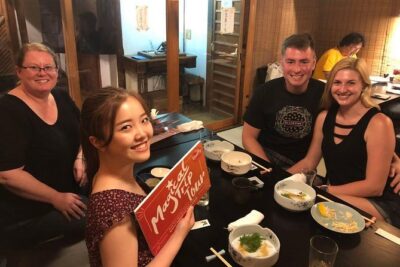
Kyoto Night Foodie Tour in Gion (9+ dishes + 6 Sake tastings)
Read our review →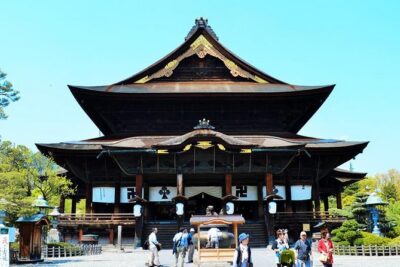
1-Day Snow Monkeys, Zenko-ji Temple & Sake in Nagano
Read our review →
3-Hour Kyoto Insider Sake Brewery Tour with Tastings & Pairings
Read our review →
Arashiyama Bamboo, Temple, Monkeys, or Secret Sake Brewery
Read our review →
Nagano: Snow Monkeys, Zenkoji Temple & Sake Day Trip
Read our review →
Insider Sake Brewery Tour with Sake and Food Pairing
Read our review →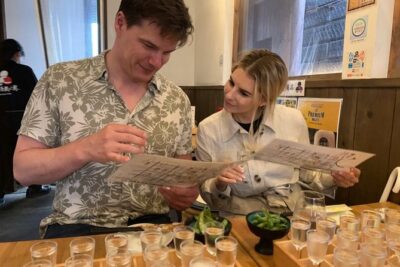
1.5-Hour Kyoto Insider Sake Experience with 7 Tastings & Pairings
Read our review →Browse the lists this tour appears in