
Reviewed · FOOD & DRINK
Hiroshima: Food and Culture Guided Walking Tour with Dinner
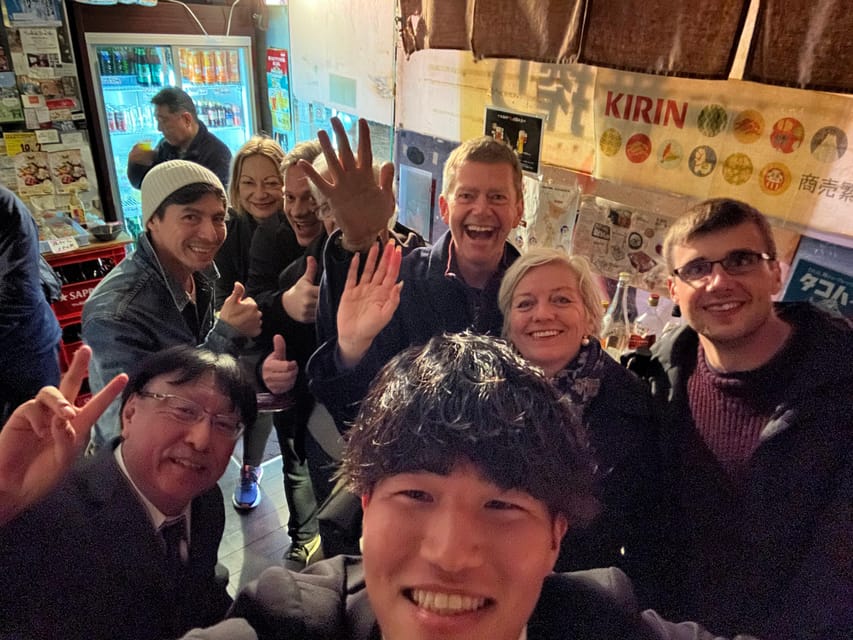
Hiroshima at night tastes better with a guide. This 3-hour food-and-culture walk strings together quick stops at local tachinomi-style places, so you eat your way through Hiroshima without slowing the evening down. I love the mix of stand-up, social counters plus quick food rounds, and I love how the guide keeps the night feeling local, not staged.
You also get real variety: at least ten dishes across three restaurants, plus three drinks you can choose at each stop. One potential drawback is that you will spend real time standing and moving, so if you want a slow, sit-down meal with no crowds, this may not be your style.
One last thing to consider before you book: menus and routes can shift with season and restaurant availability, and extra drinks beyond the included first one at each stop usually cost around 500 yen each.
Key highlights you should care about
- Three tachinomi-style restaurants with quick rounds, usually under 30 minutes per stop
- 10+ dishes over the night, often reported closer to 15 in the best cases
- Three included drinks (alcohol or non-alcohol), chosen by you at each restaurant
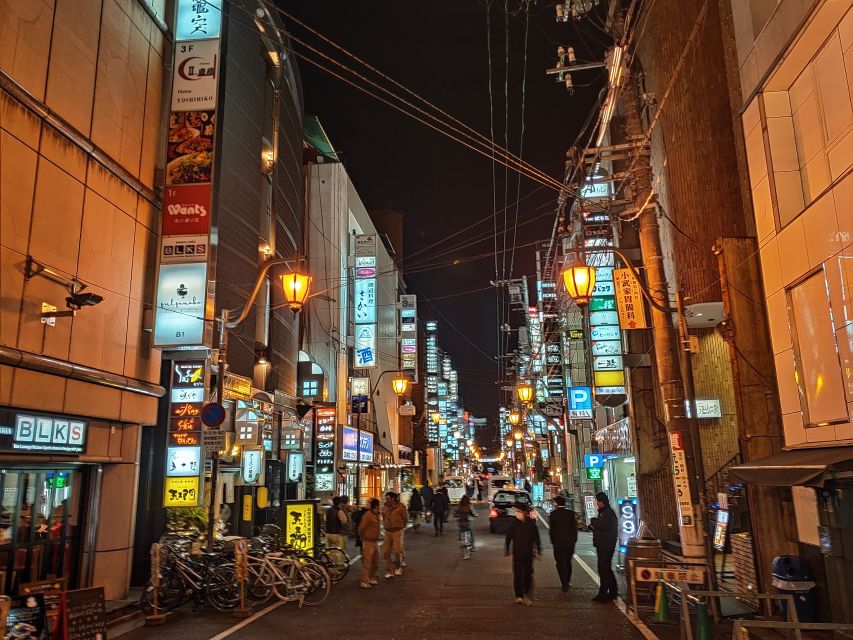
- Hondori Shopping Street and Nagarekawa Dori at night, guided and easy to follow
- Guides like Ken, Kensuke, and Alex have a strong track record for friendly hosting and helpful ordering
A Hiroshima night built for small plates and fast friends
This tour is designed for how Japanese nights often work: short stops, lots of sharing, and small plates that let you try more than you could ever order solo. You are not stuck in one restaurant for hours. Instead, you hop between spots where locals actually hang out, the kind of places you might walk past without the confidence to step in.
What makes it work is the pacing. Each restaurant stop is set up to feel lively but not rushed, usually under 30 minutes, and often with a mix of standing counters and a bit of seating depending on the venue. That means you keep moving, you keep tasting, and you do not end the night feeling like you need a nap in a back alley.
The food is the main character. Expect a rotation of fresh seafood, tempura, grilled items, steamed dishes, slow-simmered plates, and other seasonal finds. Even if your comfort zone is limited, the guide will push you just enough to be interesting, without turning dinner into a dare.
More Food Tours in Hiroshima
- Hiroshima Izakaya Food and Drink Night Tour
★ 5.0 · 297 reviews - Hiroshima Saijo Sake Tasting Tour with visit to 7 Breweries
★ 5.0 · 104 reviews - All-inclusive Hiroshima Nighttime Food and Cultural Immersion
★ 4.5 · 60 reviews
Starting at Don Quijote, then walking Hondori after dark
You meet right outside Don Quijote in Hiroshima’s Hachobori area. It is a practical start. Easy to spot, easy to navigate toward, and it puts you in the middle of the city’s evening energy before you even eat.
From there, the tour heads to Hondori Shopping Street for a guided walk. You get a chance to see how the entertainment and shopping districts feel after dark, without needing to translate every sign yourself. Hondori is a good “warm-up.” You get oriented, you get the vibe, and you are not yet committed to a dining decision.
Then you will keep moving toward Nagarekawa Dori, another key street for night life. The point is not just the scenery. It is how you connect the food stops to the neighborhoods locals choose when they want an easy night out. If you like understanding a place through how people actually live there, this part matters.
First restaurant stop: your stand-up intro to tachinomi culture
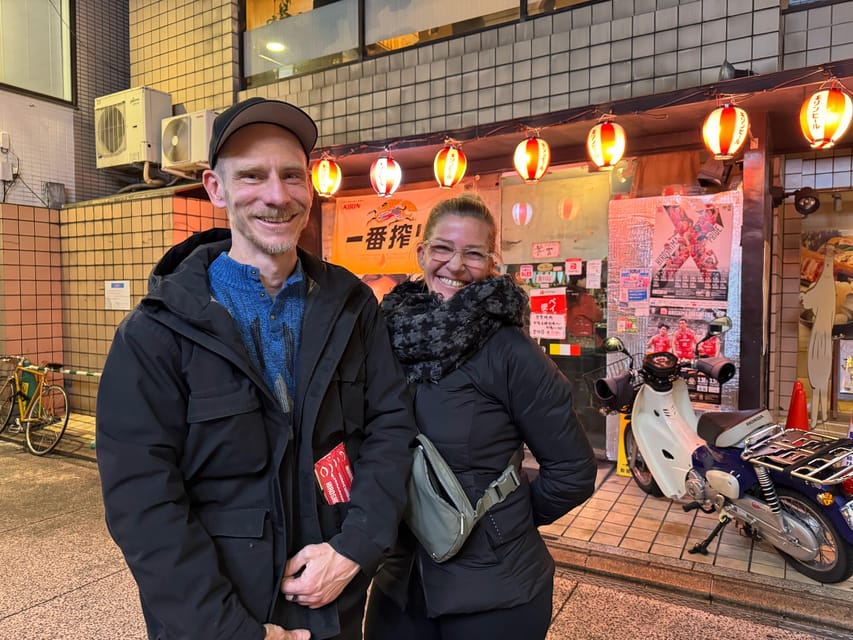
Your first tasting is at a local restaurant stop designed around tachinomi-style eating. Tachinomi basically means you stand at a counter or small table, socialize while you eat, and keep the plates coming. Usually at least one stop has some seating, but the overall vibe is casual and friendly, like everyone is sharing the same little pocket of energy.
At this stage of the night, you will already have that “I am getting it” feeling. The guide helps you order, so you do not have to guess your way through a menu while hungry and jet-lagged. And because this is a shorter stop, you get to focus on a few key bites rather than trying to read everything on the table.
Drinks are included here, with your choice of beer, cocktail, or spirits, plus non-alcoholic options if that is your preference. One practical win: your first drink is a low-stress way to start tasting without worrying about budgeting or pacing right away.
Second restaurant stop: more seafood, more texture, more reasons to keep going
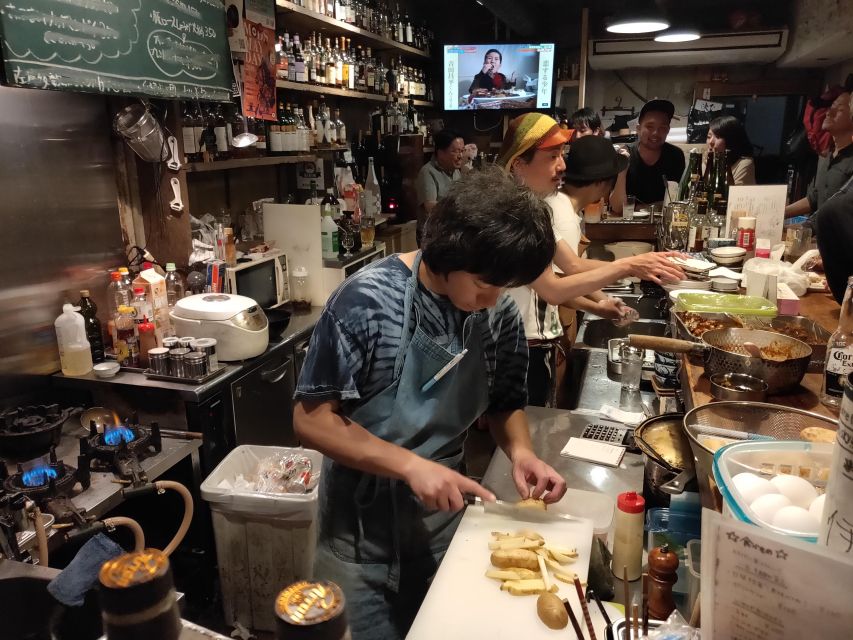
The middle stop is where the tour’s variety really shows. You are not repeating the same plates. You are shifting textures and flavors, moving through fresh seafood, tempura, grilled items, steamed plates, and slow-simmered dishes depending on what is available that night.
This is also a sweet spot for picky eaters to loosen up a bit. If you keep thinking, I only want the foods I recognize, you might accidentally miss the best bites of the night. The guide’s job is to nudge you toward things that fit the place you are in, not just whatever is most familiar to tourists.
You typically spend about 30 minutes here. That short window keeps you from over-ordering. It also gives you time to walk to the next street without that heavy, post-meal lethargy.
A tip I think you will appreciate: plan to eat a light lunch or no lunch at all. This tour can comfortably land you at 10+ dishes, and in the best-run evenings people report trying around 15. That amount adds up quickly.
More Walking Tours in Hiroshima
- Hiroshima Historical Walking Tour – Why A-Bomb was Dropped
★ 4.8 · 893 reviews - Hiroshima Peace (Heiwa) Walking Tour at World Heritage Sites
★ 5.0 · 872 reviews - Hiroshima City 4hr Private Walking Tour with Licensed Guide
★ 5.0 · 437 reviews - Hiroshima Walking Tour Why A Bomb was dropped to Hiroshima
★ 5.0 · 347 reviews
Final dinner stop on the Nagarekawa side, where Hiroshima flavor shows up
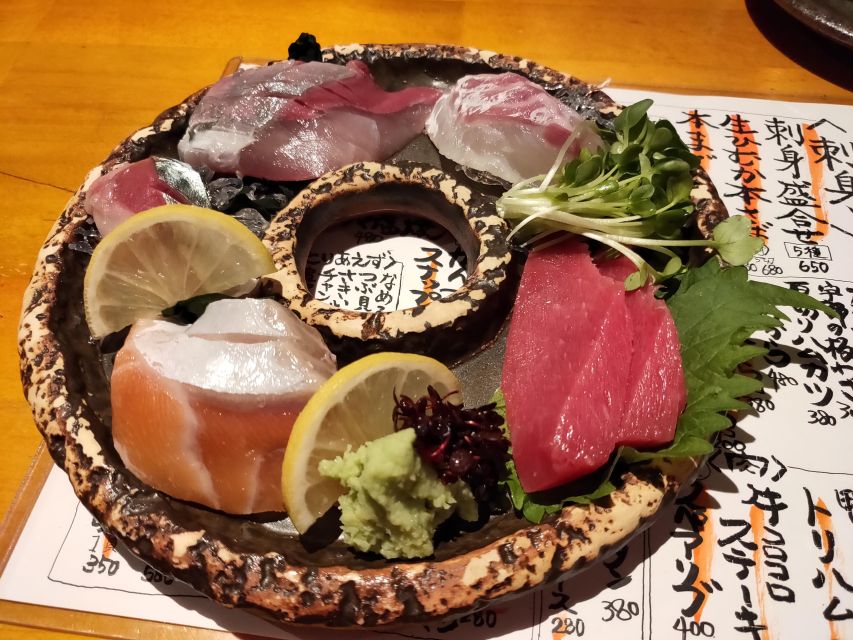
The final restaurant stop is where Hiroshima really gets specific. You may see dishes like okonomiyaki, Hiroshima’s famous savory pancake style. One reason it works on a tour like this is timing. Okonomiyaki is bold. It also benefits from being explained, so you know what you are tasting instead of just eating a heavy-looking plate and hoping for the best.
This last stop still follows the tachinomi logic, so you keep the casual, social feel. You eat, you drink, you talk, then you wrap up without turning the night into a marathon.
If you are the type who loves stories, you might even get extra personality at the table. I have seen examples of how guides can connect groups with unusual details at the restaurant, like owners with strong local histories or connections. The vibe is that you are stepping into the neighborhood, not just checking off a food list.
Drinks included: alcohol and non-alcohol, plus how to handle extra rounds
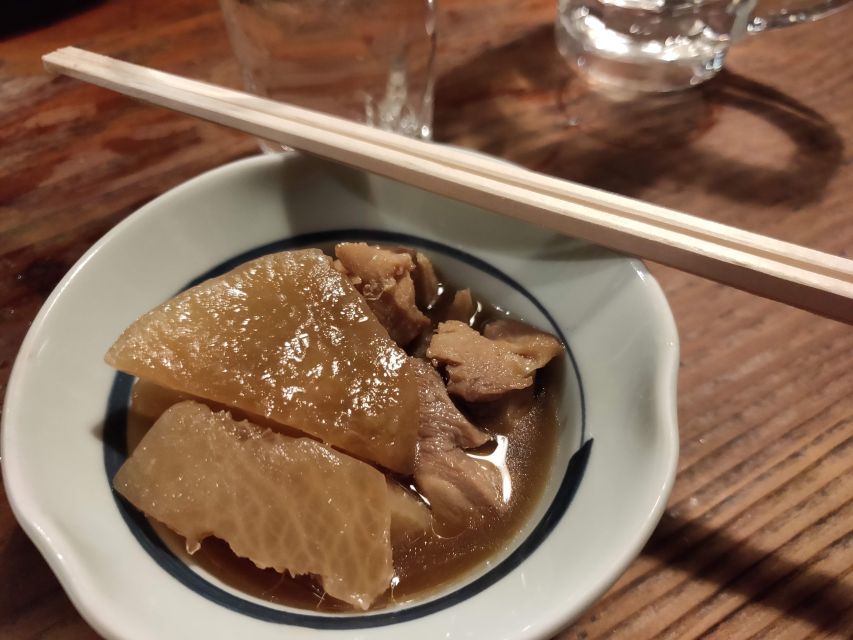
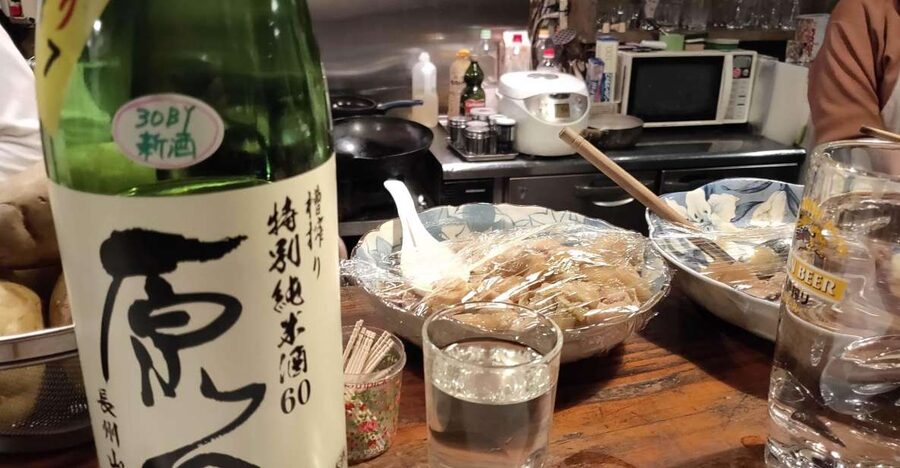
This tour includes three drinks of your choice, one at each restaurant. That means you can go for sake, beer, cocktails, or spirits if you drink alcohol. If you prefer to skip alcohol, you can choose non-alcoholic options instead.
Important practical note: Japan’s minimum drinking age is 20, and everyone must be 13+ for the tour. So if you are traveling with a teen, you can still do the food tour, but alcohol choices will follow age rules.
What is not included: additional drinks after your included first one at each stop. Those extra rounds typically run around 500 yen each, paid directly at the restaurant. This matters because it changes your budget math. If you plan to drink more than the included three drinks, bring cash or a card that works easily on small tabs.
Food pacing and how I’d order when you are not sure what to pick
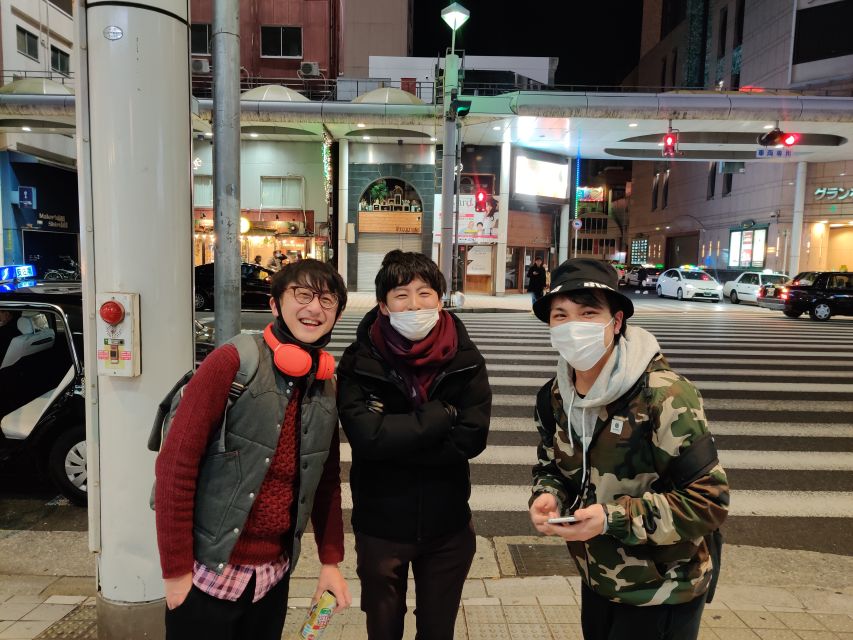
The best part of guided eating is that you do not have to solve the menu puzzle in the moment. The guide can recommend and order based on the restaurant’s style and what is being served that day. Because you are moving between three places, you can afford to let some decisions be guided by the flow of the night.
If you have food preferences or restrictions, tell the local partner ahead of time. The tour is set up to accommodate restrictions where possible. In at least one documented case, the guide was able to order many dishes a guest could safely eat, and that helped the evening stay fun rather than stressful.
A simple strategy I recommend:
- Start with a drink choice that matches your food pace, then switch if you want variety
- Be open to a dish you do not fully recognize, especially if it sounds like seafood or a familiar cooking method like grilled or tempura
- Save your “maybe later” choices for the middle or final stop, when the guide can steer you based on what is already on the table
Practical itinerary flow: how the night stays fun instead of chaotic
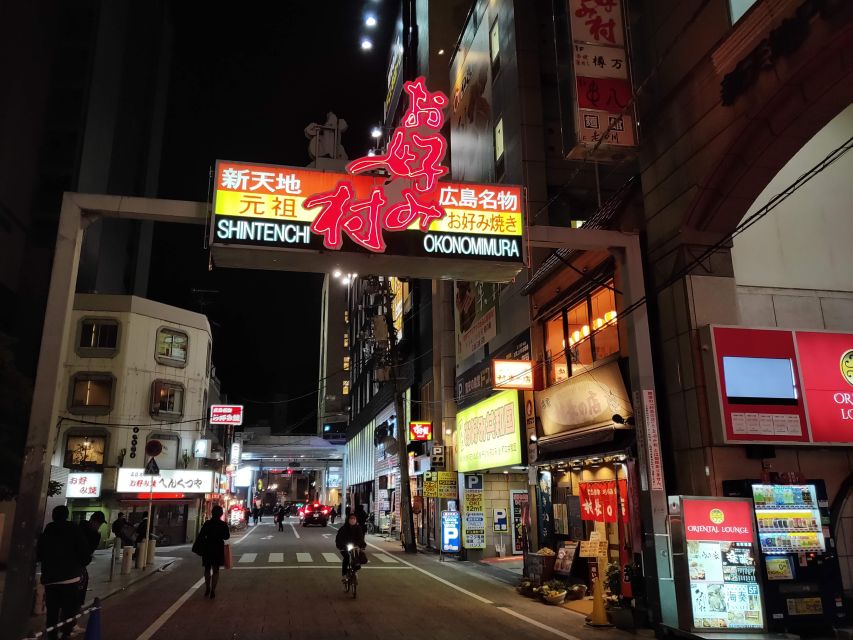
The rhythm is straightforward. You walk, taste, walk, taste, walk, taste. Each food stop is structured to be short enough that you still feel energetic for the streets, but long enough that you actually enjoy the place.
Here is the pattern you can expect in real life:
- Meeting at Don Quijote in Hachobori
- A guided walk along Hondori
- Three restaurant stops, each around 30 minutes
- A guided walk along Nagarekawa Dori before the final eating stretch
- Return to the meeting point at Don Quijote
Because the tour is about casual nightlife and shopping streets, you should wear shoes you can stand in and walk in. Even when a restaurant has some seating, the tachinomi style means you might still spend time upright.
Also, keep your camera ready but not glued to it. Part of the value here is reading the room, noticing how people order, and learning the local rhythm. That is harder to do while filming every bite.
Price and value: what $94 buys you in Hiroshima
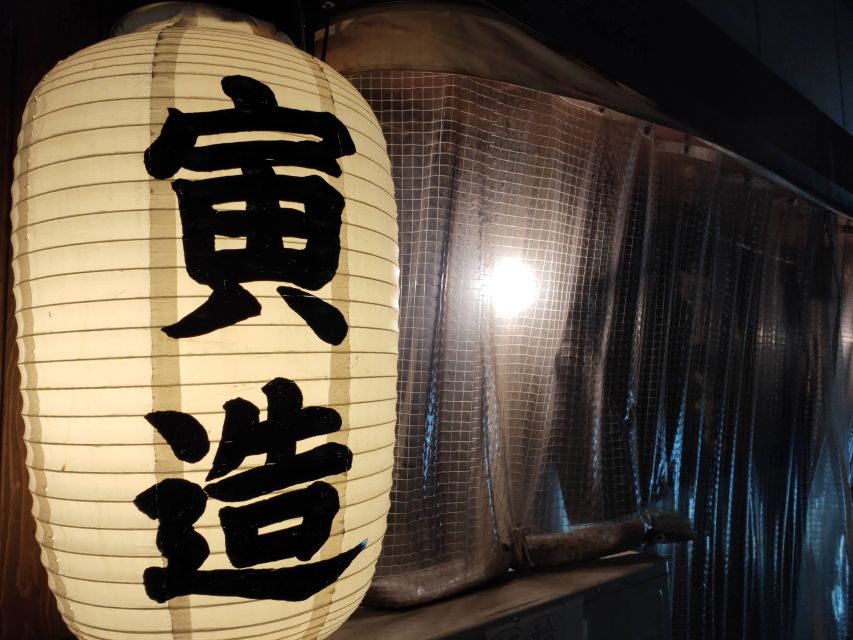
At $94 per person for about 3 hours, the price looks reasonable when you consider what is included. You get a full dinner worth of food across three restaurants, plus three drinks chosen by you. You also get an English and Japanese-speaking guide, which is a big deal in small local places where menus and ordering can be intimidating.
The “value” part is the combination, not the individual items. Many food tours include one meal and call it a night. This one gives you multiple stops, changing venues and styles, so the tasting experience feels bigger than the time length suggests.
One more value lever: you get to use the guide’s restaurant connections. The experience includes getting into authentic neighborhood spots, not just convenient tourist areas.
If you are a solo traveler, there is a solo policy you should be aware of. The tour aims to avoid charging a solo supplement, but if minimum group numbers are not met, you may be offered an alternate date, a 3000 yen solo supplement, or a refund. That can affect whether you should book right away or be flexible.
Who should book this Hiroshima food and culture walk
I think this tour is a great fit if you:
- Want Hiroshima food without doing the guesswork alone
- Like eating in small plates and social settings
- Enjoy casual nightlife streets like Hondori and Nagarekawa Dori
- Want a guide who can help with ordering and keep the night moving
It is less ideal if you:
- Strongly prefer a sit-down, plated meal with no standing
- Want a quiet, early evening
- Are traveling with someone who cannot handle walking and quick restaurant stops
It is also not designed for kids under 13. If you are traveling with younger children, you will need a different plan.
Should you book this Hiroshima Food and Culture Guided Walking Tour with Dinner?
If your idea of a perfect night in Hiroshima is tasting a lot, learning as you go, and experiencing the local hangout vibe, I would book it. The structure hits the sweet spot: three short restaurant experiences, enough food to feel like a proper dinner, and enough street time to understand the city’s evening pulse.
Two quick decision checks:
- Are you comfortable standing and moving through three tachinomi-style stops? If yes, you will likely love it.
- Are you open to new dishes and let the guide choose some of the ordering? That openness is where the tour becomes more than just filling your stomach.
If those boxes check out, this is a high-value way to spend three hours in Hiroshima, and it has a strong track record with a 4.9 rating from 212 reviews.
FAQ
Where do I meet for the tour?
You meet on the street right in front of Don Quijote at Hiroshima Hachobori.
How long is the experience?
The tour lasts about 3 hours.
What is included in the dinner and drinks?
You get dinner across three different restaurants and three drinks of your choice, one at each restaurant stop.
How many restaurants and dishes should I expect?
You visit three restaurant stops, and you’ll be served at least ten different dishes over the evening.
What is tachinomi and will I be standing?
Tachinomi is a casual style where you stand at a counter or table while eating small plates and socializing. Some stops may have seating, but expect standing to be part of the experience.
Can I choose non-alcoholic drinks?
Yes. You can choose alcoholic or non-alcoholic beverages for the included drinks.
Are dietary restrictions accommodated?
The local partner will do their best to accommodate eating restrictions or preferences. Let them know ahead of time.
What are the age requirements?
Participants must be 13+. The minimum drinking age in Japan is 20.
More Dining Experiences in Hiroshima
- Dinner Cruise on HANAIKADA (Raft-Type Boat) with Scenic View of Miyajima
★ 5.0 · 21 reviews - Tokyo Bar Hopping Tour in Shinjuku (All-You-Can-Drink + Dinner)
★ 5.0 · 3,587 reviews - Tokyo: Sumo Show and Dining Experience
★ 4.8 · 2,742 reviews - Tokyo: Samurai Restaurant Show Ticket with 2 Drinks
★ 4.5 · 1,307 reviews
Fresh options around Hiroshima
- The Peace Memorial and Beyond: A Half-Day around Hiroshima★ 4.9 · 12 reviews
- Hiroshima Saijo Sake Tasting Tour with visit to 3 Breweries★ 5.0 · 12 reviews
- Private Hiroshima Calligraphy: Create Your Own Kanji Art Souvenir★ 5.0 · 12 reviews
- Hiroshima:Private lacquer workshop experience tour(gift included)★ 5.0 · 13 reviews
- Sunset Walking Tour at Peace Park, Hiroshima★ 5.0 · 13 reviews
- Kimono and Calligraphy Experience in Miyajima★ 5.0 · 16 reviews
- Hiroshima Peace Memorial Park: A Guided Tour★ 4.9 · 16 reviews
- History of Hiroshima: Small Group Night Walking Tour★ 4.8 · 17 reviews
Food & Drink, compared.
Shinjuku Food Tour (13 Dishes at 4 Local Eateries)
Read our review →
Tokyo Tsukiji Fish Market Food and Culture Walking Tour
Read our review →
Shinsekai Food Tour with 13-15 Dishes at 5 Eateries
Read our review →
Osaka Food Tour: 13 Dishes at 5 Local Eateries
Read our review →
Shinjuku Food Tour (15 Dishes and 4 Eateries)
Read our review →
Best of Shinjuku: Izakaya Food Tour (4 Stops, 14+ Tastings)
Read our review →
Kyoto Night Foodie Tour in Gion (9+ dishes + 6 Sake tastings)
Read our review →
Hungry Osaka Street Food Tour:15 Tastings & 3 Drinks with a Local
Read our review →Browse the lists this tour appears in