
Reviewed · WALKING TOURS
Kyoto Tea Ceremony & Kiyomizu-dera Temple Walking Tour
Kyoto has a way of making you slow down. This tour pairs Kiyomizu-dera with the tea ceremony for two very different kinds of awe, in just about 3 hours. You also get a local guide to connect the dots across temples, slopes, and old street lanes without you fighting a map.
I like how the tea ceremony gives you a quiet break, then Kiyomizu-dera gives you the big view. One caution: food is included only as snacks, and allergies or special diets are not guaranteed since substitutions may not be possible.
Key Things to Know Before You Go
- Small group, max 6 keeps the pace relaxed and questions easy
- Start at Yasaka Shrine so you’re already in the right Kyoto mood before the climb
- Kiyomizuzaka streets are easier with a guide because the lanes are old, sloped, and shop-dense
- Otowa waterfall ritual uses three separate streams, each with its own good-luck idea
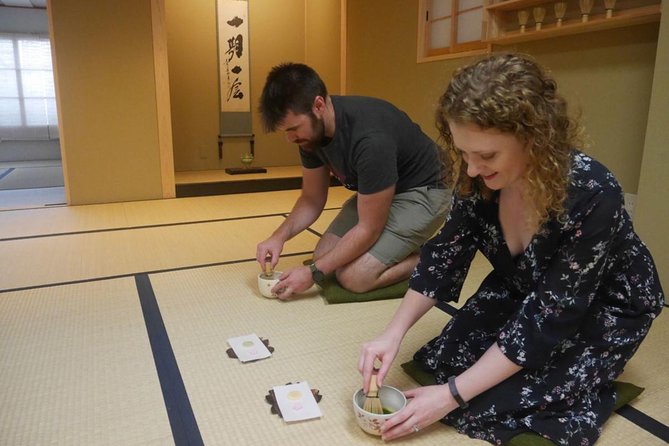
- Tea ceremony plus matcha gives you a hands-on cultural moment, not just a photo stop
- Snacks and photos are included, so you can travel lighter and focus on the sights
Why Kiyomizu-dera and a Kyoto tea ceremony fit together
This tour works because it mixes two sides of Kyoto in a smart way. First comes a major temple experience at Kiyomizu-dera, a UNESCO World Heritage Site with a view that is famous for a reason. Then comes the tea ceremony, which is almost the opposite feeling, slow and formal, a reset for your senses after walking.
The day also has built-in variety. You’re not just passing through the biggest sights. You’re moving through atmospheric streets like Kiyomizuzaka, where teashops, sweet stores, and traditional preserved-food shops line the slope. That matters because Kyoto isn’t one big monument. It’s a set of textures, street rhythms, and rituals that make the monuments feel alive.
And because the group is small, you can ask questions as you go. In Kyoto, the difference between seeing and understanding is often a single explanation at the right moment, like why the waterfall matters or what you’re looking at from the stage.
More Tea Ceremonies in Kyoto
- Kyoto: Tea Ceremony in a Traditional Tea House in Kiyomizu
★ 4.9 · 3,519 reviews - Kyoto: Tea Ceremony Ju-An at Jotokuji Temple
★ 4.9 · 3,207 reviews - Kyoto: 45-Minute Tea Ceremony Lesson Experience
★ 4.3 · 2,378 reviews
Meeting at Yasaka Shrine, then getting oriented fast
Your tour starts at Yasaka Jinja Nishiromon Gate (Western Tower Gate) at 9:00 am, and it ends back at the same spot. That round-trip setup is convenient when you’re staying in Gion or Higashiyama, because you don’t have to figure out where to end your day.
This is also a practical choice. Starting at Yasaka Shrine puts you right next to the energy of eastern Kyoto. From there, you walk into the temple area with a guide who handles the logic: where to go, when to stop for photos, and what to pay attention to.
One small but real advantage is the meeting point. Even before you start walking, you’ll likely appreciate having one clear location rather than piecing together directions from different apps.
In warm months, start early matters. Summer in Japan can be hot and humid, and this walk includes some uphill sections near temple streets. Bring water and a hat, and take breaks when the guide suggests it.
Kiyomizuzaka and the old-street maze you don’t have to figure out
A big part of the charm here is the approach. You’ll pass through and explore Kiyomizuzaka, the traditional-feeling lanes that connect the shrine area toward Kiyomizu-dera. This is the kind of neighborhood where it’s easy to wander in circles if you’re on your own, because the streets curve, steepen, and pack in souvenir shops.
The tour includes time for pictures and an introduction to the street atmosphere. You’ll see how the area is organized, and you’ll get pointed toward spots like Yasakakoshindo, described as one of Kyoto’s more colorful temple stops in this area. Even if you only spend a little time at each side stop, a guide helps you understand what you’re looking at, so the street walk feels purposeful rather than random.
If you like small details, this section delivers. You’ll notice the mix of traditional shop types, including teashops, Japanese sweets shops, and offerings like traditional sundried foods. And because Maiko and Geisha often move through these areas, you might catch a glimpse in the natural flow of foot traffic.
Kiyomizu-dera UNESCO views, the Otowa waterfall, and the worship details
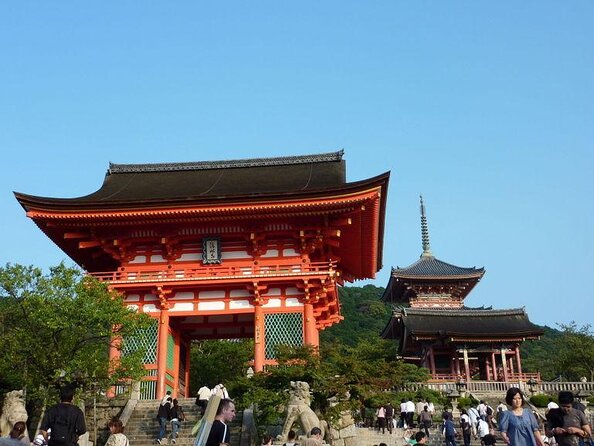
When you reach Kiyomizu-dera, the experience is built around the temple’s most iconic moments: the wooden stage and Otowa Waterfall. The tour explains the connection between the two. Kiyomizu-dera was made on the site of Otowa Waterfall about 1,200 years ago, and the temple name is tied to the purity of the water.
From the wooden stage, you’ll get a high vantage point. The stage is about 13 meters above the ground, and it’s known for views across Kyoto. Depending on the season, you might notice cherry and maple trees, plus the city stretching in the distance. Even when you’ve seen postcards before, this is one of those places where the real scale hits you as you look outward.
Then comes the Otowa Waterfall segment, one of the most distinctive parts of Kyoto temple tourism. The water is divided into three streams, and each one comes with its own good-luck benefit. You use a cup attached to a long pole to drink from the stream you choose, as part of the worship ritual. It’s simple, but it’s also very Kyoto: respectful, a little formal, and tied to the idea of making a wish.
The tour also includes passing nearby along the pilgrimage approach, so you get a feel for how people move up toward the temple complex.
More Temple & Shrine Tours in Kyoto
- Kyoto: Fushimi Inari, Kinkakuji, Bamboo Grove 1 Day Bus Tour
★ 4.8 · 4,316 reviews - Fushimi Inari Hidden Hiking Tour (Private Option Available)
★ 5.0 · 1,750 reviews - Osaka/Kyoto:Kinkakuji,Arashiyama,FushimiInariShrine,NaraPark
★ 4.1 · 1,596 reviews - Kyoto/Osaka: Nara, Fushimi Inari Taisha, Arashiyama Bus Tour
★ 4.7 · 1,275 reviews
Walking the pilgrimage lanes, including Sannenzaka and Ninenzaka
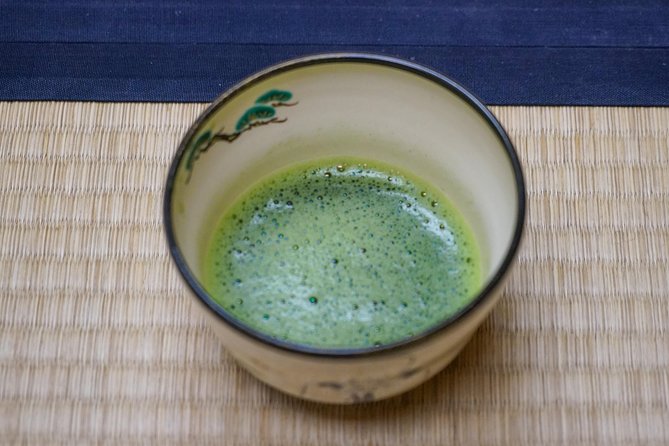
After Kiyomizu-dera, you continue on foot through the surrounding historic slope routes. The tour mentions the 1-km pilgrimage path that starts where Matsubara-dori crosses Higashioji-dori, then flows into areas like Gojozaka and Sannenzaka, and continues through a corridor of souvenir shops. That’s useful if you want to enjoy the area beyond just the temple gate.
You’ll also pass Sannenzaka and Ninenzaka nearby. These are steep, old lanes with a reputation for being memorable, and the guide context makes the walking more interesting. For example, there’s a legend about what happens if you fall on Sannenzaka. In the story, people believe you will die within three years, or that your life span is shortened by three years. It’s an urban legend that became widely believed in the mid-Edo period, and it’s often explained as a warning to watch your step.
Even if you don’t treat legends as literal, they do something valuable: they give the slope a meaning. Suddenly the walking is not just sightseeing. It’s participation in a place where the culture bakes into the route itself.
The practical takeaway is clear: wear shoes you trust on slopes. It’s not a smooth sidewalk the whole way.
Tea ceremony and matcha: what you should expect
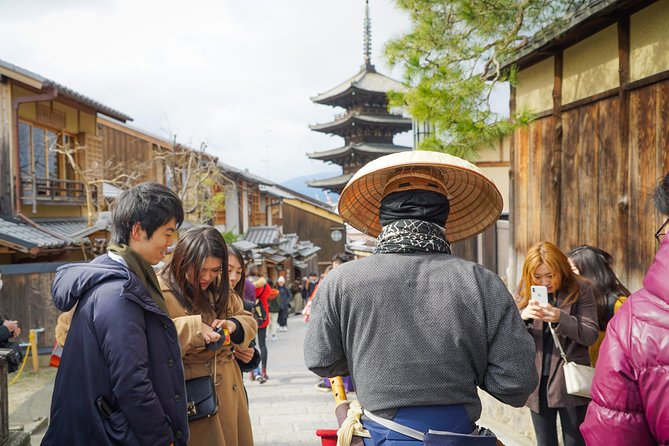
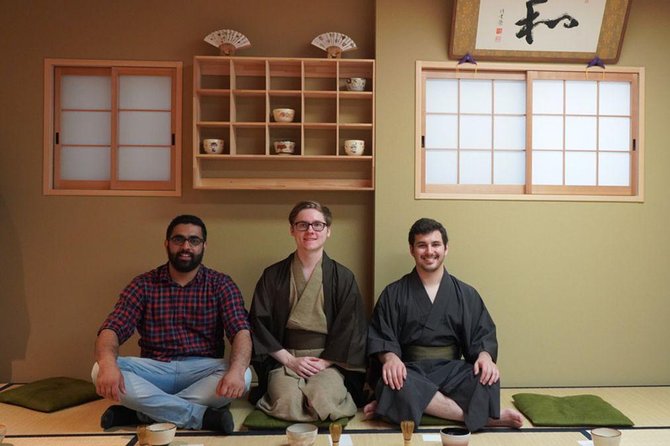
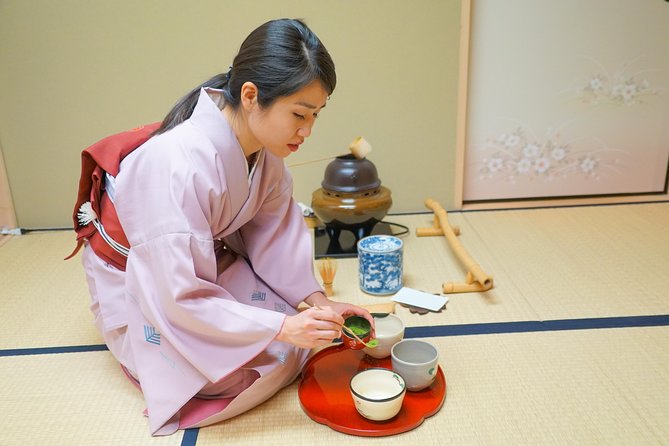
The tea ceremony is the calm center of the tour. It’s included as an experience, along with matcha (green tea) and a set of tea ceremony snacks. The goal isn’t just to drink tea. The idea is to learn the structure and formalities, so you understand what you’re seeing.
In one set of experiences described with this tour, the tea ceremony host was Haruki, who was described as sweet and entertaining. That kind of host matters because tea ceremonies can feel intimidating when you don’t know what to do. When the host explains things clearly, you get a relaxing, not stressful, cultural moment.
Guides for the walking portion also vary, but in at least one experience, the walking guide was Hide, noted for covering both Shinto and Buddhist perspectives. That pairing can make the ceremony feel less like a show and more like part of the wider spiritual landscape you’re moving through outside.
What you should bring mentally: slow down. This is a sit-and-pay-attention moment. If your day is packed with temples already, the ceremony is a welcome pause. If it’s your first Kyoto temple day, it’s a gentle way to learn how the culture thinks about rituals.
Snacks, photos, and the small-group pace
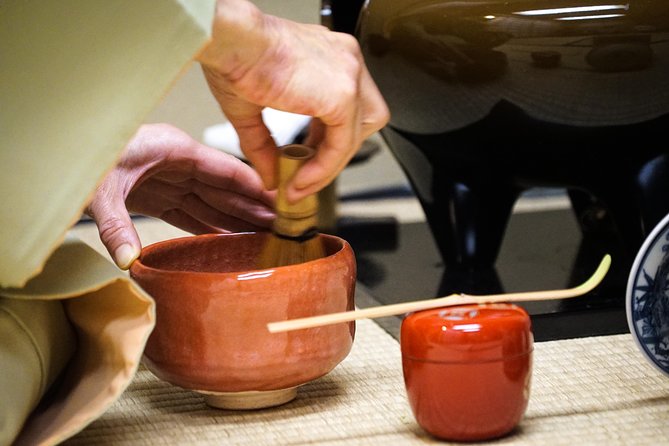
This tour includes snacks, plus photos taken during the experience. It’s a nice touch because temple areas are crowded and you’re often trying to both look around and get a decent picture. Having photos included reduces the constant phone juggling.
The small group size also changes the feel. With a maximum of 6 travelers, the pace tends to stay flexible. You can ask questions, and you can stop for a photo without the whole group feeling like a pressure cooker.
Food-wise, plan for just what’s included. The tour notes snacks are part of the experience, but additional food and drinks are not included. If you have a sensitive stomach or you know you like to snack often, you might want to budget for extra purchases before or after.
Also, keep expectations realistic on dietary needs. The tour states it cannot guarantee allergy-free or dietary accommodation because food is prepared in kitchens that are not part of the tour provider, and substitutions may not be possible. If you have serious allergies, it’s worth thinking carefully before booking.
Price and value: is $109.39 worth it?
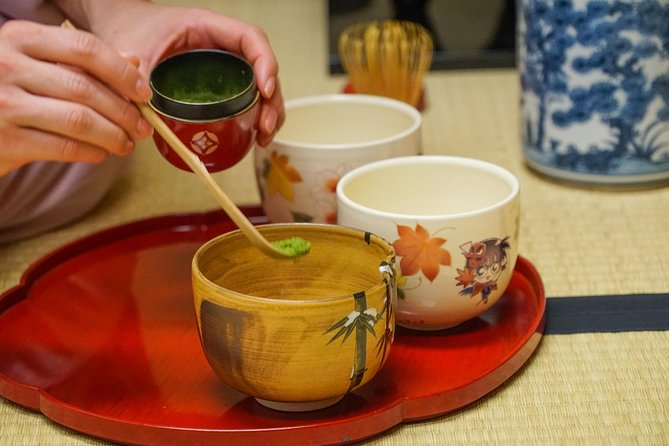
At $109.39 per person, you’re paying for a few specific things that add up quickly in Kyoto. You get entrance to Kiyomizu-dera, a tea ceremony experience, snacks, and matcha. You also get 3 hours with a Kyoto local guide plus photos. That’s not just a walking route. It’s a guided UNESCO temple entry plus a structured cultural workshop.
If you tried to recreate this on your own, you’d spend time mapping out meeting points, sequencing the temple and waterfall, finding where to do the tea ceremony, and figuring out etiquette. Even if you save a little money, the time and stress cost can be higher than people expect.
The tour also appears to be in demand, with an average booking window of about 30 days in advance. That suggests two things: it’s a well-liked combination, and it can sell out, especially during peak travel periods.
Bottom line on value: it’s best for you if you want less logistics and more meaning per hour, especially during a first trip to eastern Kyoto.
Who this Kyoto walking tour is best for
This one fits best when you want a guided day that mixes big-name temples with a true cultural activity. It’s ideal for:
- First-time Kyoto visitors who want a guided introduction to Higashiyama temple streets
- People who enjoy walking but don’t want to plan every turn and steep approach
- Anyone who likes learning the cultural reasons behind what they see, not just collecting photos
- Couples or friends who want small-group pacing (max 6)
It may not be the right fit if you need a fully dietary-safe meal plan, because allergy-free guarantees are not provided. Also, children under 6 are not allowed on this tour, so it’s geared more toward adult and older-child travelers.
If you’re visiting in summer, plan for humidity and bring water and a hat. The tour is only around 3 hours, but temple streets can still feel like a workout in hot weather.
Should you book this Kyoto Tea Ceremony & Kiyomizu-dera tour?
I’d book it if your ideal Kyoto day includes three ingredients: Kiyomizu-dera views, the Otowa waterfall ritual, and a tea ceremony where someone helps you understand the formalities. The small group size and guided route make the experience smoother, and you’ll save time you’d otherwise spend figuring out logistics.
I would hesitate if you have serious food allergies or strict dietary needs, since the tour is upfront that allergy-free or dietary accommodations cannot be guaranteed. I’d also be cautious if walking uphill and on steep lanes is a challenge for you, because the route includes temple approaches like Kiyomizuzaka and the Sannenzaka lanes.
If you’re excited to see a UNESCO temple and then switch gears to a calm, respectful ritual, this tour is a strong, efficient way to do both in one morning.
FAQ
What is the duration of the Kyoto Tea Ceremony & Kiyomizu-dera Temple Walking Tour?
The tour lasts about 3 hours.
Where do I meet the guide, and where does the tour end?
You meet at Yasaka Jinja Nishiromon Gate (Western Tower Gate) in Kyoto, and the tour ends back at the meeting point.
What time does the tour start?
The start time listed is 9:00 am.
What’s included in the price?
The price includes Kiyomizu-dera entrance fee, the tea ceremony experience, snacks, matcha (green tea), and photos taken during the tour, plus 3 hours with a Kyoto local guide.
Is this tour suitable for children?
Children under 6 years old are not allowed on this tour.
Are dietary restrictions or allergies accommodated?
Allergy-free and dietary restrictions are not guaranteed, since food is prepared in kitchens not belonging to the tour provider, and substitutions may not be possible at certain stops.
More Walking Tours in Kyoto
- Kyoto Geisha Walking Tour: Gion District & Hidden Gems
★ 4.7 · 3,273 reviews - Kyoto: Gion Magical Night Walking Tour with Geisha Trivia
★ 4.9 · 2,393 reviews - Kyoto: Gion Geisha District Walking Tour – Stories of Geisha
★ 4.7 · 2,187 reviews - Night Walk in Gion: Kyoto’s Geisha District
★ 4.5 · 2,003 reviews
Fresh options around Kyoto
- Kyoto Aquarium Admission Ticket★ 4.7 · 12 reviews
- Kyoto Gion Photoshoot – Private Session | Pro Photographer★ 5.0 · 12 reviews
- Gyoza Cooking Class in Kyoto: Traditional Japanese Dumplings★ 5.0 · 12 reviews
- Kyoto: Guided Food Tour with 12 Dishes & 3 Drinks★ 5.0 · 12 reviews
- Kyoto: Avoid the Crowds at the Hidden Gems of Arashiyama★ 4.9 · 13 reviews
- Kyoto Early Bird English Tour: Gion & Higashiyama(Private opt)★ 5.0 · 13 reviews
- Otsu-e Folk Art Workshop & Local Culture Walk Near Kyoto★ 5.0 · 13 reviews
- Kyoto, Osaka, Nara Full Day tour by Car English speaking Driver★ 3.5 · 13 reviews
Walking Tours, compared.
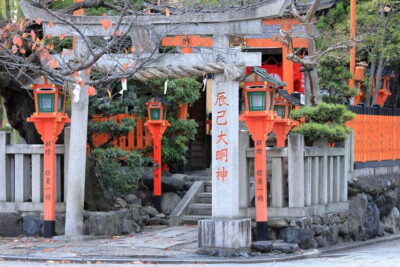
Kyoto Geisha Walking Tour: Gion District & Hidden Gems
Read our review →
Tokyo Tsukiji Fish Market Food and Culture Walking Tour
Read our review →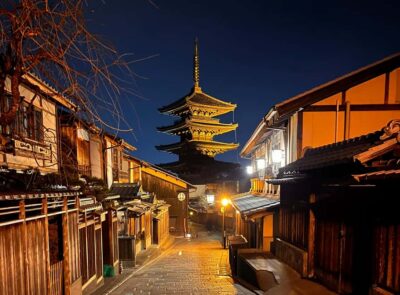
Gion Magical Night Walking Tour with Geisha Trivia
Read our review →
Imperial Palace and Shogun Historical Walking Tour
Read our review →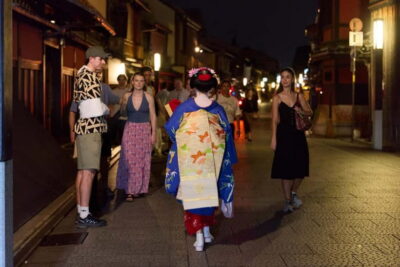
Gion Geisha District Walking Tour – Stories of Geisha
Read our review →
Shinjuku Local Bar and Izakaya Guided Walking Tour
Read our review →
Browse the lists this tour appears in