
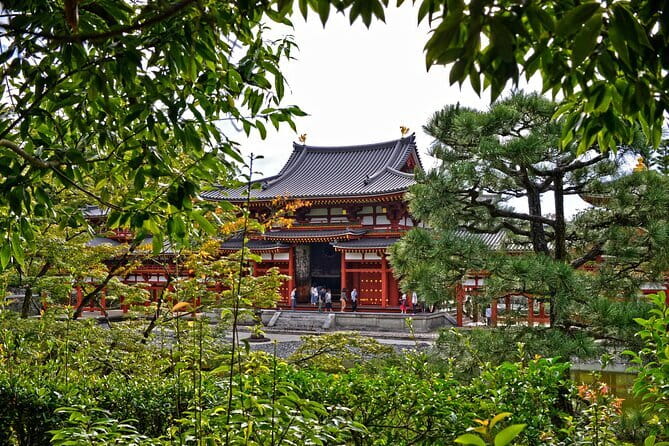
Reviewed · HISTORICAL TOURS
Uji Tea Ceremony and UNESCO Heritage Walking Tour
Matcha culture starts with a simple walk. In Uji, you cover UNESCO sights, a tea ceremony at Taihoan, and classic bridge-and-shrine scenery in about three hours.
I especially like two things. First, the small group size (max 9) keeps the pace comfortable and the explanations clear. Second, the core admissions are handled for you, including Byodo-in entry and the tea ceremony stop, so you spend less time figuring things out.
One possible drawback is logistics. There is no hotel pickup, and you start at Uji Station, so you’ll want to show up ready to walk and ready for the day’s weather.
Key things I’d focus on before you go
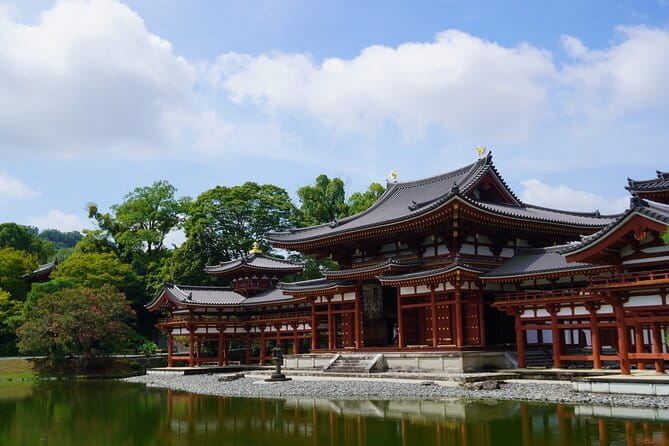
- UNESCO at Byodo-in: See the Phoenix Hall area with its long, meaningful backstory and included admission.
- Taihoan tea ceremony: Learn matcha prep where Japanese tea culture traces back to its roots.
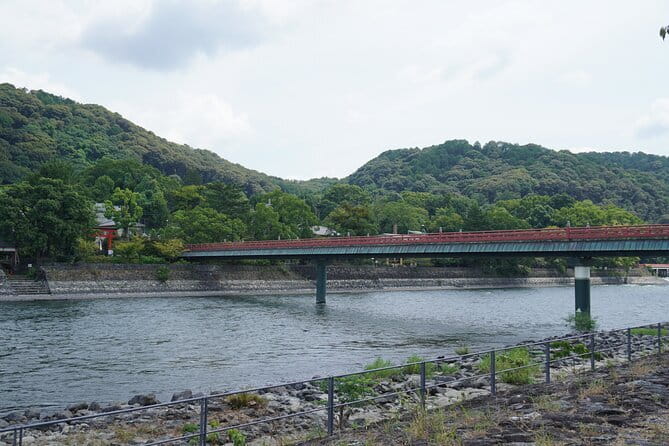
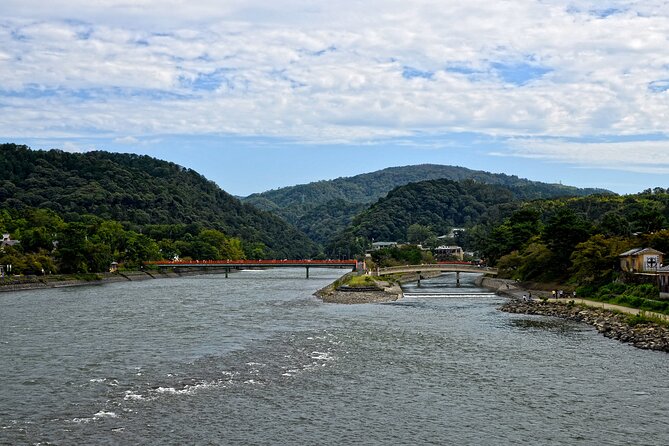
- Bridge views that don’t feel rushed: A short but scenic stop across Asagiri and Tachibara suspension bridges.
- Shrines with a calm rhythm: Uji Shrine and Ujigami Shrine fit well between the busier landmarks.
- A matcha tasting finish: End with Uji green tea and local food so you leave with something to remember.
Why Uji Works So Well for a Morning Culture Walk

Uji is close enough to Kyoto to feel like a simple day out, but it still feels like its own town. That matters, because the best parts of this experience come from small moments: details around temples, quieter shrine paths, and the taste of tea right where it’s made.
This tour is built around variety, not just ticking boxes. You get a UNESCO temple highlight, then a hands-on tea ceremony, then outdoor walking breaks across bridges and through shrine areas.
The timing also helps. Starting in the morning means you can experience the sights before the area gets heavier, and you still end with time for food and tea after the tour.
More Tea Ceremonies in Kyoto
- Kyoto: Tea Ceremony in a Traditional Tea House in Kiyomizu
★ 4.9 · 3,519 reviews - Kyoto: Tea Ceremony Ju-An at Jotokuji Temple
★ 4.9 · 3,207 reviews - Kyoto: 45-Minute Tea Ceremony Lesson Experience
★ 4.3 · 2,378 reviews
Getting Oriented: Meeting at Uji Station and a 3-Hour Pace
The meeting point is Uji Station (Kyoto, 611-0021), and the start time is 9:45 am. The tour finishes at Uji Bridge in Otsukata Uji, Kyoto 611-0021, so it’s easy to keep exploring afterward without backtracking.
Duration is listed as about 3 hours. In that window, you are not expected to stroll endlessly, and you won’t get stuck waiting forever at one stop. That pacing is a big reason the tour works well for families and for people who want structure.
Group size is capped at 9. In a small group, the guide can answer questions without turning it into a lecture, and it helps you actually hear the key points while walking.
Byodo-in and the Phoenix Hall: UNESCO You Can Actually Follow
Byodo-in is the headline stop, and it’s easy to see why. The included admission gets you to the UNESCO-listed setting, where the Phoenix Hall is the star attraction, tied to over 1,000 years of history.
What I like about this stop is how it’s framed. Instead of only pointing at buildings, the guide-style experience centers on what you’re looking at and why it mattered to the area.
Practical advice for this part: go slow with your eyes. Phoenix Hall details reward attention. If you’re the type who snaps photos constantly, make one or two deliberate stops first, then take your pictures once you’ve oriented yourself.
Potential drawback: UNESCO sites can involve crowd flow and lines. The good news here is that you get about an hour for this stop, and that typically gives enough time to see the main features without feeling frantic.
Taihoan Tea Ceremony: Learning Matcha at the Source
Next comes Taihoan, described as the birthplace of Japan’s green tea. You step into a formal tea ceremony where you learn the meaning behind tea preparation and the rhythm of the practice.
The itinerary lists the tea stop as 40 minutes, and the inclusions mention 30 minutes of tea ceremony time. Either way, this isn’t a half-day tea school. It’s a focused introduction, so you should treat it like a guided taste-and-technique session rather than a long workshop.
I think that’s a good fit for most people. A short ceremony still lets you understand the basics: how preparation works, why the steps are arranged the way they are, and how tea is tied to culture rather than just caffeine.
Also, this is one of those experiences where the guide makes a difference. In past tours with this company, guides have been friendly, conversational, and quick to connect temple history to everyday tea culture. Names you may run into include Naoki, Nobumasa Myake, Katsuhiko, and Maru.
Tip for your comfort: wear sleeves you can manage easily. Even if you aren’t handling anything directly, tea spaces often involve kneeling, sitting, or close quarters where you’ll appreciate being comfortable.
More Walking Tours in Kyoto
- Kyoto Geisha Walking Tour: Gion District & Hidden Gems
★ 4.7 · 3,273 reviews - Kyoto: Gion Magical Night Walking Tour with Geisha Trivia
★ 4.9 · 2,393 reviews - Kyoto: Gion Geisha District Walking Tour – Stories of Geisha
★ 4.7 · 2,187 reviews - Night Walk in Gion: Kyoto’s Geisha District
★ 4.5 · 2,003 reviews
Asagiri Bridge Stops: Suspension Views Without the Long Detour
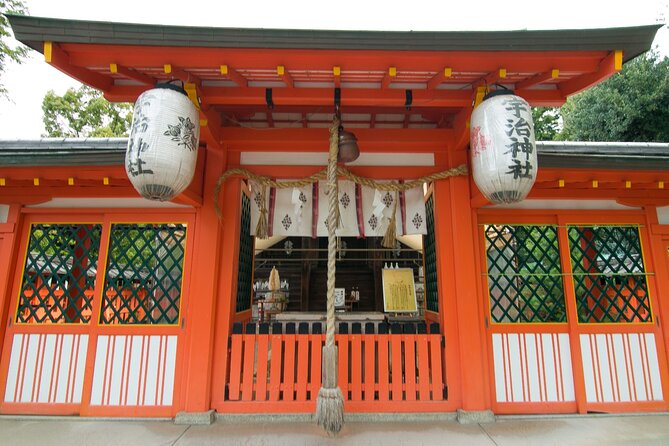
After the temple and ceremony, the tour shifts to walking views at Asagiri Bridge. This stop also includes Tachibara and Asagiri Suspension Bridges, with about 15 minutes set aside.
This is a smart break. It resets your brain after indoor time, and you get a quick window for scenic photos and a sense of the river and town layout.
Because the time is short, you should do your sightseeing efficiently. Check the direction of light before you start shooting, and if you’re taking video, plan one steady angle first, then move.
One thing to consider: bridge stops depend on weather and ground conditions. Since the experience requires good weather, dress for a dry day and be ready for occasional uneven walkways near waterfront areas.
Uji Shrine and Ujigami Shrine: Sacred Sites With a Quiet Flow
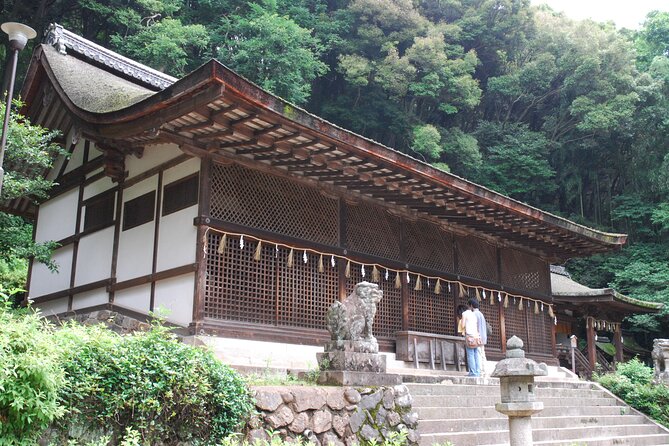
The tour includes Ujikami Shrine and also visits Uji Shrine and Ujigami Shrine. These stops are listed as free admission and total about 20 minutes.
Shrines are where you can feel the town’s calmer side. The key advantage of including them is the contrast. You go from structured UNESCO time, to a seated tea ritual, to small shrine atmospheres where the pacing naturally slows.
If you like learning through atmosphere, this section delivers. You’re not just reading facts on a sign. You’re stepping into a place that still functions, and the guide’s explanations give you a framework for what to notice.
Practical advice: keep your expectations realistic. This is not an hours-long shrine pilgrimage. It’s a meaningful side chapter that gives depth to your Uji story.
Uji Bridge Finale: Green Tea and Local Treats to Close the Loop
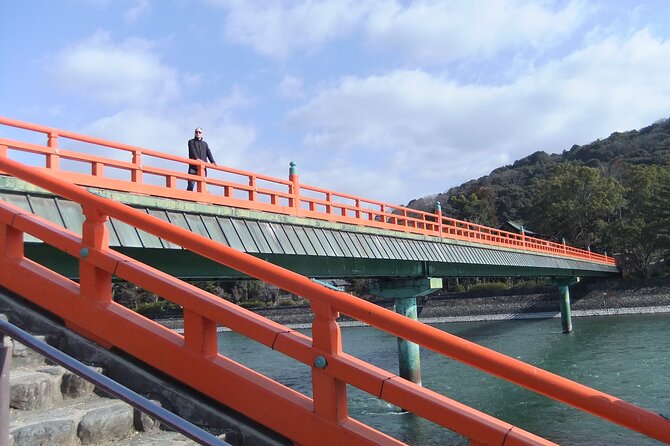
The final stop is Uji Bridge, with about 45 minutes. Admission is listed as free here, and this is where you experience local culture through green tea and culinary treats.
This is a very practical ending. After temple, tea ceremony, and walking breaks, you’re ready for food and a chance to talk with your guide about what to try next.
The tour doesn’t specify which exact sweets or tea flavors you’ll get, but it does promise Uji’s famed green tea and local delicacies. I’d treat this as both a reward and a springboard. If you still want more matcha after, ask your guide for recommendations based on your preferences.
Also, since the tour ends at Uji Bridge, you’re already in a good area to keep exploring at your own pace. That’s a big quality-of-life win compared with tours that dump you far from transit.
Price and Value: What $70 Buys You in Real Terms
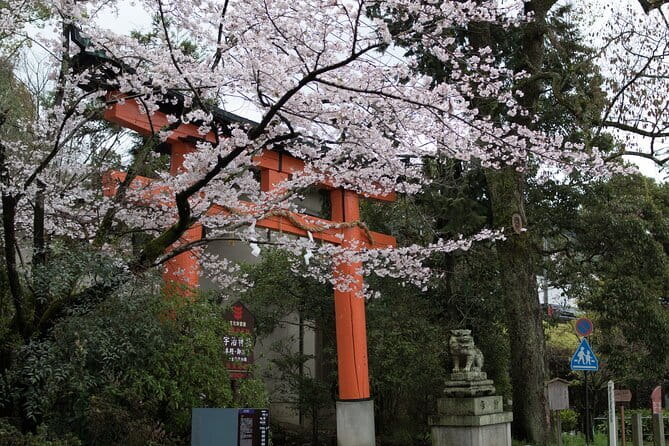
The price is $70 per person for an approximately 3-hour guided tour. That can feel high or low depending on what you compare it to, but here’s the real value: you’re paying for organization, guidance, and key admissions.
Byodo-in admission is included, and the tea ceremony is included with ticket coverage. You’re also getting an English-speaking guide, which is often the difference between seeing sights and actually understanding why they matter.
The group discount and mobile ticket features can also make the experience easier. Group discounts help if you’re traveling with a small group, and a mobile ticket reduces friction when you’re moving quickly between stops.
Is it worth it? For me, it’s best if you want a structured Uji introduction without hunting for information on the spot. If you’re the type who enjoys planning every detail alone, you could technically piece things together. But if you’d rather focus on the experience, the bundled format makes the cost easier to justify.
What to Expect From the Walking Plan (and Where It Can Feel Tight)
Even though the tour is only about three hours, you are walking between multiple stops. You also spend time sitting during the tea ceremony, then shifting again to outdoor sights.
That means you’ll want basic stamina and flexibility. It helps if you can handle short transfers and a moderate walking pace without needing frequent breaks.
A possible consideration: the tea ceremony time can feel short. In similar experiences, people often say they wanted a bit more time for the tea session itself. Still, the trade-off is you also get the UNESCO stop, bridge views, shrine time, and the Uji Bridge tasting.
If you’re very sensitive to time and prefer slow, lingering experiences, you may find the schedule a little brisk. If you’re okay with a compact, well-structured day, it fits well.
Weather, Tickets, and Practical Comfort Tips
This experience requires good weather. If conditions are poor, you’ll be offered a different date or a full refund. That’s important in Uji because outdoor bridges and shrine areas are part of the fun, not just window dressing.
You’ll also want to bring yourself to the meeting point. The tour does not include hotel pickup or drop-off. Plan to arrive a little early so you can find the group at Uji Station without stress.
Since the tour is near public transportation, getting there should be straightforward. Once you begin, the guide handles timing across stops so you don’t have to figure out what comes next.
For comfort, I recommend shoes you can walk in for a few kilometers at an easy-to-moderate pace. Also consider a light layer, especially if mornings feel cool.
Should You Book This Uji Tea Ceremony and UNESCO Tour?
Book it if you want an organized Uji intro that balances big sights with hands-on culture. The UNESCO stop at Byodo-in plus the Taihoan tea ceremony is a powerful combo, and the bridges and shrines keep it from feeling like one long history lesson.
Skip it if you hate structured schedules or you’re hoping for a long tea workshop. This is designed as a short, guided taste of Uji culture, not an all-day deep study.
It’s a great match if you’re staying in or around Kyoto and want a day trip with real context, not just a sightseeing checklist. And with a maximum group size of 9, it’s one of those tours where you’re more likely to feel personally connected to the guide.
If you do book, use this mindset: focus on what the guide points out, then let the final tea tasting confirm what you learned. That last stop turns information into memory.
FAQ
How long is the Uji Tea Ceremony and UNESCO Heritage Walking Tour?
It runs for about 3 hours (approx.).
What time does the tour start?
The start time is 9:45 am.
Where do I meet for the tour?
You meet at Uji Station, 611-0021 Kyoto, Uji City, Uji Uzamachi 1716.
Where does the tour end?
The tour ends at Uji Bridge, Otsukata Uji, Kyoto 611-0021, Japan.
Is the tour guided in English?
Yes, it includes an English-speaking guide.
What is included in the tea ceremony part?
The tour includes the tea ceremony (listed as 30 minutes in the inclusions, and 40 minutes at the tea stop in the itinerary) with admission ticket included.
Which admissions are included?
Entrance fees to Byodo-in are included. The tea ceremony ticket at Taihoan is included as well.
Are there stops with free admission?
Yes. Asagiri Bridge, Ujikami Shrine, and Uji Bridge are listed with admission fees as free in the itinerary.
What is the group size?
The tour has a maximum group size of 9.
What happens if the weather is poor?
This experience requires good weather. If it is canceled due to poor weather, you will be offered a different date or a full refund.
More Historical Tours in Kyoto
- Kyoto Gion: 2-Hour Geisha Culture & History Walking Tour
★ 5.0 · 1,186 reviews - Kyoto Gion Historical Walking Tour
★ 5.0 · 188 reviews - Historical Kyoto E-Bike Tour
★ 5.0 · 181 reviews - Kyoto: Nijo Castle World Heritage Guided Tour with Admission
★ 5.0 · 128 reviews
Fresh options around Kyoto
- Kyoto Aquarium Admission Ticket★ 4.7 · 12 reviews
- Kyoto Gion Photoshoot – Private Session | Pro Photographer★ 5.0 · 12 reviews
- Gyoza Cooking Class in Kyoto: Traditional Japanese Dumplings★ 5.0 · 12 reviews
- Kyoto: Guided Food Tour with 12 Dishes & 3 Drinks★ 5.0 · 12 reviews
- Kyoto: Avoid the Crowds at the Hidden Gems of Arashiyama★ 4.9 · 13 reviews
- Kyoto Early Bird English Tour: Gion & Higashiyama(Private opt)★ 5.0 · 13 reviews
- Otsu-e Folk Art Workshop & Local Culture Walk Near Kyoto★ 5.0 · 13 reviews
- Kyoto, Osaka, Nara Full Day tour by Car English speaking Driver★ 3.5 · 13 reviews
Historical Tours, compared.

World Heritage Shirakawa-go and Experience Tours from Kanazawa
Read our review →
Imperial Palace and Shogun Historical Walking Tour
Read our review →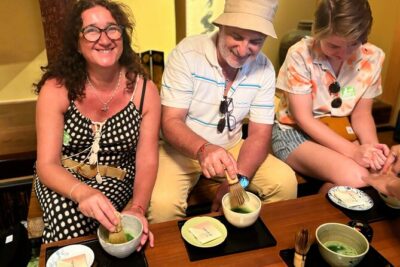
World Heritage Kyoto & Nara Uji Authentic Matcha Experience
Read our review →
Kyoto Gion: 2-Hour Geisha Culture & History Walking Tour
Read our review →
World Heritage Shirakawa-go Morning Guided Tour
Read our review →

Hiroshima Historical Walking Tour – Why A-Bomb was Dropped
Read our review →
Hiroshima Peace (Heiwa) Walking Tour at World Heritage Sites
Read our review →Browse the lists this tour appears in