
Reviewed · HISTORICAL TOURS
World Heritage Kyoto & Nara Uji Authentic Matcha Experience
Nara and matcha in one smooth day. This tour is a smart way to see major World Heritage highlights in Nara, then switch gears in Uji for a real matcha-making experience with sampling. I like that you get an English-speaking guide plus onboard audio, so you understand what you are looking at without lugging around a guidebook. I also like the practical pace, you cover a lot of ground in an air-conditioned bus and still get time to wander at key stops.
One thing to plan for: this day includes walking, stairs, and hills at multiple sites. You also meet at a set time and place in Kyoto, there is no hotel pickup, and late arrivals cannot join midway, so your morning needs to be calm and punctual.
Key highlights worth showing up for
- Air-conditioned coach with WiFi and multilingual audio so the ride stays comfortable and clear.
- Nara’s top landmarks in one sweep, including Kasuga Taisha and Todai-ji.
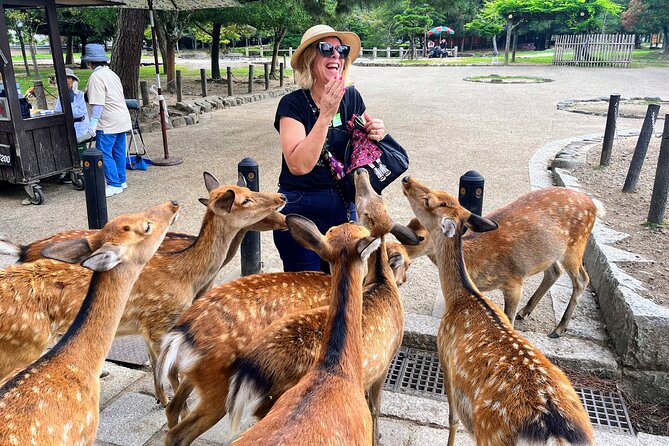
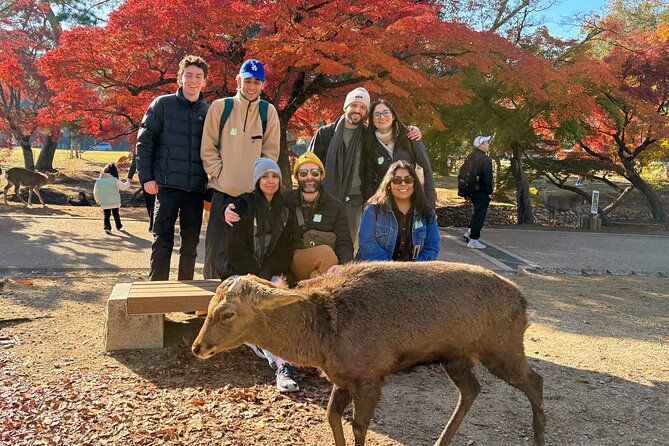
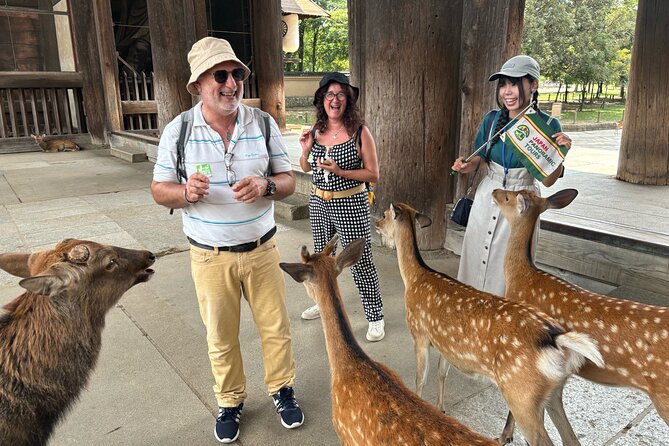
- Meet the deer at Nara Park, with free time to slow down and take photos.
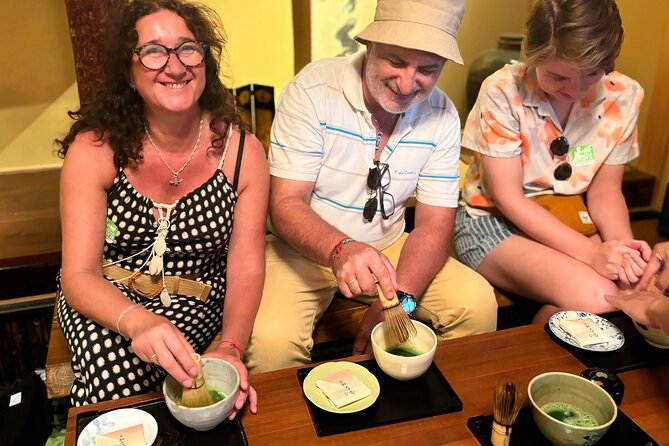
- Uji matcha-making at a historic tea shop, where you prepare and sample your own bowl.
- Byodoin Temple and the Phoenix Hall connection to the 10 yen coin, plus a stroll for matcha sweets.
Meeting point, timing, and how the coach day flows
This is a full-day, about 8 hours 30 minutes from start to finish, and it loops back to where you meet. Your start time is 7:50 am at Tully’s Coffee, Kyoto Avanti Japan (Kyoto station area). It is not a hotel pickup day, so if you are staying outside Kyoto Station, build in extra buffer time to get to the meeting spot.
Once everyone is aboard, the tour uses an air-conditioned vehicle, with WiFi on board. There is also multilingual audio guidance available on the bus in English, Spanish, French, Italian, German, Portuguese, Ukrainian. That matters because Nara’s sites can feel overwhelming if you cannot place the background quickly. You can listen while you travel and focus on the visuals when you arrive.
The day is built for efficiency, you pass notable areas on the way out of Kyoto, then arrive in Nara, then move on to Uji. Also, the order can shift due to traffic or weather, and if something is closed, they will try an alternative place. Translation for you: keep your expectations flexible, and pack for heat and crowds because the day is packed with stops.
Group size is capped at 38 people, which is large enough for variety but small enough that the guide can still manage the group. If you like a tour where you are not stuck in a long line for every step, this size usually helps.
More tea ceremonies in Nara:
- Nara:Authentic Tea Ceremony(Max 5 ppl) -Master Matcha Making
★ 5.0 · 119 reviews - Nara:5 Type of Tea Tasting & Mindful Tea Ceremony
★ 5.0 · 28 reviews - Nara:Tea Tasting&Private Tea Ceremony -Master Matcha Making-
★ 5.0 · 19 reviews
How Nara Park, Kasuga Taisha, and Nandaimon set the tone
Nara hits you with atmosphere fast. The first stop is Kasuga Grand Shrine, one of Nara’s most celebrated shrines. You get about 30 minutes here, and admission is free. Kasuga is a great opener because it gives you a sense of what this region values, sacred space, ritual, and the feeling that the place has a long memory.
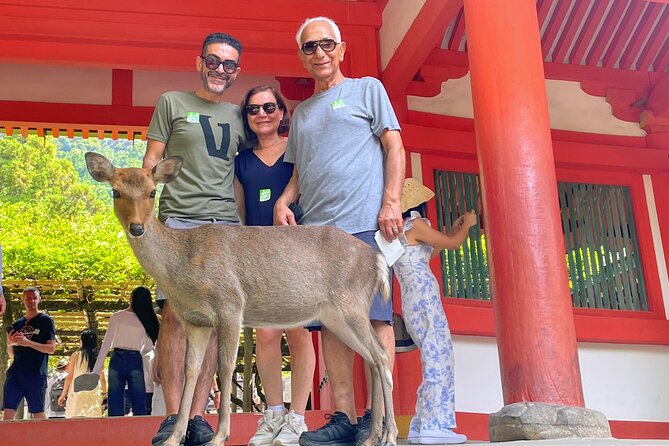
Then you head to Nara Park for another 30 minutes and, yes, the deer are part of the show. The park is known for around 1,400 deer, and your time here is designed for you to simply experience them, not just rush past. You will have the best photos and most fun if you take it slow, stand back a bit first, and watch how the deer behave before you move in.
A quick stop follows at Nandaimon, the Great South Gate, which is only about 5 minutes but it is still worth it. A gate that grand compresses your brain fast. Even if you spend just a few minutes there, it gives you context for how large and organized the temple world was in Nara.
Practical tip from what I’d do: keep an eye on how the deer are interacting with people. A review note I found useful was to bring yen if you want to buy crackers to feed them, and expect gentle nibbling if you ignore the deer while holding food. It is not chaos, but you should treat it like animals that are curious and food motivated.
Todai-ji and the World Heritage moments that make Nara unforgettable
Todai-ji is the big centerpiece, with an included admission ticket. You get about 40 minutes here. Todai-ji is famous for housing the Great Buddha of Nara and for being one of the world’s largest wooden buildings. Even if you have seen photos before, you feel the scale more in person because the architecture is built to dwarf you.
This stop is also a good place to let the guide’s narration do its job. When you understand what you are seeing, the place stops being just a pretty hall and starts feeling like a living cultural system, space, worship, and craftsmanship all working together.
One more helpful detail: the itinerary notes that a palace site is included as one of the World Heritage sites of Nara. The tour does not linger long enough for you to treat it like a separate day-trip museum, but it does expand the story beyond the single famous landmark. That is a real value for first-time visitors, you leave with a sense of Nara being a whole World Heritage zone, not a single stop.
The main drawback at Todai-ji is time. 40 minutes is enough for the highlights, but not for a slow, photographic, every-corner day. If you want the deepest details at Todai-ji, you will need extra time on your own another day. For this tour’s format, though, Todai-ji is perfectly positioned as the anchor stop.
Uji lunch by the river, and why opting in can help
After Nara, you move toward Uji, and the tour gives you about 50 minutes there for lunch. Lunch is a Japanese-style set meal at a restaurant along the Uji River. If you select lunch as part of your booking, you get a structured meal in the middle of sightseeing, with a vegetarian option available.
Two practical things to remember. First, last-minute bookings may receive a regular meal, while vegetarian arrangements can be made if you indicate your needs in the notes up to two days before the tour date. Second, because this is a timed schedule, opting into the lunch option tends to be easier than trying to find food on your own between temple stops.
Why this matters for value: in Uji, dining options exist, but the day already includes multiple paid experiences and temple admissions. Having lunch handled helps you avoid turning your afternoon into a hunt for seats, menus, and payment machines. You get a calmer day and more time for the matcha part later.
A few more Nara days worth comparing
- Nara: Bike Tour in Ancient Capital UNESCO World Heritage
★ 5.0 · 43 reviews - Nara World Heritage PRIVATE TOUR
★ 4.5 · 15 reviews - World Heritage Shirakawa-go and Experience Tours from Kanazawa
★ 5.0 · 4,049 reviews - Tokyo: Imperial Palace and Shogun Historical Walking Tour
★ 5.0 · 2,251 reviews
Byodoin Temple and the Phoenix Hall connection to 10 yen
Byodoin Temple is next, with about 40 minutes and included admission. Byodoin is famous because the Phoenix Hall is depicted on the 10 yen coin. That is one of those facts that makes a stop feel instantly recognizable, even if you are not fluent in the details yet.
In the best cases, this kind of connection does two things for you. It helps your brain anchor the location, and it gives the guide an easy way to explain why the imagery stuck in everyday life. If you like that mix of culture and pop recognition, you are going to appreciate this stop more than you might expect.
You also get the right amount of time for photos, inside-looking time, and a gentle pace back to the group. If you are the type who likes to wander slightly, this is one of the places where “a little space” to look around feels good instead of wasted.
Matcha making in Uji: what you actually do and why it sticks
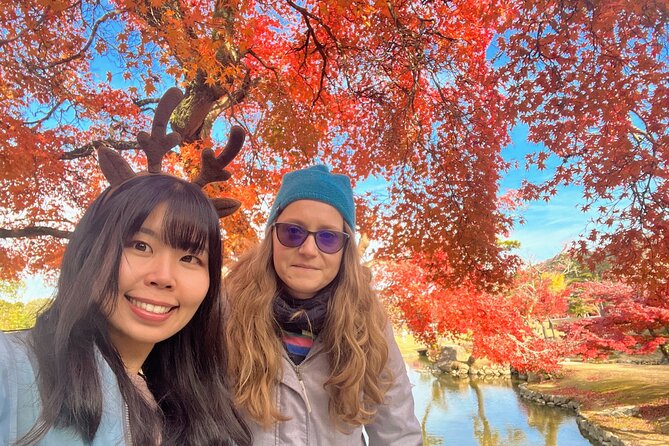
Now for the part this tour is really built around: the Uji matcha-making experience. You get about 30 minutes at a historic tea shop with over 500 years of tradition (that is how it is described). The key point is not just drinking matcha, it is making your own bowl.
This is where you will feel the difference between a sightseeing stop and an activity. You follow the proper traditional way to drink it, you prepare matcha yourself, and you sample it at the end. Even if you have had matcha before, making it gives you a fresh appreciation for the texture, whisking, and how quickly the flavor changes as you handle the process.
One of the most praised elements in the tour experience is how fun this part feels in real time. Guides like Den, Ciel, and Yuta have been specifically mentioned in context of making the day smooth and informative, and the matcha shop owner has also been described as having a great sense of humor. That kind of warmth matters. When you are learning a ritual step by step, a friendly atmosphere makes the learning stick.
What to do as a practical prep: bring your curiosity and a little patience. Matcha making has a rhythm, and 30 minutes is a short window. If you keep your questions simple and listen to the steps, you will get more out of it.
Byodoin Omotesando: matcha sweets, walking time, and shopping rhythm
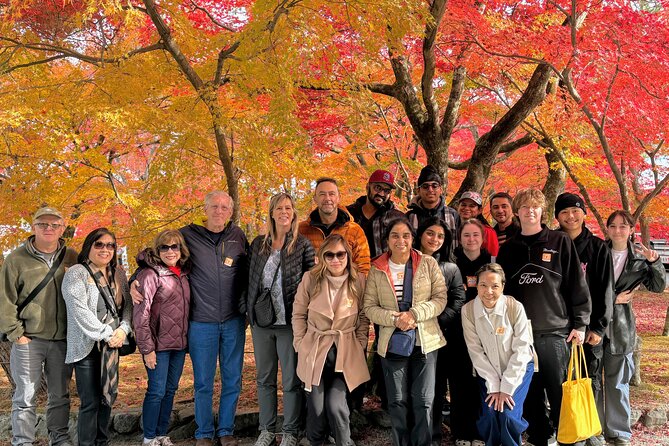
After the matcha lesson, you head to Byodoin Omotesando for about 30 minutes. This is essentially your walking and tasting window, plus shopping time if you want it. The tour gives you time to taste matcha sweets along the street, which pairs perfectly with what you just made.
This is also where you can collect a few edible souvenirs that are actually worth the calories. Because you have already tasted matcha in a more hands-on way, you will notice differences in sweetness, texture, and aroma. That is the benefit of this tour sequence. It is not random, it is a gentle learning arc that ends with tasting.
If you are sensitive to crowds, keep your pace moderate here. Omotesando can get busy, and your time is limited, so it helps to move with purpose. A simple strategy: pick one sweet you will try first, then walk while comparing smells and counters for what looks best to you.
Value check: what you pay for, and what you are really buying
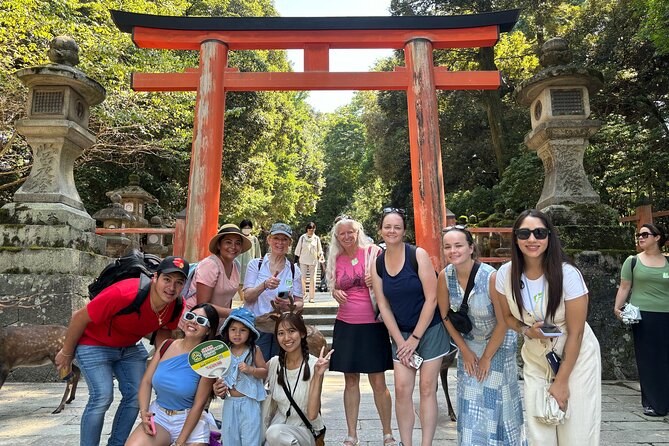
At $129.25 per person, this tour sits in the “worth it if you want convenience” zone. You are paying for several things at once: a professional English-speaking guide, an air-conditioned coach with WiFi and audio, multiple included admissions, and the paid matcha experience.
Included admissions are for Todai-ji Temple and Byodoin Temple. Those tickets alone can make or break value on a day like this. Then you add the matcha-making activity at the historic tea shop and the lunch if you choose that option.
This is where I think you get real value: the tour saves you planning effort and cuts down on transit chaos. Nara and Uji can be done on your own, but you would be stitching together routes, timing, and ticket lines. Here, you get a timed route and a guide to steer you through what matters most.
The other value is context. Many first-time visitors can stand in front of a temple and still feel lost. With an English-speaking guide and audio, you get explanations built around the sites you are seeing that day. I also like that the tour does not try to make you memorize everything, it gives you short guided chunks and then lets you enjoy the space.
If you are someone who hates rushing but also hates decision fatigue, this tour can be a good fit. If you want total control and slow photography time, you may find the pace a bit tight at Todai-ji and the shrine areas, since the time slices are compact.
Who this day tour suits best, and who should choose differently
This tour is best for you if you want a big sightseeing day without building your own itinerary. You get Nara’s iconic sights, plus the matcha portion in Uji, all in one trip. It also suits you if you enjoy a guide-led experience, you like hearing stories while you walk, and you prefer a clear schedule.
I would be cautious if you cannot handle stairs and hills. The tour notes that customers walk around including stairs and hills at each place, and it is not recommended for travelers who cannot walk long distances. Also, late arrivals do not get to join partway through, so if your schedule is unpredictable, this may create stress.
A final fit note: weather can change how comfortable you feel. The tour says weather, traffic, or suspension can affect whether you complete all activities, and refunds are not offered for changes. That is normal for group tours, but you should treat it as a reminder to pack for heat or rain if needed.
Should you book World Heritage Kyoto and Nara Uji matcha experience?
Book it if you want the highest-impact version of Nara and Uji, with a guide, included key admissions, and a real matcha-making activity that is not just a tasting counter. The included coach with WiFi and multilingual audio is a strong bonus, and the route is built so you see the big landmarks without spending your day solving transportation puzzles.
Skip or reconsider if you need a very slow pace, or if you struggle with stairs and hills. Also, if you love long unstructured wandering at just one site, you may feel the time slices are too short for your style.
If you do book, here is how to make the day smoother: arrive early at Tully’s Coffee so you are not stressed about meeting time, plan for walking, and if you want to feed the deer, bring yen for crackers. When you reach Uji, lean into the matcha making rather than treating it like a photo stop. That is the moment that turns this day from a checklist into a memory.
FAQ
Where is the meeting point and what time does the tour start?
You meet at Tully’s Coffee, Kyoto AvantiJapan (Kyoto Avanti building), at 7:50 am. The tour ends back at the same meeting point.
Is hotel pickup or drop-off included?
No. Hotel pickup and drop-off are not included.
Is this tour ticket mobile or paper?
The tour uses a mobile ticket.
Is lunch included, and can I request a vegetarian meal?
Lunch is a Japanese-style set meal along the Uji River if you select it. Vegetarian options are available, and you should indicate this in the notes when booking. Vegetarian arrangements can be made up to two days before the tour date.
Are entrance fees included for Todai-ji and Byodoin?
Yes. Admission for Todaiji (Todai-ji) and admission for Byodoin Temple are included.
Do you get to make matcha in Uji?
Yes. You have a matcha-making experience at a historic tea shop where you prepare your own bowl and learn how to drink it, plus you taste matcha sweets on the Omotesando area.
What languages are available on the bus?
There is multilingual audio guidance on board in English, Spanish, French, Italian, German, Portuguese, and Ukrainian.
How much walking is involved?
The tour includes walking, including stairs and hills at each site, and it is not recommended if you cannot walk long distances. Moderate physical fitness is required.
Can I cancel for a full refund?
Yes. You can cancel up to 24 hours in advance for a full refund. If you cancel less than 24 hours before the start time, the amount paid is not refunded.
Fresh options around Nara
- Nara World Heritage PRIVATE TOUR★ 4.5 · 15 reviews
- Nara: Todai-ji y parque de Nara (Spanish Guide)★ 5.0 · 16 reviews
- Nara Private Tour: Flexible Pickup from Kyoto, Osaka, or Nara★ 5.0 · 17 reviews
- Nara – Heart of Nature Cross Bike Tour★ 5.0 · 19 reviews
- Nara:Tea Tasting&Private Tea Ceremony -Master Matcha Making-★ 5.0 · 19 reviews
- Make Your Own Soy Sauce in Japan’s Old Capital Asuka Nara★ 5.0 · 22 reviews
- Nara: Essential Private Tour with Deer Park and Temples★ 5.0 · 24 reviews
- Nara:5 Type of Tea Tasting & Mindful Tea Ceremony★ 5.0 · 28 reviews
Historical Tours, compared.
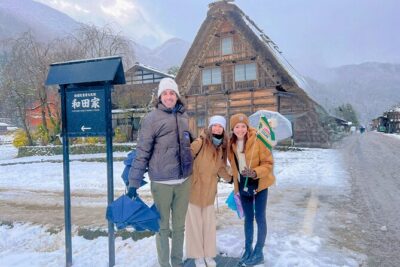
World Heritage Shirakawa-go and Experience Tours from Kanazawa
Read our review →
Imperial Palace and Shogun Historical Walking Tour
Read our review →
Kyoto Gion: 2-Hour Geisha Culture & History Walking Tour
Read our review →
World Heritage Shirakawa-go Morning Guided Tour
Read our review →
Hiroshima Historical Walking Tour – Why A-Bomb was Dropped
Read our review →
Hiroshima Peace (Heiwa) Walking Tour at World Heritage Sites
Read our review →
Shinjuku Historical Walking Tour & Secret Backstreets
Read our review →Browse the lists this tour appears in