
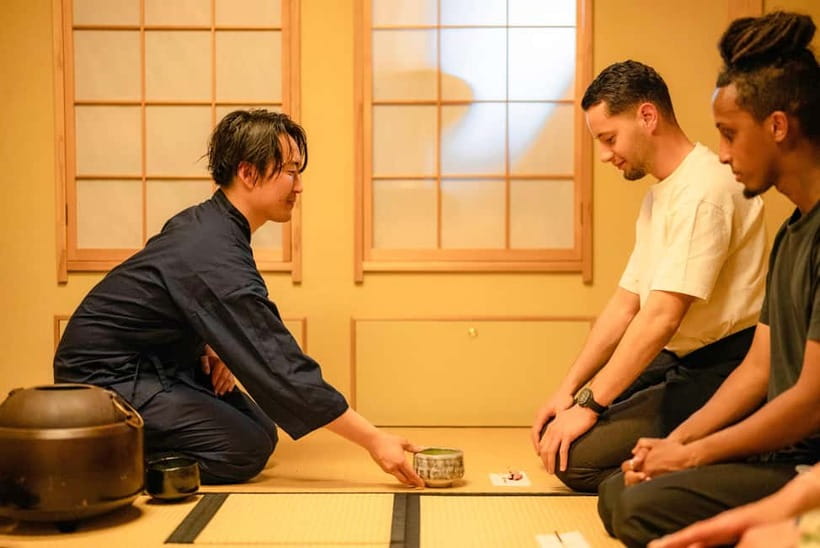
Reviewed · NARA TOURS
Nara:Authentic Tea Ceremony(Max 5 ppl) -Master Matcha Making
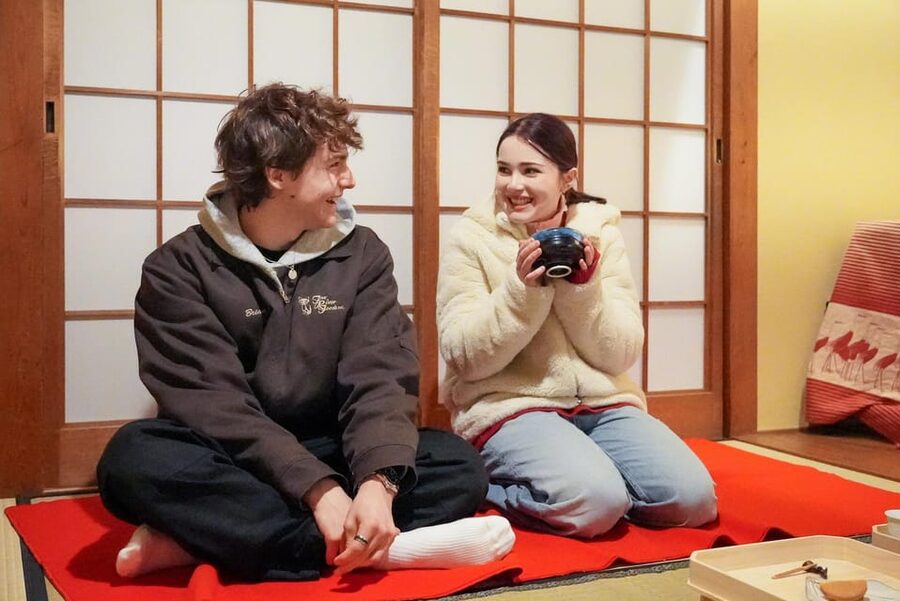
Matcha, made slowly, changes your whole mood. In Nara, you learn tea ceremony basics in a calm 120-year-old farmhouse, then whisk and taste your own matcha with a master.
I love the hands-on whisking coaching, where the tea master shows you exactly how to whisk for a smoother, creamier texture. I also love the tasting angle, including a comparison of single-origin matcha from Nara so you can tell what you actually enjoy.
At $46 per person for one hour, it is not the budget option. It is a good fit if you want technique and cultural context, less so if you only want a quick drink.
Key highlights
- 120-year-old Japanese farmhouse setting that feels quiet and real, not staged
- Very small group size (listed up to 5, small group up to 6) for more personal attention
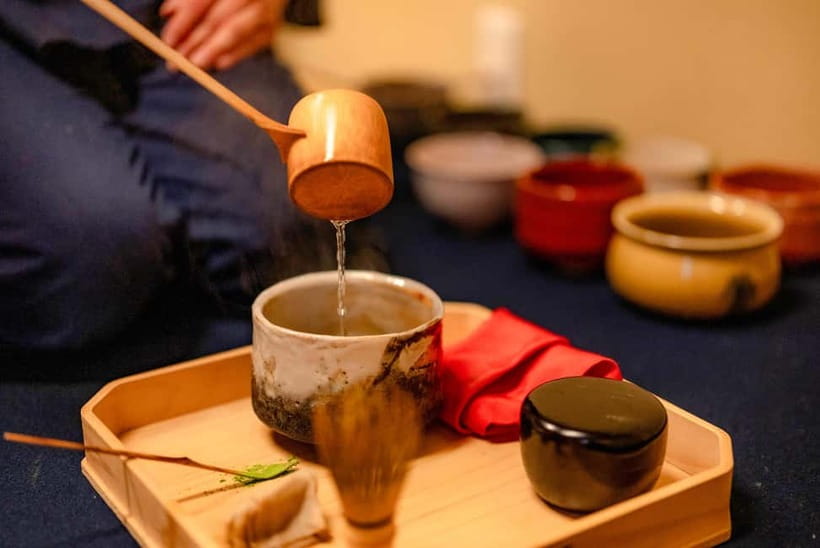
- Step-by-step tea ceremony etiquette and tools before you start whisking
- Matcha whisking practice with personalized feedback to improve your technique
- Single-origin Nara matcha tasting to find your favorite flavor style
- Seasonal wagashi pairing that changes the way you taste the tea
A 120-Year-Old Nara Farmhouse Makes the Tea Feel Slower
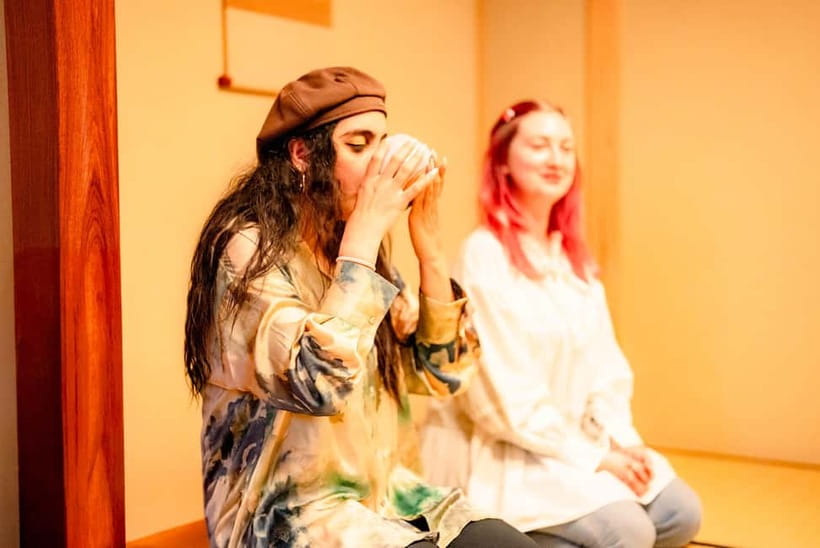
The setting is a big part of why this works. You are stepping into a traditional Japanese house that is about 120 years old, and the atmosphere is meant to slow you down. Instead of rushing through “a cultural activity,” you get a quiet room, a calm pace, and room to focus on what you are doing.
For you, that matters because tea ceremony is not just about drinking matcha. It is about posture, attention, and the rhythm of simple motions. When the place already feels rooted in everyday Japanese life, the lesson lands faster.
This is also where you start noticing details you might normally skip. You pay attention to utensils, how things are handled, and why certain steps happen in a certain order. That is the difference between tasting matcha in a café and learning how matcha is approached in a tea room.
More tea ceremonies in Nara:
- World Heritage Kyoto & Nara Uji Authentic Matcha Experience
★ 5.0 · 1,573 reviews - Nara:5 Type of Tea Tasting & Mindful Tea Ceremony
★ 5.0 · 28 reviews - Nara:Tea Tasting&Private Tea Ceremony -Master Matcha Making-
★ 5.0 · 19 reviews
How the Tea Ceremony Lesson Fits Into One Hour
This is a 1-hour experience, and the flow is built to pack in the essentials without turning it into a lecture marathon. You begin with an overview of tea ceremony tradition, including history, etiquette, and the tools used. Then you move from talking into doing, so you are not just watching.
A skilled tea master guides you through the formalities and explains the “why” behind them. If you are new to tea ceremony, this is ideal because the session is structured for first-timers. If you already know a little, you still benefit from the feedback and corrections on the movements that matter.
You can also expect the teaching to be interactive. The session includes hands-on matcha practice, with personalized guidance as you whisk and prepare. The tea master speaks English and Japanese, which helps if you want clearer explanations or a bit more conversational back-and-forth.
One practical note: because the group is small, it is easier to ask real questions. People in reviews mention that hosts will answer questions and then add local recommendations around Nara and nearby areas.
The Core Skill: Master Matcha Whisking Like a Tea Master
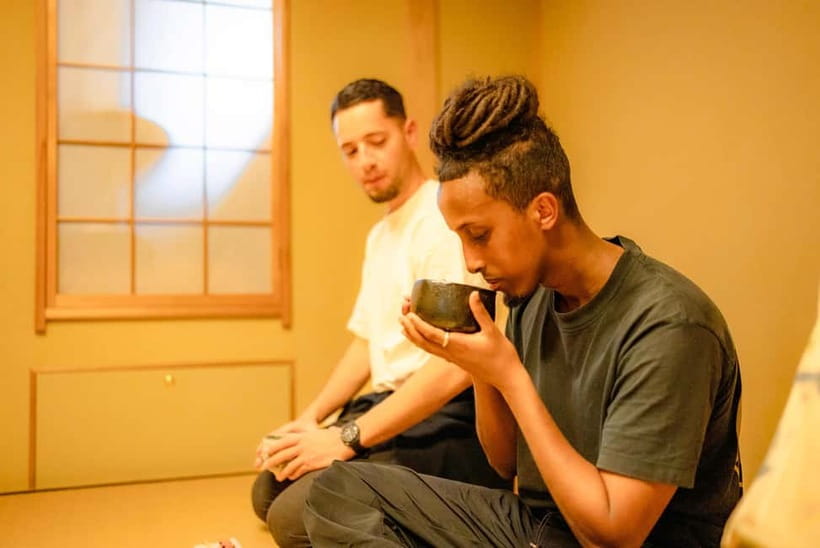
The headline here is matcha making. You get a guided walkthrough of preparation and serving, then you whisk your own matcha. That hands-on part is the reason this class feels more valuable than a tasting only.
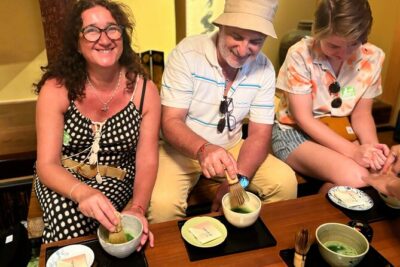
The tea master shows you how to handle the tools and how to build the right texture with your whisking. In reviews, people call out that hosts give tips to improve whisking technique and help you get the matcha creamy, not just frothy. That sort of coaching is exactly what you want if you are planning to replicate matcha at home.
You also get a matcha tasting element, not only one cup you sip and move on. The experience includes comparing single-origin matcha from Nara so you can notice differences in aroma, flavor, and how the sweetness or bitterness lands for you. This is huge for value, because it turns matcha from a generic drink into something you can choose deliberately.
Depending on the host, you might also hear extra suggestions about matcha buying and what to look for. Reviews mention recommendations for matcha cafés and where to buy matcha, plus tips for sake shopping. If that matters to you, bring up what kind of flavors you like, and ask for a short shopping list.
Taste With Intention: Wagashi Pairing Changes the Whole Cup
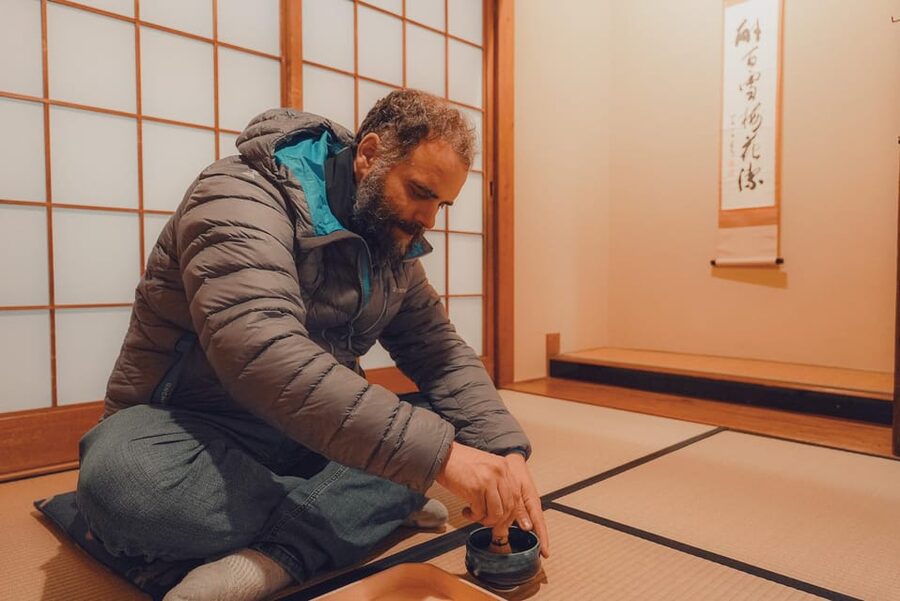
You do not just whisk matcha and call it a day. The ceremony ends with seasonal wagashi, traditional Japanese sweets, paired with your tea. This matters because wagashi often changes the way you taste matcha.
Even if you are not a sweets person, this pairing is worth paying attention to. The sweetness and texture can balance the tea’s bitterness and bring out different notes in the matcha. It also gives you something concrete to compare: how the matcha tastes before the wagashi, during, and after.
Because the wagashi is seasonal, you are more likely to get something that feels tied to the time of year rather than a fixed, same-for-everyone sweet. That seasonal angle makes the session feel local, not interchangeable with any other matcha class.
If you have dietary restrictions, you might want to ask ahead of time. The data provided does confirm wagashi is included, but it does not list ingredients or substitutions, so it is smart to check.
A few more Nara days worth comparing
- Nara Half Day Trip Walking Tour (Private Option Available)
★ 5.0 · 937 reviews - Nara Early Morning Tour (Kyoto or Osaka Departure Available)
★ 5.0 · 676 reviews - Osaka: Nara and Uji Day Trip with Deer Park and Hot Spring
★ 4.4 · 302 reviews - Kyoto/Osaka: Kinkakuji, Bamboo Forest, and Nara Deer Park
★ 4.4 · 265 reviews
Price and Value: What You Are Really Paying For at $46
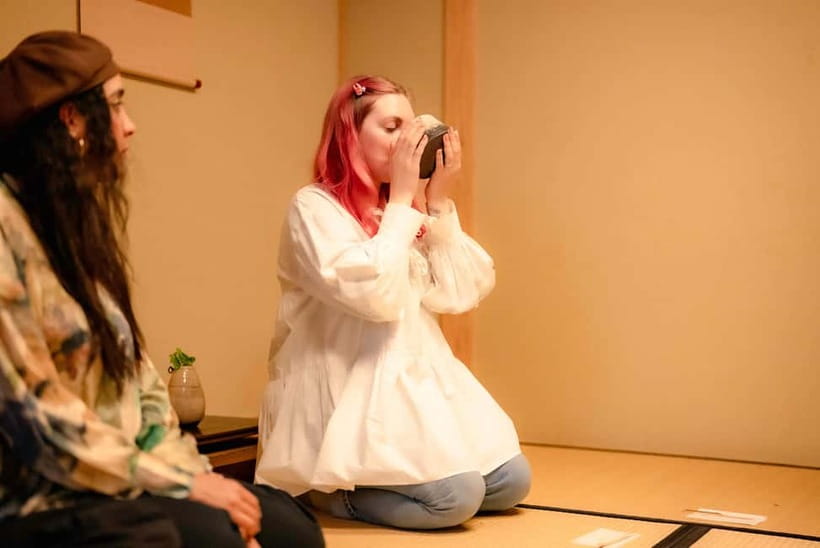
$46 for one hour can feel steep if you compare it to a café matcha. But this experience is not a café stop. You are paying for direct instruction from a tea master plus hands-on practice using traditional tools, plus wagashi and ceremony context.
Here is how I think about value for you:
- You get personalized feedback while you whisk, which is hard to do in a group class.
- You learn etiquette and the tools, so you understand what you are seeing instead of guessing.
- You get to taste matcha in a structured way, including a Nara single-origin comparison.
So the value is highest if you want to improve your technique and learn what makes matcha preparation different. If your goal is only to drink matcha once, then any matcha shop could be cheaper. If your goal is to go home with a repeatable method and better taste awareness, this kind of session is often worth the money.
Also, small-group size matters here. With limited participants, the master can correct your whisking and answer your questions instead of splitting time across a larger crowd.
Getting There Without Stress: Small-Group Meeting and Finding Your Host
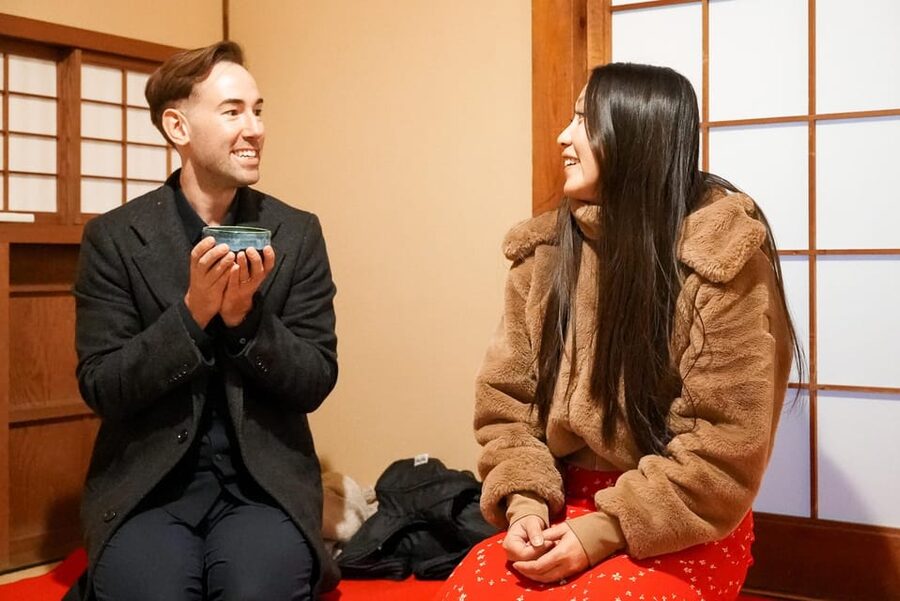
Because this is in a traditional house setting, your visit may involve a short walk to the location. One review mentions a walk of about 10 minutes from the station, so plan for a little walking time in your day.
You should also plan for your host to help you find them if needed. In one review, the tea master used WhatsApp to help with locating the meeting spot, and the guest mentioned trouble finding the host due to the outfit color. That tells you the practical reality: bring your phone, keep notifications on, and be ready to message your host if you get turned around.
A calm start helps. Tea ceremony rewards patience. If you are rushing from a long train ride or trying to squeeze it between far-apart sights, you may feel squeezed. You will get more out of it if you keep your schedule flexible around the session length.
Best Fit: Who This Nara Matcha Class Suits
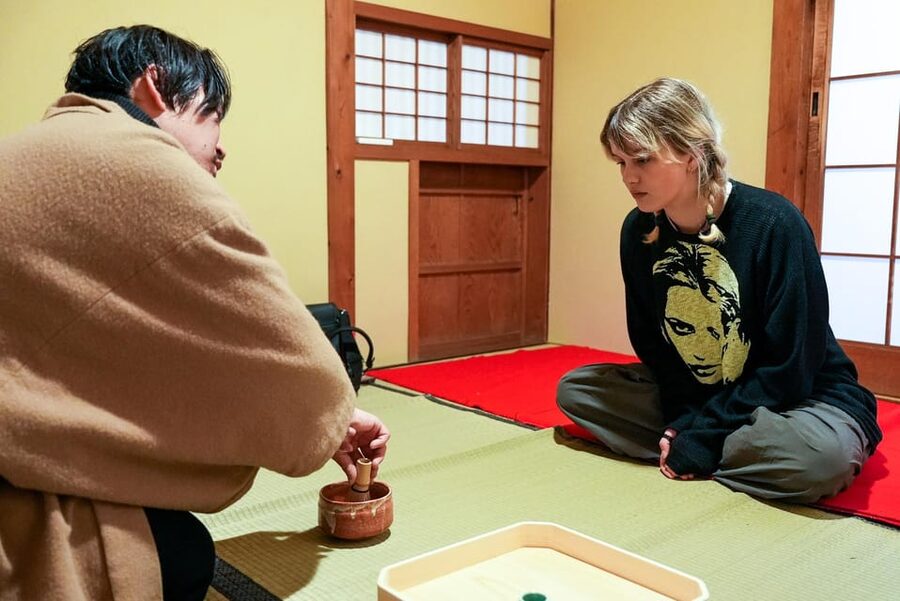
This is a great choice for:
- First-timers who want tea ceremony context and a friendly introduction
- Tea lovers who want hands-on practice, not just tasting
- People who like small, calm experiences with room for questions
- Anyone who enjoys food culture, since wagashi pairing is included
In reviews, people also highlight that hosts often add useful local recommendations after the ceremony, including restaurant suggestions and places to buy matcha or sake. That is a bonus for you if you want to steer your remaining day with a local perspective.
It is less ideal if you want a fast, high-energy tour. This is about slow attention, clean technique, and quiet pacing. Think of it as a reset button for your senses.
Should You Book This Nara Tea Ceremony and Matcha Masterclass?
If you want to understand tea ceremony beyond surface facts, I think you should book it. The experience combines real instruction, hands-on whisking practice, and a guided tasting element from Nara single-origin matcha, all topped off with seasonal wagashi.
Skip it if you only want a drink and you are not interested in learning the method or ceremony etiquette. In that case, you might prefer a simpler matcha stop and spend your time elsewhere.
If you do book, go with two goals: learn how to whisk for the texture you like, and pay attention to the flavor differences in the Nara matcha tasting. Ask your tea master what to look for when buying matcha, and tell them what flavors you prefer, so the recommendations land closer to your tastes.
FAQ
How long does the Nara tea ceremony and matcha making experience last?
The experience lasts 1 hour.
What is the group size for Authentic Tea Ceremony (Master Matcha Making)?
It is a small-group experience, listed as limited to a maximum of 6 participants, and the summary also notes a maximum of 5 people.
How much does it cost per person?
The price is $46 per person.
What languages does the instructor teach in?
The instructor teaches in English and Japanese.
Do you get hands-on practice making matcha?
Yes. You get guided matcha preparation and serving, and you also do hands-on matcha practice with personalized feedback.
Is wagashi included in the experience?
Yes. Authentic wagashi (traditional Japanese sweets) is included.
Do you taste matcha beyond your own freshly whisked cup?
Yes. The experience includes tasting and comparing single-origin matcha from Nara to help you find your favorite.
Is free cancellation available, and can you reserve with pay later?
Yes. You can cancel up to 24 hours in advance for a full refund, and you can reserve now and pay later, meaning you pay nothing today.
Fresh options around Nara
- Nara World Heritage PRIVATE TOUR★ 4.5 · 15 reviews
- Nara: Todai-ji y parque de Nara (Spanish Guide)★ 5.0 · 16 reviews
- Nara Private Tour: Flexible Pickup from Kyoto, Osaka, or Nara★ 5.0 · 17 reviews
- Nara – Heart of Nature Cross Bike Tour★ 5.0 · 19 reviews
- Nara:Tea Tasting&Private Tea Ceremony -Master Matcha Making-★ 5.0 · 19 reviews
- Make Your Own Soy Sauce in Japan’s Old Capital Asuka Nara★ 5.0 · 22 reviews
- Nara: Essential Private Tour with Deer Park and Temples★ 5.0 · 24 reviews
- Nara:5 Type of Tea Tasting & Mindful Tea Ceremony★ 5.0 · 28 reviews
Nara Tours, compared.
World Heritage Kyoto & Nara Uji Authentic Matcha Experience
Read our review →
Nara Half Day Trip Walking Tour (Private Option Available)
Read our review →
Nara Early Morning Tour (Kyoto or Osaka Departure Available)
Read our review →
Nara and Uji Day Trip with Deer Park and Hot Spring
Read our review →
Kyoto/Osaka: Kinkakuji, Bamboo Forest, and Nara Deer Park
Read our review →
Nara 6hr Private Tour with Government-Licensed Guide
Read our review →
E-Bike Nara Highlights – Todaiji, Knives, Deer, Shrine
Read our review →
Nara Early Bird Tour (Kyoto Departure Option Available)
Read our review →Browse the lists this tour appears in