
Reviewed · WORKSHOPS
Tea Ceremony Workshop in Tokyo by the Experienced Instrucor
Matcha, ritual, and quiet in Asakusa. I like that this class is taught through a Urasenke Chado-licensed school in Kyoto, so you get structure, not a random tea chat. I also like the hands-on focus, you’ll practice making both koicha (thick matcha) and usucha (thin matcha) after a short welcome and explanation.
One thing to plan for is the location inside an older house: the tea room is on the second floor, and the staircase is very steep, with no lift or machinery to help you up.
Key Highlights You Will Actually Feel During the Workshop
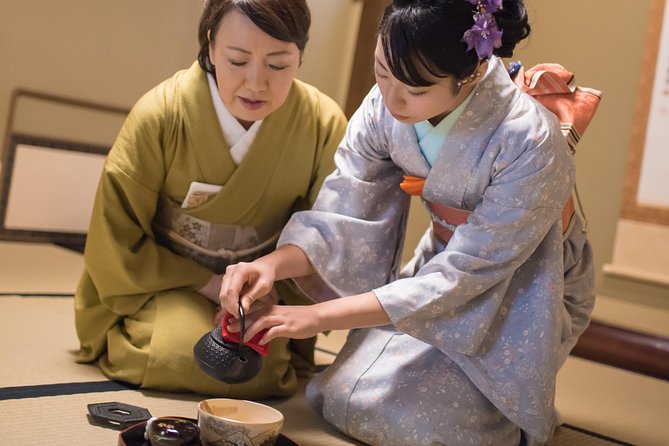
- Urasenke Chado School Connection: Instruction is tied to a Kyoto-licensed school, led in English by the instructor at the Tokyo workshop.
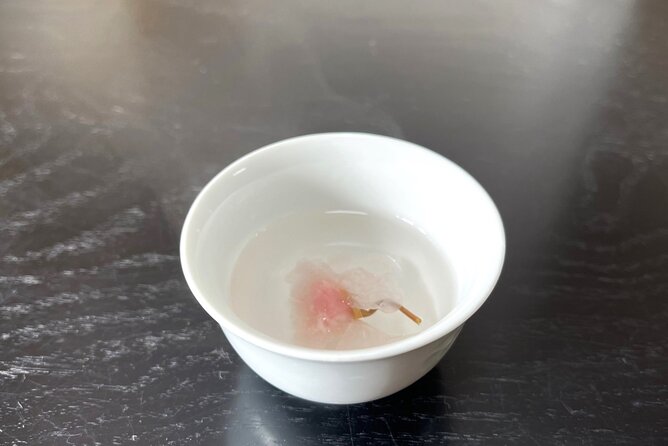
- Sakura Tea Welcome: You start with a cherry blossom flavored cup served by the host.
- Koicha Performance and Tasting: You watch a formal-style preparation, then taste the strong matcha version used in the ceremony tradition.
- Usucha Hands-On Lesson: You make your own thin matcha with foam, not just watch someone else do it.
- Tatami Tea Room Time: Expect quiet pacing, plus mediation in the tearoom to slow your brain down.
- Small Group Setup: Maximum of 6 travelers, which makes it easier to ask questions and get personal guidance.
What Chado Teaches You in 90 Minutes
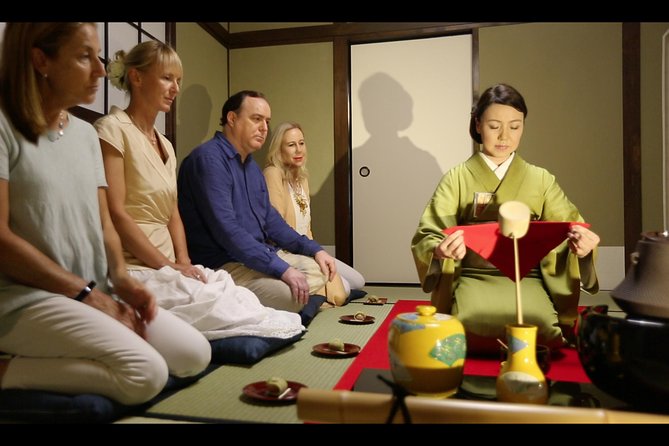
A Tokyo tea ceremony workshop is easy to book and easy to enjoy, but this one leans into the reason chado exists in the first place. The flow is built around calm attention: welcome drink, short history setup, a look at the tearoom, then ceremony steps, tasting, and finally your own matcha work.
The core concept you’ll leave with is that chado is not about speed or volume. It’s about how the host sets the mood through precise movements, how the guest receives the moment, and how the tools and tea type change the experience. Even if you don’t memorize every term, the class helps you taste the difference between thick and thin matcha, and feel how the ceremony creates a pause in your day.
More Tea Ceremonies in Tokyo
- Matcha Making Class in Tokyo with Authentic Japanese Sweets Set
★ 5.0 · 744 reviews - Tokyo: Traditional Tea Ceremony with a Tea Master
★ 5.0 · 528 reviews - Tokyo: Matcha Making Experience with Mochi Sweets in Asakusa
★ 4.9 · 388 reviews
Tea Room Setup Near Asakusa: Tatami, Socks, and Steep Stairs
The workshop meets at 2-chōme-3-12 Kotobuki, Taito City, Tokyo (then you return there at the end). It’s near public transportation, so you can build it into a broader day in Tokyo without burning hours on transit.
Inside, the tea room is traditional, with tatami mats, and that means socks only. No bare feet, and you’re asked to bring socks. There’s also a practical dress note: miniskirts and tight pants are not recommended, and clothing that lets you move comfortably is a smart idea.
Plan for the big physical reality: the tea room is on the second floor, and the staircase is steep. The house is older, built in the 1940s, and the organizer notes they do not have equipment to assist going up. If stairs are a challenge for you, this is the one detail you should consider seriously before booking.
From Sakura Welcome to the 10-Minute Chado History Video
The experience starts with a cup of Sakura tea, a cherry blossom flavored welcome drink served by the host. It’s a gentle way to get your senses online before anyone starts explaining tea traditions.
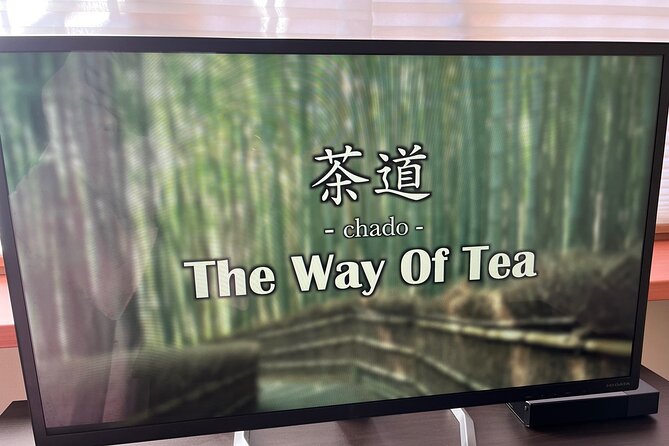
Then you watch a short introduction video, about 10 minutes, covering the history and core concepts of chado. This matters because the ceremony steps that follow can feel like pure choreography unless you understand the purpose behind them. Even a short primer helps you connect the movements to ideas like hospitality, appreciation, and mindful presence.
After that, you move into the tea room portion where you learn about the space and get that quiet time people come to chado for. It’s not a long performance, but it is paced so you have a few moments to actually notice your surroundings.
Koicha Ceremony Steps, Then the Strong Matcha Taste
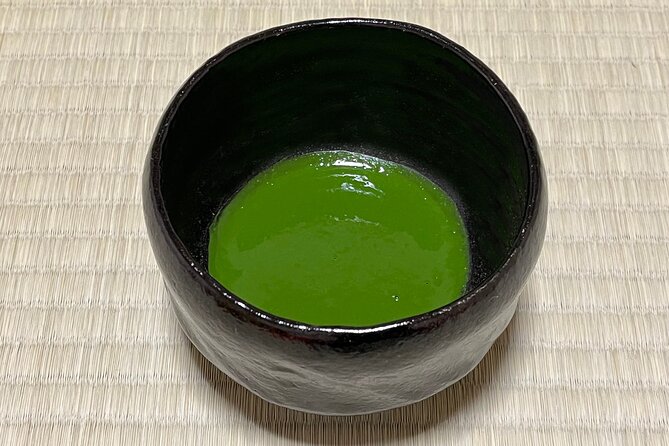
One of the most praised parts of this workshop is the way it treats koicha seriously. You’ll learn how the ceremony formal performance is done, and you’ll taste the strong matcha tea, koicha, which is described as the original form traditionally drunk in the ceremony tradition.
Watching the preparation is part of the education. You see how the host’s process creates a specific outcome in the bowl, and you learn why thick matcha feels different from the thinner version. This isn’t just flavor, it’s texture, aroma, and how the tea sits on your tongue.
Then you taste. That small shift from watching to tasting is why this class works well for visitors who want more than a photo-op. You’re not just collecting information, you’re learning through your senses.
Same corner of Japan, a different kind of day:
- Mt Fuji and Hakone 1-Day Bus Tour Return by Bullet Train
★ 5.0 · 26,383 reviews - 1-Day Tokyo Bus Tour
★ 5.0 · 14,250 reviews - Tokyo: TOKYO SKYTREE® Admission ticket
★ 4.5 · 11,192 reviews - Tokyo: teamLab Planets TOKYO Digital Art Museum Entry Ticket
★ 4.6 · 9,779 reviews
Tea Bowls and How Shape Changes the Experience
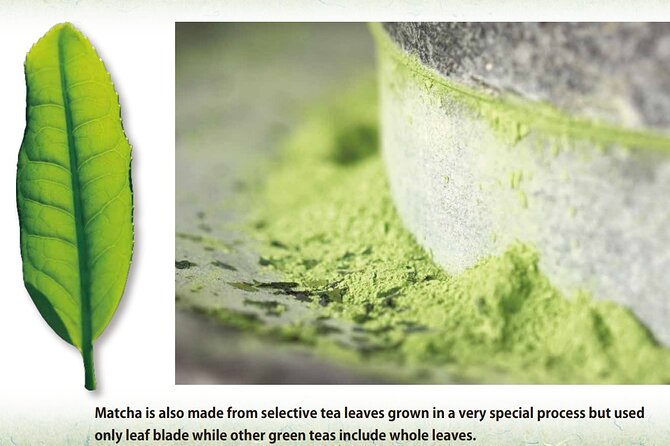
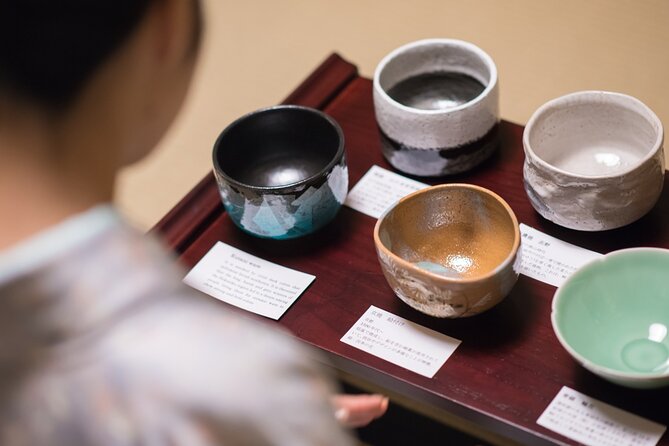
After koicha, the workshop moves into something that feels very practical once you learn what to look for: tea bowls. You’ll learn that different regions have different bowl styles, and that shapes can yield different tastes and experiences.
This might sound abstract, but it’s one of those details that suddenly makes the ceremony make sense. Matcha is matcha, but how it’s prepared and how it’s served changes the way you perceive it. You’ll start noticing how the bowl influences the feel of the tea, right down to your perception of aroma and mouthfeel.
If you like food culture and tableware, this segment is a nice bonus. It’s also a good reminder that chado is a full system, not only a drink recipe.
Your Hands-On Usucha Lesson: Making Thin Matcha With Foam
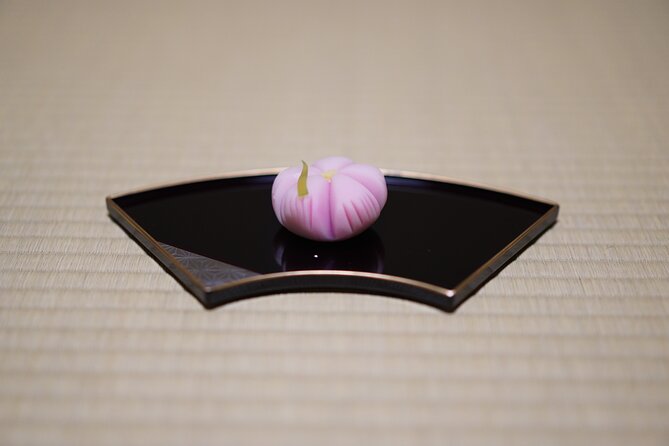
The highlight for many people is that you don’t just taste tea, you practice making it. You’ll learn to make usucha, the thin matcha tea with foam on top, in a hands-on lesson.
Before your usucha moment, you’ll enjoy dry sweets. This is another detail worth taking seriously because sweets and tea sit together in Japanese tea culture. The class gives you a chance to experience how sweetness and matcha play off each other, instead of eating sweets blindly and then resetting your palate later.
Then comes your bowl of usucha. The workshop guides you through the steps, and you get to work with the matcha in a way that feels direct and satisfying. This is also where the small group size helps, maximum of 6 travelers, because you can get corrections and guidance during the process.
Meditation Time and the Pace That Makes It Worth Leaving the City
Between the technical parts, you get a quiet section that’s explicitly described as meditation. It’s the part of the workshop that makes it more than a class and less than a show.
The tea room itself is designed for that slower pace: tatami mats, a traditional tearoom setup, and a structured progression so your attention can rest. The result is that you leave feeling like you had a real break, not only another activity in Tokyo’s nonstop schedule.
And yes, you’ll also sample multiple types of tea and traditional Japanese confectionary. There’s a sensory arc to it: welcome drink, sweets, koicha tasting, then usucha and matcha work. That flow helps you learn without feeling rushed.
Dress Code and Seating Options: Tatami Comfort Without Panic
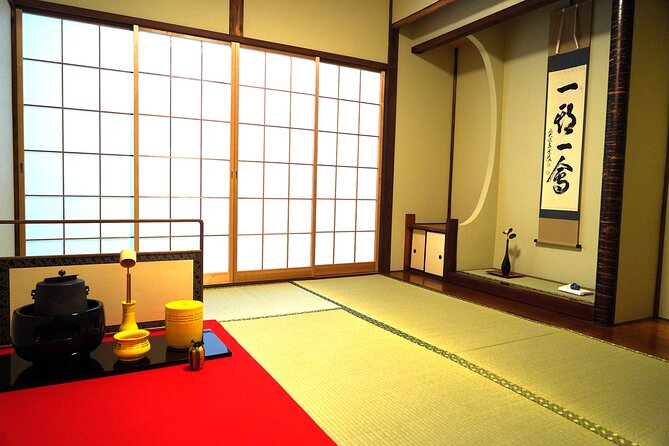
You’re not required to sit in one specific way. The workshop says you do not have to use seiza style kneeling on the tatami. If you cannot sit on the mats in any way, the organizers can provide a chair.
That’s a big deal for real-life comfort. Tatami seating can be tough for knees and ankles, especially if you’re not used to it. The chair option means the workshop can still work for you, as long as you can handle the upstairs location.
Still, remember the no bare feet rule and socks requirement. It’s a simple thing, but it’s the sort of detail that ruins a calm start if you forget.
Price and Value: Why About $38.47 Feels Fair
At $38.47 per person, this workshop is priced like a short, focused cultural class, not like a full private ceremony. The value comes from what you actually do: you watch, you taste both thick and thin matcha, and you make a bowl of usucha yourself.
Also, you’re not dealing with a huge crowd. The maximum group size is 6 travelers, which keeps the experience more personal than many larger tea demos. A smaller group matters because it lets the instructor guide you through technique and helps you understand the why behind the steps.
Add in the included elements you get in the session: a welcome drink (sakura tea), video intro, tea room time, sweets, koicha tasting, and your own usucha practice. For many visitors, that’s enough to feel like you got your money’s worth quickly.
Best Fit: Who This Tokyo Tea Ceremony Workshop Is For
This is a great fit if you want a real cultural experience with enough structure to learn something specific. You’ll likely enjoy it most if you care about food culture, appreciate quiet activities, and want to experience chado as a set of practices, not just a one-time tasting.
It’s designed for ages 10 and above, so it can work for families with kids who can sit through a guided, calm session. It’s also a good choice for couples and small groups who want a memorable, peaceful break in Tokyo.
If you have strong mobility concerns, the steep second-floor stairs are the one potential deal-breaker. Beyond that, the chair option for seating helps make the tatami time more manageable.
Should You Book This Tokyo Tea Ceremony Workshop?
Yes, you should book it if you want a short class that still respects the ceremony steps, and you really want hands-on matcha making. The combination of koicha watching and tasting, plus your own usucha preparation, is the main reason to choose this style of workshop.
I would hesitate only if stairs are a serious issue for you, because the tea room is upstairs in an older house and there’s no assist equipment mentioned. If you’re comfortable with steep steps and can follow the sock and dress guidance, this is a calm, focused way to experience chado near Asakusa without spending half a day on a tour.
FAQ
Where does the tea ceremony workshop start?
The meeting point is listed as 2-chōme-3-12 Kotobuki, Taito City, Tokyo 111-0042, Japan. The activity ends back at the same meeting point.
How long is the workshop?
The duration is about 1 day and 1 hour 30 minutes.
What does it cost?
The price is $38.47 per person.
Do I get to make matcha myself?
Yes. You’ll do a hands-on lesson to make a bowl of usucha (thin matcha with foam). You also taste koicha as part of the ceremony portion.
What kind of dress code is required?
Miniskirts and tight pants are not recommended. No bare feet are allowed in the tea room, and you should bring socks.
Do I have to sit on the tatami in seiza style?
No. You do not have to sit in seiza style on the tatami mats. If you cannot sit on the mats, the workshop can provide a chair.
Is there an age requirement?
The workshop is designed for participants age 10 and above.
Is the tea room easy to access?
The tea room is on the second floor, and the staircase is very steep. The organizer notes they are not equipped with machinery to assist guests going up.
What is the cancellation policy?
Free cancellation is available if you cancel up to 24 hours in advance for a full refund. If you cancel less than 24 hours before the start time, the amount paid is not refunded.
Fresh options around Tokyo
- Tokyo: Nikko Kegon Falls Lake Chuzenji Toshogu Temple & More★ 4.9 · 12 reviews
- Tokyo: Samurai History Walking Tour★ 5.0 · 12 reviews
- Harajuku: Kawaii Fashion and Pop-Culture Tour★ 4.7 · 12 reviews
- Tokyo: Mt. Fuji & Lake Kawaguchi Instagram Full Day Trip★ 4.1 · 12 reviews
- Shibuya Tokyo: Modern Kintsugi Workshop in Shibuya★ 5.0 · 12 reviews
- Tokyo: GTR Guided Daikoku Experience at Night★ 5.0 · 12 reviews
- Tokyo: Daikoku JDM Car Culture Tour★ 4.6 · 12 reviews
- Mt Fuji Private Day Trip from Tokyo with English speaking driver★ 5.0 · 13 reviews
Workshops, compared.
Sushi Making Tokyo Roll and Authentic Japanese Sushi Class
Read our review →
Roll and Authentic Sushi Making Class in Asakusa
Read our review →
Ramen Cooking Class at Ramen Factory in Kyoto
Read our review →
Sushi Making Class in a Happi Coat near a Famous Spot
Read our review →
Sushi Making Osaka Roll and Authentic Japanese Sushi Class
Read our review →Browse the lists this tour appears in