
Reviewed · WORKSHOPS
Matcha Making Class in Tokyo with Authentic Japanese Sweets Set
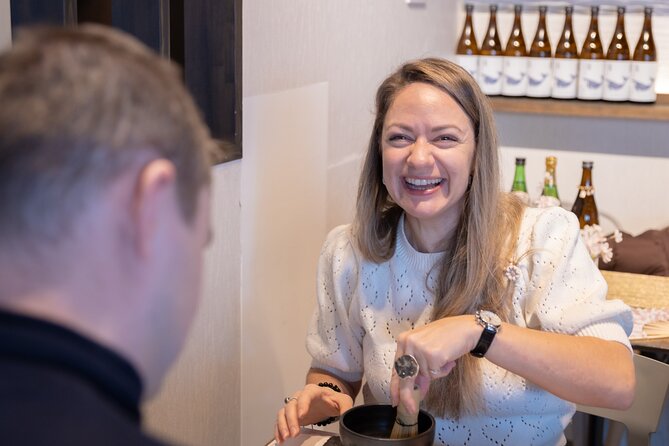
Matcha in Japan tastes like a whole new idea of green tea. In this Asakusa matcha-making class, you learn step by step how to whisk properly, then sip your creation with Japanese sweets. You’ll get personal attention from an English-speaking instructor in a beginner-friendly setting, which is rare in a big city like Tokyo. One thing to consider is that it is about an hour and runs without hotel pickup, so you’ll want to plan your time and reach the meeting point on your own.
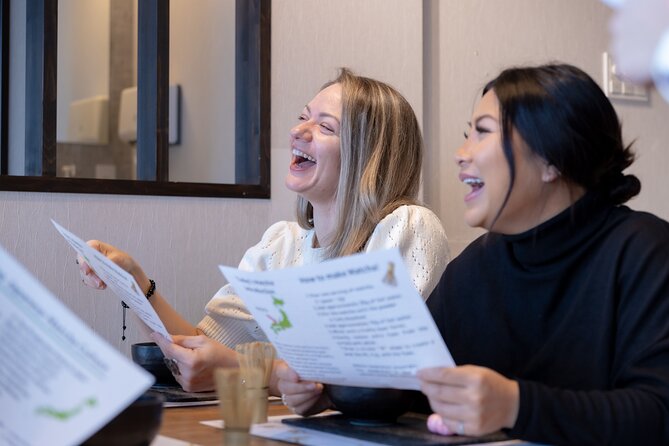
I especially like the practical focus. They teach you what to do, how to do it, and what to pay attention to, including tips on spotting higher-quality matcha powder. The other standout for me is the tone, relaxed and fun, not stuffy tea ceremony theater.
A possible drawback: it is a short class, so if you’re hoping for a full formal tea ceremony experience, you may feel this is more “learn and enjoy” than “slow and ceremonial.”
Key things you’ll notice in this Matcha class
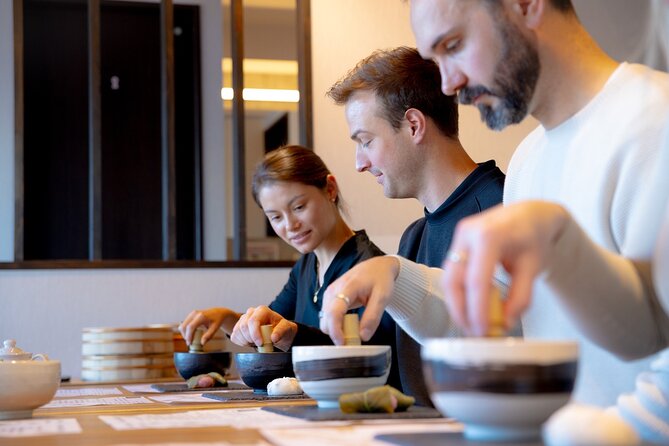
- Hands-on whisking, so you do the real work, not just watch
- English-speaking guidance throughout, with one-to-one help for questions
- Asakusa location in a traditional neighborhood with easy public transport access
- Seasonal Japanese sweets paired with your matcha for a balanced finish
- Small-group feel with a maximum size of 30 travelers
Asakusa Matcha Making: What You Learn in About an Hour
This is the kind of Tokyo activity that fits neatly into a day, without eating up half your plans. The class runs for about one hour, and that tight timing is part of the appeal. You get the story and the technique, then you get to use it right away.
The goal is simple: help you get matcha right at home. You’ll learn professional tips and tricks as you make it, which matters because matcha is one of those drinks where technique changes everything. Even if you’ve had matcha before, you’ll probably taste the difference after learning the whisking approach and how to handle the powder and water.
You also learn the cultural significance behind the ceremony. They keep it clear and beginner-friendly, so it feels like you’re understanding Japan, not memorizing trivia. One review notes they teach the history of matcha and how it is grown, so you can connect flavor to how the product exists in the first place.
More Tea Ceremonies in Tokyo
- Tokyo: Traditional Tea Ceremony with a Tea Master
★ 5.0 · 528 reviews - Tokyo: Matcha Making Experience with Mochi Sweets in Asakusa
★ 4.9 · 388 reviews - Tokyo: Matcha and Kimono Experience
★ 4.7 · 219 reviews
Where You Meet: Kaminarimon, Asakusa, and an Easy Start
Meet at Matcha Making Tokyo | Cooking Class in Japan, 2-chōme-17-9 Kaminarimon, Taito City, Tokyo. The meeting point is in the Asakusa area, which is handy because you can anchor your day around it and not fight Tokyo transit from scratch.
There’s no hotel pickup or drop-off, so you’ll want to treat this like a “show up at the address” plan. If you like structured days, this helps. If you hate getting yourself to meeting points, you’ll feel it here.
The start and end both return to the same meeting place. That’s good for people who dislike time gaps or wandering around hoping they’re near the right place. It also makes it easier to pair with other Asakusa stops, like temple walks or snack breaks before or after.
Your Hosts: English-Friendly Teaching Without the Stiffness
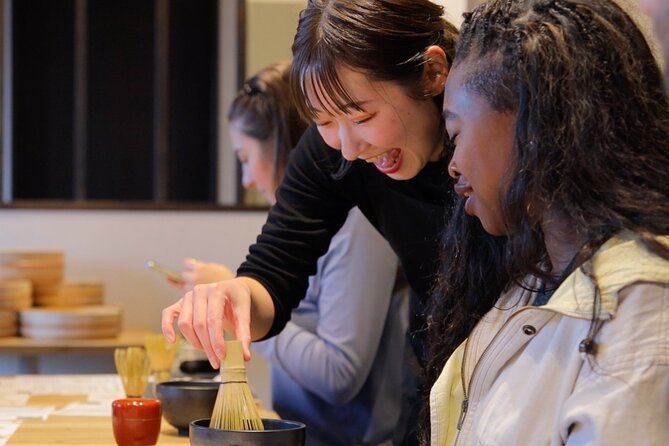
What I like about this class is the human vibe. You’re guided by friendly, English-speaking hosts who explain as you go, and they keep the mood relaxed. Multiple instructor names show up in past sessions, like Hiya, Shuri, Rino, and Nama, so depending on your date, you may meet one of these instructors.
This is not a “sit silently and admire” situation. Reviews mention the team engages everyone, including kids, and asks questions or pulls you into the flow. One review even highlights that the group felt quieter and more calm compared to a noisier class happening nearby, which tells you the setting can feel cozy and manageable.
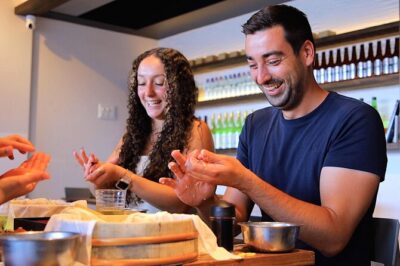
Also, the class includes photo time. They help you take a family photo after you make your matcha, which is a small detail but a real value add. It turns the experience into something you can actually remember when you’re back home staring at your kitchen whisk wondering if you did it right.
The Matcha Lesson: From Learning the Powder to Whisking It
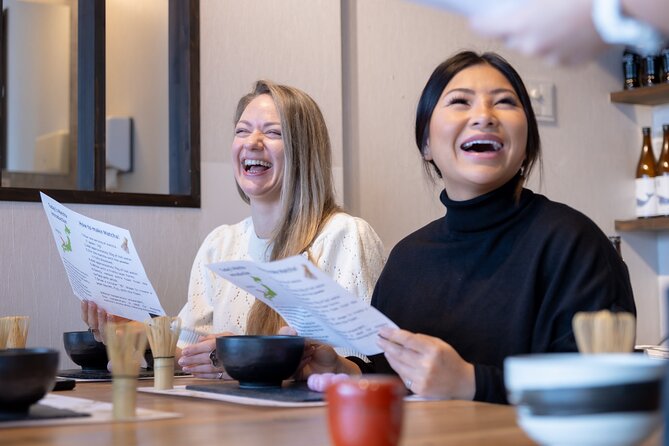
The workshop teaches matcha step by step with ceremonial-style technique, but with a relaxed pace. You’ll learn how to prepare matcha using traditional methods and tools. In past sessions, people have mentioned using traditional tools and whisking their own matcha in class.
One of the best lessons to expect is how to spot higher quality matcha powder. That’s mentioned directly in reviews, and it’s exactly the kind of practical skill that helps you after the class. You won’t just leave with a drink, you’ll leave with a way to judge what you’re buying later.
You’ll also see visuals during instruction. Some reviews mention the instructor uses an iPad with pictures, including how matcha is grown. That helps because it makes the history and the product feel less abstract. You can connect the “why” to what you’re doing with your hands.
Here’s what the hands-on part typically feels like. The instructor shows you what to do, then you follow along and whisk. You’re not left to figure it out alone, which is crucial because matcha can go wrong fast if you rush or don’t apply the right technique. Past guests specifically praised learning tips and techniques and getting clear guidance every step of the way.
And yes, you get to take photos while you’re learning. The act of whisking is photogenic because it’s slow enough for the moment to be real, not just a quick selfie stop.
Same corner of Japan, a different kind of day:
- Mt Fuji and Hakone 1-Day Bus Tour Return by Bullet Train
★ 5.0 · 26,383 reviews - 1-Day Tokyo Bus Tour
★ 5.0 · 14,250 reviews - Tokyo: TOKYO SKYTREE® Admission ticket
★ 4.5 · 11,192 reviews - Tokyo: teamLab Planets TOKYO Digital Art Museum Entry Ticket
★ 4.6 · 9,779 reviews
The Sweets Pairing: Why Your Cup Tastes Better Together
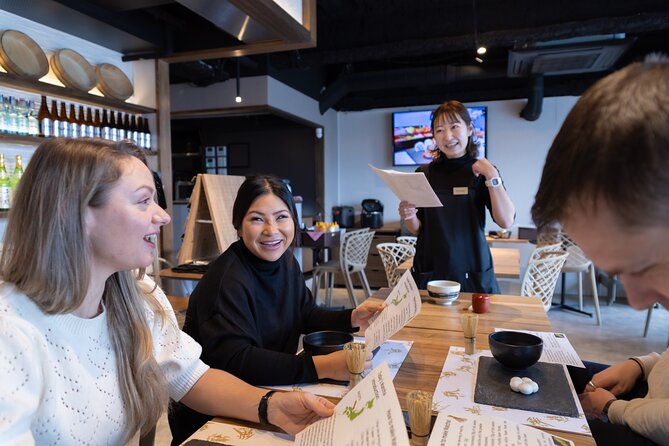
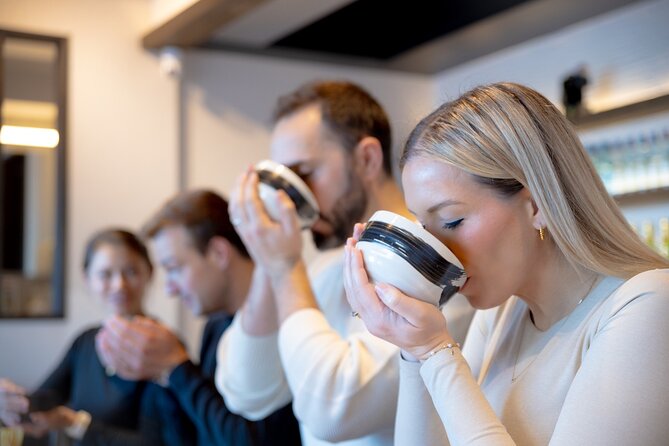
After whisking, you get to enjoy your matcha with Japanese sweets. The class includes matcha with seasonal Japanese sweets, and that pairing is part of the design, not an afterthought.
Matcha has a strong, concentrated flavor, and sweets help you experience it in a more complete way. If you’ve ever had matcha that tasted either too bitter or too flat depending on how it was made, the pairing can help you notice the balance.
From the reviews, the sweets are described as delicious and traditional, and people mention the matcha was tasty and not overly bitter. That doesn’t mean every cup will taste the same for every person, because matcha quality and technique matter. But it does suggest the class is thoughtful about combining flavors in a way that works for many palates.
Also, this pairing is a nice way to slow down after the technique. You’re not standing there thinking about whether you did the whisk motion correctly. You can just enjoy the drink and sweets and let the experience land.
Photo Time and the Comfort Factor for Families and Beginners
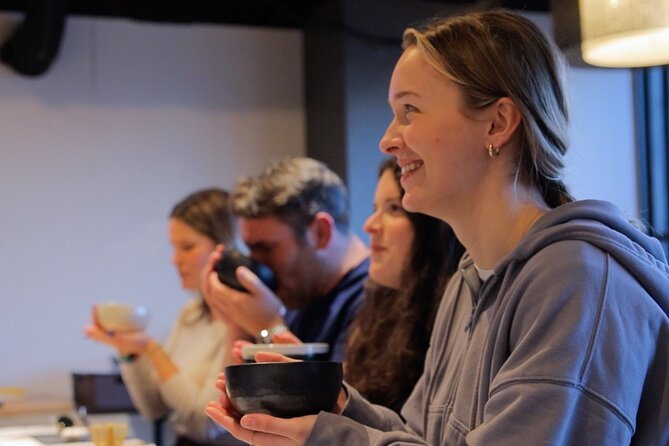
This class is aimed at beginners and is easy to join even if you’ve never touched ceremonial-style tea tools before. No prior tea ceremony experience is required, and the instruction is beginner-friendly. That matters because Tokyo has plenty of experiences that quietly assume you already know the basics.
Reviews mention families with kids, including ages like 6 and 9, enjoying the class. That tells me the teaching approach is flexible. Instead of using confusing jargon, they focus on what you need to do and what you need to look for.
You’ll probably appreciate the one-to-one feel. The highlights emphasize personal attention and one-to-one guidance every step of the way. And with a maximum group size of 30 travelers, the class shouldn’t feel like a cattle line.
One small but real comfort detail: people mention cozy café waiting time if they arrive early. That implies the host understands travel chaos and doesn’t punish you for being there sooner than planned. It also fits the general vibe, welcoming and calm.
Price and Value: Is $21.89 a Good Deal in Tokyo?
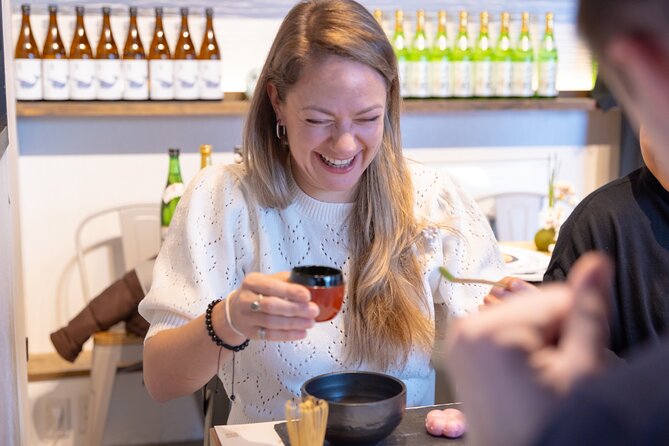
At $21.89 per person, this class sits in a “surprisingly reasonable” zone for Tokyo activities. The price is low enough that it doesn’t feel like you have to justify it as a big splurge. And it’s high enough that you’re paying for more than a snack.
The value comes from what’s included:
- English-speaking instructor
- Matcha you make
- Japanese sweets paired with it
You’re also getting real instruction time, not just observation. That hands-on part is the difference between buying a souvenir and learning a skill you can repeat. If you think you might buy matcha powder later, learning how to whisk correctly and how to identify better powder gives you a tangible return on your money.
Duration matters too. About one hour means you can still do other things that cost money, like meals or museum tickets. This class doesn’t force a whole-day commitment, so it’s easier to slot into a realistic itinerary.
So for the value question: I’d see this as a low-cost entry into Japanese food culture that gives you technique, flavor, and photos, all in a manageable time window.
How to Fit It Into Your Day in Asakusa
Because there’s no hotel pickup, you’ll want to time it like a normal activity. Plan your transit so you arrive a little early, especially since Asakusa streets can be charming and slightly winding. The class starts at the Kaminarimon area, so it’s a good anchor for a day that includes walking and snacks nearby.
I also like booking this early in a trip, not at the end. Matcha is one of those things you might want to purchase to take home. If you do the class earlier, you’ll understand what you’re looking for later when you shop.
If you’re traveling with kids, this can be a calmer break from temples and crowds. A short, hands-on class gives them something to do with their hands and attention. Reviews suggest kids enjoy the interactive, engaging approach, and that’s a big deal when you’re trying to avoid constant “stand and wait” time.
If you don’t want a formal tea ceremony, this class may suit you better. One review explicitly mentions that it feels less formal than a full ceremony, which is helpful if you’re curious but don’t want the strict, slow script.
Practical Tips Before You Go
First, read the address carefully and head to the meeting point on your own. Since there’s no pickup, you want your arrival to be smooth. A mobile ticket is mentioned, so make sure your phone battery is healthy.
Second, come with curiosity, not expectations of perfection. You’re learning technique, and instructors guide you step by step. If your first whisk isn’t perfect, that’s part of why this is worth doing in the first place.
Third, be ready to learn how matcha quality works. The class includes tips like spotting higher-quality powder, and that’s a skill you can use after your trip. Even if you don’t buy matcha every week at home, understanding what matters helps you pick better gifts for friends.
Fourth, take photos when the instructor tells you it’s time. They help with a family photo after you make matcha, which suggests there’s an ideal moment for it.
Should You Book This Matcha Making Class?
Book it if you want a short, high-value Tokyo experience with real hands-on learning. I’d choose this for beginners, families, and anyone who likes food culture that you can reproduce at home. The class is also a great fit if you want the matcha story and technique without the formality of a full tea ceremony.
Skip it only if you’re looking for something very long or very ceremonial. This is about making matcha, learning the process, then enjoying it with sweets. If you want a multi-hour, highly scripted tea ritual, you might find this too brief.
If you’re on the fence, the decision is easy to make: for the money, you get instruction, a finished drink, and a paired snack, plus photo moments. That combination is exactly what makes this kind of class worth putting into your Tokyo plan.
FAQ
How long is the matcha making class?
The class lasts about 1 hour.
Do I need prior tea ceremony experience?
No. You do not need any prior tea ceremony experience.
What is included in the price?
The class includes an English-speaking instructor and matcha served with Japanese sweets.
Where do I meet for the class in Asakusa?
You meet at Matcha Making Tokyo | Cooking Class in Japan, 2-chōme-17-9 Kaminarimon, Taito City, Tokyo 111-0034, Japan. The activity ends back at the meeting point.
Is hotel pickup included?
No. Hotel pickup and drop-off are not included.
What is the cancellation policy?
Free cancellation is available up to 24 hours in advance of the experience start time for a full refund. If you cancel less than 24 hours before, the amount paid is not refunded.
Fresh options around Tokyo
- Tokyo: Nikko Kegon Falls Lake Chuzenji Toshogu Temple & More★ 4.9 · 12 reviews
- Tokyo: Samurai History Walking Tour★ 5.0 · 12 reviews
- Harajuku: Kawaii Fashion and Pop-Culture Tour★ 4.7 · 12 reviews
- Tokyo: Mt. Fuji & Lake Kawaguchi Instagram Full Day Trip★ 4.1 · 12 reviews
- Shibuya Tokyo: Modern Kintsugi Workshop in Shibuya★ 5.0 · 12 reviews
- Tokyo: GTR Guided Daikoku Experience at Night★ 5.0 · 12 reviews
- Tokyo: Daikoku JDM Car Culture Tour★ 4.6 · 12 reviews
- Mt Fuji Private Day Trip from Tokyo with English speaking driver★ 5.0 · 13 reviews
Workshops, compared.
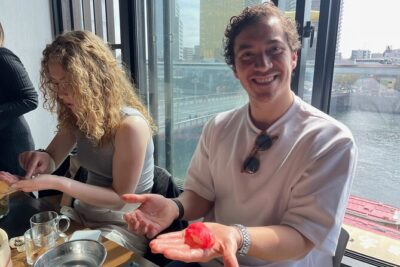
Sushi Making Tokyo Roll and Authentic Japanese Sushi Class
Read our review →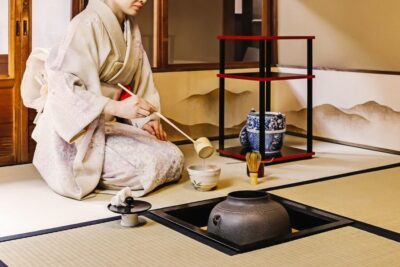
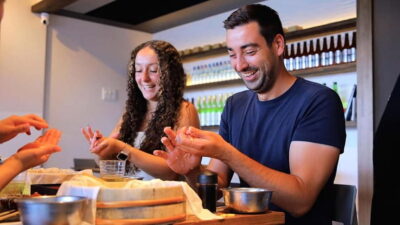
Roll and Authentic Sushi Making Class in Asakusa
Read our review →
Ramen Cooking Class at Ramen Factory in Kyoto
Read our review →
Sushi Making Class in a Happi Coat near a Famous Spot
Read our review →
Sushi Making Osaka Roll and Authentic Japanese Sushi Class
Read our review →Browse the lists this tour appears in