
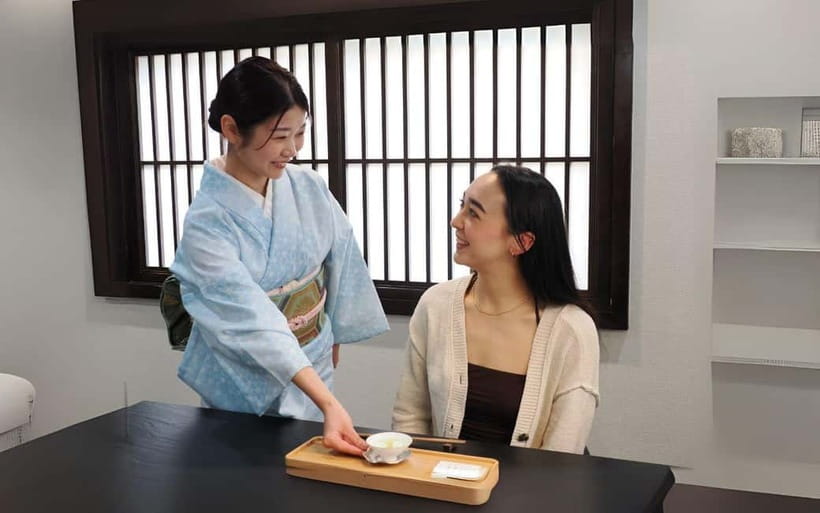
Reviewed · TEA CEREMONIES IN TOKYO
Tokyo: Traditional Tea Ceremony with a Tea Master
Tea gets personal in one hour. I love the hands on matcha lesson and the chance to taste gyokuro, wakocha, and genmaicha. One drawback: it is not set up for wheelchair users, and the session moves fast, so bring your questions early.
You meet at the Ocharu Tea Ceremony room right across from Tokyo University, and an English speaking tea master walks you through each step.
Key highlights that make this tea ceremony worth your time
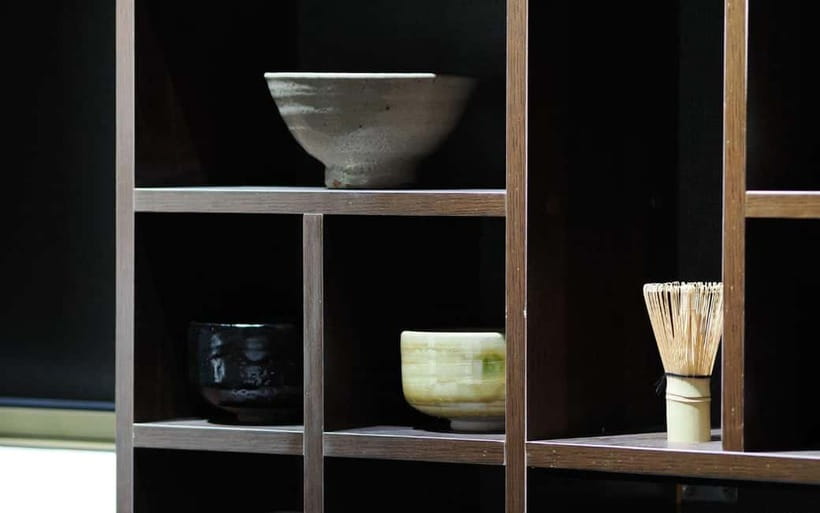
Hands on matcha whisking guided by a tea master, so you are not just watching
A tasting lineup with variety, wakocha, gyokuro sencha, then matcha, then genmaicha
Seasonal wagashi from Ougiya, a real confectionery name with a long track record
A completion certificate and group photo, a tangible souvenir you can take home
A calm, relaxed pace in a dedicated room, not a rushed grab and go stop
Close to major landmarks, Tokyo University is right there across the street
Ocharu Tea Ceremony room, right across from Tokyo University
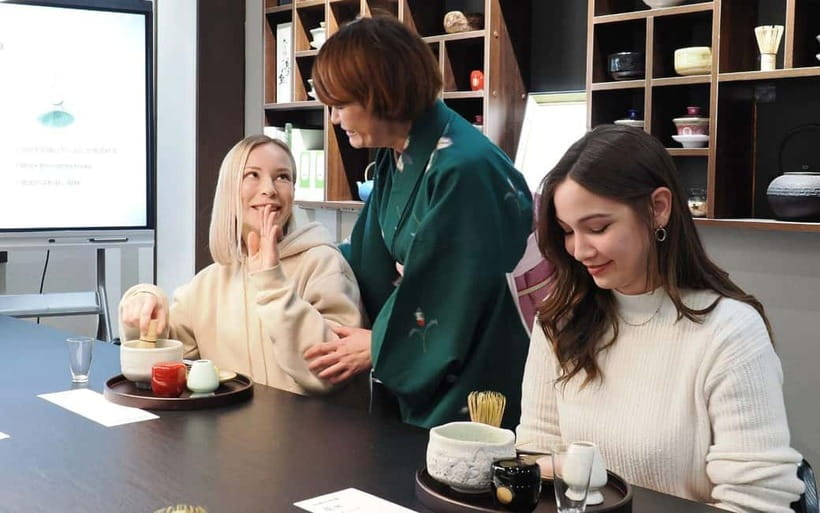
This is one of those Tokyo experiences where the location helps you relax. You are set up across from Tokyo University in the Ocharu Tea Ceremony room, so it feels easy to find even if you are new to the area. The room itself is designed for the practice, not a generic tasting counter.
A small but important detail: you are asked to arrive about five minutes early. That gives you time to check in without feeling flustered, which matters because the session rhythm is part of the experience.
More Tea Ceremonies in Tokyo
- Matcha Making Class in Tokyo with Authentic Japanese Sweets Set
★ 5.0 · 744 reviews - Tokyo: Matcha Making Experience with Mochi Sweets in Asakusa
★ 4.9 · 388 reviews - Tokyo: Matcha and Kimono Experience
★ 4.7 · 219 reviews
Welcome tea and cake: wakocha sets the mood
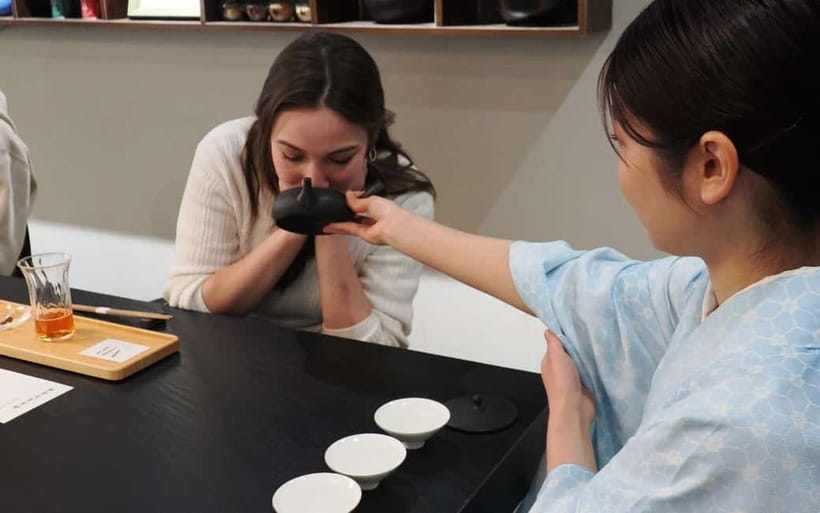
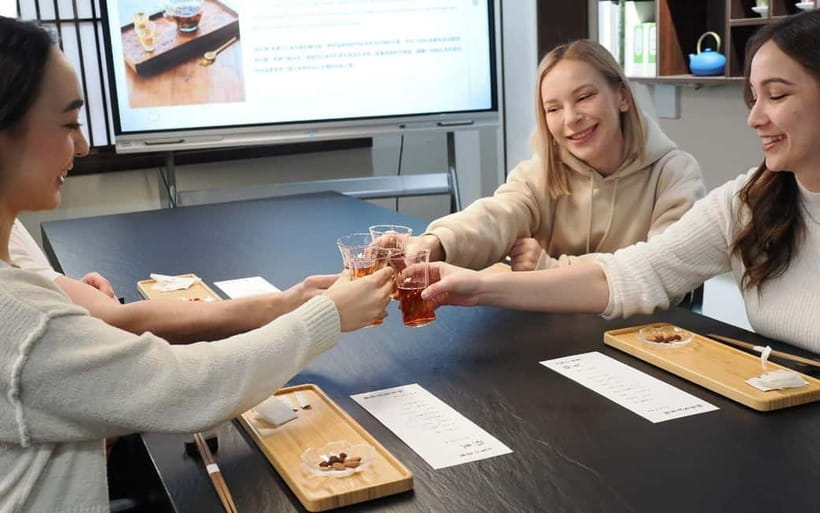
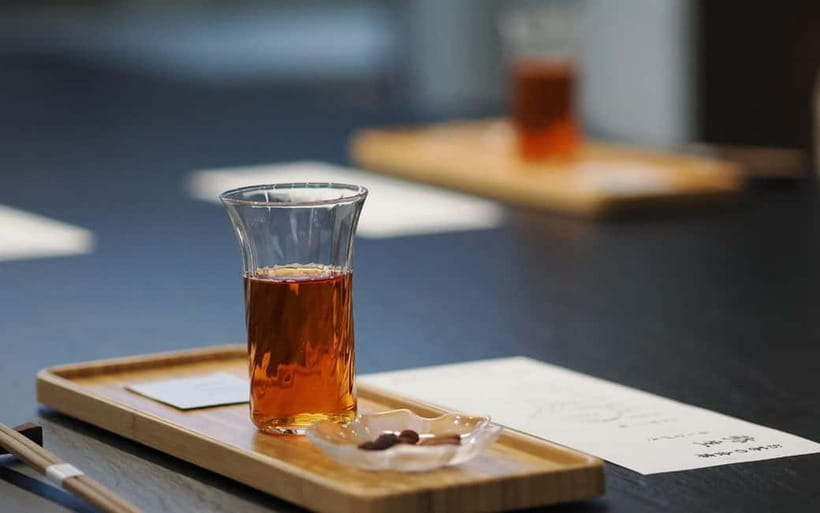
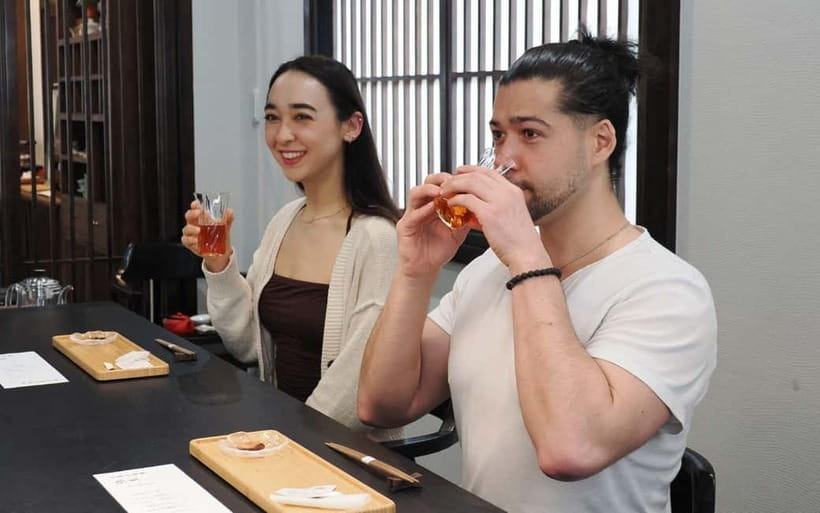
The ceremony starts with a friendly welcome. You begin with wakocha, a Japanese black tea from Shizuoka, paired with a tea cake on arrival. This first sip matters because it gets your palate ready for what comes next, and it keeps the mood light before the more formal tea steps.
Wakocha has its own identity. Instead of jumping straight into green tea bitterness, you get fruit and floral notes that help you notice flavors and aromas more clearly later.
From sencha to gyokuro: tasting green tea the right way
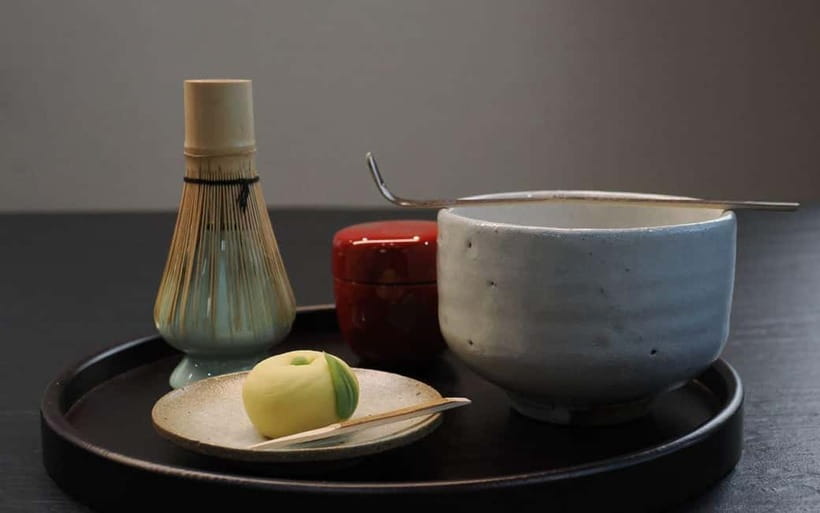
Next, you taste Gyokuro sencha. This is described as top grade green tea, and the ceremony is built around teaching you how to experience it properly.
You do more than drink. You are guided to watch, then taste, and you may even be encouraged to pay attention to the tea leaves themselves. In a lot of tea experiences, the hard part is guessing what you are supposed to notice. Here, the guide helps you separate taste, scent, and texture so you can actually learn from the cups.
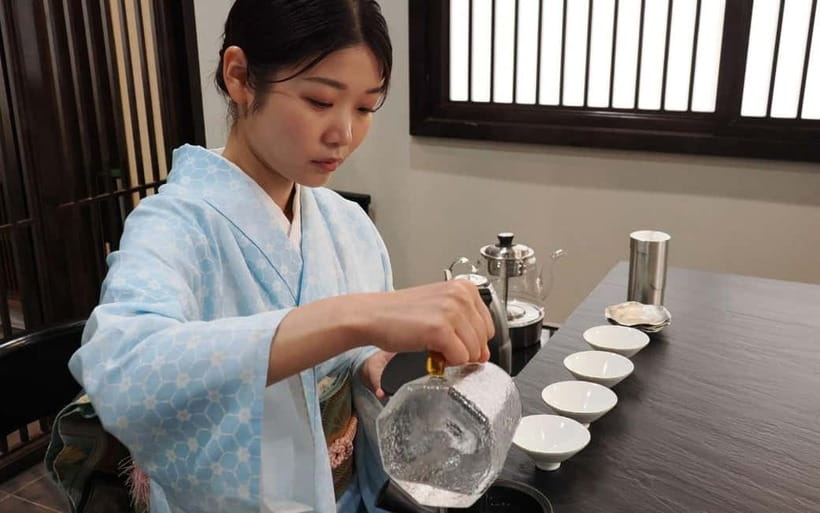
You also get context about tea temperatures and how small changes affect flavor. That is useful for you at home, because it turns matcha and sencha from something you simply order into something you can reproduce.
Seasonal wagashi from Ougiya: the sweet that teaches timing
Wagashi are not random snacks. They are part of the flavor pacing of the ceremony, and in this session you get seasonal wagashi from Ougiya, a well known confectioner.
What you should look for is how the sweet fits the tea. Tea ceremonies often feel complicated if you skip the rhythm, but wagashi helps you understand that the goal is balance, not just taste one thing after another. If you are new to Japanese sweets, this is a gentle way to get comfortable.
The wagashi selection changes with the season, so you are not only buying into a ritual, you are also tasting the moment. That makes the whole hour feel more like a cultural experience than a menu.
Same corner of Japan, a different kind of day:
- Mt Fuji and Hakone 1-Day Bus Tour Return by Bullet Train
★ 5.0 · 26,383 reviews - 1-Day Tokyo Bus Tour
★ 5.0 · 14,250 reviews - Tokyo: TOKYO SKYTREE® Admission ticket
★ 4.5 · 11,192 reviews - Tokyo: teamLab Planets TOKYO Digital Art Museum Entry Ticket
★ 4.6 · 9,779 reviews
Your turn to make matcha: the whisking lesson you will remember
The main event is matcha making. You whisk your own matcha using traditional tools under expert guidance, and you get to experience the process hands on rather than standing back.
This is where the ceremony becomes personal. Matcha is unforgiving if you do it carelessly, and your tea master’s instructions help you get the texture and consistency right. In practical terms, this is what you can take home: not just the flavor, but the feeling of how the process should look and sound.
In the experience, your guide also explains tea etiquette and manners. That might sound formal, but the tone is usually relaxed and friendly, so you do not feel like you are taking a test. You are more likely to feel invited to ask questions.
From the host side, English instruction is standard. Some guides are very clear and engaging, and some accents can be tougher depending on the person and the day, so go in expecting to focus and not to catch every word instantly.
Genmaicha finale: the comforting finish with roasted rice
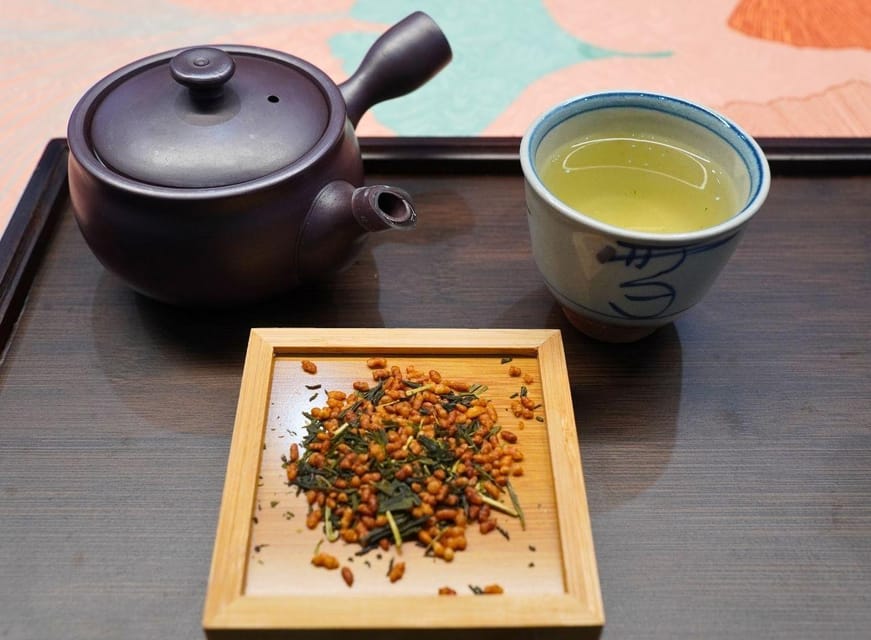
To end, you have Genmaicha. This blend pairs sencha with roasted rice from Niigata, giving a nutty, comforting character that feels like a soft landing after the more intense flavors.
This final cup matters because it changes the whole ending mood. Matcha can feel intense to first time drinkers, and a roasted element makes the ceremony feel grounded and easy to process. You also get a chance to compare, which is one of the fastest ways to learn what each tea is doing.
If you are thinking like a traveler, this is also a practical win. By the time you leave, you have a clearer sense of what you like, so you know what to buy later.
Certificate, group photo, and what you might find downstairs
You leave with a completion certificate and a group photo. That is a small detail, but it is a real value add in a city where lots of activities end with a quick memory on your phone. The certificate can also be written with your name in Japanese, which makes it feel more special.
Another nice bonus is what you can do nearby inside the facility area. Some sessions include access to a small downstairs café where you can continue drinking matcha and possibly buy tea to take home. I like this setup because it lets you turn the hour of learning into a simple next step, buying the exact style you enjoyed.
Price and value: what $38 buys you in one hour
At $38 per person for about one hour, this is not a cheap snack tour. But you are also not paying for a single sip and a pat on the back.
Here is where the value comes from:
Multiple tea styles in one session, not just matcha
Hands on matcha whisking with traditional tools
Seasonal wagashi paired into the experience
Guidance through etiquette and flavor changes like water temperature
A completion certificate plus a group photo
If you compare it to many Tokyo food and drink activities, the key difference is participation. You do not just taste, you learn a method you can repeat.
The duration is also honest. One hour is long enough to learn and do, short enough to fit into an afternoon without blowing your schedule.
Practical logistics: finding the green OCHARU sign and using nearby transit
Finding the place is part of the experience, and it should not be stressful if you follow one rule: look for the building with the green OCHARU logo on the wall. The instructions are pretty specific, and in at least one case the only trouble was that the sign was high up, so take a second to scan upward.
If you are coming by subway, you might find the following route helpful. One traveler suggested going from Shibuya Station to Meiji Jingu Mae Station, then to Nezu Station (exit 14), and walking about fifteen minutes. That is not the only way, but it gives you a realistic sense of time and direction.
Plan to arrive five minutes early. Then you can settle in before the first tea arrives and avoid rushing through check in.
Who should book this Tokyo tea ceremony, and who should skip it
This is a strong fit if you:
Like food and drink experiences with real technique
Want something calm and educational, not loud or crowded
Enjoy structured activities but still want a relaxed vibe
- Are curious about Japanese tea types like wakocha, gyokuro, matcha, and genmaicha
It is also a good choice if you are traveling with someone who is not a tea person. The ceremony tends to be approachable, and the sweet and multiple teas help keep things interesting.
Two considerations before you book:
- It is not suitable for wheelchair users.
- English can vary by guide. Most instruction is English speaking, but accents can make certain details harder to catch.
Should you book this Tokyo Traditional Tea Ceremony with a Tea Master?
I would book it if you want an hour in Tokyo that feels both Japanese and doable. The combination of hands on matcha, a tasting lineup that includes rarer tea types like wakocha and gyokuro sencha, and seasonal wagashi from Ougiya gives you more than a standard tourist photo stop.
If you hate structured experiences, or you want something focused only on matcha with no comparisons, this might feel like more variety than you need. But if you like learning by doing, this is one of the easiest ways to understand Japanese tea culture quickly.
FAQ
How long is the tea ceremony?
The experience lasts 1 hour.
Where does the tea ceremony take place?
It takes place in the Ocharu Tea Ceremony room across from Tokyo University. Look for the building with the green OCHARU logo on the wall.
What is included in the tea ceremony?
Included items are welcome tea and cake (wakocha and tea cake), sencha tasting (Gyokuro sencha) with seasonal wagashi from Ougiya, a hands on matcha making session, a genmaicha finale, a completion certificate, and access to the tea ceremony room.
What teas will I taste?
You will taste wakocha, Gyokuro sencha, matcha (you make and drink it), and genmaicha.
Do I make matcha myself?
Yes. You get a hands on matcha making session with guidance using traditional tools and utensils.
Are the guides available in English?
Yes, instruction is in English.
Will I receive a souvenir at the end?
Yes. You receive a certificate of completion and you also get a group photo.
Is this activity suitable for wheelchair users?
No, it is not suitable for wheelchair users.
Can I cancel for a full refund?
Free cancellation is available up to 24 hours in advance for a full refund.
Is there a reserve now and pay later option?
Yes. You can reserve now and pay later to keep your plans flexible.
Fresh options around Tokyo
- Tokyo: Nikko Kegon Falls Lake Chuzenji Toshogu Temple & More★ 4.9 · 12 reviews
- Tokyo: Samurai History Walking Tour★ 5.0 · 12 reviews
- Harajuku: Kawaii Fashion and Pop-Culture Tour★ 4.7 · 12 reviews
- Tokyo: Mt. Fuji & Lake Kawaguchi Instagram Full Day Trip★ 4.1 · 12 reviews
- Shibuya Tokyo: Modern Kintsugi Workshop in Shibuya★ 5.0 · 12 reviews
- Tokyo: GTR Guided Daikoku Experience at Night★ 5.0 · 12 reviews
- Tokyo: Daikoku JDM Car Culture Tour★ 4.6 · 12 reviews
- Mt Fuji Private Day Trip from Tokyo with English speaking driver★ 5.0 · 13 reviews
Tea Ceremonies in Tokyo, compared.

Matcha Making Class in Tokyo with Authentic Japanese Sweets Set
Read our review →
Matcha Making Experience with Mochi Sweets in Asakusa
Read our review →
Tea Ceremony Workshop in Tokyo by the Experienced Instrucor
Read our review →
Asakusa: Kimono Tea Ceremony with Matcha and Sweet
Read our review →
Make Traditional Nerikiri Sweets & Matcha experience in Shibuya
Read our review →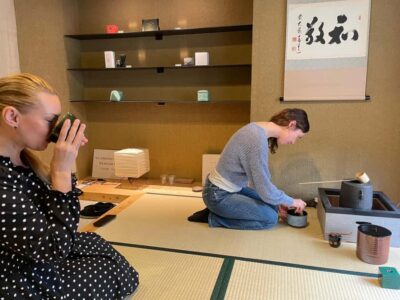
Tea Ceremony Experience in a Private Tea Room in Shibuya
Read our review →Browse the lists this tour appears in