
Reviewed · WORKSHOPS
Mochi Matcha Gluten Free Japanese Sweets Class near Shibuya area
Sticky fingers meet matcha magic.
This gluten-free mochi and wagashi workshop is a hands-on Tokyo experience that stays fun in any weather, and it ends with a take-home plan you can actually use back home.
I like two things a lot. First, you get Sakura-san’s focused attention in a private setting. Second, you leave with a recipe you can recreate, not just a sweet memory.
One consideration: the class meets in Sangenjaya, Setagaya, so it is not right in the Shibuya crush. You will want to budget a short trip over.
Key things to know
- Sakura-san teaches in her home kitchen, with a cozy, real local feel
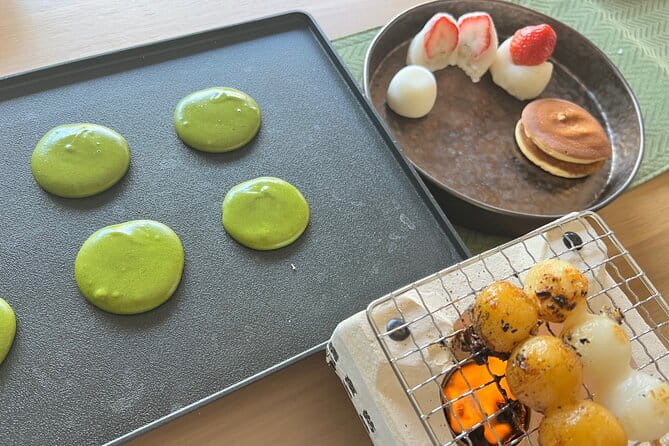
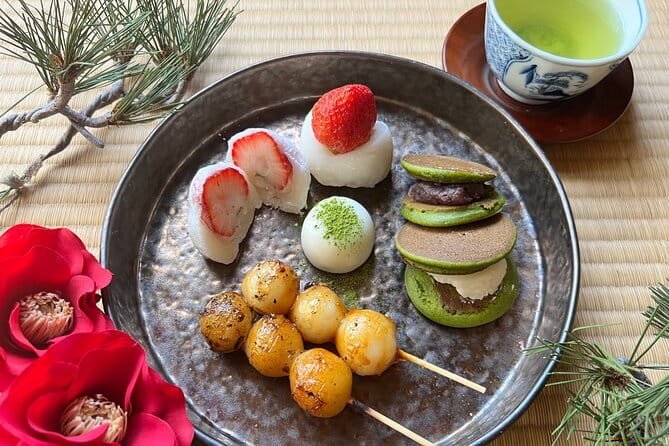
- You make 4 sweets, including matcha green tea mochi
- Photo-op table time so your finished desserts look good before you eat them
- Gluten-free Japanese sweets focus, with options aimed at people with gluten-free needs
- Recipe included, so you can try again at home
- Private group format, meaning less waiting and more hands-on coaching
Mochi Matcha near Shibuya: the setting that keeps it real
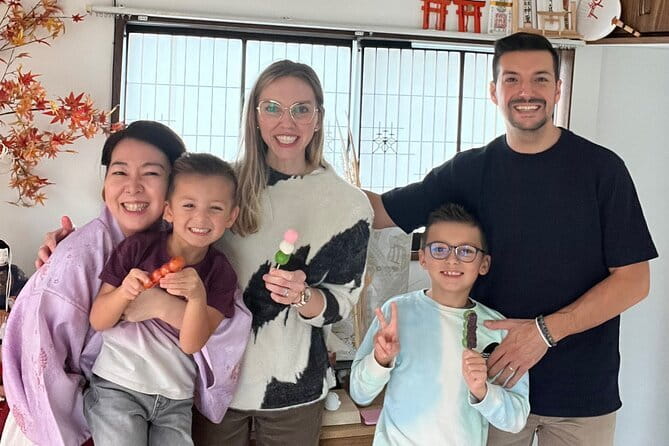
This class is centered around Sangenjaya, Setagaya City, which is close enough to Shibuya to feel like part of the same Tokyo day. It is not a big cooking studio. Instead, you meet in a local neighborhood and learn in a home kitchen. That shift matters.
In Tokyo, the easiest way to get a cooking class that feels generic is to pick something too polished. Here, the home setting makes it easier to ask questions and more natural to learn through doing. You show up, get an apron, and get to work. No stuffy vibe, no theatrical show, just you, your hands, and mochi paste that does what mochi paste does.
Also, the class is listed as a great choice whatever the weather. When it is hot, rainy, or just too much, it is nice to have something indoors that still feels like Tokyo.
More Tea Ceremonies in Tokyo
- Matcha Making Class in Tokyo with Authentic Japanese Sweets Set
★ 5.0 · 744 reviews - Tokyo: Traditional Tea Ceremony with a Tea Master
★ 5.0 · 528 reviews - Tokyo: Matcha Making Experience with Mochi Sweets in Asakusa
★ 4.9 · 388 reviews
Entering Sakura-san’s world: private workshop energy
You are not stuck in a line. This is a private tour/activity, with only your group participating. In plain terms, it means Sakura-san can slow down when you need it and speed up when you already get it.
The instructor is Sakura-san, a qualified professional teacher who is described as welcoming, kind, and very good at teaching kids. In multiple comments, people highlighted her clear communication and patience. That combination is gold in a cooking class, because mochi can look simple and still be tricky the first time your hands hit the texture.
One small detail I really appreciate: the class includes a photo-op setup where you can display your desserts. That is not just for selfies. It also helps you check that your shapes and finishes came out the way you intended before you start eating.
If you are the kind of person who likes learning, not just consuming, this format fits. You get real instruction while you are actively making things, which is when questions actually make sense.
What you make: matcha green tea mochi plus 4 gluten-free sweets
The class experience is built around making mochi and other Japanese sweets with a gluten-free focus. You will make 4 different types of sweets together. Matcha green tea mochi is a core part, and the lesson is designed so that beginners can follow along.
Why matcha mochi is such a good choice in Tokyo:
- Mochi is iconic. You feel like you are learning something genuinely Japanese, not just cooking “Japanese-style” desserts.
- Matcha gives you a built-in flavor story, and it is common enough in Japan that your ingredients feel realistic.
- The textures teach you fundamentals. Once you understand mochi texture, you start to see how other wagashi rely on similar technique.
You can also expect some context while you work. The class includes learning about the origins of mochi as you practice the textures. That matters because the best part of cooking classes is not only getting the recipe, it is understanding why the technique works. Even a little background changes how you approach the next batch.
From the way the lesson is described, you should anticipate some hands-on stickiness and quick coaching while you shape and finish the sweets. That is normal. Mochi is not shy.
The lesson flow: from apron-on to take-home recipe
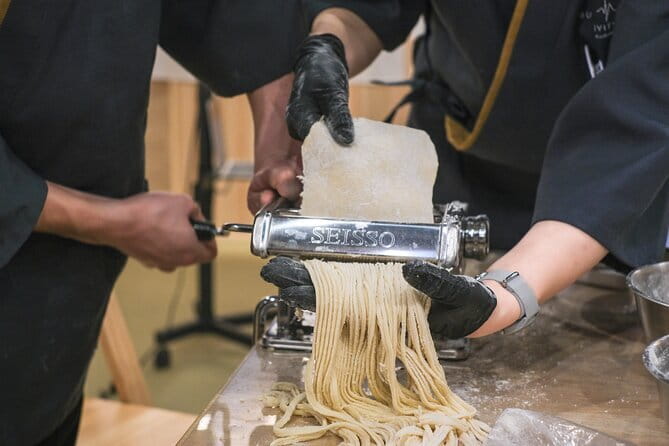
You can think of the experience in a simple sequence, and the structure is part of what makes it feel worth the price.
Same corner of Japan, a different kind of day:
- Mt Fuji and Hakone 1-Day Bus Tour Return by Bullet Train
★ 5.0 · 26,383 reviews - 1-Day Tokyo Bus Tour
★ 5.0 · 14,250 reviews - Tokyo: TOKYO SKYTREE® Admission ticket
★ 4.5 · 11,192 reviews - Tokyo: teamLab Planets TOKYO Digital Art Museum Entry Ticket
★ 4.6 · 9,779 reviews
1) Welcome and tea setup
Coffee and/or tea is included, with Japanese green tea specifically called out. This is not just a drink break. It helps set a calm rhythm so you can focus once the mochi starts demanding your full attention.
2) Training with hands-on guidance
Sakura-san guides you through making the sweets. Expect a mix of instruction plus practical technique. The lesson is set up so you can learn something you can repeat later, not just something you complete once.
If you are doing this with kids, the teaching style is a strong match. People have noted Sakura-san’s skill with children. If you are an adult beginner, it also helps that she communicates clearly and stays patient.
3) Learn the mochi why, not just the how
You get learning moments along the way, including mochi origins and cultural significance tied to the different kinds of sweets you make. Even if you just pick up a few facts, it gives your dessert a story. That makes your finished sweets taste better, because you know what you are actually recreating.
4) Photo-op table and finishing touches
There is a photo-op table where you can snap cool photos of your finished desserts. This is a small thing, but it is genuinely useful. In cooking classes, people often hurry straight to eating, and then the “looks nice” moment passes. Here, the class gives you a dedicated chance to pause.
5) Take-home recipes so the class follows you home
This is a big part of the value. You get a recipe so you can make the sweets back home. That is what turns this from a one-off memory into a skill you can repeat.
And it is not just theoretical. Multiple comments mention that the desserts are easy to make and delicious, which is exactly what you hope for when you pay for a technique-based class.
Price and value: is $112 worth it?
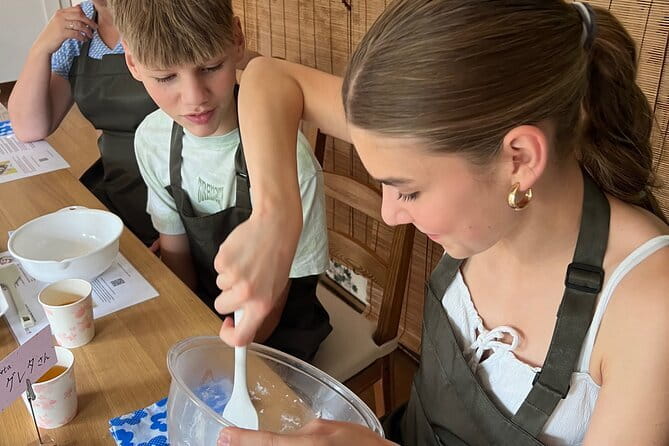
At $112.01 per person for about 2 hours, you are paying for something more than ingredients. You are paying for:
- Private, instructor-led coaching in a home setting
- A gluten-free focused sweets lesson
- A full session that produces multiple finished desserts
- A take-home recipe
- Small extras like tea and the photo-op setup
Compared with bigger group classes where you queue and watch more than you practice, the private format is where the value lives. Even when the class is private for small groups, you are not guessing what to do next. You get help while your hands are busy.
Also, because it runs about 2 hours, it fits cleanly into a Tokyo day. It is long enough to feel like an experience, short enough that you are not stuck all afternoon. For many people, that balance is worth more than chasing the cheapest price.
If you are traveling with a gluten-free need, this kind of class can also save stress. It is not a restaurant workaround. It is a cooking lesson built around the diet constraints.
Logistics that matter in Tokyo: where to go and how to plan
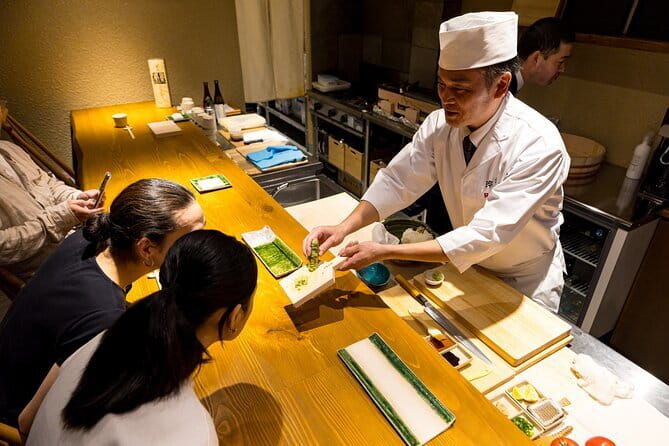
The meeting point is in Sangenjaya, Setagaya City at 1-chōme-11-13 Sangenjaya. The good news is that it is listed as near public transportation. You should still plan the trip like you would any local appointment in Tokyo.
Here is what I would do to keep it smooth:
- Build in a little buffer time for the walk from the station to the address. Tokyo streets look close on a map and still add a few minutes on foot.
- Eat something earlier if you tend to get snacky while cooking. You will be tasting as you go, but mochi classes are hands-on and time passes fast.
- Bring your camera or phone. The photo-op table is planned into the experience, so you should take advantage.
Also, the class includes a mobile ticket. That is convenient, especially if you are hopping around Tokyo on trains and forget where paper tickets are.
Who this suits best, and who should consider alternatives
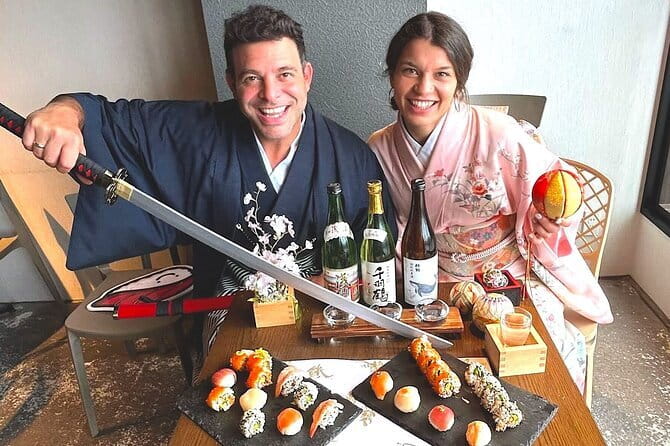
This class is a strong fit if you want a Tokyo activity that feels authentic without needing advanced cooking skills. It is also ideal if you are gluten-free and want to learn rather than search for a safe dessert option every day.
It is especially good for:
- People who love mochi and want to learn texture technique, not just eat it
- Families, because Sakura-san is described as experienced and great with kids
- Foodies who like stories, since you learn about mochi origins and cultural significance
- Travelers who want a hands-on activity that works in bad weather
Who might want to think twice:
- If you strongly prefer large sightseeing days only, this is more craft than walking Tokyo streets for hours.
- If you hate kitchen mess, know that mochi is sticky by nature. You will probably get a little on your hands. (That is half the fun.)
Final verdict: should you book the mochi matcha gluten-free sweets class?
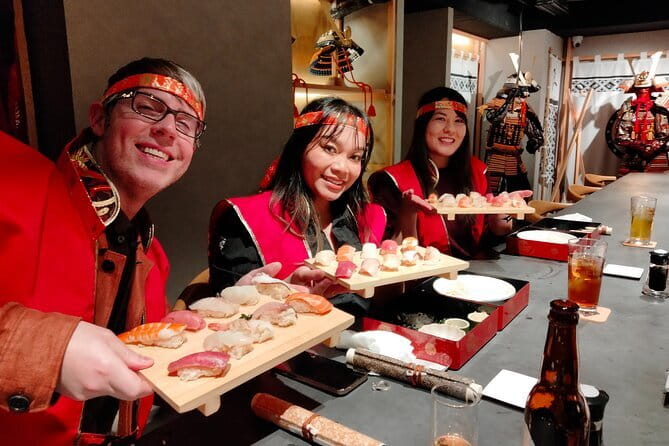
I would book this if you want a real Japanese sweets skill, not just a one-time dessert stop. The private format plus Sakura-san’s teaching style is the reason. You are not left to figure things out alone.
The class also checks the boxes that matter when you travel:
- Indoor option that still feels Japanese
- Multiple sweets made in one session, about 2 hours
- A take-home recipe so your trip keeps paying off after you return
- Small details like tea and the photo-op table
If you are gluten-free or just curious about how wagashi technique works, this is a very practical way to learn. Consider it a hands-on souvenir you can actually make again, and not just carry in your camera roll.
FAQ
How long is the mochi matcha gluten-free Japanese sweets class?
The class lasts about 2 hours.
What is the price per person?
The price is $112.01 per person.
Where is the class meeting point?
The meeting point is 1-chōme-11-13 Sangenjaya, Setagaya City, Tokyo 154-0024, Japan.
Is this a private class?
Yes. It is listed as a private tour/activity, with only your group participating.
What sweets will we make?
You will make 4 different types of Japanese sweets together, including matcha green tea mochi.
Is the class gluten-free?
Yes. The experience focuses on making gluten-free Japanese sweets.
What is included in the class?
Included items are an apron, coffee and/or tea (Japanese green tea is included), and guided instruction.
Are alcoholic beverages included?
No. Alcoholic beverages are not included.
When will I get confirmation after booking?
Confirmation is received within 48 hours of booking, subject to availability.
What is the cancellation policy?
You can cancel for free up to 24 hours in advance for a full refund. If you cancel less than 24 hours before the start time, the amount you paid will not be refunded.
Fresh options around Tokyo
- Tokyo: Nikko Kegon Falls Lake Chuzenji Toshogu Temple & More★ 4.9 · 12 reviews
- Tokyo: Samurai History Walking Tour★ 5.0 · 12 reviews
- Harajuku: Kawaii Fashion and Pop-Culture Tour★ 4.7 · 12 reviews
- Tokyo: Mt. Fuji & Lake Kawaguchi Instagram Full Day Trip★ 4.1 · 12 reviews
- Shibuya Tokyo: Modern Kintsugi Workshop in Shibuya★ 5.0 · 12 reviews
- Tokyo: GTR Guided Daikoku Experience at Night★ 5.0 · 12 reviews
- Tokyo: Daikoku JDM Car Culture Tour★ 4.6 · 12 reviews
- Mt Fuji Private Day Trip from Tokyo with English speaking driver★ 5.0 · 13 reviews
Workshops, compared.
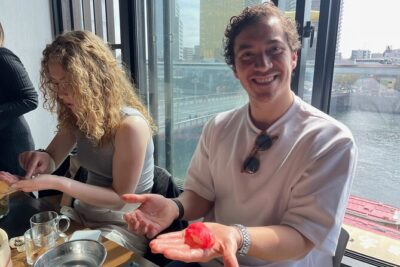
Sushi Making Tokyo Roll and Authentic Japanese Sushi Class
Read our review →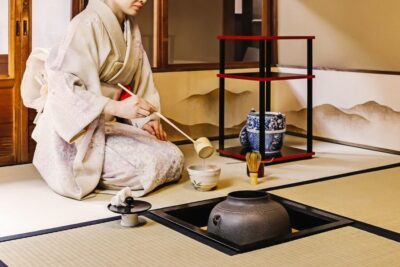
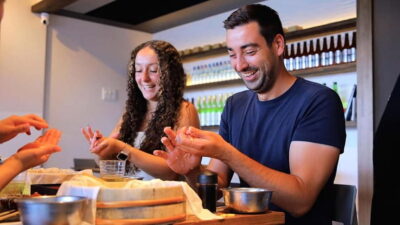
Roll and Authentic Sushi Making Class in Asakusa
Read our review →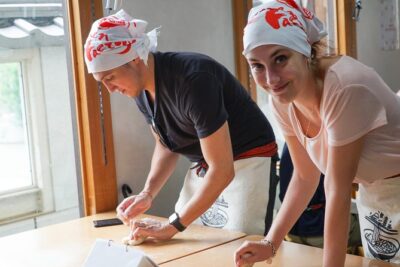
Ramen Cooking Class at Ramen Factory in Kyoto
Read our review →
Sushi Making Class in a Happi Coat near a Famous Spot
Read our review →
Sushi Making Osaka Roll and Authentic Japanese Sushi Class
Read our review →Browse the lists this tour appears in