
Reviewed · WORKSHOPS
Kyoto: Traditional Kimono Fabric Handicrafts Workshop
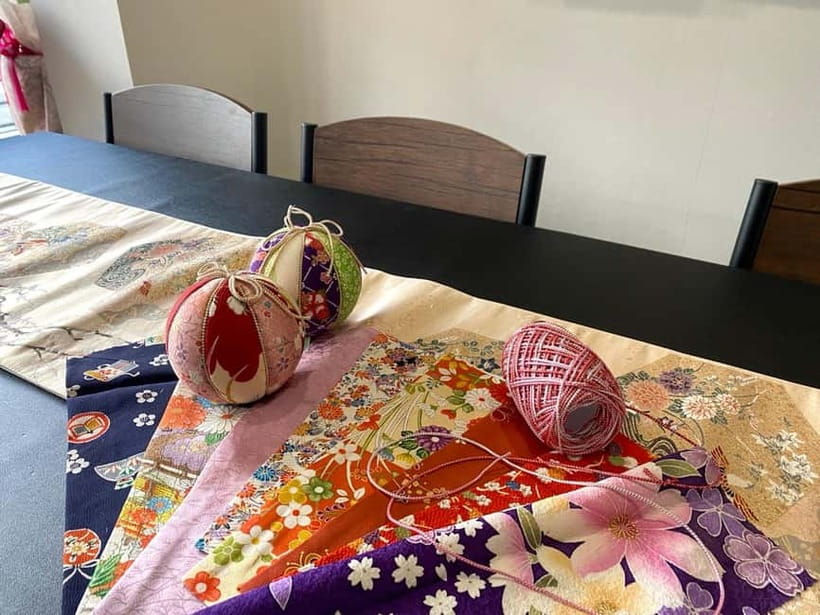
Kyoto can be quiet and creative. In this 2-hour Kyoto workshop, you make a temari with colorful kimono fabric inside a renovated antique boutique near the sightseeing core. It is beginner-friendly, calm, and built for real craft time, not a rushed photo stop.
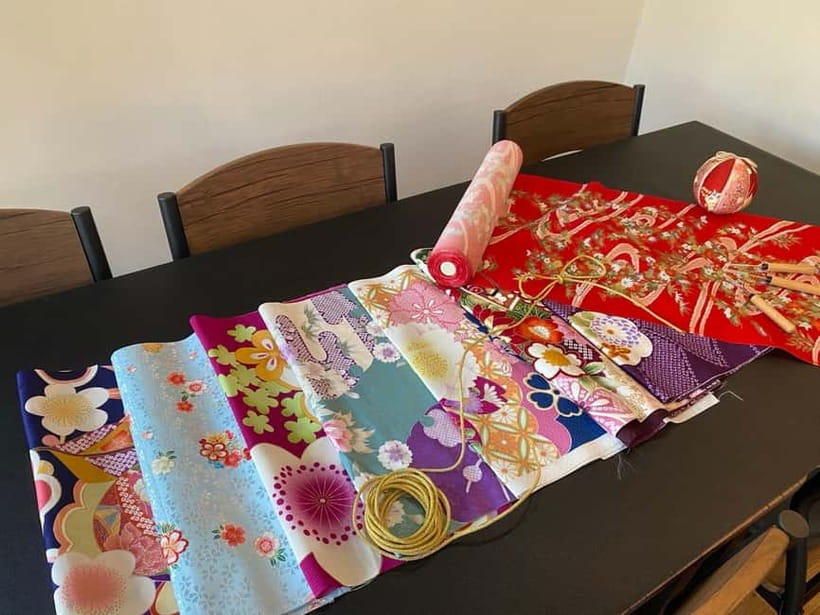
What I like most is the freedom of choice. You can pick from multiple kimono fabric options, and that decision shapes how your finished temari looks and feels at home. I also like that you do not just sit and listen, you craft, ask questions, and chat with the instructor while staying on track.
One possible drawback: this is a workshop, not a full temple day. You’ll be well placed to visit nearby shrines and temples after, but the main focus stays on making your temari for the full session.
Key Temari Workshop Highlights to Know
- Beginner-friendly temari crafting with a simple, guided process
- Kimono fabric selection first, so you choose the look of your souvenir
- Complimentary drink plus traditional confectionery included with the class
- Small group of up to 4 participants for more personal help
- English and Japanese instruction with clear explanations
- Wheelchair accessible and suitable for adults and children
Why Temari Feels Like Real Kyoto, Even If You Are No Craft Expert
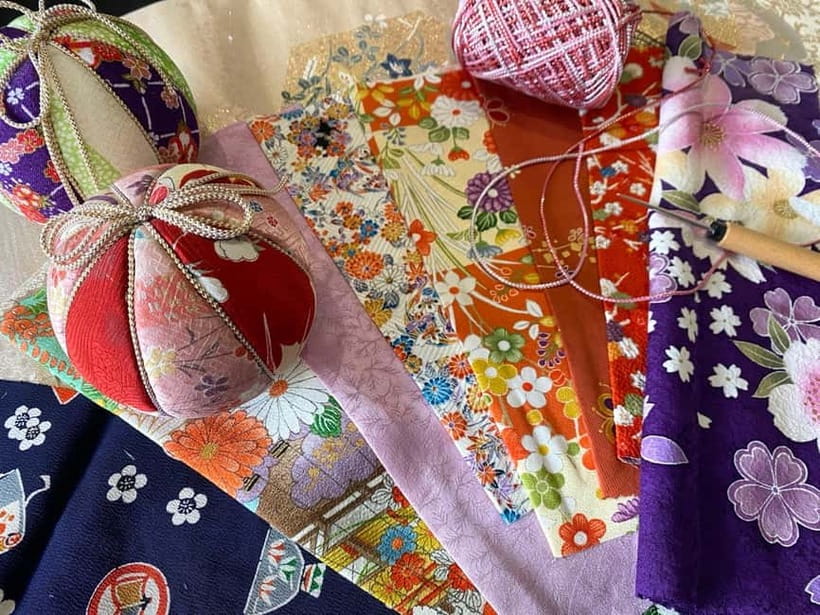
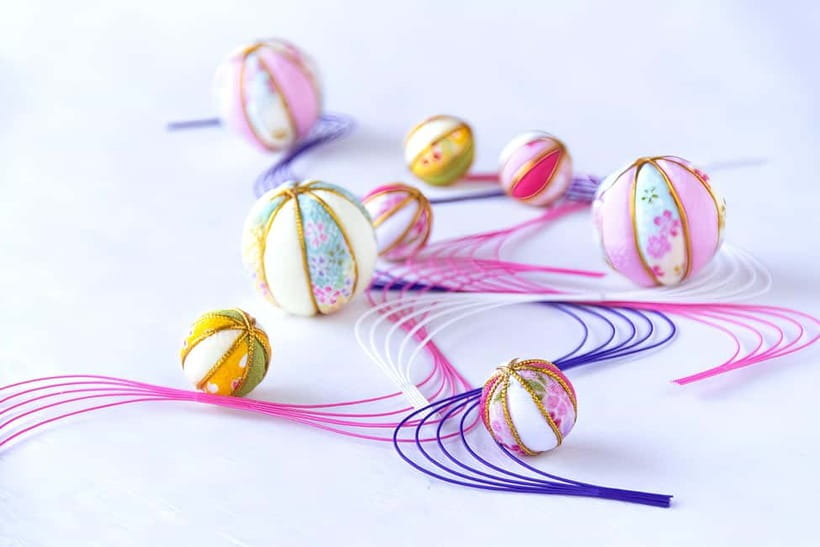
Temari are small handcrafted decorative balls that have been used in Japan as interior ornaments and in celebrations. The key here is that you are not learning a vague art lesson. You are making an object with structure, texture, and a finished shape you can display.
This kind of souvenir beats the usual Kyoto shopping circuit because you control the outcome. When you choose your fabric, you are also choosing color contrasts, pattern style, and the mood your finished temari gives off. It is a practical way to bring a piece of Japanese craft culture home, without needing sewing skills or a creative background.
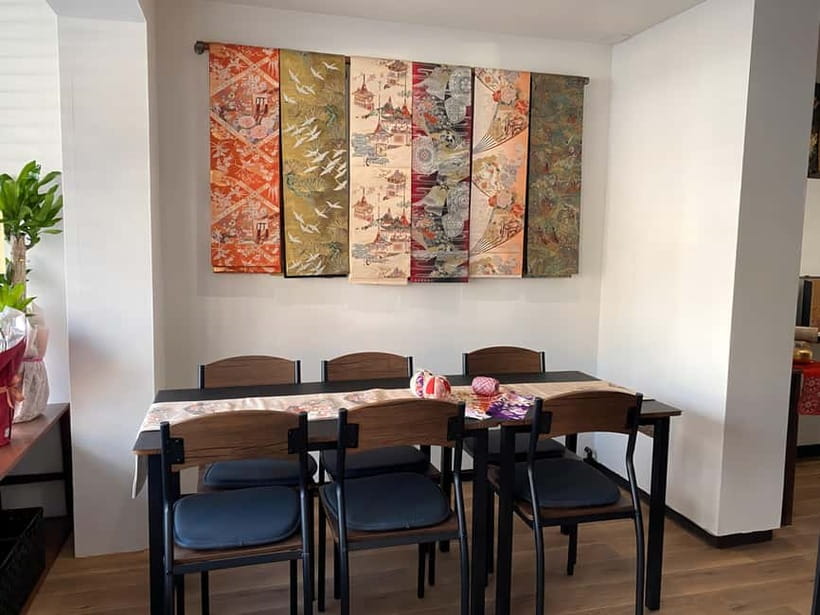
Also, the tone is relaxed. The workshop setting is described as a newly renovated traditional antique boutique store, which matters. You are in a real craft space, not a generic activity room, so the experience feels anchored in how people actually live with textiles and handmade items.
More Kimono Experiences in Kyoto
- Kimono Tea Ceremony at Kyoto Maikoya, NISHIKI
★ 5.0 · 911 reviews - Kyoto: Kimono Rental with Hairstyling and Accessories
★ 4.8 · 653 reviews - Kyoto: Kimono Tea Ceremony at Orizuruya Gion
★ 4.9 · 618 reviews
Step-by-Step: What Happens During the 2-Hour Workshop
You meet at the workshop location, and you enter when you arrive. Your host is there to greet you and get the class going, which keeps things low-stress if you are fitting this into a busy Kyoto day.
The session runs for 2 hours, and that timing is ideal for a quick skill you can complete. You get enough time to follow the steps, adjust along the way, and still finish with something satisfying in your hands by the end.
Inside the class, you will work directly on creating one temari using beautiful kimono fabric pieces. The process is guided by a local crafts master and taught in English (with Japanese also available). If you worry about doing it wrong, don’t. The workshop is designed for all ages and for people with no prior experience.
While you craft, you also get cultural context. You are not only taught how to make the temari, you learn about its place in Japanese tradition and why it is used as a decorative piece and for celebrations. That small background helps your souvenir feel more meaningful when you look at it later, not just pretty.
Picking Kimono Fabric: The Decision That Makes Your Souvenir Personal
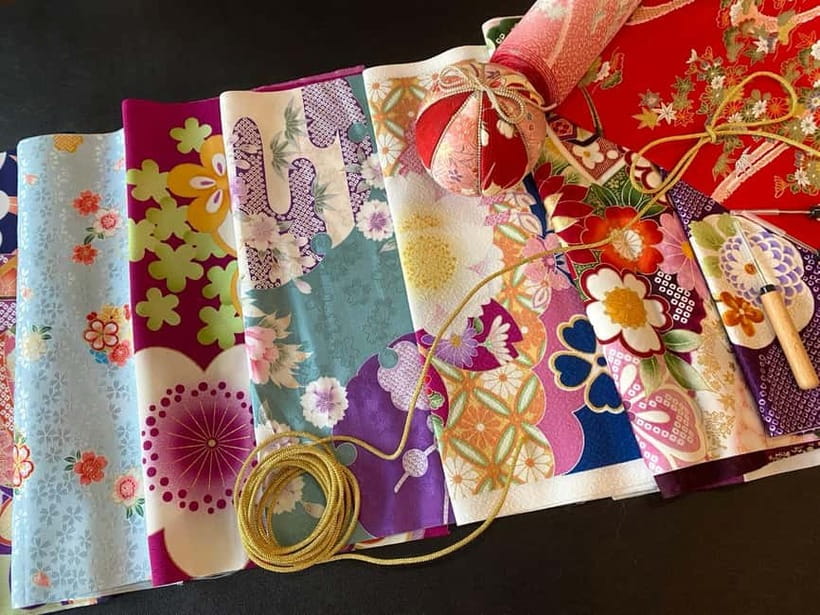
The most fun part for me, conceptually, is that your first big move is fabric selection. You start with a set of kimono fabric options, then build your temari using those pieces. That means you are not stuck with one pre-set design chosen by the workshop.
In practice, this works in two ways for you. First, it makes the class feel lighter because you are doing something immediately, instead of waiting for instructions. Second, it gives you a finished piece that actually reflects your taste. If you love purple, florals, or calmer neutrals, you can aim your temari in that direction from the start.
You’ll also likely notice how many patterns and colors are offered. Several people highlight that choosing fabrics is part of the entertainment, and that is believable. In a place like this, the fabric options are the star attraction.
A small practical tip: when you pick fabric, think about contrast. Many temari look best when the wrap and accent fabric choices create clear visual layers. If you’re not sure, you can ask the instructor for guidance while you decide, and the workshop is set up for that kind of back-and-forth.
Temari Crafting, Made Simple: What You Are Really Learning
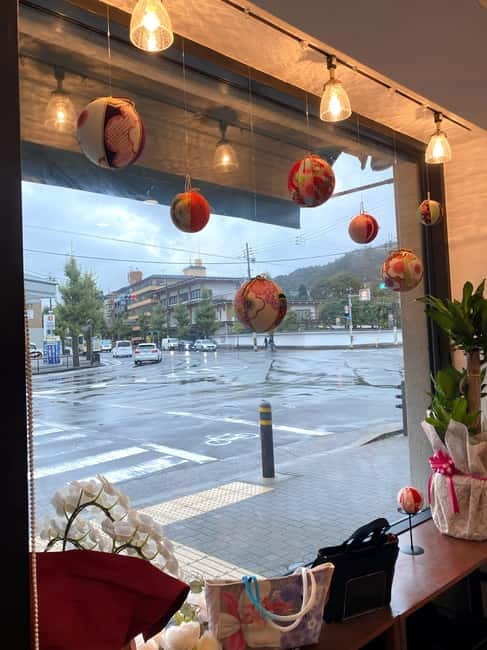
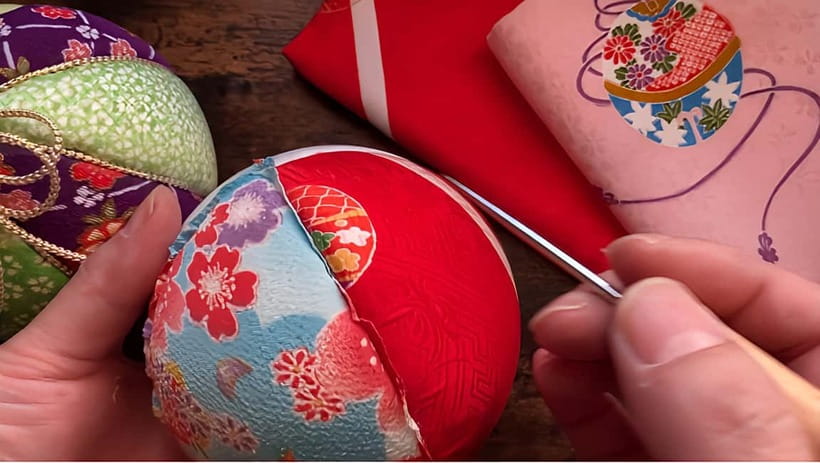
You are learning a traditional temari technique, but the workshop keeps it beginner-friendly. The teaching style is clear and step-by-step, and the pace is relaxed enough for adults and kids. Several classes emphasize that the craft is not overly complicated and that the instructor makes it easy to follow.
This is not a class that expects you to already know Japanese craft vocabulary or have fine-motor skills. The materials for the process are included, which removes the annoying part of DIY learning, finding supplies that match what you want.
What you are really practicing is pattern and wrapping. The process turns small pieces of kimono fabric into a cohesive decorative ball. Even if you are not a “handmade person,” you still leave with a finished object, which is the best kind of skill to learn while sightseeing.
And yes, there is still room to enjoy conversation. The instructor is described as warm and friendly, with excellent English for most visitors. That matters because it turns the workshop into a break from walking, while still being hands-on.
Same corner of Japan, a different kind of day:
- PERFECT KYOTO 1-Day Bus Tour
★ 5.0 · 13,518 reviews - Kyoto: Fushimi Inari, Kinkakuji, Bamboo Grove 1 Day Bus Tour
★ 4.8 · 4,316 reviews - Kyoto: Tea Ceremony in a Traditional Tea House in Kiyomizu
★ 4.9 · 3,519 reviews - Kyoto Geisha Walking Tour: Gion District & Hidden Gems
★ 4.7 · 3,273 reviews
The Included Drink and Traditional Sweet: A Nice Kyoto Reset
The complimentary drink and traditional Japanese confectionery are built into the experience. You do not have to stop your crafting flow to hunt for a café, and you get a small pause that makes the session feel like a proper Kyoto moment.
You can choose the confectionery, which is a small detail, but it helps. Food preferences are personal, and having a choice makes it feel less like you are being given whatever is easiest for the staff.
One person even called out a standout matcha latte during the class. You should think of the drink as part of the atmosphere, not just a beverage coupon.
Practical tip: if you’re sensitive to caffeine, still drink what you want, but be aware that matcha-based drinks can be fairly energizing. Kyoto walking plus a caffeine boost is fun, but it can also turn into a late-afternoon sugar rush if you’re not careful.
Where to Fit This Workshop in Your Day Near Kyoto Sights
This is located in the heart of Kyoto’s sightseeing area, and that placement is useful. You can treat it like a creative lunch-break replacement, a pause from shrine stairs and museum lines.
Afterward, you are not stuck in the same area. One highlight people mention is nearby Philosophers Path, plus lots of cafés. So the workshop gives you two things: a handmade souvenir now, and an easy option for a slow walk afterward.
Because the group is small and the session is only 2 hours, you can slot it into either:
- Morning, if you want to start with a calm activity before the busiest walking hours
- Midday or afternoon, if you want a reset before temples and photos
Also, since the meeting point is simply to enter the workshop when you arrive, you do not need a complicated transportation plan to get started once you are in the neighborhood.
Price and Value: Is $25 Worth It?
At $25 per person, this workshop is competitively priced for three reasons.
First, it is not just a demonstration. You take home a handmade temari made with kimono fabric, so you are paying for a finished souvenir you craft yourself. That is different from buying a mass-produced keychain.
Second, your price covers materials plus the workshop instruction from a local crafts master. You are not spending extra for supplies you might not even use again.
Third, the included drink and traditional Japanese confectionery make the experience feel complete for the money. Food and drink alone can add up, and you are getting them without changing your schedule to hunt for them.
The only cost you might add is additional drinks or food, which is not included. If you like to snack often while sightseeing, plan to budget a little extra so you do not feel rushed at the end of class.
Small Group Energy: Why Up to 4 People Matters
A lot of Kyoto activities are crowded. This one is limited to just 4 participants, and that changes the feel fast.
With a smaller group, you can ask questions without waiting. You also get better help if you get stuck at a specific step. That is why beginner-friendly classes work better when the group is tiny.
The workshop is also described as wheelchair accessible. That means the setup is intended to be usable for visitors who need it, which is a real quality-of-life factor when you are planning a day in Kyoto.
Language support matters too. Instruction is available in English and Japanese, which helps if you want to ask practical questions about the craft process or the fabric choices.
Who This Workshop Suits Best, and Who Might Want Another Option
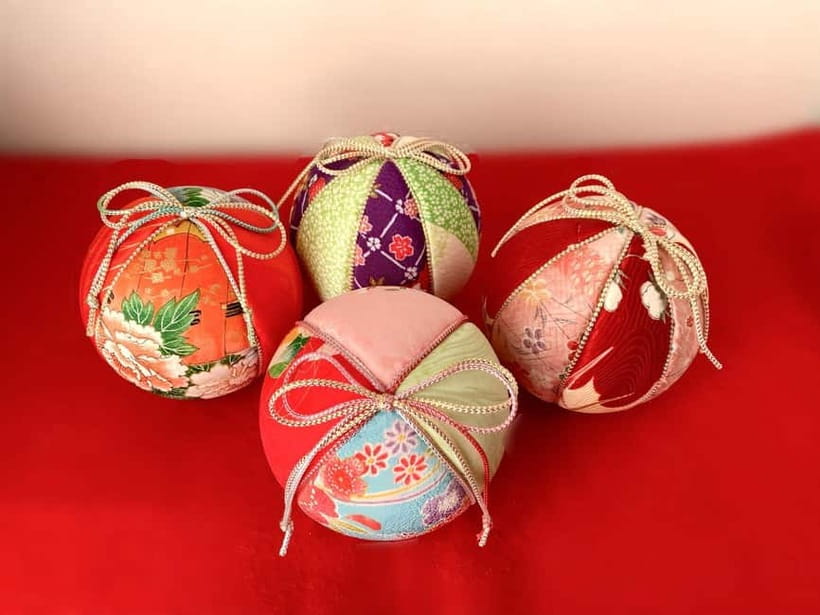
This is ideal if you want a hands-on souvenir that feels more personal than a postcard or generic shop item. You’ll also enjoy it if you like textiles, patterns, and the idea of creating something you can display without worrying about it being fragile.
It is also a great choice for mixed groups. The workshop is suitable for all ages, including children. One family-friendly detail is that the process is taught so that kids can do it, too, without it turning into a frustrating sewing project.
Who might hesitate? If you want a heavy, guided itinerary focused on temples and shrine history all day, this may feel too craft-centered. The strong value here is the workshop itself, and the surrounding area is more of an after-class bonus than the main event.
Should You Book This Kyoto Kimono Fabric Temari Workshop?
Yes, you should book it if you want one of the best kinds of Kyoto souvenirs: something handmade, traditional, and doable even if you are a first-timer. The small group of up to 4, beginner-friendly structure, and take-home temari make it feel like a real activity, not a rushed cultural stop.
Book it sooner rather than later if you’re traveling during peak season, since the class size is limited. If you’re the kind of traveler who likes a calm break from stairs and crowds, this fits beautifully, especially with the nearby options like Philosophers Path and cafés after class.
And if you’re still deciding between another workshop and yet another shopping spree, choose this. When you leave with a temari made from your own kimono fabric choices, it becomes a story you can actually point to, not just a bag you carry.
FAQ
What will I make in the Kyoto kimono fabric workshop?
You will make one traditional Japanese temari using kimono fabric pieces. The goal is to create a keepsake you can take home after the workshop.
Do I need any prior experience or special skills?
No. The workshop is designed for people with no prior experience or skills, and it is suitable for all ages.
What is included in the $25 per person price?
The price includes a complimentary drink, traditional Japanese confectionery (of your choice), all materials needed for the temari crafting process, and the workshop with a local crafts master.
How long is the workshop, and how big is the group?
The workshop lasts 2 hours. The group is small, limited to 4 participants.
What languages are available during the class?
The instructor provides instruction in English and Japanese.
Can I cancel or pay later?
Yes. You can reserve now and pay later, and you can cancel up to 24 hours in advance for a full refund.
Fresh options around Kyoto
- Kyoto Aquarium Admission Ticket★ 4.7 · 12 reviews
- Kyoto Gion Photoshoot – Private Session | Pro Photographer★ 5.0 · 12 reviews
- Gyoza Cooking Class in Kyoto: Traditional Japanese Dumplings★ 5.0 · 12 reviews
- Kyoto: Guided Food Tour with 12 Dishes & 3 Drinks★ 5.0 · 12 reviews
- Kyoto: Avoid the Crowds at the Hidden Gems of Arashiyama★ 4.9 · 13 reviews
- Kyoto Early Bird English Tour: Gion & Higashiyama(Private opt)★ 5.0 · 13 reviews
- Otsu-e Folk Art Workshop & Local Culture Walk Near Kyoto★ 5.0 · 13 reviews
- Kyoto, Osaka, Nara Full Day tour by Car English speaking Driver★ 3.5 · 13 reviews
Workshops, compared.
Sushi Making Tokyo Roll and Authentic Japanese Sushi Class
Read our review →
Roll and Authentic Sushi Making Class in Asakusa
Read our review →
Ramen Cooking Class at Ramen Factory in Kyoto
Read our review →
Sushi Making Class in a Happi Coat near a Famous Spot
Read our review →
Sushi Making Osaka Roll and Authentic Japanese Sushi Class
Read our review →Browse the lists this tour appears in