
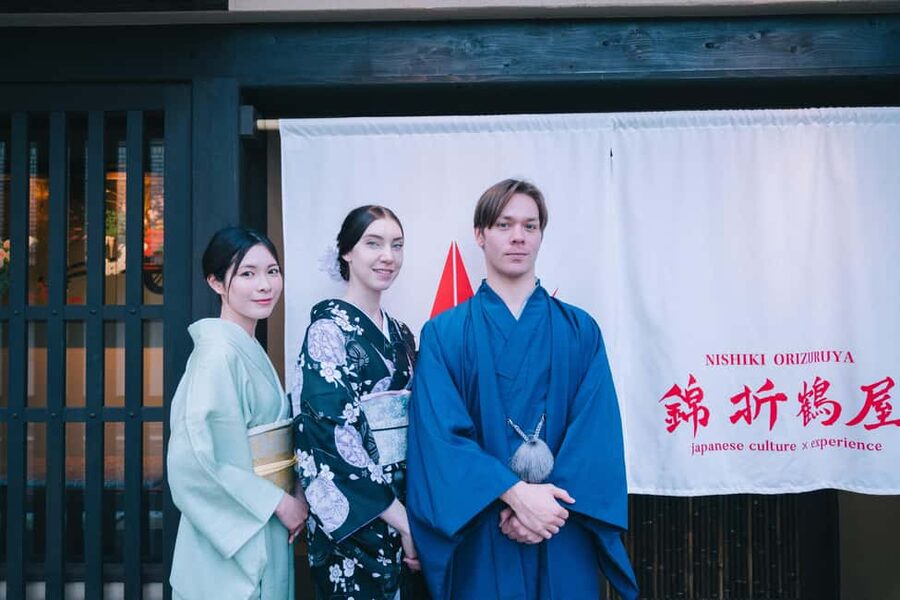
Reviewed · KIMONO EXPERIENCES IN KYOTO
Kyoto: Kimono Tea Ceremony at Orizuruya Gion
Kimono tea in Gion feels like a reset button. This experience pairs dressing in a kimono with a real tea-ritual lesson, plus matcha you make yourself.
What I like most is how small the group is (up to 10), so the guide can slow down and explain each step clearly. I also love that you get guided matcha preparation with a bamboo whisk, then taste what you made with Japanese sweets. The main consideration is timing: it is 90 minutes to 2 hours, so plan it as a focused cultural stop, not a full day of sightseeing.
Key highlights to look forward to
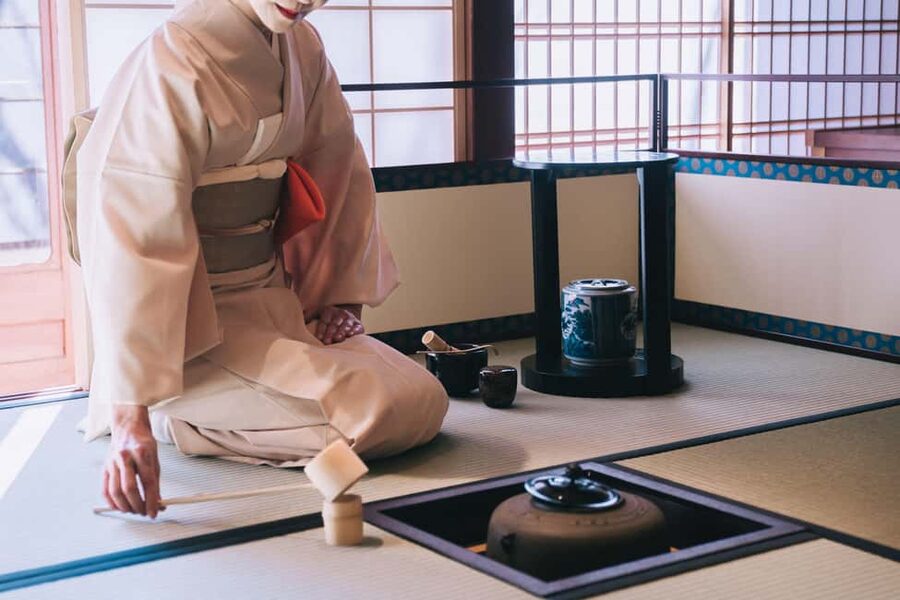
- Kimono selection from 200 designs, with staff helping you dress so you do not worry about doing it wrong
- Simple hair styling included (especially helpful when you are not traveling with a hair kit)
- Matcha making hands-on, including learning proper technique before you make your own bowl
- Small-group format (max 10) for more questions and less standing around
- Optional Japanese calligraphy experience with a set rental if you want a second skill
- A calm, guided flow that includes wagashi and matcha snacks so you finish feeling satisfied, not rushed
Why Orizuruya Gion is a smart Kyoto setting for tea + kimono
This is set in Gion, one of the most atmospheric areas in Kyoto. You get the visual contrast that makes this kind of activity work: you are learning a traditional ritual, right where the streets still feel old-world. The meeting point is also walkable from major stations, which matters when you are pairing this with other Kyoto plans.
The address is Gion Oritsuruya, 572-7 Minamigawa, Gion-machi, Higashiyama-ku, Kyoto-shi, Kyoto. If you are coming from Hankyu Kyoto-Kawaramachi Station, it is about a 10-minute walk. From Keihan Gion-Shijo Station, it is about a 7-minute walk. Either way, you can fit this into a morning or afternoon without stressing over transit.
More Kimono Experiences in Kyoto
- Kimono Tea Ceremony at Kyoto Maikoya, NISHIKI
★ 5.0 · 911 reviews - Kyoto: Kimono Rental with Hairstyling and Accessories
★ 4.8 · 653 reviews - KYOTO Tea Ceremony with kimono near by Imamiya Jinjya Shrine
★ 5.0 · 343 reviews
Kimono selection and dressing: the part that sets your comfort level
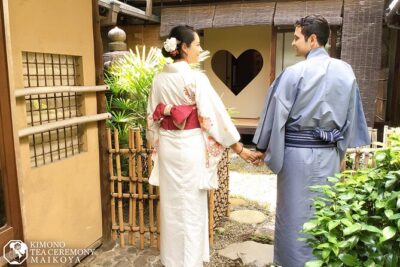
A huge reason this tour gets such strong feedback is that the kimono step is not just handed to you. You choose from over 200 kimono designs, and the staff helps you get into the right fit and look. That is important because a kimono is more than clothing. It is structure, folding, and proper tie placement, and you do not want to learn it by guessing.
They also handle hair styling. For women, the experience includes complimentary simple styling to finish the look. Even if you are confident with your own hair, having someone prepare it for a traditional setting makes the experience feel complete and photo-ready.
Practical tip: wear something that is easy to remove and put back on. You do not want your whole morning to become a clothing-wrangling session. Also, remember that you will be spending a chunk of your time in traditional wear, so plan your outfit and socks accordingly.
Inside the tea room: how the ceremony lesson actually works
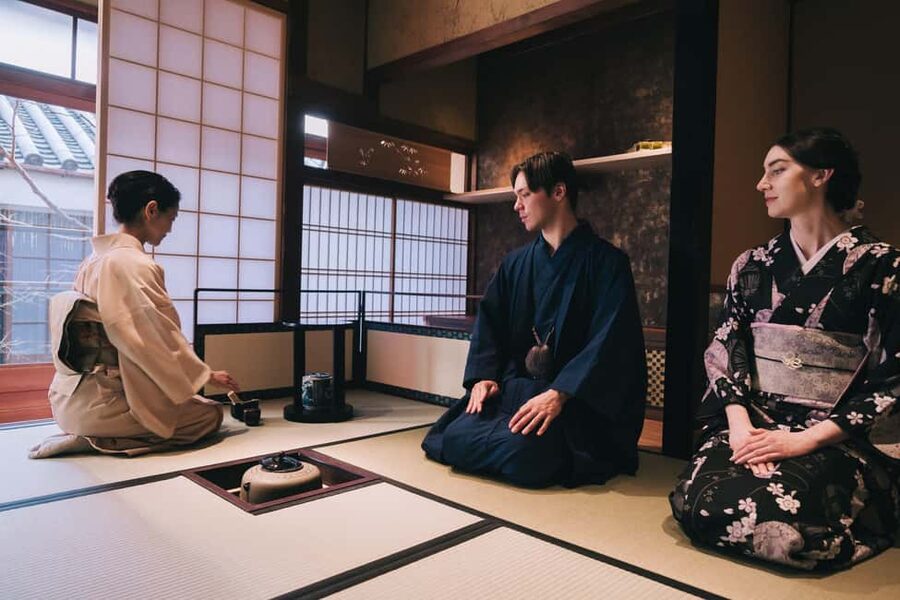
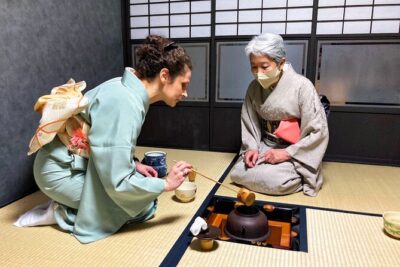
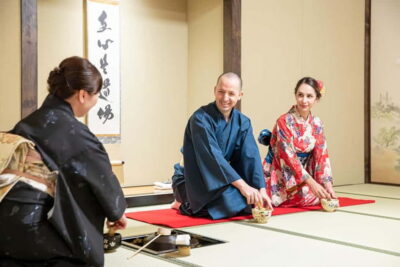
Once you are dressed, you move into the tea room where an instructor guides you through the ritual. The flow is designed to teach you what each movement means, not just to show you how to perform it. Expect the lesson to cover the basic idea behind the ceremony, and then move into the mechanics of making matcha.
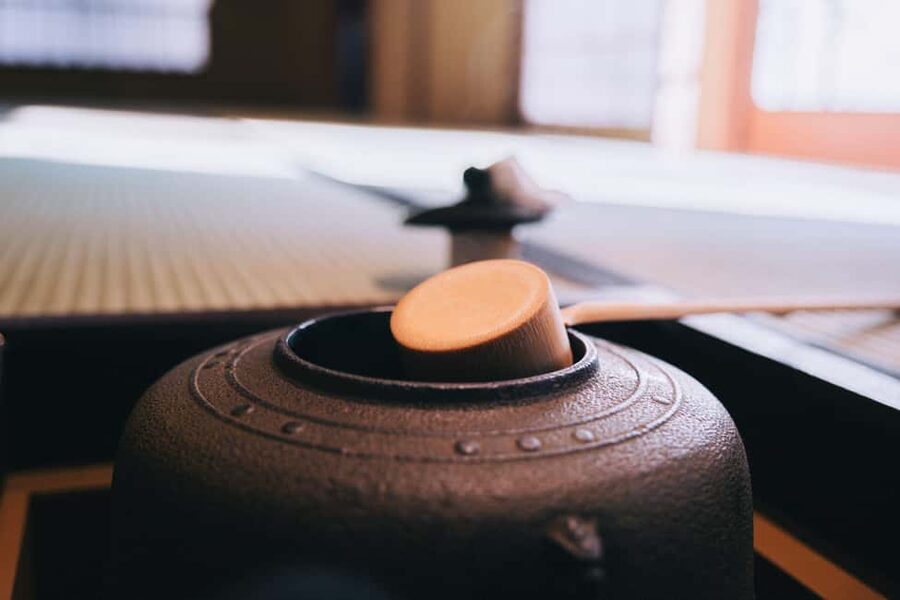
The star skill is learning matcha preparation using a traditional bamboo whisk (chasen). You start with instruction, then you try making your own bowl. That hands-on part is what makes this worth doing instead of just watching. You will feel the texture changes as you whisk, and you will understand why technique matters for foam and taste.
If you like calm, focused experiences, this is that. Several participants highlight that the pace feels unhurried and explained step by step, with time to ask questions. You also get an English instructor, which helps a lot if you do not speak Japanese and want to understand the meaning behind what you are doing.
Matcha, wagashi, and what to pay attention to
The experience includes snacks (wagashi and matcha), so you get to taste along with what you learn. The matcha you make is paired with Japanese sweets from a century-old confectionery, which adds a nice touch. It is not just a filler snack, it is part of the ritual experience.
When you taste your matcha, pay attention to two things:
- The foam and how it changes as you whisk
- How the sweet balances the bitterness of matcha
If you go in expecting a sugary treat, you might miss what the sweets are doing. They are meant to complement the tea, not compete with it. You do not need to be a matcha expert to enjoy this. Just take a slow bite and sip, and notice how the flavors shift together.
More Tea Ceremonies in Kyoto
- Kyoto: Tea Ceremony in a Traditional Tea House in Kiyomizu
★ 4.9 · 3,519 reviews - Kyoto: Tea Ceremony Ju-An at Jotokuji Temple
★ 4.9 · 3,207 reviews - Kyoto: 45-Minute Tea Ceremony Lesson Experience
★ 4.3 · 2,378 reviews - Kyoto: Table-Style Tea Ceremony at a Kyo-Machiya
★ 4.9 · 1,211 reviews
Optional Japanese calligraphy: a skill you can leave with
There is an option to add Japanese calligraphy, and when you choose it you get a calligraphy set rental included. The experience time shifts toward the longer end of the range, up to 2 hours.
Calligraphy is one of those activities that sounds simple until you try it. Your hand needs to control pressure, stroke length, and timing. What I like about adding it is that it gives you something physical to take home: not as a souvenir pile, but as a memory of learning a technique with your own effort.
From the tone of the feedback, the calligraphy session is often described as a highlight. People mention how patient and encouraging the teacher is, and that the class is more than just a quick demonstration. If your goal is to learn, not just pose, this is a great add-on.
Timing in Kyoto: 90 minutes to 2 hours, and how to plan your day
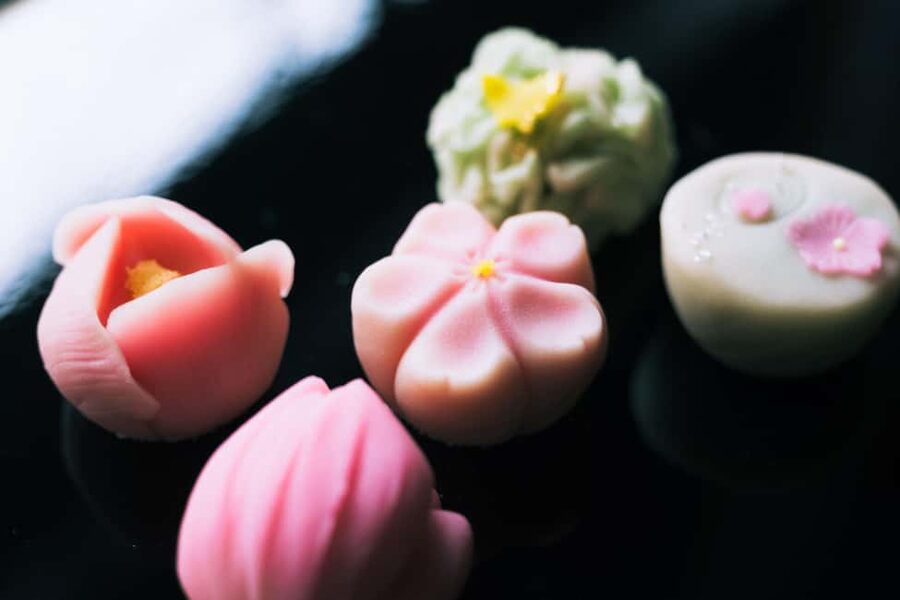
Your session runs about 90 minutes to 2 hours, depending on whether you add calligraphy. That time window is convenient, because it lets you pair it with a morning stroll or an afternoon break before dinner.
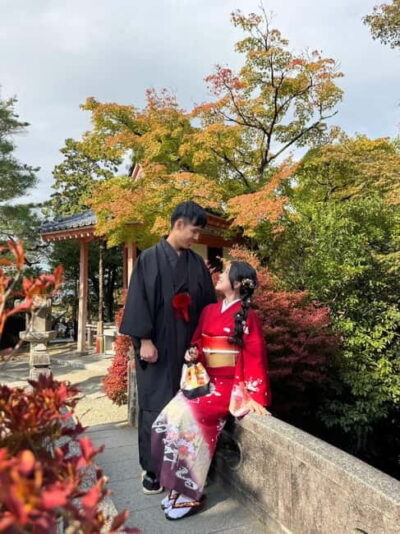
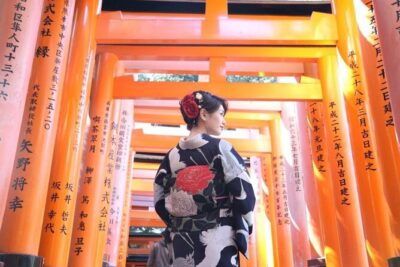
One nice perk mentioned in feedback is that you can often keep the kimono on after the ceremony for a short walk around Gion. Some participants specifically mention wearing it until 5pm on the same day, and at least one mentions a quick temple visit a short walk away. That means the kimono does not have to be a one-photo-only moment.
Weather note: if you are doing this in colder months, plan for the reality that you are wearing a traditional outfit. Even if the ceremony itself is comfortable, your time outside afterward is still outside.
Practical planning idea: schedule this during a time you would normally be indoors. That way, the kimono dressing feels like a fun upgrade, not something that steals time from peak daylight sightseeing.
Price and value: what $49 really buys you
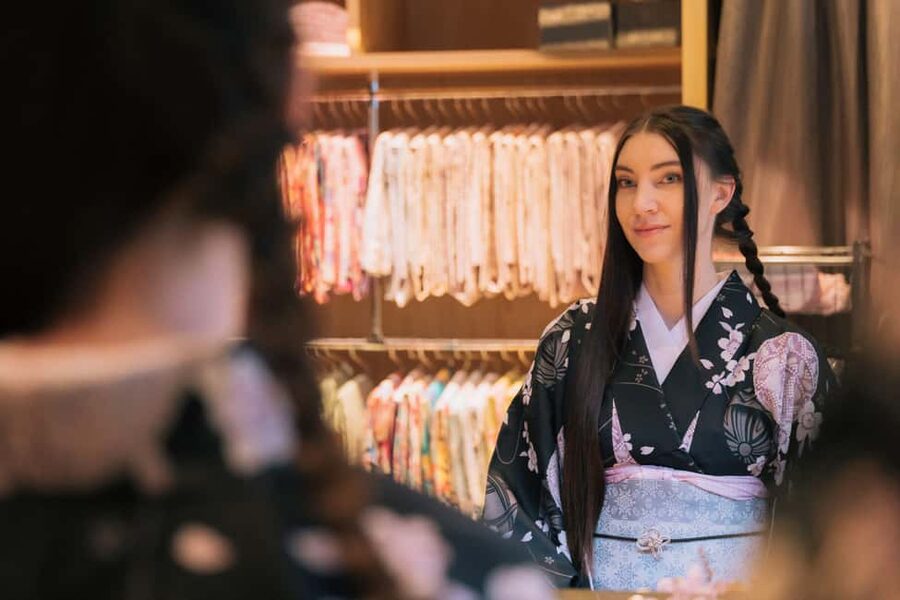
At $49 per person, this is priced like a focused cultural experience, not a luxury production. What makes the value feel strong is what is included.
You get:
- Kimono set rental
- Tea ceremony utensils rental
- Hair styling (simple style)
- Snacks (wagashi and matcha)
- A licensed guide
- All fees and taxes
And if you choose the calligraphy option, you also get the Japanese calligraphy set rental. In other words, you are paying for instruction, materials, and the outfit, all bundled together.
The small group size (up to 10) also changes the economics. You are not paying for a huge crowd experience where you wait your turn. You are paying for guided attention, which is exactly what you want when you are learning matcha technique and kimono dressing.
The only value caution is your own travel style. If you already know you will never wear a kimono, or you hate structured activities, then you might feel like you paid for something that is not your vibe. But if you are open to being guided, this price makes sense.
Who should book this Kyoto kimono tea ceremony (and who should skip)
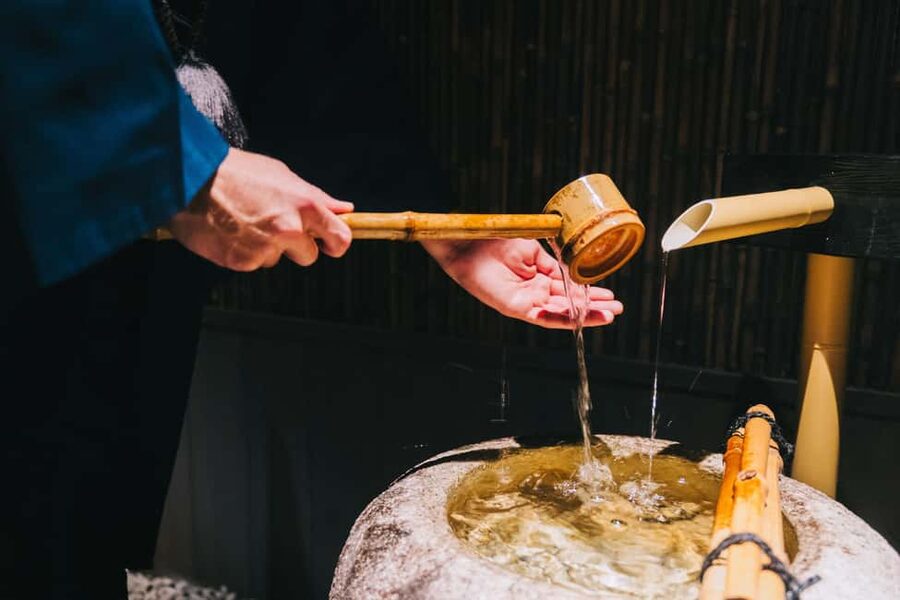
This is a great match if you want:
- A hands-on cultural activity in Kyoto
- A structured lesson with English instruction
- A calm, traditional experience in Gion
- A kimono moment that includes real dressing help
It is also especially good for first-timers who worry they will not understand the etiquette. The ceremony is explained, and the staff helps you settle into the ritual without you needing prior knowledge.
You might skip it if:
- You want a busy itinerary full of multiple attractions
- You prefer activities without any dressing up
- You are looking for a long, in-depth workshop all day (this is still 90 minutes to 2 hours)
Should you book Kyoto Kimono Tea Ceremony at Orizuruya Gion?
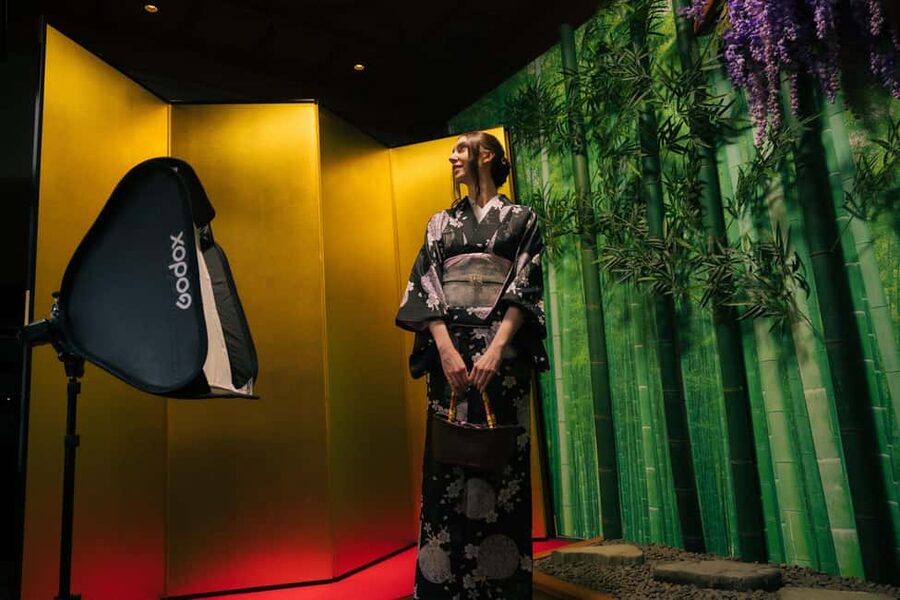
Yes, if you want a Kyoto experience that feels both traditional and stress-free. The biggest reasons to book are practical: staff-led kimono dressing so you feel comfortable, a small group so you can understand the lesson, and the fact that you make your own matcha instead of only watching.
If you are the type of traveler who enjoys learning one real skill, add the Japanese calligraphy option. If you want to keep it simple, the tea ceremony alone still gives you a memorable mix of outfit, ritual, and tasting.
FAQ
How long is the Kyoto kimono tea ceremony experience?
The experience is approximately 90 minutes to 2 hours, depending on the option you choose.
Is this a small group activity?
Yes. It is a small group experience limited to 10 participants.
Do you get an English instructor?
Yes. The instruction is in English.
Where is the meeting point?
You meet at Gion Oritsuruya, 572-7 Minamigawa, Gion-machi, Higashiyama-ku, Kyoto-shi, Kyoto. It is about a 10-minute walk from Hankyu Kyoto-Kawaramachi Station and about a 7-minute walk from Keihan Gion-Shijo Station.
What is included with the tea ceremony experience?
It includes kimono set rental, tea ceremony utensils rental, snacks (wagashi and matcha), simple hairstyling, and a licensed guide, plus all fees and taxes.
What is included if I choose the Japanese calligraphy experience option?
If you select the calligraphy option, the experience includes Japanese calligraphy set rental as well.
Can I wear the kimono after the ceremony?
Some participants report that you can keep the kimono on for a walk around the area, with some mentioning it can be worn until 5pm.
Do I have to pay right away?
You can reserve now & pay later, meaning you can book and pay nothing today.
Is free cancellation available?
Yes. You can cancel up to 24 hours in advance for a full refund.
More Geisha Experiences in Kyoto
- Kyoto Geisha Walking Tour: Gion District & Hidden Gems
★ 4.7 · 3,273 reviews - Kyoto: Gion Magical Night Walking Tour with Geisha Trivia
★ 4.9 · 2,393 reviews - Kyoto: Gion Geisha District Walking Tour – Stories of Geisha
★ 4.7 · 2,187 reviews - Best of Kyoto: Gion, Geisha, Pagodas & Cobblestones
★ 4.9 · 2,058 reviews
Fresh options around Kyoto
- Kyoto Aquarium Admission Ticket★ 4.7 · 12 reviews
- Kyoto Gion Photoshoot – Private Session | Pro Photographer★ 5.0 · 12 reviews
- Gyoza Cooking Class in Kyoto: Traditional Japanese Dumplings★ 5.0 · 12 reviews
- Kyoto: Guided Food Tour with 12 Dishes & 3 Drinks★ 5.0 · 12 reviews
- Kyoto: Avoid the Crowds at the Hidden Gems of Arashiyama★ 4.9 · 13 reviews
- Kyoto Early Bird English Tour: Gion & Higashiyama(Private opt)★ 5.0 · 13 reviews
- Otsu-e Folk Art Workshop & Local Culture Walk Near Kyoto★ 5.0 · 13 reviews
- Kyoto, Osaka, Nara Full Day tour by Car English speaking Driver★ 3.5 · 13 reviews
Kimono Experiences in Kyoto, compared.
KYOTO Tea Ceremony with kimono near by Imamiya Jinjya Shrine
Read our review →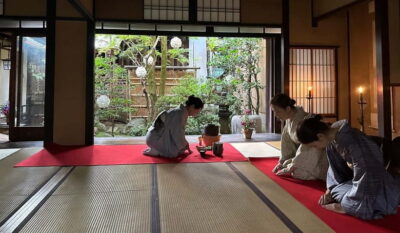
Kimono and Tea Ceremony Experience at Cultural Asset
Read our review →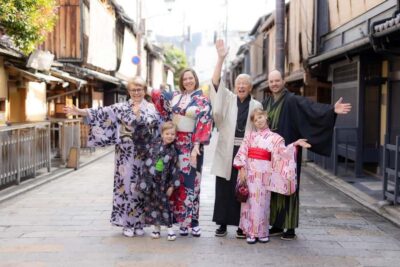
Family-Friendly Kimono & Yukata Experience at WARGO
Read our review →
1 Day Traditional Japanese Kimono Rental Experience
Read our review →Browse the lists this tour appears in