
Reviewed · KIMONO EXPERIENCES IN KYOTO
Kyoto: Kimono and Tea Ceremony Experience at Cultural Asset
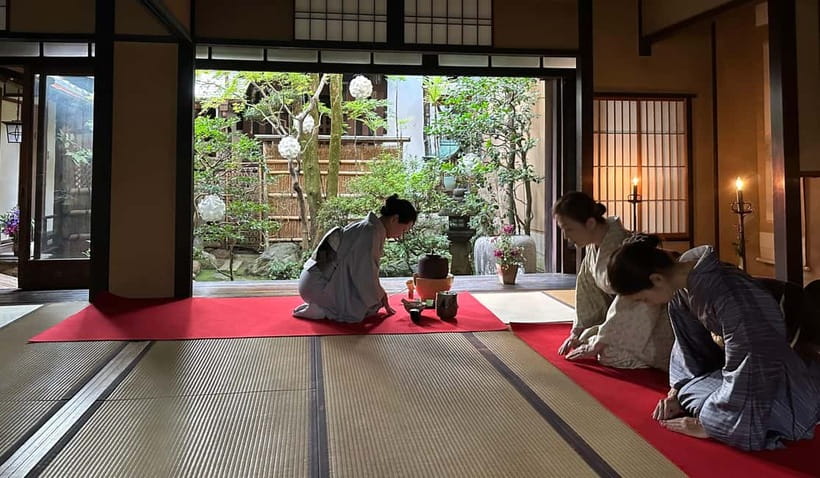
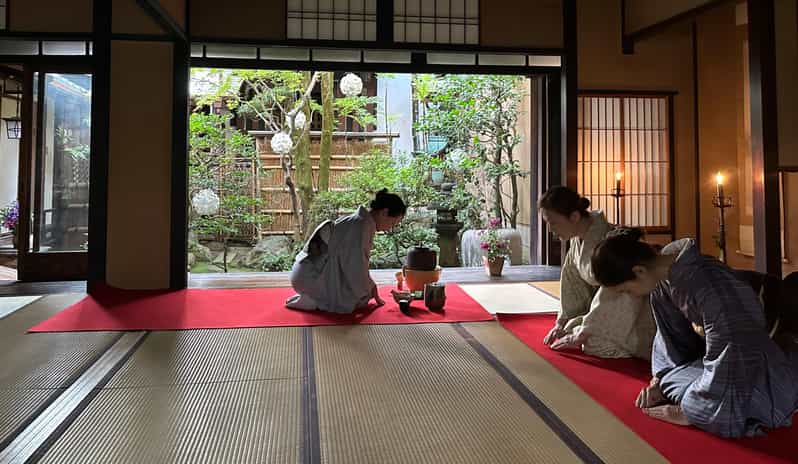
Kyoto in miniature, from kimono to tea. At Tondaya, a 140-year-old machiya with culturally protected status, you get the full Kyoto feel fast: silk kimono fitting, a careful house walkthrough, and a tea ceremony guided with clear explanations in a setting that actually feels old-world. What I like most is the traditional machiya backdrop and how the tea ceremony is staged in the same wooden townhouse space, not in some generic studio.
You should know one downside up front: this is often a group experience, so it can feel crowded and you may wait at certain moments, especially around the ceremony. Also, English ability can vary among staff, and while translation help may be used, you will enjoy the experience more if you are comfortable with a slower, non-perfect flow of conversation.
Key highlights to look for
- 140-year-old machiya at Tondaya, recognized as a culturally significant property
- Silk kimono dressing with fast fitting and photo-ready time
- Tea ceremony with a seasoned tea master in a traditional townhouse setting
- House and garden walkthrough inside a historically significant machiya
- Plenty of chances to take your own photos once you are settled
- Respect rules that matter, like socks and no bare feet
Arriving at Tondaya, Nishijin Kyoto’s townhouse start
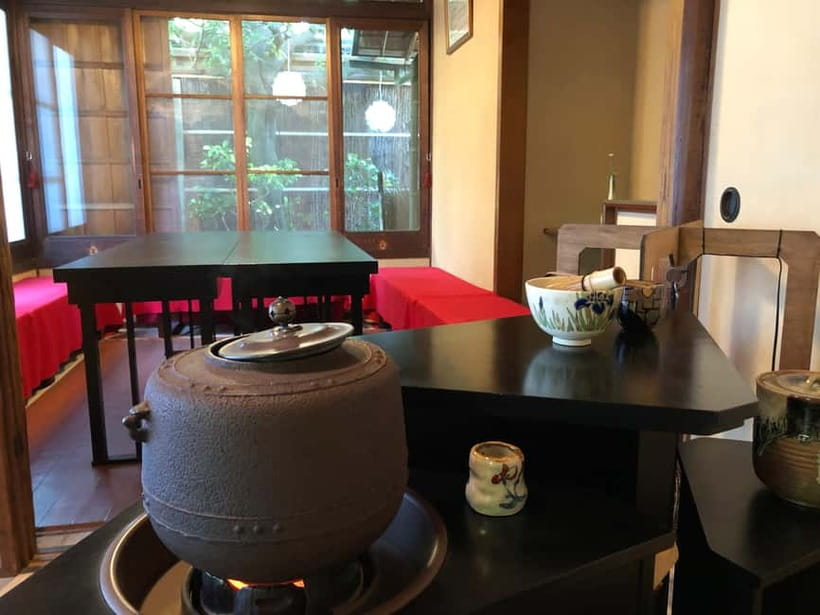
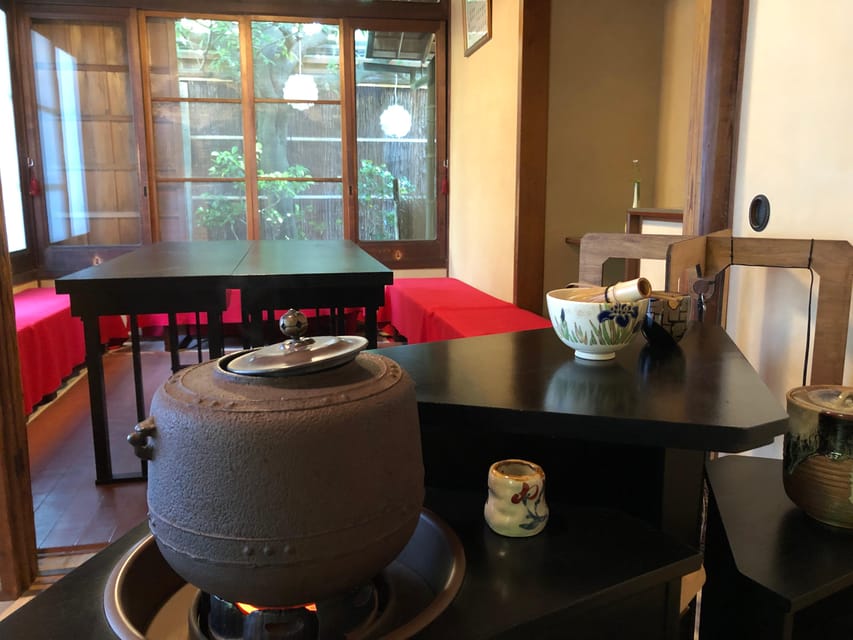
Your Kyoto experience starts at Tondaya – Nishijin Japanese Cultural Experience Museum, 697 Ishiyakushichō in Kamigyo Ward. This matters because you are not just going to a museum room, you are stepping into a real traditional townhouse environment, with the woodwork and layout doing most of the work for the atmosphere.
Plan to arrive on time. The flow is tied to your scheduled slot, and the experience is designed around a calm rhythm once you get inside. Some people even recommend arriving a bit early to settle in, because kimono fitting can take less time than you think, but the building and timing still matter.
If you are wondering about language, you are covered on paper with English and Japanese. In real life, staff English levels can vary, and you might see a translation device used when needed. Either way, the ceremony itself relies more on observation than perfect translation, and that is a good thing.
More Kimono Experiences in Kyoto
- Kimono Tea Ceremony at Kyoto Maikoya, NISHIKI
★ 5.0 · 911 reviews - Kyoto: Kimono Rental with Hairstyling and Accessories
★ 4.8 · 653 reviews - Kyoto: Kimono Tea Ceremony at Orizuruya Gion
★ 4.9 · 618 reviews
Kimono fitting in minutes, and the rules you’ll feel right away
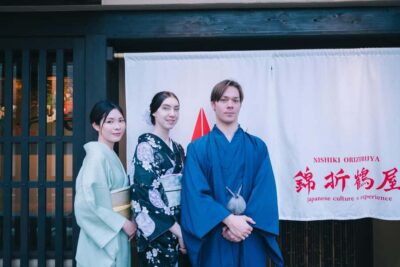
The experience begins in the kimono dressing room, where staff help you choose and fit an authentic silk kimono. One key promise is a quick fitting, listed as about 5 minutes. In practice, you will still want a few minutes for getting seated, quick adjustments, and making sure your collar and body fit properly.
Before you go, understand the sock rules. You must wear socks, and bare feet are not allowed. They also ask you to avoid stockings. That is not just picky policy. It helps keep things hygienic and keeps you comfortable on the traditional floor seating later.
You also need to think about what you wear underneath. The guidance is clear: avoid tight clothing around the neck, so your kimono can look right and sit correctly. And if your T-shirt is wet, they may not be able to help you put on the kimono then, so bring a dry shirt to change if that applies to you.
One small, practical note from the experience style: you may be asked not to take photos during dressing and during the moments of putting the kimono on and taking it off. That is common in respectful costume experiences, and it keeps the process smooth.
The machiya walkthrough, where the building does the teaching
After dressing, you will be guided through Tondaya, the 140-year-old machiya that is recognized as a culturally significant property by the Kyoto City Government. This is where the experience goes beyond costume and becomes something you can actually learn from.
Inside, expect to see historically valuable artifacts and a layout that makes sense as a working townhouse. The woodwork, the arrangement of rooms, and the feel of the gardens all support the idea that people lived here long before Kyoto became a must-do on every itinerary.
What you will get from the walkthrough depends on your guide and group flow, but the common thread in the experience is explanation tied to what you see: why certain spaces exist, and how the townhouse connects to traditional arts like tea. If you are the type who likes stopping and looking closely, this part rewards you.
There is also a photo advantage here. The townhouse itself gives you natural backdrops that look like Kyoto, not like a generic set. Many people leave with photos that look intimate even when the location is shared with other visitors.
Tea ceremony with a tea master in a traditional townhouse
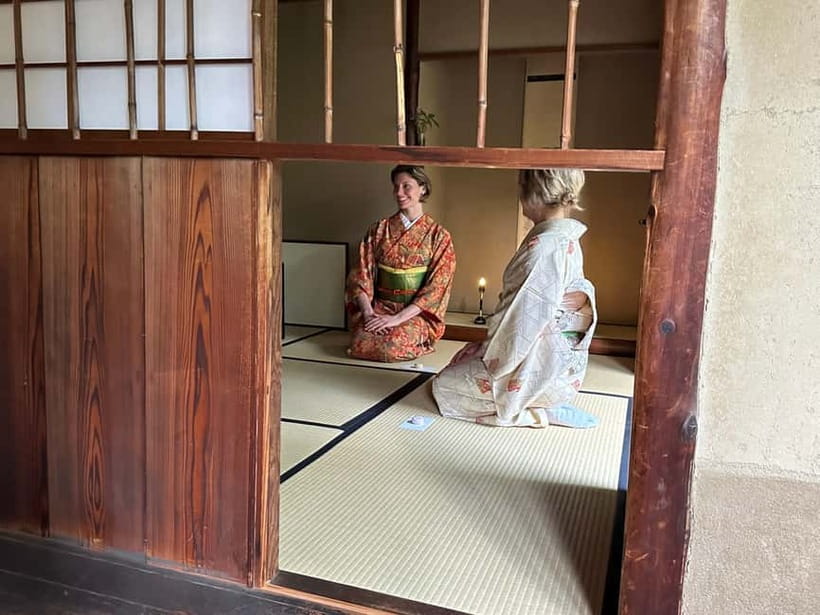
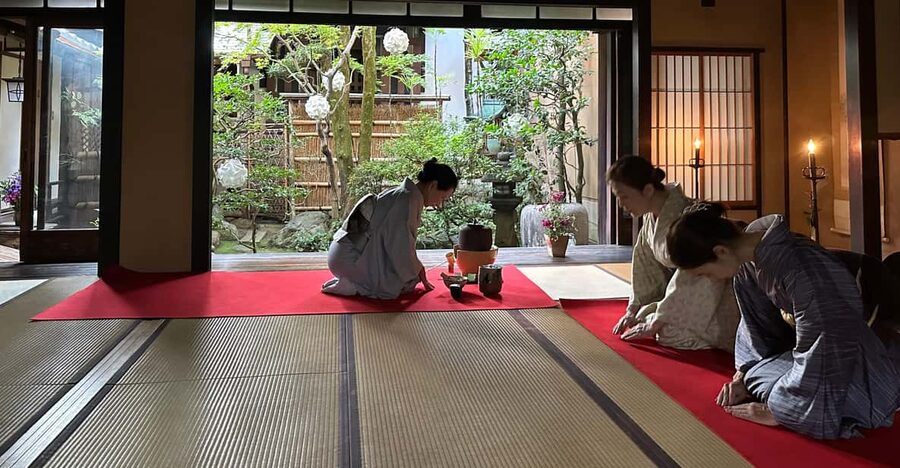
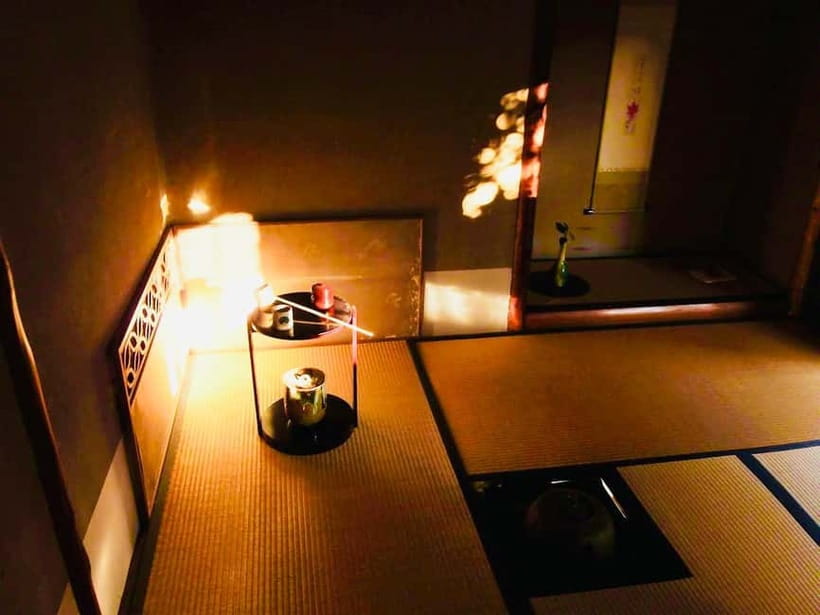
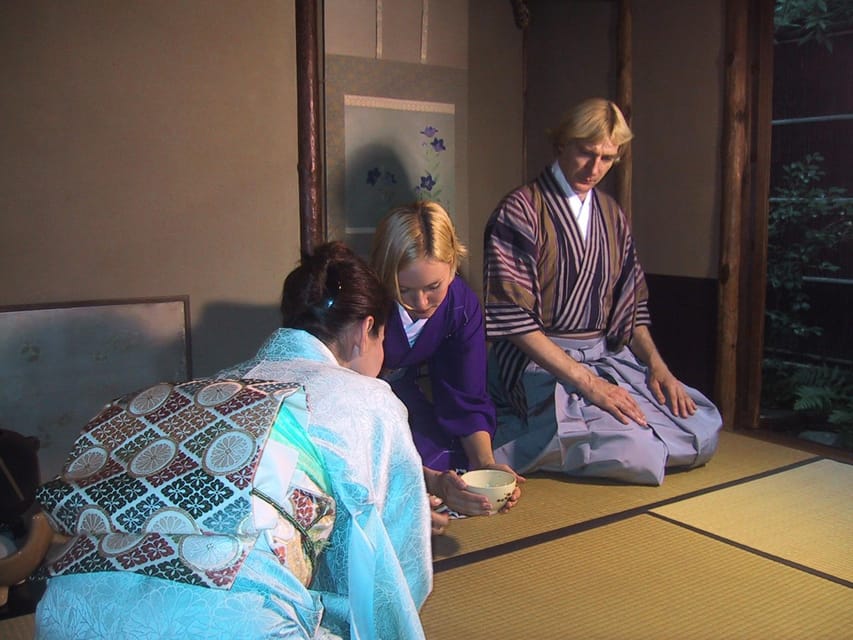
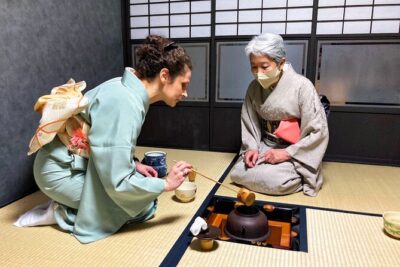
Next comes the main calm moment: an authentic Japanese tea ceremony performed by a seasoned tea master in the machiya. Tea is treated as inseparable from Japanese culture, and the way the ceremony is staged makes that feel real instead of performative.
The ceremony is guided, typically with explanations in English when possible, and you may use a translation device when not. Either way, the structure is visual and slow. You will usually see clear steps, and staff will point out the why behind what they do.
Seating is usually on the floor, and that is worth knowing in advance. Some people note that a few small chairs exist, but you should still be prepared for floor sitting during at least part of the ceremony. If you have knee or mobility issues, this is a deciding factor.
One thing I like about this experience setup is that the ceremony happens in the same old-townhouse space you just toured. It avoids the disconnect where you learn something in a hallway and then do tea somewhere else. Here, the building, the tea, and the setting all reinforce each other.
More Tea Ceremonies in Kyoto
- Kyoto: Tea Ceremony in a Traditional Tea House in Kiyomizu
★ 4.9 · 3,519 reviews - Kyoto: Tea Ceremony Ju-An at Jotokuji Temple
★ 4.9 · 3,207 reviews - Kyoto: 45-Minute Tea Ceremony Lesson Experience
★ 4.3 · 2,378 reviews - Kyoto: Table-Style Tea Ceremony at a Kyo-Machiya
★ 4.9 · 1,211 reviews
Photos, timing, and the group reality
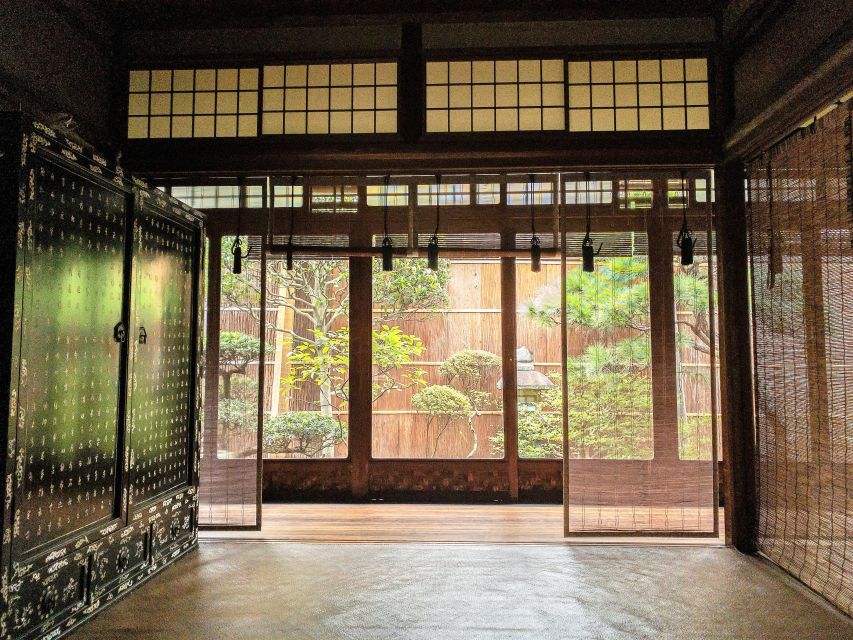
You get multiple chances to take photos, including after you are dressed and while you are exploring the townhouse. Many visitors appreciate that staff give time for you to take your own pictures, not just quick snapshots taken for you.
Still, timing can be a factor. If you book a shared session, you may wait at certain points. Some people call out crowding, and others say it felt busy but still worth it. The difference often comes down to your specific time slot and your group size at that moment.
There is also a basic behavior question. The tea ceremony is meant to be peaceful and mindful, so keep your voice down and reduce phone use during the ceremony. You are not doing anyone a favor by turning this into a loud photo shoot, even if you are excited. The staff work best when people treat the space like a quiet art moment, not a spectacle.
If you want less of the group feel, use the option for a private setting. That is the simplest way to get more control over pacing, seating, and attention.
What’s included, and what you still need to handle
The included parts are straightforward:
- Entrance fee
- Kimono dressing
- Tea ceremony
What is not included:
- Socks, so bring your own
- Hair styling and makeup, so plan your look accordingly
This pricing choice is important for value. You are paying for a real venue experience, costume fitting assistance, and a live tea ceremony with a tea master. You are not paying for a flexible, all-day sightseeing bus or extra add-ons. If you want that type of experience, you may feel the cost more sharply.
But if you love craft details, the costume fitting and the tea ceremony in the real townhouse setting are the core value. That is exactly what this booking delivers, and most people do not come away feeling like it was fluff.
Price and value at about $222 per person
At $222 per person, this is not a bargain. On a straight math level, it is a premium experience for Kyoto. The value question is really this: are you buying the setting and the guided art moment, or are you just buying a photo opportunity?
Where it earns its cost is the combination:
- A nationally recognized culturally protected machiya setting
- Assistance dressing into high-quality silk kimono
- A guided tea ceremony with explanation, not just a quick sip
Some reviews note it is expensive, but still worth it because it becomes a memory tied to a specific townhouse and a calm ceremony. If you are sensitive to crowds and want more quiet attention, the premium can also feel justified because a private option can reduce friction.
If you are mainly after casual sightseeing, you might prefer a self-guided matcha stop or a kimono rental with no ceremony. But if you want the traditional art flow in a preserved house, this is the ticket.
Who this experience suits best in Kyoto
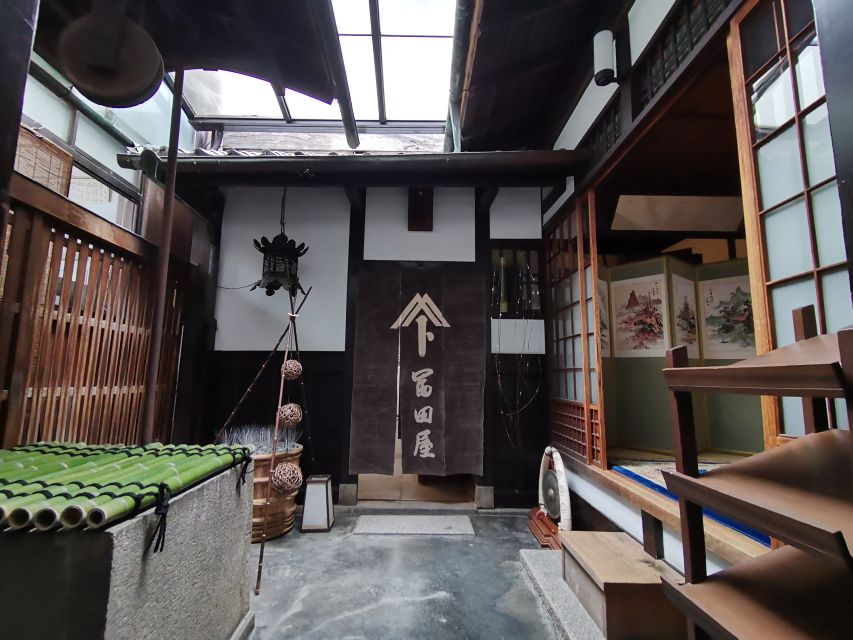
This tour fits you best if you want a structured taste of traditional Kyoto, with a real machiya location and a guided tea ceremony. It is also a strong match for people who like dressing up, then taking photos that look like Kyoto, not a backdrop.
It is less ideal if:
- You hate waiting for group flow
- You need lots of in-depth spoken English during the entire event
- You want a fully customizable schedule
- You cannot sit on the floor comfortably
If you are traveling with friends and you all want shared photos, you will like the townhouse photo spots and the time allowed for pictures. If you want a quieter experience, choose the private option and plan to spend more time calmly on your own.
Little things that make your visit smoother
Bring the basics:
- Socks (required)
- Neck-friendly clothing underlayers
- A dry shirt to change into if your shirt gets wet
Go in with the right mindset. Tea ceremony etiquette is part of the experience, and that is where the calm comes from. Keep your phone away during the most sensitive moments and let the staff guide you.
If you care about photos, treat the timing like a schedule. There is likely a window when you can take more of your own pictures, and it helps to be ready right then, rather than waiting until you are already walking away.
Finally, plan transportation. The location is in Kyoto and not in the middle of the most obvious taxi hot spots, so getting a taxi can be a little tricky for some visitors. If you rely on ride-hailing, test your route before you need it.
Should you book this kimono and tea ceremony at Tondaya?
Book it if you want a Kyoto experience that is about craft and setting, not just a costume. The 140-year-old machiya location plus a real tea ceremony inside the townhouse is the winning combo, and most people leave with both a calmer moment and better photos than they expected.
Skip or rethink it if crowding and timing stress you out. The group format can make it feel busy, and the ceremony may not be perfectly tailored to your pace. In that case, the private option is the smarter move.
If you do book, come prepared: socks on, neck outfit loose, dry shirt ready, and keep the ceremony respectful and quiet. Do those things and you will get the best version of this experience, the one where Kyoto feels old, calm, and actually worth the price.
FAQ
How long does the kimono and tea ceremony experience take?
It runs 90 minutes to 4 hours, depending on availability and timing.
Where is the meeting point?
Meet at Tondaya – Nishijin Japanese Cultural Experience Museum, 697 Ishiyakushichō, Kamigyo Ward, Kyoto, Japan.
Is this a group experience or private?
The experience can be conducted as a group with other participants. A private experience option is available if you prefer a more private setting.
What is included in the price?
Included are the entrance fee, the tea ceremony, and kimono dressing.
Do I need to bring anything?
Yes, you should bring socks. Bare feet are not allowed.
Are bare feet allowed during the experience?
No. Bare feet are not allowed, and you must wear socks.
What should I wear under my kimono?
Wear clothes that are not too tight around the neck to show the best kimono style. Also, if your T-shirt is wet, they may not be able to assist with dressing, so bring a dry shirt to change.
Is hair styling or makeup provided?
No. Hair styling and make up are not included.
What languages do instructors speak?
The instructors provide support in English and Japanese. A translation device may be used when needed.
What if I need help understanding during the tour?
Not all staff speak English fluently. They will do their best to arrange an interpreter, and a translation device may be used when necessary.
Fresh options around Kyoto
- Kyoto Gion Photoshoot – Private Session | Pro Photographer★ 5.0 · 12 reviews
- Kyoto Aquarium Admission Ticket★ 4.7 · 12 reviews
- Gyoza Cooking Class in Kyoto: Traditional Japanese Dumplings★ 5.0 · 12 reviews
- Kyoto: Guided Food Tour with 12 Dishes & 3 Drinks★ 5.0 · 12 reviews
- Kyoto: Avoid the Crowds at the Hidden Gems of Arashiyama★ 4.9 · 13 reviews
- Kyoto Early Bird English Tour: Gion & Higashiyama(Private opt)★ 5.0 · 13 reviews
- Otsu-e Folk Art Workshop & Local Culture Walk Near Kyoto★ 5.0 · 13 reviews
- Kyoto, Osaka, Nara Full Day tour by Car English speaking Driver★ 3.5 · 13 reviews
Kimono Experiences in Kyoto, compared.
KYOTO Tea Ceremony with kimono near by Imamiya Jinjya Shrine
Read our review →
Family-Friendly Kimono & Yukata Experience at WARGO
Read our review →
1 Day Traditional Japanese Kimono Rental Experience
Read our review →Browse the lists this tour appears in