
Reviewed · KIMONO EXPERIENCES IN KYOTO
KYOTO Tea Ceremony with kimono near by Imamiya Jinjya Shrine
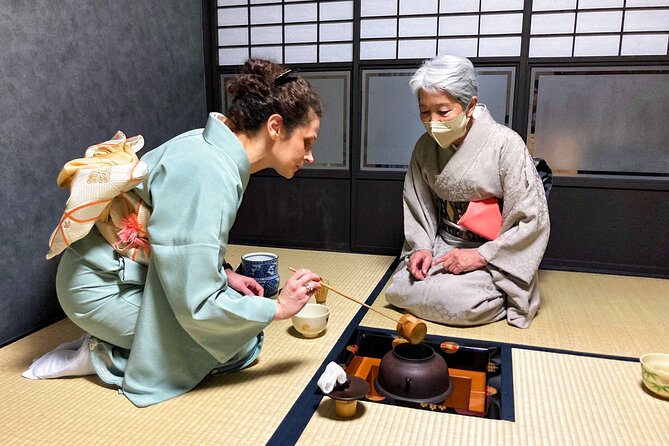
You do not come to Kyoto for quiet. You come for perfect quiet, and this kimono tea ceremony delivers. I love the authentic kimono dressing (including help with layers and your hair set), and I love learning the tea steps from a tea professional with decades of practice, not a rushed script. The only catch to plan for is that the kimono prep can feel like a mini workout, especially if you are wearing it in warm weather.
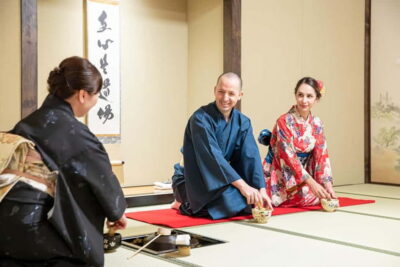
What makes this experience stand out is that it treats tea culture as something you practice, not just something you watch. The ceremony happens in a tea room used for three generations near the Daitoku-ji Temple area, with explanations of kimono patterns and Japanese manners along the way. At around $99.49 for about 1 hour 30 minutes, you are paying for the full setup, the teacher, and hands-on time, in a small group of up to 12.
Key points to know before you go
- Authentic kimono dressing with staff help, plus hair styling
- Tea master instruction with commentary on manners and tea history
- Hands-on matcha brewing after you watch the formal steps
- Seasonal sweets served with your tea
- Small group size (maximum 12 travelers) for a calmer feel
- Near Daitoku-ji Temple area, with an easy-to-find meeting point
Why This Kyoto Tea Ceremony Works (Even If You Fear It’s Too Touristy)
The fear is reasonable. Kyoto has plenty of things that look great on camera, then feel like a checklist. This one avoids that trap by giving you a real role in the ritual. Yes, you get dressed in a kimono, and yes, there are photo moments. But the core is the ceremony itself, taught in a structured way, with etiquette you can actually use later.
The kimono portion also does more than look fancy. You learn why patterns and designs matter, which helps the clothing feel connected to the tea setting. And because the tea master teaches the sequence of actions, you are not just sipping matcha, you are practicing the flow.
The other thing I like is the human touch. Staff are attentive with photos, and the tone stays respectful and unhurried. Reviews mention guides such as Akira and staff like Mera, and you can feel the emphasis on explanation, not performance.
More Kimono Experiences in Kyoto
- Kimono Tea Ceremony at Kyoto Maikoya, NISHIKI
★ 5.0 · 911 reviews - Kyoto: Kimono Rental with Hairstyling and Accessories
★ 4.8 · 653 reviews - Kyoto: Kimono Tea Ceremony at Orizuruya Gion
★ 4.9 · 618 reviews
Getting There: Meeting Point at Caren Near the Daitoku-ji Area
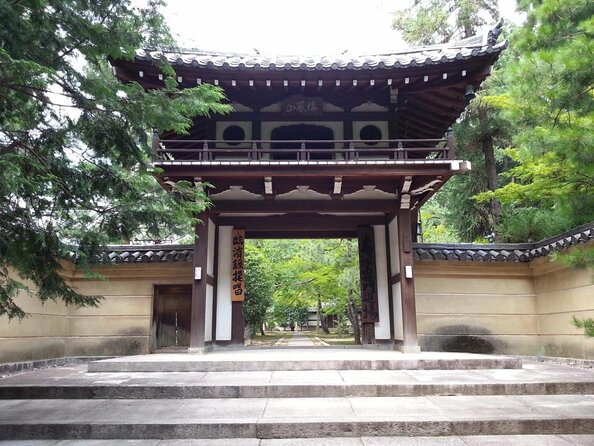
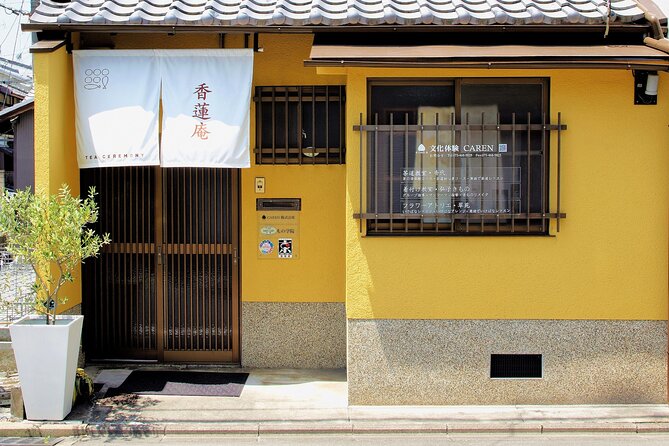
Your morning or afternoon starts at Tea Ceremony – Caren, at 74-4 Murasakino Daitokujicho, Kita Ward, Kyoto 603-8231. The meeting point is described as near public transportation, so you do not need private transportation to make this work.
Why this matters for you: tea ceremony timing is tight. If you arrive late, your kimono fitting can get compressed, and that can make the whole experience feel more stressful than calm. Build in a little cushion, because kimono dressing takes time by design.
The ceremony setting is in the neighborhood of Daitoku-ji Temple, a Kyoto area strongly tied to tea culture. A couple of reviews also connect it to the Imamiya Jinjya Shrine area. Either way, you are placing your tea experience in a part of Kyoto that already feels rooted in tradition.
Nishijin Kimono Selection: Choosing a Color and Pattern You’ll Remember
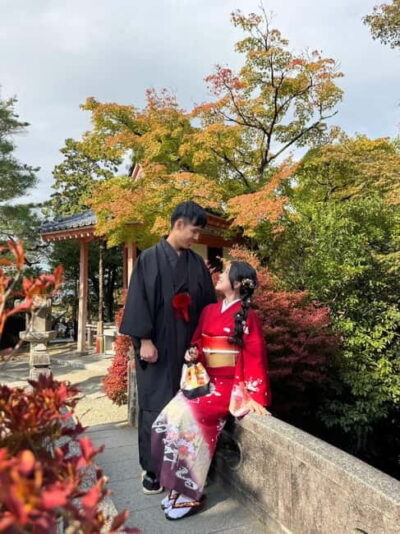
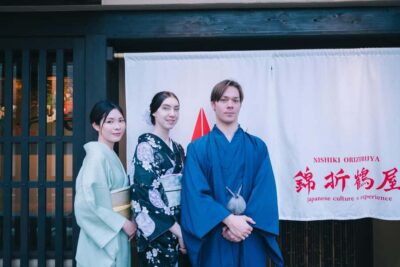
One of the best parts is that you get to choose your kimono. The program says you pick from a collection in Nishijin, Kyoto, and you can select based on the color and pattern that you actually like. That sounds small, but it changes how you feel in the photos and afterward. You are not stuck in the first thing offered.
Before the kimono goes on, you get help with a hair set. If you are going with someone, this is also a nice shared moment. Many people worry that they will feel awkward standing around while others get dressed. But the process is set up so staff work efficiently while you stay involved in the experience.
Also note the “multi-layered affair” theme from reviews. Kimono dressing is detailed, and that is part of the respect of the craft. It is not a costume you pop into, it is a system. If you want an experience where you feel the care and technique behind traditional clothing, this delivers.
Practical tip from how the experience is run: you may want to have at least a vague idea of what color family you like before you arrive. Reviews specifically call out that choosing quickly helps the flow.
The Hair, the Photos, and the Small-Group Feel
After choosing, the staff assist with dressing, then you get a simple photo shoot while dressed. This is one of those parts you might be tempted to skip mentally. Don’t. The photos are not just for souvenirs. They mark the transition point, from you as a visitor to you as a participant.
A key detail: the group size is capped at 12 travelers. That matters because a small group makes the ceremony feel less like a showroom. You get more time for explanation, more attention with photos, and more chance to ask practical questions.
If you are traveling with family or a couple, this also tends to land well. One review notes even teenage boys enjoyed it, mainly because it stayed engaging and not childish.
More Tea Ceremonies in Kyoto
- Kyoto: Tea Ceremony in a Traditional Tea House in Kiyomizu
★ 4.9 · 3,519 reviews - Kyoto: Tea Ceremony Ju-An at Jotokuji Temple
★ 4.9 · 3,207 reviews - Kyoto: 45-Minute Tea Ceremony Lesson Experience
★ 4.3 · 2,378 reviews - Kyoto: Table-Style Tea Ceremony at a Kyo-Machiya
★ 4.9 · 1,211 reviews
The Tea Room Setup: Three Generations of Use
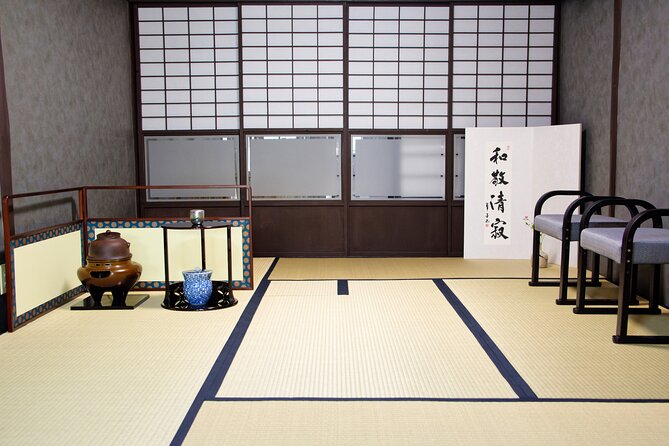
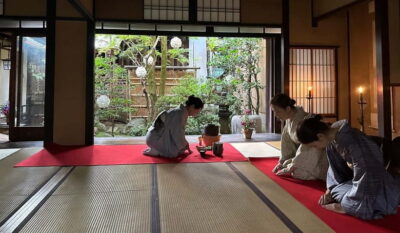
Your ceremony takes place in a tea room that the program describes as used for three generations. It is also described as a bit old, but staff say they do their best to ease traveler fatigue. Translation: the room has character, and you should not expect a modern showroom feel.
This is where a lot of people get something meaningful. A formal tea room is intentionally simple. The calm comes from details like materials, spacing, and the way movement is guided. If you go in expecting big spectacle, you might miss the point. If you go expecting quiet technique and careful pacing, you will probably love it.
And because the room is near Daitoku-ji Temple, the setting supports the feeling that tea culture in Kyoto is not only a performance for tourists. It is something that has lived in specific spaces for a long time.
Tea Master Demonstration: Steps, History, and Japanese Manners
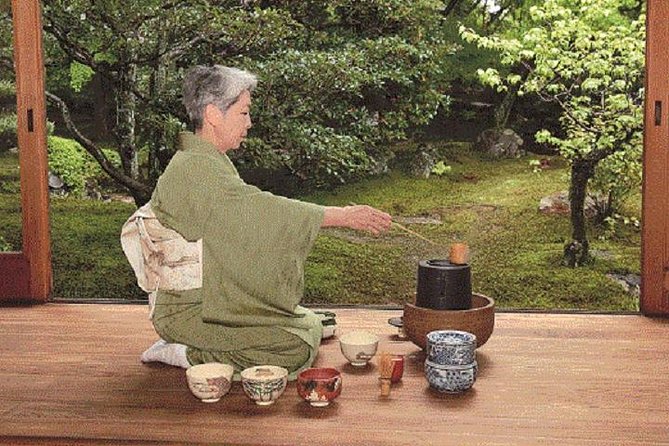
Next comes the formal portion. The program says a tea master who has studied tea ceremonies for 30 years will show the traditional process. Expect to watch the preparation steps and learn what they mean. This is not only about learning matcha. You are learning how people behave in the moment.
The guide commentary covers the history of tea ceremonies and Japanese manners during the experience. From reviews and the program overview, the teaching style feels interactive enough that you can follow what is happening, but controlled enough to keep the ceremony proper.
You may hear named guidance such as Akira during the explanations. Reviews also mention translators assisting so the ceremony feels more special instead of being lost in language gaps. Even if you already know a little about matcha, the manners angle is where most people get new value, because it shapes your behavior beyond the beverage.
One more small but important detail: you sip tea and eat seasonal sweets as part of the ceremony flow. That gives your senses something to anchor to while you learn.
Brewing Your Own Matcha: Hands-On, Not Just Watching
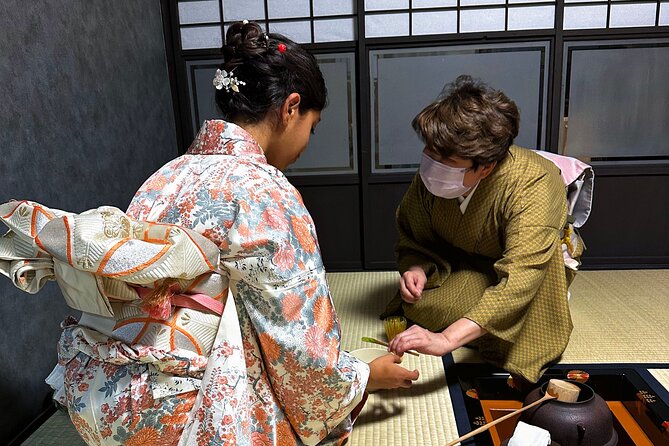
After you watch and learn, you get the chance to prepare your own tea. The program calls out that you learn to brew your own cup of Japanese tea, and reviews reinforce that you get hands-on time, not a quick demonstration.
This is the part that makes the experience feel worth the price. Watching a ceremony is pleasant. Brewing your own turns it into a skill. Even if your first try is imperfect, you now understand why each step matters, from the rhythm of preparation to the way you treat the tools.
This is also a good moment to ask questions. If you are curious about something specific, like what a step is for or how etiquette applies when you are the one doing the actions, this is your chance. Staff tend to be attentive, and reviews mention they help pose and guide you through the experience so you feel comfortable in the kimono.
Kimono Patterns and Etiquette: What You’re Learning Without the Lecture Vibe
The ceremony is built around two learning tracks at the same time:
1) the tea steps
2) the cultural meaning behind the clothing and behavior
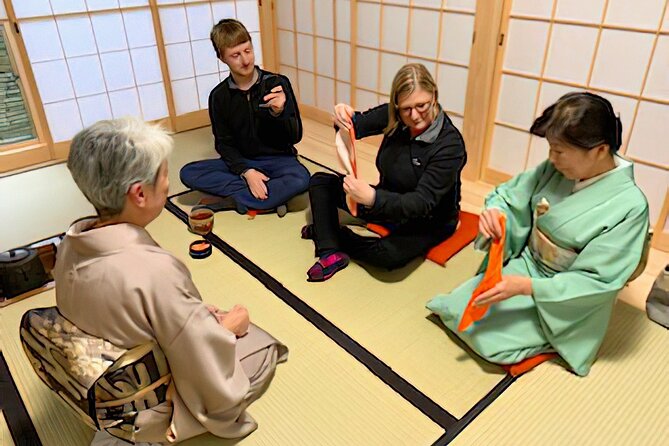
The program explicitly mentions learning about the meaning of different kimono patterns, plus etiquette. Reviews also mention extra interesting bits, like information tied to ceremonial elements. In a good tea lesson, these details connect, so you understand that tea culture is not only about taste. It is about attention, respect, and timing.
If you want to get more out of it yourself, go in with one simple mindset: slow down. When you are dressed formally, you naturally move more carefully. If you lean into that, the etiquette lessons feel practical instead of theoretical.
Cost and Value: Is $99.49 Worth It for 1 Hour 30 Minutes?
Let’s talk real value. At $99.49 per person for about 1 hour 30 minutes, you are not paying for a long tour bus experience. You are paying for several bundled things that would cost money and time separately:
- kimono selection and assistance putting it on
- hair styling
- a formal tea master class and professional instruction
- seasonal sweets
- the chance to brew your own matcha
- photo time and help posing
For Kyoto, that pricing can make sense when you consider what kimono dressing and instruction typically cost on their own. The hands-on brewing is the big differentiator. If you were only watching, you might feel shortchanged. Because you participate, you leave with an actual memory you made yourself.
Also remember the experience uses a small group. That is part of the value too. In a large group, your hands-on time often gets watered down. Here the cap at 12 supports a more personal pace.
Who This Kyoto Experience Suits Best
This works especially well if you:
- want a cultural activity that feels structured, not vague
- like hands-on learning more than museum-style watching
- want the photo and the meaning behind it, not just the photo
- are okay with traditional clothing being a bit complex to wear
I also think it fits couples and families well. Reviews mention it worked for solo travelers too, with staff encouraging participation even if you were the only person in the room. If you like learning etiquette and you want your Kyoto day to feel calmer than the crowd scenes, this can be a strong fit.
If you dislike formality, then the kimono prep might feel like too much. But if you are curious, this tends to change minds quickly, especially because the ceremony is not treated like a joke.
Weather and Timing: The One Real Planning Factor
The program notes it requires good weather. That can matter in Kyoto because rain and cold can affect comfort while wearing a kimono and spending time in the ceremony setting.
If you book during shoulder season or in a week with unpredictable forecasts, plan to dress sensibly under the kimono. You do not want your whole day ruined by discomfort. If weather forces a change, the experience says you will be offered a different date or a full refund.
Should You Book This Kimono Tea Ceremony Near Daitoku-ji and Imamiya Jinjya?
Book it if you want a Kyoto experience that combines craft, manners, and matcha, with real teaching and participation. The kimono dressing is a highlight, but it is not the only highlight. The tea master instruction, the etiquette lesson, and the chance to brew your own cup are what make it feel genuinely worth your time.
Skip it only if you strongly dislike formal clothing prep or you are looking for a fast, casual activity. Otherwise, this is one of those rare bookings where the details actually connect, from Nishijin kimono picking to the steps you practice at the tea room.
If your goal is to leave Kyoto feeling like you learned something you can carry forward, this is a good bet.
FAQ
How long is the Kyoto tea ceremony experience?
It runs for about 1 hour 30 minutes.
Where does the experience start?
The meeting point is Tea Ceremony – Caren, 74-4 Murasakino Daitokujicho, Kita Ward, Kyoto 603-8231, Japan.
What is included in the price?
The experience includes coffee and/or tea, and a professional instructor.
Do I get a mobile ticket?
Yes, the experience uses a mobile ticket.
What is the group size limit?
The group size has a maximum of 12 travelers.
What transportation is included?
Private transportation is not included.
Does the experience require good weather?
Yes, it requires good weather. If it is canceled due to poor weather, you will be offered a different date or a full refund.
What is the cancellation policy?
Cancellation is free up to 24 hours in advance for a full refund. If you cancel less than 24 hours before the start time, you will not be refunded.
More Temple & Shrine Tours in Kyoto
- Kyoto: Fushimi Inari, Kinkakuji, Bamboo Grove 1 Day Bus Tour
★ 4.8 · 4,316 reviews - Fushimi Inari Hidden Hiking Tour (Private Option Available)
★ 5.0 · 1,750 reviews - Osaka/Kyoto:Kinkakuji,Arashiyama,FushimiInariShrine,NaraPark
★ 4.1 · 1,596 reviews - Kyoto/Osaka: Nara, Fushimi Inari Taisha, Arashiyama Bus Tour
★ 4.7 · 1,275 reviews
Fresh options around Kyoto
- Kyoto Aquarium Admission Ticket★ 4.7 · 12 reviews
- Kyoto Gion Photoshoot – Private Session | Pro Photographer★ 5.0 · 12 reviews
- Gyoza Cooking Class in Kyoto: Traditional Japanese Dumplings★ 5.0 · 12 reviews
- Kyoto: Guided Food Tour with 12 Dishes & 3 Drinks★ 5.0 · 12 reviews
- Kyoto: Avoid the Crowds at the Hidden Gems of Arashiyama★ 4.9 · 13 reviews
- Kyoto Early Bird English Tour: Gion & Higashiyama(Private opt)★ 5.0 · 13 reviews
- Otsu-e Folk Art Workshop & Local Culture Walk Near Kyoto★ 5.0 · 13 reviews
- Kyoto, Osaka, Nara Full Day tour by Car English speaking Driver★ 3.5 · 13 reviews
Kimono Experiences in Kyoto, compared.
Kimono and Tea Ceremony Experience at Cultural Asset
Read our review →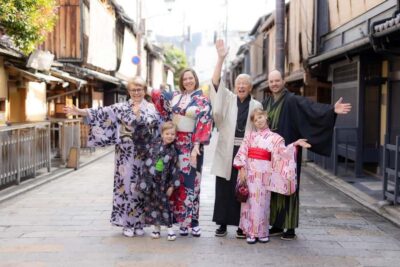
Family-Friendly Kimono & Yukata Experience at WARGO
Read our review →
1 Day Traditional Japanese Kimono Rental Experience
Read our review →Browse the lists this tour appears in