
Reviewed · WORKSHOPS
Kyoto: Sushi Making Class with Sushi Chef
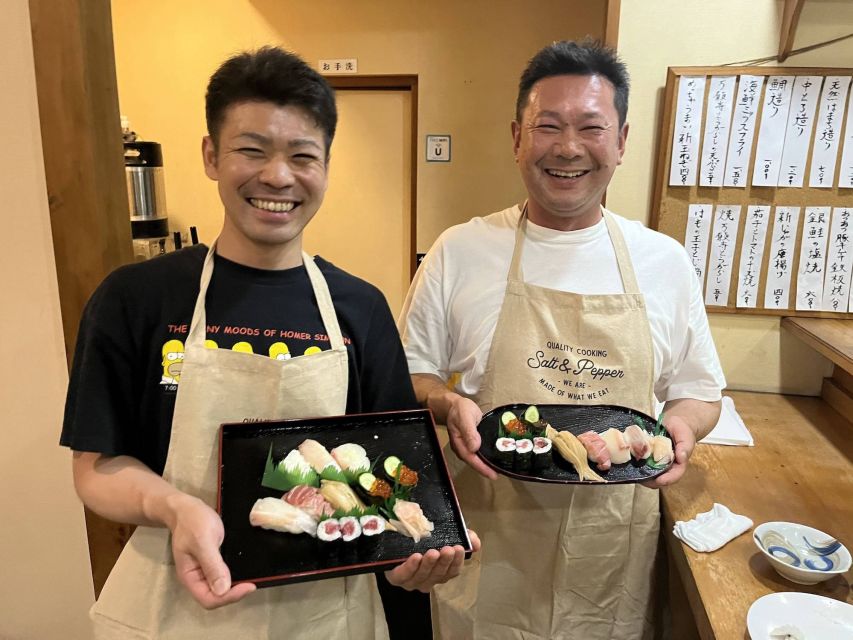
Fresh fish, real sushi skills, then you eat. This Kyoto class starts with market-fresh fish sourced at the Kyoto Central Wholesale Market, and it ends with you eating the sushi you made. I love that the teaching is practical and patient, with chefs such as Hide and Yukihide-san guiding you through the basics and the little details that make sushi taste right. A second big win is the photo and video service, so you can focus on your hands and your chef’s instructions instead of your phone.
There is one catch to plan around. This activity is not suitable for people with food allergies, and strong fragrances are not allowed, so if you have sensitivities, check first.
Key things that make this Kyoto sushi class different
- Early-morning fish from Kyoto Central Wholesale Market for freshness you can taste
- Practice with a sushi sample toy before you handle real nigiri
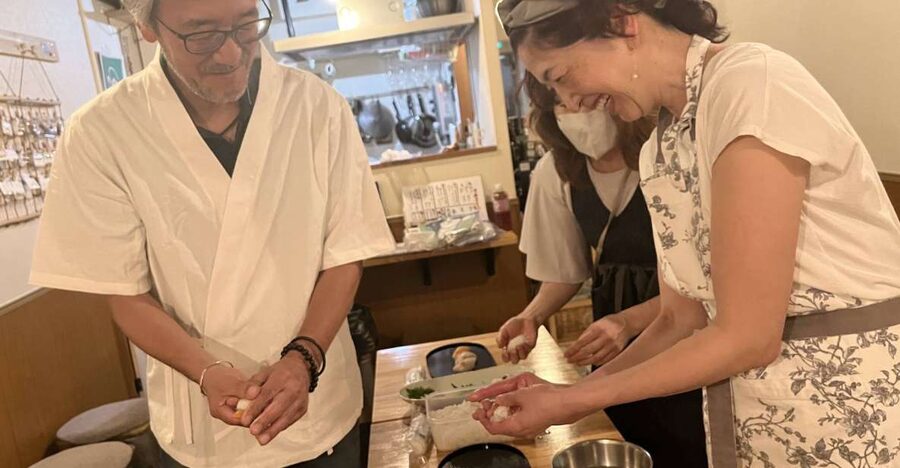
- Hands-on flow: nigiri, then a roll using a special tool, then plating and eating
- Photo and video capture included, shared after the class
- Small group up to 8 people, taught in English and Japanese by sushi chefs like Hide, Nami, Yune, and Yutaka
Why Kyoto sushi starts at the Central Wholesale Market
Most sushi lessons teach techniques. This one also gives you the context, and it starts with where sushi really begins: the fish.
You buy your ingredients in the morning at the Kyoto Central Wholesale Market, then the team prepares for your class before you start. That matters because sushi is not just about shape. Fresh fish, handled quickly, affects flavor and texture in a way that you notice the moment you take a bite. It also makes the whole experience feel grounded in how sushi is actually sourced and handled day to day in Japan.
I also like that this approach keeps the class authentic without turning it into a food lecture. You’re not only learning what to do, you’re learning why the ingredients and timing matter.
More Sushi Making Classes in Kyoto
- Sushi Making in Kyoto! Same-day bookings welcome!
★ 5.0 · 713 reviews - The Original Small-Group Sushi Making Class in Kyoto
★ 5.0 · 436 reviews - Kyoto: Small-Group Authentic Sushi Making Workshop
★ 5.0 · 137 reviews
Meeting near Shijo Karasuma, and what to do when you arrive
The class meets at one of two venues around Shijo Karasuma. The operator emails a Google Maps link that tells you exactly which spot is yours based on group size, and you’ll meet them with a welcome board when you arrive.
This location choice is practical. Shijo Karasuma is a convenient hub for exploring Kyoto, so you don’t have to plan an extra trip just for a workshop. Even better, the class is capped at a small group size, which usually means less waiting and more direct coaching while you’re cutting, shaping, and assembling.
Plan to arrive a bit early with a clear head. You’re going to be learning a sequence (practice first, then real nigiri, then rolls), and the flow moves with the chef’s teaching rhythm.
The step-by-step workflow: practice, nigiri, then maki rolls
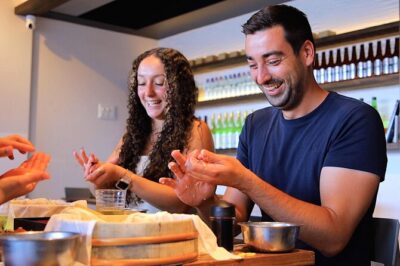
The class is built like a mini production line, but it stays beginner-friendly. They start with practice using a sushi sample toy, so you can get your timing and hand movements down before you touch real fish. That approach is especially helpful if you’ve never shaped nigiri or worked with rice that’s meant to hold together without being pressed into something dense.
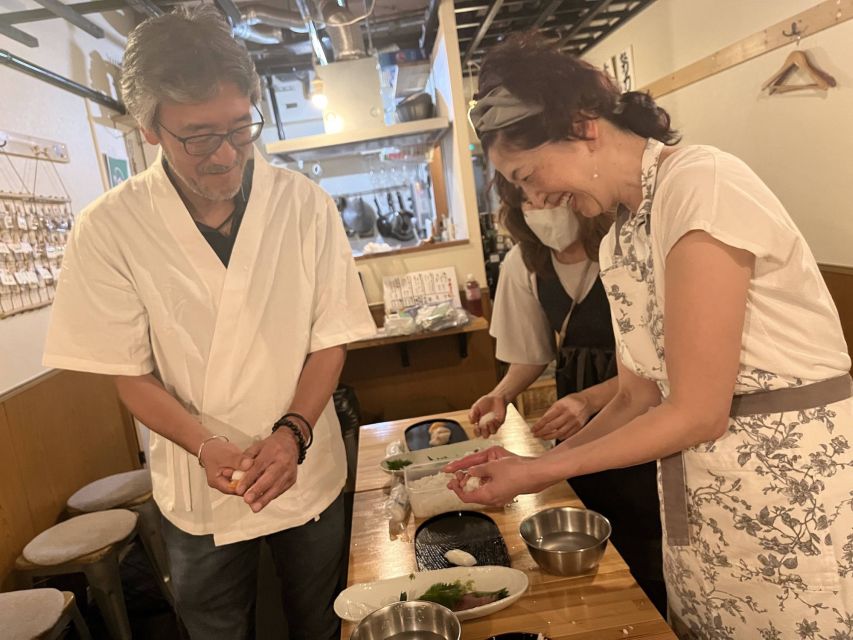
After practice, you move into real nigiri sushi. The chef teaches you step by step, and the goal is consistency, not speed. You’re learning how to shape and handle rice so it stays intact, while the fish portion gets placed cleanly on top.
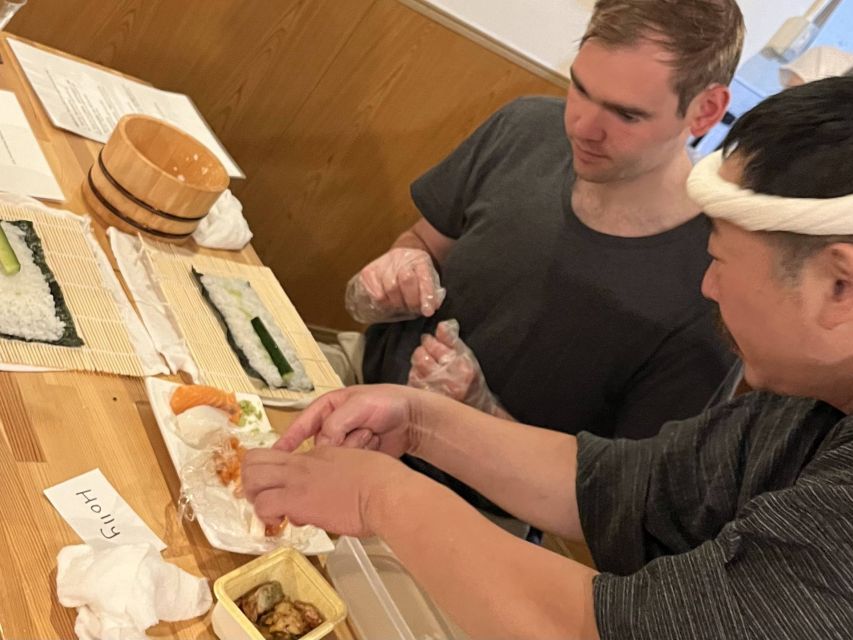
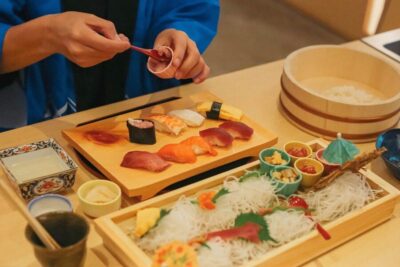
Then you shift to rolls (maki). You’ll use a special tool for the roll stage, and you decorate and finish your sushi on a sushi plate before eating. So you end up with a full, satisfying set, not just a “look what I made” moment.
Here’s the practical upside: if you get a little behind during the session, you’re not locked out. The process is broken into chunks, and each chunk builds on the last one.
What you learn beyond shaping: rice, knives, and sushi etiquette
Sushi classes can be hit or miss. Some focus only on memorizing steps. This one is more useful because it goes beyond the motions.
You get coaching on how sushi should be made properly. Several participants highlight that the chef explains more than technique, including practical details like knife use and what different knives are for. If you ever tried to copy sushi at home with the wrong tool, you know how frustrating it gets. Knife purpose is one of those small topics that changes everything.
You also learn dining etiquette. That can mean the difference between eating sushi like you’re playing it by ear and eating sushi like you actually understand the culture. The class covers how to behave and how to eat at a sushi restaurant, so you’ll feel less awkward the next time you sit down for sushi in Kyoto or anywhere else in Japan.
Another plus is the teaching style. The chef instruction is described as patient, relaxed, and easy to follow, which matters because sushi is a skill where calm hands win. If your first attempt looks messy, that does not mean you failed. Sushi rice and fish handling take practice.
Same corner of Japan, a different kind of day:
- PERFECT KYOTO 1-Day Bus Tour
★ 5.0 · 13,518 reviews - Kyoto: Fushimi Inari, Kinkakuji, Bamboo Grove 1 Day Bus Tour
★ 4.8 · 4,316 reviews - Kyoto: Tea Ceremony in a Traditional Tea House in Kiyomizu
★ 4.9 · 3,519 reviews - Kyoto Geisha Walking Tour: Gion District & Hidden Gems
★ 4.7 · 3,273 reviews
Lunch you made yourself: dashi soup, tea or water, and a full plate
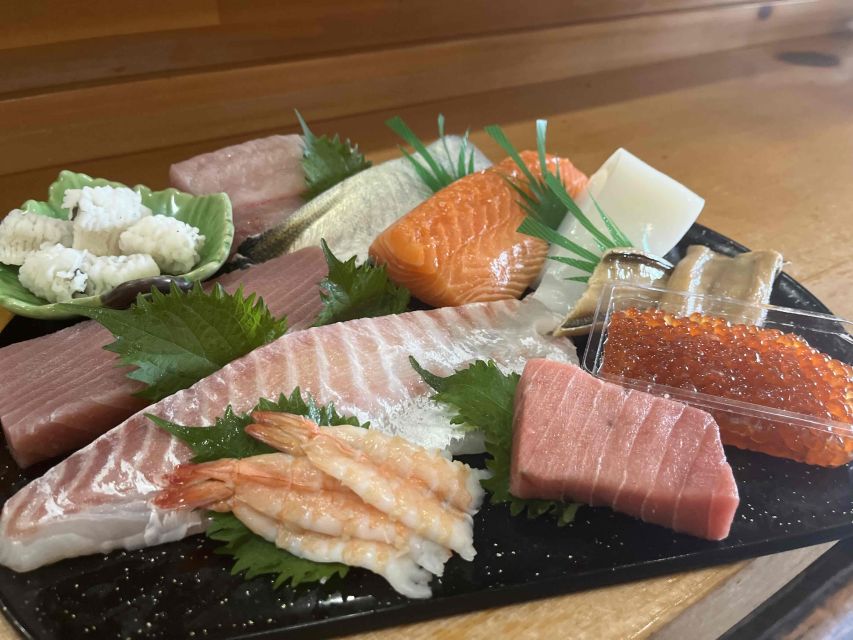
After you finish crafting, the class turns into lunch. You eat the sushi you made, plus tea or water and Japanese-style dashi soup.
That part is not just a payoff. It’s also the best way to learn. When you taste what you shaped, you immediately connect technique with result. The next time you press rice, place fish, or make a roll, your brain remembers the taste and texture.
A few participants also mention that the food quality is a major highlight, especially because the fish is fresh. Even if you’re not a diehard fan of raw fish, you may find the overall experience more comfortable because the class is structured and guided, and you’re not thrown into eating first. You make first, taste next.
Price and value at about $74 for a small-group class
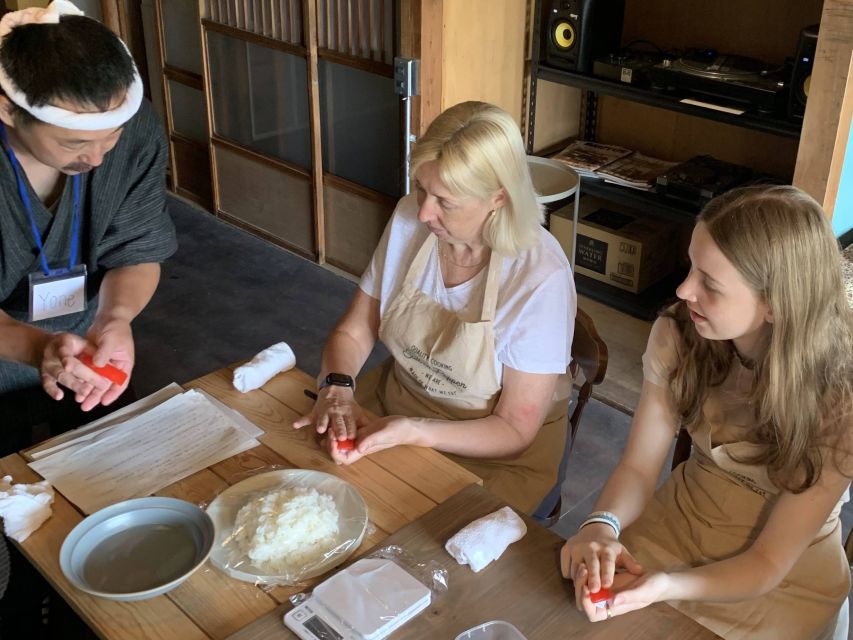
At around $74 per person for a 90-minute to 3-hour experience, the biggest value question is: do you get more than an eating tour?
You do, because the price covers:
- instruction by a sushi chef
- market-fresh fish ingredients sourced in the morning
- hands-on making of nigiri and rolls
- the meal, including dashi soup and a drink
- photo and video sharing after the class
If you’ve done cooking classes elsewhere, you know the best ones charge for access to real technique and real ingredients, not just a fun activity. This one is priced as a skill workshop with real sourcing behind it, and the small-group limit helps keep the attention on you.
The best way to think about value here: you’re paying for a chance to learn how sushi is put together, then eating the outcome. If you like hands-on learning and you want something more memorable than a standard meal, the price can feel fair quickly.
Who this Kyoto sushi class suits best
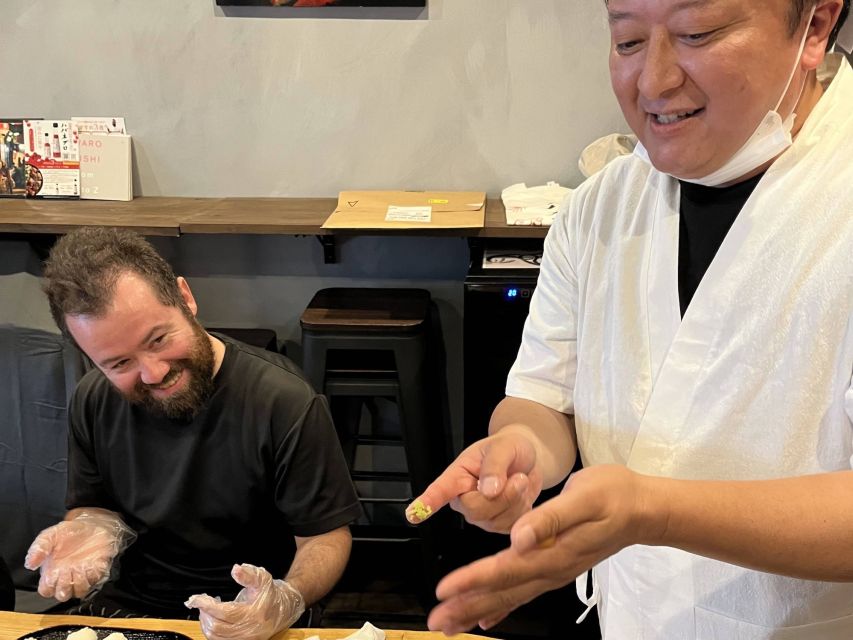
This is a strong fit if you want an authentic Kyoto experience that’s active, guided, and finish-with-lunch satisfying.
It’s also a good choice for families. The class is taught step by step so even kids can enjoy it, and multiple families describe it as a favorite activity during their trip. If you’re traveling with kids, the practice toy is a big deal because it lowers the pressure.
It’s less ideal for people with food allergies. The activity is listed as not suitable for food allergies, so if that’s part of your situation, you should be cautious and contact the provider before booking.
One more rule to consider: strong fragrances are not allowed. That includes heavily scented perfumes, body sprays, and some strong-smelling personal care products. If you’re sensitive to smells or you’re going to wear something strong, adjust your plan.
Booking decision: should you take this sushi making class?
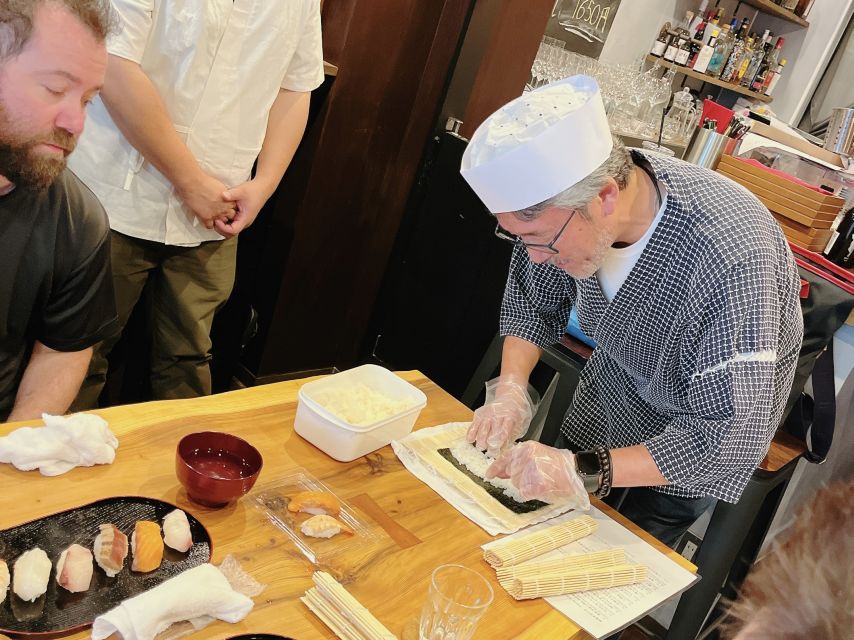
If you want one Kyoto activity that mixes culture, real food technique, and a satisfying meal at the end, I think this class is a smart booking.
Book it if:
- you like hands-on cooking rather than watching from the sidelines
- you care about fresh sourcing and want to taste why market fish matters
- you want instruction in English or Japanese
- you’d enjoy sushi etiquette and not only sushi construction
Think twice if:
- you have food allergies and need a clearly allergy-safe setup
- you’re very smell-sensitive, since strong fragrances are not allowed and the class rules apply
FAQ
FAQ
How long is the sushi making class in Kyoto?
The class runs for 90 minutes up to 3 hours, depending on availability and the session schedule.
What will I make and eat during the class?
You’ll practice first using a sushi sample toy, then make real nigiri sushi, then make sushi rolls using a special tool, and finally decorate and eat everything on your sushi plate. You also get Japanese-style dashi soup, plus tea or water.
Where do I meet near Shijo Karasuma?
There are two possible venues around Shijo Karasuma. You’ll receive an email with a Google Maps link to the correct meeting spot for your group, and you’ll meet the team with a welcome board.
Do you take photos and share them afterward?
Yes. The class includes photo taking service, and they also share photo and video data with you after the class.
Is this class small group, and what languages are offered?
It’s a small group limited to 8 participants. Instruction is offered in English and Japanese.
Are strong fragrances allowed, and is it suitable for allergies?
Strong fragrances are not allowed. The activity is also listed as not suitable for people with food allergies. If you have dietary needs, you should check with the provider before booking.
Can I cancel and get a full refund?
Yes. You can cancel up to 2 days in advance for a full refund.
Fresh options around Kyoto
- Nara Todaiji Kasuga Taisha Private Full Day Tour From Kyoto★ 5.0 · 13 reviews
- Private Sake Tasting in Central Kyoto with Sake Sommelier★ 5.0 · 13 reviews
- Traditional Tea Ceremony with Matcha and Sweets in Kyoto★ 5.0 · 13 reviews
- Kyoto: Sushi Making Experience in Kawaramachi★ 4.8 · 13 reviews
- Kyoto: KITSUNE Nightclub Admission Ticket with Drink★ 4.2 · 13 reviews
- Kyoto Shogun Cycling Tour★ 5.0 · 13 reviews
- Kyoto: Customizable Full-Day Tour with Privarte Transfers★ 3.5 · 13 reviews
- Japan’s Rural Life & Nature: Private Half Day Cycling Near Kyoto★ 5.0 · 13 reviews
Workshops, compared.
Sushi Making Tokyo Roll and Authentic Japanese Sushi Class
Read our review →
Roll and Authentic Sushi Making Class in Asakusa
Read our review →
Ramen Cooking Class at Ramen Factory in Kyoto
Read our review →
Sushi Making Class in a Happi Coat near a Famous Spot
Read our review →
Sushi Making Osaka Roll and Authentic Japanese Sushi Class
Read our review →Browse the lists this tour appears in