
Reviewed · WORKSHOPS
The Original Small-Group Sushi Making Class in Kyoto
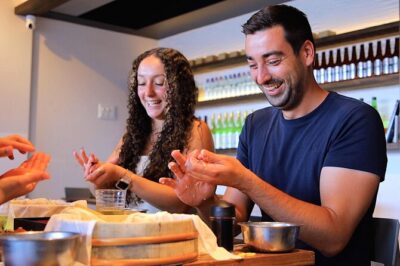
Cooking sushi in Kyoto is strangely calming. The Original Small-Group Sushi Making Class at Atelier SUSHI keeps things personal, hands-on, and relaxed, and you finish by eating what you make in a restored historic townhouse near Kiyomizu-dera and Gion.
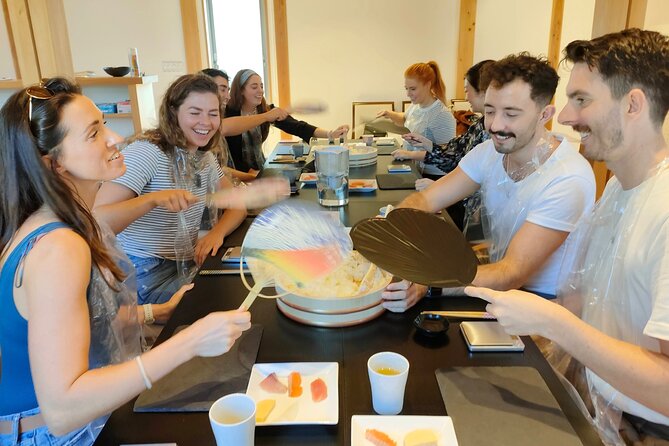
I love the small-group limit of just 8 guests, because you are not watching from the side. You work directly with guidance from the Japanese instructor, with plenty of time for questions and individual feedback. I also like that the class teaches the technique that actually matters, like properly seasoning sushi rice, shaping nigiri, and rolling maki, so you can repeat it later at home.
One consideration: there is no vegetarian or vegan option, so if your group is fully plant-based, this may not be the best fit.
Key things that make this class worth your time
- 8 guests max, so your knife hand, rice shaping, and questions get real attention
- Hands-on sushi making in English with instruction from Japanese hosts
- You eat a full sushi meal after class (lunch or dinner depending on timing)
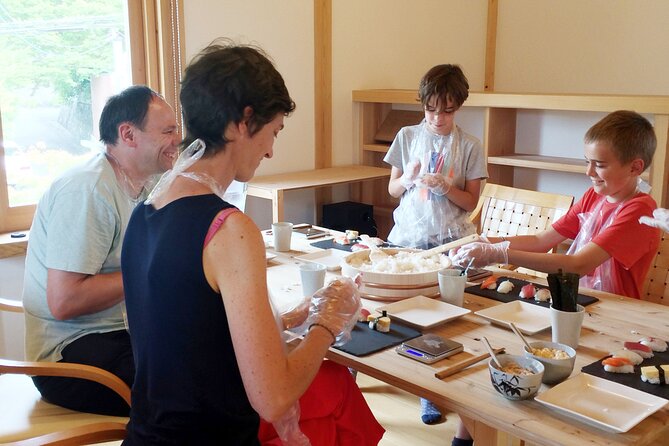
- Apron and gloves provided, which keeps things neat and comfortable
- Japanese tea and coffee are included to round out the meal
- Keepsakes show up in reviews, like class notes plus a sushi mat and chopsticks
Why this sushi class feels more like training than a show
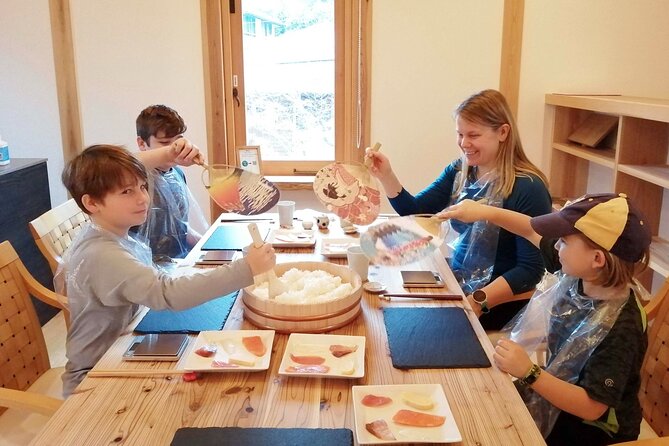
Kyoto has plenty of food experiences, but sushi making is different. You do not just taste, you build. This class is built around the steps that create good sushi: sushi rice you can season correctly, toppings you can handle cleanly, and shapes that hold together.
The big deal is the small-group size. When only 8 people are in the room, the instructor can watch what you do, correct your rice texture, and help you fix the moment something starts to crumble. That is how you go from I hope this works to I can actually make this at home.
Another value point is the format. It runs about 1 hour 30 minutes, and it does not try to cram in ten skills at once. Instead, you learn a set of techniques in sequence, then you apply them. Reviews point out that the pace feels relaxed even while you are working hard, and you still end up with a lot of food.
And yes, price matters. At $69.64 per person, you might ask if this is pricey for a cooking class. What makes it feel fair is that it includes the sushi meal at the end, an instructor who teaches in English, tools like gloves and apron, and coffee or Japanese tea. You are paying for guided skill, not just ingredients.
More Sushi Making Classes in Kyoto
- Sushi Making in Kyoto! Same-day bookings welcome!
★ 5.0 · 713 reviews - Kyoto: Small-Group Authentic Sushi Making Workshop
★ 5.0 · 137 reviews - Sushi – Authentic Japanese Cooking Class – the best souvenir from Kyoto!
★ 5.0 · 93 reviews
Arriving at Atelier SUSHI in a restored townhouse near Gion
The meeting point is Atelier SUSHI311-1 Kitatōryōchō, Higashiyama Ward, Kyoto. It is in an area that is close to public transportation, and the classroom is inside a beautifully restored historic townhouse. That matters more than you might think.
Food lessons go one of two ways. Either the space is stiff, like a demo kitchen where you stand back, or it is warm and calm, where you can focus. Here, the townhouse setting helps the class feel like a proper lesson, not an assembly line. You also get the sense that you are stepping into local rhythm, which fits Kyoto.
You will likely use a mobile ticket, and you should arrive a few minutes early so you have time to settle in. From there, the hosts guide you into the work area and get you comfortable before you start shaping rice and rolling.
The class flow: 90 minutes built around rice, nigiri, and maki
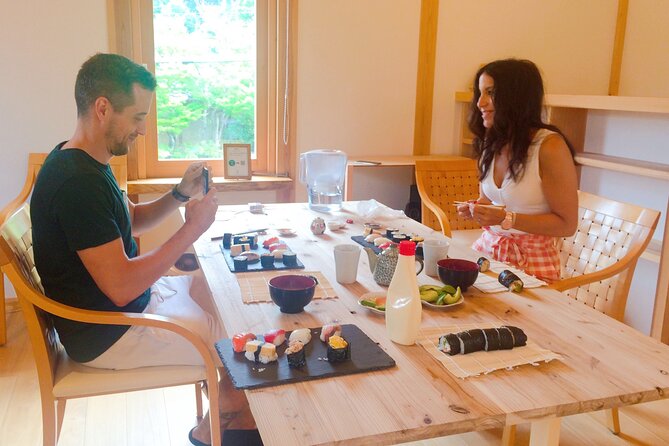
This is not a long dinner show. It is a structured workshop. Expect a clear progression, starting with the foundation and moving toward the final sushi plates you eat.
A typical sequence looks like this:
- Sushi rice basics: how to season properly and handle the rice so it stays usable
- Nigiri practice: forming shapes and placing toppings carefully
- Maki rolling: setting up the roll, then rolling tightly enough to slice neatly
- Eating time: you enjoy the sushi you made, plus coffee or tea
The class is fully hands-on. Even if some items are prepared in advance, you still do the key actions yourself: you shape nigiri, you roll maki, and you learn what to do when something feels off. Multiple reviews highlight that the hosts keep it interactive, and first-timers end up successful.
What you gain at each step
- With rice, you learn the texture and handling that determine whether your sushi holds together.
- With nigiri, you learn pressure, speed, and topping placement.
- With maki, you learn how to roll so it stays firm and slices well.
That is why the class works even if you have never made sushi before.
Same corner of Japan, a different kind of day:
- PERFECT KYOTO 1-Day Bus Tour
★ 5.0 · 13,518 reviews - Kyoto: Fushimi Inari, Kinkakuji, Bamboo Grove 1 Day Bus Tour
★ 4.8 · 4,316 reviews - Kyoto: Tea Ceremony in a Traditional Tea House in Kiyomizu
★ 4.9 · 3,519 reviews - Kyoto Geisha Walking Tour: Gion District & Hidden Gems
★ 4.7 · 3,273 reviews
Sushi rice seasoning: the technique that changes everything
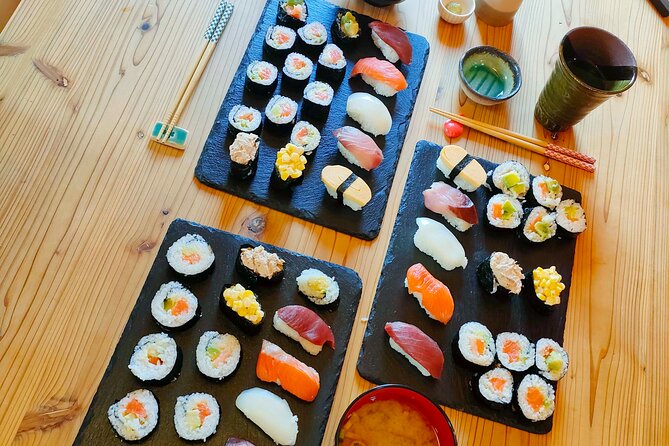
Sushi rice is where most DIY attempts go wrong. It can turn out too sticky, too dry, or just plain uneven, and then everything else follows your mistake.
In this class, you learn how to season properly cooked sushi rice, and more importantly, how to handle it while it is at the right stage. Think of rice as your glue. Good seasoning and good handling make nigiri feel natural to shape and make maki rolls easier to build.
One theme from reviews is that instructors simplify the process without making it vague. Instead of telling you sushi is about vibes, Kana and the assistant focus on what your hands should do, what to watch for, and how to adjust quickly when the rice feels too wet or too loose.
If you only remember one thing after class, make it this: sushi rice is the heart of sushi, and if you get that right, the rest becomes much easier.
Nigiri practice with real guidance from Kana
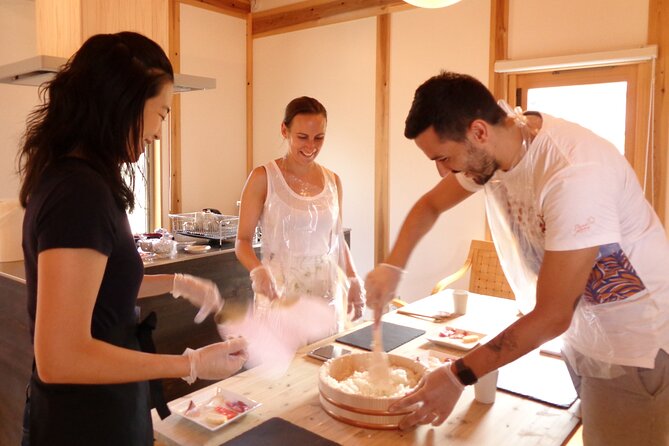
Nigiri looks simple on menus. In class, you see why it is not. Nigiri requires balance: the right amount of rice, a shape that holds, and careful topping placement.
You will learn to make a couple of types of nigiri, then practice the technique until it looks like sushi instead of a rice mound with a topping. Reviews repeat similar praise: Kana is patient, encourages questions, and corrects your hands in a way that actually sticks.
Kana also brings more than just technique. Several reviews mention she shares her own journey and fun facts about Japanese culture, and her husband (often mentioned as Kerim or Karem) assists in practical ways. That kind of team teaching matters because it keeps the pace smooth. One person can explain, another can help fix a detail without pulling you out of the learning flow.
If you have dietary restrictions, you should know one important point. The tour data says there is no vegetarian or vegan option. But reviews mention that staff were accommodating for allergies like celiac or shellfish allergy in some cases. Still, allergies vary, so it is smart to communicate your needs when you book.
Rolling maki that slices cleanly, not crumbles
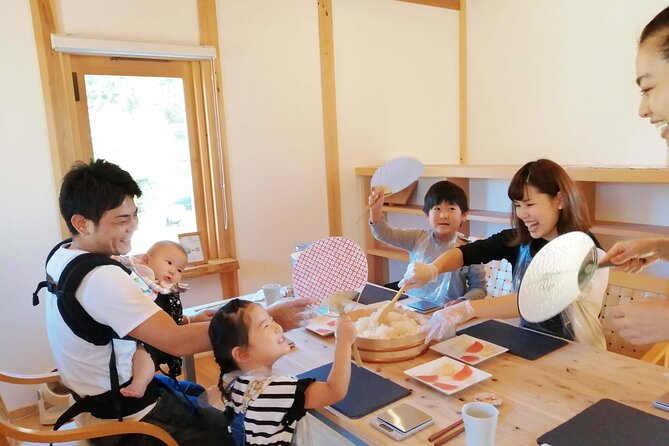
Maki rolls can be frustrating if you have never worked with a bamboo mat. The challenge is tension. Too loose and your roll falls apart. Too tight and you squeeze out structure.
Here, you learn the technique for rolling maki step by step. Gloves are provided, and an apron keeps you comfortable. You practice rolling and then see the result up close, which is much better than guessing from a video.
Rolling is also where your class skills connect. If your sushi rice handling is solid, maki becomes simpler. The rice stays workable and helps the roll hold its shape. That is why the class teaches rice first, then nigiri, then maki.
Reviews mention you come away feeling confident to recreate the process at home. That is the goal. The class does not just make sushi for you, it teaches you how to make the sushi yourself.
The meal at the end: lunch or dinner plus the real payoff
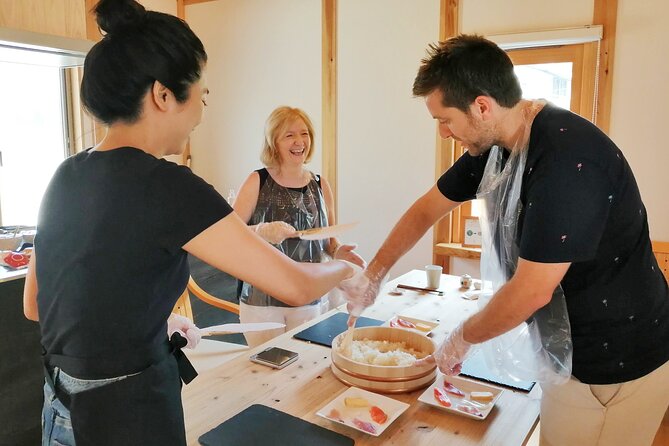
After you finish cooking, you eat the sushi you made. Depending on the workshop time, it is served as lunch or dinner.
This is where the experience earns its keep. Sushi you make yourself tastes different because you understand why each piece is the way it is. Also, you actually get enough food. Reviews say it is a lot of food, and people do not leave hungry.
You also get coffee and/or Japanese tea included, which rounds out the meal. In a short class, this matters, because it prevents the common problem of cooking first, then finding you are suddenly starving afterward.
The cultural layer: fun facts, conversation, and Kyoto travel help
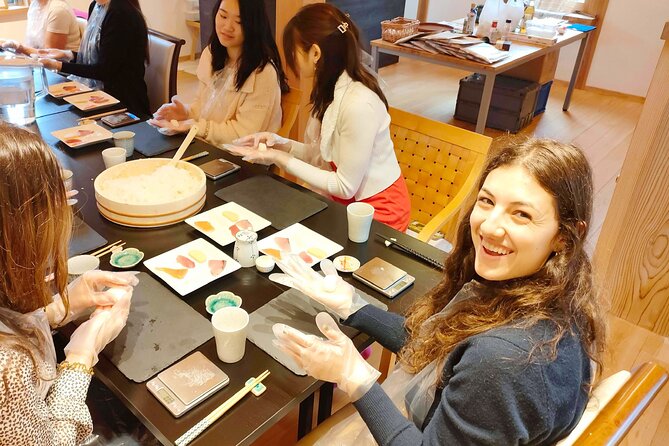
Cooking classes can be dry. This one leans human. Reviews repeatedly mention that the hosts talk about Japanese culture, share fun facts, and even give travel advice for the rest of your stay.
Kana, in particular, gets credited for being welcoming, patient, and warm. People mention the hosts are happy to talk, not just explain the recipe. That turns the workshop into an experience you remember, not just a skill you collect.
If you are the type who likes to understand why a practice exists, you will appreciate the cultural notes. The class is not only about how to shape sushi. It also gives you context for the craft, which makes the whole thing feel more authentic in Kyoto.
Value check: is $69.64 a good deal?
Let’s be practical. The price is $69.64 per person, for about 1.5 hours, with an included meal and guidance in English.
What you get that adds value:
- A Japanese instructor leading the hands-on lesson
- English instruction, so you are not lost while learning technique
- A small group of 8, which means more feedback
- Sushi meal included at the end (lunch or dinner)
- Apron and gloves provided
- Coffee and/or Japanese tea included
Then there are the extras that show up in reviews. Several past students report a souvenir gift bag with class notes, and also items like a sushi mat and chopsticks. Even if you travel with luggage constraints, notes plus the ability to practice at home are a real payoff. It turns the class into something you can repeat, not just something you did.
So is it worth it? If you want technique, personal help, and a satisfying meal, yes. If you only want a quick snack and do not care about learning the steps, there are cheaper options. But the whole point of this workshop is that you leave knowing what to do next time.
Who should book this class, and who should skip it
This class fits best if you:
- Want real hands-on instruction rather than a demo
- Are traveling as a couple, solo, or family and want an activity with structure
- Like food experiences where you also learn a bit of culture
- Plan to make sushi again at home and want a process you can repeat
It also seems friendly for families. Reviews mention a parent and a 12-year-old sushi-loving daughter who enjoyed the workshop, and other reviews highlight it as family-friendly.
Who should think twice:
- Anyone who needs a vegetarian or vegan option, because none is offered in the provided tour info.
- Anyone with severe or unusual allergies should confirm details before booking. Reviews mention the hosts accommodated gluten and shellfish allergies for some groups, but the tour does not promise a specific menu for every dietary situation.
Should you book Atelier SUSHI in Kyoto?
I think this is one of the best ways to spend time in Kyoto if you care about craft. The 8-person limit keeps the lesson personal, Kana and the team teach in English without watering things down, and you end with a proper meal you made yourself.
Book it if you want a calm, hands-on class near Gion and Kiyomizu-dera, you will actually enjoy learning technique, and you have no issue with the fact that there is no vegetarian or vegan option.
Skip it if sushi is not really your thing, or if your group needs plant-based meals. Also, if you hate being hands-on in the kitchen, you may find the workshop style stressful instead of fun.
If you do book, come hungry. You will be making and eating a lot, and you will get more out of the experience when you are ready to taste and learn at the same time.
FAQ
How long is the sushi making class?
The experience lasts about 1 hour 30 minutes.
How many people are in the class?
The class is limited to a maximum of 8 travelers.
Is the class taught in English?
Yes, it is conducted in English.
Where does the class take place?
It starts at Atelier SUSHI, 311-1 Kitatōryōchō, Higashiyama Ward, Kyoto, 605-0918, Japan.
Does the class end at the same meeting point?
Yes, it ends back at the meeting point.
What is included in the price?
You get the hands-on sushi making workshop, a sushi meal included (lunch or dinner depending on workshop time), an English-speaking instructor, an intimate small-group experience, apron and gloves, and coffee and/or Japanese tea.
Is there a vegetarian or vegan option?
No, vegetarian or vegan options are not included.
Do I need to bring any cooking gear?
No, the class provides an apron and gloves.
Will I receive coffee or tea?
Yes, coffee and/or Japanese tea is included.
Can I cancel and get a full refund?
Free cancellation is available. You can cancel up to 24 hours in advance for a full refund.
Fresh options around Kyoto
- Kyoto Aquarium Admission Ticket★ 4.7 · 12 reviews
- Kyoto Gion Photoshoot – Private Session | Pro Photographer★ 5.0 · 12 reviews
- Gyoza Cooking Class in Kyoto: Traditional Japanese Dumplings★ 5.0 · 12 reviews
- Kyoto: Guided Food Tour with 12 Dishes & 3 Drinks★ 5.0 · 12 reviews
- Kyoto: Avoid the Crowds at the Hidden Gems of Arashiyama★ 4.9 · 13 reviews
- Kyoto Early Bird English Tour: Gion & Higashiyama(Private opt)★ 5.0 · 13 reviews
- Otsu-e Folk Art Workshop & Local Culture Walk Near Kyoto★ 5.0 · 13 reviews
- Kyoto, Osaka, Nara Full Day tour by Car English speaking Driver★ 3.5 · 13 reviews
Workshops, compared.
Sushi Making Tokyo Roll and Authentic Japanese Sushi Class
Read our review →
Roll and Authentic Sushi Making Class in Asakusa
Read our review →
Ramen Cooking Class at Ramen Factory in Kyoto
Read our review →
Sushi Making Class in a Happi Coat near a Famous Spot
Read our review →
Sushi Making Osaka Roll and Authentic Japanese Sushi Class
Read our review →Browse the lists this tour appears in