
Reviewed · WORKSHOPS
Kyoto Michelin Ramen Workshop or Painting Ramen Essentials
Hands-on ramen in Kyoto, no guesswork. Musoshin Ramen’s Kyoto workshop pairs real noodle making with a creative bowl or spoon activity, then feeds you at the connected restaurant so the lesson lands in your stomach.
I like the way the class is built around the same disciplined methods the restaurant uses. You learn a basic ramen recipe, and you get the details behind why their ramen tastes the way it does, from morning-made noodles to a 12-hour soup.
One thing to consider: the workshop space can feel tight. A reviewer noted the room can get cramped when groups overlap, so if you are sensitive to crowding, plan for that.
Key things I’d circle in your notes
- Noodles made daily, then rested overnight so you taste the difference in texture.
- Broth simmered for 12 hours, plus handmade soy sauce and roast pork.
- Painting plus hands-on cooking, with a family-friendly pace.
- Dinner connected to the lesson at the Musoshin restaurant, not just a snack at the end.
- Optional kiln-baked bowl pick-up next day for a keepsake you actually use.
Why Musoshin Ramen Academy Feels Like a Real Kitchen Lesson
Musoshin Ramen started in Kyoto in 2022, and now it runs multiple restaurants in Kyoto and Toronto. The workshop is run by Musoshin, and they position it as one of the only ramen workshops in Kyoto that is directly tied to a ramen restaurant. That matters, because you are not learning ramen in a vacuum. You learn it, then you eat it in the same atmosphere and flavor logic.
I especially like the “craft, not performance” vibe. The instructors focus on process and technique, not just getting you to a final bowl quickly. You see the steps that go into dough handling and broth building, so you end up with an understanding you can use again at home.
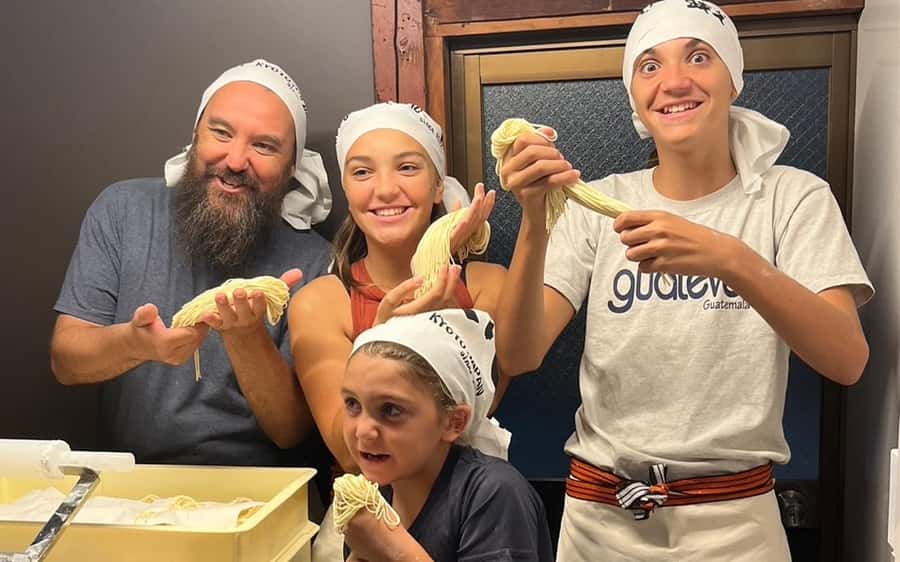
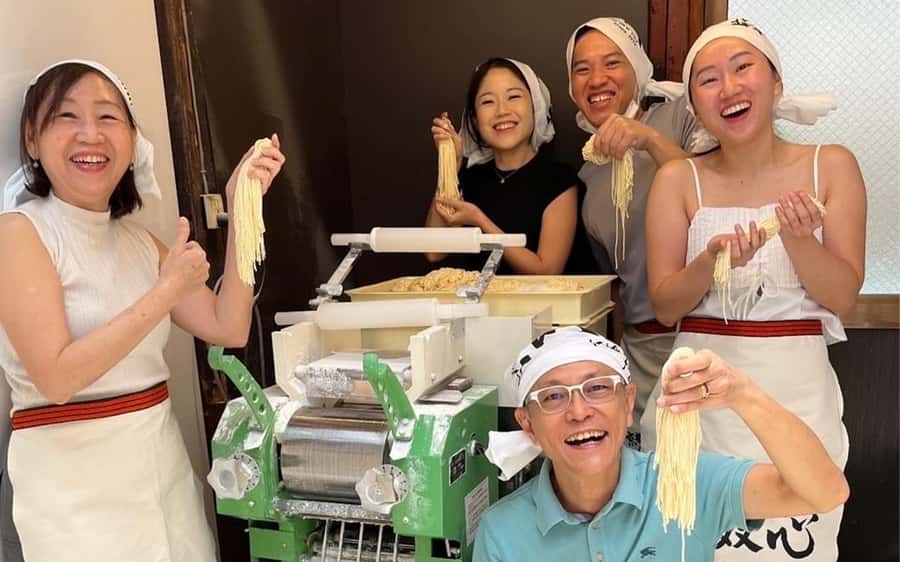
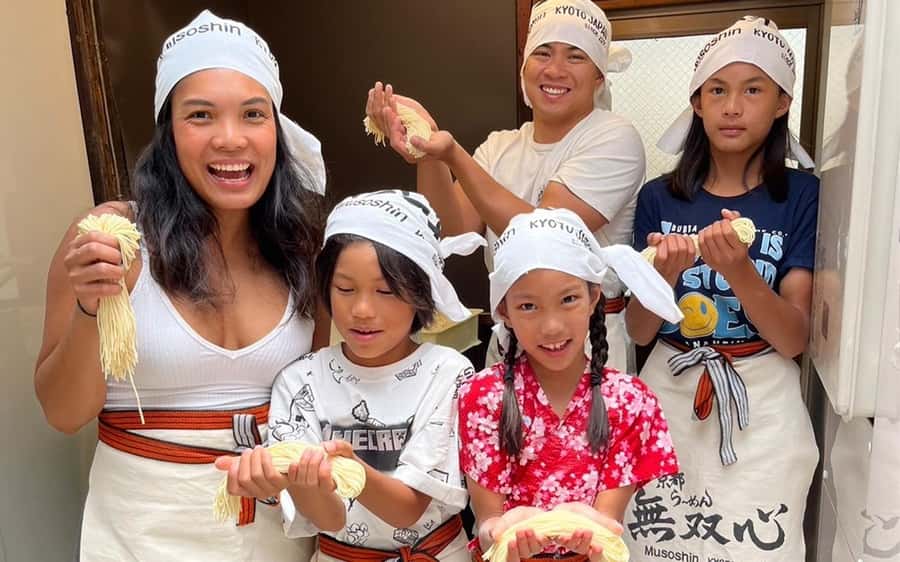
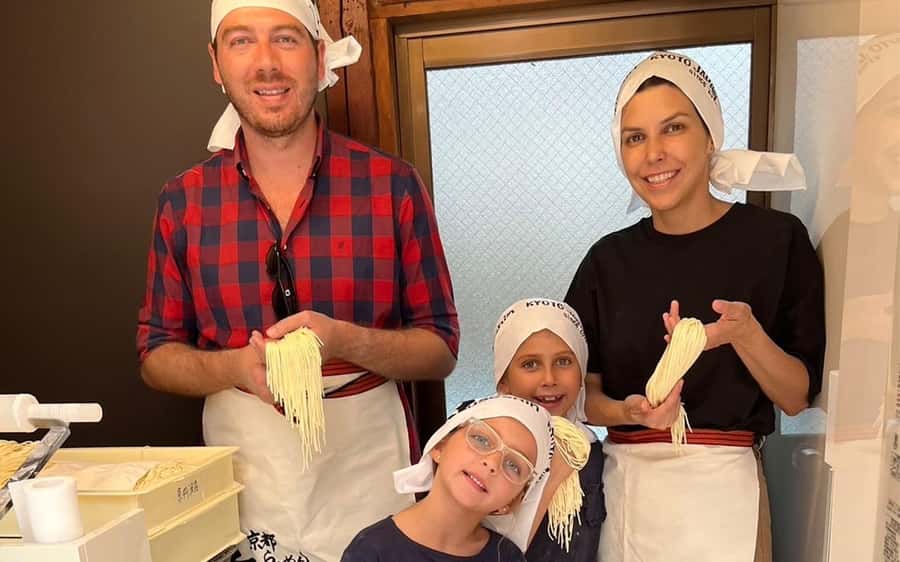
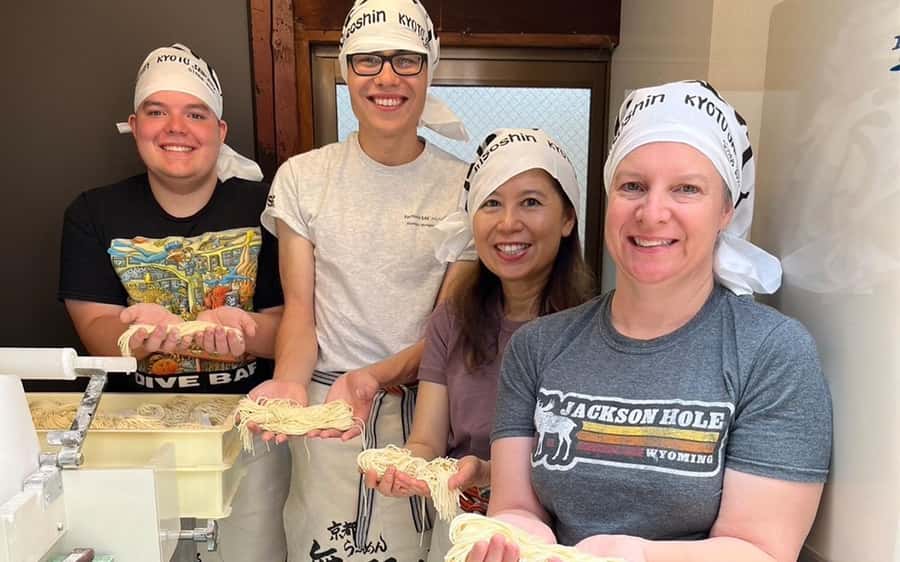
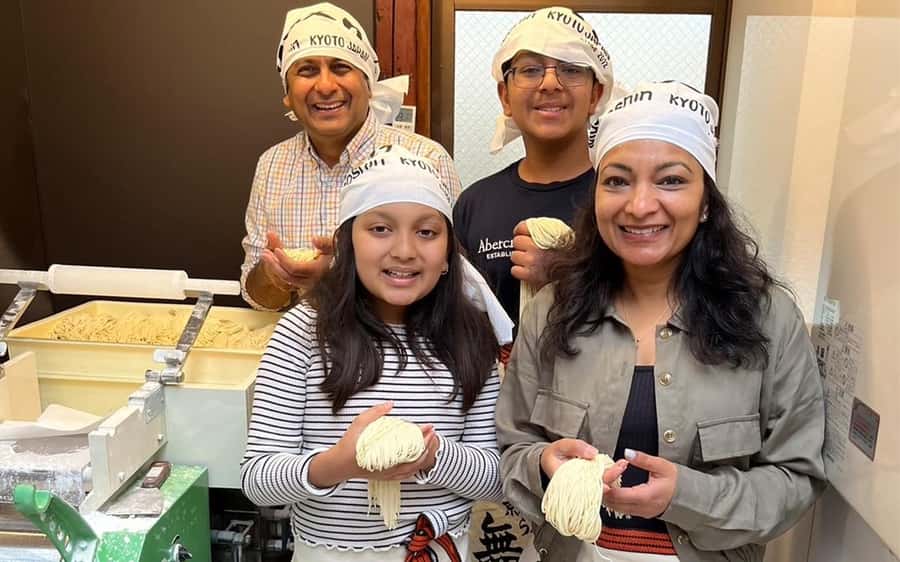
The class is family-friendly in a very practical way. It is hands-on for about an hour of noodle making, with a smaller, classroom-style feeling rather than a huge cooking show. Many reviews mention kids enjoying the tactile parts, like using their hands and working with the noodle machine.
More Ramen Tours in Kyoto
- Ramen Cooking Class at Ramen Factory in Kyoto
★ 5.0 · 1,937 reviews - Kyoto: Ramen Cooking Class at a Ramen Factory with Souvenir
★ 4.9 · 532 reviews - Kyoto: Ramen, Gyoza, and Onigiri Cooking Class
★ 5.0 · 445 reviews
Entering the Workshop: Where the Fun Starts
Your meeting point can vary depending on the option you book, and the experience ends back where you start. That’s normal for these kinds of activities, but it’s worth knowing so you don’t plan anything tight right after.
Once you arrive, you will be folded into the workshop rhythm. Many participants report a mix of activities: painting (bowl or spoons) and noodle work. People also mention the workshop includes Musoshin items like a bandana used during the class, and you may have optional add-ons like a ramen spoon, bowl, or apron.
You’ll also hear the same underlying story across the workshop, which is that Musoshin tries to make ramen ingredients in-house. That includes noodles made in the shop in the morning, broth built separately over many hours, and other key components like soy sauce and roast pork created by hand.
If you want a small planning tip, bring the mindset that you are doing two things at once, creativity plus technique. The painting section slows things down so the cooking part feels calmer and more focused.
Painting Your Ramen Bowl or Spoons, and the Little Details That Matter
One of the most popular parts is the creative piece. Some versions emphasize painting ramen bowls or painting spoons, and either way it gives kids and adults a satisfying “I made something” moment before the food work begins.
A review included a great practical note: if you use the pink paint, apply it thick so it shows clearly. That’s the kind of tiny tip that makes the difference between a cute idea and a piece you are happy to take home.
Why this matters: painting is not just decoration here. It gives you a sense of ownership before the cooking. When you later eat your ramen, the bowl or spoon you helped create makes the whole experience feel personal, not generic.
The Noodle-Making Hour: Hands-On Steps You Can Actually Repeat
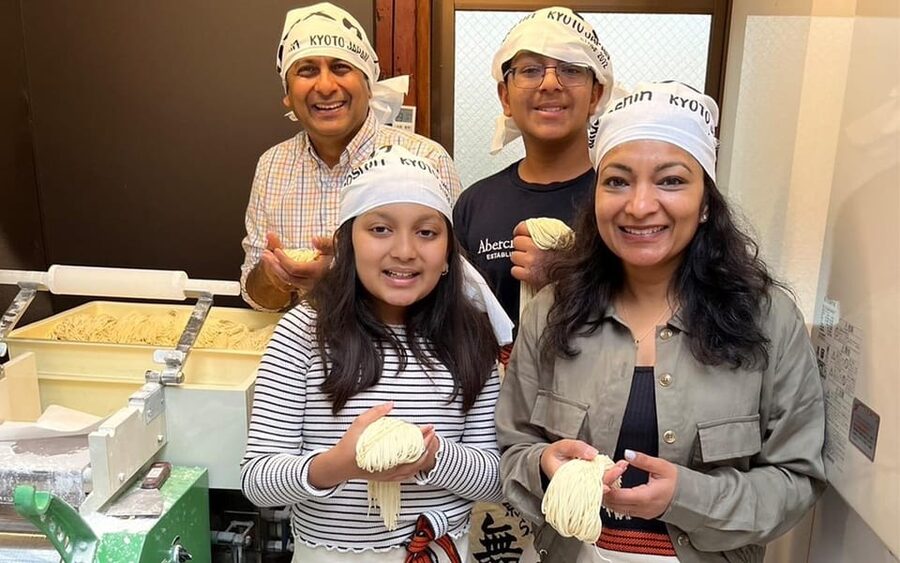
The centerpiece is noodle making. The workshops are described as focused for about an hour on noodle work, and reviews repeatedly mention how hands-on it feels.
In plain terms, you learn a basic ramen recipe and then get involved in the physical steps: mixing ingredients, working through dough handling, and using the noodle machine as the class moves along. Several reviews highlight how instructors made sure everyone got a turn, including kids, couples, and groups of friends.
Here is the background that makes the technique feel legitimate. Musoshin’s noodles are made every morning and then sit overnight, so the dough rests before it becomes ramen noodles for the next day. That overnight resting is not a random step. It affects how the noodles hold up and how they interact with broth. When you understand that, the “why” sticks with you.
Also, the workshop teaches more than “press buttons.” In reviews, guides are praised for explaining what they are doing as they do it. Some names that came up include Koki and Makoto during one class, and Shin as an owner or lead host in other sessions. You also see other instructors mentioned like Patti and Yaya, plus Momo and Shima, and a host named Rose. The pattern is consistent: clear guidance, lots of patience, and a friendly tone.
One practical note from a review: in some versions, you may not eat the exact noodles you pressed that day because the noodles need to rest overnight. Instead, you eat ramen at the restaurant, and that still connects directly to the lesson.
A few more Kyoto days worth comparing
- Kyoto Ramen and Gyoza Cooking Class with Professional Chefs
★ 5.0 · 282 reviews - Home style Ramen and Homemade Gyoza in Kyoto
★ 5.0 · 152 reviews - Kyoto Ramen & Gyoza Cooking Class with Professional Chefs
★ 4.8 · 100 reviews - Kyoto: Ramen Bowl Painting and Michelin Cooking Class
★ 4.9 · 96 reviews
The Broth and Toppings: Where Their Ramen DNA Shows Up
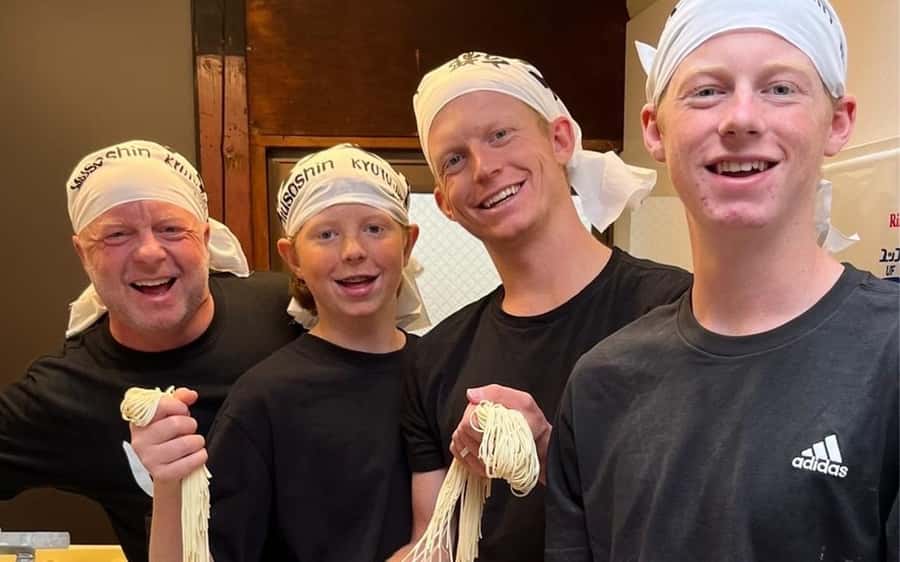
After the noodle work, you move into the eating part. The workshop experience includes a drink at the Musoshin Ramen restaurant, and most classes end with your ramen served right there.
This is where you get the payoff. Musoshin makes soup for 12 hours, and they emphasize handmade components like ramen soy sauce and roast pork. Those are the flavors that make ramen feel deep rather than just salty.
Many reviews call the ramen the best they had in Japan or Kyoto. People also mention different styles available at the restaurant, including black ramen and the store speciality, plus sides like fried chicken. You may be able to choose what you eat, but the key fact for your expectations is that you do not just sample one bowl. You eat a full meal as part of the experience.
Why dinner belongs here: when you connect the broth and noodles directly to what you did in class, you start tasting technique. You notice thickness, chew, and how broth seasoning carries through. It turns ramen from comfort food into something you understand.
Custom Bowl in a Kiln: The Keepsake That Actually Gets Used
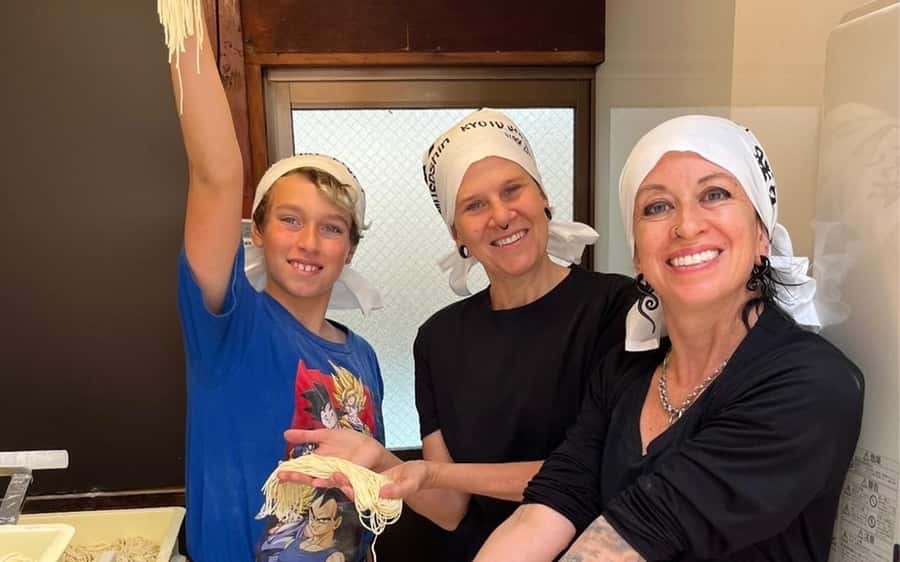
If your option includes it, you can design a bowl, and the staff will bake it in a kiln for free. You pick it up the next day.
That’s a sweet deal because ramen classes often give you something decorative that you hang on a wall. Here, the idea is that your bowl becomes part of daily life. The “next day” part is important. Plan for it when you pick lodging or when you are timing your last Kyoto day.
Even if you skip the kiln option, the painting portion still gives you a tangible memory. But the kiln-baked bowl is the real step up if you know you will use it later.
Food Choices: Vegetarian, Vegan, and Even Celiac-Ready
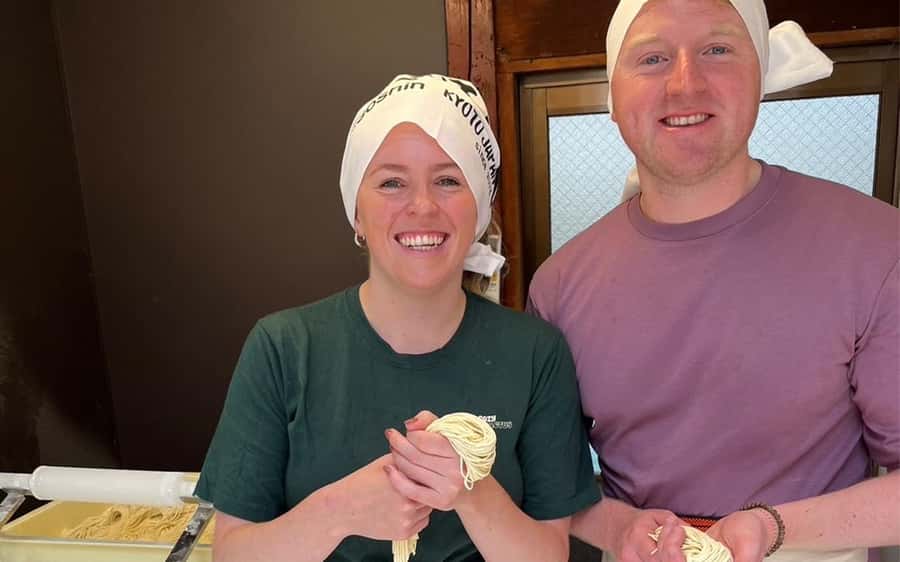
Musoshin offers vegetarian and vegan ramen options, so you are not stuck with a plain, watery “no-meat” substitution. That matters because ramen lives and dies by seasoning and broth character, so a proper veg version is a big quality signal.
Even better, one review mentioned a celiac disease accommodation. The class arranged special gluten-free noodles and cooked a separate gluten-free soup for the child. That is a strong sign that the team thinks about dietary needs, not just ingredients on a menu.
Still, if you have a serious allergy, I recommend you tell the organizer clearly when booking. The data we have includes examples of gluten-free handling and veg options, but you should confirm your exact needs for your date.
Value Check: Is $54 a Smart Use of Kyoto Time?
$54 per person can sound like a lot if you compare it only to regular restaurant meals. But ramen workshop pricing is about labor, ingredients, and a guided experience, and this one packs several value drivers.
Here is what you get based on the provided details:
- A workshop led by Musoshin, a ramen operation with Michelin-nominated credentials connected to their Toronto location.
- Instruction in a basic ramen recipe.
- A structured hour of hands-on noodle making.
- A drink at the restaurant.
- Ramen served at the Musoshin restaurant as part of the experience.
- Plus creative components like bandana use and optional items such as spoon, bowl, or apron.
- If you choose it, kiln baking of your designed bowl is free, with next-day pick-up.
For many people, the “best part” is the moment you realize you are eating ramen that is part of the lesson. You are not just paying for a fun activity and then getting dinner somewhere else. For families, the “keepsake plus meal” combo also makes the math feel easier.
Downside on value is the same as the small-space note: if you prefer roomy cooking stations, you may feel a squeeze. But if you can handle a tighter classroom setup, the quality and teaching time make the price feel fair.
Who This Workshop Fits Best (and Who Should Rethink)
This is a strong fit for:
- Families with kids who like hands-on tasks and don’t mind getting a little messy.
- Couples who want something fun and interactive rather than only food tasting.
- Food nerds who want to understand why ramen tastes the way it does, with process details like overnight noodle resting and 12-hour broth.
It also works well for groups of friends. Reviews mention sisters and groups choosing it as an activity together, and the instructors reportedly keep the atmosphere inclusive, with lots of help and humor from guides like Shin, Yaya, Patti, and Rose.
Who should rethink it:
- If you are very space-sensitive, the cramped feeling described in one review is a real consideration. You might want to go when the class size is smaller or avoid peak days if possible.
- If you want only painting with minimal cooking, you may find the noodle-making hour is central to the experience.
A Simple Way to Plan This in Your Kyoto Day
Musoshin’s workshop ends back at the meeting point. The restaurant meal is included, and some reviews describe the restaurant being very close, even a short walk.
So think of this as a “book the morning or early afternoon, then relax later” kind of activity. If you plan to pick up a kiln-baked bowl the next day, give yourself at least one buffer day before you leave Kyoto.
Also, if you are traveling with dietary needs, factor in time to communicate those needs clearly at booking.
Should You Book Musoshin Ramen Workshop in Kyoto?
If you want an authentic Kyoto food experience that is hands-on and focused, this is a yes for many people. I like the fact that Musoshin teaches real process, not just how to assemble toppings. The noodle-making hour and the connected restaurant meal make it feel complete.
You should book if:
- You want to learn ramen basics and understand how noodles and broth are built.
- You are traveling with kids and want something family-friendly that still feels adult-level serious about food.
- You want vegetarian, vegan, or even gluten-free support, based on the accommodations described.
You might skip it if:
- You are strongly bothered by tight spaces and crowded workshop rooms.
- You only want a short taste experience with no real cooking time.
If you fall in the first group, Musoshin Ramen Academy looks like a smart use of Kyoto time, especially because the final bowl connects directly back to what you learned.
FAQ
What is the price per person for this Kyoto experience?
The price is $54 per person.
Where is this workshop located?
It is located in Honshu, Japan (Kyoto).
How long is the noodle-making part?
The workshop is focused for about one hour on noodle making.
What languages are offered during the experience?
The languages are English and Japanese.
Is there a vegetarian or vegan ramen option?
Yes, vegetarian and vegan ramen options are available.
Can you design a bowl and have it baked?
Yes. With the option, you can design a bowl, and they will bake it in a kiln for free. You pick it up the next day.
What does the experience include besides the workshop?
It includes a drink at the Musoshin Ramen restaurant, and the ramen meal is part of the experience.
Is gluten-free accommodation available?
A review mentions they were able to provide gluten-free noodles and a gluten-free soup when a child had celiac disease.
What is the cancellation and payment approach?
You can reserve and pay later, and you can cancel up to 24 hours in advance for a full refund.
Fresh options around Kyoto
- Kyoto: Quiet and Graceful Tea Ceremony★ 4.5 · 19 reviews
- Oboro | Mindful Tea Ceremony in a 100-Year-Old Kyoto Teahouse★ 5.0 · 19 reviews
- Ikebana Traditional Japanese Art of Flower Arranging★ 4.5 · 19 reviews
- Kyoto Satoyama Cycling with Lunch and English Guide★ 5.0 · 19 reviews
- Tea Ceremony Experience in Traditional Kyoto Townhouse★ 5.0 · 19 reviews
- Kyoto International Party Solo Friendly Expats and Locals★ 5.0 · 19 reviews
- Kyoto: Amanohashidate Ine Funaya Tour★ 4.4 · 19 reviews
- Kyoto Private Food Tours with a Local Foodie: 100% Personalized★ 4.5 · 19 reviews
Workshops, compared.
Sushi Making Tokyo Roll and Authentic Japanese Sushi Class
Read our review →
Roll and Authentic Sushi Making Class in Asakusa
Read our review →
Ramen Cooking Class at Ramen Factory in Kyoto
Read our review →
Sushi Making Class in a Happi Coat near a Famous Spot
Read our review →
Sushi Making Osaka Roll and Authentic Japanese Sushi Class
Read our review →Browse the lists this tour appears in