
There is something satisfying about making dinner twice, once with your hands and once with your chopsticks. This Kyoto ramen and gyoza cooking class has you kneading and cutting noodles, then wrapping dumplings, all with clear English guidance and a small group pace. I especially like the hands-on ramen noodles part, and the way the chef gets translated so you can actually follow along without guessing. The only real caution is that the class is not flexible for dietary needs like vegetarian, vegan, or gluten-free.
Expect a full 150 minutes in a working kitchen, capped at 8 participants, with a ramen master plus an English-speaking local guide. You finish by eating what you made, along with fried rice, and you get two included drinks, beer or sake (or soft drinks). I also love that the experience comes with downloadable recipes and the guide takes photos and sends them to you after, so you leave with memories you can actually use later.
Key highlights to look for
- Ramen from scratch, including kneading, cutting noodles, and topping your bowl
- Gyoza wrapping by you, then eating your dumplings with beer or sake
- Three-dish meal, ramen, gyoza, and fried rice, cooked and served in one sitting
- Small group of up to 8, so English explanations stay clear and personal
- Take-home recipes plus photos, so your next bowl at home has a roadmap
Why Kyoto ramen tastes different when you make it
Ramen is one of those foods that seems simple until you start working with it. In this class, you do not just eat noodles, you help create the dough, cut the shape, and add toppings as you go. That small shift makes the whole meal feel like a skill you earned, not a dish you ordered.
Two things I like a lot here. First, you get real technique, not just a quick demo. You knead, cut, and assemble, which is exactly where most home cooks struggle. Second, the class is paired with guidance that actually lands in English, and you will see why people mention guides like Rika, Yuki, Ayuri, and Ken by name.
One consideration to plan around: this is still a group kitchen. If you want to do every single step with no interruptions, you might feel a little limited at moments, because the chef needs to keep the whole class moving safely.
More Cooking Classes in Kyoto
- Ramen Cooking Class at Ramen Factory in Kyoto
★ 5.0 · 1,937 reviews - Kyoto: Ramen Cooking Class at a Ramen Factory with Souvenir
★ 4.9 · 532 reviews - Kyoto: Ramen, Gyoza, and Onigiri Cooking Class
★ 5.0 · 445 reviews
Meeting up at Latitude 35 degrees and how the class starts
The meeting point is straightforward: in front of the Latitude 35° Story Monument. Your guide will be holding an orange board labeled MagicalTrip right there, so you should be able to spot them fast.
Punctuality matters. The class starts on time out of respect for everyone, and late arrivals cannot join. If you are using buses or walking from another area, I suggest giving yourself a buffer, because finding the right spot in Kyoto without stress is half the win.
Once you are inside the group, you typically get support from two people: a ramen master (chef) and a local guide who handles English translation. That structure helps you understand why you are doing each step, not only what to do.
Small group, two instructors, and what English support looks like
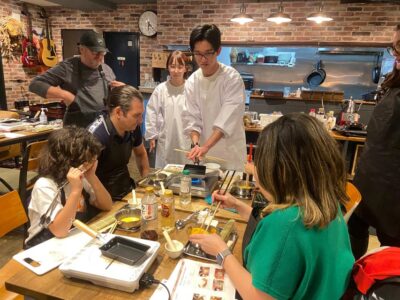
This runs with a small group size, limited to 8 participants, which makes a difference in a cooking class. More elbow room means fewer step-bottlenecks, and it also makes it easier for the guide to check that everyone is following along.
In the kitchen, you are working with pro instruction while the guide translates chef directions into English. Guides such as Rika, Yuki, Ayuri, Ken, and Shiori are repeatedly mentioned for doing this clearly. That clarity shows up as better timing too, like knowing exactly when to knead, when to cut, and when to move to the next station.
Another small detail that matters: you get photos taken during the class and then emailed afterward. People often remember food, but the photos turn it into a real souvenir, especially if you are cooking in front of everyone and want proof you actually did it.
Making ramen noodles from scratch, knead to cut
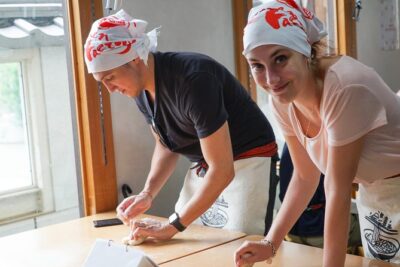
The star of the class is the ramen process. You make ramen noodles from scratch, which means kneading the dough, shaping it into the right thickness, and cutting the noodles yourself. That hands-on work is the point, and it is also what makes this class different from simple tastings.
The kneading part matters because ramen dough has a specific feel. If you rush it, the noodles can end up inconsistent. If you overdo it, the texture changes too. In a group class, the chef and guide help you find that middle, so you spend time learning rather than fighting the dough.
Then comes cutting the noodles. This is where your knife skills start to improve fast, even if you are a beginner. The guide helps translate what the chef wants, and you also learn how to keep pieces even enough for a bowl that cooks properly.
Finally, you top and eat. That is the fun part that makes the hard parts worth it. Once you see your noodles in the bowl, everything clicks, and it stops being a mysterious Japanese technique.
More Ramen Tours in Kyoto
- Kyoto Ramen and Gyoza Cooking Class with Professional Chefs
★ 5.0 · 282 reviews - Home style Ramen and Homemade Gyoza in Kyoto
★ 5.0 · 152 reviews - Kyoto Michelin Ramen Workshop or Painting Ramen Essentials
★ 4.9 · 100 reviews - Kyoto: Ramen Bowl Painting and Michelin Cooking Class
★ 4.9 · 96 reviews
Gyoza wrapping and the best drink pairing
Gyoza is the second big win, because wrapping dumplings is both practical and relaxing. You wrap your own gyoza during the class, learning how to handle the wrapper and fold it into a shape that cooks well.
What I like about the gyoza section is that it teaches a repeatable habit. You learn how the fold should look, and you get a feel for filling distribution. That is useful at home because gyoza is easy to mess up if you only copy the ingredients and skip the method.
Then you get to eat them with a drink. Two drinks are included, and you can choose alcoholic options like beer or sake, or soft drinks. The gyoza pairing with beer or sake makes sense because the fried dumpling richness has a lot going on, and the carbonation or the warm sake notes help clean your palate.
One more detail that comes up in the experience style: the guide and team are attentive about refills. That means you are not constantly waving someone down while your dumplings are going cold.
Fried rice: the part that makes your meal feel complete
Most cooking classes either focus on one dish or leave you with something that feels like a side. Here, fried rice is part of the main event, and it gives the meal a familiar Japanese comfort-food rhythm.
You learn how to make fried rice as well, so your plate ends up like a mini Japanese set meal: ramen for warmth and comfort, gyoza for crispy and chewy contrast, and fried rice to round out the flavors.
Why this matters for value: your cost is not only paying for noodles and dumplings. You are also getting a full meal experience, with the cooking time and instruction spread across all three dishes.
And after you cook three items, the meal tastes different. It is not just what you ate, it is also how it got there, and that makes even the fried rice feel earned.
The ramen timeline you may hear while you cook
While you are working, you get context for what you are making. Ramen is not just a modern craze, and you will likely hear a quick timeline that helps the dish make more sense.
One key story is that ramen is said to trace back to 1697, linked to Tokugawa Mitsukuni, also known as Mito Kōmon. Later, in 1910, the Rairaiken restaurant in Asakusa helped bring ramen to a broader audience, which set off a nationwide surge.
In current Japan, ramen shops are everywhere, with thousands of locations and countless variations. That is why this class feels useful even if you do not become a full-time ramen cook. You learn the fundamentals, and then you can adjust later when you understand how noodle texture and toppings affect the final bowl.
Price and what $83 really buys you
Let’s talk value, because $83 is not pocket change. What makes it feel reasonable is that you are paying for technique, not only ingredients.
You get:
- 150 minutes with a ramen master plus an English-speaking guide
- A full meal you cook: ramen, gyoza, and fried rice
- Two included drinks (beer, sake, or soft drinks)
- Downloadable recipes to recreate the flavors at home
- Photos emailed after the class
If you compare this to buying ramen, gyoza, and fried rice separately, the biggest difference is that you are learning repeatable steps. You also get the social piece. In a group capped at 8, it is easier to chat and share tips, especially if you come solo.
Two more points that help the value: the class is designed so beginners can participate, and the pace is long enough that you actually finish what you started. This is not a 45-minute sugar rush. It is a full cooking session.
Who this Kyoto class is for, and who should skip it
This class is a strong fit if you want a hands-on Kyoto food activity that feels like a real skill. It is great for couples looking for something fun beyond sightseeing, families who want an activity that still ends with a good meal, and friends who want to do an experience together.
It also works for solo travelers. A small group of 8 makes it easy to meet people without feeling like you are stuck in a large tour crowd. People also seem to enjoy the English translation, since guides often keep everyone involved and answer questions as you cook.
If you have dietary needs, check carefully before booking. The class cannot accommodate vegetarian, vegan, or gluten-free requests. Allergy-free meals are not guaranteed since dishes are prepared outside the MagicalTrip kitchens, though small adjustments may be possible. If you prefer no meat, you can tell the chef in advance so they can prepare accordingly.
It is also not recommended for mobility issues, and wheelchair users are not suitable. Since this is a kitchen setting with knife use and workstations, you will want to pick a safer alternative if you need full accessibility.
Practical tips so you enjoy the ramen and not just the work
Come hungry. The class is designed so you get a full meal at the end, and you will likely be busy enough that your appetite builds. People describe it as quick to the point where they are ready to sit down and eat what they made.
Wear comfortable clothes. Cooking kneading, handling dough, and working around a kitchen means you will want flexibility in what you wear.
If you are bringing kids (age 6+ is welcome), make sure supervision is handled during knife use or risky steps. The experience can be family-friendly, and you may see kids joining in, but kitchen safety still comes first.
Finally, plan your evening after the class. You finish with ramen, gyoza, fried rice, and drinks, so you do not want to schedule a long walk tour immediately afterward. Build in time to digest and enjoy the afterglow, because this is the kind of meal that makes you think about food for hours.
Should you book this ramen and gyoza cooking class?
Book it if you want a Kyoto experience that teaches you something you can repeat, not just a restaurant meal. The best reasons to choose it are the hands-on ramen noodle making, the fact that you wrap your own gyoza, and the full meal format that ends with everything you cooked.
Skip it if any of these are dealbreakers: you need vegetarian, vegan, or gluten-free options, you require wheelchair-friendly access, or you are expecting a totally hands-free, demo-only class.
If you want a practical souvenir for your home kitchen, this class gives you the recipe guide and photos, which helps you rebuild the flavors later without second-guessing what you did.
FAQ
How long is the Kyoto ramen and gyoza cooking class?
It lasts 150 minutes.
What dishes will I make?
You will learn to make ramen, gyoza, and fried rice from scratch.
Are drinks included?
Yes. Two drinks are included, and you can choose from beer, sake, or soft drinks.
Is the class taught in English?
Yes. The instructor is English, and there is an English-speaking local guide who translates in the kitchen.
How large is the group?
The group is limited to 8 participants.
Can vegetarians, vegans, or gluten-free guests join?
No. The class cannot accommodate vegetarian, vegan, or gluten-free requests.
Are allergy-friendly meals guaranteed?
Allergy-free meals are not guaranteed because dishes are prepared outside MagicalTrip kitchens, though small adjustments may be possible.
Where do we meet?
You meet in front of the Latitude 35° Story Monument (北緯35°物語). Your guide will be holding an orange MagicalTrip board.
Who can participate, including kids?
Guests aged 6+ are welcome, and children must be supervised during knife use or risky steps. The class is not recommended for mobility issues, and wheelchair users are not suitable.
More Ramen Experiences in Kyoto
- Kyoto Ramen Noodle Making Class
★ 5.0 · 58 reviews - Ramen Gyoza Onigiri Japanese Cooking Class in Kyoto
★ 5.0 · 44 reviews - Kyoto Ramen Spoon Painting & Michelin Cooking Class
★ 5.0 · 34 reviews - Kyoto Ramen Tour
★ 5.0 · 22 reviews
Fresh options around Kyoto
- Kyoto Aquarium Admission Ticket★ 4.7 · 12 reviews
- Kyoto Gion Photoshoot – Private Session | Pro Photographer★ 5.0 · 12 reviews
- Gyoza Cooking Class in Kyoto: Traditional Japanese Dumplings★ 5.0 · 12 reviews
- Kyoto: Guided Food Tour with 12 Dishes & 3 Drinks★ 5.0 · 12 reviews
- Kyoto: Avoid the Crowds at the Hidden Gems of Arashiyama★ 4.9 · 13 reviews
- Kyoto Early Bird English Tour: Gion & Higashiyama(Private opt)★ 5.0 · 13 reviews
- Otsu-e Folk Art Workshop & Local Culture Walk Near Kyoto★ 5.0 · 13 reviews
- Kyoto, Osaka, Nara Full Day tour by Car English speaking Driver★ 3.5 · 13 reviews
Cooking Classes, compared.
Ramen Cooking Class at Ramen Factory in Kyoto
Read our review →
Ramen & Gyoza Cooking Class in Tokyo with Local Supermarket Visit
Read our review →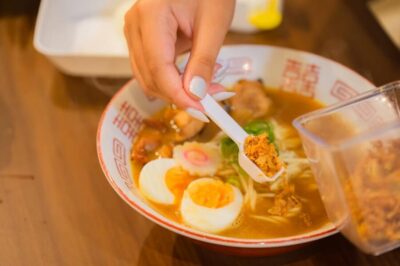
Ramen Cooking Class at a Ramen Factory with Souvenir
Read our review →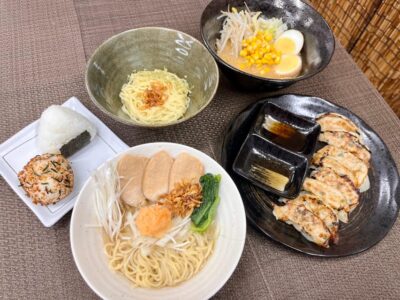
Japanese Washoku Bento Small Group Cooking Class
Read our review →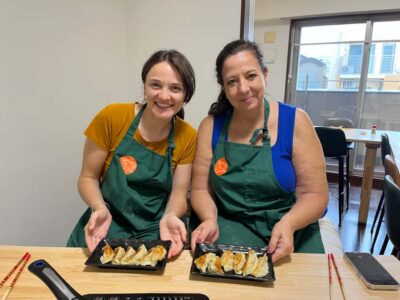
Easy Ramen Cooking Experience in Kabukicho, Shinjuku
Read our review →
Ramen and Sushi Cooking Class with Sake Pairing Set in Tokyo
Read our review →Browse the lists this tour appears in