

Reviewed · COOKING CLASSES
Kyoto Ramen Spoon Painting & Michelin Cooking Class
Ramen becomes a souvenir in Kyoto. This hands-on class mixes ramen spoon painting with cooking in a working restaurant kitchen. You also get a chef-style lesson on ramen components and how the dish comes together.
I love the small size, up to 12 people, so the chef can actually guide you. Another big plus is the focus on in-house ingredients, from noodles made each morning to a soup that takes hours. One thing to consider: the whole experience is about 1 hour 30 minutes, so it moves fast, and you may not do every step from scratch like making noodles.
A Kyoto ramen class that feels like a working kitchen, not a show

What makes Musoshin Ramen Academy different is that it is built around real restaurant habits. You are not just watching someone cook. You are working with a chef who runs ramen restaurants, and you follow a step-by-step flow that matches how the restaurant actually makes ramen.
Musoshin Ramen started in Kyoto in 2022, and now has six restaurants across Kyoto and Toronto. Their Toronto restaurant has been nominated for Michelin for three straight years, and they say the recipe is the same. That connection matters, because you are learning the approach they use day to day, not a simplified demo version.
I also like the clear promise of a full experience. You start with a craft that you will take home, then shift into cooking, then eat what you made. No awkward empty moment where you wonder what comes next.
The temples part also helps the day feel Kyoto, even if the ramen is the main event. You visit famous sites like Kiyomizu-dera, Kennin-ji, and Sanjusangendo, then you settle into the warmth of the ramen restaurant.
The ramen spoon you paint, kiln-baked into a real keepsake
The craft portion is not an afterthought. You paint your own ramen spoon, which becomes your souvenir. It is ceramic, and you get an apron and the materials you need to make your design look like something you would actually want on a shelf.
Here is the practical thing to plan for: your spoon is baked in a kiln overnight. That means your spoon does not come out instantly like a paper craft. Instead, the workshop relies on the same kind of behind-the-scenes process that turns a painted piece into something durable.
You also get time to paint it in a space set up for the workshop. One helpful rhythm point: you may paint upstairs first, then move downstairs to cook. That keeps things organized, and it means you are not dragging paint-related stuff into your cooking station.
If you care about photos, you will have time to grab a few shots during the spoon session. Reviews mentioned cute place energy and great photo opportunities, which checks out for a class where you are sitting and working on your own art.
More Cooking Classes in Kyoto
- Ramen Cooking Class at Ramen Factory in Kyoto
★ 5.0 · 1,937 reviews - Kyoto: Ramen Cooking Class at a Ramen Factory with Souvenir
★ 4.9 · 532 reviews - Kyoto: Ramen, Gyoza, and Onigiri Cooking Class
★ 5.0 · 445 reviews
The chef lesson that actually teaches ramen, not just instructions

Once the spoon part is done, the class turns into hands-on ramen work. The structure is simple: the chef teaches the methodology behind the dish, then you cook the pieces they bring to your station.
A key detail I like is how serious they are about ingredients. Musoshin says they insist on making ingredients in-house, including:
- Noodles made in their shop every morning, then left to sit overnight for the next day
- Ramen soup made for 12 hours
- Ramen soy sauce and roast pork that are handmade
That matters because ramen does not taste right when you shortcut the base. If you have eaten ramen in Japan, you know the magic is in the broth depth and balance. This class is designed around that reality, so your instructions are about what the pieces should taste like, not just what buttons to press.
The chef and assistants are described as energetic and funny, and that style helps a lot when you are learning in a fast 90-minute window. One class leader is called Shin or Master Shin, and there is also mention of an assistant named Amiru. They are described as patient, hands-on, and gentle with kids, which suggests you can ask questions without feeling rushed.
What you cook, and why your bowl tastes better because you assemble it
The class is built around you cooking the ramen ingredients, not just assembling a pre-made bowl. They bring the ingredients from the restaurant and have customers cook them.
So what does that mean for you in practice?
You learn how ramen components relate to each other, then you cook the parts that build the broth and toppings. You also have options, because the class is set up to accommodate different preferences.
From what you can expect, you will likely work on things like broth preparation and pork or vegetarian options. Reviews specifically mention cooking pork broth and vegetarian options, and also mention that vegetarian or vegan-style options are available. If you have dietary limits, that is a major reason to book, because you are not hoping a restaurant will figure it out at the last second.
They also mention handling allergies well. That is not something every casual cooking class takes seriously. If you have a food allergy, this is one where you should still confirm details directly at booking or right at the start, but it is clear they have experience managing requests.
How the short temple stops fit into a 90-minute schedule

This activity is about 1 hour 30 minutes, so there is no slow sightseeing marathon. You visit three well-known temples: Kiyomizu-dera, Kennin-ji, and Sanjusangendo. Think of it as quick Kyoto flavor rather than a full guided tour of each site.
The meeting point is at 440-5 Nishigomonchō, Higashiyama Ward, Kyoto, 605-0816, Japan. The activity ends back at the meeting point, so you are not left scrambling at the end of class to get home.
Why this temple-before-ramen order works:
- It gets you out in Kyoto for photos and atmosphere before you sit down to eat.
- It breaks the day into two modes, walking and crafting, then cooking and eating.
- It helps you remember the location, not just the food.
The drawback of doing temples plus a cooking class in one package is time pressure. You should plan to be efficient with your footwear and bags, because you will switch contexts quickly. If you hate rushing, you may prefer a full temple-focused tour on a different day.
More Ramen Tours in Kyoto
- Kyoto Ramen and Gyoza Cooking Class with Professional Chefs
★ 5.0 · 282 reviews - Home style Ramen and Homemade Gyoza in Kyoto
★ 5.0 · 152 reviews - Kyoto Michelin Ramen Workshop or Painting Ramen Essentials
★ 4.9 · 100 reviews - Kyoto Ramen & Gyoza Cooking Class with Professional Chefs
★ 4.8 · 100 reviews
Group size, pace, and what that means for your experience

The class caps at 12 travelers, which is a sweet spot for hands-on learning. In a bigger group, chefs often end up talking at you. Here, the setup supports guidance while you work.
The pace is still real. You have a craft session, then cooking, then the meal. That is why I think it works best when you are ready to participate fully, not just watch.
Also, you get a mobile ticket. That makes check-in smoother, especially in Kyoto where you might be hopping between transit, lanes, and small entrances.
What you get to eat, and the point of the class meal

A big promise here is no hunger pangs. You eat what you made at the end. That is the real test of the class, and it is why the experience feels complete.
They mention you get ramen bowl, ramen spoon, apron, and part of the ramen. In other words, this is not only about learning. There is a physical payoff and a food payoff.
I also like the subtle benefit: tasting your own bowl is the fastest way to understand what the chef meant. When you paint your spoon, you are paying attention to detail. When you cook and taste, you learn how small choices affect flavor.
And because the recipe connects to their Michelin-nominated restaurant approach in Toronto, you are not just making home-style ramen that tastes fine. You are aiming for the ramen style they serve in restaurants.
Price and value: what you really pay for at $65.89

At $65.89 per person, this is not the cheapest thing you can do in Kyoto. But it is also not a generic ramen tasting. You are paying for a two-part experience: spoon souvenir craft plus a hands-on cooking class with in-house ingredients.
Here is the value breakdown I see:
- You get a made-to-keep ceramic souvenir (with kiln finishing)
- You learn actual methodology and component thinking
- You cook in a professional kitchen setup, not in a classroom
- You eat your finished bowl at the end
- You stay in a small group (max 12), so you get real help
If you only wanted ramen, you could eat much cheaper. But if you want a memorable Kyoto activity that combines food skill, chef interaction, and a tangible keepsake, the price starts to make sense.
Who should book this ramen spoon and cooking class

I would book this if you:
- Love ramen and want to learn how the pieces work
- Like hands-on activities more than passive tours
- Want a unique souvenir that is actually tied to the experience
- Have kids or family members who enjoy doing things together, since the chef is described as patient with children
It also fits food people who care about process. The fact that they talk about overnight noodle rest and 12-hour soup is a hint that you are going to leave with better mental models for flavor, not just a recipe card.
If you dislike busy schedules, do not pair this with another intense activity immediately before or after. The experience moves through multiple modes in a short time.
Tips to get the most out of it
A few practical things that will help you enjoy the class more.
First, show up ready to participate. The class is short, and the instructions are step-by-step. If you arrive stressed or late, you will feel it when the rhythm starts.
Second, if you have dietary restrictions or allergies, bring them up early. The class is described as able to handle allergies and offer vegetarian options, including vegan or vegetarian-style options. Still, it is smart to confirm what you can and cannot eat at the start.
Third, be realistic about what you do during cooking. The noodles are made in their shop every morning and rested overnight for the next day, so you may not make noodles from scratch during your class. That is fine, because the learning focus is on the ramen components and how to bring them together.
Finally, wear comfortable shoes. Even with short temple stops, you will be walking a bit before you settle into the restaurant.
Should you book this class in Kyoto?
If you want one ramen-focused activity that mixes craft, cooking, and a real meal, I think this is a strong pick. The small group size, the chef-led step-by-step approach, and the in-house ingredients claims make it feel like you are learning a real system, not following a generic script.
I would only hesitate if you need a slow, contemplative day or if you hate time pressure. The total duration is about 1 hour 30 minutes, and it includes both temple stops and a hands-on cooking flow.
If that pace works for you, book it. This is the kind of Kyoto experience that gives you something to take home, something to taste immediately, and a better understanding of why good ramen tastes the way it does.
FAQ
How long is the Kyoto Ramen Spoon Painting and Michelin Cooking Class?
The class runs for about 1 hour 30 minutes.
What is included in the experience?
You will paint a ramen spoon souvenir, cook ramen with the chef in a professional kitchen, and then eat your ramen at the end. You also receive items such as a ramen bowl, a ramen spoon, an apron, and part of the ramen.
How big is the group?
This is a small-group experience with a maximum of 12 travelers.
Are there vegetarian or vegan options?
Yes. Vegetarian and vegan or vegetarian options are mentioned as available.
Where do we meet, and where does it end?
You start at 440-5 Nishigomonchō, Higashiyama Ward, Kyoto, 605-0816, Japan, and the activity ends back at the meeting point.
Can I cancel for a refund?
Yes, you can cancel for a full refund up to 24 hours in advance. If you cancel less than 24 hours before the start time, the amount paid is not refunded.
More Ramen Experiences in Kyoto
- Kyoto: Ramen Bowl Painting and Michelin Cooking Class
★ 4.9 · 96 reviews - Kyoto Ramen Noodle Making Class
★ 5.0 · 58 reviews - Ramen Gyoza Onigiri Japanese Cooking Class in Kyoto
★ 5.0 · 44 reviews - Kyoto Ramen Tour
★ 5.0 · 22 reviews
Fresh options around Kyoto
- Kyoto Aquarium Admission Ticket★ 4.7 · 12 reviews
- Kyoto Gion Photoshoot – Private Session | Pro Photographer★ 5.0 · 12 reviews
- Gyoza Cooking Class in Kyoto: Traditional Japanese Dumplings★ 5.0 · 12 reviews
- Kyoto: Guided Food Tour with 12 Dishes & 3 Drinks★ 5.0 · 12 reviews
- Kyoto: Avoid the Crowds at the Hidden Gems of Arashiyama★ 4.9 · 13 reviews
- Kyoto Early Bird English Tour: Gion & Higashiyama(Private opt)★ 5.0 · 13 reviews
- Otsu-e Folk Art Workshop & Local Culture Walk Near Kyoto★ 5.0 · 13 reviews
- Kyoto, Osaka, Nara Full Day tour by Car English speaking Driver★ 3.5 · 13 reviews
Cooking Classes, compared.
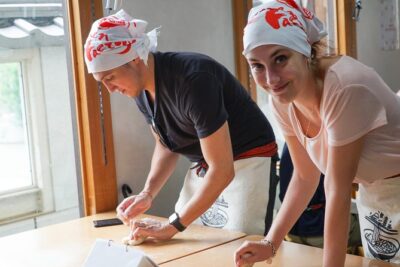
Ramen Cooking Class at Ramen Factory in Kyoto
Read our review →
Ramen & Gyoza Cooking Class in Tokyo with Local Supermarket Visit
Read our review →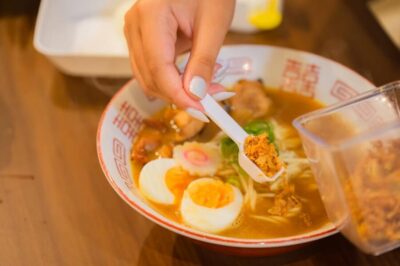
Ramen Cooking Class at a Ramen Factory with Souvenir
Read our review →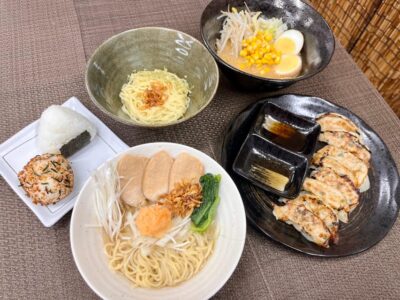
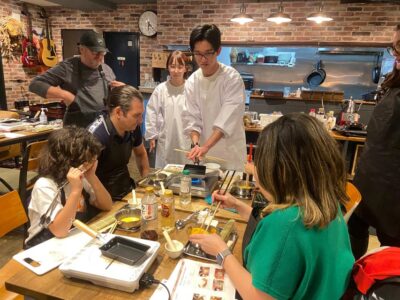
Japanese Washoku Bento Small Group Cooking Class
Read our review →
Easy Ramen Cooking Experience in Kabukicho, Shinjuku
Read our review →
Ramen and Sushi Cooking Class with Sake Pairing Set in Tokyo
Read our review →Browse the lists this tour appears in