
Reviewed · COOKING CLASSES
Osaka: Ramen and Gyoza Cooking Class in Dotonbori
Ramen feels like a science project. This Osaka class makes it real, with ramen noodles and gyoza you build step by step using fresh ingredients.
I love that you do more than watch, you knead and cut the noodles like you mean it, then taste what you made.
My other big favorite is the dumpling work, filling and shaping gyoza so they end up ready to eat at the end. One consideration: the meeting point is in a multi-room building, so you will want to follow the Room 807 call instructions closely.
If you want a hands-on Osaka food memory, I think this is a strong use of your time, and the fact that you can take the recipes home is a big part of the value.
Key highlights worth your appetite
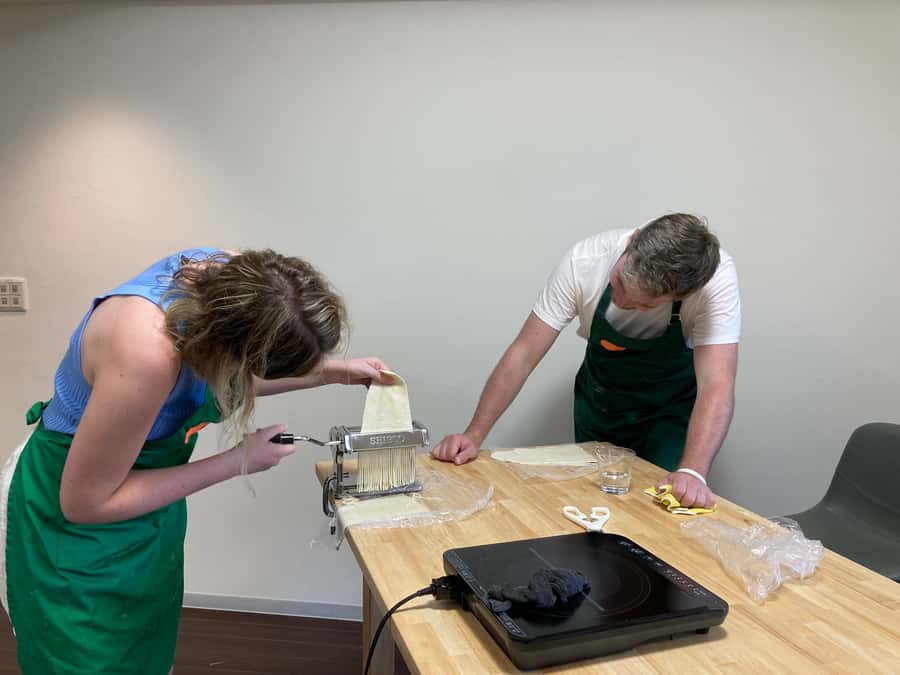
- Knead wheat dough and cut ramen noodles using a noodle machine, not guesswork
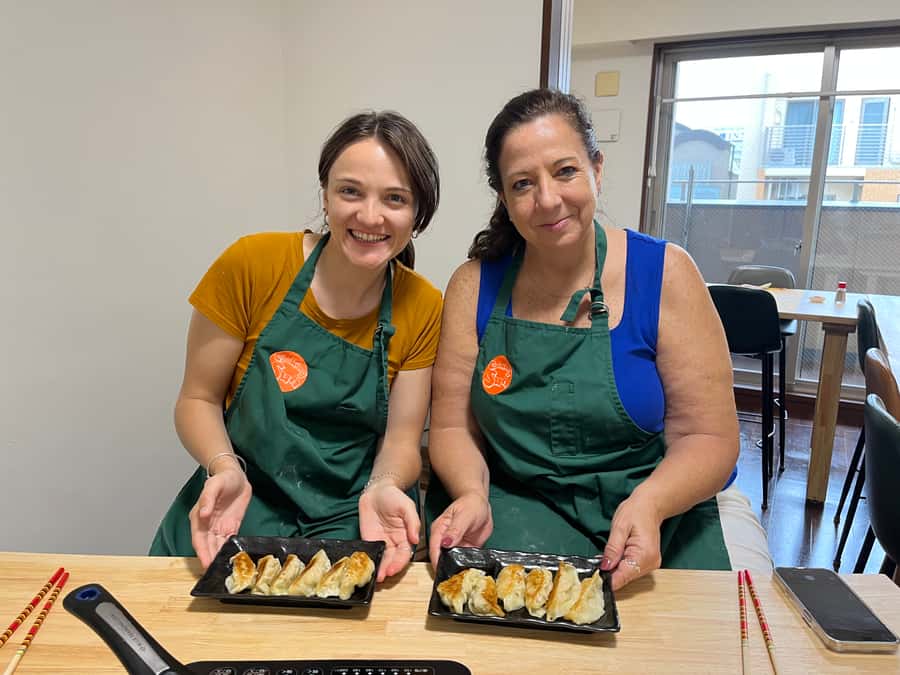
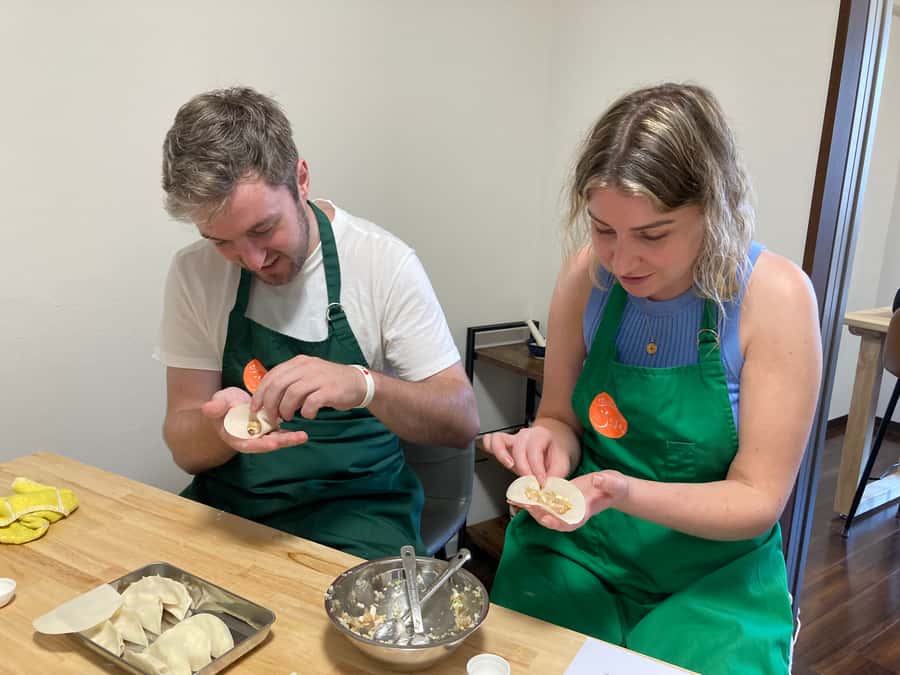
- Make gyoza filling and shape dumplings for a proper bite, not just assembling
- English-led guidance with instructors named Yoshi, Kasa, and teams like Miki and June showing up across sessions
- Small-group format (often around 7 to 8 people), so questions do not get lost
- Diet-friendly adjustments including a plant-based option when requested
- Take-home recipes so you can try again after ramen nostalgia wears off
Dotonbori ramen and gyoza, but with real technique
Dotonbori is famous for lights, crowds, and food smells that follow you down side streets. This cooking class gives you a different kind of Osaka moment. Instead of hunting for the best bowl, you learn how the bowl is made, from the noodle texture to the soup base that supports it.
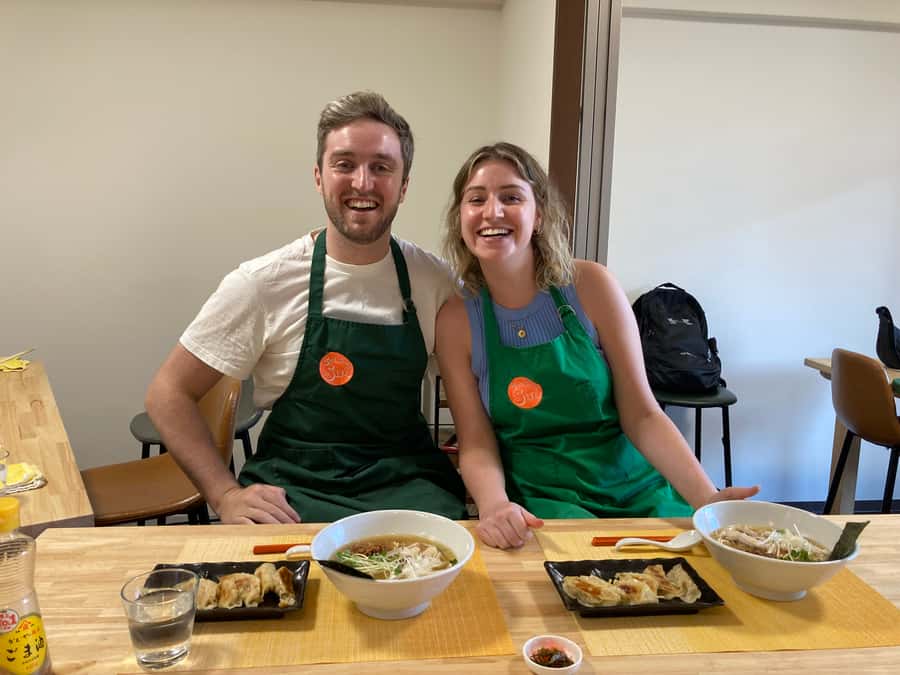
You start with two of Japan’s most ordered comfort foods: ramen and gyoza. In many ramen shops, they come as a set order, and you get the same logic here. You will make both from scratch, then sit down and eat what you created. It is a satisfying payoff because you understand what each piece is doing, not just that it tastes good.
The class focuses on a standard style soy sauce ramen. That matters because it is the baseline flavor most people recognize. You also learn how the ramen world can shift when you add miso or swap toppings. The goal is not to memorize a restaurant menu. It is to learn how the building blocks work so you can recreate your favorite version later.
More Cooking Classes in Osaka
- Osaka Cooking Class: Okonomiyaki &Japanese cuisines experience
★ 5.0 · 261 reviews - Ramen and Gyoza Cooking Class in Osaka
★ 5.0 · 202 reviews - Osaka Sake Tasting with Takoyaki Cooking
★ 5.0 · 156 reviews
Where you meet: Cooking Sun Osaka, Room 807
This class is at Cooking Sun Osaka, room 807. When you arrive, press 807 and then hit the 呼出 (call) button at the entrance. That tiny detail is the difference between smooth start and wandering around, second-guessing every door.
A heads-up from experience with this kind of city setup: these are often multi-tenant buildings, so signage can feel subtle. Plan to arrive a few minutes early and take your phone camera out if you need it. The kitchen space and the class flow are organized once you are in, so the biggest “logistics risk” is simply finding the right room.
Also note the class ends back at the meeting point, so you do not need a mental map for getting back across town later.
The ramen lesson starts with kneading wheat noodles
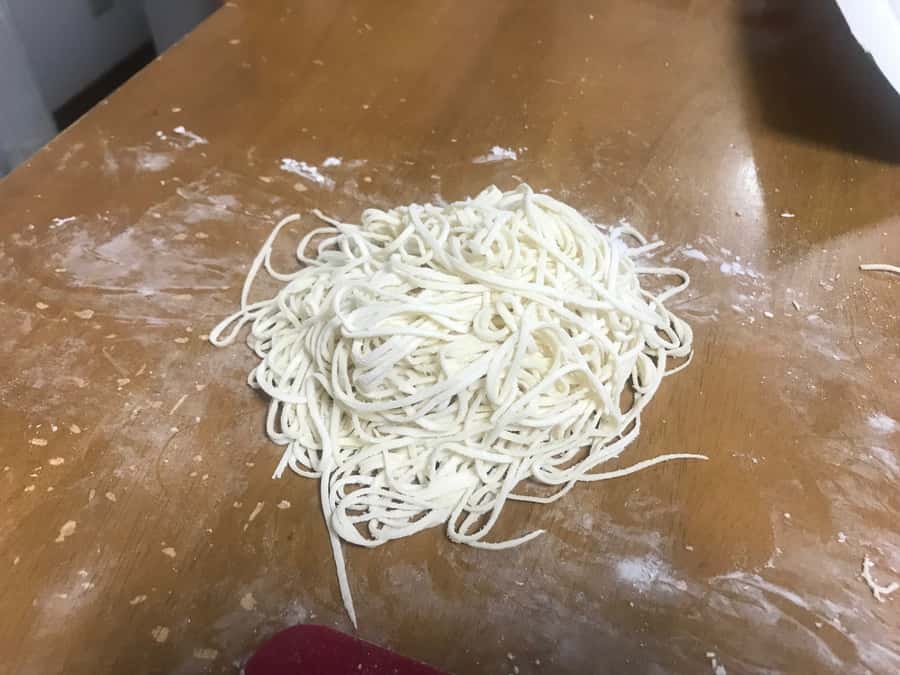
Here is the part that people remember. You make ramen noodles from scratch, starting with wheat and the actual work of kneading.
You do not just roll dough and hope for the best. You learn a practical rhythm: knead, manage the dough, and use a noodle machine for consistent thickness. That noodle machine step is huge because it takes ramen from homemade-chaos into proper noodle technique.
Then comes the cutting and portioning. You cut ramen like a pro, meaning the pieces end up even enough that they cook in the same window. That consistency is the kind of small detail you notice when you eat. Your bowl ends up tasting more balanced, because the noodles are behaving the way they are supposed to.
What I like about this approach is the psychology. When you feel the dough and control the texture, you stop thinking ramen noodles are mysterious. They are just a dough with a process.
And yes, you will also learn how ramen toppings fit into the system. You can add various toppings as you like, so your final bowl is yours, not a factory sample.
Soup base basics: dashi style with chicken bones and dried sardines
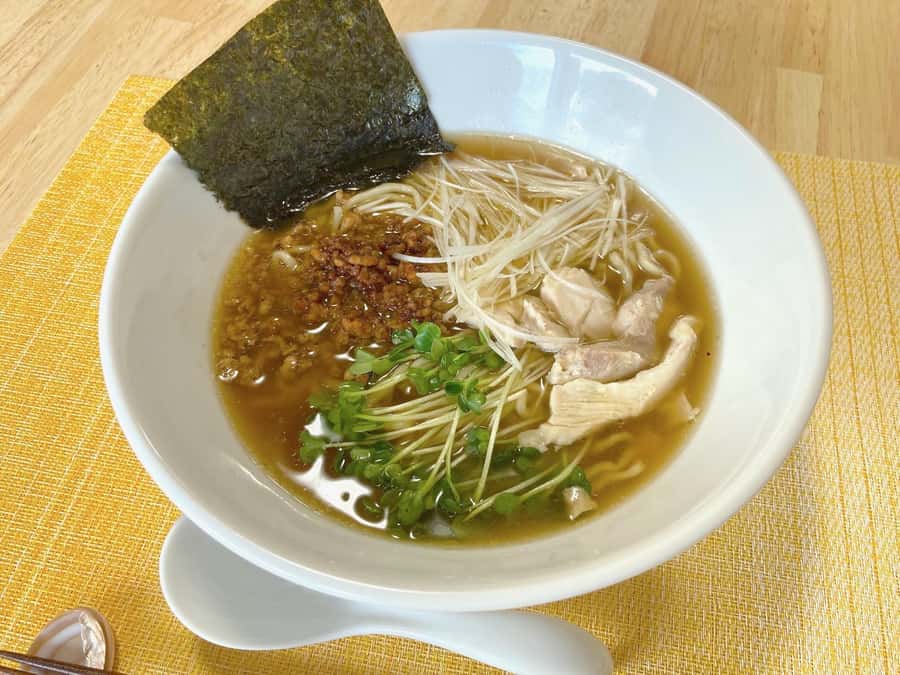
Ramen is not only noodles. The soup is the backbone, and this class builds it from a dashi style base.
In this session, the ramen soup uses chicken bones and dried sardines. That combination is classic enough to feel familiar in Japan, but the big value here is that you see how the broth supports the noodle. You are not tasting a finished product and guessing. You are building the foundation.
The class also explains an important switch: soy sauce ramen is the standard in this lesson, and you can add miso to make miso ramen. You learn how a change in soup flavor can shift the whole mood of the bowl, from lighter and savory to deeper and more rounded.
One small practical tip that this kind of lesson often emphasizes: when you understand the base, you stop over-relying on the toppings. You learn how much the soup itself carries, so you can make smarter choices later when you are ordering in Osaka.
More Ramen Tours in Osaka
- Osaka: Five Must-See Highlights Walking Tour & Ramen Lunch
★ 4.7 · 411 reviews - Walking Tour of Osaka’s 5 Must-See Sights, with Ramen for Lunch
★ 5.0 · 158 reviews - Cooking Ramen&Gyoza/KatsuCurry/Bento/Okonomiyaki+Store Tour@Osaka
★ 5.0 · 138 reviews - Three Types of Ramen Cooking Class in Osaka
★ 5.0 · 119 reviews
Making gyoza: minced chicken filling and hands-on shaping
Gyoza is the second half of your skill set. If ramen is about noodles and broth, gyoza is about filling, texture, and shape.
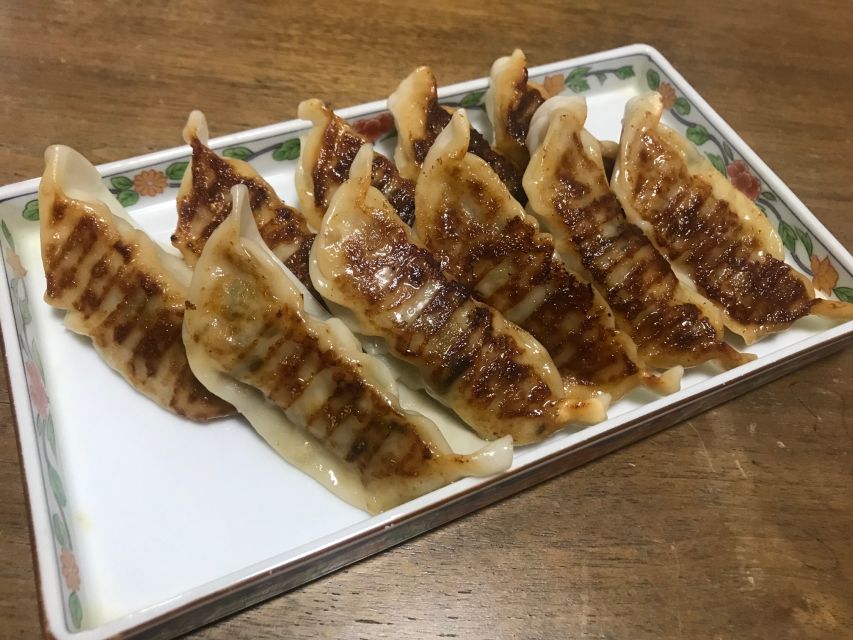
You make original dumplings, using minced chicken for the filling. You handle the dough and assemble the dumplings yourself, so you feel the difference between filling that spreads nicely versus filling that makes a thick, heavy bite.
The big payoff is that you get to eat what you make soon after. There is no long wait, no “finished elsewhere” feeling. You will sit down and enjoy your creation, which is the fastest way to learn. If something is off, you can connect it to the step you just performed.
A note on dietary changes
One of the most praised moments in the class is how flexible it can be. If you mention that someone in your group is vegan, the instructors can adapt and provide a plant-based option. That is not a small detail. It means you can plan this class as a group activity without splitting up the party or settling for a less satisfying substitute.
If you are sensitive to fish broth, it is also worth communicating ahead of time. There is evidence that substitutions can be made when someone does not like fish broth.
Small group size means real help, not vague instructions
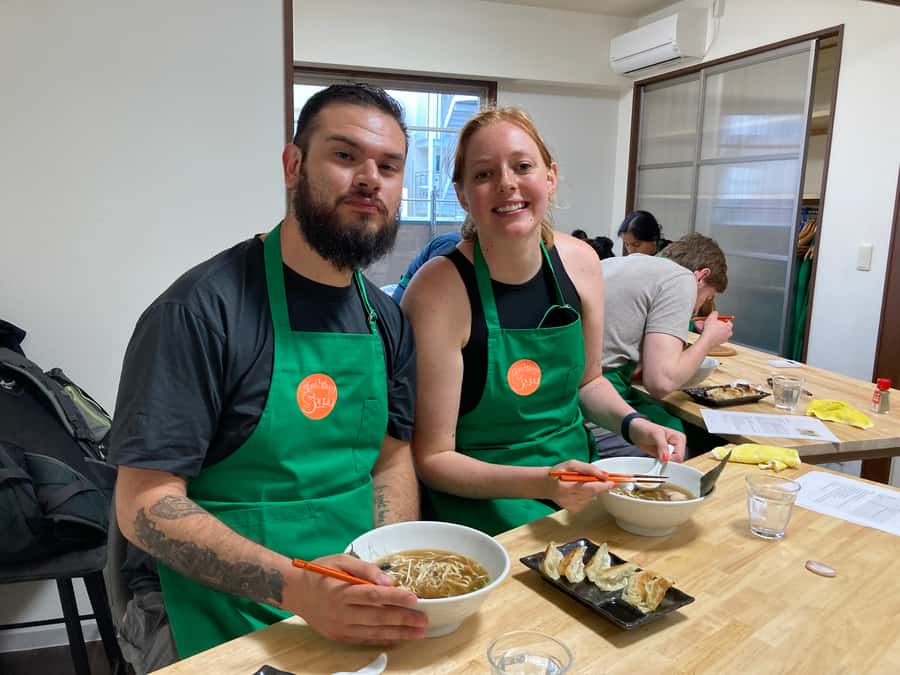
This class is run for small groups, often around 7 to 8 people. That size is a sweet spot. Big classes can feel like a blur of stations and reminders. Here, you get enough hands-on coaching to correct your technique before it becomes a mushy problem.
The instructors often split attention across the room so you do not fall behind silently. In multiple accounts, people mention that teachers step in quickly if someone is struggling, explain again with patience, and keep the whole class moving at a good pace.
You will also hear a lot of English during instruction. That matters because ramen and gyoza have small, technical steps. If you miss one term, your dough might still be workable, but your confidence drops. Clear English guidance keeps the class fun instead of frustrating.
And yes, names come up in the teaching teams. You might meet Yoshi or Kasa, and some sessions are led by instructors like Miki and June. Different teachers, same structure and the same vibe: you are there to learn, not to perform.
Timing and what your hands do at each stage
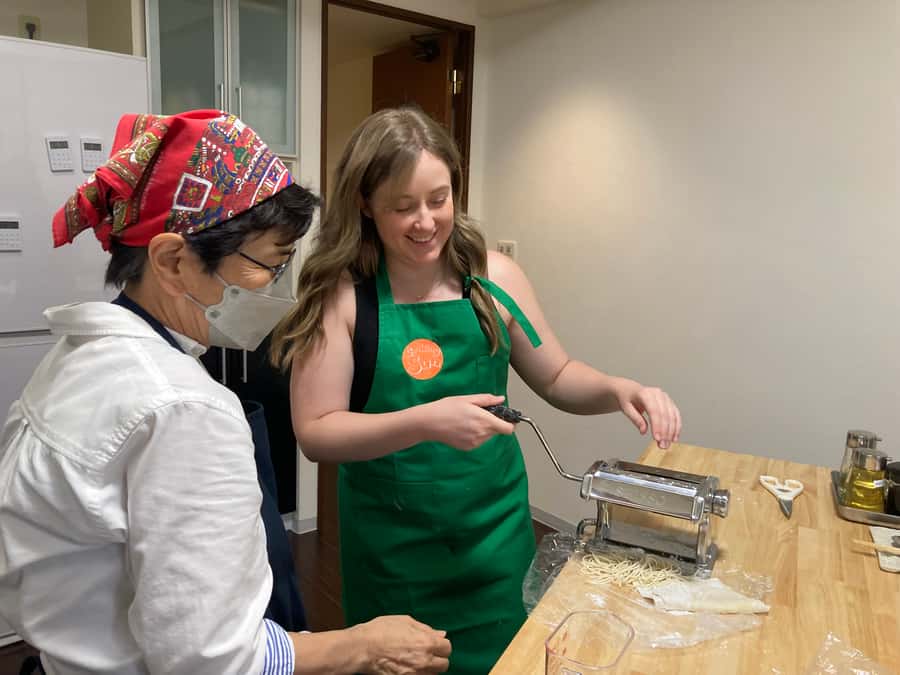
The class is typically about 2 to 3 hours. Plan your schedule like that, meaning you will want a lighter meal beforehand so you are hungry for your finished bowl and gyoza.
The flow is usually:
- Prepare and start with the ramen noodles, including kneading and noodle machine steps
- Work on the ramen base, including dashi style components, then shift toward finishing and seasoning
- Make the gyoza dumplings while parts of the noodle process rest
- Eat your meal once both dishes are ready
That order is clever. Noodles need time and patience, but they also benefit from attention in the moment. Dumpling work is active and hands-on, which balances the longer soup-building stage.
Also, the kitchen setup is comfortable. People note there is enough space in the kitchen so everyone has room to work without elbow warfare.
What you take home: written recipes for repeat attempts
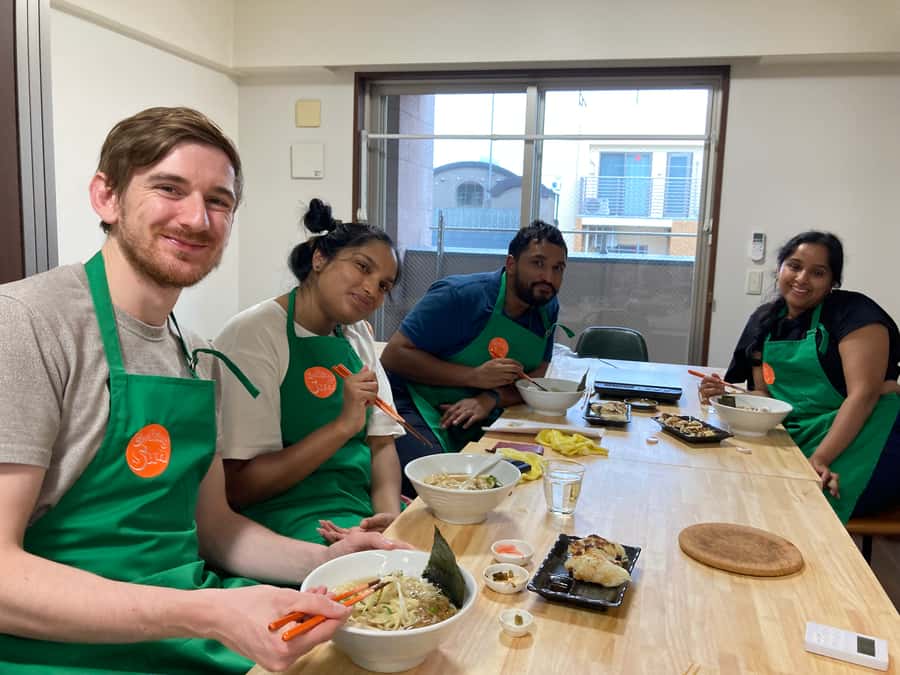
This is one of the strongest value adds. You do not only leave with a full stomach. You also leave with recipes you can take home.
That matters because ramen noodles and gyoza are easy to misremember. People often try once at home and get frustrated when the texture is different. A written recipe plus the technique you practiced here makes your second attempt much more likely to succeed.
It also helps you understand the ingredients. Some lessons go beyond “mix this, add that.” They explain parts of the menu, including things like different kinds of miso and when to use them. Even if you never cook at this level again, that knowledge changes how you read a ramen shop menu.
Price and value: $70 for ingredients, coaching, and a full meal
At $70 per person, it is not a cheap snack tour. But it is also not just a tourist activity where you pay to watch someone else cook.
You get:
- All ingredients in the class
- Hands-on instruction from English-speaking guides
- Practice building both ramen and gyoza from scratch
- A meal, since you eat what you make
- Recipe write-ups to take home
When you compare that to the price of dinner plus a paid class, the $70 starts to make sense. You are paying for technique and time, and you are using the kind of ingredients and tools most travelers do not have access to back home, like the noodle machine workflow.
For families, couples, and solo food nerds, this is a classic “learn something you can use” experience. For strict beginners, it still works because the class is structured and paced, and the instructors help if you fall behind.
Who should book this Osaka cooking class
This is a good fit if:
- You want a hands-on food experience in Osaka, not another wandering meal
- You like structure. You are happy following steps and learning technique
- You want to eat ramen and gyoza while understanding what makes them taste right
- Your group includes different dietary needs, since plant-based options are possible when requested
It might be less ideal if:
- You hate fish-based flavors and want a guaranteed fish-free broth. Substitutions may be possible, but you should confirm your preferences directly.
- You arrive late or hate finding places in multi-room buildings. Follow the Room 807 instructions closely.
Also, it is a nice family option. One account mentions an 11-year-old enjoying the class and learning along with adults, which suggests the pacing and hands-on focus can work across ages.
Should you book it, or chase ramen shops instead?
If you are torn between cooking and restaurant hunting, I would book this class if your goal is skill plus a memorable meal. Osaka ramen shops are great, but you can eat ramen anywhere. Learning how the noodles and soup are built is something you carry home.
I recommend booking especially if:
- You want a guaranteed hands-on activity in your Osaka schedule
- You value small group attention and clear English coaching
- You like the idea of taking written recipes home, not just photos
Skip it only if you are short on time or you know you will not enjoy the hands-on dough work. Ramen and gyoza are not hard, but they are active. If you want a passive cultural show, this is not that.
FAQ
What dishes will I learn to cook?
You will make two dishes from scratch: ramen and gyoza. The ramen is taught as a soy sauce style, with the option to make miso ramen, and the gyoza filling uses minced chicken.
Do I make ramen noodles by hand?
Yes. You knead wheat to make ramen noodles and use a noodle machine to cut the noodles.
How long is the class?
The class is typically around 2 to 3 hours.
Where is the meeting point?
The meeting point is Cooking Sun Osaka, room 807. On arrival, press 807 and then the 呼出 (call) button at the entrance.
Is the class taught in English?
Yes, the class is offered in English.
Is hotel pickup included?
No. Hotel pickup and drop-off are not included.
Can you accommodate vegan or vegetarian diets?
A plant-based option is available when requested, and the class can adapt for dietary needs.
Can I cancel for a full refund?
Yes. You can cancel up to 24 hours in advance for a full refund.
More Ramen Experiences in Osaka
- Osaka: Cooking Class Ramen & Gyoza Course in Nanba
★ 4.9 · 86 reviews - Ramen Craftsman Experience in Osaka
★ 5.0 · 81 reviews - Ramen and Gyoza Cooking Class in Osaka Dotonbori
★ 5.0 · 73 reviews - Osaka: Gluten-Free Ramen and Gyoza Cooking Class
★ 5.0 · 42 reviews
Fresh options around Osaka
- Osaka Winery Tour with Wine Tasting & Vineyard Walk★ 4.9 · 12 reviews
- Osaka: Early Morning Osaka Castle Guided Tour, Avoid Crowds★ 4.9 · 12 reviews
- Kyoto Day Trip from Osaka Port – Private Shore Excursion★ 5.0 · 13 reviews
- Osaka Private Pop Culture Tour: Historic Tenma to Dotonbori★ 4.5 · 13 reviews
- Osaka Castle Admission Ticket★ 4.0 · 13 reviews
- Hidden Osaka Foodie Tour: Nishinari Backstreets & Local Dining★ 5.0 · 13 reviews
- Discover Real Osaka: A Cultural Walk with Food & Drink★ 5.0 · 13 reviews
- Nara private tour (Shore excursion available from Osaka or Kobe port)★ 5.0 · 13 reviews
Cooking Classes, compared.
Ramen Cooking Class at Ramen Factory in Kyoto
Read our review →
Ramen & Gyoza Cooking Class in Tokyo with Local Supermarket Visit
Read our review →
Ramen Cooking Class at a Ramen Factory with Souvenir
Read our review →
Japanese Washoku Bento Small Group Cooking Class
Read our review →
Easy Ramen Cooking Experience in Kabukicho, Shinjuku
Read our review →
Ramen and Sushi Cooking Class with Sake Pairing Set in Tokyo
Read our review →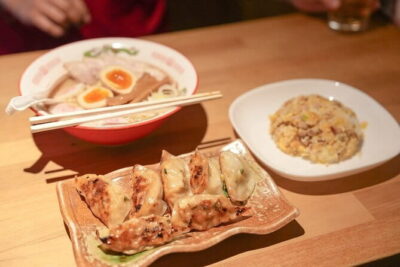
Kyoto Ramen and Gyoza Cooking Class with Professional Chefs
Read our review →Browse the lists this tour appears in