Reviewed · KYOTO TOURS
Ikebana Traditional Japanese Art of Flower Arranging
Ikebana turns cut flowers into calm. In Kyoto, this 90-minute class teaches you how Japanese artists use fresh stems to create harmony, using wabi-sabi simplicity and a mindfulness mindset. You also get practical guidance that helps your arrangements stay looking fresh for up to two weeks.
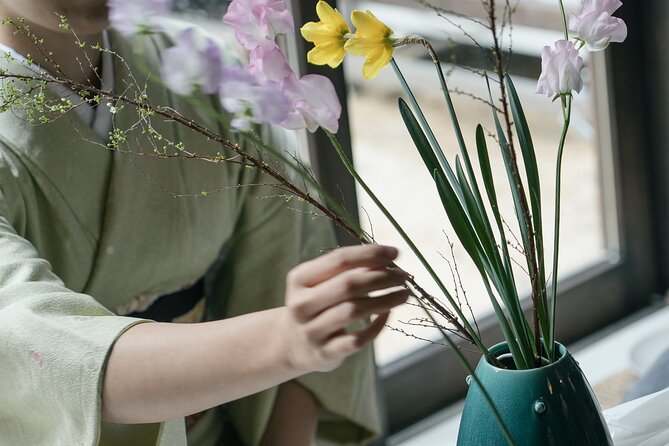
What I especially like is the hands-on pace and the real technique you practice, not just watching. You work with seasonal blooms and learn two foundational styles, Nageire and Moribana, which makes the lesson feel useful right away.
One thing to consider: the time is short. If you’re hoping for a long, deep lecture on ikebana schools and extra beginner rules, you might want more context than this class can fit into 1 hour 30 minutes.
Key things to know before you go
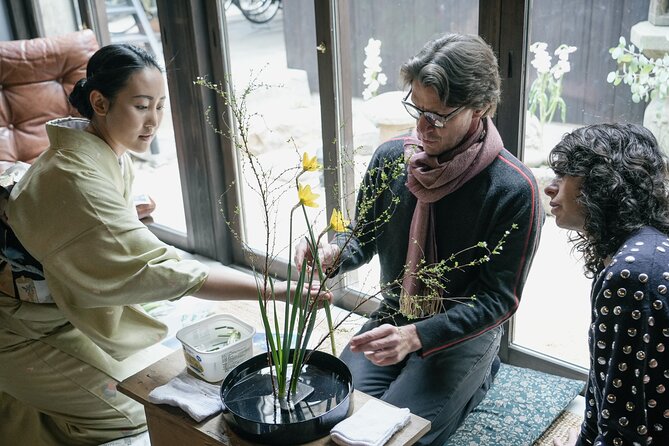
- Two beginner styles in one session: Nageire and Moribana, with demonstrations and your own hands-on practice
- Mindfulness through making: you slow down by arranging, while learning the purpose behind the shapes
- Seasonal flower experience: you work with what is in season for a more authentic feel
- Freshness tips that matter: guidance on keeping flowers looking good for up to two weeks
- Small group size: maximum of 6 travelers, so you can get help when you need it
- English-speaking instruction: designed for most travelers and taught in English
Ikebana in Kyoto: living flowers and quiet balance
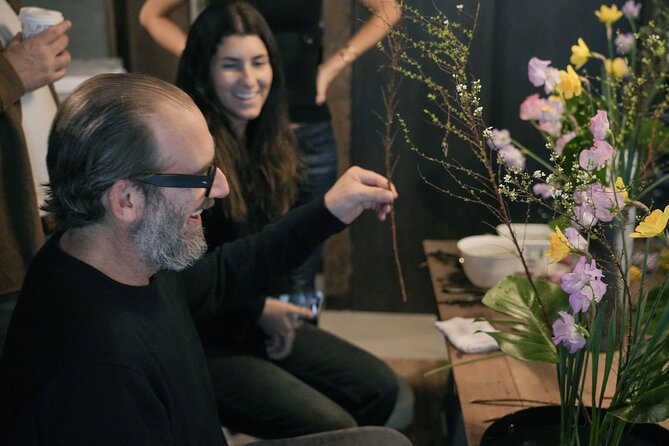
Ikebana literally points to living flowers, not dead decorations. The idea is that each stem is a living thing with its own natural character, and your job is to work with that nature to create balance. You’re not trying to force everything into the same shape.
This class leans into the feeling side, too. You’ll be guided to practice mindfulness while you arrange, so the session becomes more than a craft. Expect minimalist aesthetics and a respect for simplicity, which is the wabi-sabi spirit behind traditional Japanese design.
And yes, the philosophy has a point. When you understand why a branch leans or why you leave space, the arrangement starts to make sense. That is the difference between copying a photo and actually doing ikebana.
A few more Kyoto days worth comparing
- PERFECT KYOTO 1-Day Bus Tour
★ 5.0 · 13,518 reviews - Kyoto: Fushimi Inari, Kinkakuji, Bamboo Grove 1 Day Bus Tour
★ 4.8 · 4,316 reviews - Kyoto: Tea Ceremony in a Traditional Tea House in Kiyomizu
★ 4.9 · 3,519 reviews
Finding the class: Kyoto meeting point that’s easy to reach
The meeting point is in Kyoto’s Kamigyo Ward, Tanbayachō 3481, Symphony Kita no Higashi. The activity starts there and ends back at the same place, so you don’t have to worry about making a complicated trek across town.
The class is near public transportation. That matters in Kyoto, because getting around can be quick when you plan it right, and stressful when you don’t. If you’re stacking this with other sights, give yourself a little buffer so you arrive calm, not rushed.
Also, the class size is capped at 6. That tends to make the whole session feel more personal, even though you’re still part of a group.
What happens during 90 minutes: Nageire and Moribana basics
You’ll learn traditional ikebana using an English-speaking instructor. The most useful part is that you’ll see demonstrations first, then you’ll make your own arrangements.
In particular, you’ll be taught two styles:
- Nageire (thrown-in style): a freer, more relaxed feeling, often with an emphasis on natural movement
- Moribana (piled-up style): a more structured look, built to show balance and proportion
The structure matters because it gives you options. Even if you’ve never touched flowers like this before, you can immediately feel the difference between a style that looks like it’s flowing and one that looks organized and intentional.
During the lesson, you’ll work with seasonal flowers. That’s not just a nice detail. Seasonal material pushes you to respond to what you have, which is exactly how traditional arranging works. If you only practice with identical flowers all year, you miss the real skill.
The pace is beginner-friendly, and the session is set up so most people can participate. So if you’re traveling solo, or you’re bringing a friend or partner, you should be able to join without needing prior art training.
The mindfulness part: learning the why, not just the how
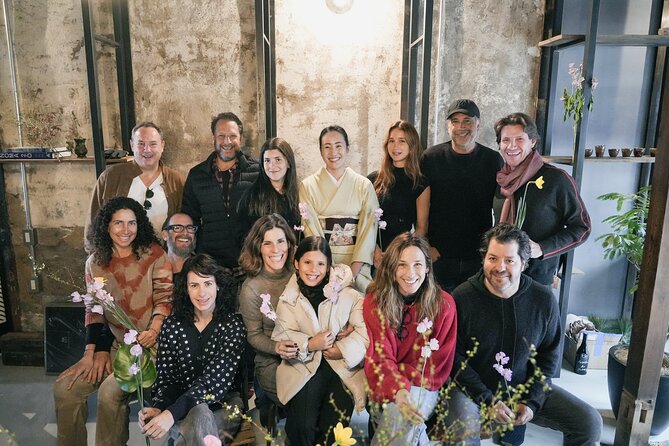
Ikebana is often described as technique plus mindset. You’re working with fresh cut flowers and paying attention to the stems natural traits, like direction, texture, and form. Then you arrange them in a way that communicates harmony.
This is where mindfulness shows up. When you slow down, you start noticing details: where a stem wants to curve, where the negative space feels balanced, and how the composition changes when you shift one element.
In the way the class is taught, you’re guided to appreciate the sentiment of giving flowers a new life. That isn’t just poetic talk. It sets your brain into a different mode, one that respects the material instead of treating it like craft store supplies.
If you enjoy Japanese aesthetics, you’ll probably feel at home with the minimalist approach. And if you like learning practical cultural skills, you’ll appreciate how the philosophy connects to real choices with real flowers.
Same corner of Japan, a different kind of day:
- Kyoto Geisha Walking Tour: Gion District & Hidden Gems
★ 4.7 · 3,273 reviews - Kyoto: Tea Ceremony Ju-An at Jotokuji Temple
★ 4.9 · 3,207 reviews - Kyoto: Gion Magical Night Walking Tour with Geisha Trivia
★ 4.9 · 2,393 reviews - Kyoto: 45-Minute Tea Ceremony Lesson Experience
★ 4.3 · 2,378 reviews
Keeping flowers fresh: practical tips you can use at home

One of the most concrete parts of the experience is the advice for maintaining freshness. You’ll learn tips to help flowers last up to two weeks, which is a big deal if you’ve ever tried to keep cut flowers alive in a city apartment.
Even if you don’t recreate the entire arrangement at home, the freshness guidance can make your ordinary flower purchases last longer. That means the class keeps paying off after the hour and a half ends.
In an ikebana setting, freshness tips also affect your arranging. When stems stay healthy, you can work with how they respond rather than fighting drooping flowers. That improves your ability to create the balance you’re aiming for.
This kind of practical instruction is a reason the session gets strong satisfaction. You leave with something you can use, not only something you can photograph.
Instruction style and group dynamic with Mana

The instructor in this class is Mana, and her teaching approach is the reason many people leave feeling confident. Her demonstrations are clear, and she mixes the philosophical meaning with step-by-step technique, so you’re not left wondering what you’re supposed to be doing.
Another positive is flexibility. In a small group setting, you can try ideas and adjust without feeling like you must match a single template. For beginners, that reduces stress fast.
The group size helps too. With a maximum of 6 travelers, you’re more likely to get quick feedback when your composition needs tweaking. That’s also why the lesson feels manageable, even if you’re not an arts person.
Price and value: is $72.26 worth it?
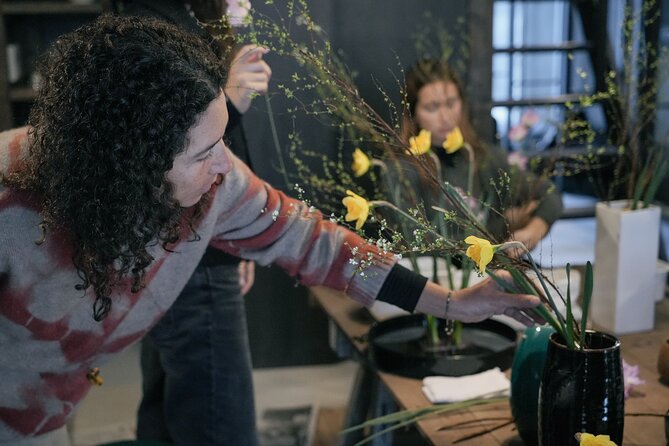
At $72.26 per person for about 1.5 hours, this sits in the middle range for a hands-on cultural class in Kyoto. The value is strongest when you look at what you get:
- Two ikebana styles taught and demonstrated
- Seasonal flowers used during the practice
- English-speaking instruction
- Practical freshness tips to help stems last up to two weeks
- Small group size, capped at 6, which usually means more attention per person
If you were just paying for a short presentation, the price might be harder to justify. But this is practice-based. You’re learning a real skill, not only hearing about it.
If you’re the type who likes to collect experiences you can actually carry home, this is a good fit. You may even find that ikebana becomes a calming routine when you travel, even if you only do simplified arrangements.
Who should book this Ikebana class
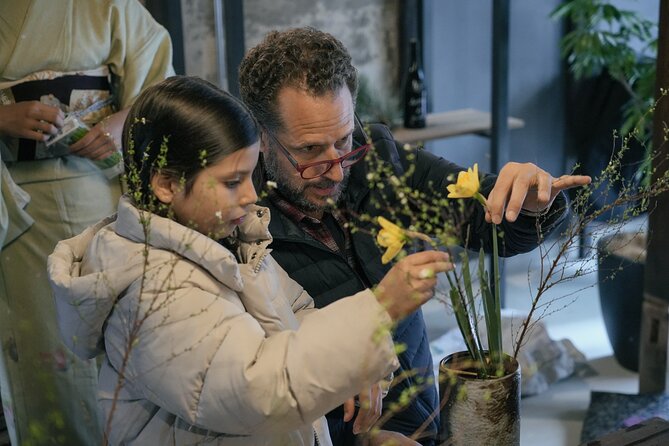
Book this if you want:
- A structured introduction to Japanese flower arranging
- A class that blends mindfulness and aesthetics
- A small-group setting with English guidance
- Technique you can use with flowers you buy in Japan or later at home
It’s also a good choice if you’re a couple, a friend group, or a solo traveler who likes calm, focused activities. The small group format usually makes it easier to connect with the instructor and other participants without feeling like a rushed tourist group.
Skip it or pair it with something else if you want a long, detailed breakdown of ikebana schools and history. One consideration is that the class is designed to be short and practical, so there’s limited time for a broader overview beyond the basics and what supports your hands-on practice.
Should you book Ikebana Traditional Japanese Art of Flower Arranging?
Yes, if you’re looking for a meaningful Kyoto activity that’s more than a photo stop. The combination of Nageire and Moribana, seasonal flowers, and practical freshness tips makes it feel like real learning.
It’s also ideal on days when you want something quiet and hands-on. Kyoto can be packed with temples, crowds, and long walks. This gives you a chance to slow your pace and work with your hands, in the spirit of traditional Japanese aesthetics.
My practical advice: book early if you can. On average, this experience is booked about 30 days in advance, and the group size stays small. If you’re traveling in peak season, earlier booking reduces stress and helps you lock in your preferred time.
FAQ
FAQ
Where is the meeting point for this Ikebana class?
It meets at 3481 Tanbayachō, Kamigyo Ward, Kyoto 602-8287 (Symphony Kita no Higashi). The class ends back at the meeting point.
How long is the Ikebana experience?
It lasts about 1 hour 30 minutes.
Is the class taught in English?
Yes. The class is guided by an English-speaking ikebana expert.
How many people are in the group?
The maximum group size is 6 travelers.
What style of ikebana will I learn?
You’ll learn two traditional beginner styles: Nageire and Moribana.
Do you use seasonal flowers during the class?
Yes. The class includes seasonal flowers for your arranging practice.
Will I get tips for keeping the flowers fresh?
Yes. You’ll learn tips to help maintain fresh flowers, and they can last up to two weeks with proper care.
Is it suitable for beginners?
Most travelers can participate, so it is designed to be beginner-friendly.
Will I receive a ticket on my phone?
Yes. It uses a mobile ticket.
What is the cancellation policy?
Free cancellation is available up to 24 hours before the experience starts for a full refund.
Fresh options around Kyoto
- Kyoto Aquarium Admission Ticket★ 4.7 · 12 reviews
- Kyoto Gion Photoshoot – Private Session | Pro Photographer★ 5.0 · 12 reviews
- Gyoza Cooking Class in Kyoto: Traditional Japanese Dumplings★ 5.0 · 12 reviews
- Kyoto: Guided Food Tour with 12 Dishes & 3 Drinks★ 5.0 · 12 reviews
- Kyoto: Avoid the Crowds at the Hidden Gems of Arashiyama★ 4.9 · 13 reviews
- Kyoto Early Bird English Tour: Gion & Higashiyama(Private opt)★ 5.0 · 13 reviews
- Otsu-e Folk Art Workshop & Local Culture Walk Near Kyoto★ 5.0 · 13 reviews
- Kyoto, Osaka, Nara Full Day tour by Car English speaking Driver★ 3.5 · 13 reviews
Kyoto Tours, compared.
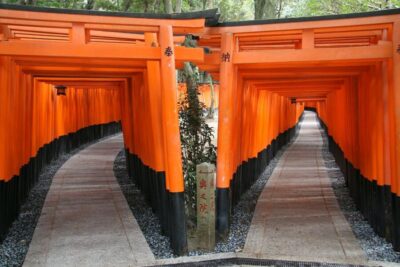
Fushimi Inari, Kinkakuji, Bamboo Grove 1 Day Bus Tour
Read our review →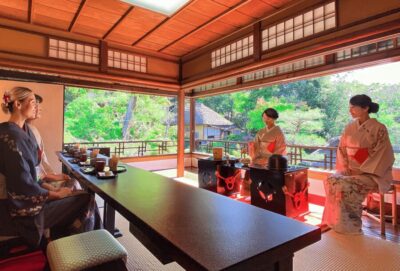
Tea Ceremony in a Traditional Tea House in Kiyomizu
Read our review →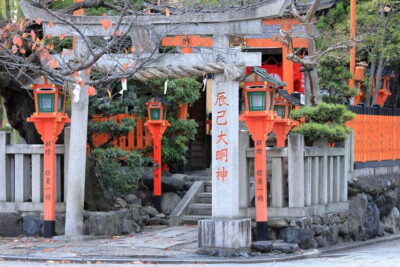
Kyoto Geisha Walking Tour: Gion District & Hidden Gems
Read our review →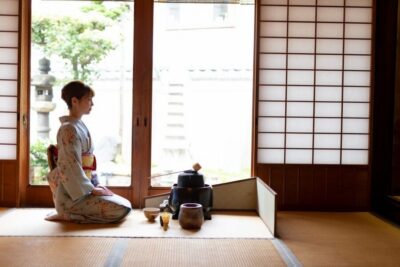
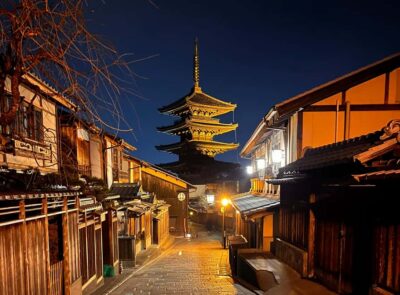
Gion Magical Night Walking Tour with Geisha Trivia
Read our review →