
Reviewed · HISTORICAL TOURS
Uji: UNESCO Heritage & Tea Ceremony Walking Tour
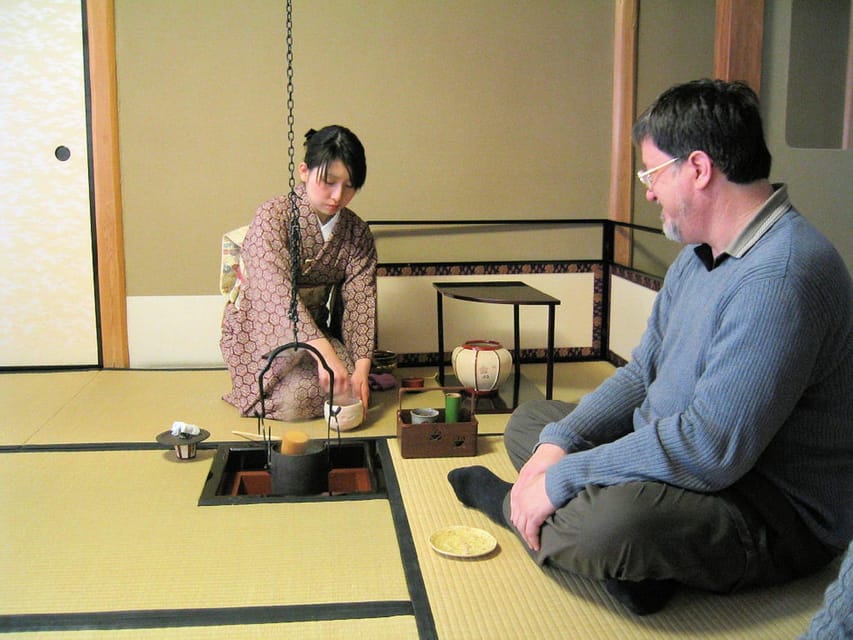
Uji feels made for tea lovers. This 3-hour walking tour pairs Byodo-in Temple with a tea ceremony at Taihoan, and you also get Tachibara and Asagiri suspension bridges for big views. One possible drawback, it is not ideal if you need step-free or low-walking options, since you will move through temple areas and across bridges.
I like the small-group format, capped at 9 participants, because it keeps the pace calm and questions answerable. From what I learned about guides such as Yuko, Katsu, and Miyake-san, the best part is how well they explain both tea culture and the religion side of Japan, without making it feel like a lecture.
Key things you will love about this Uji experience
- UNESCO time at Byodo-in Temple with a guided, focused visit
- Taihoan tea ceremony with Japanese-only presentation and guide translation
- Suspension bridge crossings (Tachibara and Asagiri) for classic Uji views
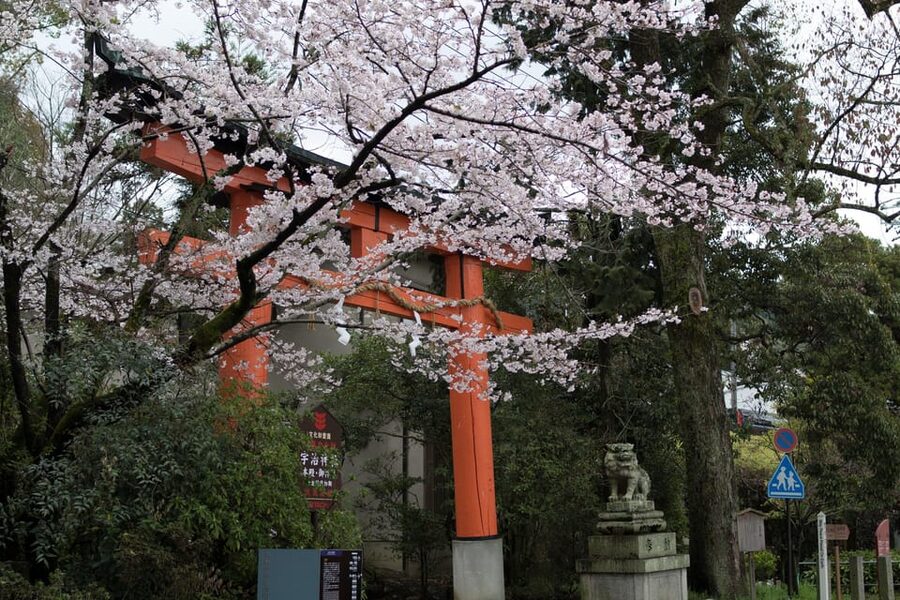
- Shinto stops at Uji Shrine and Ujigami Shrine for cultural context beyond tea
- A planned snack block on Uji Bridge for matcha and local treats
- A small group of 9 so the tour feels personal, not packed
Uji, a tea town that also understands temples
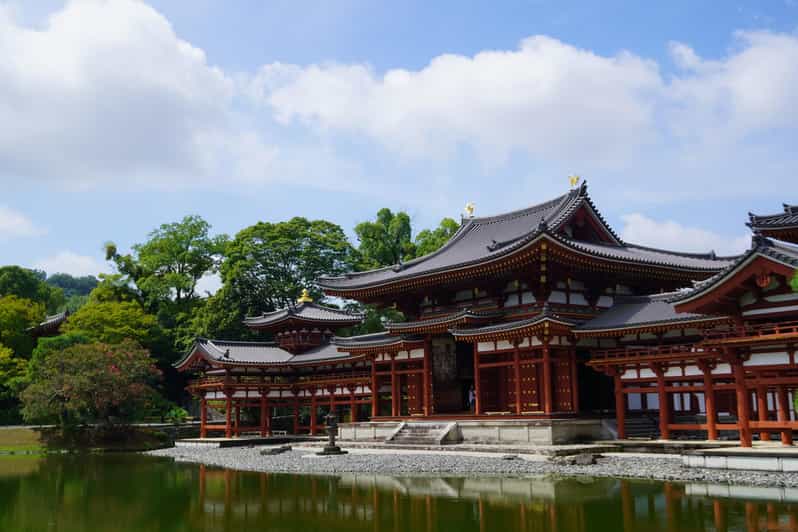
Uji is famous for green tea, but it is more than a matcha counter and a selfie stick. This tour is built to connect the dots between everyday tea culture and the sacred sites that shaped the region’s traditions.
You get a clean mix of Buddhism and Shinto elements, without feeling like you are running from one landmark to the next. That balance matters. It helps you understand why tea is not just a drink here, it is part of a whole way of practicing calm and respect.
More Tea Ceremonies in Kyoto
- Kyoto: Tea Ceremony in a Traditional Tea House in Kiyomizu
★ 4.9 · 3,519 reviews - Kyoto: Tea Ceremony Ju-An at Jotokuji Temple
★ 4.9 · 3,207 reviews - Kyoto: 45-Minute Tea Ceremony Lesson Experience
★ 4.3 · 2,378 reviews
3 hours, a tight route, and how to start on time
You begin at JR Uji Station (South Exit). Your guide will be waiting there wearing a TripGuru shirt or holding a TripGuru sign, so you will not be left playing airport-style guessing games.
Arrive about 10 minutes early. Also, plan for morning traffic, since travel time can swing a lot compared with map apps. The schedule is short on purpose, so losing time at the start can squeeze your enjoyment later.
For comfort, wear comfortable shoes. Temple grounds and bridge approaches can mean uneven surfaces and steady walking, and the tour is not positioned as an easy stroll for everyone.
Byodo-in Temple, UNESCO attention without the chaos
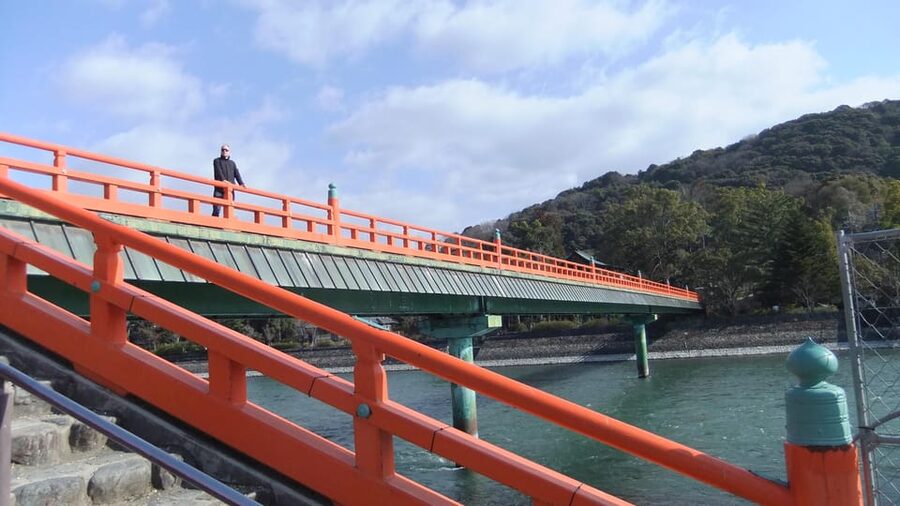
Byodo-in is the headline stop, and the tour gives it real attention. You will have a guided visit for about 50 minutes, plus entrance fees are included, which removes one small money headache.
What you will appreciate here is not only the famous temple profile, but the guided pacing. A good guide helps you look past the postcard view and understand what you are seeing, from temple layout to the way the site reflects religious history.
A practical note: if you are the kind of person who likes to take time reading plaques and spotting architectural details, this length of visit fits you better than a rushed stop. If you are more of a quick look and move on type, 50 minutes still gives you enough time to get the main story.
Taihoan tea ceremony: the peaceful part, with real etiquette
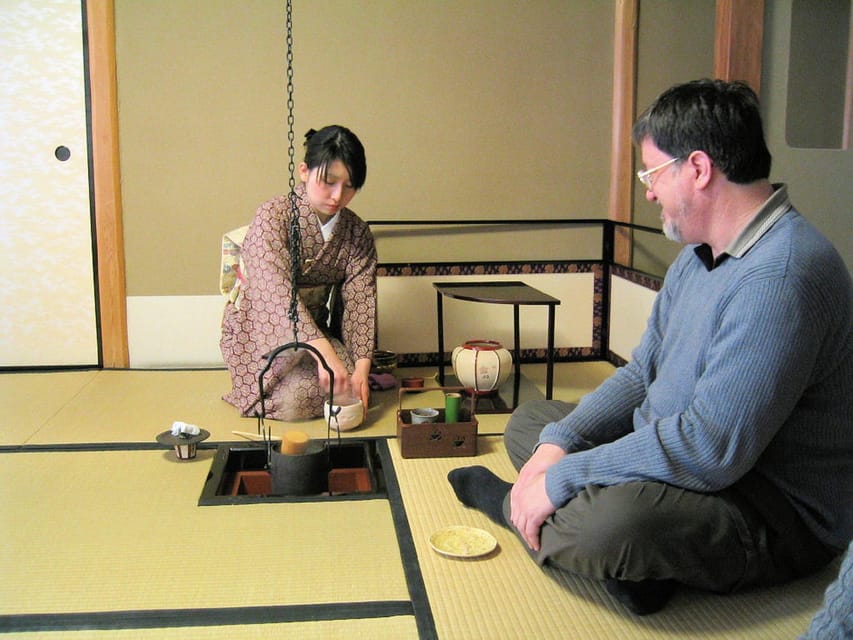
The tea ceremony is at Taihoan, and this is where the experience slows down on purpose. Expect around 30 minutes of ceremony time. The full tea stop can run closer to 40 minutes once you include the lead-in and wrap-up.
Here is the important detail to plan for: photo and video recording are prohibited during the tea ceremony. Bring your camera for the rest of the tour, but when you step into the ceremony space, switch to being fully present.
Also, the ceremony is conducted in Japanese only, but your guide will translate what you need. So you get the atmosphere without being lost. It helps a lot if you come with curiosity rather than a checklist.
One more practical thing. The ceremony includes instructions on how to behave, and a good guide will keep it comfortable if you mess up a small step. The payoff is that you actually learn the meaning behind gestures, not just the steps.
More Walking Tours in Kyoto
- Kyoto Geisha Walking Tour: Gion District & Hidden Gems
★ 4.7 · 3,273 reviews - Kyoto: Gion Magical Night Walking Tour with Geisha Trivia
★ 4.9 · 2,393 reviews - Kyoto: Gion Geisha District Walking Tour – Stories of Geisha
★ 4.7 · 2,187 reviews - Night Walk in Gion: Kyoto’s Geisha District
★ 4.5 · 2,003 reviews
Tachibara and Asagiri suspension bridges: where the views really land
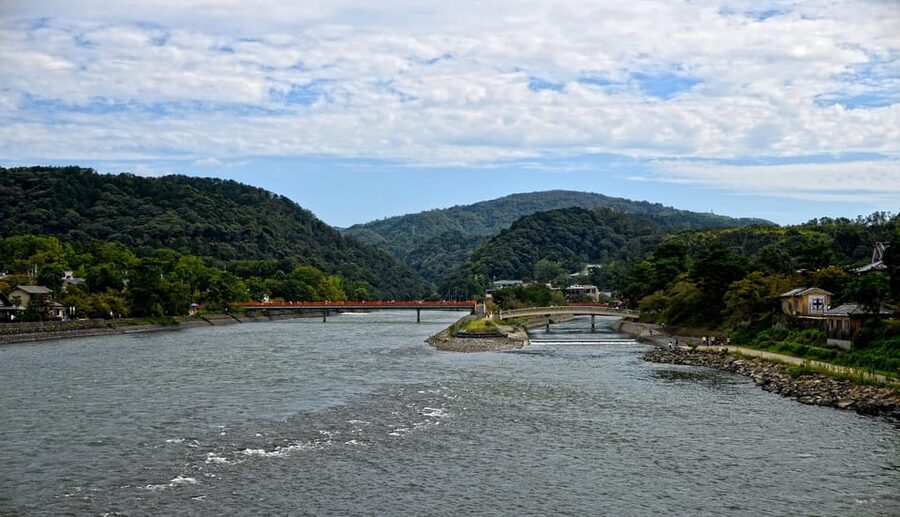
After the temple and tea, you walk toward the classic Uji scenery. The route includes time to cross the Tachibara and Asagiri suspension bridges for photo-worthy views.
This is not a long hike, but it is a noticeable walking stretch. You should expect open air, cool breezes if the weather turns, and a steady crossing. The reward is the kind of perspective you cannot get from standing still on a street.
If you are sensitive to heights or shaky footing, this is the part to think about. The tour is not listed as suitable for people with mobility impairments, and bridge crossings are one clear reason why.
Uji Shrine and Ujigami Shrine: Shinto context you can feel
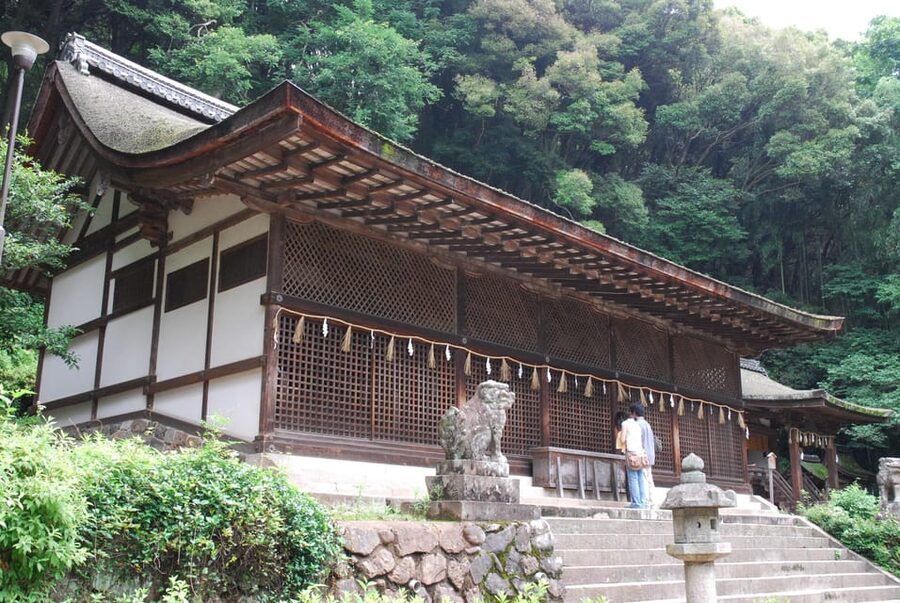
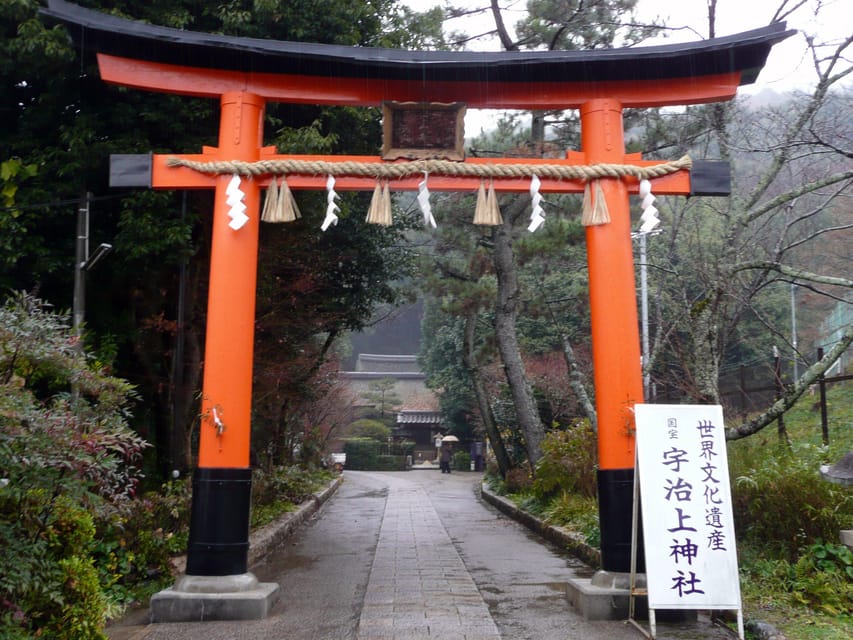
Next come the shrines: Uji Shrine and Ujigami Shrine, with guided visits of about 20 minutes each.
Why this matters is simple. Many people come to Uji thinking it is purely a tea stop. These shrines help you see how Shinto traditions shape local life alongside Buddhist sites like Byodo-in. A good guide ties it together so it clicks, instead of feeling like a random collection of gates and halls.
You will likely walk through shrine grounds with a focus on how sacred spaces work, what the symbols mean, and how respect shows up in small rules. If you already read up on Shinto and Buddhism, you will still pick up clearer connections here. If you have not, this is an easy entry point because the guide keeps it practical.
Uji Bridge snack time: matcha and local comfort food
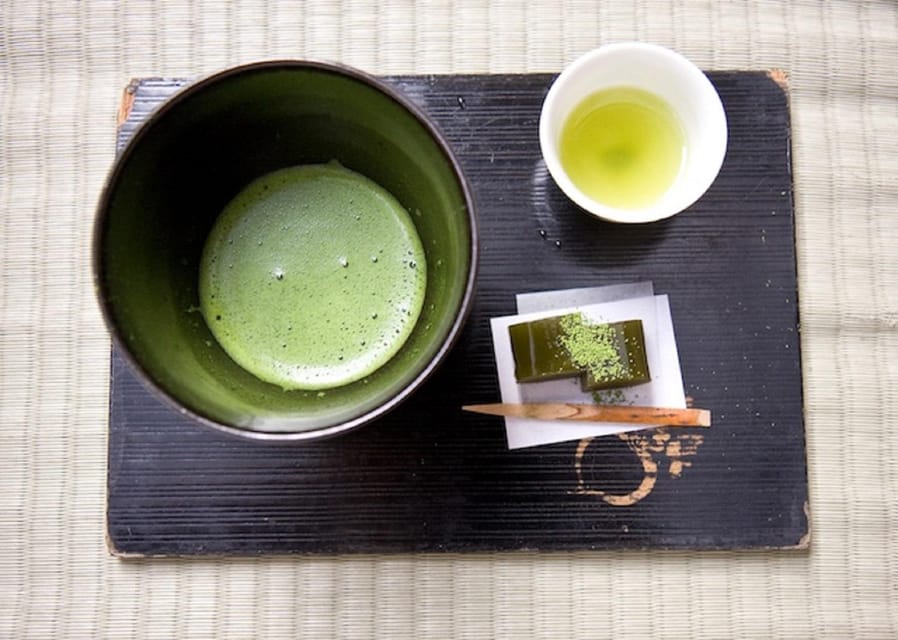
The tour ends at Uji Bridge, but there is a payoff before you get there. You have about 40 minutes for local snacks, with a focus on Uji’s famous green tea and culinary treats.
This is the smart part of the schedule, because food turns knowledge into something you remember. Tea history is interesting. But taste is where it sticks.
You might try matcha-based sweets and mochi-like treats, depending on what is available. The best approach is to follow your guide’s recommendations, especially if you want suggestions for matcha shops or snack styles you would not think to ask for on your own.
If you are the type who plans meals ahead and then ends up eating the same safe stuff everywhere, this snack block is your chance to reset. You are in the right place to try what the locals actually crave.
Small-group format: why it feels better than big-bus sightseeing
The tour limits the group to 9 participants, and that changes the day. You are not competing for a guide’s attention at each photo spot.
It also means your guide can adjust on the fly, like giving you extra time to understand a detail at Byodo-in or slowing down before a ceremony moment. Guides such as Yuko, Katsu, and Miyake-san are frequently praised for being patient and friendly, and that matters when you are learning how to behave in a tea setting.
In a small group, questions do not feel like interruptions. You can ask why tea is tied to etiquette, why shrines look the way they do, or what to pay attention to when the temple view opens up.
Price and value: is $66 fair for 3 hours in Uji?
At $66 per person, this is not a bargain price, but it is also not overpriced when you break down what is included.
You get an English speaking guide for the full tour window, plus entrance fees to Byodo-in. You also get a tea ceremony that takes real time, not just a quick demonstration. When a tour includes paid entry and an activity like a ceremony, the price starts making more sense than a basic walking route.
The other value piece is time. Uji is not huge, but moving efficiently between tea, UNESCO temple time, shrines, and bridges takes planning. Paying for a guide buys you the route and the cultural context so you spend less time figuring things out alone.
If you want to maximize value, you should show up ready to ask questions and taste the snacks recommended. This is the kind of tour where you get more out of it the more engaged you are.
Who should book this Uji tour, and who should skip it
This tour fits best if you want a guided introduction to Uji that goes beyond matcha shopping. It is especially good for people who enjoy combining a classic landmark like Byodo-in with a hands-on cultural moment like the Taihoan tea ceremony.
It is not suitable for:
- Pregnant women
- People with mobility impairments
- People with heart problems
- People with respiratory issues
That list is the key signal to take seriously. The combination of walking, outdoor bridge crossings, and temple/shrine terrain means you should choose something more gentle if you need a lower-impact option.
If you are traveling solo, in a couple, or with friends and you like a structured route with breathing room, the small-group pace is a strong match.
Quick FAQ for planning your Uji day
FAQ
How long is the Uji UNESCO and tea ceremony walking tour?
It runs for 3 hours total.
Where do I meet the guide?
Meet at JR Uji Station (South Exit). Your guide will be waiting with a TripGuru shirt or a TripGuru sign.
Is the tour guide speaking English?
Yes, the tour includes an English speaking guide.
Is the tea ceremony in English?
The tea ceremony is conducted in Japanese only, and your guide will translate for you.
Can I take photos during the tea ceremony?
No. Photo and video recording are prohibited during the tea ceremony.
What is included in the price?
Included items are an English speaking guide, tea ceremony time, and entrance fees to Byodo-in.
How big is the group, and is it suitable for everyone?
The group is limited to 9 participants. It is not suitable for pregnant women, people with mobility impairments, people with heart problems, or people with respiratory issues.
Should you book this Uji Heritage and Tea Ceremony tour?
If you want an efficient 3-hour route that blends Byodo-in UNESCO, a real tea ceremony at Taihoan, bridge views, and snack time on Uji Bridge, I think this tour is a strong choice.
Book it if you enjoy guided explanations, want help reading the cultural meaning behind temples and shrines, and you plan to actually taste the food instead of treating it like an afterthought. Skip it if your day needs step-free, low-walking conditions, or if outdoor bridge crossings would be a problem for your health or comfort.
Ready for Uji? This is one of the better ways to see it in a half-morning window, without missing the tea part that makes the town special.
More Historical Tours in Kyoto
- Kyoto Gion: 2-Hour Geisha Culture & History Walking Tour
★ 5.0 · 1,186 reviews - Kyoto Gion Historical Walking Tour
★ 5.0 · 188 reviews - Historical Kyoto E-Bike Tour
★ 5.0 · 181 reviews - Kyoto: Nijo Castle World Heritage Guided Tour with Admission
★ 5.0 · 128 reviews
Fresh options around Kyoto
- Kyoto Aquarium Admission Ticket★ 4.7 · 12 reviews
- Kyoto Gion Photoshoot – Private Session | Pro Photographer★ 5.0 · 12 reviews
- Gyoza Cooking Class in Kyoto: Traditional Japanese Dumplings★ 5.0 · 12 reviews
- Kyoto: Guided Food Tour with 12 Dishes & 3 Drinks★ 5.0 · 12 reviews
- Kyoto: Avoid the Crowds at the Hidden Gems of Arashiyama★ 4.9 · 13 reviews
- Kyoto Early Bird English Tour: Gion & Higashiyama(Private opt)★ 5.0 · 13 reviews
- Otsu-e Folk Art Workshop & Local Culture Walk Near Kyoto★ 5.0 · 13 reviews
- Kyoto, Osaka, Nara Full Day tour by Car English speaking Driver★ 3.5 · 13 reviews
Historical Tours, compared.

World Heritage Shirakawa-go and Experience Tours from Kanazawa
Read our review →
Imperial Palace and Shogun Historical Walking Tour
Read our review →
World Heritage Kyoto & Nara Uji Authentic Matcha Experience
Read our review →
Kyoto Gion: 2-Hour Geisha Culture & History Walking Tour
Read our review →
World Heritage Shirakawa-go Morning Guided Tour
Read our review →

Hiroshima Historical Walking Tour – Why A-Bomb was Dropped
Read our review →
Hiroshima Peace (Heiwa) Walking Tour at World Heritage Sites
Read our review →Browse the lists this tour appears in