
Reviewed · WORKSHOPS
Private Mochi・Matcha sweets Making Class Near Shibuya Area
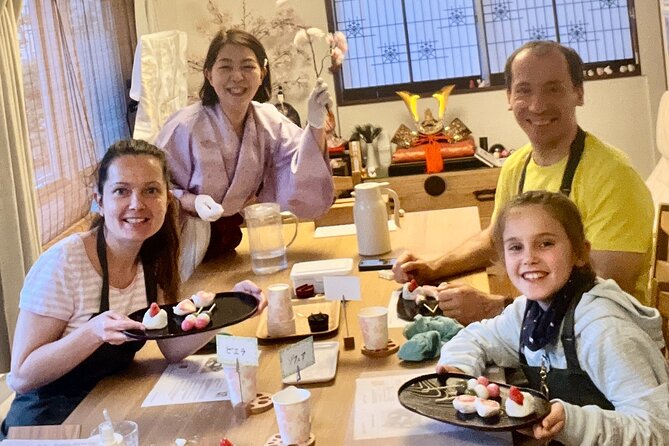
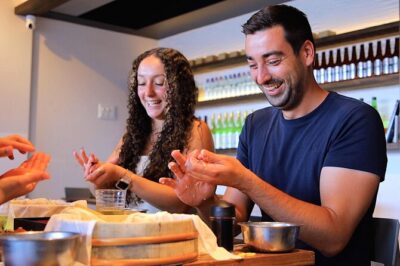
Sticky fingers, sweet stories, Tokyo style. In this private mochi and matcha class near Shibuya, you get hands-on help from instructor Sakura and you also get a matcha tea ceremony option in the tea room. I love the personalized guidance in a real home setting, and I love how you go beyond restaurant sweets by learning the ingredients and technique behind mochi and wagashi. One thing to consider first, there’s a toy poodle at the house, so the host does not recommend this if you have a dog allergy.
You’ll spend about 2 hours in Sangenjaya (Setagaya City), with a maximum of 8 people, so it feels relaxed instead of like a factory tour. It’s priced at $78.83 per person, which sounds steep until you compare it to the value of a small-group, instruction-heavy session where you make and taste what you learn.
Key things about this class that actually matter
- Real hands-on instruction in a home setting, not a demo where you only watch.
- Mochi plus nerikiri work, so you’re learning more than one style of traditional sweets.
- Matcha is included, and a simple tea ceremony is available if you want it.
- Small group size (up to 8), which helps you get attention when your dough gets sticky.
- Sangenjaya location near the Shibuya area, with public transport nearby.
- Dog present in the house, so allergies are the main deal-breaker.
Mochi and nerikiri in a real Tokyo home near Shibuya
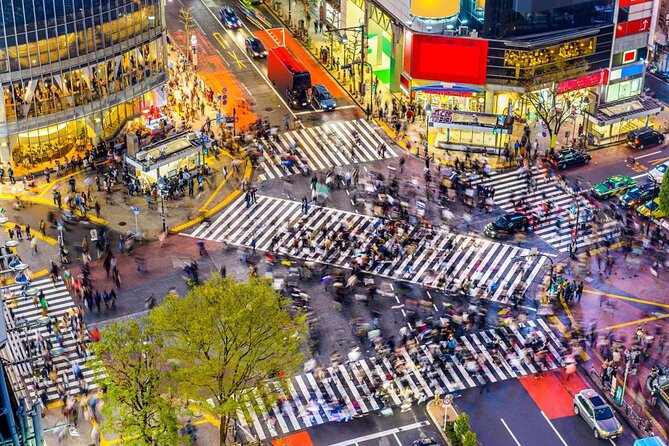
This experience takes place in a Japanese house in the Sangenjaya area of Setagaya City, which is close enough to Shibuya that you can pair it with an evening in central Tokyo. The meeting point is at 1-chōme-11-13 Sangenjaya, and the activity ends back there, so you avoid the annoying feeling of being dropped somewhere random.
The biggest reason this setting is worth your time is simple. When you learn wagashi at home, the pacing changes. You’re not just taking pictures of sweets and moving on. You’re working through steps, asking questions, and tasting as you go, which is exactly when the cultural context starts clicking.
Also, the class has a tea room. That matters because mochi and matcha are often treated like separate things when you do them as shopping stops. Here, the experience nudges you to see them as part of the same world: technique, ingredients, and the calm rhythm of serving.
More Tea Ceremonies in Tokyo
- Matcha Making Class in Tokyo with Authentic Japanese Sweets Set
★ 5.0 · 744 reviews - Tokyo: Traditional Tea Ceremony with a Tea Master
★ 5.0 · 528 reviews - Tokyo: Matcha Making Experience with Mochi Sweets in Asakusa
★ 4.9 · 388 reviews
What you make: mochi, nerikiri, and the point of doing it this way
You’ll learn how to make mochi and nerikiri, two classic Japanese sweets with very different personalities.
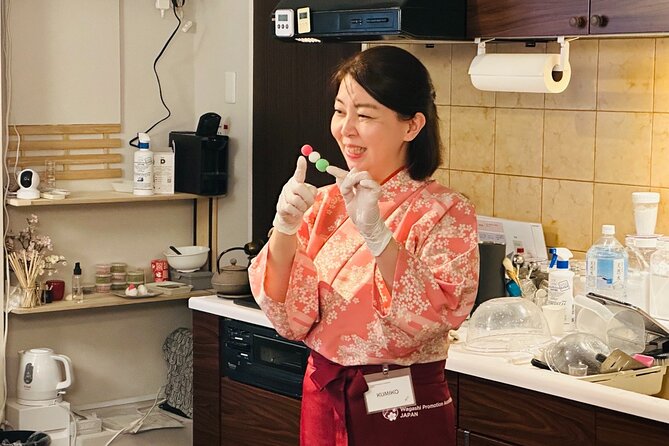
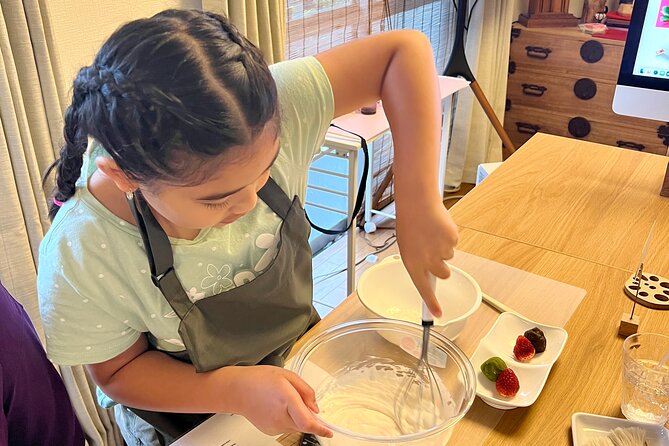
Mochi is the chewy heart of the lesson. You’ll follow step-by-step guidance and get a feel for the texture you’re aiming for. The instructor also explains why mochi matters in Japanese culture, which helps you stop thinking of it as just a dessert. Instead, it becomes something tied to seasons and traditions.
Nerikiri is where a lot of people get surprised. It’s not just another sweet. It’s shaped and worked in a different way, and the technique can feel more like edible craft. Since the class is hands-on, you don’t just learn the concept of nerikiri. You practice until the dough behaves the way it needs to for shaping.
This is also where the value shows. You learn about ingredients and the logic behind the steps. At a restaurant or a café, you can taste the final product. In class, you understand what creates that texture, sweetness level, and finish.
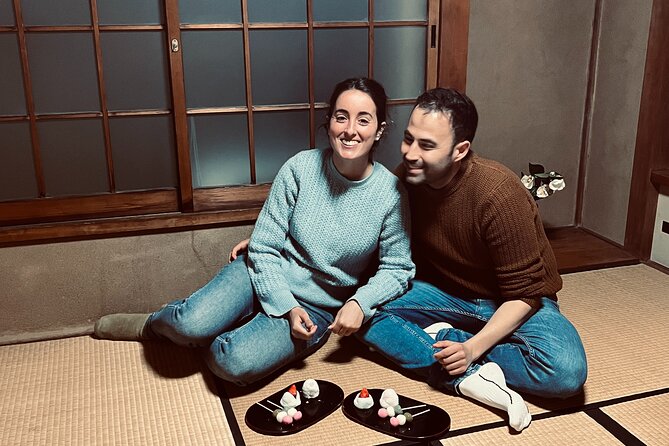
And yes, you get to sample what you make. That sounds basic, but in many “sweets experiences,” sampling is an afterthought. Here, tasting is part of how you learn.
Matcha tea ceremony option, and why it pairs with wagashi
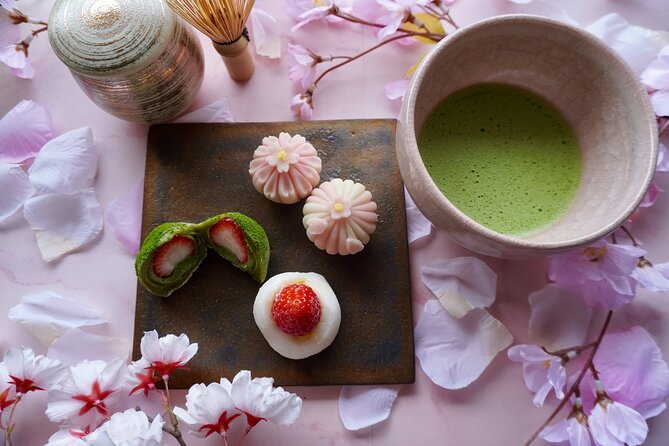
Matcha isn’t just a drink in this setup. Matcha is included, and you can participate in a simple tea ceremony experience using the tea room on site.
Why does that matter? Because tea changes how you experience sweetness. Mochi is chewy and satisfying on its own, but matcha brings bitterness, fragrance, and balance. It turns your tasting into something more thoughtful than just eating sugar.
It also slows you down at the right moment. When you’re working with dough, your brain is focused on steps and stickiness. Tea gives you a pause, and you get to experience the sweets the way they’re often meant to be enjoyed, not rushed.
The 2-hour flow: what the timing feels like
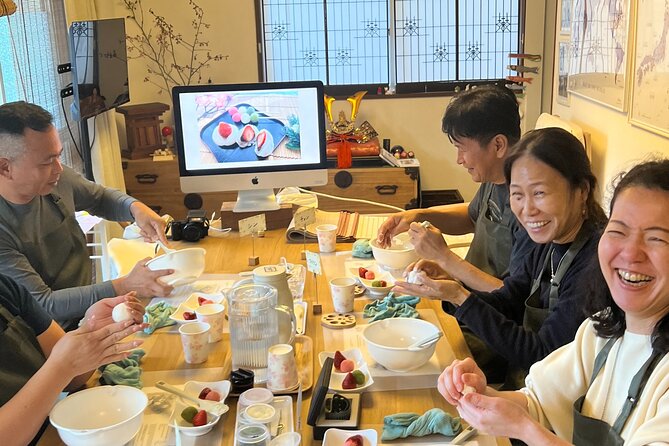
The whole class runs about 2 hours. That duration is important because it hits a sweet spot.
It’s long enough for real practice, meaning you have time to work through the steps of making mochi and nerikiri, not just a quick introduction. It’s also short enough that it doesn’t eat a full day of your Tokyo schedule.
In a practical sense, you’ll be moving between:
- learning and prepping your ingredients,
- following the instructor’s technique,
- shaping or forming your sweets,
- and then sitting down to enjoy matcha and the sweets you made.
Small-group instruction helps here. With a maximum of 8 people, you’re less likely to get stuck waiting for help when your dough turns into doughy chaos.
Same corner of Japan, a different kind of day:
- Mt Fuji and Hakone 1-Day Bus Tour Return by Bullet Train
★ 5.0 · 26,383 reviews - 1-Day Tokyo Bus Tour
★ 5.0 · 14,250 reviews - Tokyo: TOKYO SKYTREE® Admission ticket
★ 4.5 · 11,192 reviews - Tokyo: teamLab Planets TOKYO Digital Art Museum Entry Ticket
★ 4.6 · 9,779 reviews
Instructor Sakura, friendly guidance, and learning the culture with your hands
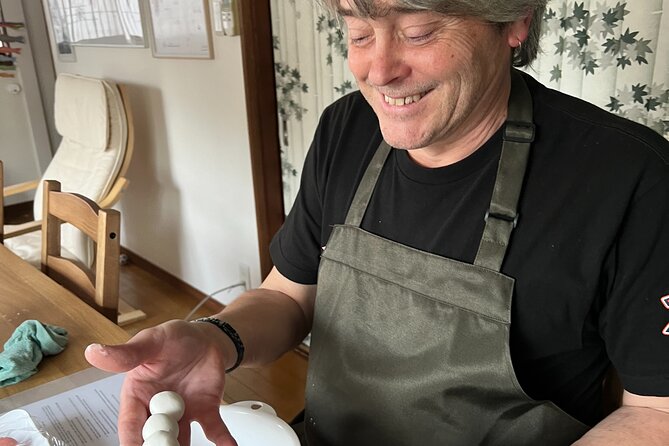
The instructor leading the class is Sakura. Based on the style of instruction described, she’s attentive and patient, especially with families and first-timers. The lesson is designed to be foreigner friendly, so you’re not left translating steps in your head while you try to keep mochi from turning into a sticky blob.
One of the most praised parts of the experience is the cultural explanation tied to what you’re doing. You’ll hear why mochi is important in Japanese culture, and the class also connects the sweets to the local area and Japanese history and culture in a way that feels personal rather than like a lecture.
That combo, hands-on technique plus context, is why the class beats a typical shop experience. You’re not just buying a sweet, you’re gaining a small skill and understanding what you’re tasting.
Getting to Sangenjaya: easy, local, and not too far from Shibuya
If you’re staying anywhere near Shibuya, this is a workable day plan. Sangenjaya is in the Setagaya area, and it’s described as easily accessible, with public transportation nearby and a short walk from the station.
Because the meeting point is specific and the activity ends back there, you can plan your other Tokyo stops without worrying about backtracking across town. Just build in a few minutes to find the exact address.
Tip: wear comfortable shoes. Even if it’s a short walk, you’ll likely be navigating residential streets and small blocks around Sangenjaya.
Price and value: is $78.83 per person worth it?
At $78.83 per person, this class isn’t the cheapest activity. But it’s also not “pay for a photo, leave with a snack.”
You’re paying for:
- private-style, personalized instruction,
- a hands-on lesson making mochi and nerikiri,
- and a matcha tea ceremony option with matcha included.
Group size is capped at 8, which matters for value. When there’s less crowding, the instructor can actually guide you while you work. That’s the difference between feeling like you participated and feeling like you merely attended.
Another value factor is that you learn techniques you can’t really replicate from a menu. After class, you understand why the sweets taste the way they do, and that makes future mochi and wagashi experiences more interesting.
Who this suits best (and who might want to skip it)
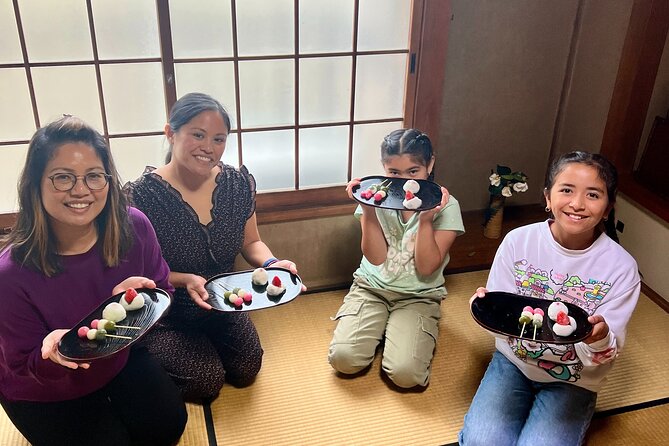
This class fits best if you want something more personal than a standard cooking demo.
You’ll likely enjoy it if you:
- love Japanese sweets and want to learn what makes them tick,
- want a family-friendly activity that still feels authentic,
- are traveling with someone who likes hands-on tasks, shaping, and tasting,
- or want a cultural experience that includes both sweets and matcha.
It may not be the best fit if you:
- have a dog allergy, because there’s a toy poodle in the home and the host explicitly does not recommend it for allergy sufferers,
- want a purely outdoors activity, because this takes place indoors in a house and depends on good weather.
Practical tips so your mochi experience goes smoothly
These are simple, but they help.
- Wear clothes you don’t mind getting a little sticky. Mochi dough is friendly, but it can cling.
- Be ready to taste. The class is designed around sampling, including matcha.
- Ask questions early. If you’re confused at step one, ask right away instead of trying to figure it out with sticky hands later.
- If tea ceremony is your priority, decide during the class flow so you’re ready for that seated moment.
Book it or keep looking? My decision rule
I’d book this class if you want a small, instruction-focused way to learn mochi and nerikiri in a real Tokyo home, with matcha included and the option for a simple tea ceremony. The combination of technique, cultural context, and hands-on making is exactly what many sweets experiences in Tokyo skip.
I’d pause or look for another option if you have dog allergies, since the house includes a toy poodle and the host recommends against allergic guests. If that’s not an issue, this is the kind of Tokyo activity that gives you a skill and a story, not just a souvenir sweet.
FAQ
How long is the Private Mochi・Matcha sweets Making Class?
The class is about 2 hours.
Where does the class meet?
The meeting point is 1-chōme-11-13 Sangenjaya, Setagaya City, Tokyo 154-0024, Japan, and the class ends back at the meeting point.
What sweets and drinks are included?
You’ll learn how to make mochi and nerikiri, and matcha is included. A simple tea ceremony experience is available if you want to participate.
Is this class private?
It is described as a private cooking class with personalized instruction, and it has a maximum group size of 8 travelers.
Is it easy to get to from public transportation?
Yes, it is near public transportation.
Is the class suitable for people with dog allergies?
No, the host has a toy poodle in the house and does not recommend the class for people who have allergies to dogs.
Fresh options around Tokyo
- Tokyo: Nagano Snow Monkeys and Zenkoji Tour with Temples★ 4.9 · 19 reviews
- Yokohama Port: Private Customizable Tour with Transfer★ 5.0 · 19 reviews
- Explore Unique Tokyo Streets / Learn with a Pro Photographer★ 5.0 · 19 reviews
- Sushi Making with Interactive Samurai Experience at JIN-ASAKUSA★ 5.0 · 19 reviews
- DAIKOKU excursion by car DRIFT automobile encounter★ 4.5 · 19 reviews
- Official Street Go Kart Tour Akihabara 2nd★ 5.0 · 19 reviews
- Cosplay Experience with Professional Makeup and Photo Shoot!★ 5.0 · 19 reviews
- Tokyo: Name Seal & Pouch or Tote Bag Making Experience★ 4.5 · 19 reviews
Workshops, compared.
Sushi Making Tokyo Roll and Authentic Japanese Sushi Class
Read our review →
Roll and Authentic Sushi Making Class in Asakusa
Read our review →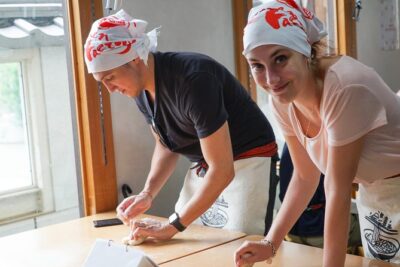
Ramen Cooking Class at Ramen Factory in Kyoto
Read our review →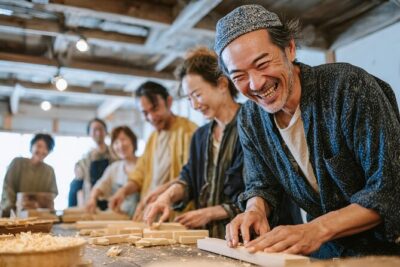
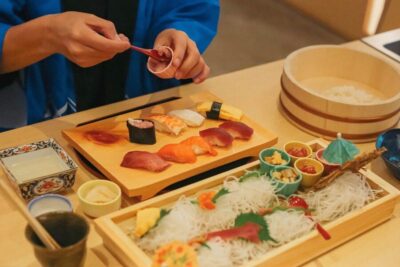
Sushi Making Class in a Happi Coat near a Famous Spot
Read our review →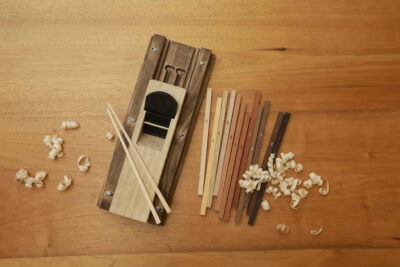
Sushi Making Osaka Roll and Authentic Japanese Sushi Class
Read our review →Browse the lists this tour appears in