Reviewed · WALKING TOURS
Tokyo Walking Tour : Sumo, Sushi, Tea, Temples and Tokyo Tower
Sumo, sushi, temples, and Tokyo Tower in one walk. I love the chance to watch sumo training up close, and I also love the calm reset of Hamarikyu Gardens tea house time. It is a smart mix of morning energy and slower, reflective stops that makes the day feel complete.
One consideration: the tour involves several hours of outdoor walking, and seeing sumo depends on the Arashio Beya schedule, which can change and can also be closed during certain weeks.
Key highlights if you want this exact vibe
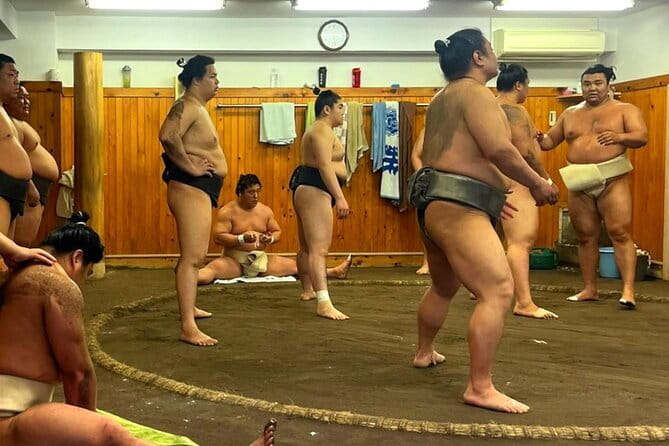
- Arashio Beya real practice with a reminder that the wrestlers cannot be disturbed
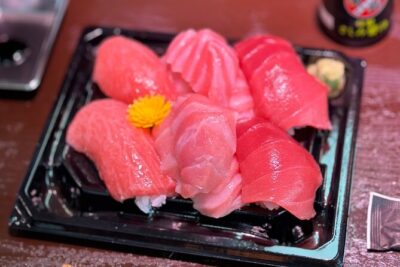
- Tsukiji Outer Market guided wandering plus free time to explore, take photos, and shop
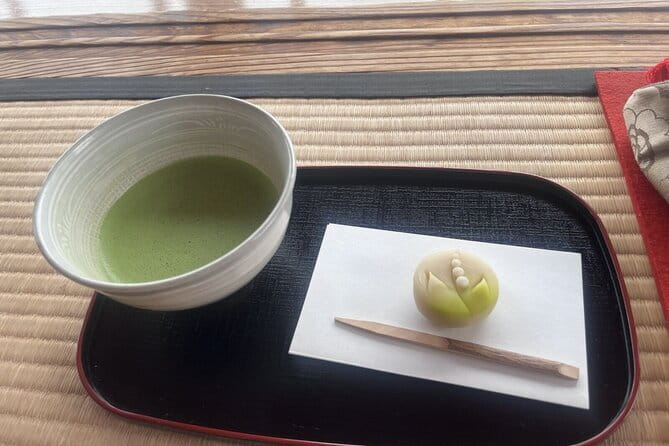
- Hamarikyu Gardens tea house included, with a traditional tea and sweet
- Zojoji Temple sutra copying included for a hands-on, quiet moment
- Tokyo Tower observation deck ticket included, so you get the view part too
- Small group size (up to 15 people) with a local English-speaking guide and a mobile ticket
How the day flows: public transport and a lot of outdoor walking
This is a full half-day plus, about 8 hours 15 minutes, and it is designed as an on-foot tour. The pace matters here. You will be outside for several hours, and Tokyo’s sidewalks and crossings can add up fast, especially in warmer or wetter weather.
The tour also uses public transport, not a private vehicle. That is a plus for value and local feel, and it is also a heads-up for timing. You are not just walking between sights, you are also riding trains between areas as part of the day plan.
I like the way the route is structured: it starts with an early cultural anchor, then moves into food time, then garden calm, temple focus, and finishes with the iconic city view from Tokyo Tower. If you enjoy days where you can switch moods without planning extra, this itinerary has that built in.
For the human touch, the guide matters. I have seen this tour work best with a guide like Jade, who mixes personal stories with Japanese history while keeping the group moving. It helps the sites feel connected, not like a checklist.
More Sushi Making Classes in Tokyo
- Sushi Making Tokyo Roll and Authentic Japanese Sushi Class
★ 5.0 · 3,971 reviews - Tokyo: Roll and Authentic Sushi Making Class in Asakusa
★ 4.9 · 1,957 reviews - Make Sushi and Create Unforgettable Memories in Tokyo
★ 5.0 · 1,413 reviews
Arashio Beya Sumo Training: real practice, real rules
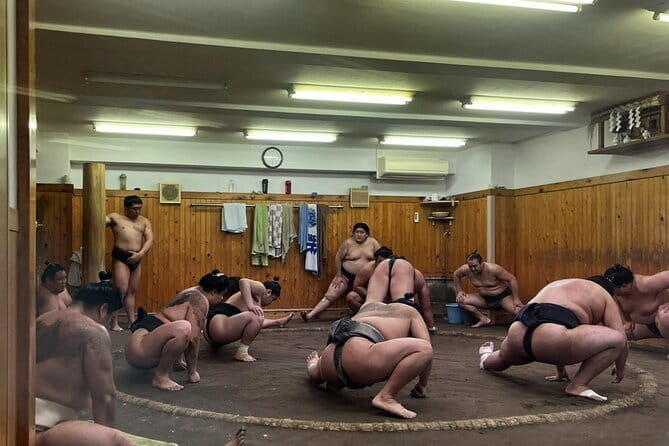
Your first stop is Arashio Beya, a traditional sumo training room. This is the kind of experience that feels special because it is not a performance for tourists. It is real training, and the wrestlers cannot be disturbed.
That means you should treat this stop like a library. Keep your voice down, follow your guide’s instructions closely, and be ready to observe rather than interact. The thrill here is in watching the discipline and routine.
There is also an important practical note you should take seriously: the sumo schedule can change, and sometimes there is no training, so you might not see sumo. The tour also notes that training is closed during certain weeks in January, May, and September because of the Grand Sumo Tournaments.
How to handle that as a smart traveler: if sumo is your number one must-see, check your tour date against those tournament months. If your trip falls in those windows, you should be prepared for the possibility that the first stop may look different than expected.
Even when training is not available, the value of this stop is still in the direct window into how sumo training life is structured, and the guide can often help you interpret what you are seeing.
Tsukiji Outer Market for sushi and street bites: a food-focused reset
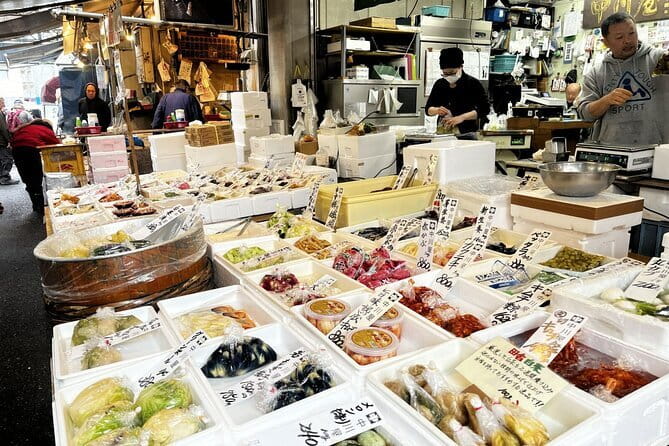
After sumo, the tour shifts into Tsukiji Outer Market, where you get a guided look and time to explore on your own. This area is where Tokyo feels most like street-level city energy: small food counters, lots of signage, and a steady flow of people.
The tour includes guided time and also builds in free time for you to move at your own pace. That free time matters because Tsukiji is not a place where one viewpoint covers everything. You can take pictures, browse, and shop while you decide what you want to eat.
One key detail: food and drink are not included on the tour. The itinerary still sets you up for tasting and sampling opportunities, but you should budget for the things you choose to buy. In practice, this is where you can shape the day to your tastes, from quick bites to a more satisfying meal.
Also, because this stop happens after early morning activity, it is a good point to think about timing. If you plan to snack your way through Tsukiji, go easy at first so you still have room later if you want it.
And if you care about sushi specifically, Tsukiji is one of the natural places to think about it. You will be in the right atmosphere for it, and your guide can help you navigate the flow so you do not just wander randomly.
Hamarikyu Gardens tea house: your included calm break

Next comes Hama Rikyu Gardens, a big change of pace from market noise. You get a guided introduction to the garden and its history, then you get free time before regrouping for a traditional tea and sweet at a tea house.
I like this stop because it gives your brain a reset. Markets and temples both use your senses in different ways, but gardens slow your pace in a helpful way. You are not forced to rush through greenery and paths. The structure is part guided, part self-paced.
The tea house experience is included, which is a strong value point. You are not just paying entry fees, you are getting an actual program element, a traditional tea with a sweet in a setting that matches the garden theme.
Practical tip: take advantage of the guided part. Even if you are not a garden expert, listening to the history and layout helps you understand what you are seeing instead of treating it like background scenery.
If you want a day that feels emotionally balanced, this is the anchor stop. It also helps the rest of the day work better, because you arrive at the temple segment less rushed.
More Temple & Shrine Tours in Tokyo
- Tokyo: Meiji Shrine, Asakusa, Skytree Bus Tour and Cruise
★ 4.7 · 1,986 reviews - Tokyo: Asakusa Walking Tour with Sensoji Temple Visit
★ 4.8 · 1,583 reviews - Nikko: Kegon Falls, Lake Chuzenji & Toshogu Temple
★ 4.6 · 1,577 reviews - Tokyo: Nikko Toshogu Shrine and Kegon Waterfall Tour
★ 4.5 · 1,266 reviews
Zojoji Temple and sutra copying: a hands-on quiet moment
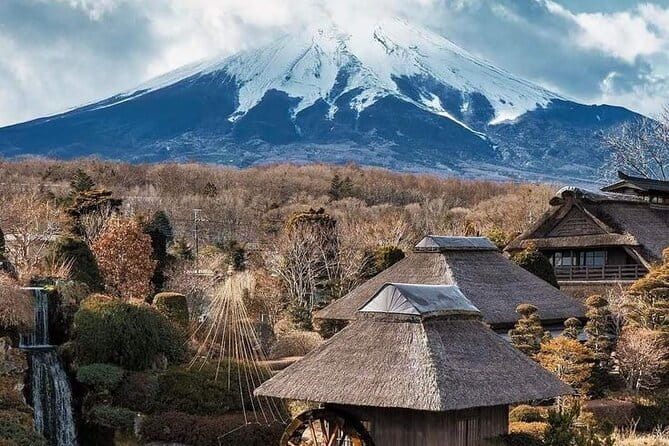
From gardens you shift into spiritual space at Zojoji Temple. Here you get a guided tour of the temple and its history, and the experience includes a sutra copying activity.
This is one of those included activities that adds depth because it is doing something, not just watching. Sutra copying is described as part of the experience package, and it gives you a calm job for your hands. Even if you are not a deeply spiritual person, it is still a good way to slow down and pay attention.
The stop is also built as more than a single photo moment. You are guided through context, then you move through the temple complex and park area at a respectful pace.
If you tend to rush at temples, this is a moment where you can intentionally avoid that habit. Copying characters or script forces you to slow down. And because it is included, you do not have to figure out where to go or pay separately for the activity.
One more note from how the tour is framed: you will likely feel a mental shift here. The earlier day is about intensity, food, and motion. Zojoji gives you a pause, then Tokyo Tower brings you right back to the city’s scale.
Tokyo Tower observation deck: retro structure, big-city payoff
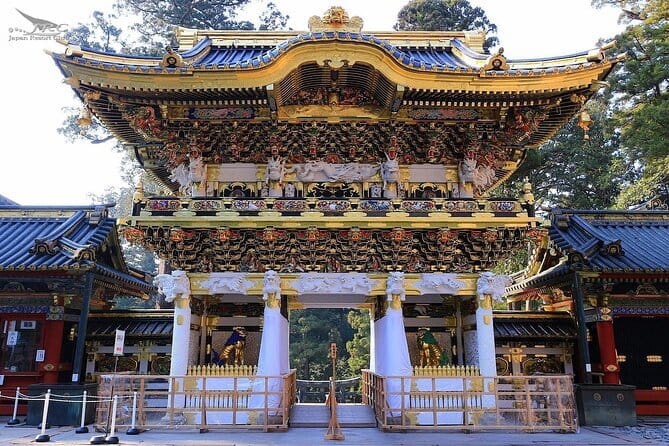
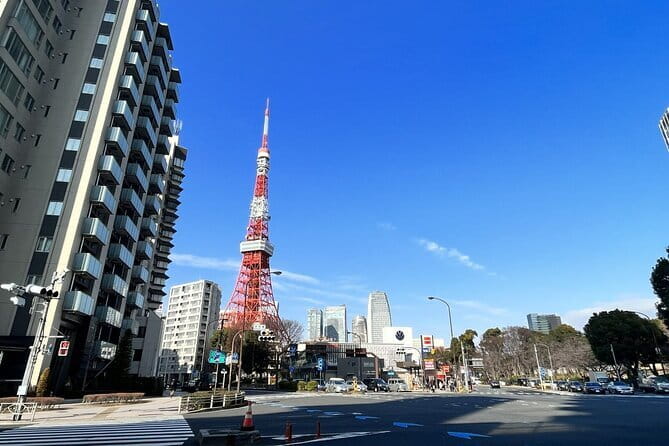
The final stop is Tokyo Tower, one of the most recognizable silhouettes in the city. You get time to take in the sights and enjoy the retro feel of the tower’s architecture.
Most importantly, the tour includes a Tokyo Tower ticket, so the observation deck is part of what you are paying for, not an optional add-on you might forget.
This is a great finish because it ties everything together. Up until this point you have been moving through neighborhoods and culture sites, and now you get a view where Tokyo’s layout makes sense. You can mentally map what you walked through and where each stop sits in the bigger picture.
If you like photos, bring your eye for angles. Tokyo Tower can look dramatic from different levels, and the view helps you spot landmarks. Just stay aware of your time, because you started early and you still have to finish at the end station.
Price and value: what $166.85 really covers
At $166.85 per person, this tour is priced like a day that includes a lot of paid components. And for once, the inclusions are not just ticket names on a list.
You are covering admissions and activities such as Hamarikyu Gardens entry, the tea house experience (traditional tea and sweet), sutra copying at Zojoji, and a Tokyo Tower ticket. You are also paying for a local English-speaking guide, and you get a train fee from Ningyocho Station to Tsukiji Station included.
Where the budget needs your input is clear: food and drink are not included. That means your total spending depends on how much you want to eat during Tsukiji and whether you buy snacks to keep energy up during the walking stretches.
For me, this is where the value logic checks out. The big ticket items are already built in, so you are less likely to blow your budget on add-ons at the last minute. The remaining choice is basically your appetite.
A final practical point: the tour ends at Akabanebashi Station, so plan your onward trip from there. Your guide can assist with transport questions, which helps if you are heading straight to a hotel or next stop.
Who should book this walking tour (and who should think twice)

This tour fits best if you want a single day that covers multiple sides of Tokyo without extra planning. You like a mix of sumo training, a guided food neighborhood like Tsukiji, a calm cultural break at Hamarikyu Gardens, and a hands-on temple activity like sutra copying, then you want a clear city view at the end.
It may not fit as well if sumo is your only priority and your travel dates fall in the months when training can be closed. The tour notes training can be canceled due to the Grand Sumo Tournaments in January, May, and September, and it also says schedules can change.
It is also not ideal if you dislike long walking days. The tour explicitly involves several hours of walking outdoors, and it is an efficient route, not a sit-and-watch itinerary.
If you are traveling with someone who loves both food and temples, this is a rare combo day that keeps both interests engaged.
Should you book this sumo, sushi, temples, and Tokyo Tower walking tour?
I would book it if you want an organized day with real sumo training access when available, built-in admissions for major sights, and a guided structure that connects market energy to garden calm to temple stillness, ending with Tokyo Tower views.
I would hesitate if you are visiting in January, May, or September and sumo is non-negotiable. In those cases, build a plan B in your mind, because the tour explicitly warns training may be closed or not happening as expected.
If you do book, treat the day like a walk first and a sightseeing day second. Wear shoes you can trust for many hours outside, and plan a food budget for Tsukiji since food and drink are not included. That approach makes the tour feel less like a schedule you survive, and more like a Tokyo day you enjoy.
FAQ
How long is the Tokyo Walking Tour: Sumo, Sushi, Tea, Temples and Tokyo Tower?
It runs for about 8 hours 15 minutes.
Where do I meet and where does the tour end?
The tour starts at Hamacho Station and ends at Akabanebashi Station.
Does the tour include tickets and entry fees?
Yes. Tickets and fees included include Hamarikyu Gardens, the Hamarikyu Gardens tea house experience, sutra copying at Zojoji, and Tokyo Tower.
Is food and drink included?
No. Food and drink are not included, so you will need to plan your own purchases during the food portion of the day.
Will I definitely see sumo practice at Arashio Beya?
Not guaranteed. The schedule can change, and sometimes there is no training. It also notes training is closed during certain weeks in January, May, and September due to the Grand Sumo Tournaments.
Is this tour done by car or public transport?
It uses public transport and does not use a private vehicle. It also involves several hours of walking outdoors.
More Sumo Experiences in Tokyo
- Tokyo: Sumo Show Experience with Chicken Hot Pot and a Photo
★ 4.8 · 6,678 reviews - Tokyo: Sumo Show and Dining Experience
★ 4.8 · 2,742 reviews - the SUMO show
★ 5.0 · 1,960 reviews - Tokyo Shinjuku Sumo Show & Experience with Photo
★ 5.0 · 1,750 reviews
More Walking Tours in Tokyo
- Tokyo Tsukiji Fish Market Food and Culture Walking Tour
★ 5.0 · 3,184 reviews - Tokyo: Imperial Palace and Shogun Historical Walking Tour
★ 5.0 · 2,251 reviews - Tokyo: Shinjuku Local Bar and Izakaya Guided Walking Tour
★ 4.9 · 1,794 reviews - Tokyo: Tsukiji Fish Market Food and Walking tour
★ 5.0 · 1,724 reviews
Fresh options around Tokyo
- Tokyo: Asakusa & Tokyo’s Oldest Temple Senso-ji Walking Tour★ 4.6 · 21 reviews
- Experience Award-Winning Spa Treatments in Downtown Tokyo★ 5.0 · 21 reviews
- Tokyo: Samurai Sword Academy in the Hometown of Last Samurai★ 5.0 · 21 reviews
- Bar Hopping Tour with a local Guide in Shinjuku★ 5.0 · 21 reviews
- Ramen and Gyoza Cooking Class in Tokyo★ 5.0 · 21 reviews
- Sailor Moon Tour in Azabujuban, Tokyo★ 5.0 · 21 reviews
- 2 Hours Mochi &Nerikiri Making & Matcha Class in Bunkyo★ 5.0 · 21 reviews
- Asakusa: TOKYO SKYTREE Exploration after History Tour★ 5.0 · 21 reviews
Walking Tours, compared.
Kyoto Geisha Walking Tour: Gion District & Hidden Gems
Read our review →
Tokyo Tsukiji Fish Market Food and Culture Walking Tour
Read our review →
Gion Magical Night Walking Tour with Geisha Trivia
Read our review →
Imperial Palace and Shogun Historical Walking Tour
Read our review →
Gion Geisha District Walking Tour – Stories of Geisha
Read our review →
Shinjuku Local Bar and Izakaya Guided Walking Tour
Read our review →