
Reviewed · WORKSHOPS
Sumi-e Ink Painting Suiboku-Ga Workshop in a Japanese Teahouse
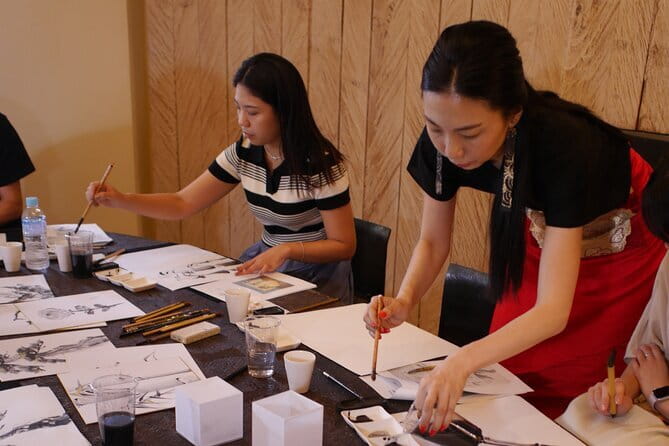
Sumi-e ink painting is surprisingly peaceful. In a Tokyo teahouse, you learn suiboku-ga (ink-wash painting) with Japanese green tea and leave with a finished piece that feels personal, not mass-made. You get small-group attention from award-winning artist Rensui in an hour-long class.
What I like most is the way the teacher keeps things practical. You’re shown simple methods, including how to end with a single decisive brushstroke, and it clicks fast. I also really like the souvenir factor: you take home a packet of green tea, not just a piece of paper.
One thing to keep in mind, ink can be harder than you expect. You can’t always control every drop, and the results depend on water balance and pressure. If you’re expecting perfect lines, you might feel frustrated at first, but that’s part of the point.
Key things to know before you pick up the brush
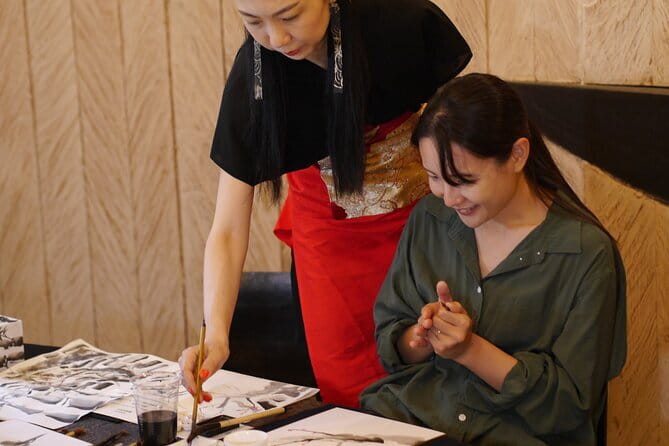
- Max 8 people means you actually get guidance, not just instructions from across the room
- Led by Rensui, an award-winning calligrapher and artist who teaches the basics step-by-step
- Suiboku-ga style uses fewer layers, so you learn to create contrast and texture with ink washes
- Choose your theme in advance from pine, bamboo, plum, orchid, chrysanthemum, or kanji
- Light green tea and a green tea packet come included, so the workshop feels like a real teahouse break
Tokyo Teahouse Meets Suiboku-ga: what you’re really doing
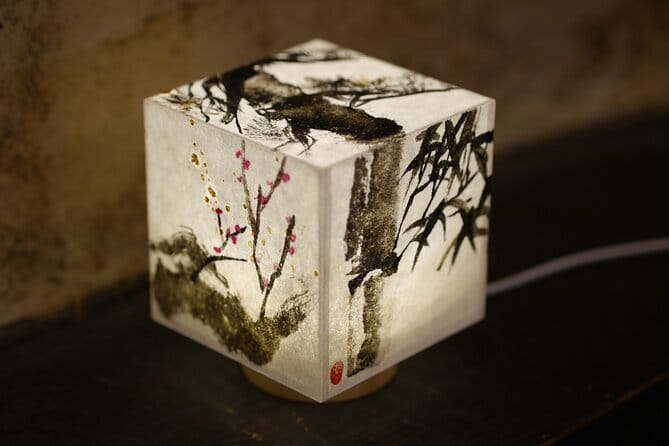
This class is built around suiboku-ga, a type of sumi-e ink painting that leans on washes of ink for texture and contrast. The big difference from many painting styles is that you don’t build your image through tons of layers of color. You work more like a calligrapher, where timing and water matter as much as the subject.
That makes the experience feel grounded and honest. Instead of coloring in details, you focus on flow, rhythm, and restraint. And because it’s in a Japanese teahouse setting, the mood stays calm and centered. You sip green tea while you learn, and the session feels less like a craft table and more like a short practice in Japanese aesthetics.
A few more Tokyo days worth comparing
- Mt Fuji and Hakone 1-Day Bus Tour Return by Bullet Train
★ 5.0 · 26,383 reviews - 1-Day Tokyo Bus Tour
★ 5.0 · 14,250 reviews - Tokyo: TOKYO SKYTREE® Admission ticket
★ 4.5 · 11,192 reviews
Meet artist Rensui and pick your painting theme
At booking, you choose which object you’d like to paint on, and the theme comes from a short list: pine, bamboo, plum, orchid, chrysanthemum, or kanji characters. That matters because ink painting looks different depending on the subject. Pine and bamboo, for example, reward clean brush movement and strong contrast. Plum and orchids tend to highlight delicate ink variation and careful spacing.
The teacher guiding you, Rensui, is an award-winning calligrapher and artist. In this workshop, he teaches the basics with an eye for what makes ink work on paper, not just what looks good afterward. The class emphasis is simple techniques, guided practice, and finishing in a way that makes your piece feel complete.
I love that the class is designed for real humans, not only people who already draw well. One parent in the group described how the sensei pulled out the best in even kids and in participants who thought they were not good at drawing. That kind of encouragement is not a gimmick. In ink art, good coaching helps you work with the medium instead of fighting it.
Inside the 1-hour workshop: the flow you can expect
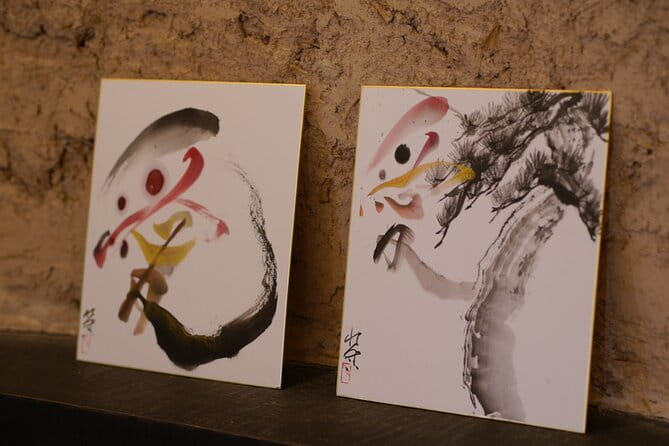
This is an approx. 1 hour class in a teahouse. The whole experience starts and ends back at the same meeting point near Tsukiji.
Here’s the typical rhythm you should expect once you arrive:
First, you get settled in the teahouse environment and enjoy Japanese green tea as part of the workshop atmosphere. This is not just a courtesy drink. It sets the pacing. Ink work rewards slow, careful motions, and that calm start helps you not rush your strokes.
Next comes the teaching and demonstration. You’ll learn basic suiboku-ga techniques and how to work with ink and water for texture and contrast. The teacher also shows you practical methods, including how to finish with a single brushstroke. That teaching point is key, because one well-placed stroke often becomes the whole personality of the piece.
Then it’s your turn. You copy the approach, practice your brush control, and adjust based on how the ink spreads. Ink changes as it dries, so the workshop pushes you to work decisively without overthinking.
Finally, you take your finished work home as a souvenir. You also get a light green tea refreshment included and a packet of green tea to take away. So even if the art part feels challenging at first, you still leave with a satisfying package: something you made, plus a real taste of the experience.
What the teahouse setting adds (and the one downside)
The setting matters because ink painting is as much about attention as skill. In a loud, rushed classroom, it’s easy to tense up and press too hard, which can ruin ink flow. Here, the teahouse vibe helps you stay relaxed and focus on water control.
The main drawback is also tied to the same thing: you only have one hour. It’s an intro, so you’re not there for a long, slow masterclass where every detail is polished. If you want lots of extra time for redo after redo, you may finish with a feeling of unfinished potential. The good news is that the structure is intentional, and it teaches you how to work within constraints.
Same corner of Japan, a different kind of day:
- Tokyo: teamLab Planets TOKYO Digital Art Museum Entry Ticket
★ 4.6 · 9,779 reviews - Mt Fuji & Hakone Cruise, Drum Show Bullet Train 1 Day from Tokyo
★ 4.0 · 7,413 reviews - Tokyo: Sumo Show Experience with Chicken Hot Pot and a Photo
★ 4.8 · 6,678 reviews - Tokyo: Shinjuku Food Tour (13 Dishes at 4 Local Eateries)
★ 5.0 · 6,603 reviews
Suiboku-ga basics: water balance and that one decisive stroke
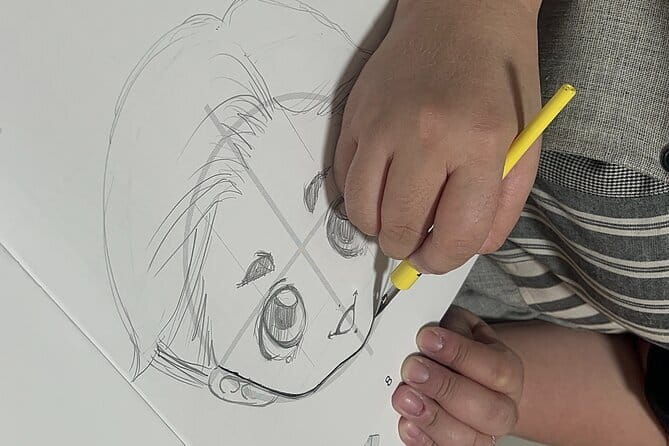
Suiboku-ga is often described as a technique from the heart, because the simplicity lets your choices show directly in the painting. In practical terms, it means you’re not hiding behind multiple layers. Your contrast and texture come from ink wash behavior.
So what should you focus on?
Water and ink balance: You’re learning how to use water and ink to create texture and contrast. This is the foundation of suiboku-ga. The teacher’s job is to help you understand how ink behaves when it’s more diluted versus when it’s heavier.
Brush movement: You’ll be guided into a simple method for painting, including the idea of completing with one brushstroke. That final stroke matters because it anchors the composition. It can be the line that tells your piece where to rest.
Embrace imperfect spread: If your ink spreads more than you expected, don’t immediately panic. Ink paintings don’t aim for uniformity. Unevenness can become part of the look.
A review highlight from the experience was how participants didn’t realize how difficult ink painting would be, yet still loved it. That tracks. Ink punishes overconfidence. But once you accept that the medium is doing some of the work, you start enjoying the process.
Green tea included: not an afterthought, part of the culture
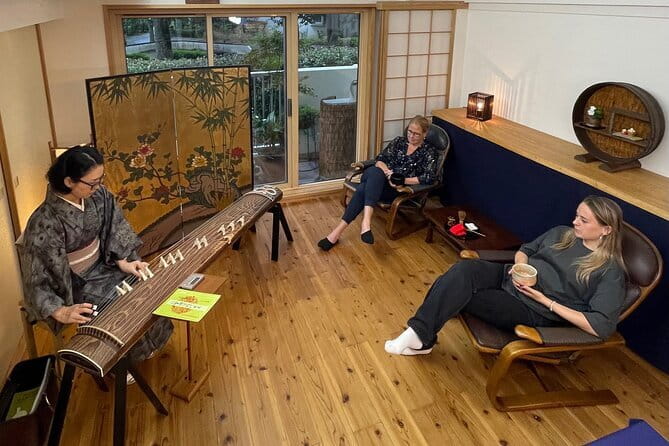
This workshop is genuinely built around tea time. You’ll enjoy green tea during the session, and there’s light green tea refreshment included. On top of that, you leave with a packet of green tea as a souvenir.
Why this matters for value: a lot of activities claim cultural flavor but deliver it as a token snack. Here, tea is part of the pacing and the atmosphere. It also gives you an easy way to remember the experience when you’re back home. You can actually brew the tea and connect it to the moment you practiced your brushwork.
If you enjoy Japanese tea culture, this is one of those classes where the tea support feels consistent with the art style. Suiboku-ga encourages calm and simplicity, and the teahouse does the same for your body.
Price and value for $93.34: what you’re paying for
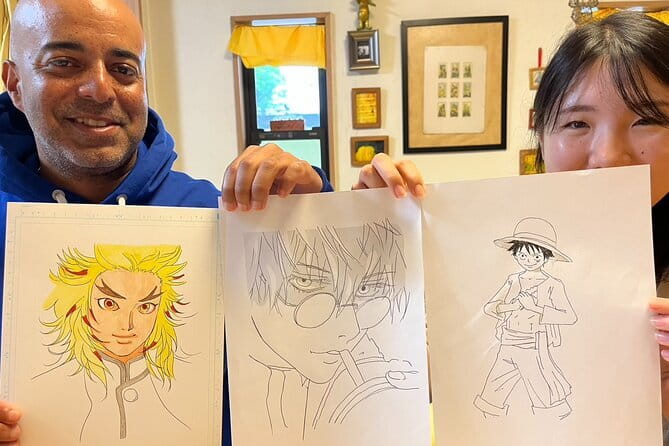
At $93.34 per person, you’re paying for a focused, small-group experience, not an open studio. The math that makes it feel fair is pretty clear:
You get materials included, you’re taught by award-winning artist Rensui, and the group is limited to 8 travelers (so you can get real feedback). You also get a green tea packet plus light tea refreshment.
Duration is about 1 hour, which means you’re not stuck in a half-day commitment. It also means you’ll go in ready to learn the basics and finish with something you can take home.
The value is best if you care about quality instruction. If you’re the type who likes structured teaching, ink painting is the kind of craft where small-group coaching can make the difference between frustration and a satisfying outcome.
Who this workshop suits best in Tokyo
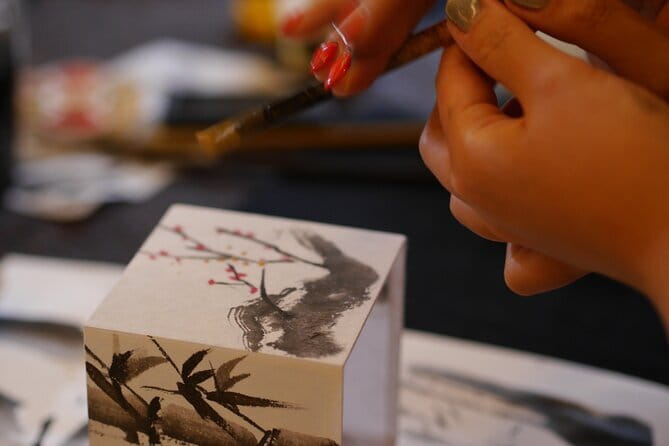
This works especially well if you fall into one of these groups:
- Art lovers who want a different kind of making, not just a sightseeing photo stop
- People who like small-group classes and don’t want to be rushed through directions
- Families with kids, since the workshop is described as a favorite even for young participants. In one family story, the teacher asked the kids about bamboo or pine, and the younger child suggested something more playful. The key takeaway is that the sensei can help participants work through their idea in the ink style rather than shutting them down.
It’s also a good fit if you want a calmer activity after busy Tokyo days. It’s near public transportation, and because it’s only about an hour, you can slot it into a day without turning your schedule into a jigsaw puzzle.
The main reason it might not be for you is simple: if you want tons of time for detailed work or you need step-by-step perfection, ink art can frustrate. But if you’re open to the medium and you like learning by doing, it’s a strong choice.
Practical tips to get better results fast
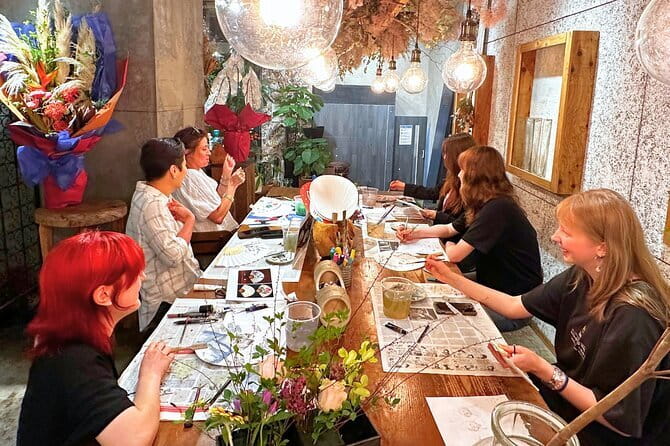
You’ll have a much better time if you treat this like practice, not like a test.
Go in expecting the ink to surprise you. Suiboku-ga depends on water behavior. Even if your first attempts look different than the demo, keep going.
Choose your theme thoughtfully at booking. Bamboo and pine are great if you like confident lines. Orchid and plum can be more forgiving for experimenting with softer washes and negative space. Kanji is a whole different kind of control, and it’s a great option if you enjoy lettering style.
Listen for the one-stroke concept. When the teacher talks about finishing with a single brushstroke, pay attention. That’s often where your piece becomes complete and intentional.
Be ready to move your brush. The workshop style is hands-on. You’re not just watching. You’ll practice the technique, and your final work becomes your take-home souvenir.
Wear comfortable clothes. You’re working with inks and water. Comfort helps you stay relaxed, and relaxed hands tend to control better.
Where it happens in Tokyo (and how to plan your timing)
The meeting point is Uogashi Meicha Chanomi Club, 2-chōme-11-12 Tsukiji, Chuo City, Tokyo 104-0045, Japan. The activity ends back at the meeting point, so you’re not worrying about a complicated route.
It’s near public transportation, which is a big help in Tokyo. Plan to arrive a few minutes early so you can settle and start the tea on time. Since the class is limited to eight people and confirmation is subject to availability, it’s one of those activities that benefits from earlier booking. The experience is on average booked 25 days in advance, so popular weeks can fill.
Should you book the Sumi-e ink workshop with Rensui?
I’d book it if you want a Tokyo experience that feels personal and teachable. The small-group size, the fact that materials and tea are included, and the guided instruction by award-winning artist Rensui make it a strong value for the price. You’ll leave with a finished ink painting and a tea souvenir, and both are tied to the act of learning, not just the act of walking through a place.
I’d think twice only if you need a very controlled, low-mess, guaranteed pretty result. Ink painting can be challenging at first, and you only have about an hour. But if you like learning a craft through real practice, this is exactly the kind of class that turns into a favorite Tokyo memory.
FAQ
How long is the sumi-e ink painting workshop?
The workshop runs for about 1 hour.
How much does it cost?
It costs $93.34 per person.
What is the group size?
The class is limited to a maximum of 8 people.
Where does the workshop take place?
The meeting point is Uogashi Meicha Chanomi Club, 2-chōme-11-12 Tsukiji, Chuo City, Tokyo 104-0045, Japan.
What time of day is it?
The duration is listed as about 1 hour, but specific start times are not provided in the details given.
What do I receive during and after the class?
You get green tea during the experience, light green tea refreshment, and you leave with a packet of green tea.
Is the price all-inclusive?
The workshop fee includes materials, the green tea souvenir, and light green tea refreshment.
Can I choose what I paint?
Yes. At booking, you choose which object you’d like to paint on, and the theme is chosen from pine, bamboo, plum, orchid, chrysanthemum, or kanji characters.
Is hotel pickup included?
No. Hotel pickup and drop-off are not included.
How does cancellation work?
You can cancel for free up to 24 hours in advance for a full refund. Confirmation is subject to availability, and you receive confirmation within 48 hours of booking.
Fresh options around Tokyo
- Tokyo Bay Yakatabune Cruise with Traditional JapaneseShow Drinks★ 4.5 · 20 reviews
- Kintsugi Experience with Arita Ware in Tokyo (English Guide)★ 4.8 · 20 reviews
- Ebisu Local Food Tour: Shibuya’s Most Popular Neighborhood★ 5.0 · 20 reviews
- Mt Fuji Day Trip from Tokyo by Car with Photographer Guide★ 5.0 · 20 reviews
- Hide’s Table A Unique Dinner Gathering Every Wednesday Night★ 5.0 · 20 reviews
- Explore Kichijoji: Walk Through One of Tokyo’s Beloved Districts★ 5.0 · 21 reviews
- Tokyo: Matcha Tasting and Making Experience★ 4.9 · 21 reviews
- Tokyo: Full Course Tour: Explore 15 Must-Sees & Hidden Gems★ 5.0 · 21 reviews
Workshops, compared.
Sushi Making Tokyo Roll and Authentic Japanese Sushi Class
Read our review →
Roll and Authentic Sushi Making Class in Asakusa
Read our review →
Ramen Cooking Class at Ramen Factory in Kyoto
Read our review →
Sushi Making Class in a Happi Coat near a Famous Spot
Read our review →
Sushi Making Osaka Roll and Authentic Japanese Sushi Class
Read our review →Browse the lists this tour appears in