Reviewed · GUIDED
Kintsugi Experience with Arita Ware in Tokyo (English Guide)
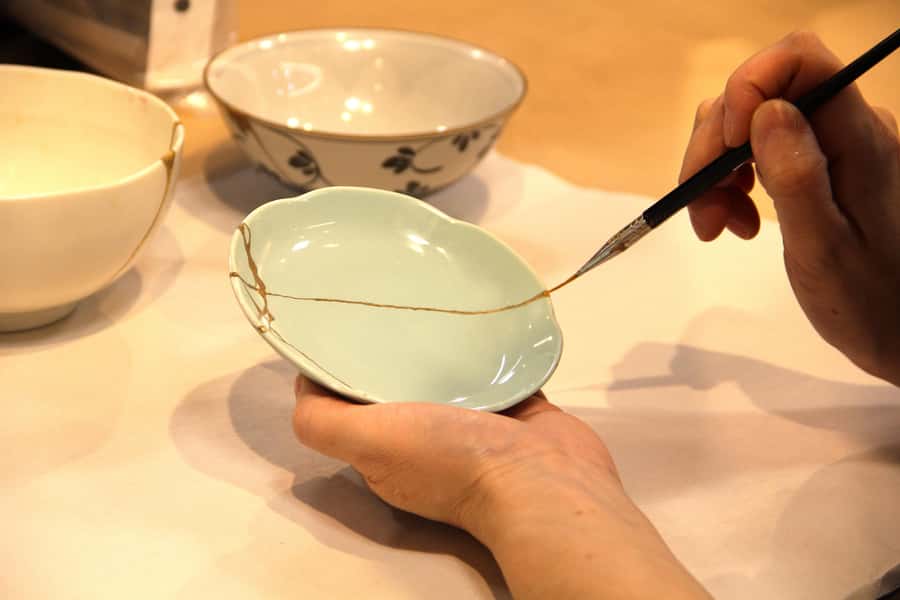
Broken pottery becomes something precious. This 90-minute Kintsugi workshop in Nihonbashi lets you repair pottery with gold, using Arita ware tied to a 400-year porcelain tradition. You get an English-speaking instructor and small-group attention, so you’re not just watching, you’re making a real souvenir you can actually take home.
I especially like the setting, because Nihonbashi Mutoh is a shop with about a 100-year background in lacquerware and glassware. The experience also feels calm and focused, with clear guidance and enough time to finish one object at an unhurried pace.
One thing to plan for: your repaired piece needs about a week of careful drying indoors, then you’ll need to follow strict care rules (hand wash only, no dishwasher or microwave). If you want everyday tableware, this craft item is not that.
Key highlights you will care about
- Small group (up to 10) so your instructor can actually help you in English.
- 90 minutes of hands-on Kintsugi with materials provided, plus a plate you can take home.
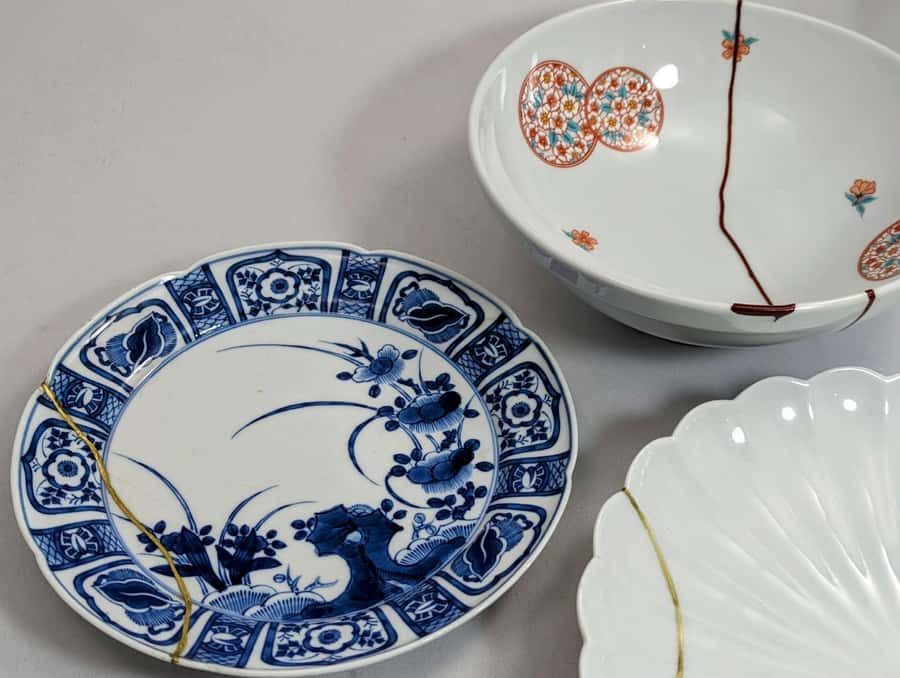
- Arita ware experience rooted in Japan’s early porcelain tradition, tied to centuries of craft.
- Bring-your-own option if your broken ceramic or porcelain fits the size and damage limits.
- Strict aftercare up front so you know what you’re signing up for before you start.
Kintsugi at Nihonbashi Mutoh: location and the 3 session times
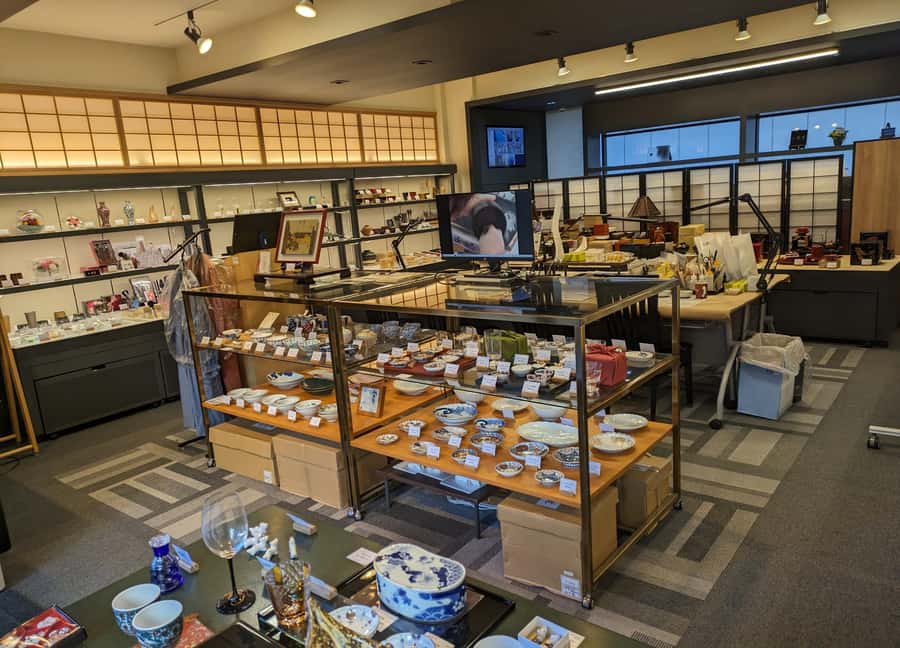
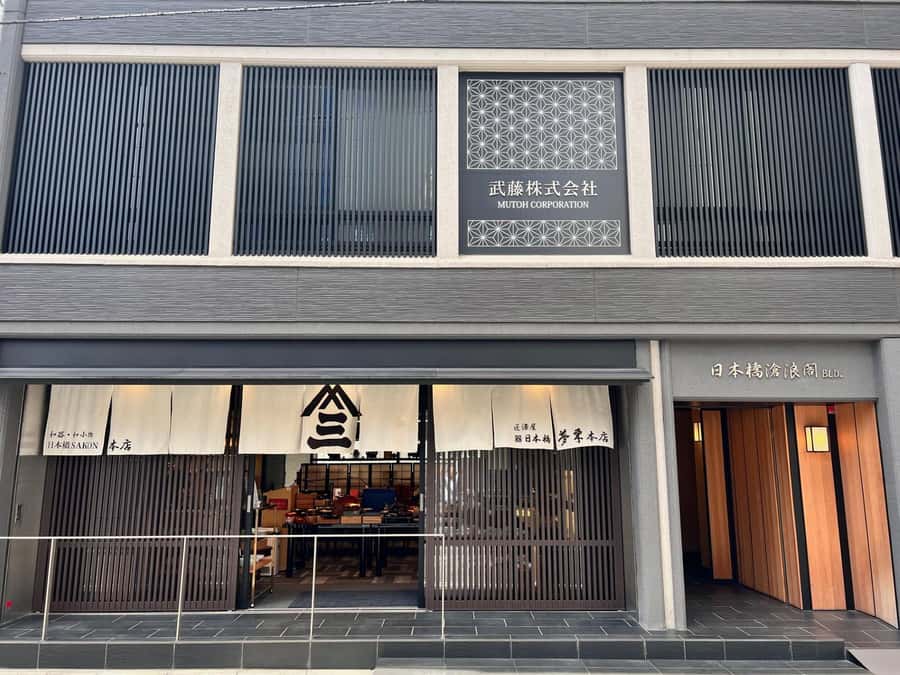
This workshop meets at Nihonbashi Mutoh Main Store, 1-8-3 Honcho, Nihonbashi, Chuo City, Tokyo (103-0023). It’s in the well-worn rhythms of central Tokyo, which helps if you are also sightseeing around Nihonbashi afterward. The shop itself is a big part of the experience, because you’re not doing this in a random classroom. You’re inside a place where high-quality lacquerware and glassware are part of the daily atmosphere.
You’ll choose one of three start times:
- 10:30 to 12:00
- 13:30 to 15:00
- 15:30 to 17:00
The workshop runs about 1.5 hours. It may be conducted alongside regular customers, so don’t expect a totally quiet private studio. Still, the small group size helps a lot, and the pace stays craft-focused.
Two practical timing notes matter here. First, if you arrive late, the experience still ends at the scheduled time. Second, this class is designed to get you to a finished take-home piece within the session, not a multi-day project.
A few more Tokyo days worth comparing
- Mt Fuji and Hakone 1-Day Bus Tour Return by Bullet Train
★ 5.0 · 26,383 reviews - 1-Day Tokyo Bus Tour
★ 5.0 · 14,250 reviews - Tokyo: TOKYO SKYTREE® Admission ticket
★ 4.5 · 11,192 reviews
Why Arita ware makes your repaired souvenir feel more meaningful
This class is built around Arita ware, a porcelain tradition with a 400-year history, and it is described as the first porcelain produced in Japan. In practical terms, that means your finished item is not a generic “craft plate.” It is connected to a brand and style of porcelain that has long attracted both Japanese and international fans.
You also get to work with Arita ware items associated with Shobido Honten, which is presented as a well-loved Arita ware source. That matters because Kintsugi is not just a repair technique. It is a way of honoring the break. The gold joins are meant to make the damage part of the object’s story.
If you like the philosophy behind craft tourism, you’ll appreciate how Kintsugi fits the wabi-sabi mindset: imperfections are not hidden, they are highlighted. You are not trying to erase the break. You’re turning it into the design.
Your 90-minute workshop flow with an English-speaking instructor
The core promise is simple: learn Kintsugi and actually do it. You’ll have an English-speaking instructor, and the group is limited to 10 participants. In practice, that combination is what makes the difference between a “show-and-tell” and a hands-on class.
Here’s what the workshop is set up to include:
- You’ll get admission to the Kintsugi workshop for about 90 minutes
- You’ll receive all necessary materials
- You’ll work with a plate used in the experience, which you can take home
The class theme is traditional pottery repair, using gold to join the broken parts. The instructor guides you through the process, and you get step-by-step help in English. One of the strongest takeaways from the experience is that the instructions are clear enough that first-timers can keep up without feeling rushed.
A small but helpful detail: clothes that you do not mind getting dirty are recommended. Even if it looks clean, you’re working on a craft where you want freedom to focus, not babysit your outfit.
Also note the “one-object” feel. Reviews point out the class is just long enough to complete what you came for, which is a plus if you’re traveling and want a solid, finished souvenir by the end of the session.
What you can bring, the size limits, and how to care for your gold repair
One of the best parts of this experience is that you can use a provided item, or bring your own broken piece. If you bring your own, the rules are specific, so you’ll want to double-check before you show up.
Same corner of Japan, a different kind of day:
- Tokyo: teamLab Planets TOKYO Digital Art Museum Entry Ticket
★ 4.6 · 9,779 reviews - Mt Fuji & Hakone Cruise, Drum Show Bullet Train 1 Day from Tokyo
★ 4.0 · 7,413 reviews - Tokyo: Sumo Show Experience with Chicken Hot Pot and a Photo
★ 4.8 · 6,678 reviews - Tokyo: Shinjuku Food Tour (13 Dishes at 4 Local Eateries)
★ 5.0 · 6,603 reviews
Bringing your own broken item
You are welcome to bring an item if it meets all of these conditions:
- Size: up to about 15 cm in diameter and 15 cm in height
- Damage: 1 to 2 broken parts
- Material: ceramic or porcelain
That’s a sweet spot for Kintsugi. You’re not trying to “restore” a whole damaged set. You’re repairing a manageable break into a stable, presentable take-home object.
If you do not bring anything
No worries. The workshop includes a plate used in the experience, and that plate is available to take home.
Aftercare rules you need to follow (read this twice)
This is where you should pay attention, because Kintsugi repairs are not the same as a factory repair.
After your work is finished:
- Bring it home and dry it indoors for about 1 week
- Hand wash only with dishwashing detergent
- No microwave and no dishwasher
- Use it for decoration, not for eating or drinking
So yes, this is a souvenir you can display. If you want something that survives daily coffee runs in the sink, this isn’t designed for that.
One more “expectation” point: if you’re thinking of gifting it soon, you’ll want to time your purchase carefully. That week of drying is part of the deal.
Price and value for a hands-on Tokyo craft at $139
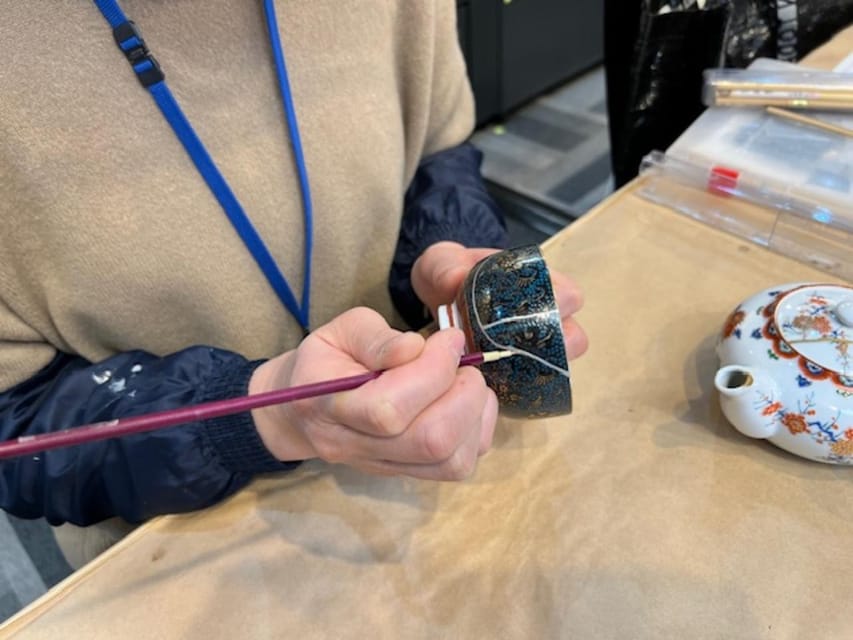
At $139 per person, this is not a cheap impulse class. But it can be good value if you compare it to what’s included and what you get back. You’re paying for a guided craft session, an English-speaking instructor, and materials, plus a plate used in the experience that you take home.
You are also getting a small-group format limited to 10 people. That tends to matter with crafts, because good results come from guidance. If the instructor can see what you’re doing in real time, you’re more likely to end the session with something you actually want to display.
Location is another part of the value equation. The workshop is at a real shop setting in Nihonbashi, not just a generic storefront. You’ll be surrounded by lacquerware and glassware while you work, which gives the experience a more authentic “craft district” feeling.
Still, it’s fair to mention a real consideration: one review notes a wish for more variety to select from. That tells me the class experience centers on completing one object at the right size and format, rather than giving you a huge choice of multiple types of ceramics. If you want maximum options, you may feel slightly limited.
On the flip side, the clear consensus on what’s best here is consistent: the instructor is friendly and helpful, the group isn’t crowded, the location is easy to reach, and the experience is peaceful. That combination is hard to replicate in Tokyo, where schedules can get tight.
Finally, a few practical notes that protect your time. Free cancellation is offered up to 3 days in advance for a full refund. If you miss the session entirely, no refund is issued. And late arrivals still end on schedule.
Should you book this Kintsugi workshop?
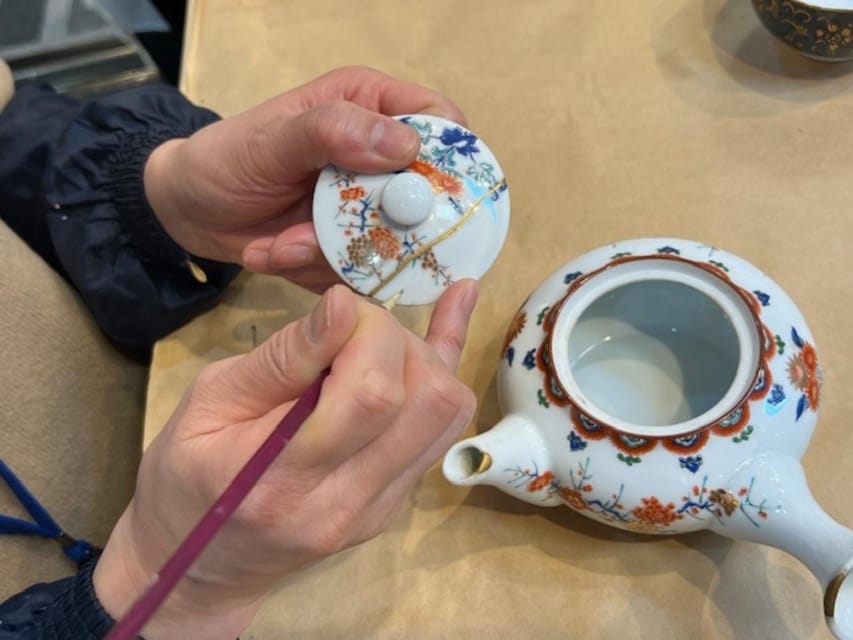
If you want a hands-on Tokyo Kintsugi experience with an English-speaking instructor, this is a strong pick. The small group size and the fact that you leave with a finished souvenir make it feel worth it, even at $139.
Book it if:
- You enjoy traditional craft and want more than photos
- You like the philosophy of wabi-sabi and repair as storytelling
- You are okay with careful aftercare and decoration-only use
Skip it if:
- You need everyday functional tableware right away
- You dislike strict care rules (week-long drying, hand wash only, no dishwasher/microwave)
- You want a big buffet of different objects to choose from
If you’re planning your Tokyo days around Nihonbashi anyway, this class is an easy fit, and the repaired piece becomes a physical memory you can keep for years.
FAQ
How long is the Kintsugi workshop?
The Kintsugi experience lasts about 1.5 hours (90 minutes). You can pick a session time that fits your day.
What session times are available?
There are three scheduled options: 10:30 to 12:00, 13:30 to 15:00, and 15:30 to 17:00. Choose the time you prefer when checking availability.
Is there an English-speaking instructor?
Yes. The workshop includes an English-speaking instructor.
Can I bring my own broken item to repair?
Yes. You can bring a ceramic or porcelain item as long as it is up to about 15 cm in diameter and 15 cm in height, and it has 1 to 2 broken parts. If your item does not meet these limits, you may need to use the plate provided.
What is included, and what do I take home?
Admission to the Kintsugi workshop for 90 minutes is included, along with all necessary materials and an English-speaking instructor. You also get a plate used during the experience to take home.
How do I care for the repaired item after the workshop?
After you finish, you should bring it home and dry it indoors for about 1 week. Then hand wash only with dishwashing detergent. Avoid the microwave and the dishwasher, and use it for decoration rather than eating or drinking.
Fresh options around Tokyo
- Tokyo: Nikko Kegon Falls Lake Chuzenji Toshogu Temple & More★ 4.9 · 12 reviews
- Tokyo: Samurai History Walking Tour★ 5.0 · 12 reviews
- Harajuku: Kawaii Fashion and Pop-Culture Tour★ 4.7 · 12 reviews
- Tokyo: Mt. Fuji & Lake Kawaguchi Instagram Full Day Trip★ 4.1 · 12 reviews
- Shibuya Tokyo: Modern Kintsugi Workshop in Shibuya★ 5.0 · 12 reviews
- Tokyo: GTR Guided Daikoku Experience at Night★ 5.0 · 12 reviews
- Tokyo: Daikoku JDM Car Culture Tour★ 4.6 · 12 reviews
- Mt Fuji Private Day Trip from Tokyo with English speaking driver★ 5.0 · 13 reviews
Guided, compared.
Tokyo 6hr Private Tour with Government-Licensed Guide
Read our review →
Shinjuku Local Bar and Izakaya Guided Walking Tour
Read our review →
Private City Highlights Tour with Local Guide
Read our review →
Kyoto Early Morning Tour with English-Speaking Guide
Read our review →

Tokyo 4hr Private Tour with Government-Licensed Guide
Read our review →
Kyoto 6hr Private Tour with Government-Licensed Guide
Read our review →