Reviewed · GUIDED
Tokyo 6hr Private Tour with Government-Licensed Guide
Tokyo can feel like a maze, even with a map.
This private 6-hour walk helps you pick the right sights, then move between them without second-guessing the route, thanks to a government-licensed English-speaking guide. I also like that the day is customizable, so you are not stuck doing someone else’s agenda.
You’ll get real-world context at each stop, from neighborhood history in Asakusa to modern Tokyo energy at Shibuya. The main thing to watch is that entrance fees, lunch, and transit costs are not included, and you may spend a chunk of time on trains and walking.
Key things you should know before you go
- Government-licensed guide, with English and on-the-ground city know-how.
- Pick 3 to 4 stops from a menu, instead of being herded through a fixed route.
- Walking plus public transport, so you need yen and comfortable shoes.
- Guide entry fees are covered only for the sights included under the tour experience options.
- Many iconic areas are possible, from Senso-ji to Shibuya Crossing, plus older neighborhoods and gardens.
How this private Tokyo tour actually works in 6 hours
This is a private walking experience, so only your group is with the guide. Instead of one rigid itinerary, you choose the parts of Tokyo you want most, and the guide builds an efficient plan around that.
The best part of this format is control. If you want temples and shrines, you can lean that way. If you’re chasing food, you can prioritize Tsukiji Fish Market and then build around it. If you love parks and gardens, you can stack places like Shinjuku Gyoen and one or two older Edo-period gardens.
The tradeoff is time. A “6-hour” day is not a full museum weekend, even if the city looks like it has enough sights for a month. Your guide keeps things moving, and you should expect short, focused visits rather than long, slow wandering everywhere.
A few more Tokyo days worth comparing
- Mt Fuji and Hakone 1-Day Bus Tour Return by Bullet Train
★ 5.0 · 26,383 reviews - 1-Day Tokyo Bus Tour
★ 5.0 · 14,250 reviews - Tokyo: TOKYO SKYTREE® Admission ticket
★ 4.5 · 11,192 reviews
Price and logistics: what $155.86 is buying you
At $155.86 per person, you are paying for a guide and planning time more than you are paying for tickets. The tour includes a licensed local English-speaking guide and a customizable walking plan for 3 to 4 sites chosen from the experience options.
What is not included matters for value:
- Meals and entrance fees cost extra.
- Transportation fees are extra, since there is no private vehicle.
- The tour is on foot, with pickup offered on foot near your meeting area.
I think this price feels most fair when you actually use the guide for what makes Tokyo hard: figuring out where to go, how to get there by subway, and how to understand what you are looking at. In the reviews, guides like May are praised for teaching shrine and temple etiquette, and Koba is noted for explaining what to do at shrines, even with small coins for offerings. That kind of help can save you from awkward confusion and missed meaning.
If you already know Tokyo transit well and you only want to follow a simple checklist, the value drops. One review complaint summed it up as time spent on subway riding with less added context. So yes, transit time is part of the day.
Meet-up, walking pace, and where public transit fits
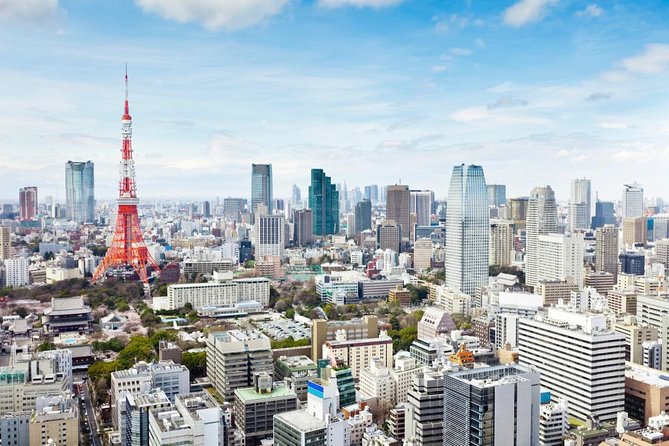
This is a walking tour with meet-up on foot within a designated area. Pickup is offered, but this is not a car-based tour, so you are still starting and ending your day by walking and then using trains.
In Tokyo, that can be a blessing if you use it right. You get to practice the city rhythm. You also learn routes faster than you can by yourself, especially if your guide points out the right station exits and how to connect lines without panic.
You should still plan for a lot of steps. Even in reviews that rave about the experience, people mention that it is a walking day plus subway. Bring comfortable shoes and have yen ready, because the tour notes that you’ll probably use public transportation.
A smart tip from the review pattern: keep a transit card ready. One review specifically recommended having a Suica card for the metro and bus, because Tokyo is smoother when you do not waste time at ticket machines.
Asakusa and Senso-ji: old Tokyo energy at walking speed
Asakusa is the center of Tokyo’s shitamachi, the “low city,” where the past still feels close. The big anchor here is Senso-ji, one of Tokyo’s best-known Buddhist temples and a main draw in Asakusa.
What I like about starting here is contrast. Before you hit the skyscrapers and fashion districts, you get a human-scale neighborhood vibe. It helps you understand why Tokyo feels layered: traditional space, then rapid modern development.
The drawback is crowd reality. Senso-ji and nearby areas are popular, and on busy dates you may feel rushed if you are trying to cover too much. If you are the type who wants to linger for long photo sessions, tell your guide early so they can protect time for what you care about.
Also note the tour can include Senso-ji as part of an Asakusa-focused day, so you may see it more than once depending on your chosen stops. Either way, plan for the area to be energetic.
Same corner of Japan, a different kind of day:
- Tokyo: teamLab Planets TOKYO Digital Art Museum Entry Ticket
★ 4.6 · 9,779 reviews - Mt Fuji & Hakone Cruise, Drum Show Bullet Train 1 Day from Tokyo
★ 4.0 · 7,413 reviews - Tokyo: Sumo Show Experience with Chicken Hot Pot and a Photo
★ 4.8 · 6,678 reviews - Tokyo: Shinjuku Food Tour (13 Dishes at 4 Local Eateries)
★ 5.0 · 6,603 reviews
Imperial Palace area: big walls, moats, and outside views
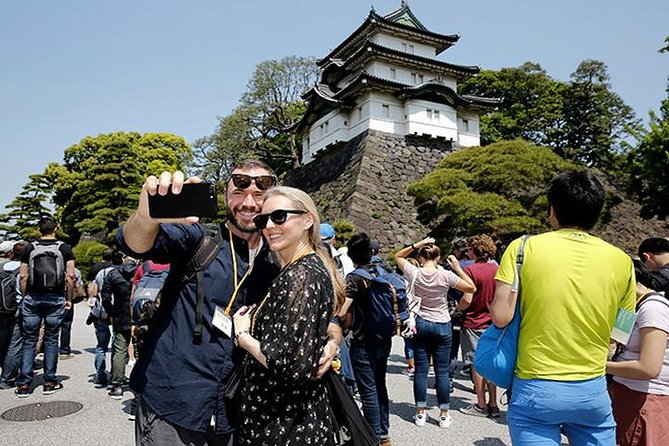
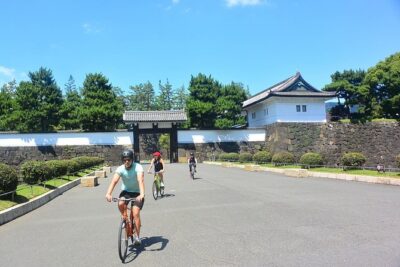
The Imperial Palace stop focuses on the grounds, not inside access. The current palace sits on the former site of Edo Castle, with a park area surrounded by moats and massive stone walls. Admission for this outside area is free.
This is a great choice if you want a taste of power and history without committing to a long ticketed museum block. You also get calm space in central Tokyo, which is a nice reset before the next neighborhood jump.
The only real downside is expectation-setting. You are not going inside the palace structures here. If you specifically want indoor access, you will need a different type of ticket or tour.
Shinjuku Gyoen and the park-garden pairings
Shinjuku Gyoen National Garden is one of Tokyo’s largest and most popular parks. It’s built for walking, with lawns, meandering paths, and a quiet feel you do not always get in the rest of the city. Admission is not included, so budget extra if you choose it.
This stop works well for two traveler types:
- People who need a break between crowded districts.
- People who enjoy Japanese garden design and seasonal details.
If gardens are your thing, you can also choose from other options in the garden lane:
- Koishikawa Korakuen Garden, one of Tokyo’s oldest gardens, built in the early Edo period.
- Rikugien, another old garden often paired in the same conversation, built around 1700.
- Hama Rikyu Gardens by Tokyo Bay, known for seawater ponds that change level with the tide and a teahouse setting.
The only caution is cost control. Several of these gardens have admission not included, so your total out-of-pocket will rise based on what you pick.
Shibuya Crossing and Hachiko: the world-famous moment, right in front of you
Shibuya Crossing, often called Shibuya Scramble, is one of the busiest crossings in the world. The area is also home to the beloved Hachiko statue, the dog that symbolizes loyalty.
This is the stop I recommend if you want instant Tokyo atmosphere. You feel the flow of people, the technology of the surroundings, and the sense that Tokyo is a living stage, not a quiet postcard.
Possible drawback: it can be hard to see what you want if you treat it like a “quick stop.” If your goal is photos, ask your guide about the best time to step into the crowd and how to view the crossing without getting stuck in the thickest wave.
Tsukiji Fish Market: food culture, fast footsteps
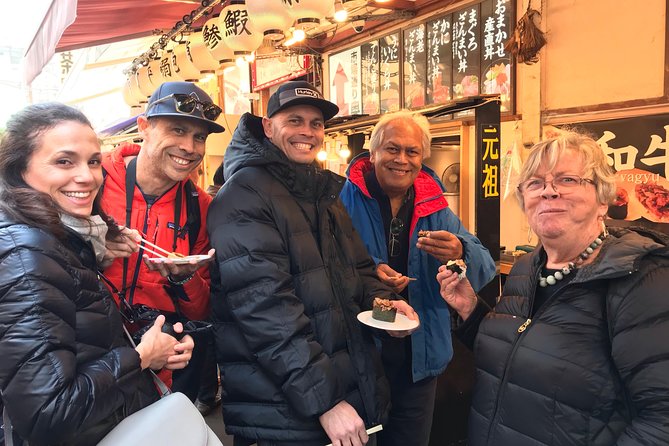
Tsukiji Fish Market is the old fish market of Japan, and it is known for food that ranges from familiar to very unique. The tour framing is simple: come hungry, because it is full of delicious options. Admission here is free.
What I like about Tsukiji in a guided format is practicality. A good guide helps you avoid walking in circles and tells you how to buy what you want. In one review example, a guide helped a solo traveler experience standout sushi and other bites at the market, turning the stop into a highlight rather than a snack scramble.
The drawback is that market time can feel tight. One review complaint pointed out that the market part felt too fast, and the person would have preferred fewer sites with more time to enjoy the market. So if food is your main mission, make sure Tsukiji gets protected time in the plan.
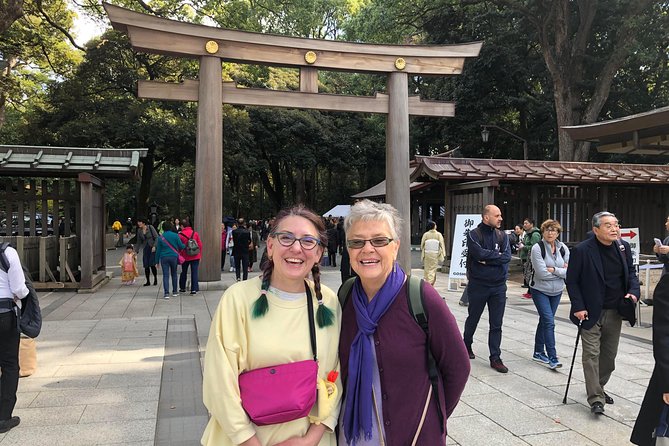
Meiji Jingu Shrine: a spiritual pause near Harajuku
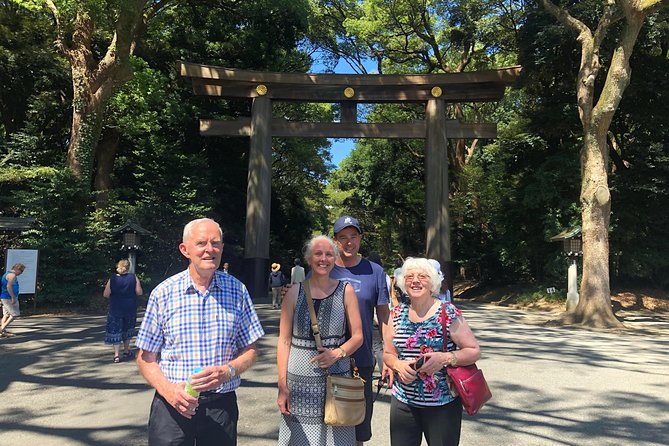
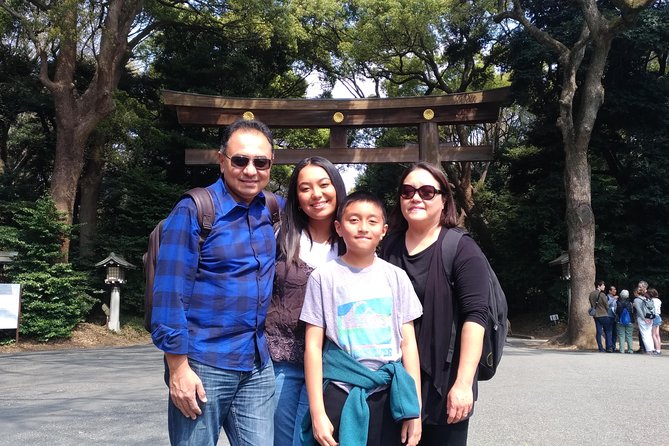
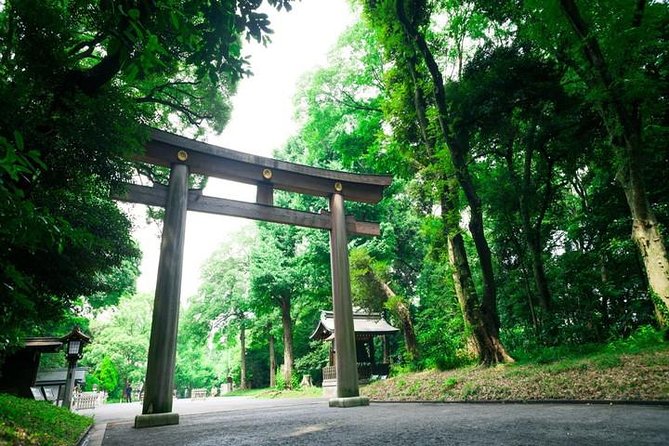
Meiji Jingu Shrine is dedicated to the deified spirits of Emperor Meiji and Empress Shoken. It’s located beside Harajuku Station, which makes it easy to combine with nearby youth fashion areas.
The tour note here is straightforward: admission is free. That makes it a strong value stop, because it delivers meaning and atmosphere without ticket costs.
I also like how it helps balance the day. Shibuya and Harajuku can run loud and fast. Meiji Jingu gives you a structured quiet zone, and your guide can explain what you are seeing and what you should do.
One review praised a guide, May, for teaching traditional ways to enter temples and shrines and how to pay respects. That’s exactly the kind of cultural confidence boost that can make a free shrine stop feel more valuable than a paid attraction.
Harajuku and Takeshita Street: teenage fashion, street-level fun
Takeshita Street, in the Harajuku area near Harajuku Station, is the center of extreme teenage cultures and fashion styles. Admission is free, and the energy is immediate.
This stop is best if you want to watch creativity in action. Even if you do not buy anything, it helps you understand Tokyo’s street culture as something lived, not staged.
The drawback is crowds and noise. It can be hard to move. If you hate congestion, choose a smaller block of time and ask your guide for a walking route that gets you in and out efficiently.
Yoyogi Park: breathing room between trend and trains
Yoyogi Park is one of Tokyo’s larger city parks, with wide lawns, ponds, and forested areas. It’s a nice option when you want a “Tokyo break” without leaving the city.
Admission is free, and the park is described as great for jogging and picnicking. Even if you do not picnic, it’s a useful reset before another high-intensity neighborhood.
The practical downside is that parks are weather-dependent. If rain hits, you may want to adjust priorities so you still get the key sights you care about.
Akihabara: electronics plus modern pop culture gravity
Akihabara is famous for electronics shops and, in more recent years, for its role in Japan’s pop culture world. Admission is free.
This is a fun stop if you like tech, fandom goods, or you want to see a district that Tokyo locals associate with shopping culture in a very specific way.
The drawback is that it can feel like one long browsing lane. If you have limited time and you want it to mean something, tell your guide what you are chasing, for example gadgets, anime merchandise vibes, or just the history of the area.
Tokyo Tower: a skyline moment with limited access
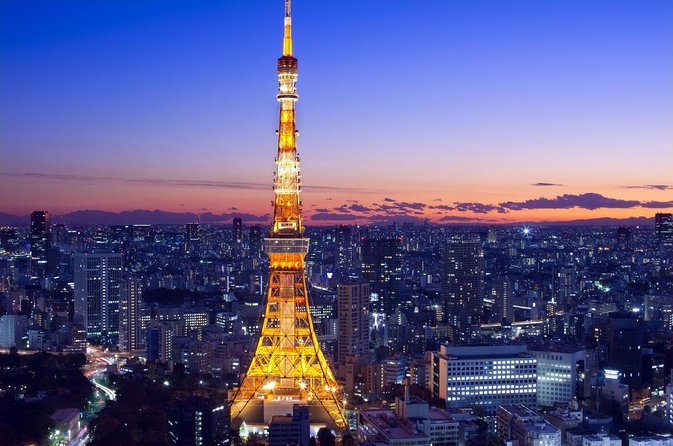
Tokyo Tower is an iconic symbol, described as the retro-cute version of Tokyo Skytree. You can go up to the main deck, but top deck access is not included, and admission is not included.
If you want views without a full day commitment, this can work well in a 6-hour plan. It’s a strong visual payoff.
The caution is cost and expectations. Because top deck access is excluded, do not plan your day around a highest-level viewpoint. Also, ticket costs are extra.
Odaiba: shopping and entertainment on a man-made island
Odaiba is a shopping and entertainment district on a man-made island in Tokyo Bay. It started as fort islands, and the description gives it a historical beginning that you might not expect when you see the modern shops.
Admission is free for the district. That makes it a flexible stop, especially if your guide wants to reposition you between major areas with less ticket friction.
The drawback is that Odaiba can turn into a transit-and-walk segment if your chosen plan does not include a specific interest. Ask your guide how they will focus your time there.
Ueno Park and Tokyo National Museum: culture, with tickets
Ueno Park has multiple museums, a zoo, a Toshogu Shrine, and Shinobazu Pond. It is also known as a famous cherry blossom party spot, though your exact season will decide how this feels.
Tokyo National Museum is the oldest and largest of Japan’s top-level national museums in the country’s museum system. Admission is not included for the museum and also for the park.
This is the choice for museum lovers, but in a 6-hour plan it needs realistic expectations. You might get a taste, not a full exhibition marathon. If you are serious about the museum content, choose it and shorten other stops.
Older neighborhoods: Nezu, Shibamata, and the Yanaka-style feel
The tour options include several areas that keep Tokyo’s older downtown mood alive.
- Nezu is part of shitamachi, described as having avoided major damage during world wars and disasters, keeping a last-century character.
- Shibamata sits on the eastern end of Tokyo near the Edogawa River and is described as retaining old-school charm.
- Gotokuji Temple is known as the birthplace of the maneki-neko luck-inviting cat figurine.
These stops share a common value: they feel local and less like a theme park. They also tend to be easier to photograph without constant street jostling, depending on time of day.
The caution is that these areas are smaller and less “one big attraction.” If you want big wow moments, pair one neighborhood stop with another iconic anchor like Shibuya or Asakusa so your day has both scale and texture.
Shinjuku Golden Gai: tiny bars, big atmosphere
Shinjuku Golden Gai is an area of small eating and drinking establishments, said to have started around 1950 when the black market moved away from in front of Shinjuku Station. It is a distinctive nightlife pocket.
Admission is free to walk the area, but if you want to drink or eat, that is personal expense.
In a 6-hour tour, Golden Gai is often a taste, not a full nightlife plan. If your group is curious, it can be a fun way to end the day with atmosphere rather than another temple photo stop.
If you like gardens and shrines, here’s how to choose your 3 to 4 stops
Because you choose only a few sites, the smartest plan is usually a mix:
- One old Tokyo anchor (Asakusa and Senso-ji)
- One calm reset (Meiji Jingu or an Imperial Palace outside view)
- One signature modern moment (Shibuya Crossing or Akihabara)
- One personality stop (Tsukiji food time, a garden like Shinjuku Gyoen, or a neighborhood like Nezu)
This is where a good guide really matters. In reviews, guides like An and Yusuke are described as adjusting plans to interests, and Taichi is mentioned in connection with Shinjuku and gardens plus a tea ceremony moment. Those stories point to the same idea: your guide should help you select stops that do not overlap too much and that match your energy level.
Should you book this Tokyo private tour?
Book it if you want a guided start that helps you get your bearings fast. This tour is strongest when you want help with navigation, cultural context, and choosing the right 3 to 4 stops without getting lost or wasting time figuring out transit.
Skip it or change expectations if you want a long museum day, a low-walking day, or a plan that includes meals and entrance tickets without extra spending. You will also spend time moving between areas on foot and by public transport, so it is best for people who can handle steps.
If your goal is to understand Tokyo through neighborhoods, temples and shrines, parks, and iconic modern scenes, this is a solid way to do it in a single afternoon.
FAQ
What is the duration of the Tokyo private tour?
The tour is approximately 6 hours.
Is this tour private or shared with other groups?
It is private. Only your group participates.
Can I customize which stops I see?
Yes. You can choose from the recommended sights and build your ideal itinerary with your guide, typically selecting 3 to 4 sites.
Are entrance fees and meals included?
Meals and entrance fees are not included, and you should expect to pay for them separately. Guide entry fees are only covered for sights listed under the tour experience options.
Is there a vehicle included for this tour?
No. It is a walking tour, and private vehicle transportation is not included.
Will I use public transportation during the tour?
The tour notes that you will probably take public transportation, and you should have some yen available. Transportation fees are not included.
Are the guides English-speaking and licensed?
Yes. The tour includes a licensed local English speaking guide. Service animals are allowed.
Fresh options around Tokyo
- Tokyo: Nikko Kegon Falls Lake Chuzenji Toshogu Temple & More★ 4.9 · 12 reviews
- Tokyo: Samurai History Walking Tour★ 5.0 · 12 reviews
- Harajuku: Kawaii Fashion and Pop-Culture Tour★ 4.7 · 12 reviews
- Tokyo: Mt. Fuji & Lake Kawaguchi Instagram Full Day Trip★ 4.1 · 12 reviews
- Shibuya Tokyo: Modern Kintsugi Workshop in Shibuya★ 5.0 · 12 reviews
- Tokyo: GTR Guided Daikoku Experience at Night★ 5.0 · 12 reviews
- Tokyo: Daikoku JDM Car Culture Tour★ 4.6 · 12 reviews
- Mt Fuji Private Day Trip from Tokyo with English speaking driver★ 5.0 · 13 reviews
Guided, compared.
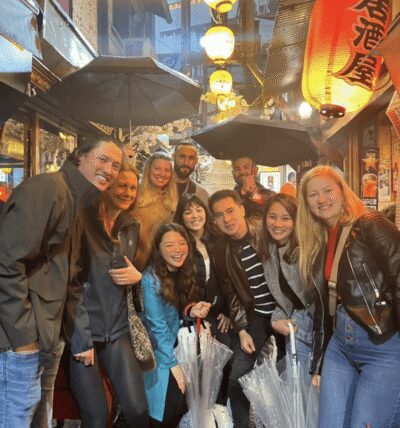
Shinjuku Local Bar and Izakaya Guided Walking Tour
Read our review →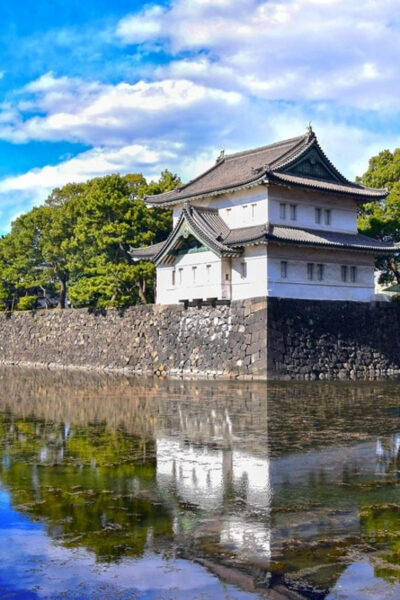
Private City Highlights Tour with Local Guide
Read our review →
Kyoto Early Morning Tour with English-Speaking Guide
Read our review →
Tokyo 4hr Private Tour with Government-Licensed Guide
Read our review →
Kyoto 6hr Private Tour with Government-Licensed Guide
Read our review →
Hiroshima / Miyajima Full-day Private Tour with Government Licensed Guide
Read our review →