Reviewed · TOKYO TOURS
Tokyo: Full Course Tour: Explore 15 Must-Sees & Hidden Gems
Tokyo feels huge, until this route strings it together. What makes this day tour stand out is the pace plus the people running it, with born-and-raised English-speaking guides like Yasuko and Michiko turning a long list of places into a smooth story you can actually follow. You’ll hit 15 must-sees and local corners, and the big wins are all free to enter stops clustered across central Tokyo.
I love how the itinerary mixes top-photo icons with quieter, more interesting religious and neighborhood stops, so you get variety without wasting time. Second, I like that you’re not just looking at Tokyo, you’re learning how to move through it, with real guidance on etiquette and public transport so the city stops feeling like a maze. The main drawback to consider is simple: it is a long walking day (about 20,000 steps is expected), and food plus metro and train fares cost extra.
Key things to know before you go
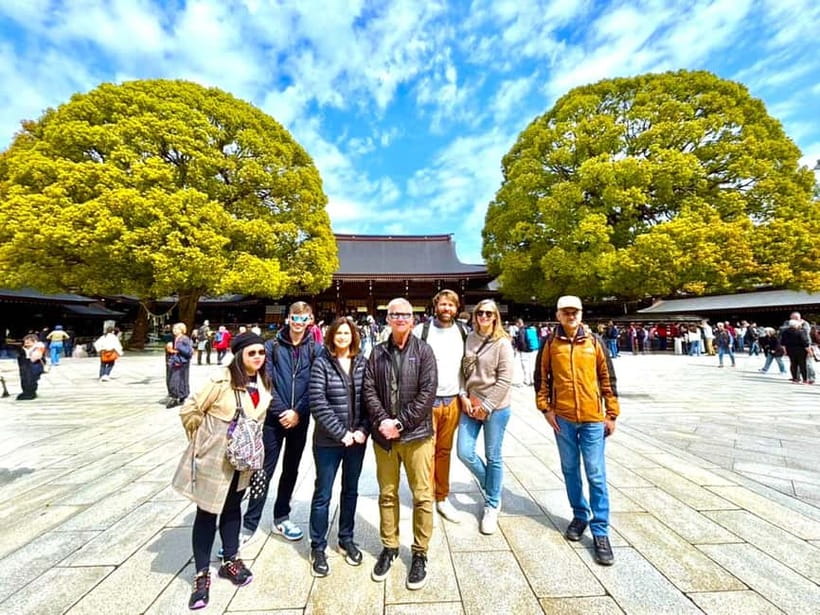
- Small group (max 7 people) so you can ask questions and keep a good pace
- Free-to-enter attractions across major Tokyo neighborhoods
- English live guide with deep local roots, often praised for clear communication
- Metro and train travel included in the route, but fares are on you
- Food is not included (lunch at Tsukiji, snacks, and dinner at an izakaya are extra)
- Strict “stay with the group” safety rule, plus no alcohol on tour
Tokyo in 10 hours: how this full-course route really works
This tour is built for your first day in Tokyo, when everything feels important and confusing at the same time. The route starts at JR Yoyogi Station and ends in Asakusa, using foot + metro + a couple short train segments to stitch together neighborhoods that normally take planning and repeated trips to connect.
The goal is efficiency without turning you into a human conveyor belt. You get set sightseeing time at each area, and the guide handles the tricky parts: where to stand for the best views, how to read the flow of crowds, and when it’s worth slowing down for details. Even the transit legs are part of the lesson, so you learn what to do when the city goes from shrine quiet to neon street in minutes.
And yes, the walking is real. You’ll want comfortable shoes, because this is a “Tokyo feet” kind of day. If you’re the type who gets bored on long museum afternoons, this may actually feel refreshing, since the scenery changes constantly. If you don’t enjoy steady walking, plan on taking it seriously and pacing yourself.
A few more Tokyo days worth comparing
- Mt Fuji and Hakone 1-Day Bus Tour Return by Bullet Train
★ 5.0 · 26,383 reviews - 1-Day Tokyo Bus Tour
★ 5.0 · 14,250 reviews - Tokyo: TOKYO SKYTREE® Admission ticket
★ 4.5 · 11,192 reviews
Starting at JR Yoyogi Station: your meeting point and first orientation
You’ll meet at JR Yoyogi Station, West exit, outside the ticket gates. This matters because Tokyo station layouts can be confusing if you’re already tired. Arriving a little early is your best friend, since late arrivals cannot join.
From the start, the guide’s role is practical, not just scenic. You’ll get that early “how to do Tokyo” feeling: where to line up, how to move in crowds, and how to keep your group together while still seeing what you came for. It’s also where you’ll benefit from learning the local rhythm right away, before you hit the busiest areas like Harajuku and Shibuya.
Bring cash and have your transportation plan ready. The tour specifically calls out needing an IC card (Suica, Pasmo, or Icoca) for metro travel.
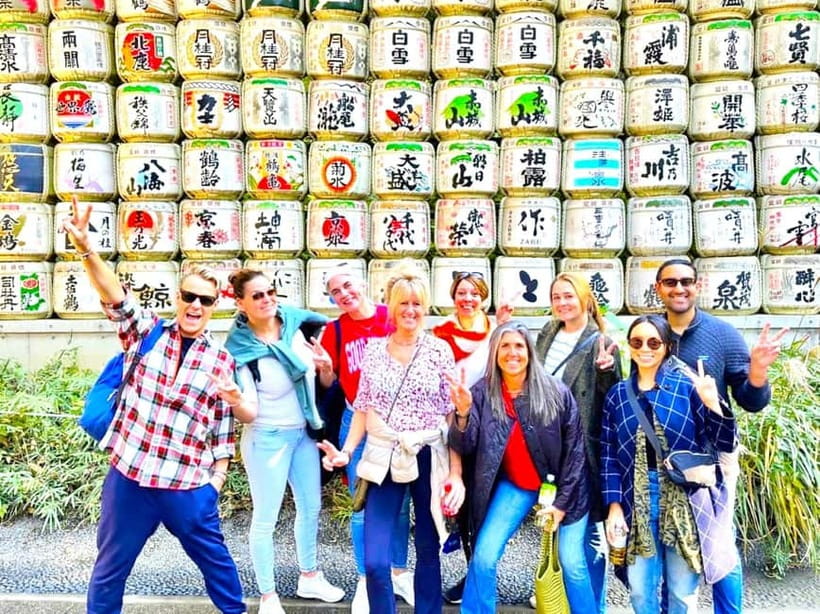
Meiji Jingu: the quick reset from city noise
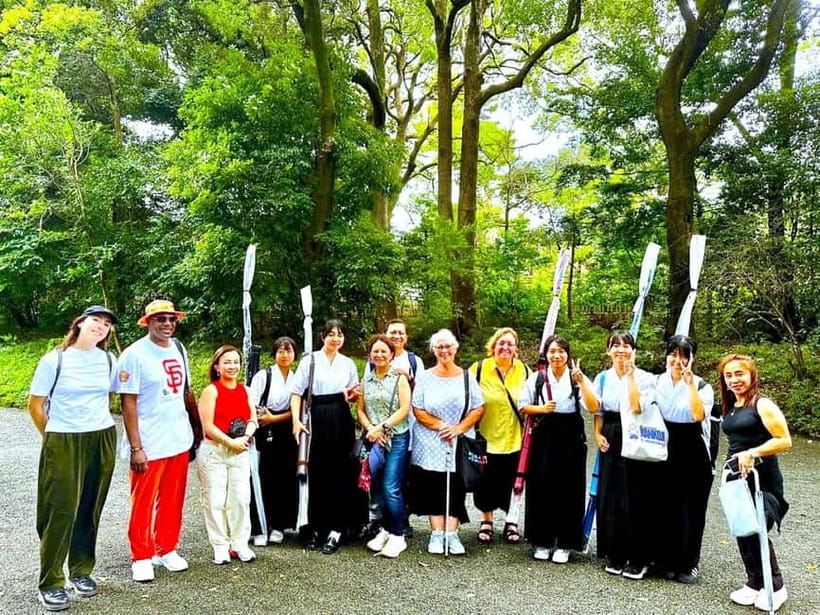
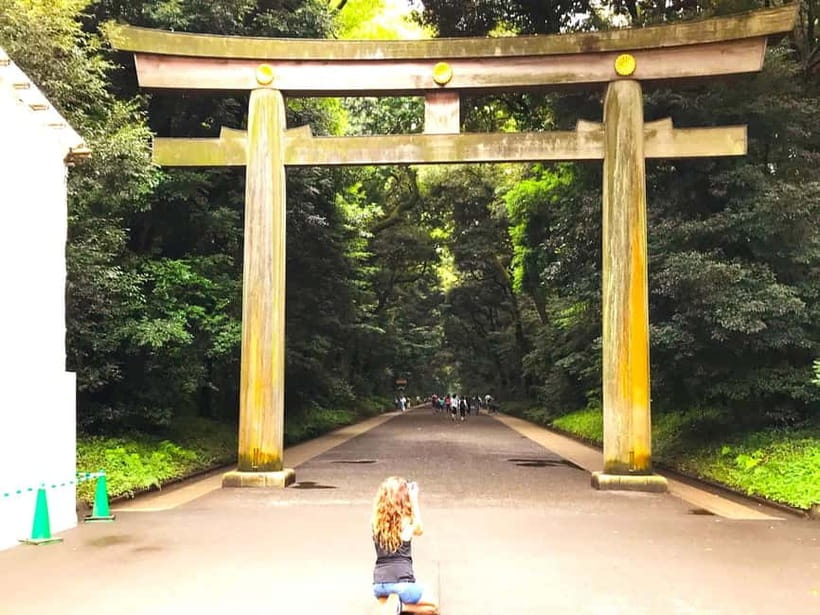
Meiji Jingu is where you break Tokyo into two moods. You go from city motion to a serene forest setting in a short time, and that contrast is why this stop works so well early in the day.
You get about 30 minutes here, which is enough to slow down, wander the approach, and absorb the atmosphere without feeling rushed. The main thing to do is use the time to reset your brain. After this, Harajuku and Shibuya can feel like a different planet, and you’ll appreciate the head start.
If you’re photographing, remember you’re walking on a schedule. Capture your favorites early, then spend the rest of the time just watching how people behave in a sacred space, not just what the buildings look like.
Harajuku: fashion streets and youth culture without the guesswork
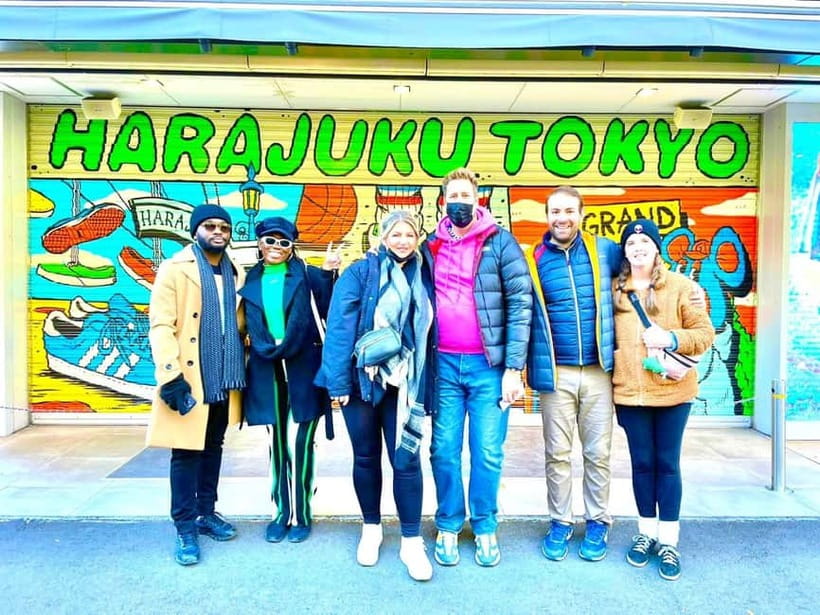
Next is Harajuku, a short 30-minute window to absorb the famous style energy. This is one of those Tokyo places where you can easily wander in circles if you don’t have a plan. With a guide, you get the right streets, the best viewing approach for crowds, and the context behind the look.
This is also where “etiquette and everyday life” becomes real. Harajuku can be busy, and the guide helps you stay respectful and safe while still getting great visuals and street-food moments (food is extra, but you’ll know where to go).
The practical takeaway: keep your camera ready, but also keep moving. Harajuku rewards quick curiosity more than long stopping, because the flow is constant.
Same corner of Japan, a different kind of day:
- Tokyo: teamLab Planets TOKYO Digital Art Museum Entry Ticket
★ 4.6 · 9,779 reviews - Mt Fuji & Hakone Cruise, Drum Show Bullet Train 1 Day from Tokyo
★ 4.0 · 7,413 reviews - Tokyo: Sumo Show Experience with Chicken Hot Pot and a Photo
★ 4.8 · 6,678 reviews - Tokyo: Shinjuku Food Tour (13 Dishes at 4 Local Eateries)
★ 5.0 · 6,603 reviews
Hachiko and Shibuya Crossing: iconic, but timed for sanity
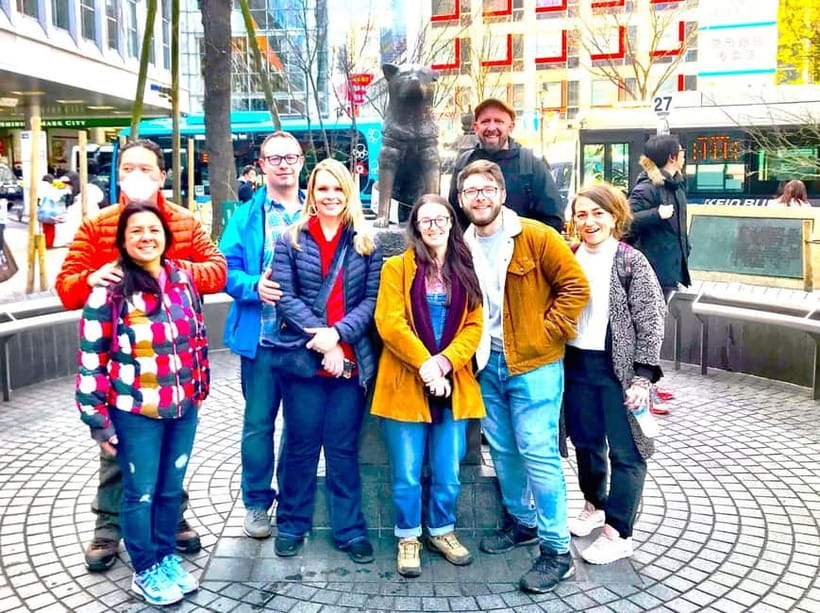
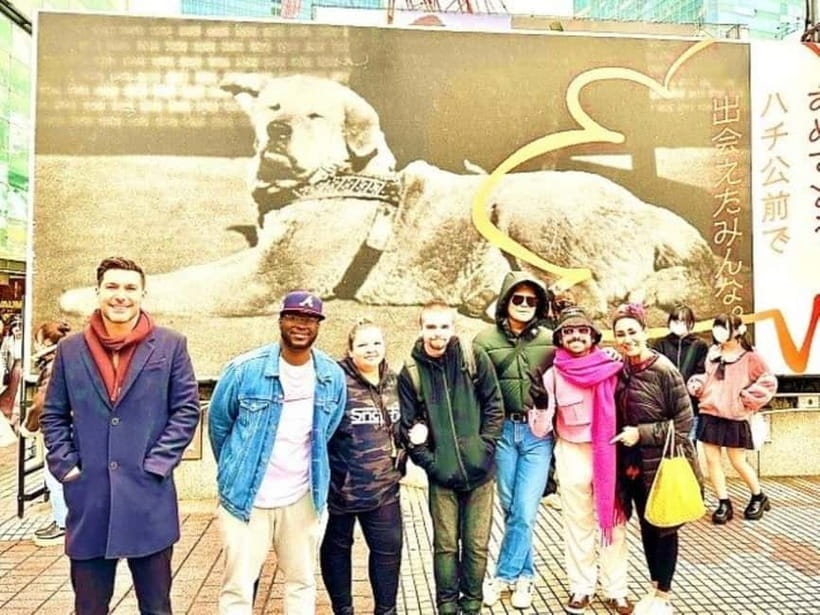
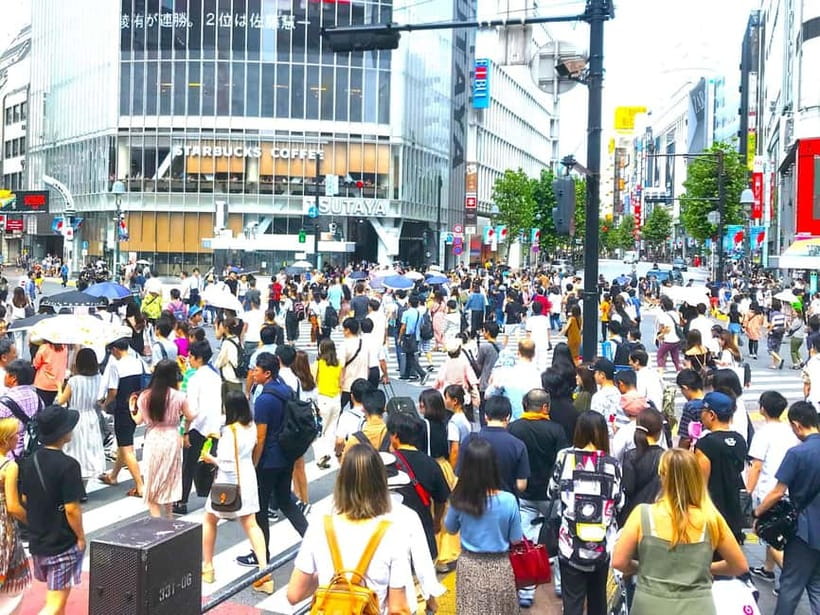
The tour hits Shibuya in two bites: first Hachikō (about 10 minutes), then Shibuya Scramble Crossing (another 10 minutes). Yes, it’s famous. Yes, it’s crowded. But the value here is timing and guidance.
At Hachiko, the guide can give you the story behind why this dog matters in Japanese culture, so you’re not just taking a photo next to a statue. That context makes the scene click.
For the Scramble Crossing, the important part is where you stand. The difference between a great photo and a frustrating one is usually your angle and your timing. With a guide, you’re more likely to get the view you want without wasting time hunting around for the right spot.
Between these stops and your metro ride, you’ll feel how fast Tokyo changes. That’s part of the point of a full-course day: the variety is the product.
Metro legs: learning the system as you travel
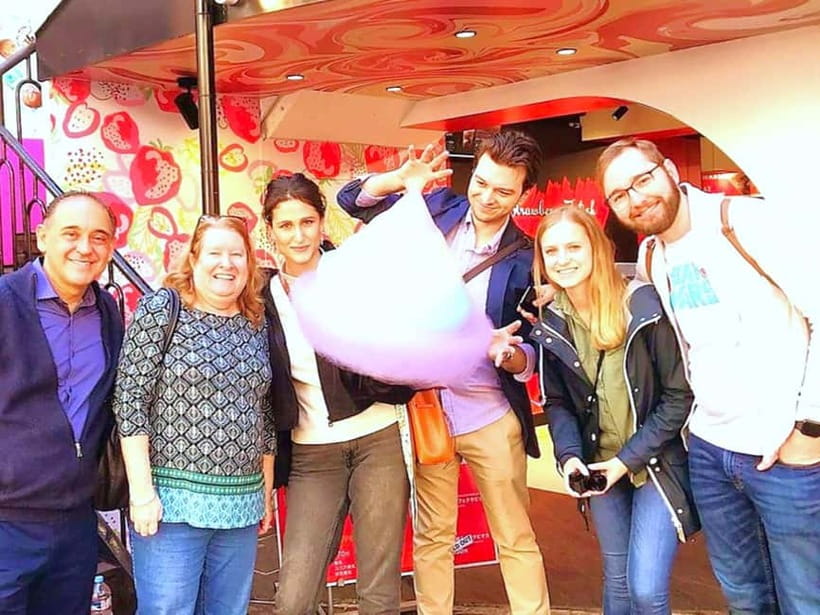
There are a couple metro segments built in, including about 30 minutes for subway travel after Shibuya, and a shorter 10 minutes segment near Tsukiji and Imperial Palace. You might think these are “just transportation,” but they’re actually where the tour becomes useful for first-timers.
You’ll be using metro and JR train travel, but fares are not included. The tour estimates about 1,500 JPY (around 10 USD) for transit costs, and you’re also expected to have an IC card ready.
If you’ve never used Suica, Pasmo, or Icoca, this tour is a friendly way to learn without turning your day into a ticket-guessing project. You get reminders on where to go, how to move through stations, and how to keep the group on track.
Also, rain is common enough in Tokyo to plan for. The tour advises bringing an umbrella or raincoat as conditions change.
Tsukiji Honganji: stained glass architecture that most people skip
Then you shift to Tsukiji, and not just for the market. Tsukiji Hongan-ji is a 30-minute stop with an eye-catching contrast: Indian-inspired architecture and stained glass.
This is the kind of location that adds depth to a day packed with shopping and crowds. You’re not competing for space under neon signs. Instead, you’re slowing down around craftsmanship and design you can actually look at.
If you like places where religion and art mix, this stop is worth your time. It’s also a good breathing moment before the Outer Market, which is where the senses ramp up again.
Tsukiji Outer Market: Japan’s kitchen, with time to snack smart
The Outer Market is your 1.5-hour foodie playground. The tour positions it as Japan’s kitchen, and that’s accurate. You’ll get the chance to browse fresh food, seafood, and a wide range of market snacks and specialty items.
But here’s how to make this stop pay off: treat it like browsing with a plan. You will want to spend the first part walking to see what’s available, then commit to snacks once you spot what looks freshest to you. Since lunch at Tsukiji is not included, plan on choosing what you genuinely want instead of feeling pressured by what you think you should eat.
This is also where your cash matters. The tour calls out that some shops and special items accept cash only, so having bills ready keeps you from missing out.
Imperial Palace grounds and Marunouchi: imperial walls plus modern city power
From Tsukiji, the route brings you toward the Imperial Palace area with a brief transit segment, then about 15 minutes around the palace grounds. You’re walking areas tied to the former Edo Castle and seeing the massive stone walls, a reminder that Tokyo’s modern identity has older layers.
Right after that, you’re in Marunouchi for about 15 minutes. This is where sleek skyscrapers meet the imperial setting, and the contrast can be surprisingly calming. It’s also a great “I get it now” moment for first-timers, because Tokyo isn’t only crowds and electronics. It’s also formal spaces and carefully maintained streets.
Then comes Tokyo Station Square, about 15 minutes, centered on the famous red-brick landmark and the station as a historic gateway. If you’re the type who likes architecture, this stop is a quiet win.
Akihabara: neon pop culture, with the guide doing the routing
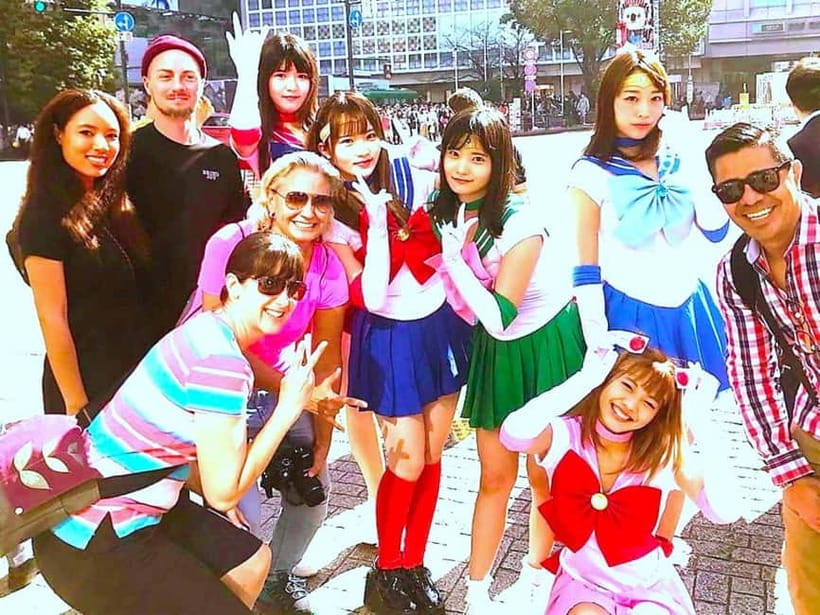
Next is Akihabara, about 30 minutes. This is the area for anime, gaming, and Japanese pop culture. Even if that’s not your main interest, you’ll still notice the vibe because it’s hard to ignore. Stores are packed, streets are full of energy, and there’s a very specific kind of identity here.
The practical value is that you’re not wandering aimlessly. Your guide helps you navigate what’s worth a quick look based on your interests, and that’s one of the reasons this tour gets praised for adapting to individuals. If you have questions about what you’re seeing, this is a good time to ask.
Just remember, this is still a scheduled walking day. Keep your shopping decisions light and save the deeper shopping for a later trip if you want souvenirs at your pace.
Ueno Park and Ameyokocho: art spaces and market energy
Ueno Park gets about 30 minutes, framed as a cultural forest with world-class museums and samurai history. Even if you do not enter any museums, the park itself gives you a breather after Akihabara, and it’s a great place to regroup your feet.
Then you head to Ameyokocho for about 15 minutes. This is a market street with lots of street food and a more everyday feel. Compared to the Outer Market, this is usually less about one specific tourist scene and more about local shopping momentum.
The same advice applies: snack first, then decide if you want more. And keep cash handy.
Sensō-ji and Asakusa Shrine: finishing where Tokyo feels oldest
The day ends at Asakusa, with Sensō-ji for about 30 minutes and Asakusa Shrine for another 10 minutes.
Sensō-ji is Tokyo’s oldest temple area in a spiritual setting, and it’s the perfect closing act for a first-day tour. You’re surrounded by classic architecture, incense energy, and the feeling of a neighborhood that has been here for a long time.
After that, Asakusa Shrine is described as a peaceful Shinto spot within the broader Sensō-ji grounds. That ending matters because it lets the day land gently instead of dragging you straight into one more crowded street.
You finish at Asakusa Shrine, so you can easily transition into the rest of your evening at your own pace.
The food reality check: what’s extra and how to plan
Food and drinks are not included. The tour specifically calls out lunch at Tsukiji, snacks, and dinner at an izakaya as extra costs.
That might sound like a bummer until you think about how Japanese food works. You get to choose what you actually want instead of being locked into a single set meal. If you’re vegetarian or vegan, the tour notes that options are always available, which is a big practical advantage on a crowded food day.
My practical tip: set aside a cash budget for lunches and snack stops, and keep an eye on where you are when a busy line forms. The guide will help you find places to eat, but your ability to make quick decisions saves time and keeps the day fun.
Also note: the tour rules say no alcohol while on tour, so don’t expect drinking to be part of the guided portion.
Who this tour fits best
This experience is a great match if you want:
- A first-day Tokyo route that covers major areas without needing your own transportation planning every step
- An English guide who can explain what you’re seeing and also help you move through stations
- A structured day with a small group size, capped at 7 participants
It’s also a poor fit if:
- You’re pregnant or have mobility issues, back problems, or wheelchair needs
- You’re feeling sick, including a cold
- You have low fitness and are not ready for heavy walking
If you like big names and classic districts, this delivers. If you prefer totally offbeat, slow travel, you might find the schedule a bit intense.
Should you book this Tokyo full-course tour?
I’d book it if you’re arriving in Tokyo with limited time and you want a guided framework for understanding the city in one shot. The combination of free-to-enter stops, efficient transit, and guides like Yasuko and Michiko who are known for clear English and thoughtful pacing makes this feel like good value, not just a checklist tour.
I would not book it if walking 20,000 steps sounds like a punishment, or if you strongly want fully included meals and transit. Here, you pay extra for getting around and eating, but you gain something more useful: confidence moving through Tokyo like you belong there for a day.
If you want a first-day win that reduces stress and gives you a smart “Tokyo map in your head,” this tour is one of the better bets.
FAQ
How long is the Tokyo tour?
It runs for about 10 hours, with the exact starting time depending on availability.
What’s the group size and language?
It is a small group, limited to 7 participants, with a live English guide.
Are the attractions included in the price?
The tour description states that all attractions on the tour are free to enter. Lunch, snacks, and dinner are not included.
What does the price include?
The included items are the professional guide fee and all taxes.
Do I need to pay for transportation during the tour?
Yes. Metro and JR train fares are not included, and the estimate provided is about 1,500 JPY (about 10 USD).
What payment and transport items should I bring?
Bring cash and an IC card like Suica, Pasmo, or Icoca for metro travel.
What should I wear and bring for comfort?
Wear comfortable shoes and easy-to-move clothing. The tour expects a lot of walking (around 20,000 steps) and advises bringing rain gear.
Can I cancel and get a refund?
Yes. You can cancel up to 7 days in advance for a full refund.
Fresh options around Tokyo
- Tokyo: Nikko Kegon Falls Lake Chuzenji Toshogu Temple & More★ 4.9 · 12 reviews
- Tokyo: Samurai History Walking Tour★ 5.0 · 12 reviews
- Harajuku: Kawaii Fashion and Pop-Culture Tour★ 4.7 · 12 reviews
- Tokyo: Mt. Fuji & Lake Kawaguchi Instagram Full Day Trip★ 4.1 · 12 reviews
- Shibuya Tokyo: Modern Kintsugi Workshop in Shibuya★ 5.0 · 12 reviews
- Tokyo: GTR Guided Daikoku Experience at Night★ 5.0 · 12 reviews
- Tokyo: Daikoku JDM Car Culture Tour★ 4.6 · 12 reviews
- Mt Fuji Private Day Trip from Tokyo with English speaking driver★ 5.0 · 13 reviews
Tokyo Tours, compared.
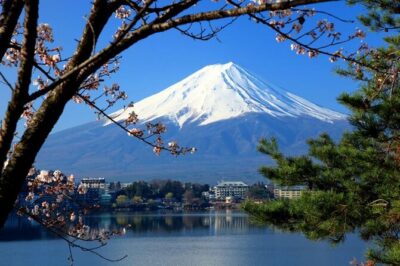
Mt Fuji and Hakone 1-Day Bus Tour Return by Bullet Train
Read our review →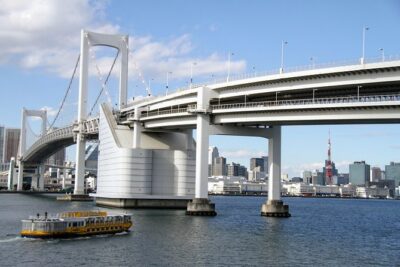
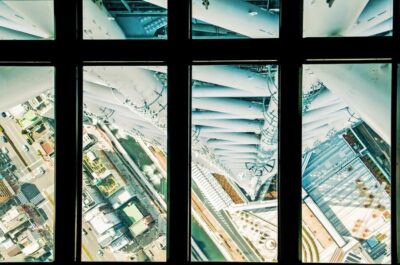

teamLab Planets TOKYO Digital Art Museum Entry Ticket
Read our review →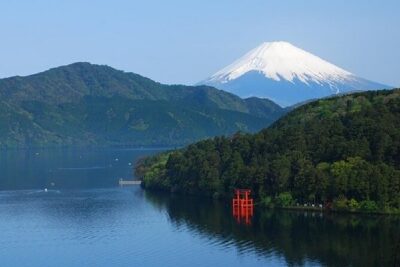
Mt Fuji & Hakone Cruise, Drum Show Bullet Train 1 Day from Tokyo
Read our review →
Sumo Show Experience with Chicken Hot Pot and a Photo
Read our review →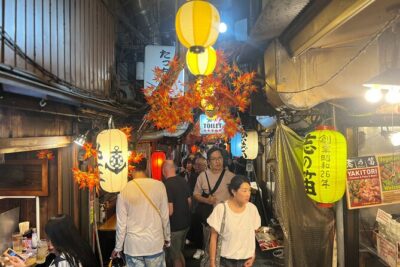
Shinjuku Food Tour (13 Dishes at 4 Local Eateries)
Read our review →