
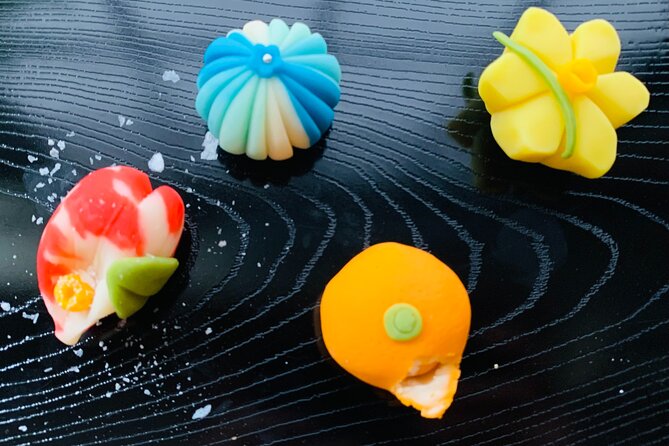
Reviewed · WORKSHOPS
2 Hours Mochi &Nerikiri Making & Matcha Class in Bunkyo
Mochi gets serious when you knead it yourself. This private class in Bunkyo is built for hands-on sweets making, with instruction that goes step by step in a real Japanese home kitchen. I really like the personalized, 1-table feel, and you also get cultural context tied to each wagashi style. The only real drawback: it is happening at a home address in a central Tokyo neighborhood, so you will want to plan extra time to find it the first time.
Yuko’s class focuses on making wagashi you can actually keep practicing after you get home, whether you choose Mochi, Dango, Nerikiri, or a combination course. Instruction is bilingual and delivered by a native-Japanese teacher trained by the Wagashi Association of Japan. If you are hoping for a big production-style studio experience, this is not that. It is intimate, calm, and very hands-on.
Key things to know before you make wagashi
- Private instruction for your group at a single table setup, not a crowded demo
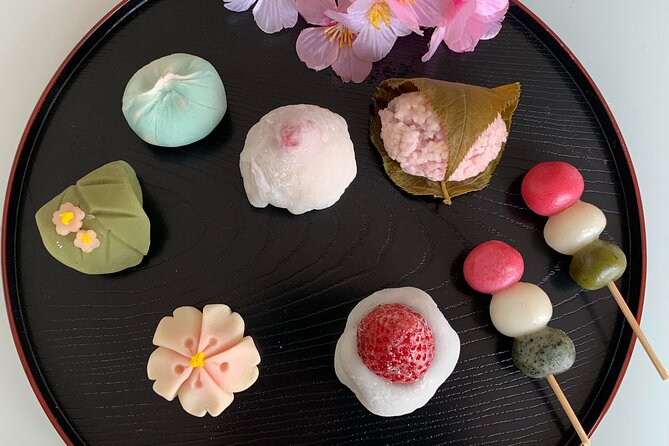
- Pick your course: Mochi, Dango, Nerikiri, or combinations in one 2-hour session
- Three wagashi types, with cultural links like New Year mochi, special-event dango, and tea-ceremony nerikiri
- Bilingual, association-trained guidance from a native-Japanese teacher
- Centrally located in Bunkyo with access close to public transport
- Matcha is part of the experience, and tea culture connects directly to what you shape
A Private Wagashi Workshop in Bunkyo, Not a Factory Tour
The setting is the big part of why this works. You are not watching sweets being made from across a room. You are making them in a Japanese home environment, guided by a real teacher, Yuko. Multiple past students highlight how warm and homely it feels, with conversations that turn the lesson from cooking into a cultural exchange.
Another reason I like this location choice: Bunkyo is central Tokyo, so you are not stacking your day with long, annoying transit time. The meeting point is a fixed address in Bunkyo City, and the activity ends back at that same point. That is the kind of setup that keeps your schedule tidy.
More Tea Ceremonies in Tokyo
- Matcha Making Class in Tokyo with Authentic Japanese Sweets Set
★ 5.0 · 744 reviews - Tokyo: Traditional Tea Ceremony with a Tea Master
★ 5.0 · 528 reviews - Tokyo: Matcha Making Experience with Mochi Sweets in Asakusa
★ 4.9 · 388 reviews
Choosing Mochi, Dango, and Nerikiri (And What Each One Teaches)
This class is short at about 2 hours, so it is built around efficient, practical technique. You choose between three course options:
Mochi course
Mochi has that stretchy, satisfying texture that sounds simple until you try it. The class connects mochi with seasonal meaning, including styles like New Year or New Birth. That matters because you are not only learning a method, you are learning why a certain shape or context is used.
Dango course
Dango is often associated with special events. If you pick this option, you will learn how to work toward the look and feel that make dango recognizably dango, not just sweet balls. The point is consistency, and consistency is what lets you recreate it later.
Same corner of Japan, a different kind of day:
- Mt Fuji and Hakone 1-Day Bus Tour Return by Bullet Train
★ 5.0 · 26,383 reviews - 1-Day Tokyo Bus Tour
★ 5.0 · 14,250 reviews - Tokyo: TOKYO SKYTREE® Admission ticket
★ 4.5 · 11,192 reviews - Tokyo: teamLab Planets TOKYO Digital Art Museum Entry Ticket
★ 4.6 · 9,779 reviews
Nerikiri course
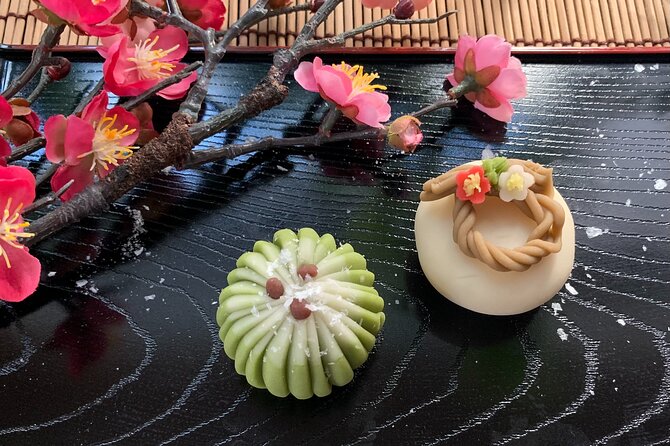
Nerikiri is where wagashi becomes sculpture. Nerikiri is tied to tea ceremony culture, and the techniques are designed to help you understand how the dough is shaped and finished so it matches the style people expect in that context. You are not just forming it, you are learning how to get clean, intentional results.
Combination courses
If you want the most variety in one session, you can do a combination course (Mochi, Dango, Nerikiri in one class, depending on the option you select). This can be a great choice for first-time visitors who do not want to commit to only one wagashi style.
What the 2 Hours Look Like, Step by Step
The structure is built to keep you moving, but not rushed. The day starts at 10:00 am, and you stay with the instructor for the full lesson. From what is offered, you should expect a clear arc:
- You arrive and settle in
You start at the meeting point address in Bunkyo. This is a private class, so it is only your group and the teacher. That matters because you do not have to wait your turn.
- A guided overview of traditional Japanese sweets
Before you start shaping, you get an explanation of what you are making and what each type represents. Past students call out how Yuko takes time to explain ingredients and tradition as part of the learning, not as extra trivia.
- Hands-on making, with personalized corrections
This is the heart of it. You are taught during the process, not after it goes wrong. People mention how patient and attentive Yuko is, with step-by-step guidance and a calm pace.
- Finishing your sweets and enjoying them with matcha
Since this is a Mochi and Nerikiri plus Matcha class, matcha is part of the experience. Nerikiri is also connected to tea ceremony ideas, so you should expect the tea culture theme to show up while you work and when you sit down to enjoy what you made.
- You leave with your results
Some participants report being sent home with take-out sweets and keepsakes. The lesson is designed so the work is not only for that moment, you can take it with you.
A small but important point: the time is short, so you will likely spend more effort on technique than on complicated cooking. That is a feature, not a bug.
Why the Matcha Pairing Changes Everything
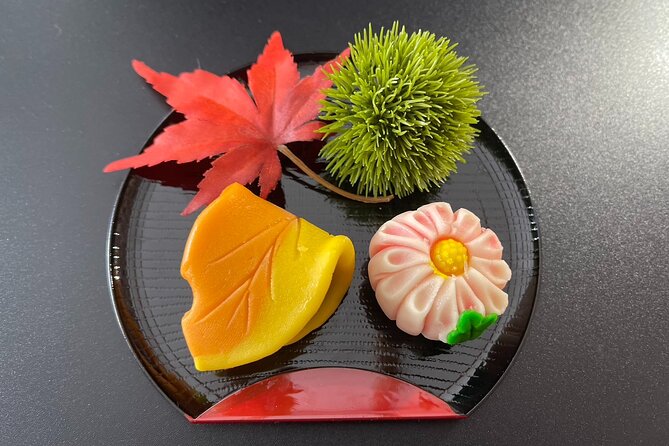
Matcha is not just a drink here. It is a cultural anchor. Wagashi and tea move together in Japanese tradition, and the class uses that link to help you understand why sweetness is shaped the way it is.
If you have only had matcha as a café beverage, this experience gives you a different angle. You see how the sweetness you make connects to the tea ritual and to the idea of seasonal or ceremonial sweets. Nerikiri being tied to tea ceremony culture is especially relevant, because it is the type most people think of as decorative and formal.
And yes, it is practical too. When you learn something that pairs naturally with your finished product, your memory sticks. You remember the texture of the mochi because you ate it with matcha. You remember how nerikiri is meant to look because it sits next to tea like it belongs there.
The Teacher Matters: Bilingual, Trained, and Patient
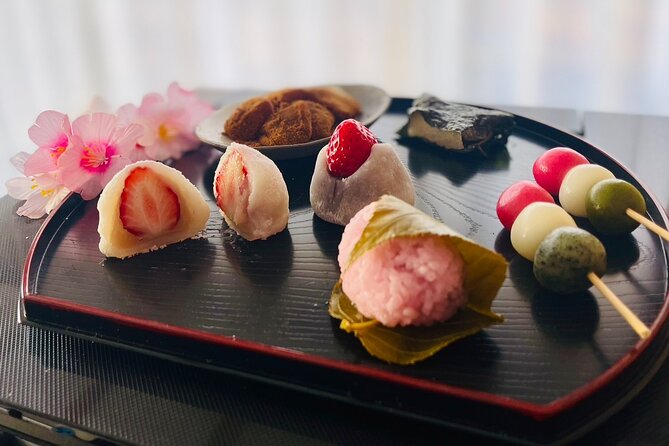
A lot of cooking classes promise personalized attention. This one delivers because the format is private, and the lesson is taught at a home with a one-table setup. Multiple past students specifically praise Yuko’s patience and her ability to explain each step clearly.
You also get bilingual instruction. The teacher is native-Japanese and trained by the Wagashi Association of Japan. That combination is important if you care about accuracy, not just fun. It is one thing to copy a recipe. It is another thing to understand what makes the technique correct.
One more detail I appreciate from the feedback: Yuko engages, and the conversation is part of the experience. It makes the class feel less like a performance and more like sitting down with someone who knows their craft.
Price and Value: What You’re Really Paying For
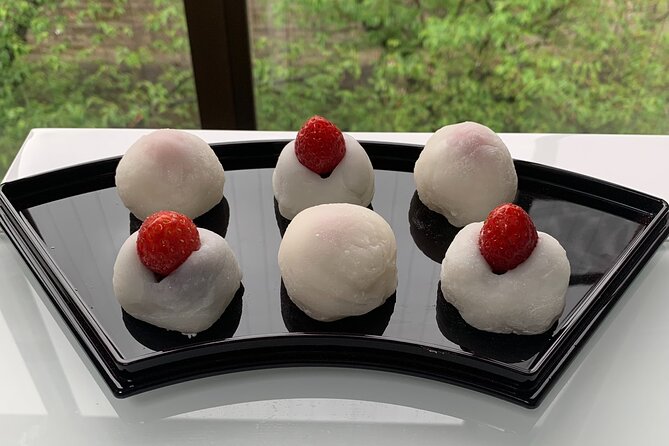
At $78.83 per person for about 2 hours, this is not a bargain-basement cooking deal. But it is also not priced like a huge show. The value comes from a few things that matter in the real world:
- Private instruction instead of a group scramble. For many people, this is where the money disappears back into practicality.
- A teacher trained by the Wagashi Association of Japan, plus bilingual guidance. That reduces guesswork if you want the methods to translate.
- A home setting where you can relax, watch carefully, and practice the steps.
- A finished product plus matcha pairing, which makes the lesson feel complete.
There is also a scheduling reality: it is on average booked about 38 days in advance, which suggests it is not a last-minute impulse class. If you are traveling around busy seasons, booking earlier is smart.
Who This Class Is For (And Who Might Want Another Option)
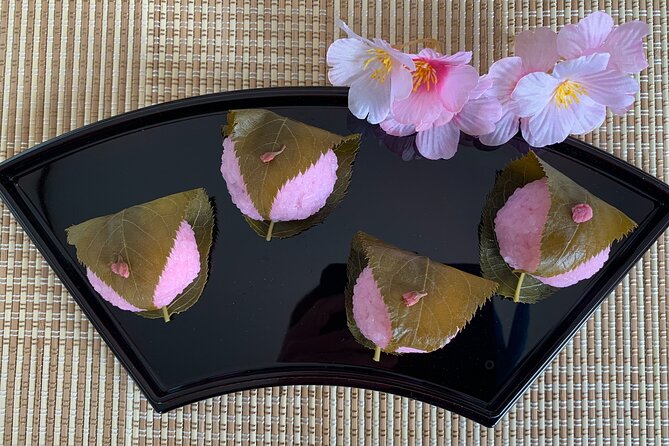
This experience is ideal for:
- Foodies who want more than tasting, and want technique
- Families looking for a hands-on activity that feels authentic and calm
- First-time visitors who want Japanese sweets without needing cooking experience
- Solo travelers who still want an intimate setting with real back-and-forth
You might prefer something else if you want:
- A big group atmosphere or a high-energy show setting
- A long cooking adventure with multiple complex dishes
- A purely sightseeing-focused itinerary
The lesson is short, so you are coming for quality practice, not hours of wandering.
Practical Tips So You Get the Best Experience
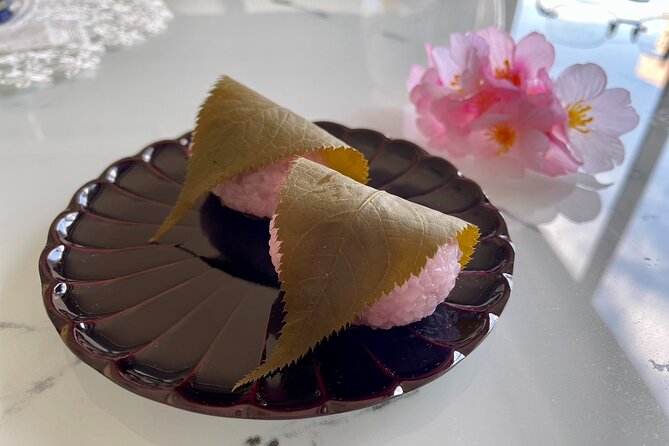
Here are the things that tend to make or break a home-based food class in Tokyo:
- Arrive early to the meeting point. Starting at 10:00 am means you do not want to feel rushed while you find the address.
- Plan for a calm pace. This is a seated, hands-on class, so leave room in your morning for transitions.
- Choose your course based on what you want to repeat at home. If you love tea ceremony aesthetics, nerikiri can be a great pick. If you want something chewy and iconic, mochi is a strong first step.
- Ask questions during shaping. The best results come when you correct technique immediately, while the dough is still fresh and you are still in practice mode.
Should You Book Mochi and Nerikiri Making with Matcha in Bunkyo?
Book it if you want a hands-on wagashi class in a real Japanese home, with patient, step-by-step instruction and matcha as the finish. The private format is the core value, and the sweet-making focus is strong enough that you will leave with skills you can practice later.
Skip it only if you dislike intimate settings, hate home-address logistics, or you are hoping for a broad city tour. In terms of pure experience quality per minute, this one is hard to beat for Tokyo.
If you fit the target audience, you will probably come away with more than treats. You will come away with understanding, the kind you can see and taste at the same time.
FAQ
How long is the mochi and matcha class?
The class is about 2 hours.
Is this a private class?
Yes. It is private, and only your group will participate.
What time does the class start?
The start time is 10:00 am.
Where is the class meeting point?
The meeting point is 1-chōme-27-8 Sekiguchi, Bunkyo City, Tokyo 112-0014, Japan.
Does the activity end at the meeting point?
Yes. It ends back at the meeting point.
What sweets can you make in this class?
You can choose a course that includes Mochi and matcha, Dango, Nerikiri, or a combination of them.
Is the instruction bilingual?
Yes. The class is presented by a bi-lingual, native-Japanese instructor trained by the Wagashi Association of Japan.
Do you get a ticket on your phone?
Yes. It includes a mobile ticket.
How much does it cost per person?
The price is $78.83 per person.
What is the cancellation policy?
You can cancel for a full refund up to 24 hours in advance. If you cancel less than 24 hours before the start time, the amount paid is not refunded.
Fresh options around Tokyo
- Tokyo: Nikko Kegon Falls Lake Chuzenji Toshogu Temple & More★ 4.9 · 12 reviews
- Tokyo: Samurai History Walking Tour★ 5.0 · 12 reviews
- Harajuku: Kawaii Fashion and Pop-Culture Tour★ 4.7 · 12 reviews
- Tokyo: Mt. Fuji & Lake Kawaguchi Instagram Full Day Trip★ 4.1 · 12 reviews
- Shibuya Tokyo: Modern Kintsugi Workshop in Shibuya★ 5.0 · 12 reviews
- Tokyo: GTR Guided Daikoku Experience at Night★ 5.0 · 12 reviews
- Tokyo: Daikoku JDM Car Culture Tour★ 4.6 · 12 reviews
- Mt Fuji Private Day Trip from Tokyo with English speaking driver★ 5.0 · 13 reviews
Workshops, compared.
Sushi Making Tokyo Roll and Authentic Japanese Sushi Class
Read our review →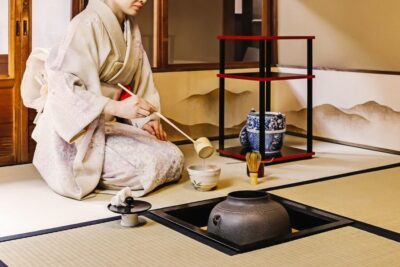
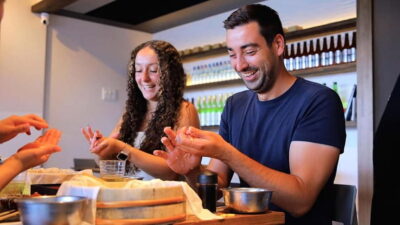
Roll and Authentic Sushi Making Class in Asakusa
Read our review →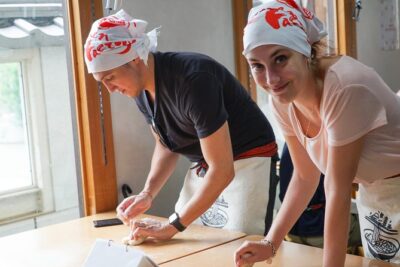
Ramen Cooking Class at Ramen Factory in Kyoto
Read our review →
Sushi Making Class in a Happi Coat near a Famous Spot
Read our review →
Sushi Making Osaka Roll and Authentic Japanese Sushi Class
Read our review →Browse the lists this tour appears in