
Reviewed · WORKSHOPS
Taisho Sushi Making Class in Tokyo
Sushi skills, taught like real training. In this Taisho Sushi Making class in Tokyo, you get step-by-step coaching that starts with practice and ends with you eating your own sushi, plus instruction on how to handle sushi properly.
I especially like that the workshop is designed to be come empty-handed. All equipment and materials are provided, and you also have vegan and vegetarian options if you do not eat fish.
One thing to consider: this is an express format. You learn the basics fast, not advanced years-of-practice techniques, so it might not satisfy you if your goal is deep mastery.
Key Points You Will Notice Right Away

- Model practice first, so you learn the grip and motions before working with real rice and fish
- Nigiri plus gunkan, with seasonally varied toppings and a chance to make multiple pieces
- Vegan and vegetarian options, so non-fish eaters can still participate fully
- You eat what you make, instead of leaving after instructions and photos
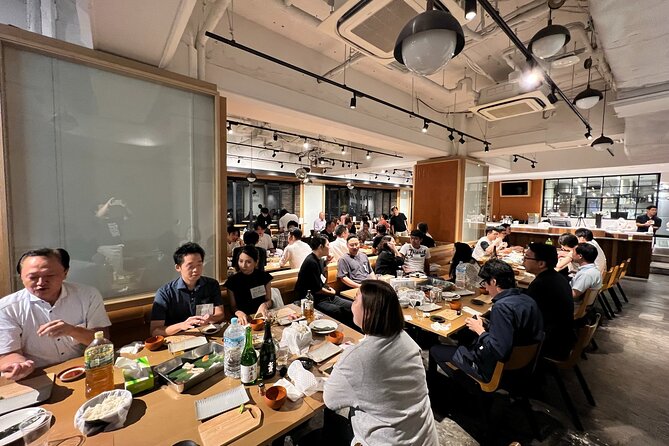
- Small-to-medium group size, capped at 50, which keeps things structured
Getting Oriented in Chiyoda (Kōjimachi) and What Makes the Session Flow
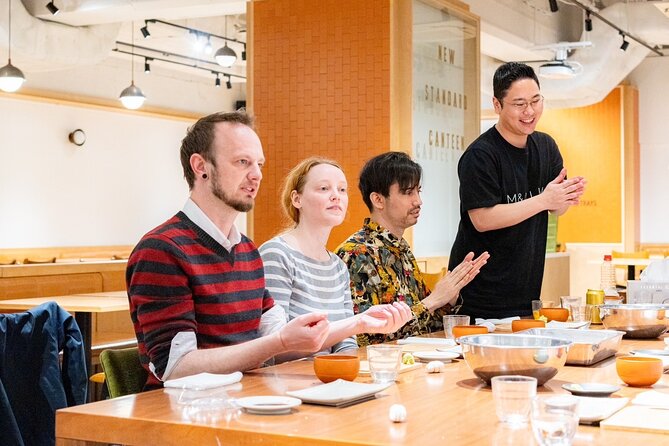
This class meets in Kōjimachi, in central Tokyo (1-chōme-4-4 Kōjimachi, Chiyoda City). It is close to public transportation, and you return to the same meeting point when it ends. For timing, the experience is listed as about 1 hour, while the provider also describes it as a 90-minute experience. Either way, plan for an efficient, tightly run session.
Because it runs in an instruction-heavy format, you should show up ready to work with your hands. Bring whatever you need for comfort, but you will not need cooking gear. The workshop includes everything you need: rice, tools, ingredients, and materials. That one point alone makes this feel more like training than a scavenger hunt.
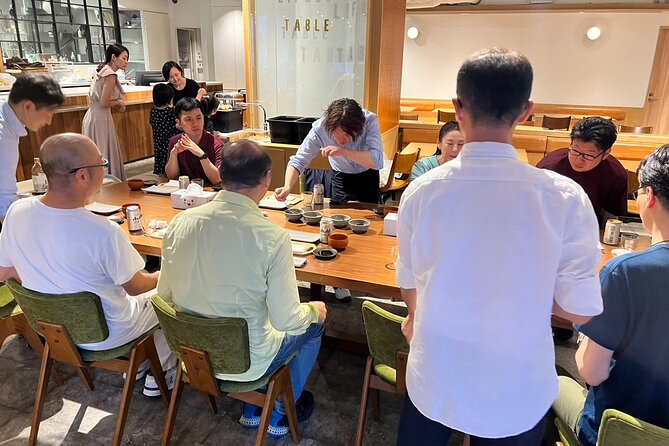
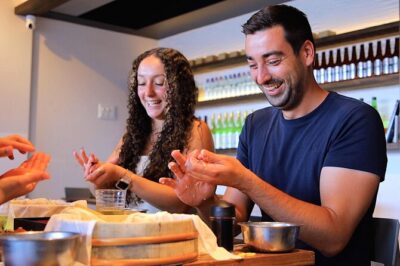
The class also includes a social side. You will be working alongside other sushi lovers, so it is a good option if you want to meet people without arranging dinner plans afterward. Group size is capped at 50, which matters because it typically keeps the pace manageable and the teaching direct.
If you are the type who gets anxious in hands-on classes, take comfort in this structure: you start with model practice, then move to real nigiri. That reduces the stress of doing everything right the first time.
More Sushi Making Classes in Tokyo
- Sushi Making Tokyo Roll and Authentic Japanese Sushi Class
★ 5.0 · 3,971 reviews - Tokyo: Roll and Authentic Sushi Making Class in Asakusa
★ 4.9 · 1,957 reviews - Make Sushi and Create Unforgettable Memories in Tokyo
★ 5.0 · 1,413 reviews
First Stage: Grip Practice on Models Before Real Nigiri
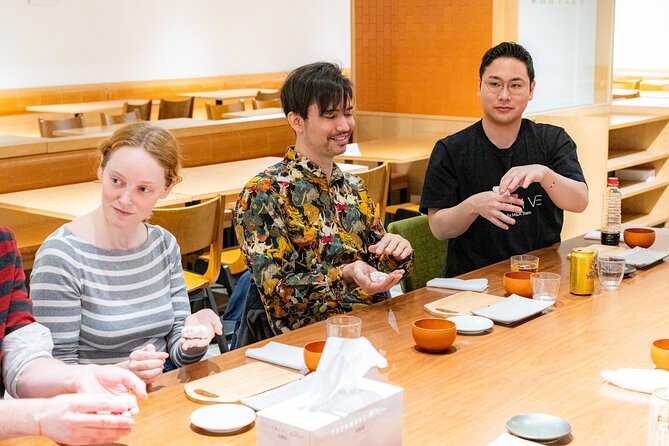
The best part of the design is the sequence. Before you touch real fish and rice, you practice grip and sushi-making procedures using models. The goal is simple: learn the motion first, then apply it with real ingredients.
This matters because sushi technique is not just about taste. It is about pressure, grip, and consistency. If you jump straight into shaping nigiri, it is easy to end up with uneven pieces or rice that does not hold the right shape. Here, you get repetition before the stakes are real.
The class notes that the practice step is repeated several times. That is not filler time. It is the difference between learning a process and merely watching a demonstration. You are training muscle memory in a short window, which is exactly what you want when your vacation schedule is packed.
For anyone who has tried a DIY sushi kit at home, this will feel more grounded. A kit often tells you what to do, but it does not fix how you hold and shape. In this class, you are coached during the learning phase, so your technique improves in real time.
Nigiri Workshop: Seasonally Topped Pieces You Build and Eat
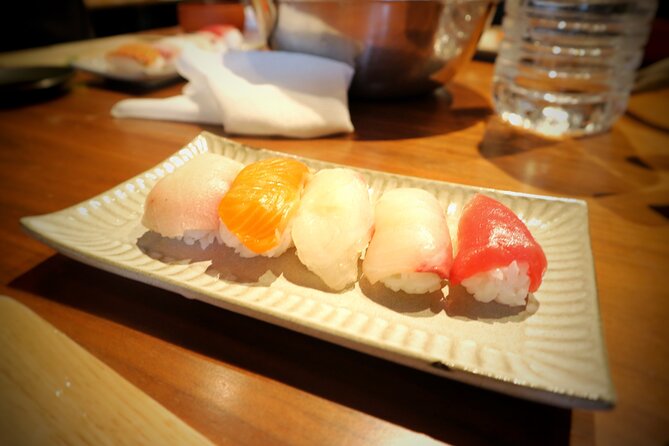
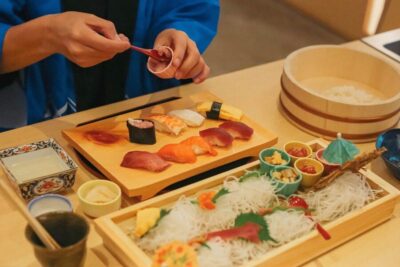
After the model practice, you switch into real nigirizushi. You make nigiri using real fish and rice, guided by instruction throughout. The experience also includes a lecture on nigiri, so you are not only repeating motions. You are learning why the pieces are built the way they are.
One detail I like for practical planning: the neta varies by season. That means you are not stuck with the same set of toppings every time. You can expect a best-available variety and a quantity that is enough to leave you full.
You will also learn basic sushi-eating etiquette as part of the experience. Since the workshop ends with you eating what you made, this is not theoretical. You will be using the advice immediately, which helps you actually enjoy your sushi the way it is meant to be enjoyed.
If you are a sushi fan who usually orders nigiri and wants to understand it better, this stage is where it clicks. You learn what goes into each piece, and you taste the result right after making it. That fast feedback loop is one reason short classes can still feel satisfying.
Maki and Rolling Basics: What You Learn Beyond Nigiri
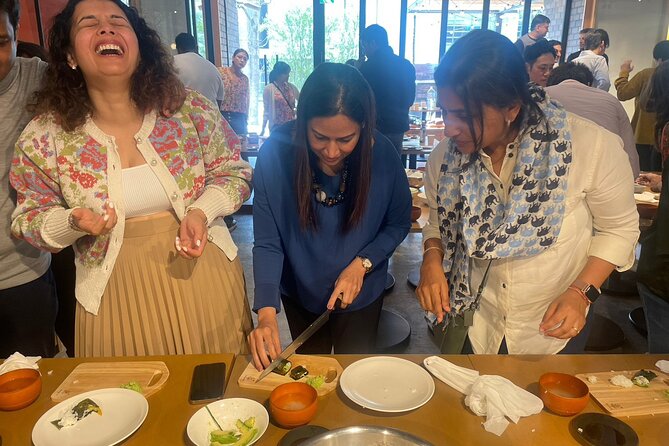
The overall workshop is described as teaching the basics of hand-made maki and nigiri. Even though the detailed steps emphasize nigiri practice and gunkan instruction, the lesson is clearly meant to cover more than one sushi style.
In a class like this, maki learning usually centers on preparation and rolling technique. That means you are not only tasting sushi, you are learning how the ingredients come together into the familiar shapes you see in shops.
If you have never rolled before, this is an advantage of the express format. You get the core technique taught with enough repetition to make it understandable, then you move to eating. You are not spending the whole day prepping ingredients, simmering rice, and cleaning the kitchen.
For better results, come with a simple mindset: you are learning a process, not chasing perfection. That keeps the experience fun and helps you focus on the instruction that matters most.
Same corner of Japan, a different kind of day:
- Mt Fuji and Hakone 1-Day Bus Tour Return by Bullet Train
★ 5.0 · 26,383 reviews - 1-Day Tokyo Bus Tour
★ 5.0 · 14,250 reviews - Tokyo: TOKYO SKYTREE® Admission ticket
★ 4.5 · 11,192 reviews - Tokyo: teamLab Planets TOKYO Digital Art Museum Entry Ticket
★ 4.6 · 9,779 reviews
Gunkan Lesson: Nori Orientation and Sea-Inspired Favorites
Once the nigiri practice is underway, the workshop shifts into gunkan. Gunkan is the sushi style that looks like a little sea-ship, with nori wrapped around a topping. Here, you get a lecture on gunkan and then you make your own.
The class highlights specific gunkan-style items, including salmon roe and negitoro (crushed sea urchin). It also notes that the neta varies depending on season, so the exact topping lineup may change, but you can expect classic, sea-forward flavors.
Two gunkan details are especially useful for anyone who wants to understand technique rather than just follow steps:
- You learn that nori has a front and back side.
- You get tips on rolling the nori into the right shape.
Those two points are exactly the kind of practical knowledge that is hard to figure out from online videos. If you have ever tried making nori wraps and ended up with pieces that do not look right or do not hold together, this lecture-style coaching helps you avoid common mistakes.
Also, since these pieces are portioned and built for eating, you are learning how sushi is assembled for texture. You are not only shaping rice, you are building a structure that keeps the topping contained.
If you love more decadent sushi toppings, this stage is likely to be the one you talk about later. It is visually distinctive, and the flavors tend to be memorable.
Eating Your Creations and Learning Sushi Etiquette on the Spot
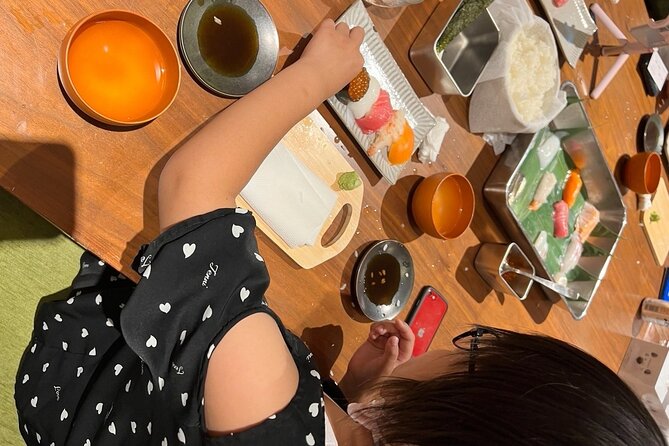
A key promise of the workshop is that you come hungry because you get the chance to consume your creations. That changes the entire feel of the class. You are not paying just for instruction. You are eating the outcome of your work.
You also receive instruction on proper sushi-eating etiquette. The class does not position it as a formal lecture, but as part of the meal. That is useful because etiquette can be confusing when you are watching in restaurants. Here, you get guidance so you do not have to guess when the food is in front of you.
In practice, this means you will leave with more confidence ordering sushi in Japan, too. You will understand how pieces are handled and what a thoughtful approach feels like. Even if you already know the basics, getting reminders in context helps you feel more comfortable in real dining situations.
And because the workshop includes enough variety and quantity to be full, you can treat it as a proper experience day plan rather than a small snack activity.
Vegan and Vegetarian Options: Real Participation, Not an Afterthought
One of the most important features for many people is that vegan and vegetarian options are available for non-fish eaters. That means the class is not just for fish lovers. You can still learn the motions, build pieces, and take part in the eating portion.
For anyone traveling with dietary needs, this matters more than you might expect. A lot of “food experience” activities claim dietary accommodations but still make the experience feel separate. Here, the structure stays hands-on, so you can still learn the same core skills, just with non-fish ingredients.
If you prefer a plant-forward meal, you might find that you enjoy the technique even more. Vegetarian sushi can highlight how seasoning and texture work when the topping is not the primary flavor driver.
If you eat fish but want to share the class with someone who does not, this setup makes that easier. You can plan one activity for the group without splitting the day.
Price and Value: Why $109.01 Can Still Make Sense
The price is $109.01 per person. At first glance, that can feel steep for a one-hour class. But here is where the value math gets interesting.
You are paying for:
- All equipment and materials provided, so you are not buying ingredients or tools on your own
- Hands-on instruction, with model practice before real sushi work
- Multiple sushi styles, including nigiri and gunkan
- You eat what you make, with enough variety and quantity to be full
- Seasonal topping variety, so the meal feels more like a real sushi experience than a single repeated pattern
In other words, you are not just learning how to roll. You are also getting a guided, structured meal. When you compare that to what sushi costs in Tokyo, especially if you order multiple pieces, the class starts to look like a bundled deal.
It also helps that the session is relatively short. You can fit it into a busy Tokyo schedule without sacrificing your whole day. If you only have one sushi-focused activity planned, this is a strong candidate.
One last value note: the class is described as authentic in style, incorporating practices similar to sushi chef training schools. That does not guarantee excellence on its own, but the training sequence, model practice, and focus on technique all support the claim that it is meant to teach fundamentals the right way.
Who This Class Is Best For (and Who Might Want Something Different)
I think this class is a great fit if you:
- Love sushi and want hands-on basics in a short time
- Want to learn how sushi is shaped, not only eaten
- Are traveling with someone who might need vegan or vegetarian options
- Like structured instruction with clear steps, especially the model practice phase
- Prefer a smaller, guided format with a manageable group size
It might not be your best match if you:
- Want a long, multi-course tasting with deep restaurant storytelling
- Are already an advanced sushi maker looking for specialized, professional-level cutting and complex technique
- Are seeking a relaxed show-and-taste style with minimal hands-on work
For most people, though, the express nature is exactly the point. You get real technique, real food, and a practical sushi meal outcome.
Quick Practical Tips Before You Go
To make the most of the short class time, keep these in mind:
- Plan to arrive ready to work, not distracted. When the session is moving, it moves.
- If you have dietary needs, make sure you are choosing the vegan or vegetarian option in advance so the class can prepare accordingly.
- Keep your expectations focused on fundamentals. You will leave knowing more than you started.
And mentally, remember this is training. Even if your first pieces are not perfect, you are learning what the instructor is trying to teach, one repetition at a time.
Should You Book Taisho Sushi Making Class in Tokyo?
Book it if you want a practical Tokyo food experience that actually teaches technique and ends with you eating. The biggest reasons to say yes are the model practice first approach, the chance to make both nigiri and gunkan, and the fact you will have enough variety and quantity to be full. Add vegan and vegetarian options for non-fish eaters, and the class becomes a rare kind of activity that works for mixed groups.
Hold off or consider a different type of sushi experience if your main goal is a long restaurant-style tasting or if you already have advanced sushi skills and want a deeper, specialist training track.
If you want an efficient, hands-on sushi day that helps you order and enjoy sushi with more confidence afterward, this is an easy choice.
FAQ
How long is the Taisho sushi making class?
The experience is listed as about 1 hour, and the provider also describes it as a 90-minute experience, so plan for a relatively short, fast-paced session.
Do I need to bring sushi equipment or ingredients?
No. The class provides equipment and materials, so you can come empty-handed.
Are vegan or vegetarian options available?
Yes. Vegan and vegetarian options are available for non-fish eaters.
What sushi types will I learn to make?
You learn the basics of hand-made maki and nigiri, and the session includes practice and instruction for nigiri plus gunkan.
Will I eat the sushi I make?
Yes. The workshop ends with the chance to consume your creations, and the class notes that you can be full.
Where does the class start and end?
It starts at 1-chōme-4-4 Kōjimachi, Chiyoda City, Tokyo 102-0083, Japan, and it ends back at the meeting point.
Can I cancel for a refund?
Yes. You can cancel up to 24 hours in advance for a full refund. Cancellation cutoff times are based on local experience time.
Fresh options around Tokyo
- Tokyo: Nikko Kegon Falls Lake Chuzenji Toshogu Temple & More★ 4.9 · 12 reviews
- Tokyo: Samurai History Walking Tour★ 5.0 · 12 reviews
- Harajuku: Kawaii Fashion and Pop-Culture Tour★ 4.7 · 12 reviews
- Tokyo: Mt. Fuji & Lake Kawaguchi Instagram Full Day Trip★ 4.1 · 12 reviews
- Shibuya Tokyo: Modern Kintsugi Workshop in Shibuya★ 5.0 · 12 reviews
- Tokyo: GTR Guided Daikoku Experience at Night★ 5.0 · 12 reviews
- Tokyo: Daikoku JDM Car Culture Tour★ 4.6 · 12 reviews
- Mt Fuji Private Day Trip from Tokyo with English speaking driver★ 5.0 · 13 reviews
Workshops, compared.
Sushi Making Tokyo Roll and Authentic Japanese Sushi Class
Read our review →
Roll and Authentic Sushi Making Class in Asakusa
Read our review →
Ramen Cooking Class at Ramen Factory in Kyoto
Read our review →
Sushi Making Class in a Happi Coat near a Famous Spot
Read our review →
Sushi Making Osaka Roll and Authentic Japanese Sushi Class
Read our review →Browse the lists this tour appears in