
Reviewed · WORKSHOPS
Shibuya Tokyo: Sushi Making Class (Vegan/Vegetarian/Halal)
When sushi skills meet a plant-based menu
In Shibuya, you can learn real sushi-making in 90 minutes, with English-speaking instructors and vegan and vegetarian options built in. I like the focus on getting your hands moving fast, not just watching. One thing to consider: the menu can’t be changed on the day, so you should flag allergies or dietary needs when you book.
The class keeps a relaxed, friendly feel, with teaching that works even if you have zero cooking experience. In particular, instructors such as Momoyo and Kaito have been praised for clear, patient guidance and easy conversation. A small practical note, the venue can be a little tricky to locate, so plan a few extra minutes to get your bearings near Shibuya Station.
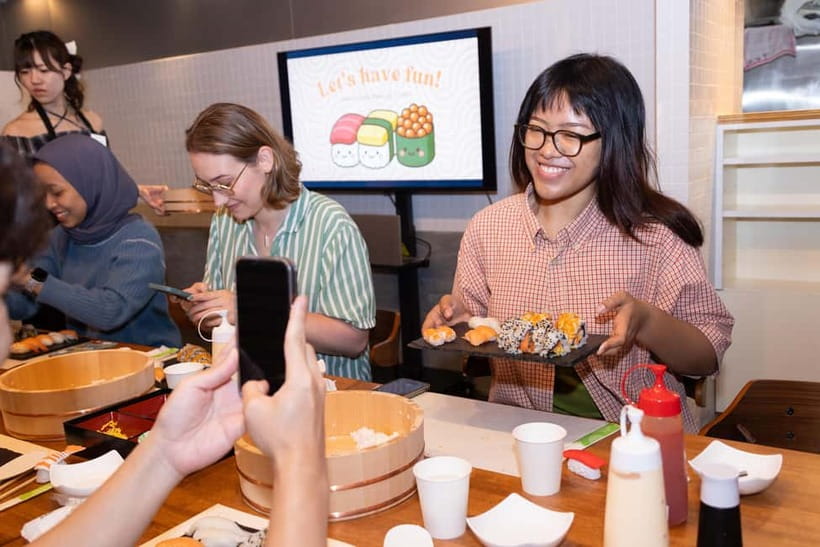
You start with a light sushi-history welcome quiz, then you roll your own pieces and shape nigiri and California rolls. Then you eat what you make, with staff happy to help you take photos before you dig in. Also note, audio recording is not allowed during the class.
Key Things You Should Know Before You Go
- Shibuya Station location: about a 7-minute walk, easy to pair with the rest of your day in the area
- Hands-on sushi: you make California rolls and nigiri, not just a demo
- Diet options that fit real meals: vegan, vegetarian, halal-friendly, and gluten-free options are available
- Warm start with sushi history: a quick quiz keeps the tone friendly and not boring
- English instruction: the teaching is designed for English speakers
- No audio recording: plan on taking notes or photos instead
More Sushi Making Classes in Tokyo
- Sushi Making Tokyo Roll and Authentic Japanese Sushi Class
★ 5.0 · 3,971 reviews - Tokyo: Roll and Authentic Sushi Making Class in Asakusa
★ 4.9 · 1,957 reviews - Make Sushi and Create Unforgettable Memories in Tokyo
★ 5.0 · 1,413 reviews
Why This Shibuya Sushi Class Works So Well
Sushi lessons can fall into two extremes. Either they feel too basic, or they get so technical you spend 90 minutes feeling stressed. This one aims for the middle: practical steps, clear guidance, and enough structure that you finish with food you can actually eat and enjoy.
Shibuya matters here. You are in one of Tokyo’s most recognizable areas, yet the vibe of the class is calm and focused. Instead of doing another “quick photo and move on” stop, you slow down long enough to learn a skill that transfers beyond Japan. And since the class includes eating what you make, it does not rely on good smells as the main payoff, you get the full meal experience.
The 90-Minute Plan, From Welcome Quiz to Your Finished Plate
The full experience runs about 90 minutes, which is a sweet spot in Tokyo. It is long enough to feel like you learn something meaningful, and short enough that you do not have to restructure your entire day.
First stop: a sushi quiz that sets the mood
Right when you arrive, the class starts with a short welcome quiz about the history of sushi. It is not treated like a school exam. Instead, it gives you a little cultural context and helps break the ice with your group.
This matters more than it sounds. When you know a couple basics about sushi, the rest of the lesson feels less like random hand movements. You understand what you are aiming for, then you practice toward it.
Same corner of Japan, a different kind of day:
- Mt Fuji and Hakone 1-Day Bus Tour Return by Bullet Train
★ 5.0 · 26,383 reviews - 1-Day Tokyo Bus Tour
★ 5.0 · 14,250 reviews - Tokyo: TOKYO SKYTREE® Admission ticket
★ 4.5 · 11,192 reviews - Tokyo: teamLab Planets TOKYO Digital Art Museum Entry Ticket
★ 4.6 · 9,779 reviews
Main work: hands-on rolling and shaping
After the quiz, you move into the main event: making sushi with guidance from the instructor. The lesson covers both California rolls and nigiri. You do not just assemble pre-made items. You learn key ingredient ideas, and you get tips for rolling so your pieces look better and hold together.
If you are thinking about doing this as a solo traveler, this is a good fit. The structure keeps things from feeling awkward. You have a clear sequence, plus instruction is in English, so you can focus on technique rather than decoding.
Final stop: eat what you make, with photos encouraged
When your sushi is ready, you sit down and enjoy your creations. Staff are happy to take photos of your sushi before you eat. That little moment helps you remember the finished result, not just the process.
And yes, eating matters. A sushi class where you only make and walk away feels incomplete. Here, you get that satisfying final step, and it often turns into the part people talk about later: the relief of finally tasting something you shaped yourself.
Vegan, Vegetarian, Halal, and Gluten-Free: How the Class Handles Dietary Needs
This class is built around inclusive menu options, and it is not just a label at checkout. You can choose vegan, vegetarian, halal-friendly, and gluten-free (noted as gluten-free, normal). The big practical value is that you are not stuck with a bland “substitute” plate.
What you use for vegan and vegetarian sushi
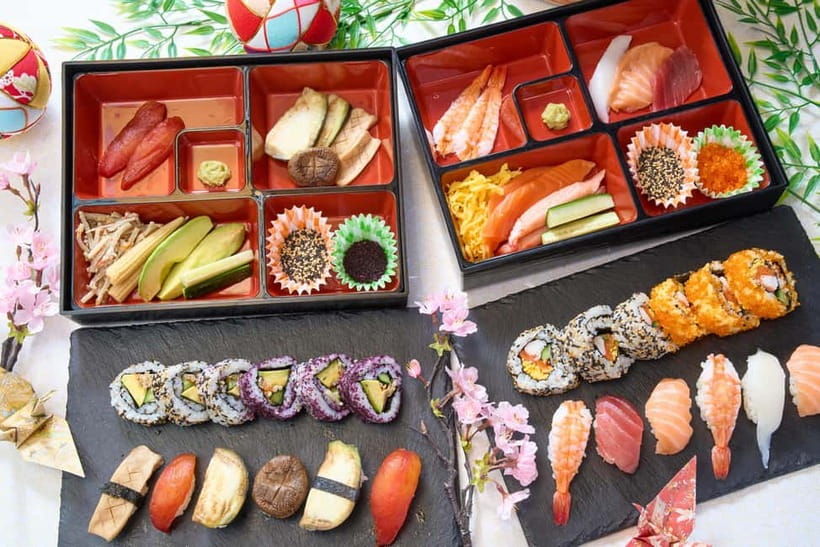
For vegan and vegetarian versions, the class uses fresh vegetables like eggplant, mushroom, tomato, and avocado. That is the sort of ingredient list that gives you real texture and flavor, which is essential for sushi that does not rely on fish.
In other words, your sushi is not forced to taste like something it is not. Instead, you learn how sushi-style combinations work with plant-based ingredients and how to build pieces that look intentional.
Halal-friendly and gluten-free details
Halal-friendly and gluten-free options are also available, with customization supported when you book. The key point for you is to indicate your needs ahead of time. The class can adapt, but it cannot adjust the menu on the day of the activity.
If you have any allergies or strict dietary requirements, do not wait. Put it in your booking details so the instructor and staff can prepare correctly before class begins.
The Teaching Style: Clear Steps, Friendly Conversation, and Real Technique Tips
What makes a cooking class worth paying for is not the recipe cards. It is how well the instructor translates technique into something you can actually do with your hands.
This class has a teaching approach that comes up repeatedly in feedback: friendly local instructors, clear directions, and patience for beginners. In past sessions, instructors such as Momoyo and Kaito have been singled out for making participants feel comfortable and for guiding them step by step.
Expect English guidance that keeps you on track
The class is led by an English instructor, and that makes a difference. You can focus on the action, not on whether you missed a key point. You also get a better shot at asking questions if something feels confusing.
You learn “how,” not just “what”
You get tips about key ingredients and rolling techniques, plus instruction on making nigiri. That means you are not just collecting steps for one night. You are practicing the kind of “process knowledge” you can reuse later if you try a sushi night at home.
What You Take Home: Skills You Can Use, Not Just a Full Belly
The best part of a class like this is the skill transfer. You do not need to become a sushi master, but you should leave with enough confidence to remake a version you enjoy.
Here is what you should expect to walk away with:
- A better understanding of sushi structure, especially what changes between rolls and nigiri
- Practical rolling tips that help your pieces look more even
- Ingredient ideas for vegan or vegetarian sushi using fresh produce
- The confidence that your first attempt does not have to be perfect to be good
Also, you get at least a small cultural layer from the sushi history quiz. It is brief, but it gives you context you can use when you are eating sushi in Tokyo later. You start noticing details instead of treating every piece like a mystery.
Price and Value for a 90-Minute Hands-On Meal
At $58 per person for 90 minutes, this class sits in the range where you want to feel the value quickly. The good news is that the structure supports that.
You get:
- An English-speaking instructor
- Tools and utensils
- All fresh ingredients for the selected diet option
- A hands-on lesson where you actively make sushi (California rolls and nigiri)
- The meal itself, since you eat what you make
So your money is not only paying for the lesson. It is paying for the full package, ingredients included, plus the teaching time to help you succeed. If you’ve ever done a class where you pay for instruction but the ingredient experience feels thin, this one aims to avoid that.
The main value question for you is simple: do you want to learn a repeatable skill, or do you just want a fancy meal? If you want skills plus a meal, this price starts to make a lot of sense.
Logistics in Shibuya: Finding the Studio and Timing Your Day
The studio is in the heart of Shibuya, around a 7-minute walk from Shibuya Station. That makes it easy to slot into a day with shopping, a café break, or a Shibuya evening out.
Still, plan a little buffer. Some people note they should allow extra time to find the venue. Tokyo landmarks can be clear, but small storefronts and indoor studios can be harder to spot quickly. If you arrive early and check directions, you will feel less rushed.
What to do before you arrive
To get the best outcome, do these two things:
- Review your dietary choice at booking and ensure it is correct
- Bring any allergy or restriction details forward early, since menu changes on the day cannot be accommodated
One rule to keep in mind
Audio recording is not allowed. That means you should plan to take notes or photos instead, and keep your phone used for normal pictures only.
Who This Class Is Best For
This is one of those activities that fits more people than you might expect.
Great for
- Vegan and vegetarian visitors who want sushi in Japan without compromising their diet
- Halal-friendly travelers who want a structured, diet-aware meal experience
- Beginners who want step-by-step instruction in English
- Solo travelers or couples who want something social but not crowded, with a clear format
- Families looking for a hands-on, not-too-long activity
Maybe not ideal if
- You want a mostly observational experience. This is hands-on. You will be working at the station.
- You are hoping to adjust your menu last minute. You will need to finalize dietary needs when you book.
Should You Book This Shibuya Sushi-Making Class?
Book it if you want a fun, practical Tokyo experience with real hands-on sushi-making and diet options that let you sit down and eat what you make. The blend of a friendly quiz start, clear English instruction, and a finished meal is the kind of payoff that makes a short class feel worth it.
Skip it or at least rethink if you are looking for a flexible, same-day menu switch, or if you hate the idea of rolling and shaping food yourself. This class is built for participation, not passive viewing.
If you are in Shibuya anyway, this is a smart use of time. You leave with both a full plate and a new skill you can try at home.
FAQ
How long is the sushi-making class?
The class runs for 90 minutes.
Is the class taught in English?
Yes, the instructor is English-speaking.
Are vegan, vegetarian, halal-friendly, and gluten-free options available?
Yes. Vegan, vegetarian, halal-friendly, and gluten-free (normal) options are available. You should indicate your preferences or dietary restrictions when booking.
What sushi will I make during the class?
The lesson includes making California rolls and nigiri.
Is the studio near Shibuya Station?
Yes, it is about a 7-minute walk from Shibuya Station.
Are audio recordings allowed during the class?
No, audio recording is not allowed.
Fresh options around Tokyo
- Tokyo: Nikko Kegon Falls Lake Chuzenji Toshogu Temple & More★ 4.9 · 12 reviews
- Tokyo: Samurai History Walking Tour★ 5.0 · 12 reviews
- Harajuku: Kawaii Fashion and Pop-Culture Tour★ 4.7 · 12 reviews
- Tokyo: Mt. Fuji & Lake Kawaguchi Instagram Full Day Trip★ 4.1 · 12 reviews
- Shibuya Tokyo: Modern Kintsugi Workshop in Shibuya★ 5.0 · 12 reviews
- Tokyo: GTR Guided Daikoku Experience at Night★ 5.0 · 12 reviews
- Tokyo: Daikoku JDM Car Culture Tour★ 4.6 · 12 reviews
- Mt Fuji Private Day Trip from Tokyo with English speaking driver★ 5.0 · 13 reviews
Workshops, compared.
Sushi Making Tokyo Roll and Authentic Japanese Sushi Class
Read our review →
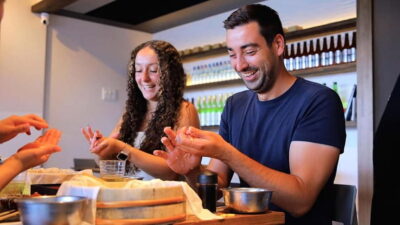
Roll and Authentic Sushi Making Class in Asakusa
Read our review →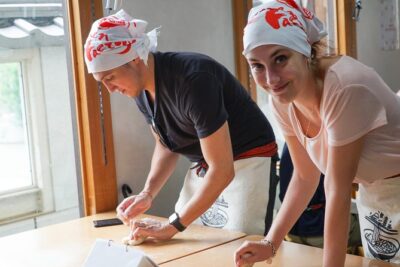
Ramen Cooking Class at Ramen Factory in Kyoto
Read our review →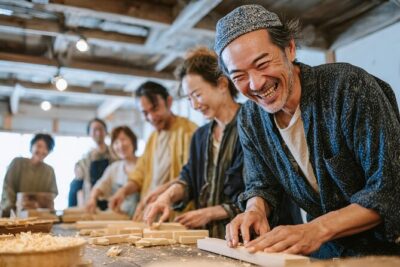
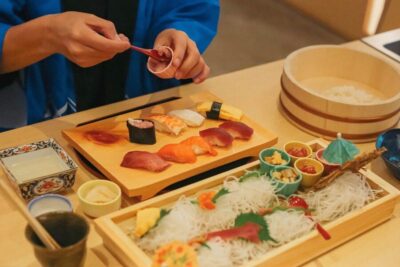
Sushi Making Class in a Happi Coat near a Famous Spot
Read our review →
Sushi Making Osaka Roll and Authentic Japanese Sushi Class
Read our review →Browse the lists this tour appears in