
Reviewed · COOKING CLASSES
Private Ramen or Gyoza Cooking Class in Kyoto with Chef Midori
Want Kyoto food without the food-fight crowds? This private lesson with Chef Midori turns basics like soy sauce, mirin, sake, and miso into dinner for your group. I love the personalized, one-on-one guidance, and I love that you sit down right after cooking to eat what you made. One thing to consider: you choose from set menus ahead of time, so you are not improvising your own dish list on the spot.
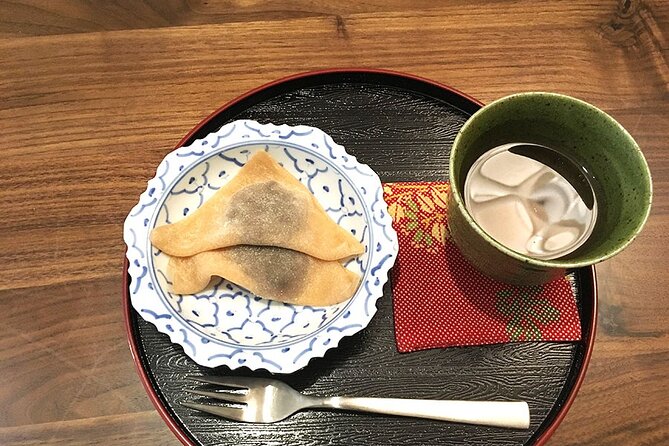
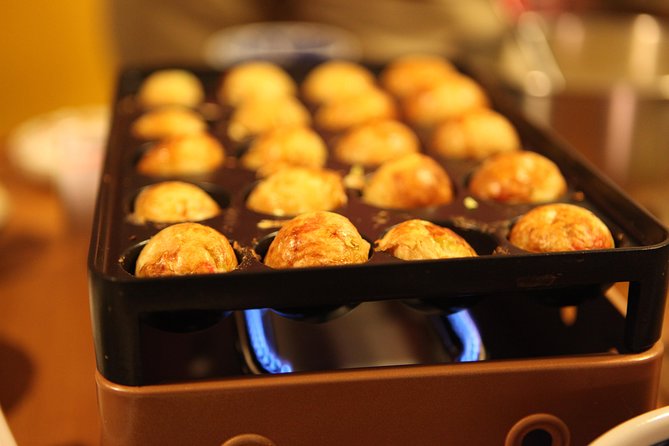
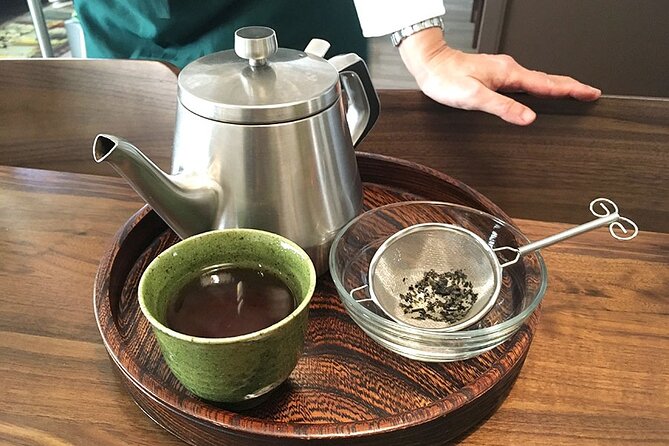
Midori welcomes you into her cozy Kyoto cooking studio near Gion with Japanese tea, then gets you cooking at an easy, relaxed pace. Expect seasonal touches and dishes that can include gyoza and other favorites like tonkatsu, sushi, takoyaki, and okonomiyaki.
Key takeaways before you book
- Private studio setting near Gion: no crowds, just your group and the chef.
- Hands-on teaching with real fundamentals: soy sauce, mirin, sake, miso, and the why behind them.
- Set menus with dietary options: vegetarian, vegan, kosher, and halal can be accommodated if you request.
- You eat the results: cooking and dinner happen in the same experience, plus Midori shares Kyoto food and shopping tips.
- Small details that matter: there’s a cat that stays upstairs, and the class is hosted in a local home kitchen.
Chef Midori’s Kyoto studio: private, local, and actually practical
This is not a demo where you watch and hope. You come into Midori’s home-style cooking space near Gion, drink a cup of Japanese tea, and get straight into the ingredients and techniques that make Japanese food taste like Japanese food.
What I like most is the tone: calm, friendly, and conversational. Midori has been teaching Japanese cooking for over 30 years, so you are not just learning recipes, you are picking up the logic behind flavor and timing. If you ask questions as you go, she can explain in a way that helps you cook the same dish later.
The studio format also matters. You are not squeezed into a crowd, and the chef can slow down when you need it. That one-on-one attention is especially helpful for hands-on steps like shaping dumplings or getting crisp texture right on the outside and tender inside.
There’s also a small but real consideration: a cat lives in the home but stays upstairs and does not enter the kitchen or dining area. If you have pet allergies, plan around that fact before you book.
More Cooking Classes in Kyoto
- Ramen Cooking Class at Ramen Factory in Kyoto
★ 5.0 · 1,937 reviews - Kyoto: Ramen Cooking Class at a Ramen Factory with Souvenir
★ 4.9 · 532 reviews - Kyoto: Ramen, Gyoza, and Onigiri Cooking Class
★ 5.0 · 445 reviews
Choosing your set menu: gyoza focus and other Kyoto classics
You pick from five set menu options, and you include your choice when you book. That sounds rigid, but it is also what keeps the class smooth. You are not guessing what ingredients you will need, and Midori can guide you step by step with the full plan ready.
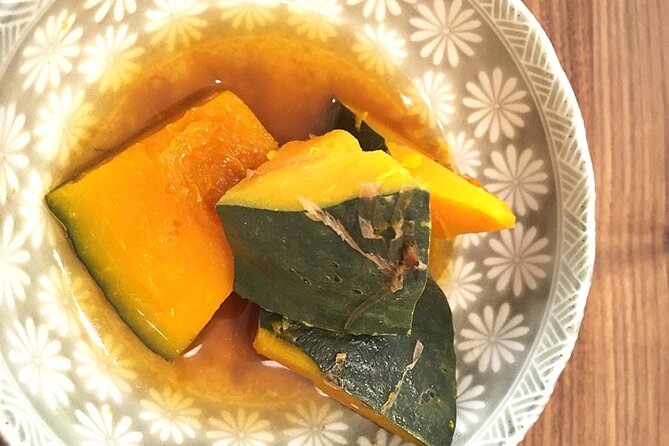
The menu examples include a mix of well-loved comfort dishes and Kyoto-style street favorites. Depending on what you choose, you could be cooking things like tonkatsu, miso soup, sushi, teriyaki chicken, or Kansai street snacks such as gyoza, takoyaki, or okonomiyaki. That range is a good sign if your group has mixed interests, because you can steer the menu toward what you want to learn.
Vegetarian and vegan diners are also covered. Kosher and halal options are available too, as long as you advise in advance. You should treat this as a real request, not an afterthought, because the chef needs to prepare accordingly.
One tradeoff: because it is set-menu based, you might not get to swap in a totally custom dish you have in mind. If you are the type who loves flexibility, you will want to decide your menu choice carefully.
The welcome and the ingredient lesson that makes everything easier
Before you start cooking, Midori walks you through the building blocks of home-style Japanese cooking. You get introduced to key flavor foundations like soy sauce, mirin, sake, and miso. It is a quick but important setup, because it helps you understand what each ingredient is doing in the dish.
Think of it like getting the map before you hike. Once you know how those ingredients function, the recipes stop feeling mysterious. You can also adjust more confidently later when you cook at home and your pantry has different brands.
Midori’s approach is warm and grounded. She explains without putting on a show, and she keeps the pace friendly so you can keep up with chopping, mixing, and timing. If you are new to Japanese cooking, this is the part that helps you feel less lost.
And yes, you start with tea. It sounds small, but that first moment helps you shift into the right mindset. You are in a home studio, not a factory kitchen, so the lesson begins like a visit from someone who cooks for people.
Inside the 1.5 hour cooking session: hands-on, guided, and doable
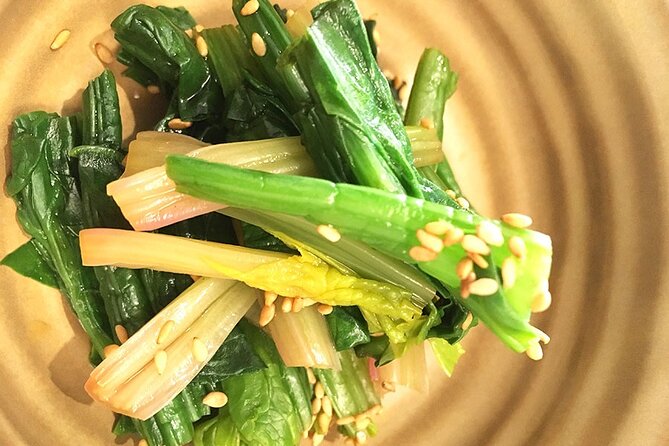
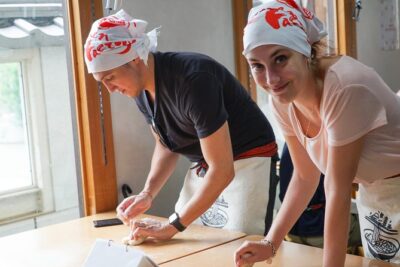
The cooking session runs about 1.5 hours, and during that time Midori blends live guidance with hands-on cooking. You will see the steps, then you will do the steps. If you get stuck, you can ask, and she can correct technique while you are still in the process.
Here is why that matters. Japanese home cooking often depends on small actions: how you mix a sauce, how long you let ingredients rest, when to heat a pan for the right texture. In a group class, you might only get a glance at what matters. In a private lesson, you can get the real correction while it still counts.
Your menu determines the exact workflow. But most lessons follow a rhythm like this:
- Start with prep and ingredient handling
- Move into cooking steps where timing and heat matter
- Finish with the dish components you will serve at the end
Because the recipes are designed to be recreatable at home, Midori focuses on technique and practical methods, not just flavor. You are learning how to do it again, not just how to watch it once.
Also, expect seasonal touches. The class is described as using seasonal dishes and traditional ingredients, so you are not just repeating a generic, every-day menu.
More Ramen Tours in Kyoto
- Kyoto Ramen and Gyoza Cooking Class with Professional Chefs
★ 5.0 · 282 reviews - Home style Ramen and Homemade Gyoza in Kyoto
★ 5.0 · 152 reviews - Kyoto Michelin Ramen Workshop or Painting Ramen Essentials
★ 4.9 · 100 reviews - Kyoto Ramen & Gyoza Cooking Class with Professional Chefs
★ 4.8 · 100 reviews
Meal time in the same studio: dinner feels like part of the lesson
After the cooking, you share a meal and savor the dishes you helped make. The structure is simple, but it is one of the best parts of the whole experience, because it turns the class into an actual meal, not homework you then forget.
You are eating while the experience is still fresh in your head. That makes it easier to connect taste to technique. If something is slightly off, you can often ask about it right away, and Midori can point out what to tweak next time.
This meal portion also tends to be where you get the added value beyond cooking. Midori shares her favorite local restaurant recommendations and insider tips on where to shop for food and souvenirs in Kyoto. This is the kind of advice that helps you spend money well after the class, instead of guessing or relying on only what is closest.
There is also a social benefit. Even though it is private, you still eat together in a home setting. It feels like dinner with a helpful friend who happens to be an expert chef.
If you want to keep a record for later, consider asking about capturing the steps. One participant specifically noted being allowed to record the lessons for future use, which suggests Midori is open to this type of learning reinforcement.
Midori’s teaching style: warm hospitality plus specific tips
Midori’s background, over 30 years of teaching, shows up in how she explains. People love her for being kind and welcoming, with a sense of humor that keeps things relaxed. The overall feel is like visiting someone who cooks well and genuinely wants you to succeed.
The most practical praise centers on interactivity. You are not silently waiting your turn. You can ask questions, get quick corrections, and learn what to look for while cooking. That feedback loop is what makes private cooking classes worth it.
Midori also tends to give more than just food advice. She can talk about what you like to do while in Japan and offer recommendations for things to visit in Kyoto and beyond. In at least one case, she even helped with dinner reservations, which tells you she is thinking in terms of your whole trip, not only the lesson.
The other high-value theme is shopping guidance. If you want to recreate dishes at home, you need the right ingredients. Midori provides specific advice on what to buy and where, which can save you time and reduce the odds of bringing home the wrong items.
And if you are cooking-oriented, this class is a great match. The experience is designed to help you improve, not just to say you cooked ramen or gyoza once.
Price and value: is $169 per person fair?
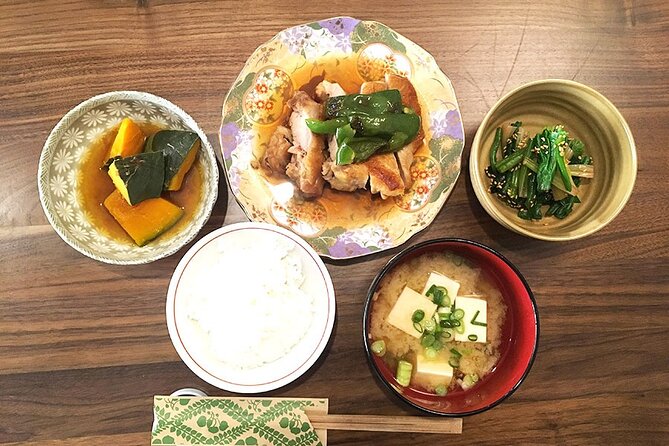
At $169 per person for about 2.5 hours total, this is not a bargain-basement activity. But it is also not overpriced for what you get.
You are paying for a private chef-led lesson in a local studio near Gion. That includes:
- Midori’s teaching time and experience
- Guided, hands-on instruction for your group
- A full meal that uses what you cooked
- Time for local tips, including where to shop for food and souvenirs
In other words, you are not buying a single dish. You are buying the skills to cook multiple steps, the ingredient fundamentals, and the meal experience that follows.
Value also depends on your group size. If you have a couple or a small family, private attention is exactly what justifies the cost. If you are solo and compare it to shared cooking classes, it might feel steep, but the payoff is still the same: you get personal help and a calmer pace.
My practical advice: treat the $169 as you would treat a high-quality dinner plus a workshop. If you will actually use the techniques you learn, you get much more than entertainment out of it.
Logistics that actually matter: where to go and what to bring
You meet at Japan, 600-8806 Kyoto, Shimogyo Ward, Chūdōji Mibukawachō, 7-13. The activity ends back at the meeting point, so you are not juggling multiple transfers.
It is near public transportation, so you should be able to reach it without a complicated plan. The tour uses a mobile ticket, which simplifies entry and reduces last-minute hassle.
What to bring is mostly about comfort and curiosity. Wear shoes and clothes that let you move easily, since cooking involves standing and working at a table. Bring a small notebook or use your phone notes if you like tracking sauces, ratios, and steps. This is the kind of lesson where a few reminders help you repeat the meal later.
If you have dietary needs, communicate them at booking. Vegetarian, vegan, kosher, and halal options are available, but they require you to advise in advance.
Who should book this, and who should think twice
This class is best for you if:
- You love Japanese food and want to understand the building blocks, not just eat them
- You want a private setting away from crowds
- Your group has dietary preferences that need real accommodation
- You like learning by doing, and you plan to cook again at home
It might not be ideal if:
- You want maximum menu freedom to mix and match random dishes
- You are sensitive to the fact that there is a cat in the home, even though it stays upstairs
- You prefer a longer restaurant-style tasting format instead of a shorter hands-on cooking lesson
Still, for most food-focused Kyoto trips, this is a smart way to spend a few hours. It gives you dinner, skills, and local guidance in one package.
Tips to get the most out of your cooking class with Chef Midori
First, choose your set menu thoughtfully. If you are going for gyoza or another specific dish, think about whether you want the texture challenge or the sauce and seasoning focus.
Second, arrive ready to ask questions. Midori’s teaching is interactive, and you get better value when you clarify things like consistency, timing, and how to judge doneness by sight and sound.
Third, pay attention during the tea and ingredient walkthrough. The soy sauce, mirin, sake, and miso conversation is where you start building your own instincts for flavor.
Lastly, use the insider tips after class. Midori shares restaurant recommendations and shopping pointers for food and souvenirs in Kyoto, so plan a bit of time later in your day to follow one or two of her suggestions.
Should you book this private ramen or gyoza cooking class with Chef Midori?
If you want a Kyoto experience that feels personal, not packaged, book it. The combination of Chef Midori’s long teaching experience, the private studio setting near Gion, and the fact that you cook and eat what you make makes this a high-utility activity for a short trip.
If you are traveling with dietary needs, this is especially attractive because vegetarian, vegan, kosher, and halal options are available with advance notice. And if you care about learning techniques you can repeat, the ingredient foundation and hands-on guidance are the real payoff.
Just pick your menu carefully, and be aware of the cat staying upstairs. With those two points in mind, this is the kind of class that can turn into dinner at home, not just a memory.
FAQ
How long is the cooking class with Chef Midori?
The cooking session is about 1.5 hours, followed by a shared meal, for an overall duration of about 2 hours 30 minutes.
Is this class private or shared with other groups?
This is private. Only your group participates.
What dietary options can Midori accommodate?
Vegetarian and vegan options are available, and kosher and halal options are also available. You should advise your needs at booking so the host can accommodate them in advance.
Where is the meeting point in Kyoto?
The meeting point is listed as Japan, 600-8806 Kyoto, Shimogyo Ward, Chūdōji Mibukawachō, 713 7番地13.
Is there a cat in the home during the class?
Yes, a cat resides in the home, but it stays upstairs and does not enter the kitchen or dining area.
What is the cancellation policy?
You can cancel for a full refund up to 24 hours before the experience’s start time. If you cancel less than 24 hours before, the amount paid is not refunded.
More Ramen Experiences in Kyoto
- Kyoto: Ramen Bowl Painting and Michelin Cooking Class
★ 4.9 · 96 reviews - Kyoto Ramen Noodle Making Class
★ 5.0 · 58 reviews - Ramen Gyoza Onigiri Japanese Cooking Class in Kyoto
★ 5.0 · 44 reviews - Kyoto Ramen Spoon Painting & Michelin Cooking Class
★ 5.0 · 34 reviews
Fresh options around Kyoto
- Kyoto Gion Photoshoot – Private Session | Pro Photographer★ 5.0 · 12 reviews
- Kyoto Aquarium Admission Ticket★ 4.7 · 12 reviews
- Gyoza Cooking Class in Kyoto: Traditional Japanese Dumplings★ 5.0 · 12 reviews
- Kyoto: Guided Food Tour with 12 Dishes & 3 Drinks★ 5.0 · 12 reviews
- Kyoto: Avoid the Crowds at the Hidden Gems of Arashiyama★ 4.9 · 13 reviews
- Kyoto Early Bird English Tour: Gion & Higashiyama(Private opt)★ 5.0 · 13 reviews
- Otsu-e Folk Art Workshop & Local Culture Walk Near Kyoto★ 5.0 · 13 reviews
- Kyoto, Osaka, Nara Full Day tour by Car English speaking Driver★ 3.5 · 13 reviews
Cooking Classes, compared.
Ramen Cooking Class at Ramen Factory in Kyoto
Read our review →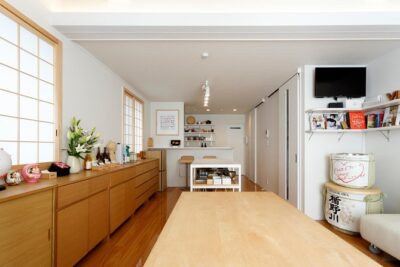
Ramen & Gyoza Cooking Class in Tokyo with Local Supermarket Visit
Read our review →
Ramen Cooking Class at a Ramen Factory with Souvenir
Read our review →
Japanese Washoku Bento Small Group Cooking Class
Read our review →
Easy Ramen Cooking Experience in Kabukicho, Shinjuku
Read our review →
Ramen and Sushi Cooking Class with Sake Pairing Set in Tokyo
Read our review →Browse the lists this tour appears in