

Reviewed · WORKSHOPS
Osaka: Sashiko Japanese Craftsmanship Workshop
Stitching in Osaka feels oddly calming. You’ll practice Sashiko on fabric with step-by-step guidance and leave with a coaster you made. I like that the group stays small and the instructor keeps things patient and encouraging, even if you are brand new. The only real downside is you need to handle your own trip to the venue, since transportation is not included.
Beyond the stitches, the workshop teaches you what you are looking at, not just what to do. I especially like the way the session mixes technique with the meaning of patterns, so your finished piece feels personal instead of random. One thing to consider is the format is only 2 hours, so it’s a first taste, not a long, deep project.
If you like crafts, slow activities, or learning a skill you can use at home, this is a smart use of time. I also like the small shopping area right next to the class, where you can grab sewing kits and hand-dyed threads to keep going after the workshop.
Key highlights
- Hands-on Sashiko instruction focused on geometric stitching
- Create your own coaster and take home your finished textile piece
- Small group cap of 8 for more personal help
- English and Japanese support from the instructor
- Historical workshop setting with an old-house feel
- Shop nearby for JunAle goods, sewing kits, and hand-dyed thread
Stitching in Osaka: Sashiko in Plain Terms
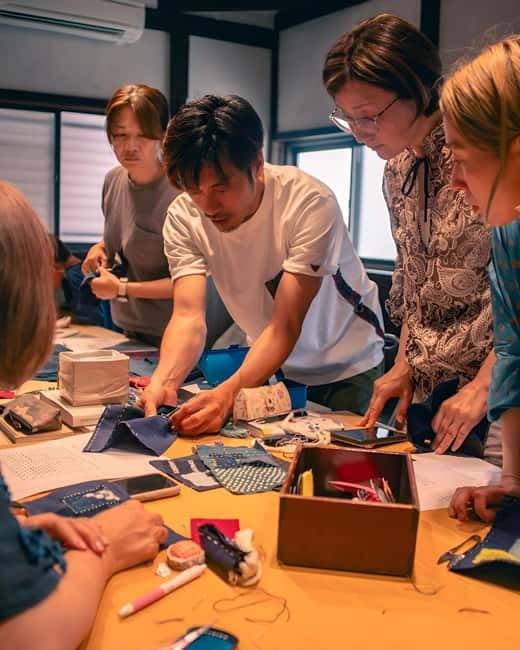
Sashiko is the Japanese art of reinforcement stitching, built around small, repeating marks that are both practical and beautiful. The literal meaning is little stabs, and once you start doing it, you see why. It is repetitive, rhythmic, and controlled, which is why so many people describe the class as calm and focused.
The workshop in Osaka is a beginner-friendly introduction. You are not expected to have sewing skills. The goal is simple, learn the stitch, follow the pattern, and make something you can actually bring home and use, like a coaster.
You’ll also get context while you work. Sashiko grew during the Edo period, when rural communities used it to mend and reinforce clothes for warmth and durability. Over time, regional patterns developed their own style and symbolism. That matters, because when you know what the pattern is meant to represent, the finished coaster feels like part of a living tradition, not just craft class.
A few more Osaka days worth comparing
- Osaka Go Karting Tour with Funny Costume
★ 5.0 · 2,658 reviews - Osaka Castle: Museum and Tower Entry Ticket
★ 4.5 · 2,380 reviews - Osaka: Shinsekai Food Tour with 13-15 Dishes at 5 Eateries
★ 4.8 · 2,204 reviews
What You Make: Geometric Coasters You Can Actually Use
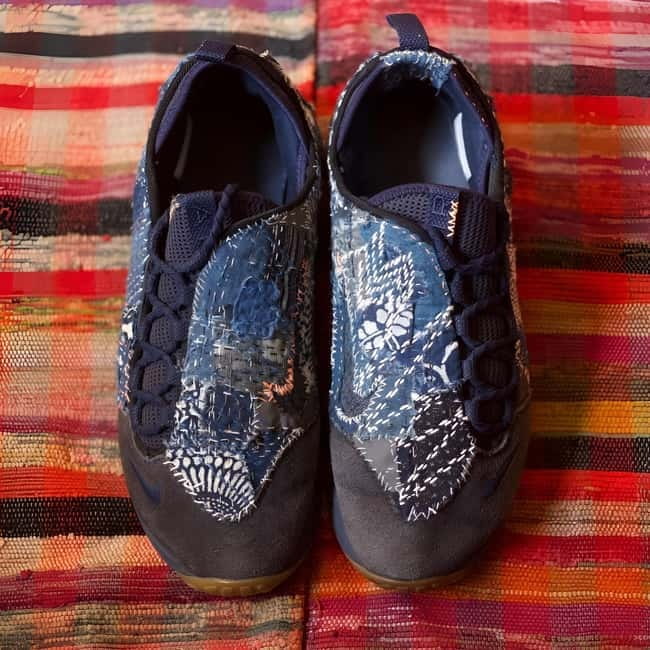
Your main project is a set of Sashiko coasters using geometric patterns. That choice is great for a workshop setting. Geometric designs give you clear lines to follow, and they make it easier to finish within two hours without rushing.
A coaster is also the right kind of souvenir. It is small, easy to pack, and it is functional. Even if you never become a full-time stitcher, you can still use the piece at home and remember the process every time you place a cup down.
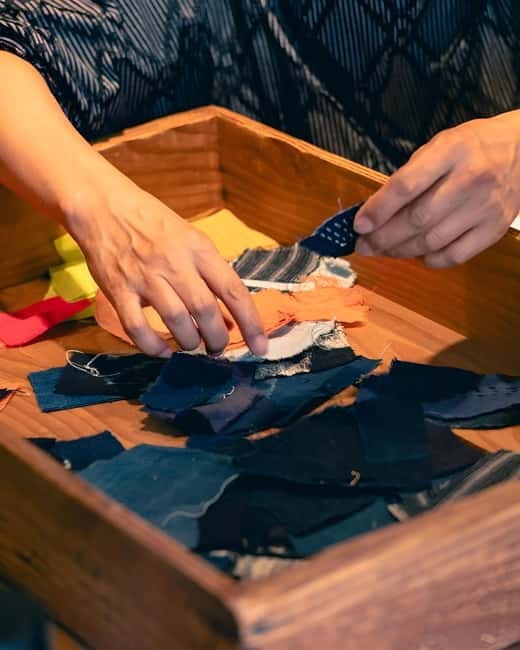
The class setup includes all necessary tools and materials, like fabric, needles, thread, and Sashiko-specific supplies. So you do not need to hunt for the right thread weights or worry you bought the wrong needle size before you arrive. You also avoid the common souvenir problem, where you end up with something decorative but fragile or complicated to care for.
The 2-Hour Flow, From Little Stabs to Finish
Here is the rhythm you can expect, and why it works.
First, you get a quick orientation to Sashiko and what it was originally used for. That’s not just trivia. Knowing the purpose of the stitch helps you understand why the spacing and repeat pattern are so important.
Next comes a demonstration of the fundamental stitch technique. Then you practice on your own fabric project. The goal is to build muscle memory, so the stitches start to feel automatic, almost like counting rather than drawing.
You work on small items during the session, and the workshop is designed so you can complete your piece. Many students seem to leave feeling proud because the project is real and finished, not half-done homework.
One extra detail that can happen: if you finish quickly, your instructor may show an additional stitch as a bonus. That kind of flexibility is one reason the class gets so much positive feedback. It rewards focus without making you feel behind.
Instructor Time With June, Nene, and Junale Staff
This workshop is led by an experienced instructor, and instruction is available in English and Japanese. The mix is useful. If you are comfortable in English, you get explanations you can follow fast. If you prefer Japanese terms or want to learn some vocabulary, you can also get support in that direction.
From the student experiences, I also like how the teaching style comes through: patient, encouraging, and organized. One person highlighted that the teacher was especially friendly and supportive, even when students were sewing teens or moving at different speeds. Another noted the class felt calm and helped them understand where the technique comes from.
In at least some sessions, the instructor is described as June, and other instructors or hosts are referenced as Nene or Jun. Either way, the theme stays consistent: you are not left alone with a diagram. You get direct guidance as you stitch.
For you, that matters because Sashiko is easy to mess up in the early minutes, especially with spacing and tension. Having someone nearby to correct your hand position or show the right pace can make the difference between a coaster that looks sharp and one that looks a bit wobbly.
Same corner of Japan, a different kind of day:
- Osaka Food Tour: 13 Dishes at 5 Local Eateries
★ 5.0 · 2,149 reviews - Hungry Osaka Street Food Tour:15 Tastings & 3 Drinks with a Local
★ 5.0 · 1,727 reviews - Osaka: teamLab Botanical Garden Entry Ticket
★ 4.5 · 1,710 reviews - Osaka: Tea Ceremony Experience
★ 4.9 · 1,426 reviews
Why the Patterns Matter, and How to Read Them

One of the best parts of this class is that patterns are not treated like decoration only. You learn about the history, significance, and symbolism behind different Sashiko motifs.
Even with a simple geometric design, the teaching approach helps you connect dots. Sashiko patterns often carry cultural meaning, and regional variations evolved over time. When the instructor explains that, your coaster becomes a small, wearable piece of context. It’s the difference between copying a pattern and understanding why that pattern exists.
You also pick up practical craft thinking: how the stitch structure creates rhythm and how repeated marks build a consistent look. That is the kind of understanding that helps if you later try another design at home. The workshop isn’t just giving you a finished souvenir, it is giving you a way to keep learning.
And because the workshop uses a limited project size, you can focus on quality. You are not fighting a huge canvas where mistakes get buried. You see your progress right away.
Price, Value, and the Solo Traveler Factor
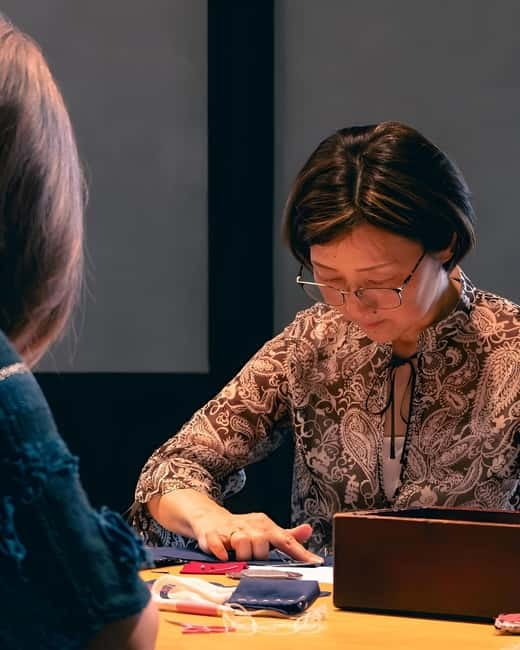
At $67 per person for a two-hour session, the value comes from what is included. You get tools and materials, instructor guidance, and a completed project you take home. When you compare that to buying supplies separately, plus paying for instruction elsewhere, the price starts to look fair.
It’s also good value because the group is capped at 8. That small size usually translates to more check-ins, not less. You get faster help when your stitches start to drift or your pacing feels off.
There is one practical consideration for solo travelers. The workshop aims not to charge more for solo travelers, but if a minimum of 2 guests is not met, you may be offered one of three options as a solo participant: attend on an alternate date, pay a 3000 yen solo supplement, or receive a full refund. That is something to keep in mind if you are booking close to your travel dates.
If you are traveling with a friend, it is simpler. You also get the bonus of sharing the experience, comparing stitches, and talking through what you want to try next.
Setting, Pace, and Group Size (Small Means Better)
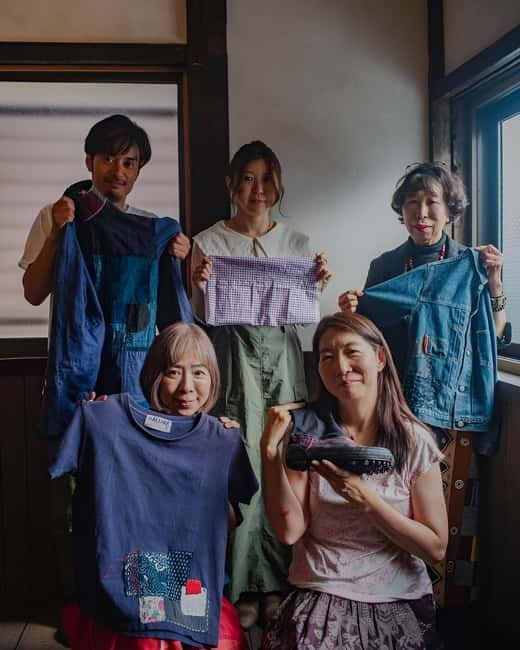
The workshop runs as a small group, limited to 8 participants. That is not just a comfort detail. It affects the whole class flow. With fewer people, your instructor can watch your stitching rather than only answering questions at the end.
A calm pace is a big part of the appeal. People describe it as meditative and relaxing, which makes sense when you are repeating controlled stitches and focusing on alignment. If you want a break from high-speed sightseeing, this is the kind of activity that helps your day feel grounded.
The setting also seems to matter. Several students mention an old-house atmosphere, including wooden stairs and visible framework. That type of environment makes the craft feel more connected to Japan, instead of feeling like a generic studio classroom.
And yes, it is wheelchair accessible. That is worth noting because it is not always true for traditional-style venues or older buildings.
Nearby Shopping: Turning Skills Into a Sewing Kit
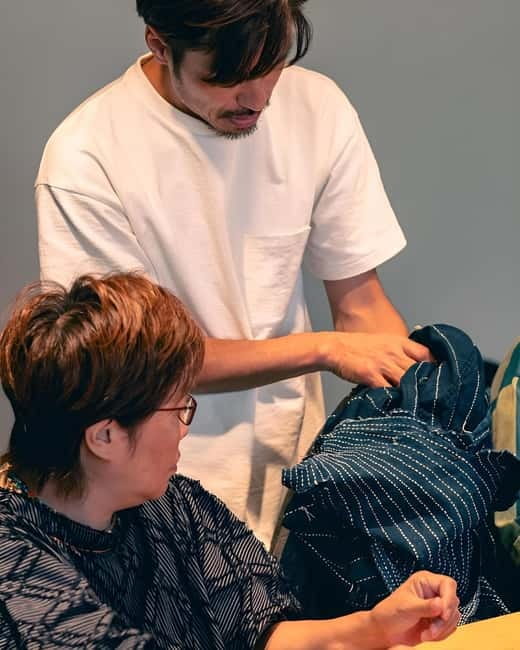
Right next to the workshop area, there is a small shopping corner. This is one of those practical additions that can save you time later.
You can browse JunAle original goods, sewing kits, and hand-dyed threads, plus some clothing. There is also a discount available for cash payments.
Even if you do not buy anything the day of the class, this is a nice option to keep in mind. If you fall in love with the craft, you can return for the exact supplies you need, or you can grab a kit and start your next pattern without guessing.
It also helps you avoid a common beginner trap: trying to recreate Sashiko with random materials and then wondering why the look or feel is different.
Practical Tips Before You Go
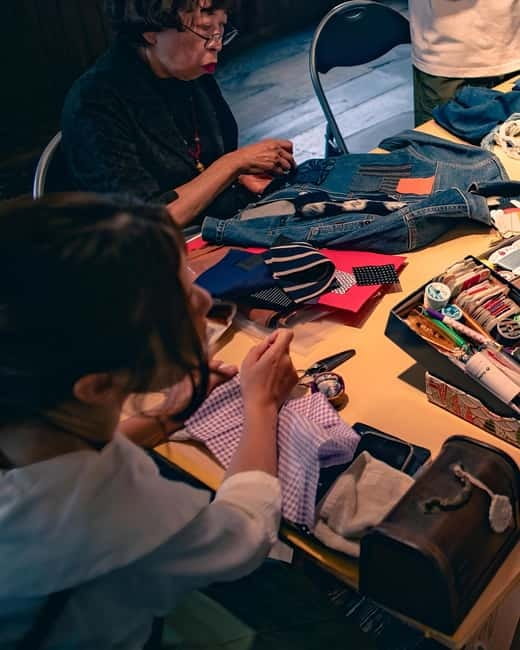
A few pointers will help you have an easier time from the moment you arrive.
- Plan to get to the venue on your own. Transportation is not included, but the meeting point can be arranged with advanced notice at Kyobashi station.
- Expect a technique-focused workshop. You are learning stitching, not touring a museum. Wear something comfortable that you can move in easily, especially if you are sensitive to thread or fabric dust.
- Bring a patient mindset. Your first stitches will not look perfect. That is normal and it is part of the learning curve. The instructor support is there for corrections.
- If you finish early, stay open to an extra challenge. Some students have been shown an additional stitch, which is a great bonus if you like expanding skills quickly.
If you are traveling with kids or teens, this can be a good fit, as long as the group is comfortable with a hands-on, slower craft activity. People have enjoyed it with teenagers, and the supportive teaching style helps.
Who Should Book This Osaka Sashiko Workshop?
Book it if you want a hands-on cultural craft with a finished result. It is ideal for:
- Beginners who want real instruction without intimidation
- People who like stitching, embroidery, or any detail work
- Travelers who want a calm, creative break from sightseeing
- Anyone who values a take-home memento that is small, usable, and made with your own hands
You might skip it if you are looking for a high-energy activity, or if you only want major city sights packed into a half day. This workshop is about focus and craft, not marching between attractions.
Also consider your schedule. Two hours goes fast, and you will want enough time afterward to shop a bit, travel back easily, and enjoy what you made.
Should You Book the Osaka Sashiko Workshop?
Yes, if you want a guided, beginner-friendly craft experience that ends with something you can use at home. The strongest reasons to choose it are practical: tools and materials are provided, the group stays small, the instruction is available in English and Japanese, and you leave with a completed coaster made by you.
Also, the calm, meditative tone matters. If you want a class that feels like a reset button in the middle of travel, this fits.
Just go in knowing it is a focused first step. You are not leaving with a lifetime of Sashiko knowledge in two hours. But you will leave knowing the basic stitch mechanics, how the patterns are explained, and how to keep experimenting after you return home.
FAQ
How long is the Osaka Sashiko workshop?
The workshop lasts 2 hours.
How much does the workshop cost?
The price is $67 per person.
What do you make during the class?
You create your own Sashiko textile piece, such as a coaster, using geometric patterns.
Are tools and materials provided?
Yes. All necessary tools and materials are included, including fabrics, needles, threads, and other Sashiko-specific tools.
What languages are used for instruction?
Instruction is offered in English and Japanese.
Is the workshop a small group experience?
Yes. The group is limited to 8 participants.
Is there a way to reach the meeting point using train access?
With advanced notice, you can be met at Kyobashi station.
What if I am traveling solo?
The workshop aims not to charge more for solo travelers, but if the minimum of 2 guests is not met you will be offered an alternate date, a 3000 yen solo supplement, or a full refund.
Fresh options around Osaka
- Osaka Winery Tour with Wine Tasting & Vineyard Walk★ 4.9 · 12 reviews
- Osaka: Early Morning Osaka Castle Guided Tour, Avoid Crowds★ 4.9 · 12 reviews
- Kyoto Day Trip from Osaka Port – Private Shore Excursion★ 5.0 · 13 reviews
- Osaka Private Pop Culture Tour: Historic Tenma to Dotonbori★ 4.5 · 13 reviews
- Osaka Castle Admission Ticket★ 4.0 · 13 reviews
- Hidden Osaka Foodie Tour: Nishinari Backstreets & Local Dining★ 5.0 · 13 reviews
- Discover Real Osaka: A Cultural Walk with Food & Drink★ 5.0 · 13 reviews
- Nara private tour (Shore excursion available from Osaka or Kobe port)★ 5.0 · 13 reviews
Workshops, compared.
Sushi Making Tokyo Roll and Authentic Japanese Sushi Class
Read our review →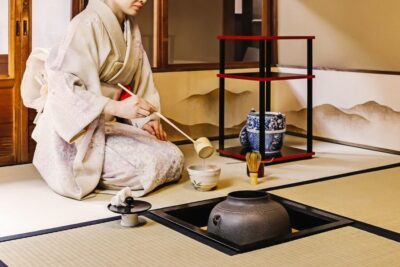
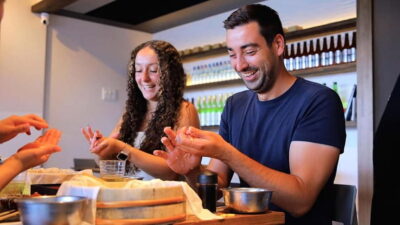
Roll and Authentic Sushi Making Class in Asakusa
Read our review →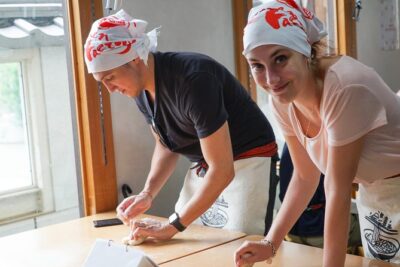
Ramen Cooking Class at Ramen Factory in Kyoto
Read our review →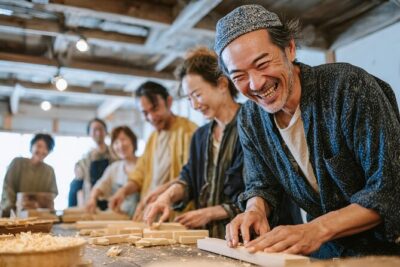
Sushi Making Class in a Happi Coat near a Famous Spot
Read our review →
Sushi Making Osaka Roll and Authentic Japanese Sushi Class
Read our review →Browse the lists this tour appears in